
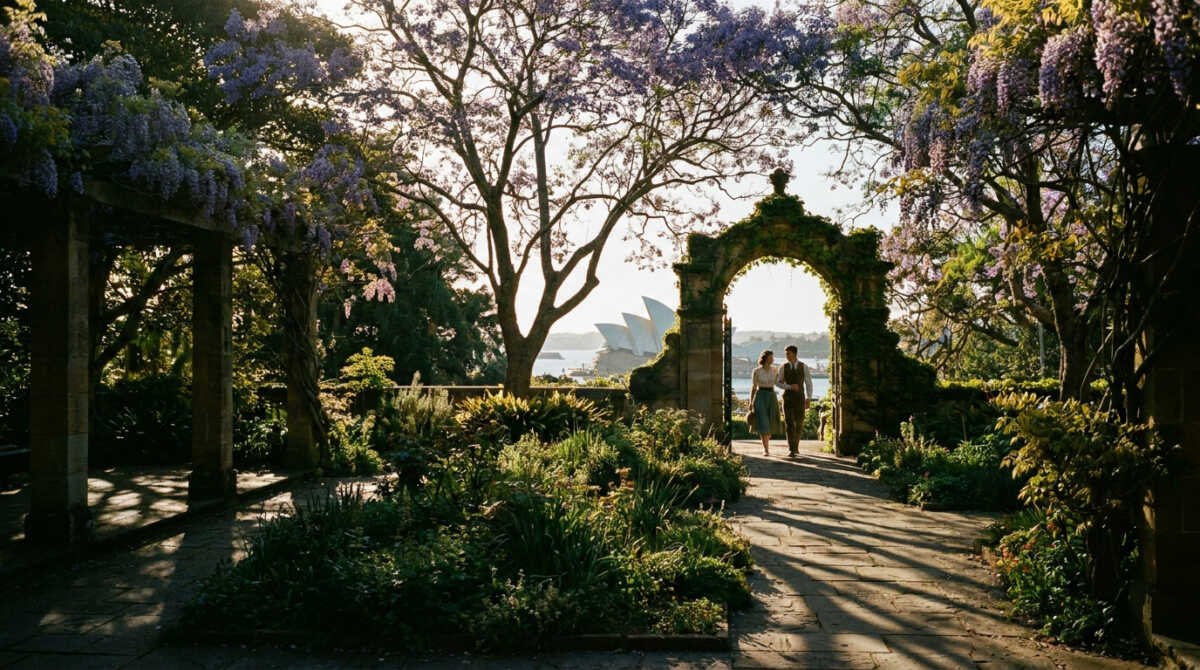
Spring is one of the nicest times to explore Sydney’s gardens. From colourful flower displays and fragrant wisteria to native Australian blooms, the city has plenty of places where you can enjoy a few peaceful hours outdoors. What I like about Sydney’s gardens is that they are not all the same. Some are large and carefully designed, while others feel hidden away among trees and walking paths. If you are looking for flowers, photography spots, a relaxing walk, or simply somewhere different to visit on a spring day, these 15 gardens are worth adding to your list.
1. Royal Botanic Garden Sydney
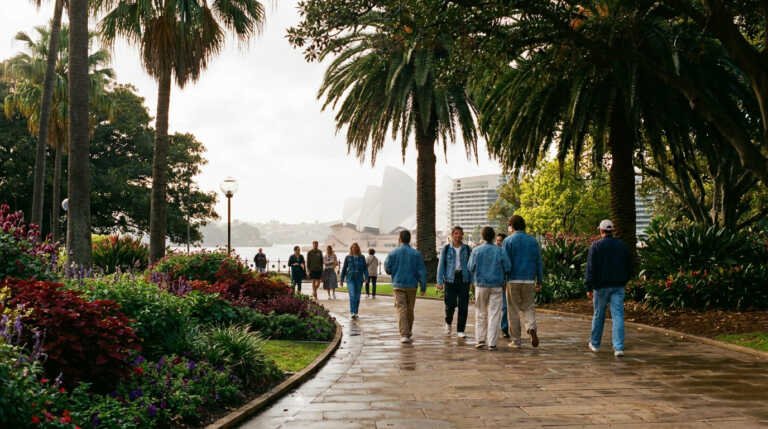
If you only have time to visit one garden in central Sydney during spring, the Royal Botanic Garden is an easy place to start. It sits beside Sydney Harbour and covers about 30 hectares, giving visitors plenty of space to explore different plant collections and garden areas.
The main attraction for spring flower lovers is the Spring Walk. This historic garden display features flowering perennials, shrubs and trees. Depending on the season, visitors can see snapdragons, wisteria, ornamental peach trees, rhododendrons and other flowering plants.
The Spring Walk traditionally begins flowering from around mid-August and continues through September into early October, although exact timing can change with the weather.
The Palace Rose Garden is another area worth visiting. Roses generally flower from September through May, making spring a particularly good time to include this section in your walk.
- Spring Walk
- Palace Rose Garden
- Wisteria
- Rhododendrons
- Seasonal flower beds
- Harbour and Opera House views
- Cadi Jam Ora First Nations Garden
- Why visit in spring: The combination of flowers, mature trees and Sydney Harbour makes this more than just a garden visit. You can spend a couple of hours walking around and then continue towards the Opera House or Mrs Macquaries Point.
- Practical tip: Go in the morning if you want a quieter walk and softer light for photography.
2. Australian Botanic Garden Mount Annan

For visitors who want to see Australian native flowers, the Australian Botanic Garden Mount Annan is a great spring option. It is larger and more open than many inner-city gardens, so it is worth allowing plenty of time to explore.
One of its best-known spring attractions is the Western Australian paper daisy display. The Botanic Gardens of Sydney says the display usually runs from September to the end of October, with large areas of pink, yellow and white flowers.
The garden also has a large collection of wattles, along with areas featuring banksias, grevilleas and hakeas. Other Australian plants can add plenty of colour throughout the spring season.
If you enjoy photographing flowers, this is one of the places where a wider camera view can be useful because some displays cover large areas rather than being limited to individual garden beds.
- Western Australian paper daisies
- Wattle displays
- Banksias
- Grevilleas
- Hakeas
- Australian native plants
- Connections Garden
- Why visit in spring: The garden gives you a chance to see Australian plants in a setting specifically designed around native flora. It is also a good choice if you have already visited Sydney’s more traditional European-style gardens.
- Practical tip: Check the current flower display information before visiting because peak flowering dates can vary.
3. Auburn Botanic Gardens
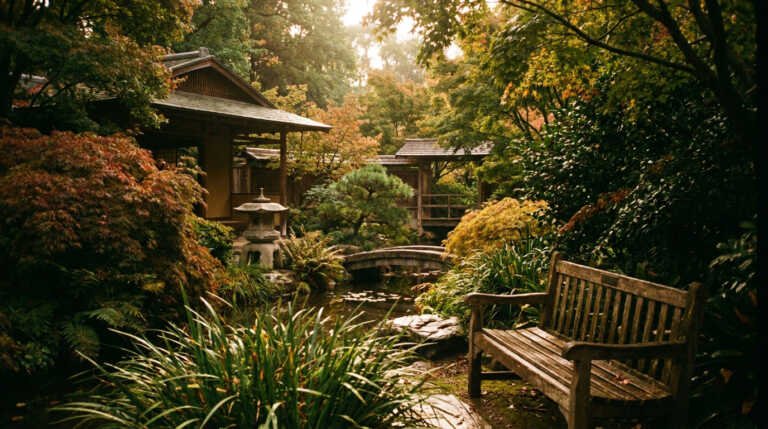
Auburn Botanic Gardens is another interesting option if you want something different from Sydney’s large botanical collections. The garden combines landscaped areas with Japanese-inspired features and seasonal plant displays.
Spring is a particularly attractive time to visit because flowering plants add colour to the garden’s ponds, pathways and landscaped areas. The Japanese Garden area is one of the places many visitors head towards, especially when seasonal blossoms are appearing.
Unlike a quick sightseeing stop, Auburn Botanic Gardens is better enjoyed at a relaxed pace. Walk through the different sections, stop near the water and take time to look at the smaller details in the planting.
- Japanese Garden
- Seasonal flowers
- Lakes and ponds
- Landscaped walking areas
- Colourful spring planting
- Bird and wildlife areas
- Why visit in spring: The mix of water, greenery and flowers gives the garden a different atmosphere from the harbour-side gardens in central Sydney.
- It can also work well for families because there is more to explore than simply walking past flower beds.
- Practical tip: If blossoms are your main reason for visiting, check the latest council information before making a special trip because flowering periods are seasonal.
- Official information: Cumberland City Council – Auburn Botanic Gardens
4. Wendy Whiteley's Secret Garden
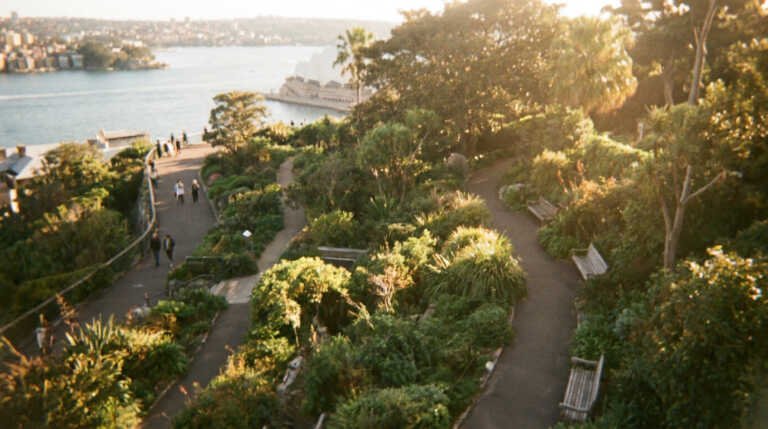
Hidden among the streets of Lavender Bay, Wendy Whiteley’s Secret Garden feels very different from a traditional botanical garden.
The garden was created by artist Wendy Whiteley from 1992 onwards and developed into a landscaped public space filled with plants, pathways, sculptures and quiet corners. North Sydney Council describes it as a tiered garden with flowering plants and views towards Sydney Harbour and the Harbour Bridge.
Spring is a lovely time to explore the garden because the combination of greenery and flowering plants creates a relaxed, almost storybook-like setting.
It is not a huge garden, so you do not need an entire day here. Instead, it works nicely as part of a North Sydney or Lavender Bay walking itinerary.
- Flowering plants
- Tiered garden paths
- Sculptures
- Sydney Harbour Bridge views
- Quiet seating areas
- Mature trees and greenery
- Why visit in spring: This is a good choice if you prefer a smaller, more informal garden rather than a large botanical collection.
- The garden is free to enter and is generally open to visitors. However, there are steep sections and steps, so people with limited mobility should check the current accessibility information before visiting.
- Practical tip: Combine the visit with a walk around Lavender Bay and nearby harbour viewpoints.
- Official information: North Sydney Council – Wendy’s Secret Garden
5. Lisgar Gardens, Hornsby
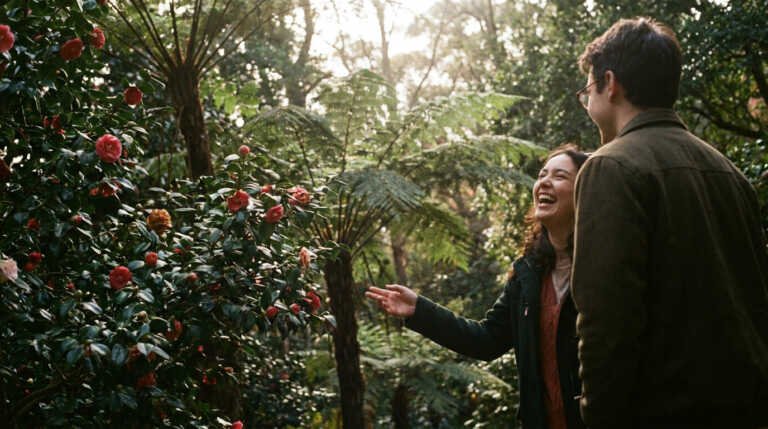
If you want to discover a quieter garden away from Sydney’s busiest tourist areas, Lisgar Gardens in Hornsby is worth considering.
The garden covers about 2.6 hectares and is built on a hillside, with sandstone walls creating different levels. It is particularly well known for its collection of camellias. Hornsby Shire Council says the garden contains more than 300 camellia specimens representing more than 200 varieties.
The garden also contains rhododendrons, azaleas, gardenias, native plants, ferns, formal garden areas, waterfalls and a rainforest walk.
Spring adds another layer of interest. Council records have specifically noted crabapples and blossom trees looking their best during spring, making the garden a useful option for visitors interested in seasonal flowers beyond the major city gardens.
- Camellias
- Azaleas
- Rhododendrons
- Gardenias
- Blossom trees
- Waterfalls
- Rainforest walk
- Formal gardens
- Why visit in spring: Lisgar Gardens has a more secluded atmosphere than the major tourist gardens. The hillside design also means you get changing views as you move through the different levels.
- It is a good choice for people who enjoy quieter walks, unusual plants and gardens with a strong horticultural history.
- Practical tip: Parking on Lisgar Road is limited, so check the council’s current visitor information before driving there.
- Official information: Hornsby Shire Council – Lisgar Gardens
6. Swain Gardens, North Sydney
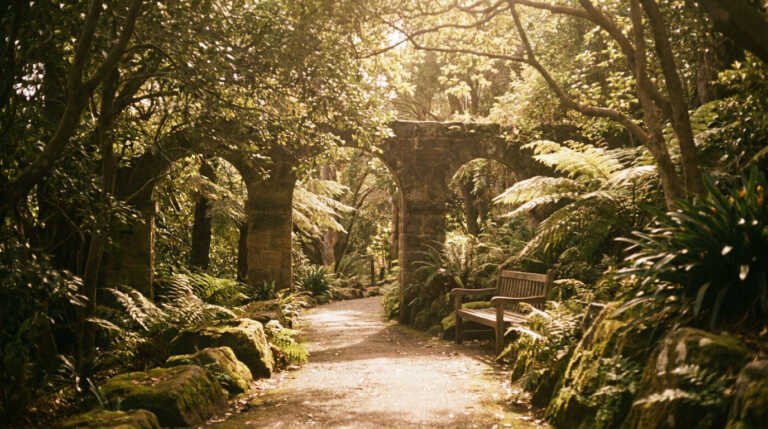
Swain Gardens is a peaceful garden in North Sydney that is easy to miss if you are only visiting the city’s major attractions. It has a more traditional garden feel, with lawns, mature trees, colourful planting and quiet areas where you can slow down for a while.
Spring is a pleasant time to visit because seasonal flowers and fresh greenery add colour throughout the garden. It is especially suitable for visitors who prefer a quieter place for a short walk or relaxed break.
The garden is also close to other North Sydney attractions, so you can combine it with a wider sightseeing day.
- Seasonal flowers
- Mature trees
- Landscaped garden beds
- Open lawns
- Quiet walking areas
- Why visit in spring: Swain Gardens offers a calm alternative to some of Sydney’s busier tourist gardens. It is a good choice for a short morning or afternoon garden visit.
- Practical tip: Check the current North Sydney Council information before visiting for opening and access details.
- Official information: North Sydney Council – Swain Gardens
7. Ku-ring-gai Wildflower Garden

If you want to see Australian native flowers in a natural setting, Ku-ring-gai Wildflower Garden is a different experience from a formal botanical garden.
The garden is located in St Ives and covers a large area of bushland, walking tracks and native plant habitats. During spring, native wildflowers can add colour to the bushland, making this an interesting option for people who enjoy combining flowers with nature walks.
Instead of seeing flowers arranged mainly in formal beds, visitors can experience native plants in a more natural environment.
- Native Australian wildflowers
- Bushland
- Walking tracks
- Native plant displays
- Wildlife
- Natural landscapes
- Why visit in spring: Spring is one of the most interesting times to explore Sydney’s native bushland because many plants respond to the warmer weather and seasonal rainfall with new growth and flowers.
- Practical tip: Wear comfortable walking shoes and carry water if you plan to explore the longer tracks.
8. Auburn Japanese Garden
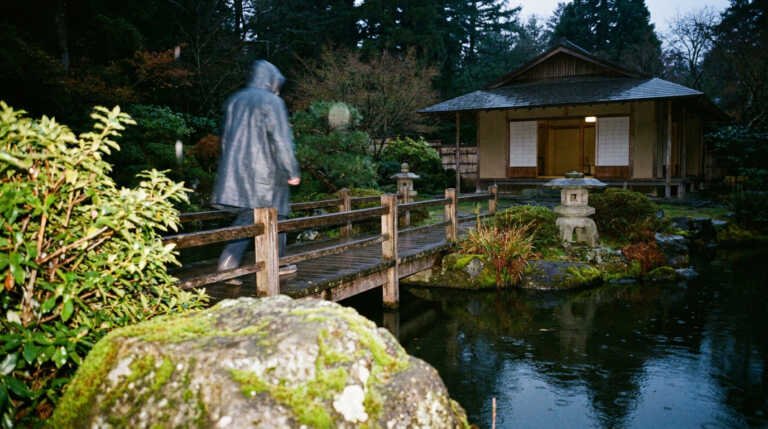
The Japanese Garden at Auburn is another option for visitors looking for spring colour, water features and carefully landscaped surroundings.
The garden forms part of Auburn Botanic Gardens and features Japanese-inspired landscaping, including ponds, bridges, paths and planted areas. Depending on the season, flowering plants can add colour around the garden.
The combination of water and greenery also makes this a popular type of setting for photography.
- Japanese-style landscaping
- Ponds
- Bridges
- Seasonal flowers
- Landscaped paths
- Greenery and trees
- Why visit in spring: Spring brings fresh growth and seasonal colour to the garden, while the ponds and landscaped surroundings create a peaceful atmosphere.
- If you are already planning to visit Auburn Botanic Gardens, allow enough time to explore its different sections rather than rushing through the Japanese Garden.
- Practical tip: Check the latest Cumberland City Council information for entry arrangements, opening times and any seasonal events.
- Official information: Cumberland City Council – Auburn Botanic Gardens
9. Everglades Gardens, Leura
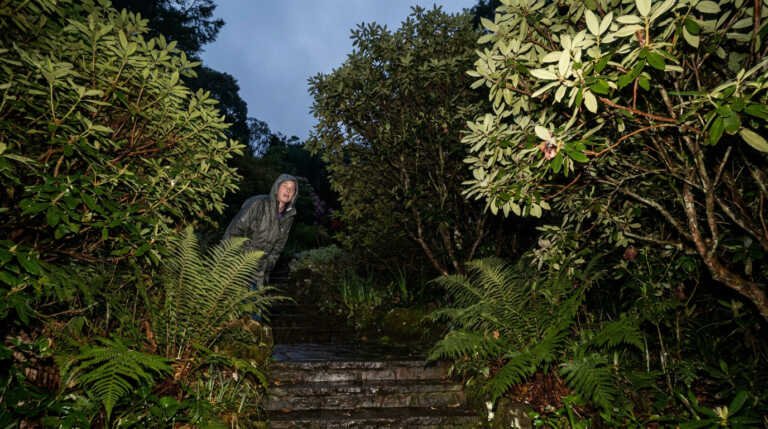
For a spring garden experience outside central Sydney, Everglades Gardens in the Blue Mountains is worth considering.
Located in Leura, the historic garden combines landscaped areas with mountain scenery. It is known for its formal gardens, European-inspired design, terraces, pathways and views across the Jamison Valley.
Spring is a particularly interesting season in the Blue Mountains because gardens in the area begin showing fresh growth and seasonal blooms.
- Formal garden areas
- Seasonal flowers
- Terraces
- Garden pathways
- Blue Mountains scenery
- Views across the Jamison Valley
- Why visit in spring: The combination of garden design and Blue Mountains scenery makes Everglades different from Sydney’s city gardens. It can also be included in a wider Blue Mountains day trip.
- The garden is particularly interesting for visitors who enjoy historic gardens rather than only looking for individual flower displays.
- Practical tip: Leura is cooler than central Sydney, so check the weather forecast and allow extra time if you are combining the garden with other Blue Mountains attractions.
- Official information: National Trust – Everglades House & Garden
10. The Royal Botanic Garden Mount Tomah
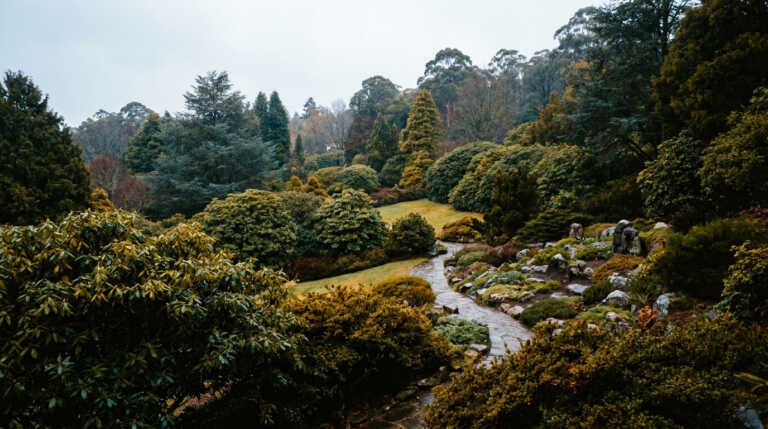
For a larger garden experience in the Blue Mountains, the Blue Mountains Botanic Garden Mount Tomah offers a very different environment from the gardens around Sydney Harbour.
The garden is set within the Blue Mountains and contains plants from Australia and other parts of the world. Its elevated location gives visitors cooler conditions and extensive mountain views.
Spring can bring plenty of seasonal interest, including flowering plants and fresh growth across the garden’s different collections.
- Spring flowers
- Cool-climate plants
- Native Australian plants
- Garden collections
- Mountain views
- Walking paths
- Why visit in spring: Mount Tomah is a good option if you want to combine a garden visit with a Blue Mountains road trip. The cooler climate also means the experience can feel quite different from visiting gardens in central Sydney.
- The garden’s changing elevations and plant collections give visitors plenty to explore rather than one single flower display.
- Practical tip: Check the official Botanic Gardens website before travelling because weather conditions in the Blue Mountains can affect access and garden operations.
11. Stony Range Regional Botanic Garden
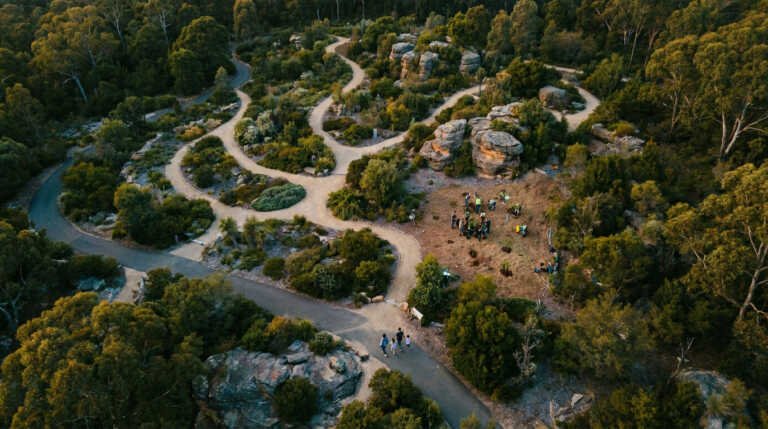
Stony Range Regional Botanic Garden is a peaceful native plant garden in Dee Why on Sydney’s Northern Beaaches. It is a good choice if you want to see Australian plants in a setting that feels more natural and less formal than a traditional ornamental garden.
The garden includes native plant collections, walking paths, rainforest areas and sandstone features. During spring, native plants can bring fresh colour to the garden, making it a pleasant place for a relaxed walk.
- Australian native plants
- Native flowers
- Rainforest vegetation
- Walking tracks
- Sandstone features
- Wildlife
- Why visit in spring: Spring is a good season for exploring Sydney’s native gardens because many Australian plants begin producing new growth and flowers.
- Practical tip: Allow some extra time for walking rather than treating Stony Range as a quick photo stop.
12. Centennial Parklands Rose Garden
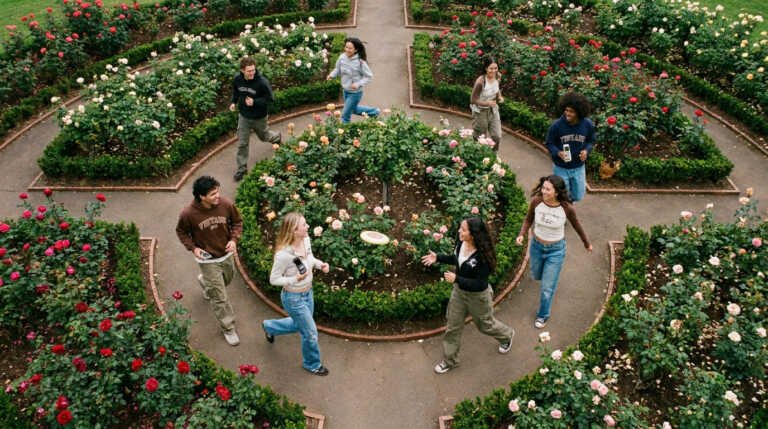
Rose Garden is located within Centennial Parklands and is a useful stop for visitors who specifically enjoy roses and formal garden design.
The garden has a more traditional appearance, with rose beds and landscaped surroundings. Spring is an especially attractive time to visit because roses begin adding stronger colour and fragrance to the garden.
Centennial Parklands also gives you plenty of options for extending your visit beyond the rose garden. You can continue walking through the surrounding parklands, making this a good choice for a longer outdoor day.
- Rose beds
- Seasonal flowers
- Formal landscaping
- Mature trees
- Open parkland
- Walking paths
- Why visit in spring; If roses are your main reason for visiting a garden, spring gives you a good opportunity to see them as the season develops.
- Practical tip: Visit earlier in the day if you want a quieter walk and better conditions for photography.
- Official information: Centennial Parklands
13. The Calyx at Royal Botanic Garden Sydney

The Calyx offers something slightly different from an outdoor flower garden. Located inside the Royal Botanic Garden Sydney, it is a horticultural attraction featuring changing plant displays and exhibitions.
The Calyx is particularly useful if you want to combine a spring garden walk with an indoor horticultural experience. Its displays change over time, so checking the current exhibition before visiting is worthwhile.
You can easily combine it with the wider Royal Botanic Garden, including the Spring Walk and Palace Rose Garden.
- Seasonal horticultural displays
- Indoor plant exhibitions
- Living plant walls
- Educational displays
- Royal Botanic Garden surroundings
- Why visit in spring: Spring gives you an opportunity to combine several different garden experiences in one visit. After exploring the outdoor flowering areas, you can continue to the Calyx for its current display.
- Practical tip: Check current opening times and exhibition information before travelling because Calyx hours can differ from the surrounding garden.
14. Ku-ring-gai Wildflower Garden
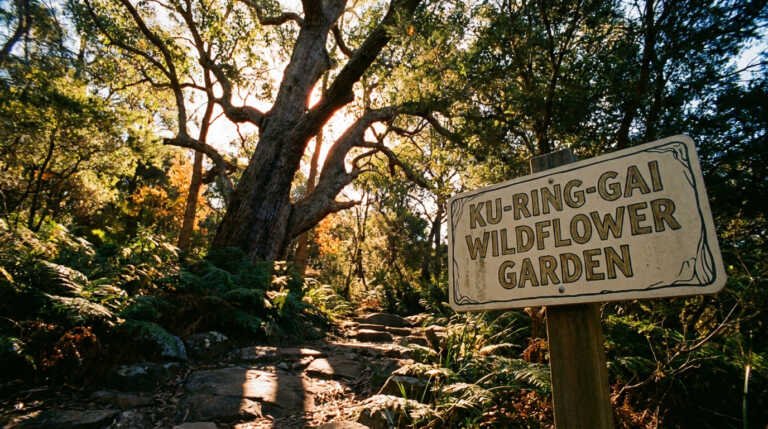
Ku-ring-gai Wildflower Garden in St Ives is a particularly good option for visitors who prefer native flowers, bushland and walking trails.
Unlike a formal garden where most plants are arranged in defined beds, this garden allows visitors to experience Australian flora alongside natural bushland. Spring is an important season for wildflowers, and the changing vegetation makes walking the trails more interesting.
It is also a good place to combine a garden visit with nature and wildlife spotting.
- Australian wildflowers
- Native plants
- Bushland
- Walking trails
- Wildlife
- Natural landscapes
- Why visit in spring: Spring is one of the most rewarding times to explore Sydney’s native flora. The garden provides a chance to see plants in a setting that feels much closer to their natural environment.
- Practical tip: Choose your walking route according to your available time and fitness level, and take water with you.
- Official information: Ku-ring-gai Council – Ku-ring-gai Wildflower Garden
15. Blue Mountains Botanic Garden Mount Tomah
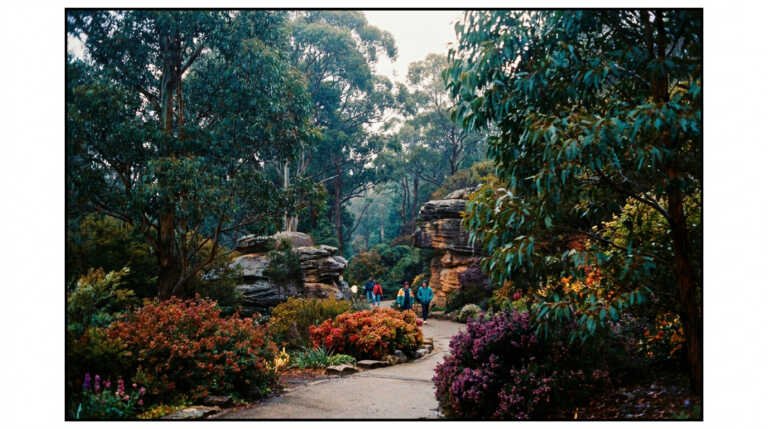
Blue Mountains Botanic Garden Mount Tomah is a little farther from central Sydney, but it is worth including if your spring garden guide covers Sydney day trips.
The garden specialises in cool-climate plants and sits in the Blue Mountains, creating a noticeably different environment from the coastal and city gardens.
Spring brings a variety of flowering displays. The Botanic Gardens of Sydney specifically highlights wisteria in spring, while Destination NSW notes the garden’s annual daffodil display from late August into September.
- Wisteria
- Daffodils
- Cool-climate plants
- Native Australian plants
- Seasonal flower displays
- Mountain scenery
- Why visit in spring: The cooler mountain environment gives this garden a different character from Sydney’s city gardens. It is particularly suitable for visitors who want flowers, gardens and scenic mountain landscapes in the same trip.
- Practical tip: Because Mount Tomah is in the Blue Mountains, check the weather and current garden conditions before starting your drive.
Frequently Asked Questions (FAQs)
What is the best time to visit Sydney gardens in spring?
- September and October are generally good months for spring flowers, but blooming times vary by garden and weather.
Which Sydney garden is best for flowers?
- The Royal Botanic Garden Sydney and Australian Botanic Garden Mount Annan are popular choices for seasonal flower displays.
Where can I see native Australian flowers?
- Australian Botanic Garden Mount Annan and Ku-ring-gai Wildflower Garden are good options for native plants and wildflowers.
Are Sydney gardens free to visit?
- Many public gardens are free, although some gardens or special exhibitions may charge an entry fee.
Can I take photos in Sydney gardens?
- Yes, visitors can generally take personal photos. Follow each garden’s rules and avoid damaging plants or garden areas.

I am Sabiq Hasan Rasel. Coffee with Travel, Recipes & Reviews is a cozy and engaging content space that blends a love of coffee with exciting travel experiences, delicious recipes, and honest reviews. It offers inspiration for coffee lovers who enjoy exploring new places, trying unique flavors, and discovering lifestyle tips along the way.