Sydney is famous for its harbour, beaches and lively city centre, but the city also has a huge amount of green space. From enormous stretches of bushland in Western Sydney to historic parklands close to the CBD, there are plenty of places where you can walk, cycle, have a picnic or simply spend a few quiet hours outdoors. If you are looking for some of the largest parklands and parks in Sydney, these 15 are worth knowing about. I have focused on the size of the park or parkland itself, while also considering what visitors can actually see and do there. Note: Park sizes can vary between sources depending on whether they refer to the main park, a wider parklands estate or connected areas. The figures below use the relevant official parkland or government information available.
1. Western Sydney Parklands – 5,280 Hectares
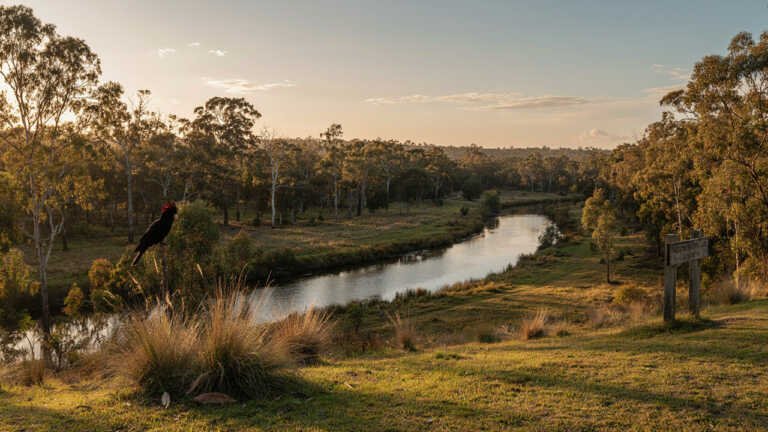
If you want to experience a really large open space in Sydney, Western Sydney Parklands is hard to overlook. Covering approximately 5,280 hectares and stretching for about 27 kilometres, it is described by the NSW Government as Australia’s largest urban parkland.
Rather than feeling like one traditional city park, Western Sydney Parklands is more like a huge network of green spaces, bushland, walking tracks, picnic areas and recreation areas spread across western Sydney.
There are more than 60 kilometres of tracks and trails, making the parklands particularly useful for people who enjoy walking and cycling. Families can also find playgrounds and picnic facilities, while different parts of the parklands provide different experiences.
- Walk or cycle along the extensive tracks
- Have a picnic in designated areas
- Explore native bushland
- Visit family-friendly playgrounds
- Enjoy views across western Sydney
- Spend time outdoors away from the busy city centre
- One of the nice things about Western Sydney Parklands is that you do not have to see everything in one visit. Because of its enormous size, different sections can feel quite different from one another.
- Best for: Nature lovers, families, walkers, cyclists and visitors who want a large outdoor area.
- Official website: Western Sydney Parklands – Greater Sydney Parklands
2. Centennial Parklands – 369 Hectares
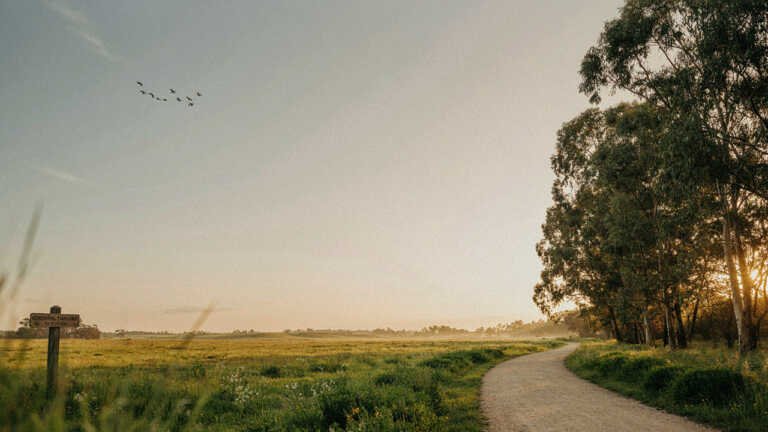
For visitors who want a large park without travelling far from central Sydney, Centennial Parklands is one of the most convenient choices.
The Greater Sydney Parklands website says the parklands cover 369 hectares and include Centennial Park, Moore Park and Queens Park. The area provides a mixture of open lawns, gardens, sporting spaces and recreational areas.
Centennial Park itself has wide avenues, ponds, gardens and large areas of open space. It is popular for walking, cycling, picnics and outdoor activities, while parts of the parklands are also used for organised sport.
The park has a particularly different atmosphere from Sydney’s busy streets. You can be relatively close to the CBD and still find large grassy areas and mature trees.
- Walk around the park’s wide paths
- Cycle through the park
- Have a picnic
- Explore gardens and ponds
- Enjoy outdoor exercise
- Try horse riding at the equestrian centre
- Visit cafes and food outlets
- The City of Sydney also lists facilities including playgrounds, barbecues, public toilets, cafes and designated dog areas.
- Best for: Families, walkers, cyclists, picnickers and people staying near central Sydney.
- Official website: Centennial Parklands
3. Parramatta Park – 85 Hectares
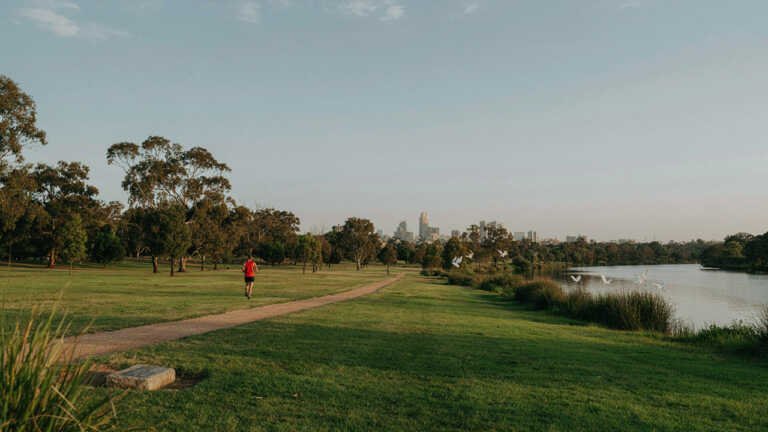
Parramatta Park is smaller than the two huge parkland areas above, but its combination of open space, gardens and history makes it one of the most interesting large parks in Greater Sydney.
The park covers approximately 85 hectares and sits in the centre of Parramatta. Greater Sydney Parklands describes it as a World Heritage-listed park with lawns, gardens, historic monuments, event spaces and recreational facilities.
One of the main attractions is Old Government House, which sits within the historic landscape. This gives Parramatta Park a different character from parks that are mainly designed for recreation.
You can come here for a relaxed walk, but you can also spend time learning about Sydney’s early colonial history.
- Walk through the historic parkland
- Explore gardens and open lawns
- Visit the area around Old Government House
- Have a picnic
- Enjoy outdoor recreation
- Attend events held in the park
- Take photographs of the historic landscape
- The park is particularly convenient if you are already visiting Parramatta because it is close to the city centre.
- Best for: History lovers, families, walkers, photographers and visitors exploring Parramatta.
- Official website: Parramatta Park – Greater Sydney Parklands
4. Sydney Park – 44 Hectares
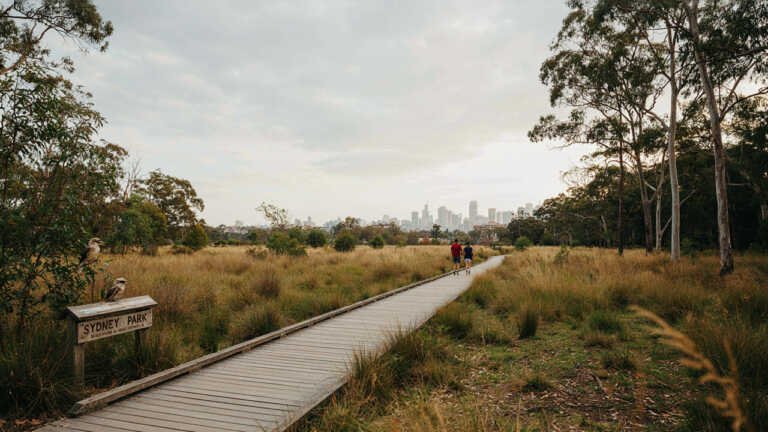
Located in Alexandria, Sydney Park is a great example of how a former industrial landscape can become a major urban green space.
The park covers about 44 hectares, according to the City of Sydney. It includes large open areas, wetlands, walking paths and recreation facilities.
One of the most interesting parts of Sydney Park is its wetlands. The City of Sydney has developed a stormwater harvesting system that helps supply water for the wetlands and irrigation of the park.
There is also plenty here for active visitors. Sydney Park has cycling facilities, a children’s bike track, playgrounds and a skate park.
If you are travelling with children, the open spaces and cycling areas can make this a useful place to include in a Sydney itinerary.
- Walk around the wetlands
- Watch birds and local wildlife
- Cycle around the park
- Use the children’s cycling facilities
- Visit the playgrounds
- Enjoy a picnic
- Spend time around the ponds and open lawns
- Best for: Families, cyclists, walkers, photographers and visitors interested in urban wetlands.
- Official website: Sydney Park – City of Sydney
5. Bicentennial Park – 40 Hectares
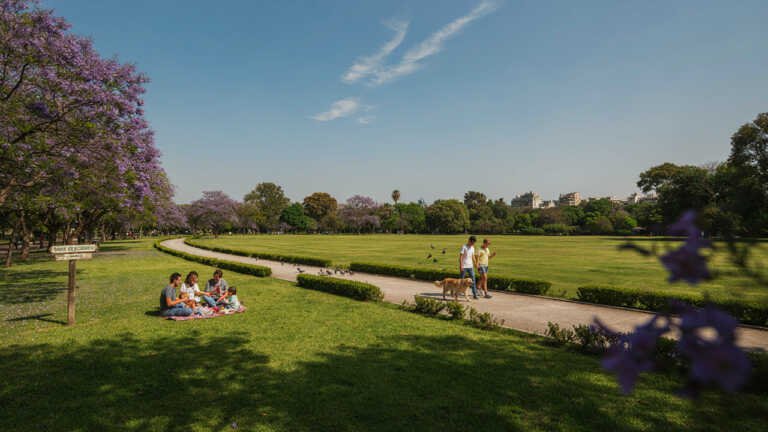
Bicentennial Park is part of the Sydney Olympic Park precinct and provides a mixture of wetlands, lakes, grassy areas and walking and cycling paths.
The NSW Government lists 40 hectares of parkland, with features including Lake Belvedere, wetlands, picnic areas, playgrounds and shared paths.
The park is especially appealing if you like combining nature with easy recreational activities. You can walk or cycle through the park, stop for a picnic, explore the mangrove areas or climb the Treillage Tower for views over the surrounding landscape.
For families, there are playgrounds and open spaces, while people interested in birds and wetlands can spend time exploring the waterbird areas.
- Walk beside Lake Belvedere
- Cycle along the shared paths
- Explore the mangrove boardwalk
- Visit the bird-watching areas
- Have a picnic
- Enjoy the playgrounds
- Visit the Treillage Tower
- Bicentennial Park is also a convenient option for people already spending time at Sydney Olympic Park.
- Best for: Families, cyclists, birdwatchers, photographers and relaxed outdoor days.
- Official website: Bicentennial Park – Sydney Olympic Park
6. Lane Cove National Park
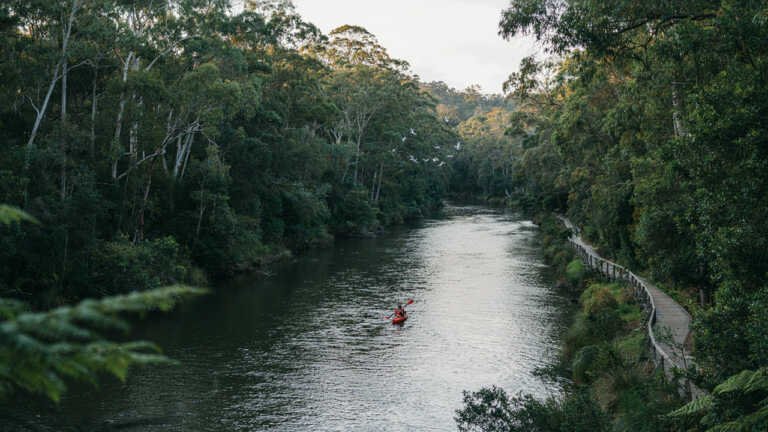
Lane Cove National Park is one of the best places around Sydney for visitors who want to combine green space with bushland, walking trails and the Lane Cove River. It stretches through several parts of northern Sydney and feels surprisingly natural despite being surrounded by the metropolitan area.
The park is particularly popular with walkers and people looking for a quieter outdoor experience. Different trails pass through eucalyptus forest, sandstone landscapes and areas beside the river.
- Walk along bush trails
- Explore the Lane Cove River
- Have a picnic
- Go birdwatching
- Enjoy nature photography
- Explore historic sites
- Spend a peaceful day away from busy streets
- The landscape can feel very different from Sydney’s formal city parks, so comfortable walking shoes are a good idea.
- Best for: Bushwalking, nature lovers, photographers and families.
- Official website: Lane Cove National Park – NSW National Parks
7. Ku-ring-gai Chase National Park
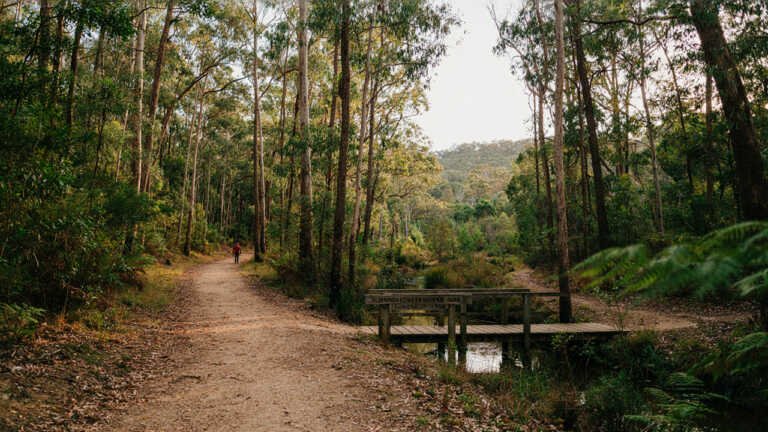
Ku-ring-gai Chase National Park is one of Sydney’s most impressive natural areas. Located north of the city, it combines forests, waterways, rocky landscapes and spectacular views.
The park is known for its extensive natural landscape around the Hawkesbury River and Pittwater. Visitors can find walking tracks, lookouts, picnic areas and opportunities to explore Aboriginal heritage.
One of the best things about visiting Ku-ring-gai Chase is the variety. You can spend part of the day walking through bushland and then stop at a lookout overlooking the water.
- Explore bushwalking trails
- Visit scenic lookouts
- Have a picnic
- Enjoy views of Pittwater and the Hawkesbury River
- Look for native birds and wildlife
- Learn about Aboriginal cultural heritage
- Take photographs of the landscape
- Because the park is extensive, it is worth checking the official NSW National Parks website before your visit for access conditions, park alerts and facilities.
- Best for: Nature lovers, hikers, photographers and visitors looking for scenic views.
- Official website: Ku-ring-gai Chase National Park – NSW National Parks
8. Garigal National Park
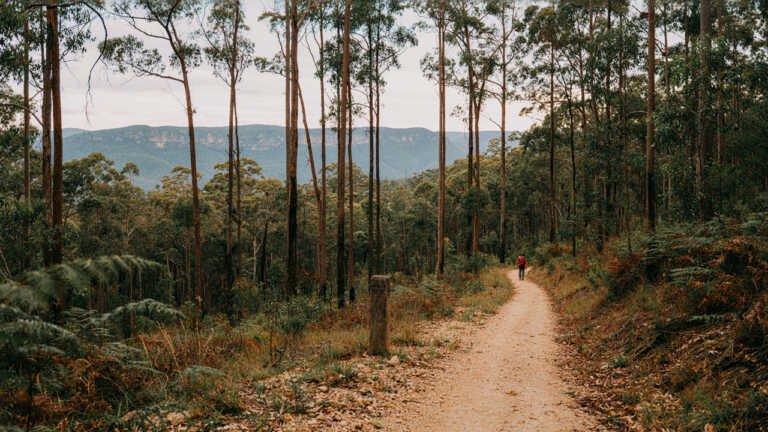
Garigal National Park provides another large area of bushland within Sydney’s northern suburbs. It protects forests, creeks, sandstone landscapes and wildlife habitat while remaining relatively close to the city’s urban areas.
The park has a network of walking and cycling routes, with some trails following waterways and passing through native bushland.
For visitors who want to see a more natural side of Sydney without travelling far outside the metropolitan area, Garigal can be a practical option.
- Go bushwalking
- Explore forest trails
- Enjoy mountain-bike routes where permitted
- Photograph native landscapes
- Watch for local wildlife
- Explore creeks and sandstone formations
- Some tracks can be uneven or steep, so visitors should check the trail conditions before setting out.
- Best for: Bushwalkers, cyclists, photographers and outdoor enthusiasts.
- Official website: Garigal National Park – NSW National Parks
9. Royal National Park
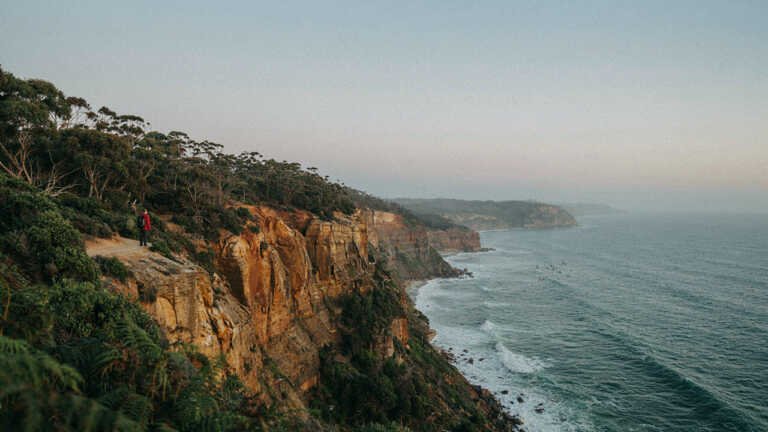
Royal National Park is one of the most famous large natural areas in the Sydney region and is located south of the city.
Established in 1879, it is widely recognised as the world’s second-oldest national park, after Yellowstone. The park covers a huge natural landscape containing coastal cliffs, beaches, forests, waterways and walking tracks.
The combination of coast and bushland is what makes this park particularly interesting. You can explore inland trails one day and enjoy dramatic coastal scenery on another visit.
- Walk along coastal trails
- Visit beaches
- Explore bushland
- Have a picnic
- Enjoy scenic lookouts
- Go cycling on suitable routes
- Explore waterways and natural landscapes
- Popular areas can become busy during weekends and holidays, so checking current park information before travelling is useful.
- Best for: Hiking, beaches, coastal scenery, photography and nature trips.
- Official website: Royal National Park – NSW National Parks
10. Western Sydney Regional Park
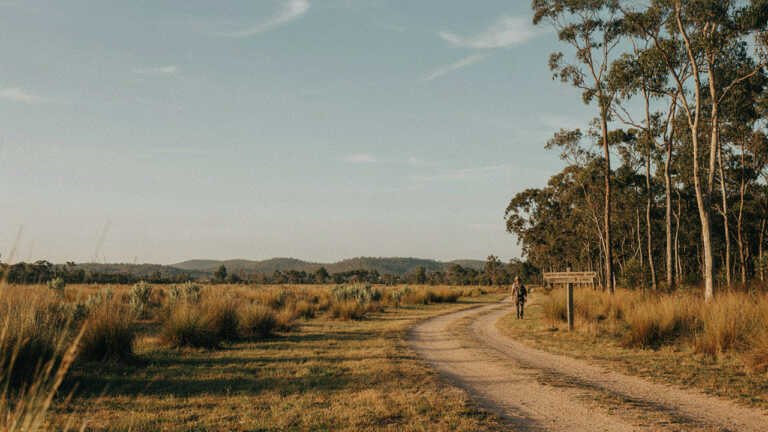
Western Sydney Regional Park is another large recreational and natural area in Sydney’s west. The park provides open grasslands, bushland, walking routes and picnic areas, making it useful for both short visits and longer outdoor days.
Its location makes it particularly convenient for people living in western Sydney who want access to open space without travelling into central Sydney.
The park also offers views across parts of western Sydney and has areas suitable for family outings and recreational activities.
- Enjoy a picnic
- Walk through open spaces
- Explore native vegetation
- Take photographs
- Enjoy views across western Sydney
- Spend time outdoors with family
- The park has a more open and relaxed atmosphere than some of Sydney’s dense bushland reserves.
- Best for: Families, picnickers, walkers and people living in western Sydney.
- Official website: Western Sydney Regional Park – NSW National Parks
11. Callan Park
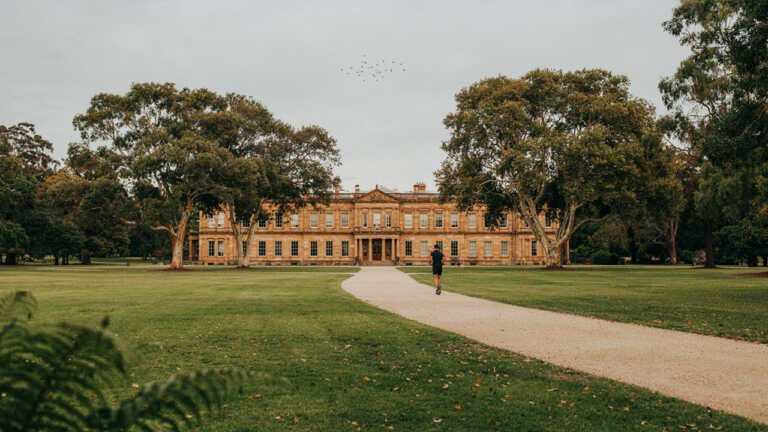
Callan Park sits beside the Parramatta River in Sydney’s inner west and combines open lawns, remnant bushland, historic buildings and sporting areas. It is part of the Greater Sydney Parklands estate and has a very different atmosphere from the larger bushland parks on Sydney’s outskirts.
The waterfront setting is one of its biggest attractions. Visitors can enjoy a relaxed walk, have a picnic or simply spend some time outdoors while exploring the historic surroundings.
- Walk beside the Parramatta River
- Explore the park’s open lawns
- Enjoy a picnic
- See historic buildings and landscapes
- Take photographs
- Enjoy outdoor recreation
- Best for: Riverside walks, history, picnics and relaxed outdoor visits.
- Official website: Callan Park – Greater Sydney Parklands
12. Fernhill Estate
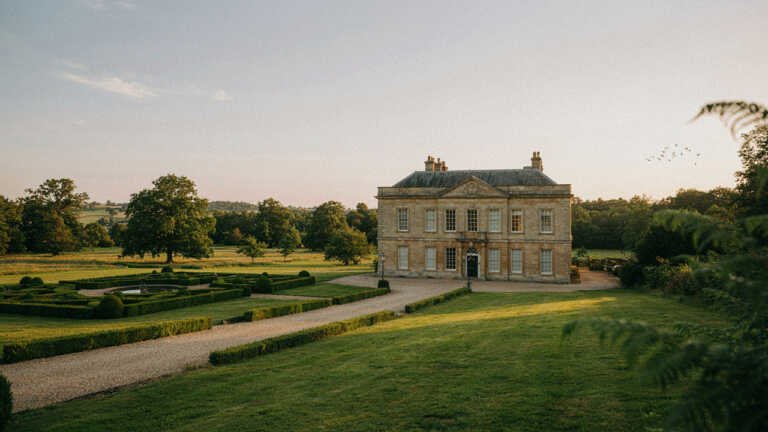
Fernhill Estate is a large rural-style landscape in the Mulgoa Valley near Penrith. Unlike a typical city park, it has a more open countryside character, with historic views, native vegetation and the heritage-listed Fernhill House.
Greater Sydney Parklands identifies Fernhill Estate as one of the major parklands in its estate across Greater Sydney.
The combination of heritage and natural scenery makes this an interesting option for visitors who want something different from Sydney’s central parks.
- Explore the historic landscape
- Enjoy views across the Mulgoa Valley
- Walk through natural areas
- Take landscape photographs
- Learn about the property’s history
- Check for special events and visitor activities
- Access arrangements can vary, so checking the official website before travelling is recommended.
- Best for: History lovers, photographers and visitors looking for countryside scenery.
- Official website: Fernhill Estate – Greater Sydney Parklands
13. Sydney Harbour National Park
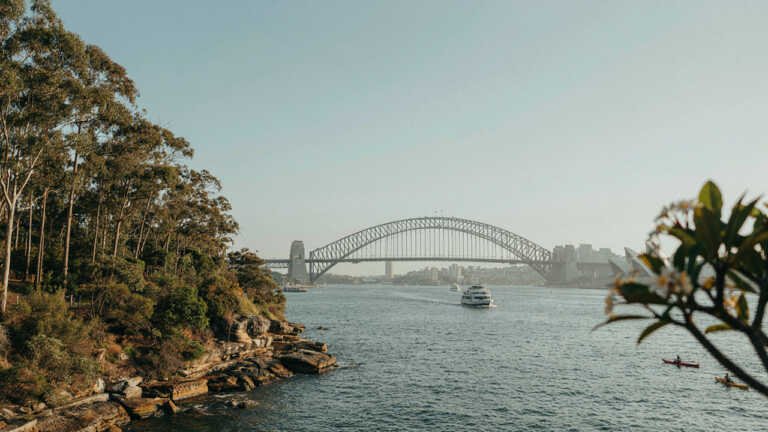
Sydney Harbour National Park is a collection of protected natural areas around Sydney Harbour. It is especially memorable because it combines native bushland with harbour views, beaches, headlands and historic places.
Rather than being a single conventional park, it includes several areas around the harbour. This makes it possible to experience Sydney’s natural scenery without travelling far from the city.
- Explore walking tracks
- Visit harbour lookouts
- Discover secluded beaches
- Enjoy nature photography
- Explore historic sites
- Watch boats and harbour activity
- Look for native wildlife
- For first-time visitors, the harbour views are an obvious attraction, but the bushland and walking trails are equally worthwhile.
- Best for: Harbour scenery, walking, photography and nature lovers.
- Official website: Sydney Harbour National Park – NSW National Parks
14. Royal Botanic Garden Sydney
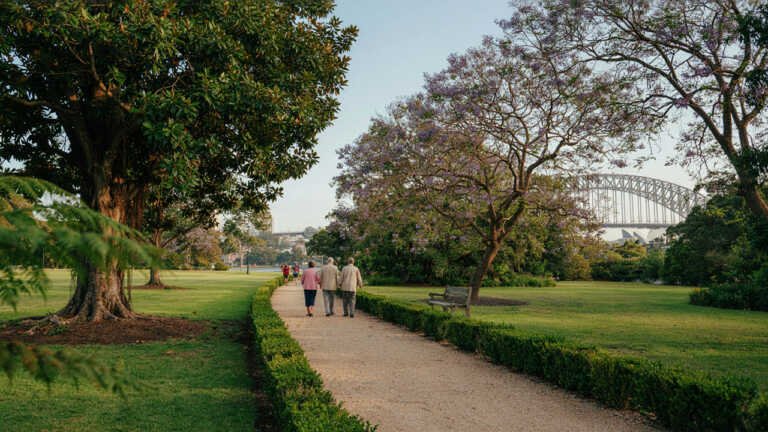
The Royal Botanic Garden Sydney is one of the city’s most famous green spaces and occupies a large area beside Sydney Harbour. It is located close to the CBD, Opera House and Mrs Macquarie’s Point, making it easy to include in a sightseeing itinerary.
The garden offers a mixture of lawns, themed plant collections, mature trees and harbour-facing walking areas. It is also part of the broader network of botanical gardens managed by the Botanic Gardens of Sydney.
For visitors who want gardens rather than extensive bushland, this is one of the most convenient places to explore.
- Walk through the gardens
- Explore plant collections
- Enjoy harbour views
- Visit Mrs Macquarie’s Point
- Take photographs
- Have a relaxed picnic
- Join available garden tours and activities
- Best for: Gardens, sightseeing, photography and first-time Sydney visitors.
- Official website: Royal Botanic Garden Sydney – Botanic Gardens of Sydney
15. Moore Park
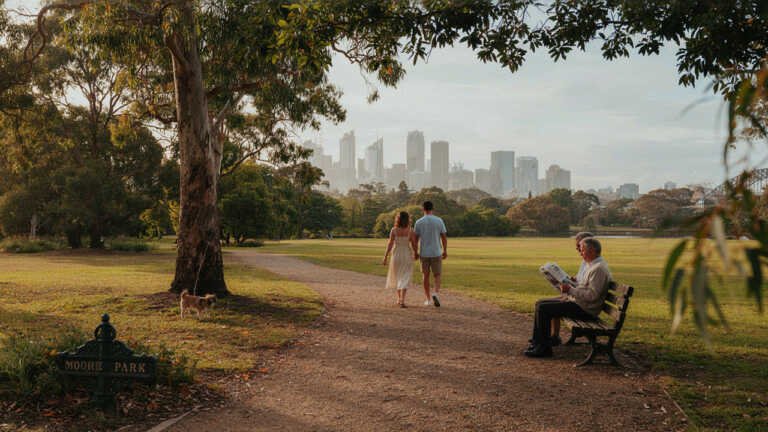
Moore Park forms part of the wider Centennial Parklands and is one of Sydney’s major urban recreation areas. The wider Centennial Parklands estate includes Centennial Park, Moore Park and Queens Park. NSW Government information describes the parklands as covering roughly 360 hectares.
Moore Park is particularly known for sport, recreation and major events. Its location close to central Sydney also makes it easy to reach compared with many of Sydney’s larger natural areas.
- Enjoy outdoor recreation
- Walk and cycle through the area
- Visit sporting facilities
- Attend events when scheduled
- Explore nearby parkland
- Enjoy food and entertainment in the surrounding precinct
- Because Moore Park can host major sporting and entertainment events, it is worth checking the official parklands information before visiting.
- Best for: Sport, events, recreation and visitors staying near central Sydney.
Frequently Asked Questions (FAQs)
What is the largest parkland in Sydney?
- Western Sydney Parklands is the largest major parkland area in Sydney, covering about 5,280 hectares.
Which Sydney park is best for families?
- Centennial Parklands, Sydney Park and Bicentennial Park are popular choices for families.
Which Sydney park has the best views?
- Sydney Harbour National Park offers beautiful harbour, coastal and bushland views.
Is Parramatta Park worth visiting?
- Yes. Parramatta Park is a good choice for visitors interested in history, walking and open green spaces.
Are Sydney’s large parks free to visit?
- Many public parks are free, although some national parks may have parking or entry fees.
Which park is best for walking?
- Western Sydney Parklands, Royal National Park and Centennial Parklands offer a variety of walking opportunities.

I am Sabiq Hasan Rasel. Coffee with Travel, Recipes & Reviews is a cozy and engaging content space that blends a love of coffee with exciting travel experiences, delicious recipes, and honest reviews. It offers inspiration for coffee lovers who enjoy exploring new places, trying unique flavors, and discovering lifestyle tips along the way.