
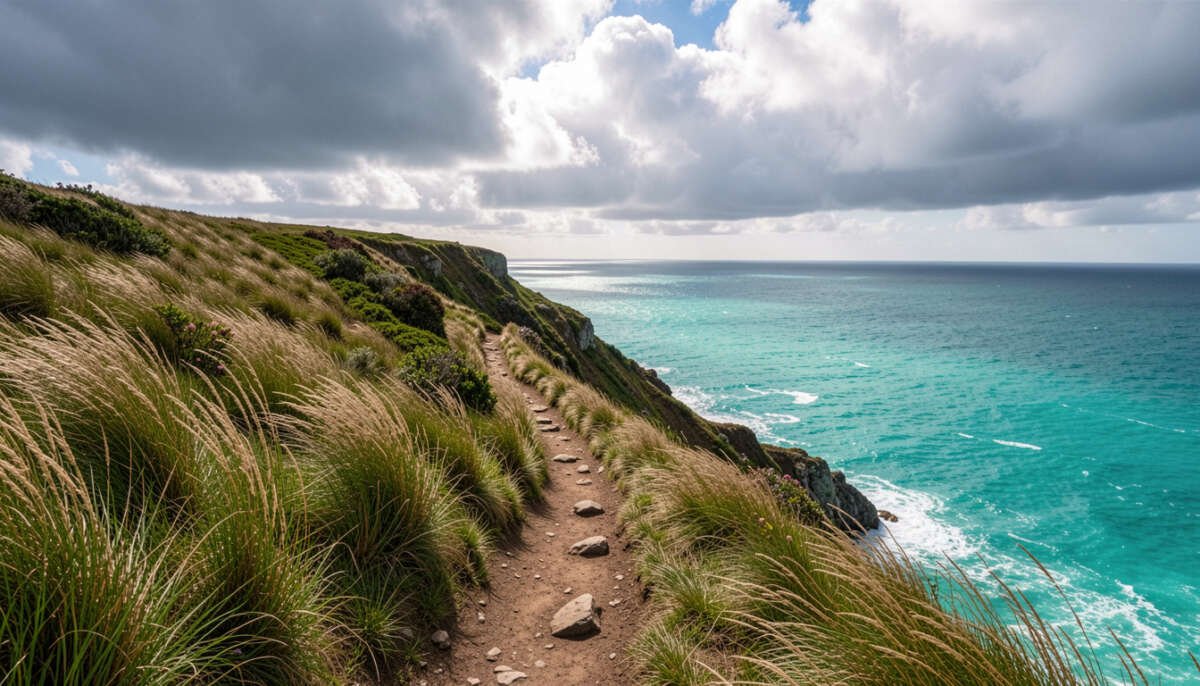
Whether you’re chasing jaw‑dropping landscapes, wildlife encounters, or those perfect photo moments for your blog or Instagram, the United States has hiking trails that rival the world’s best. From alpine ridges in Montana to cascading waterfalls in California, these 15 routes aren’t just must‑see — they’re unforgettable. Below are the trails I personally recommend — backed by expert travel guides, seasoned hikers, and park data — with tips on how to plan each adventure, difficulty levels, best seasons, and nearby resources.
1. Highline Trail — Glacier National Park, Montana
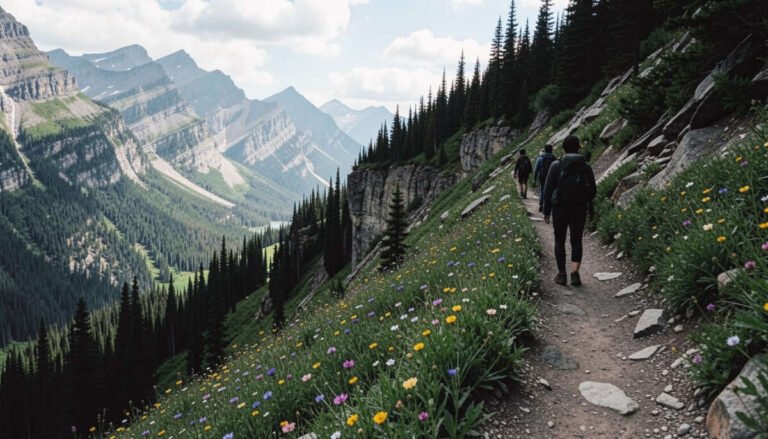
This trail delivers some of the most dramatic mountain scenery anywhere in the U.S., with sweeping ridgelines, valleys that look like they’re painted, and wildlife sightings that make you feel part of the wild.
- One‑way distance: ≈ 11–12 miles (if done end to end)
- Difficulty: Moderate to strenuous
- Best time: July to early September (when snow is minimal)
- Trail features: Alpine meadows, sheer cliffs, possible mountain goat sightings
- You can start from Logan Pass — the highest point reachable by car — and hike east toward The Loop. Shuttle services are often available during peak season, which is extremely helpful for logistics planning.
- Tip: Sunrise and early morning light bring out the best colors on the mountains, so plan to be on the trail at first light if possible.
- Why it makes the top 5:
Highline is not only stunning, it’s accessible beauty at altitude. Many hikers call it one of the most photogenic trails in the lower 48.
2. Bright Angel Trail — Grand Canyon National Park, Arizona
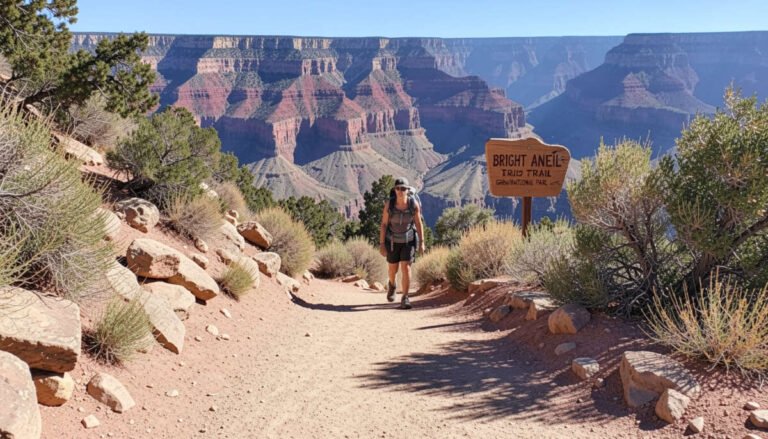
This isn’t just a hike — it’s a journey into Earth’s geological past. Towering canyon walls, layered rock formations, and sunsets that turn the cliffs golden make this trail a classic bucket‑list experience.
- Distance to Indian Garden: ≈ 9 miles (round trip)
- Difficulty: Moderate‑Hard
- Elevation change: Significant — especially on the return
- Best time: Fall, winter, or spring (summer can be dangerously hot)
- Be sure to start before sunrise and always carry plenty of water. Heat exhaustion is real here, but so are the vistas — you’ll be rewarded with dramatic views of the Colorado River far below.
- Extra resource: For detailed hiking maps, check out the official Grand Canyon information from the National Park Service — it’s incredibly useful for planning and safety.
3. Mist Trail to Vernal & Nevada Falls — Yosemite National Park, California
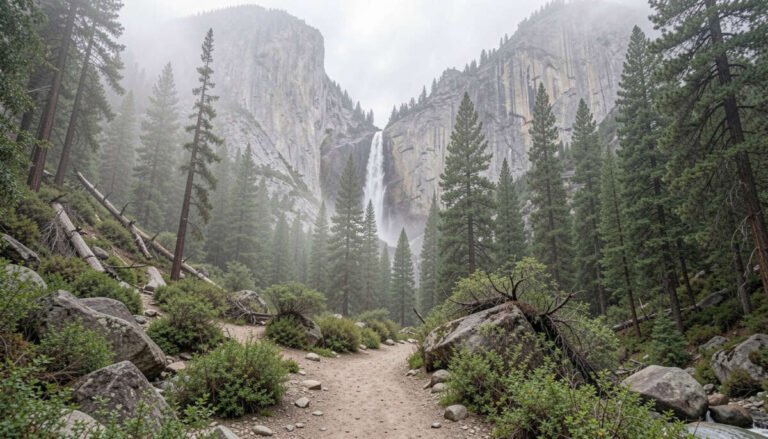
If you want power in motion, this is the trail. Yosemite’s waterfalls are among the most photogenic in the world, and this route takes you right alongside them.
- Distance: ~6–7 miles round trip
- Difficulty: Strenuous (especially on wet granite steps)
- Best time: Late spring through summer (when waterfalls run strongest)
- Key features: Cloud‑burst mist, towering granite walls, river canyons
- This hike earns its name — and reputation — by walking you through the mist of Vernal and Nevada Falls. The spray cools the air but makes the granite slick, so good hiking shoes and trekking poles are a smart investment.
- Note: Yosemite trails are very popular. Early starts beat the crowds and make the experience feel more magical.
4. Skyline Trail — Mount Rainier National Park, Washington
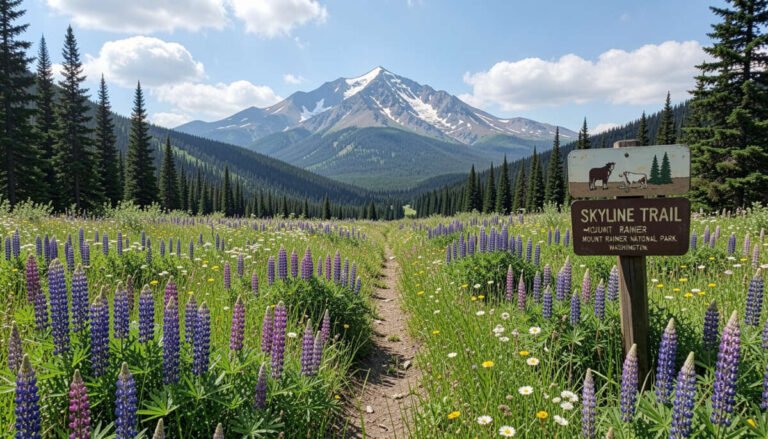
Paradise isn’t just a feeling on this trail — it’s the name of a place. Wildflower meadows, views of snow‑capped peaks, and glaciers shimmering in the sun make this a go‑to trail for photographers and nature lovers alike.
- Distance: ~5.5 miles loop
- Difficulty: Moderate
- Best time: Mid‑July to August (peak wildflower bloom)
- Highlights: White wildflowers, alpine views, glacier vistas
- This loop is a perfect day hike with massive visual payoff. It’s lively in summer but quieter than Yosemite or the Grand Canyon, giving you space to soak in the alpine environment.
- Tip: Bring a camera with a wide lens — you’ll want it for panoramic shots here.
5. Kalalau Trail — Nā Pali Coast, Kauai, Hawaii
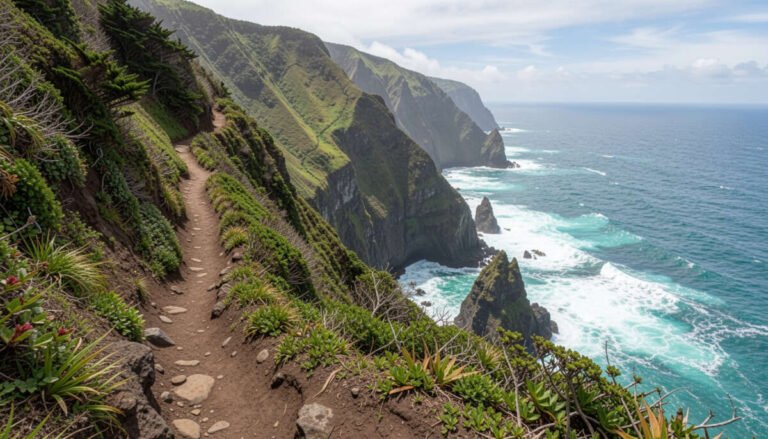
Verdant valleys framed by volcanic ridges, dramatic ocean cliffs, and Pacific views unlike any on the mainland — this trail feels like another world.
- Total distance: ~11 miles one way to Kalalau Beach
- Difficulty: Hard (terrain changes abruptly)
- Best time: Spring and fall (weather mild, trails clear)
- Features: Remote beaches, waterfalls, tropical forest
- The full trail is best for experienced hikers and backpackers because permits are required for camping. Many people enjoy the first section to Hanakapi’ai Beach, which is spectacular on its own.
- Safety note: Rain can make parts of the trail slippery and more technical, so check conditions before heading out.
6. Angels Landing — Zion National Park, Utah
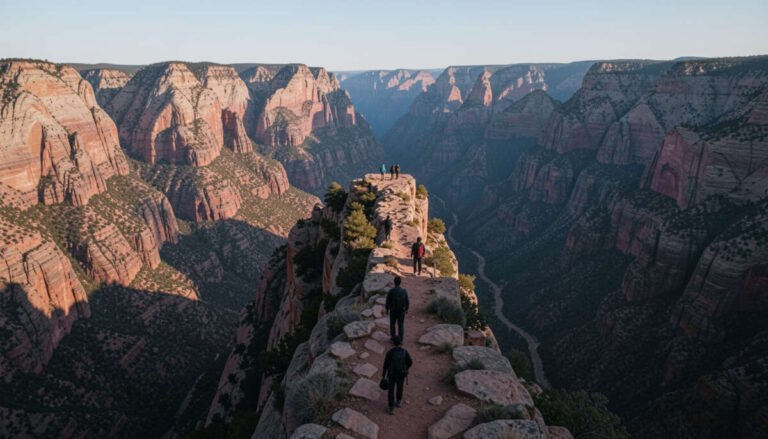
This trail is famous for its sheer cliff edges and panoramic views of Zion Canyon. It’s thrilling, dramatic, and extremely photogenic.
- Distance: ~5.4 miles round trip
- Difficulty: Strenuous (steep drop-offs, chains for safety)
- Best time: Spring and Fall (avoids summer heat)
- Highlights: Narrow ridgelines, panoramic views, sandstone cliffs
- Tip: Early morning starts are crucial. You’ll avoid crowds and get cooler temperatures for safer hiking.
7. Franconia Ridge Loop — White Mountains, New Hampshire
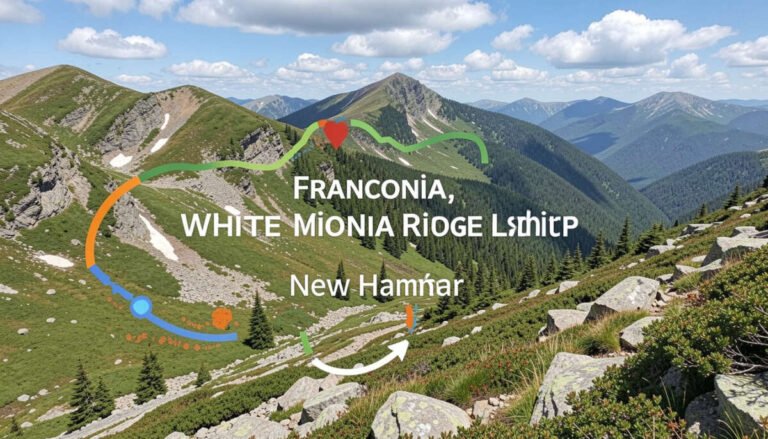
One of the East Coast’s most scenic hikes, offering a mix of alpine ridges, lush forests, and rolling mountain views. Perfect for leaf‑peepers in the fall.
- Distance: ~8.9 miles
- Difficulty: Moderate‑Strenuous
- Best time: Late spring through early fall
- Features: Mount Lafayette summit, sweeping ridge lines, diverse terrain
- Tip: Check weather conditions — fog can roll in quickly on the ridge, reducing visibility.
8. Havasu Falls Trail — Havasupai, Arizona
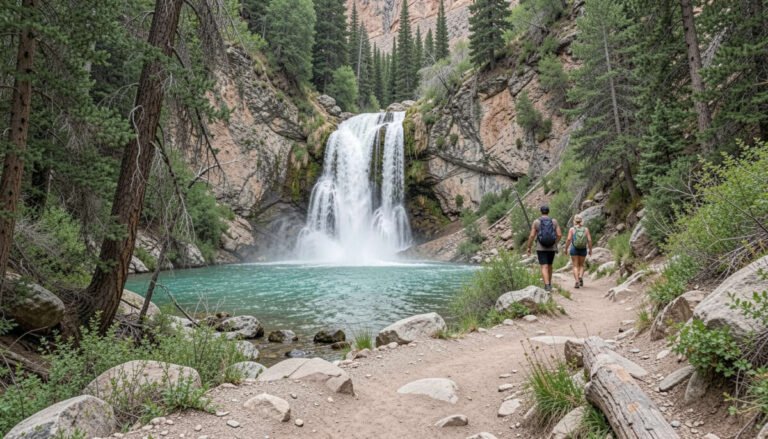
Tropical‑like waterfalls in the middle of the desert? Havasu Falls is one of the most unique hikes in the U.S., with brilliant turquoise water and dramatic canyon walls.
- Distance: ~10 miles one way
- Difficulty: Moderate (desert heat + river crossings)
- Best time: Spring and Fall
- Highlights: Waterfalls, deep canyon, vibrant pools
- Tip: Permits are required well in advance. Plan at least 6–12 months ahead if you want to camp near the falls.
9. Wonderland Trail — Mount Rainier National Park, Washington
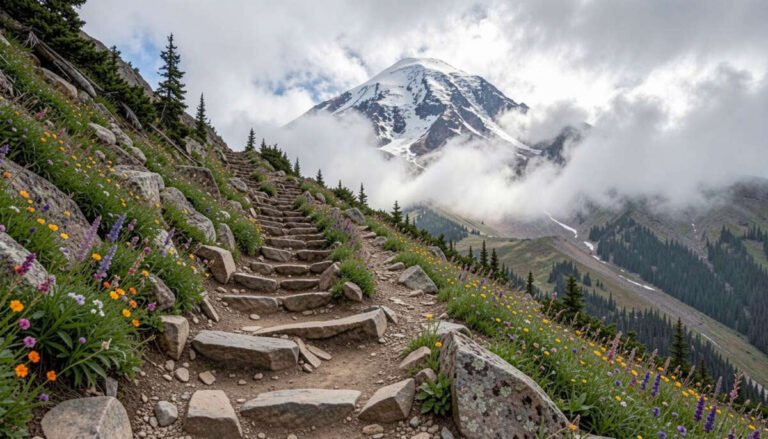
A 93‑mile loop around Mount Rainier, this trail is for hardcore adventurers who want immersive wilderness. Glaciers, waterfalls, alpine meadows, and wildlife abound.
- Distance: ~93 miles (can be done in sections for shorter trips)
- Difficulty: Hard
- Best time: Mid‑July to early September
- Highlights: Glacial views, lush meadows, multiple backcountry camping options
- Tip: Sections like Sunrise to Sunrise Point or the Glacier Basin area are perfect for day hikes if you don’t want to do the full loop.
10. The Beehive Trail — Acadia National Park, Maine
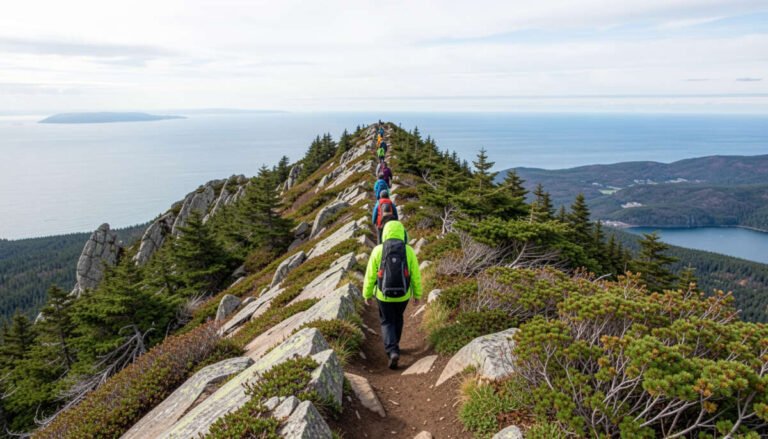
This short but thrilling coastal hike provides dramatic cliff views and a glimpse of Maine’s rugged shoreline. It’s one of the East Coast’s best “bucket list” hikes.
- Distance: ~1.5 miles loop
- Difficulty: Moderate‑Strenuous (steep iron rungs and ladders)
- Best time: Summer through early fall
- Highlights: Atlantic views, granite cliffs, sunrise photography
- Tip: Don’t attempt if you have a fear of heights. Otherwise, the panoramic views make every nerve-wracking step worth it.
11. Cathedral Peak Trail — Yosemite National Park, California
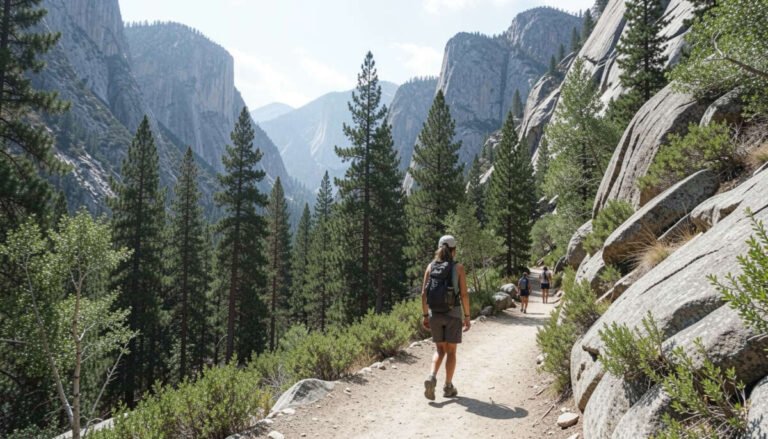
Granite spires, alpine lakes, and panoramic valley views make Cathedral Peak one of the most iconic climbs in Yosemite’s high country.
- Distance: ~7 miles round trip
- Difficulty: Strenuous (rocky and steep terrain)
- Best time: July through September
- Highlights: Alpine lakes, granite formations, wildlife sightings
- Tip: Bring trekking poles for stability on rocky terrain. Sunrise on the peak offers incredible photography opportunities.
12. Mount LeConte via Alum Cave Trail — Great Smoky Mountains, Tennessee
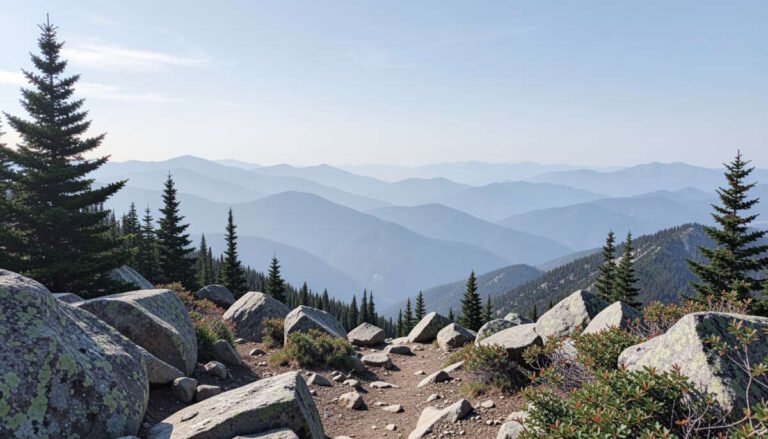
The Smokies offer lush forests, waterfalls, and misty mountains — and this trail is one of the park’s best. Alum Cave and Mount LeConte’s summit are must‑see spots.
- Distance: ~11 miles round trip
- Difficulty: Moderate‑Strenuous
- Best time: Spring to Fall
- Highlights: Alum Cave Bluffs, scenic overlooks, wildflowers
- Tip: Start early to avoid afternoon thunderstorms and enjoy quieter trail sections.
13. Cascade Pass Trail — North Cascades National Park, Washington
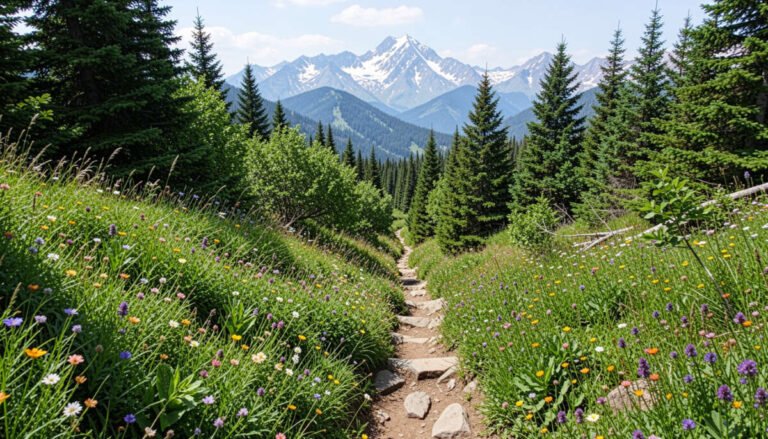
Jagged peaks, glaciers, and alpine meadows make this trail a visual feast. Less crowded than other Northwest trails, it offers serenity alongside stunning views.
- Distance: ~7.4 miles round trip
- Difficulty: Moderate
- Best time: July to September
- Highlights: Glacial valleys, wildflowers, mountain vistas
- Tip: Wildlife sightings are common — keep an eye out for marmots and mountain goats.
14. Devil’s Bridge Trail — Sedona, Arizona
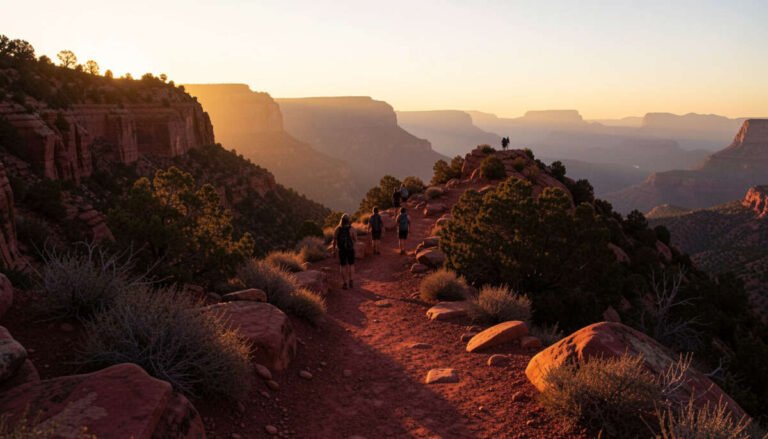
Red rock formations, desert vistas, and the famous natural sandstone arch make this trail one of Arizona’s most photogenic.
- Distance: ~4.2 miles round trip
- Difficulty: Moderate
- Best time: Fall, Winter, or Spring (avoiding summer heat)
- Highlights: Red rock arch, panoramic desert views
- Tip: The final climb to the bridge is steep but manageable; start early to avoid crowds.
15. Lost Coast Trail — Northern California Coast
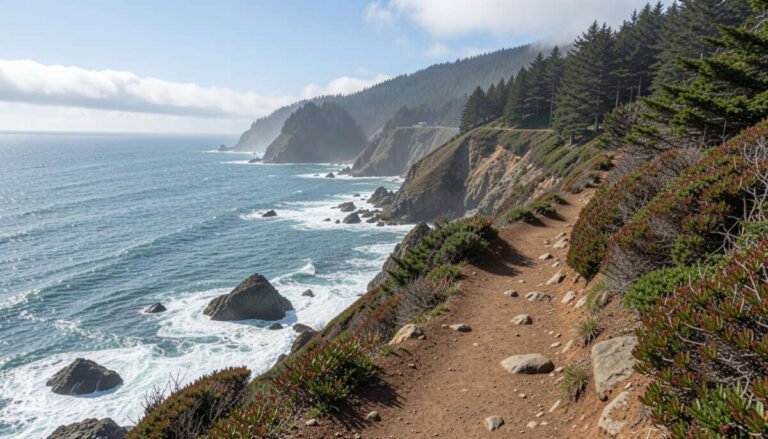
Remote beaches, rugged cliffs, and ocean views make this a true wilderness experience. It’s perfect for those seeking solitude and coastal beauty.
- Distance: ~25 miles (full trail; can hike sections)
- Difficulty: Strenuous (remote, rugged terrain)
- Best time: Late spring through early fall
- Highlights: Pacific Ocean vistas, tide pools, secluded beaches
- Tip: Permits may be required for overnight camping; tide schedules are crucial for safe hiking along certain sections.
Final Thoughts
The USA is home to some of the world’s most scenic hiking trails, offering everything from towering mountains and cascading waterfalls to desert canyons and remote coastal cliffs. Whether you’re a casual day hiker or an experienced adventurer, these 15 trails provide unforgettable experiences and breathtaking views. Plan ahead, check trail conditions, and respect nature — these hikes are meant to inspire awe and create lasting memories in 2026.
Frequently Asked Questions (FAQs)
1. Which is the easiest scenic trail on this list?
- The Beehive Trail in Acadia National Park and Devil’s Bridge Trail in Sedona are shorter and moderate, ideal for beginners with some climbing experience.
2. Do I need permits for these hikes?
- Some trails, like Havasu Falls and Lost Coast Trail, require permits for camping. Always check official park websites before your hike.
3. When is the best time to hike in the USA?
- Spring through fall is generally the best for most trails, but it varies by location. High deserts are cooler in spring/fall, while alpine areas like Glacier or Rainier are best in summer.
4. Are these trails kid-friendly?
- Some, like Bright Angel Trail (Grand Canyon) and Skyline Trail (Mount Rainier), can be adapted for older children with supervision. Trails with steep drops, like Angels Landing, are not recommended for kids.
5. How should I prepare for these hikes?
- Bring sturdy shoes, water, snacks, layers for changing weather, and always check trail conditions and weather forecasts. Some trails may require trekking poles or extra safety gear.