
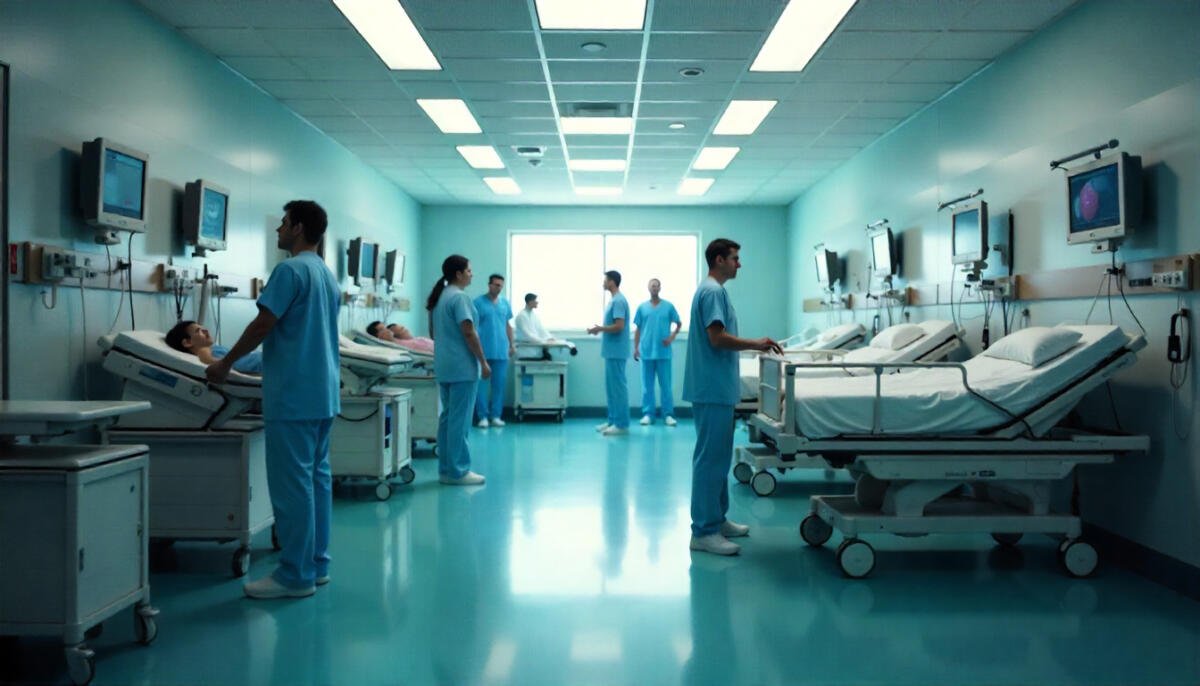
Emergencies can happen anytime — at home, on the road, or while traveling. Knowing the right numbers, local hospitals, and urgent care options in North Carolina is essential for safety. This 2026 guide gives you everything you need in one place, so you can act fast and confidently.
1. Essential Emergency Numbers in North Carolina
Universal Emergency
911 – For police, fire, or medical emergencies.
This is your first call for life-threatening situations like severe injuries, heart attacks, strokes, uncontrolled bleeding, fires, or crimes in progress. Every county in North Carolina is connected to 911 dispatch.
Specialized Help Lines
988 – Suicide & Mental Health Crisis Hotline (24/7 trained counselors)
1‑800‑222‑1222 – Poison Control Center, for chemical exposures, medication overdoses, and bites
2‑1‑1 – NC 211 Information Line: local support services, urgent care listings, and health resources
Tip: Save these numbers in your phone. If unsure whether it’s life-threatening, call 911 first.
2. Understanding North Carolina EMS
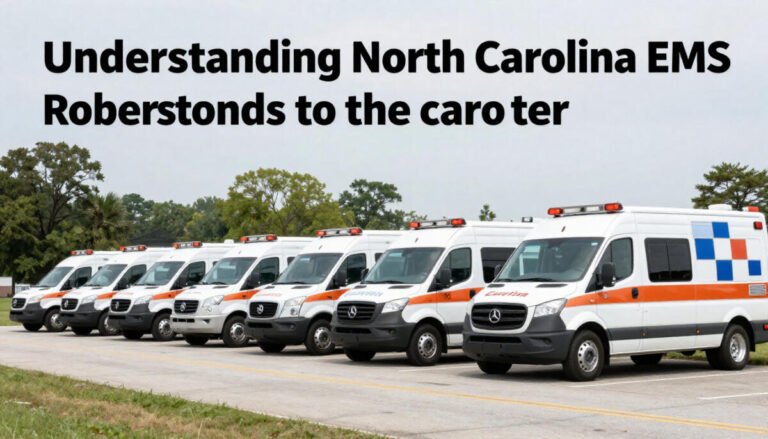
The North Carolina Emergency Medical Services (EMS) system ensures that medical help reaches you wherever you are. Key points:
Coordination: Statewide oversight through NC Office of EMS (part of NC Division of Health Service Regulation)
Services: Ambulance response, trauma transfers, training, and EMS communications
Non-emergency contact: 919‑855‑3935, 1915 Health Services Way, Raleigh, NC
Local county EMS teams provide rapid response. Examples:
Wake County EMS – Raleigh area
Greene County EMS – rural coverage, small towns
Henderson County EMS – western NC mountain regionsKnowing your county EMS number can save valuable minutes in critical situations.
3. Hospitals and Emergency Departments

North Carolina has a wide network of hospitals offering emergency care, trauma services, and specialized treatments.
Level I Trauma Centers
Duke University Medical Center, Durham – Advanced trauma, burns, cardiac emergencies
UNC Hospitals, Chapel Hill – Pediatric and adult trauma services
Carolinas Medical Center, Charlotte – Regional trauma and cardiac center
WakeMed Health, Raleigh – Comprehensive emergency services
Pitt County Memorial Hospital, Greenville – Eastern NC trauma center
Level I trauma centers handle severe injuries and are equipped for complex cases like multi-organ trauma or major accidents.
Other Notable Hospitals with Emergency Care
Memorial Mission Hospital, Asheville – western NC
New Hanover Regional, Wilmington – southeastern coastal area
Cone Health, Greensboro – central NC
Atrium Health Pineville, Charlotte – suburban emergency services
- Tip: Always check hospital websites for ER wait times or specialized services.
4. Urgent Care vs. Emergency Room: Know the Difference
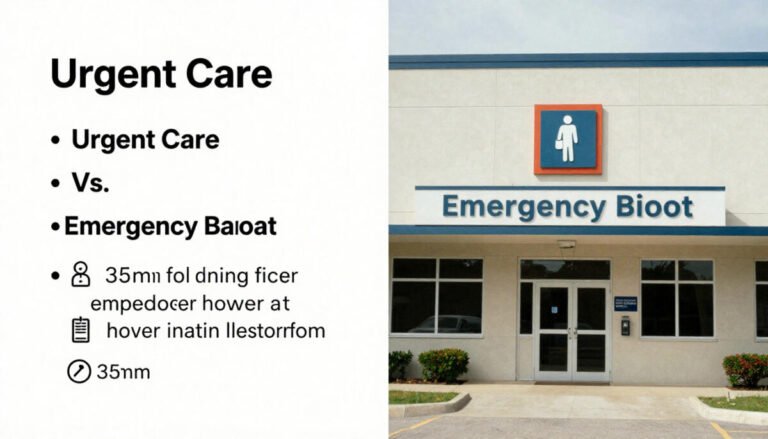
Knowing where to go can save time and money:
| Type | Conditions | Hours | Cost | Examples |
|---|---|---|---|---|
| Urgent Care | Minor cuts, sprains, fevers, rashes, ear infections | Extended (evenings/weekends) | Lower than ER | MedFirst Urgent Care, Concentra, local clinics |
| Emergency Room | Chest pain, stroke, severe trauma, uncontrolled bleeding, severe allergic reactions | 24/7 | Higher, insurance applies | Duke University Hospital ER, Carolinas Medical Center ER |
If unsure, call your doctor or poison control, or dial 911. They will guide you.
5. Tips for Emergency Preparedness
Save key numbers in your phone and wallet – 911, 988, Poison Control, local EMS
Know your nearest hospital & urgent care – use Google Maps or NC 211 (nc211.org)
Create a medical info sheet – allergies, medications, chronic conditions, emergency contacts
Learn basic first aid & CPR – Red Cross classes are available statewide
Emergency kit – include medications, flashlight, water, and first aid supplies
6. Online Resources for North Carolina Emergency Info
NC Office of EMS – Official EMS guidance
NC 211 – Health, urgent care, and social service information
Wikipedia: List of NC Hospitals – Quick reference for hospital locations and services
Final Thoughts
Emergencies are unpredictable, but being prepared saves lives. In North Carolina:
Dial 911 for life-threatening emergencies
Use 988 for mental health crises and Poison Control for exposure issues
Know urgent care vs. ER for appropriate treatment
Keep local hospitals, EMS contacts, and medical info handy
- Staying informed, saving numbers, and familiarizing yourself with local health facilities ensures safety for you and your loved ones in any emergency situation.
Frequently Asked Questions (FAQ)
Q1: Can I call 911 for a non-emergency?
A: Only for urgent situations. For minor issues, call local urgent care or NC 211.
Q2: Which number is for mental health help?
A: 988, available 24/7.
Q3: How do I find the nearest hospital?
A: Google Maps, NC 211, or hospital websites provide maps, directions, and wait times.
Q4: Are urgent care centers open on weekends?
A: Most urgent care centers in NC offer evening and weekend hours.
Q5: What should I include in a medical info sheet?
A: Medications, allergies, chronic conditions, emergency contacts, and insurance info.