
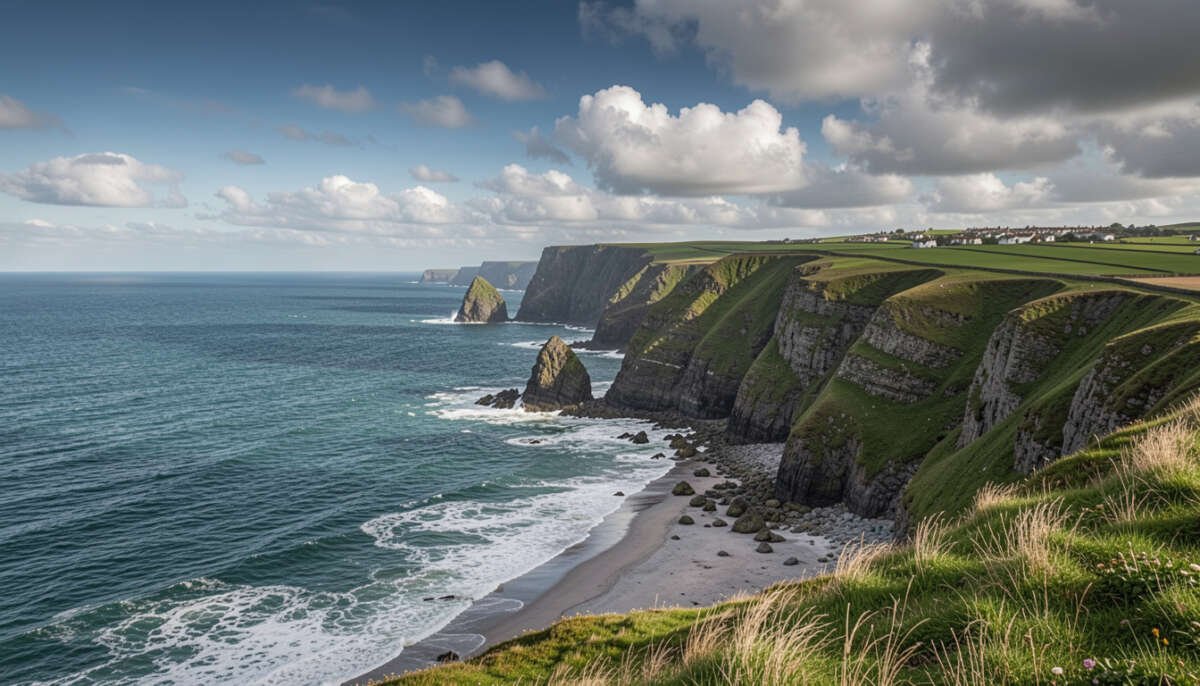
The United Kingdom is home to some of the most awe‑inspiring coastals scenery in Europe — from towering sea cliffs and sweeping beaches to hidden coves and ancient rock formations. Whether you’re planning a scenic road trips, a coastal hike, or a photography‑focused adventure, these dramatic shorelines should be on your 2026 travel list.
1. Kynance Cove – Cornwall, England
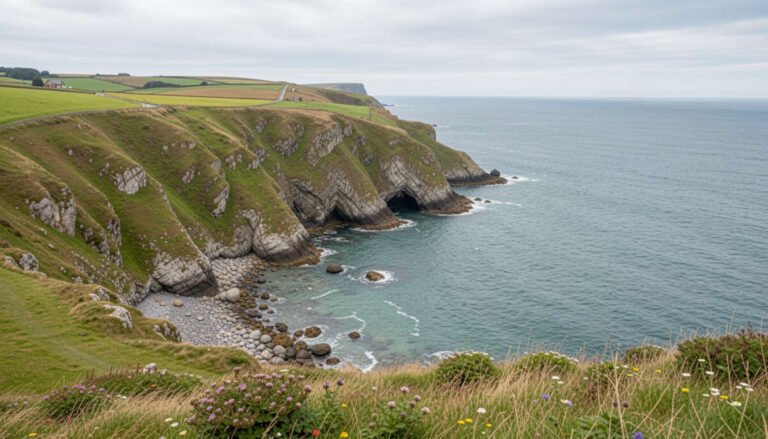
Cornwall’s rugged south‑west edge is legendary among travellers, but Kynance Cove stands out even in this spectacular region. With turquoise waters framed by serpentine, sculpted cliffs, this cove looks almost Mediterranean — a rare sight in the UK. It’s a great spot for sunrise photos, cliff walks, and exploring rock pools.
This stunning coastline is part of the South West Coast Path, one of Britain’s best‑known long‑distance walking routes.
Travel tips:
Visit early in the morning or late in the afternoon to avoid crowds.
Wear sturdy shoes — the paths are steep and can be slippery after rain.
Check tide times if you plan to explore the shoreline.
2. White Cliffs of Dover – Kent, England
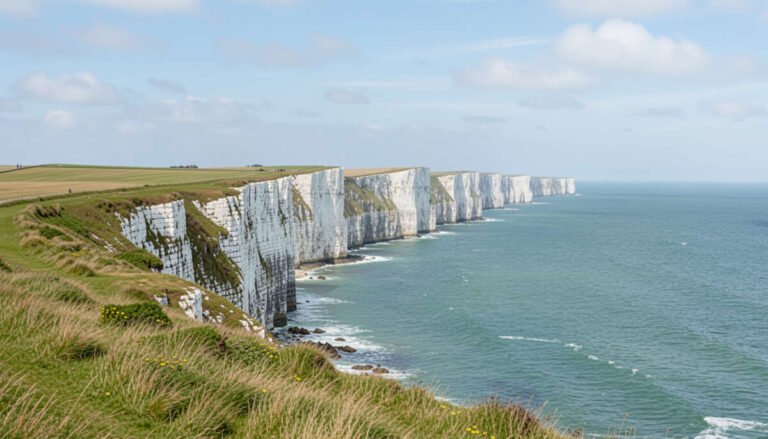
Arguably the most iconic coastal landmark in England, the White Cliffs of Dover combine sheer height, dramatic chalk faces, and panoramic views across the English Channel — on a clear day you can even see France.
Perched above the historic port town of Dover, these cliffs have been a symbol of Britain’s natural beauty and resilience for centuries. They’re part of a protected landscape that includes walking trails and wildlife habitats.
The South Foreland Lighthouse walk gives you unparalleled views of the Channel.
The nearby Dover Castle offers history, stories, and more sea views.
Best enjoyed in late spring and early summer when wildflowers are in bloom.
3. Exmoor Coast – Somerset & Devon, England
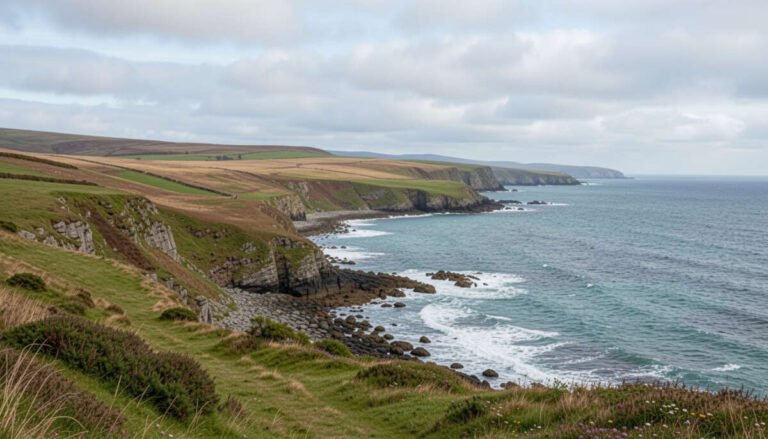
If you want true drama — where cliffs meet forest and rivers tumble towards the sea — the Exmoor Coast should be on your list. Exmoor’s cliffs rise sharply from sandy coves, and the terrain here can feel almost alpine, despite being coastal.
This stretch includes Great Hangman, one of the highest sea cliffs on mainland Britain at over 300 m. With lush moorland above and foaming waves below, it’s a spectacular choice for both walkers and photographers.
What to do here:
Hike the South West Coast Path, which runs the length of Exmoor’s dramatic shore.
Visit Valley of Rocks with its sculptural rock formations.
Explore quaint harbours like Lynmouth and Combe Martin.
4. Chesil Beach & Jurassic Coast – Dorset, England
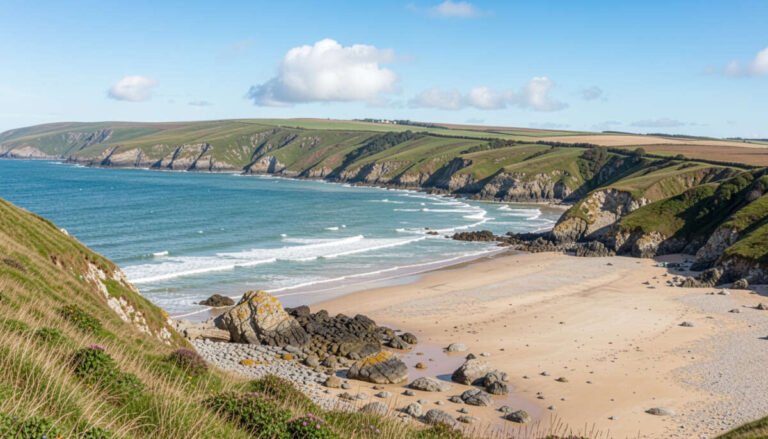
The Jurassic Coast is a UNESCO World Heritage Site that spans 155 km of ancient geological history, and at its heart is Chesil Beach — an astonishing shingle beach that curves like a silver domino along the Dorset shoreline.
Instead of cliffs, this dramatic coastline showcases primeval forces shaping the land over millions of years. The beach itself is a natural marvel, and the nearby cliffs reveal fossils from the age of dinosaurs.
Visitor insights:
Best explored via the Jurassic Coast Official website for walk routes and geology guides.
Fossil hunting is popular at nearby beaches — but be respectful of rules and safety.
The nearby village of Lyme Regis is a great base with fossil museums and guided walks.
5. Sandwood Bay – Scottish Highlands
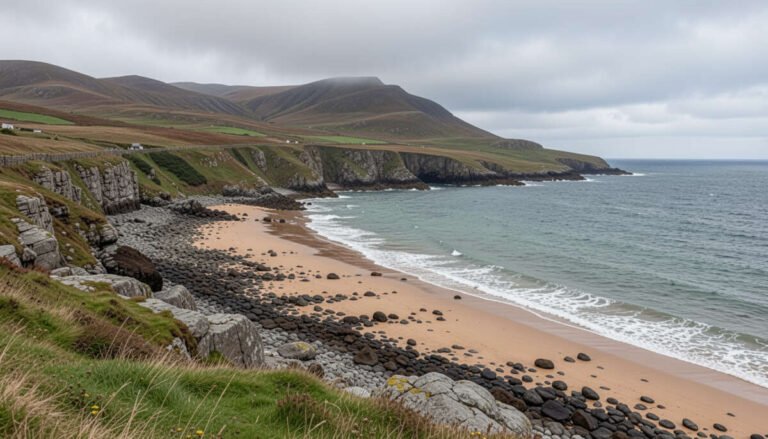
For unspoiled drama that feels truly wild, Sandwood Bay on Scotland’s far north‑west coast is hard to beat. This remote beach — edged by towering dunes and confronted by the pyramid‑shaped sea stack Am Buachaille — looks like a lost world.
This is a destination rather than a roadside stop: the beach requires a scenic walk from the parking area, but the reward is a broad, silent bay backed by rugged moorland and shaped by the North Atlantic winds.
Why visit:
It’s one of the most photogenic and untouched coastlines in the UK.
Ideal for serene photography sessions and mindful walks.
Pack food and water — there are no facilities here.
6. Old Harry Rocks – Dorset, England
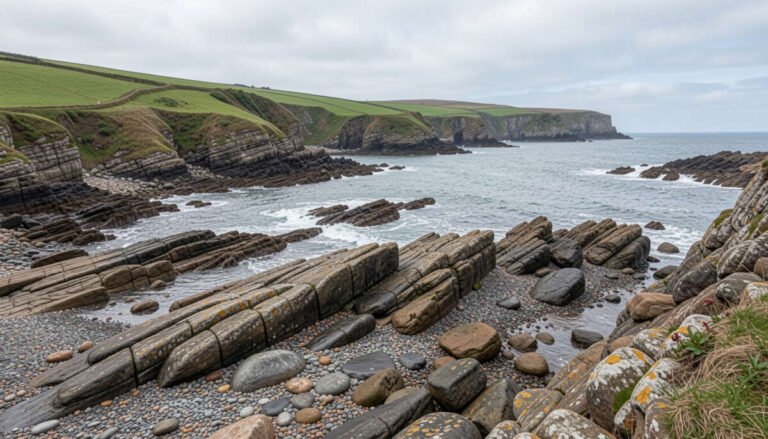
Part of the iconic Jurassic Coast, Old Harry Rocks is a series of chalk formations that rise sharply from the sea near Studland Bay. These striking sea stacks are constantly reshaped by wind and waves, making every visit slightly different.
Highlights:
Walk the Studland to Swanage coastal trail for stunning views.
Sunset photography is breathtaking, with the rocks silhouetted against the sky.
Combine with a visit to nearby Swanage Beach for a full day of coastal exploration.
7. The Needles – Isle of Wight, England
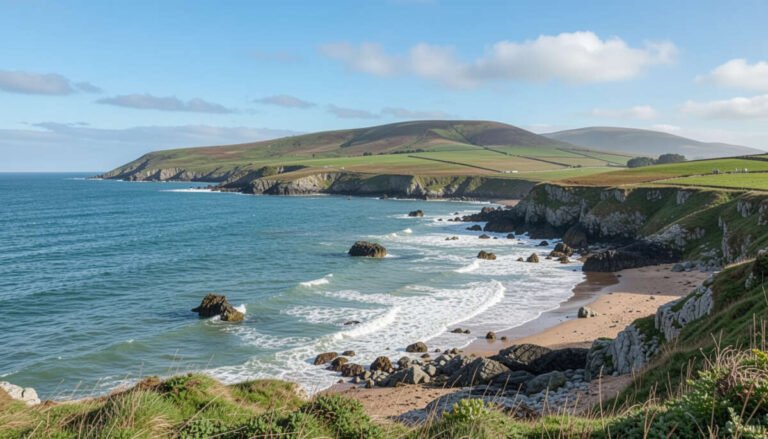
The Needles are three iconic chalk stacks jutting from the western tip of the Isle of Wight, surrounded by turquoise waters. This dramatic coastline also includes cliffs and historic forts, offering a mix of natural beauty and heritage.
Visitor tips:
Take the Needles Old Battery walkway for panoramic views.
Consider a boat trip around the stacks for a unique perspective.
Great spot for geology lovers — chalk cliffs here are millions of years old.
8. Fingal’s Cave – Staffa, Scotland
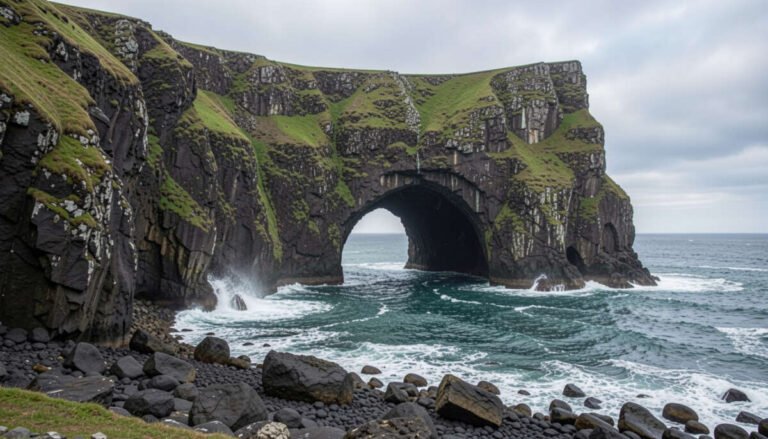
For a truly otherworldly experience, Fingal’s Cave on the uninhabited island of Staffa offers dramatic basalt columns and a naturally formed cathedral-like cave. The surrounding sea adds a wild, untamed atmosphere, perfect for adventurous visitors.
Must-knows:
Accessible by boat tours from Iona or Oban.
Watch for sea conditions — tours are weather-dependent.
Ideal for photographers seeking unique rock formations.
9. Rhossili Bay – Swansea, Wales
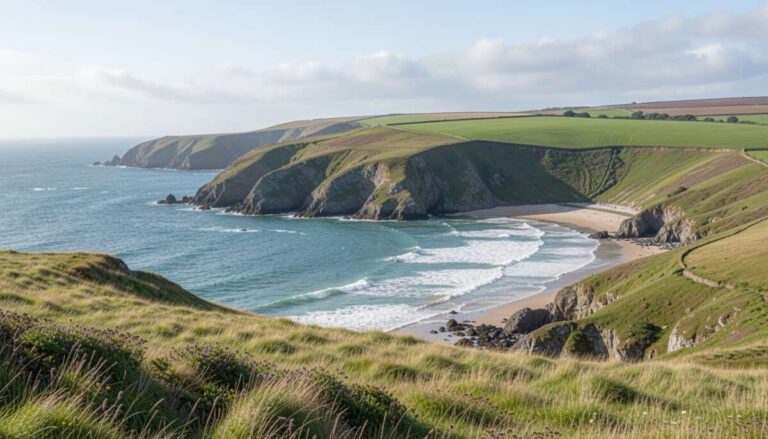
Rhossili Bay on the Gower Peninsula is often voted one of the UK’s most beautiful beaches. Dramatic cliffs frame the expansive sandy bay, and Worm’s Head, a tidal island, adds a mystical element to the landscape.
Visitor highlights:
Walk the Gower Coastal Path for elevated views of the bay.
Ideal for long, reflective beach walks or sunset photography.
Visit in spring or summer for wildflowers and fewer waves in winter storms.
10. Duncansby Head – Caithness, Scotland
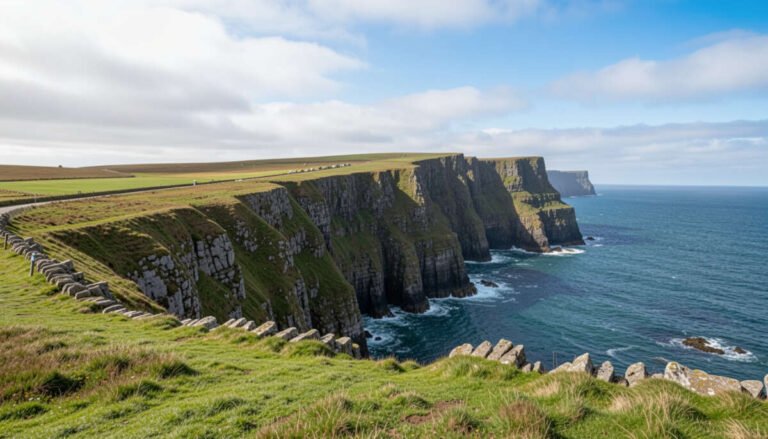
At Scotland’s far north-east, Duncansby Head offers rugged cliffs, towering sea stacks, and powerful Atlantic waves. It’s remote, but the sheer scale and untouched beauty make it one of the UK’s most dramatic coastal spots.
Travel tips:
Perfect for birdwatchers; puffins and guillemots nest along the cliffs.
Bring sturdy walking boots — paths are uneven and exposed.
Combine with a visit to nearby John o’ Groats for the ultimate northern adventure.
11. St. Abbs Head – Scottish Borders, Scotland
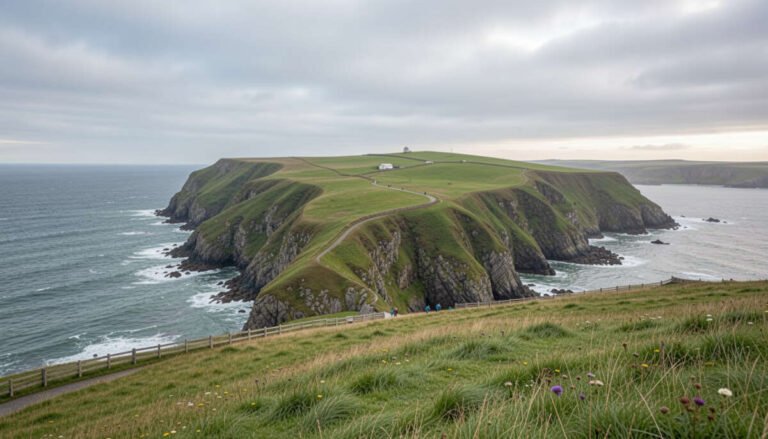
St. Abbs Head is a rugged, windswept coastline with towering cliffs rising straight from the North Sea. Famous for its seabird colonies, this area combines wildlife, geology, and breathtaking views for a truly dramatic experience.
Visitor highlights:
Spot puffins, guillemots, and razorbills nesting along the cliffs.
Explore the St. Abbs Head National Nature Reserve walking trails.
Ideal for photography, hiking, and nature enthusiasts seeking solitude.
12. Holyhead Mountain & South Stack – Anglesey, Wales
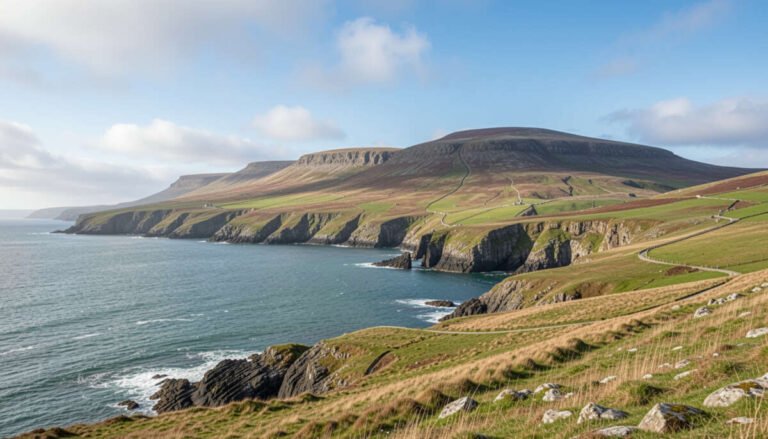
On the island of Anglesey, Holyhead Mountain provides the highest coastal cliffs in Wales, while the nearby South Stack Lighthouse adds iconic charm. The combination of steep cliffs, Atlantic waves, and historic maritime structures makes this a photographer’s paradise.
Tips for visitors:
Hike the paths around Holyhead Mountain for panoramic cliff-top views.
Visit South Stack Lighthouse for dramatic vistas and birdwatching opportunities.
Sunset and stormy weather add extra drama — but dress for the wind!
Final Thoughts
The United Kingdom’s coastlines are full of drama, beauty, and history. From Cornwall’s turquoise coves to Scotland’s rugged northern cliffs, each destination offers a unique experience for walkers, photographers, and adventure seekers alike. Visiting these shores in 2026 promises unforgettable landscapes, wildlife encounters, and memories that last a lifetime.
Whether you’re chasing iconic cliffs, secluded beaches, or historic landmarks, these 12 dramatic coastlines should be on every traveller’s itinerary. Remember to plan your visits carefully — check tides, weather, and local access rules — and embrace the natural beauty responsibly.
Frequently Asked Questions (FAQs)
Q1: When is the best time to visit the UK coastlines?
A: Late spring to early autumn (May–September) offers the best weather, longer daylight, and calmer seas.
Q2: Are these coastlines suitable for families?
A: Yes, many beaches and trails are family-friendly, but some cliff paths are steep and require caution. Always supervise children.
Q3: Can I hike all these coastlines?
A: Most have walking paths or coastal trails, such as the South West Coast Path and Gower Coastal Path. Some remote locations, like Sandwood Bay, require longer walks.
Q4: Are there any fees to access these areas?
A: Most coastal areas are free to access. Some specific reserves or guided tours may have small fees — check local websites before visiting.
Q5: How can I reach these coastal destinations?
A: Major towns are accessible by train or bus, but remote locations often require driving or hiking. Check transport options and plan ahead.