Germany is a wonderful destination for travellers who love history, traditional architecture, beautiful streets, and charming European towns. Beyond its famous historic cities such as Berlin, Munich, and Hamburg, the country has many historic old towns that offer a completely different travel experience. From colourful half-timbered houses and medieval town squares to impressive churches and peaceful riverside streets, these places reveal another side of Germany. One of the best things about exploring Germany’s old towns is that each destination has its own character. Some are famous for their medieval buildings, while others are known for their historic trading centres, traditional markets, and beautiful surroundings. You can spend hours walking through narrow streets, discovering small cafés, visiting historic landmarks, and enjoying the atmosphere. If you are planning a trip to Germany and want to experience its traditional charm, these 15 old towns deserve a place on your travel itinerary. Here are five of the most charming old towns in Germany that are worth visiting.
1. Rothenburg ob der Tauber, Bavaria
Location: Bavaria, Southern Germany
Best for: Medieval architecture, photography, Christmas markets, and romantic streets.
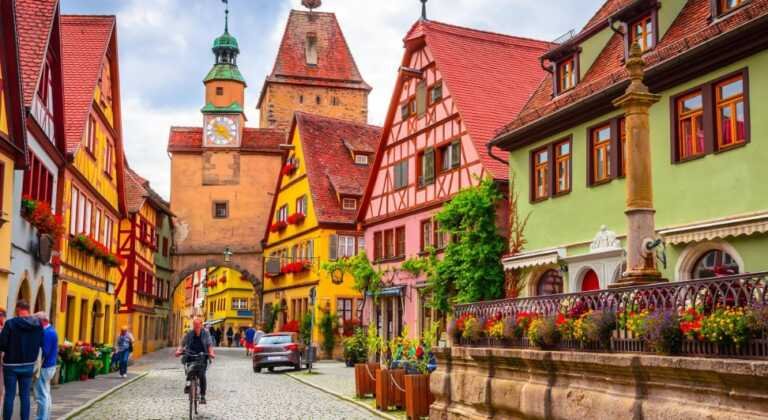
Rothenburg ob der Tauber is one of the most famous and beautiful historic towns in Germany. Located in the Franconia region of Bavaria, this charming destination is well known for its preserved medieval architecture, colourful half-timbered houses, cobblestone streets, and historic town walls.
Walking through Rothenburg feels like stepping into another century. Its narrow streets, traditional buildings, flower-filled windows, and beautiful squares create a memorable atmosphere. The town is particularly popular with visitors who want to experience Germany’s medieval heritage.
One of the most photographed places in Rothenburg is Plönlein, a picturesque intersection featuring traditional buildings, a small fountain, and two historic towers. It is an excellent place to take photographs and appreciate the town’s distinctive architecture.
Another important attraction is the Market Square (Marktplatz), where visitors can admire the impressive Town Hall and explore nearby historic streets. The Town Hall Tower also offers beautiful views over the rooftops and surrounding Tauber Valley.
The medieval town walls are another highlight. Visitors can walk along sections of the historic fortifications and enjoy a different perspective of the old town. Rothenburg also has several interesting museums, including the Medieval Crime Museum and the German Christmas Museum.
Explore the famous Plönlein and photograph its historic buildings.
Walk through the medieval town walls and discover the old gates.
Visit the Market Square and historic Town Hall.
Explore St. James’s Church and its impressive religious artwork.
Visit the German Christmas Museum.
Enjoy traditional Franconian food at a local restaurant.
Explore the small shops selling traditional crafts and souvenirs.
- Best Time to Visit: April to June and September to October are excellent periods for comfortable sightseeing. December is also popular because of Rothenburg’s traditional Christmas market.
- Travel Tip: Rothenburg is a popular destination, so the central streets can become crowded during the middle of the day. Consider arriving early in the morning or staying overnight to enjoy the quieter atmosphere.
- Official Website: Rothenburg ob der Tauber Tourism
2. Quedlinburg, Saxony-Anhalt
Location: Saxony-Anhalt, Central Germany
Best for: Half-timbered houses, medieval history, UNESCO heritage, and peaceful walks.
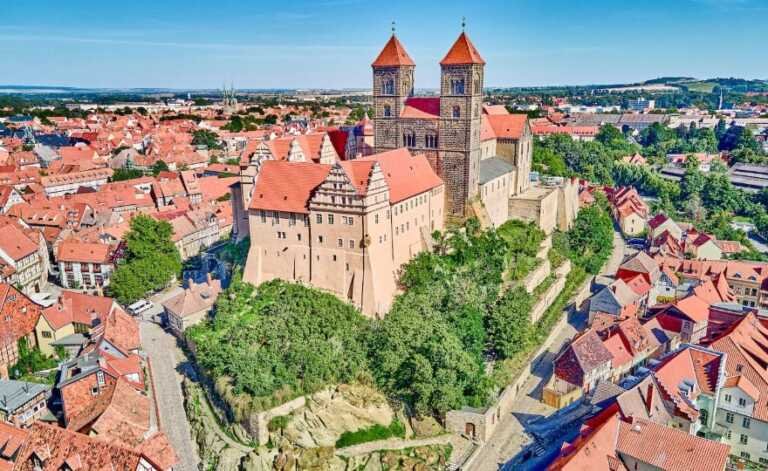
Quedlinburg is one of Germany’s most fascinating historic towns and a wonderful destination for anyone interested in traditional European architecture. Located near the northern edge of the Harz Mountains, this town is famous for its beautiful half-timbered houses, historic squares, and remarkable medieval heritage.
The old town has an atmosphere that makes visitors want to slow down and explore every corner. Its narrow cobblestone streets are lined with traditional buildings featuring wooden frames, colourful façades, and decorative details. Many of these houses date from different periods between the 14th and 19th centuries.
Quedlinburg is particularly special because its historic centre, castle hill, and collegiate church are recognised as a UNESCO World Heritage Site. The town preserves an impressive collection of historic architecture and provides a glimpse into more than a thousand years of German history.
One of the most important attractions is the Collegiate Church of St. Servatius, situated on the Schlossberg (Castle Hill). The church is an outstanding example of Romanesque architecture and is closely connected with the history of the Ottonian dynasty.
Visitors should also explore the Market Square, where the historic Town Hall and surrounding buildings create an attractive setting. The old streets around Wordgasse and the surrounding residential neighbourhoods are particularly enjoyable for discovering traditional architecture.
Quedlinburg is also a good place to enjoy local cafés, traditional German bakeries, and small independent shops. Unlike some of Germany’s busier tourist destinations, it can offer a more relaxed experience, especially when exploring beyond the central attractions.
Explore the UNESCO-listed historic old town.
Visit the Collegiate Church of St. Servatius.
Walk up Castle Hill and enjoy views of the historic rooftops.
Discover the beautiful half-timbered houses.
Explore the Market Square and historic Town Hall.
Visit the Lyonel Feininger Gallery if you enjoy art.
Enjoy traditional German cakes and coffee at a local café.
- Best Time to Visit: May to September is a lovely time for walking around the old town. December is another attractive period when seasonal Christmas events bring a festive atmosphere.
- Travel Tip: Allow at least one full day to explore Quedlinburg. Comfortable walking shoes are useful because the historic streets are often cobbled, and Castle Hill involves an uphill walk.
- Official Website: Quedlinburg Tourism
- Why Visit? Quedlinburg is an excellent choice for travellers who want to experience authentic medieval architecture and discover a less conventional German destination.
3. Bamberg, Bavaria
Location: Northern Bavaria, Southern Germany
Best for: UNESCO heritage, riverside scenery, historic architecture, and traditional food.
Bamberg is another beautiful old town in Bavaria that deserves attention from anyone planning a trip to Germany. Known for its historic buildings, scenic riverside views, and impressive churches, Bamberg combines medieval charm with a lively modern atmosphere.
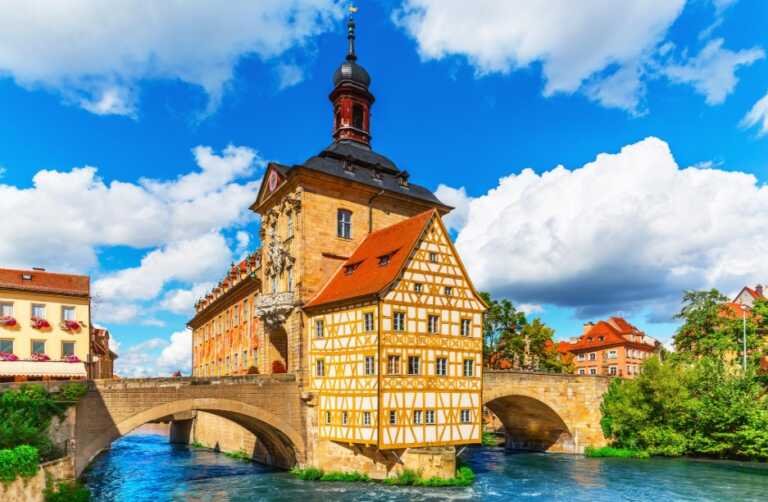
The town is especially famous for its UNESCO-listed Old Town, which preserves an extraordinary collection of medieval and Baroque architecture. Its historic layout, beautiful squares, and traditional residential buildings make it one of the most interesting places to explore in southern Germany.
One of Bamberg’s most recognisable landmarks is the Old Town Hall (Altes Rathaus). Interestingly, it stands on an artificial island in the middle of the Regnitz River. Its beautifully decorated exterior and distinctive location make it one of the town’s most photographed attractions.
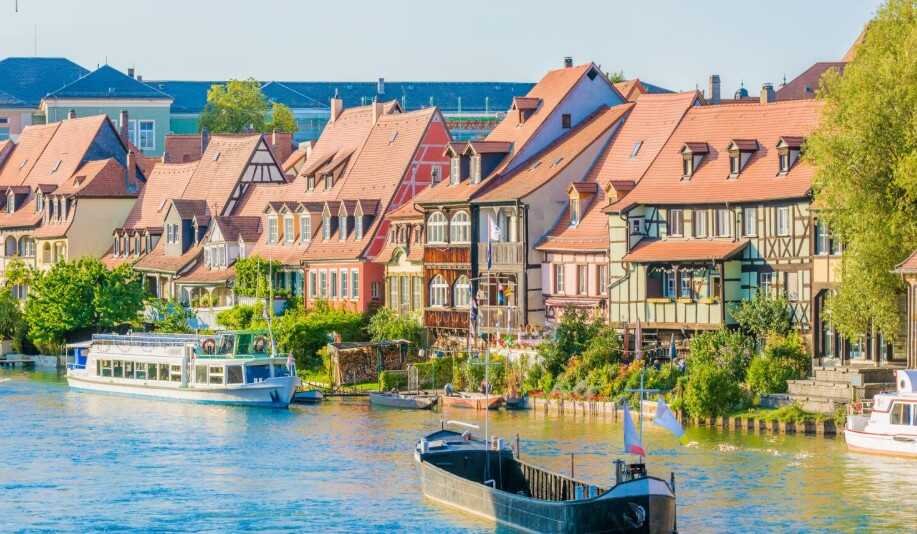
Another must-visit area is Little Venice (Klein Venedig). This charming riverside neighbourhood features traditional fishermen’s houses positioned along the water. The colourful buildings and peaceful river views create a lovely setting for photography and relaxed sightseeing.
Bamberg Cathedral is another important landmark. Located on Cathedral Hill, this impressive building combines Romanesque and Gothic architectural elements. Visitors interested in history and architecture will appreciate its connection to the town’s religious and political past.
Bamberg also has a strong food and beer culture. The town is particularly famous for its traditional smoked beer, known locally as Rauchbier. Travellers interested in regional cuisine can explore Franconian restaurants, bakeries, and traditional food establishments.
Visit the historic Old Town Hall.
Explore the beautiful Little Venice neighbourhood.
Discover Bamberg Cathedral and Cathedral Square.
Walk through the historic streets of the island district.
Visit the Old Residence and its surrounding gardens.
Explore traditional Franconian restaurants and cafés.
Enjoy the views along the Regnitz River.
- Best Time to Visit: April to October is a good period for sightseeing and enjoying riverside walks. December is also worth considering for its seasonal Christmas atmosphere.
- Travel Tip: Bamberg is a convenient destination for a day trip from Nuremberg, although staying overnight gives you more time to explore the historic streets without rushing.
- Why Visit? Bamberg is ideal for visitors who enjoy combining historic architecture, riverside scenery, cultural attractions, and regional food in one destination.
4. Lübeck, Schleswig-Holstein
Location: Schleswig-Holstein, Northern Germany
Best for: Brick Gothic architecture, Hanseatic history, historic churches, and traditional sweets.
Lübeck is one of northern Germany’s most attractive historic destinations. Often called the Queen of the Hanseatic League, this beautiful city has a fascinating trading history, impressive medieval architecture, and a distinctive old town surrounded by water.
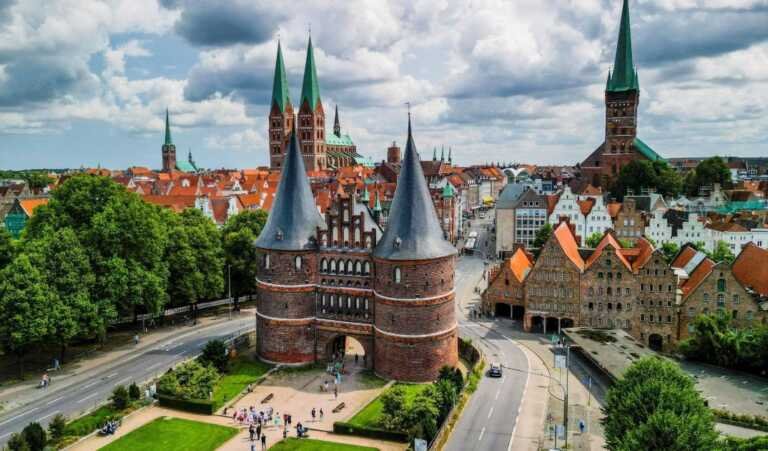
Unlike the half-timbered towns of southern Germany, Lübeck is particularly famous for its red-brick Gothic buildings. Its historic streets, impressive church towers, traditional merchant houses, and old warehouses create a completely different architectural experience.
The entire historic old town is recognised as a UNESCO World Heritage Site. Its historical importance comes from its role as a major trading centre in northern Europe during the Middle Ages.
The most famous landmark is the Holstentor, a magnificent medieval city gate that has become one of Germany’s best-known architectural symbols. Its distinctive twin towers and impressive brick construction make it an essential stop for visitors.
Another important attraction is St. Mary’s Church (Marienkirche), one of the most significant examples of Brick Gothic architecture. The church is famous for its impressive interior and historic significance.
Visitors should also explore the old merchant streets, traditional courtyards, and historic buildings around the town centre. The narrow passages known as Gänge und Höfe offer an interesting look at the residential history of Lübeck.
Food lovers should not leave without discovering Lübeck’s famous marzipan. This traditional almond-based confectionery has a long association with the city, and visitors can find it in historic shops and cafés.
Visit the famous Holstentor city gate.
Explore the UNESCO-listed old town.
Discover St. Mary’s Church.
Walk through the historic merchant streets and courtyards.
Visit the European Hansemuseum to learn about Hanseatic trading history.
Explore the old harbour and riverside areas.
Taste traditional Lübeck marzipan.
- Best Time to Visit: May to September is particularly pleasant for exploring the city on foot. December is also a wonderful time to experience Lübeck’s traditional Christmas markets.
- Travel Tip: Lübeck is easily combined with a visit to the Baltic coast. If you have additional time, consider exploring Travemünde, a seaside district known for its beach and maritime atmosphere.
- Why Visit? Lübeck is perfect for travellers who want to explore northern German history, admire impressive brick architecture, and experience the legacy of the Hanseatic trading cities.
5. Monschau, North Rhine-Westphalia
Location: North Rhine-Westphalia, Western Germany
Best for: Romantic scenery, half-timbered architecture, riverside walks, and photography.
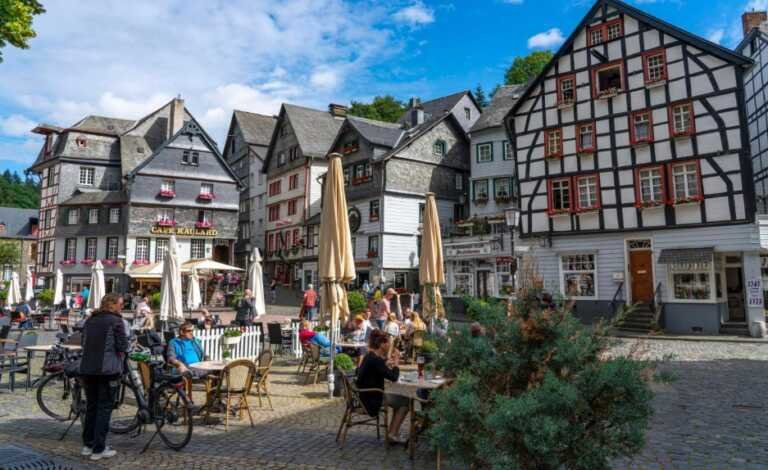
Monschau is a small but exceptionally charming historic town located in the Eifel region of western Germany, close to the Belgian border. Surrounded by wooded hills and situated along the River Rur, it is famous for its traditional half-timbered houses, narrow streets, and beautiful natural surroundings.
What makes Monschau particularly attractive is the way its historic buildings blend with the surrounding landscape. Traditional houses stand close to the river, while small bridges connect different parts of the old town. The combination of historic architecture, flowing water, and green hills creates a peaceful atmosphere.
One of the most recognisable attractions is the Rotes Haus (Red House), a historic merchant’s residence that reflects the wealth of Monschau’s former cloth-trading industry. Its impressive interior and traditional design make it an interesting stop for visitors who want to understand the town’s economic history.
Monschau Castle is another important landmark. Positioned above the old town, it offers a wonderful reminder of the town’s medieval past. The surrounding viewpoints are also excellent places to appreciate the historic rooftops and natural scenery.
The town centre is best explored on foot. Visitors can wander through the narrow lanes, discover traditional shops, enjoy local cafés, and photograph the beautiful buildings along the river.
Monschau is also known for its traditional mustard. The historic mustard mill is an interesting attraction for people interested in local food traditions and regional products.
Nature lovers will appreciate Monschau’s location in the Eifel region, where walking trails and scenic countryside provide opportunities to explore beyond the historic centre.
Explore the historic half-timbered houses.
Visit the famous Rotes Haus.
Discover Monschau Castle.
Walk across the small bridges over the River Rur.
Explore the historic market square.
Visit the traditional mustard mill.
Enjoy the walking trails and scenic viewpoints around the town.
Spend time in local cafés and traditional shops.
- Best Time to Visit: May to September is a great time for outdoor exploration and riverside photography. December is also popular because of Monschau’s festive Christmas market.
- Travel Tip: Monschau’s old town is compact, but its cobbled streets and surrounding hills can be steep. Plan your visit with comfortable shoes and allow extra time for photography and relaxing at local cafés.
- Why Visit? Monschau is a wonderful destination for travellers looking for a peaceful historic town with traditional architecture, beautiful natural surroundings, and a relaxed atmosphere.
6. Dinkelsbühl, Bavaria
Location: Bavaria, Southern Germany
Best for: Medieval architecture, historic town walls, photography, and traditional Bavarian culture.
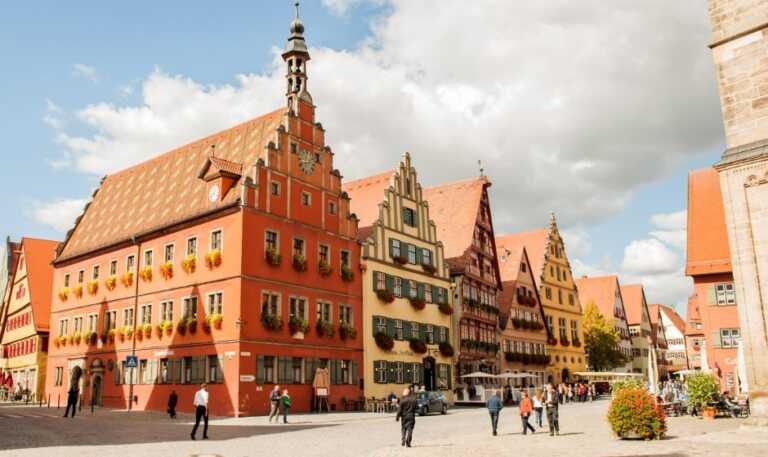
Dinkelsbühl is one of Bavaria’s most attractive historic towns, offering visitors an opportunity to experience traditional German architecture away from some of the country’s busiest tourist destinations. Located along Germany’s Romantic Road, it is famous for its colourful houses, medieval streets, historic towers, and remarkably preserved town walls.
The old town has a welcoming atmosphere, with traditional buildings surrounding beautiful squares and narrow cobblestone streets. Walking through its historic centre is a wonderful way to appreciate the architectural character of medieval Bavaria.
One of the most important landmarks is St. George’s Minster, an impressive Gothic church situated near the historic centre. Its tall tower and beautiful architectural details make it a highlight for visitors interested in history and religious architecture.
Another interesting attraction is the Weinmarkt, a picturesque street lined with colourful historic buildings. It is one of the best places to enjoy the town’s traditional appearance and take photographs.
Dinkelsbühl is also famous for its annual Kinderzeche festival, a traditional historical celebration connected with the town’s history during the Thirty Years’ War. The event features historical costumes, performances, and local celebrations.
Explore the medieval town walls and historic gates.
Visit St. George’s Minster.
Walk along the beautiful Weinmarkt.
Discover the historic Market Square.
Explore the charming old streets and traditional houses.
Visit the House of History (Haus der Geschichte).
Enjoy traditional Bavarian food at a local restaurant.
- Best Time to Visit: May to September is ideal for exploring the historic centre and enjoying outdoor activities. Summer is particularly interesting because of the Kinderzeche festival.
- Travel Tip: Allow several hours to explore the old town properly. If possible, combine Dinkelsbühl with Rothenburg ob der Tauber as part of a Romantic Road journey.
- Official Website: Dinkelsbühl Tourism
7. Görlitz, Saxony
Location: Saxony, Eastern Germany
Best for: Renaissance architecture, historic squares, photography, and cultural heritage.
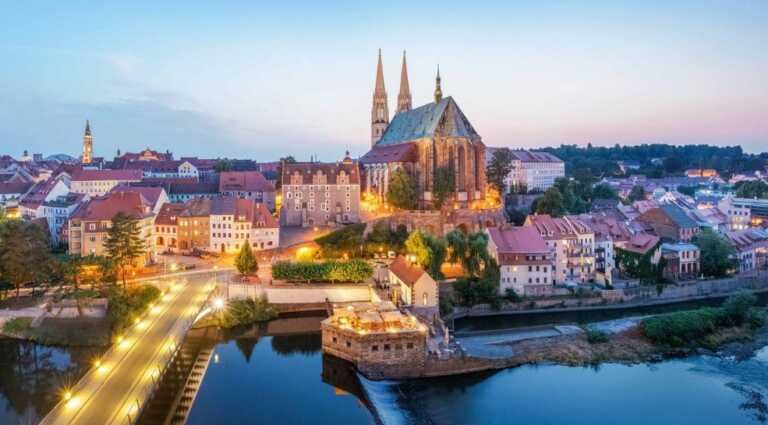
Görlitz is a fascinating historic town in eastern Germany, known for its extraordinary collection of architectural styles and beautifully preserved streets. Situated along the Neisse River on the border with Poland, it offers visitors a unique opportunity to experience two neighbouring European cultures during the same trip.
The old town is particularly impressive because it contains buildings from several architectural periods, including Gothic, Renaissance, Baroque, and Art Nouveau. Many historic structures have survived remarkably well, making Görlitz an interesting destination for architecture enthusiasts.
One of its most attractive locations is Untermarkt, a historic square surrounded by colourful buildings, traditional restaurants, and impressive architectural details. It is an excellent starting point for exploring the old town.
Another important landmark is St. Peter and Paul’s Church, famous for its impressive architecture and historic Sonnenorgel, or Sun Organ. Visitors interested in cultural heritage should also explore the historic town hall and surrounding streets.
Görlitz has also become popular among film enthusiasts. Its distinctive historic appearance has made it a filming location for several international productions.
- A particularly interesting experience is crossing the Old Town Bridge over the Neisse River into Zgorzelec, Poland. This allows visitors to explore a neighbouring Polish town within walking distance.
Explore the historic Untermarkt square.
Visit St. Peter and Paul’s Church.
Discover the beautiful Renaissance and Baroque buildings.
Walk through the historic streets and courtyards.
Visit the Görlitz Department Store.
Explore the Old Town Bridge and nearby Polish town of Zgorzelec.
Enjoy traditional Saxon food in a local restaurant.
- Best Time to Visit: April to October offers pleasant conditions for walking tours and outdoor photography.
- Travel Tip: Spend some time exploring both sides of the Neisse River. Remember that Poland uses a different currency, so check payment options before crossing.
- Official Website: Görlitz Tourism
8. Wernigerode, Saxony-Anhalt
Location: Saxony-Anhalt, Central Germany
Best for: Colourful architecture, castle views, mountain scenery, and traditional German streets.
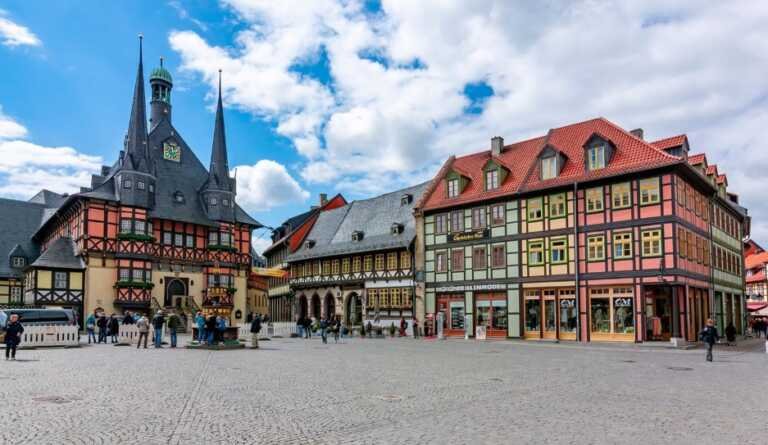
Wernigerode is a picturesque historic town located in the Harz Mountains of central Germany. It is especially famous for its colourful half-timbered houses, attractive Market Square, and impressive castle overlooking the town.
The historic centre is full of beautiful buildings with decorative wooden frames and colourful façades. These traditional houses give Wernigerode a distinctive appearance and make it a favourite destination for travellers interested in historic German architecture.
The most recognisable landmark is Wernigerode Town Hall, a beautifully decorated building located in the Market Square. Its distinctive half-timbered design and impressive exterior make it one of the most photographed buildings in the Harz region.
Another major attraction is Wernigerode Castle, which stands on a hill above the old town. Visitors can explore its historic rooms and enjoy wonderful views of the surrounding landscape.
Wernigerode is also an excellent destination for nature lovers. Its location near the Harz National Park makes it convenient for exploring forest trails, mountain landscapes, and scenic viewpoints.
The historic Harz narrow-gauge railway is another popular experience. Visitors can enjoy a traditional train journey through the beautiful mountain region, with routes connecting Wernigerode to other destinations in the Harz.
Explore the historic Market Square.
Photograph the famous Town Hall.
Visit Wernigerode Castle.
Discover the colourful half-timbered houses.
Take a journey on the Harz narrow-gauge railway.
Explore nearby Harz National Park.
Enjoy traditional food and coffee in the old town.
- Best Time to Visit: May to September is ideal for walking and exploring the surrounding countryside. December is also attractive because of the town’s Christmas market.
- Travel Tip: Take some time to visit the castle viewpoint. The elevated position provides beautiful views across the historic town and surrounding Harz Mountains.
- Official Website: Wernigerode Tourism
9. Celle, Lower Saxony
Location: Lower Saxony, Northern Germany
Best for: Historic timber-framed houses, royal history, castles, and relaxed sightseeing.
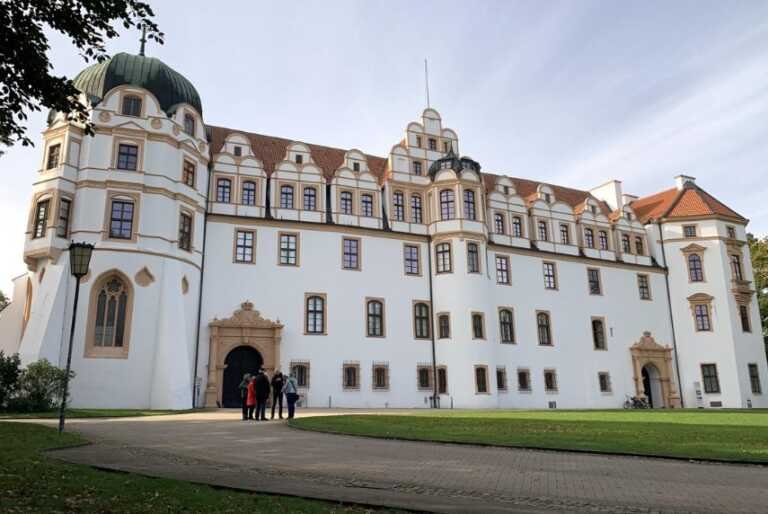
Celle is a beautiful historic town in Lower Saxony that offers a wonderful combination of traditional German architecture, royal heritage, and attractive public spaces. Located near Hanover, it is particularly famous for its large collection of half-timbered houses and impressive historic castle.
The old town is one of Celle’s biggest attractions. Its streets are lined with hundreds of traditional timber-framed buildings, many featuring decorative façades and carefully preserved architectural details.
A highlight of the town is Celle Castle (Schloss Celle), a historic residence with architectural features from different periods. Visitors can explore its impressive rooms and learn about the history of the former Duchy of Brunswick-Lüneburg.
The historic Market Square is another attractive place to visit. Surrounded by traditional buildings and local businesses, it provides a pleasant setting for exploring the town on foot.
Celle is also home to the Stadtkirche St. Marien, an important historic church in the centre. Its architecture and connection to the town’s history make it worth including in a sightseeing itinerary.
For travellers who enjoy shopping and relaxing, the pedestrian-friendly streets offer independent shops, bakeries, restaurants, and traditional cafés.
Explore the beautiful half-timbered old town.
Visit Celle Castle.
Discover the historic Market Square.
Visit Stadtkirche St. Marien.
Explore the Bomann Museum.
Enjoy local cafés and traditional German bakeries.
Take a relaxing walk through the castle park.
- Best Time to Visit: April to September is a pleasant period for exploring Celle’s streets and outdoor attractions.
- Travel Tip: Celle is an excellent day-trip destination from Hanover. However, staying overnight gives you more time to explore its historic streets and cultural attractions.
- Official Website: Celle Tourism
10. Bernkastel-Kues, Rhineland-Palatinate
Location: Rhineland-Palatinate, Western Germany
Best for: Riverside scenery, traditional architecture, vineyards, and regional food.
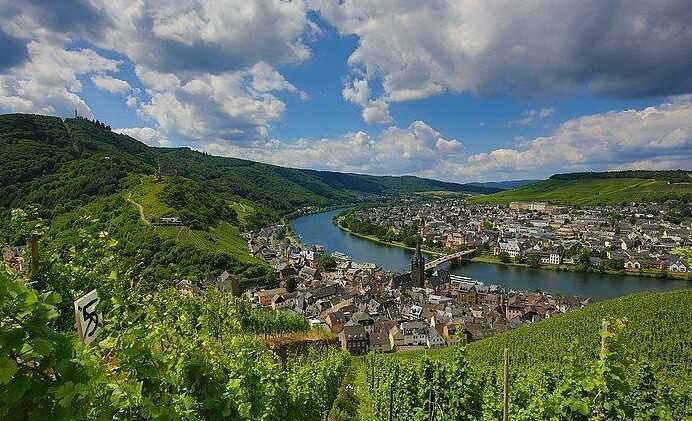
Bernkastel-Kues is one of the most charming destinations along Germany’s Moselle River. Famous for its colourful half-timbered houses, historic market square, surrounding vineyards, and beautiful riverside setting, this town offers a relaxing travel experience.
The historic centre of Bernkastel is particularly attractive. Its narrow streets and traditional buildings create a wonderful atmosphere for walking, photography, and discovering local shops.
One of the town’s most famous landmarks is the Spitzhäuschen, a distinctive narrow half-timbered house that has become an iconic symbol of Bernkastel-Kues. Its unusual shape and historic appearance make it a popular photography spot.
The Market Square is another highlight. Surrounded by traditional buildings and cafés, it is a lovely place to enjoy the town’s historic atmosphere. Visitors can also explore the nearby Renaissance-style town hall and surrounding streets.
Above the town stands the ruins of Landshut Castle. Reaching the castle involves an uphill walk, but the views over the Moselle Valley and surrounding vineyards make the effort worthwhile.
Bernkastel-Kues is also well known for its wine-growing traditions. The surrounding Moselle region is particularly associated with Riesling wine, and visitors can learn about local viticulture through regional attractions and vineyard tours.
Explore the historic Market Square.
Photograph the famous Spitzhäuschen.
Visit the ruins of Landshut Castle.
Walk along the Moselle River.
Discover the surrounding vineyards.
Explore local shops and traditional cafés.
Enjoy regional Moselle cuisine.
- Best Time to Visit: May to October is a wonderful period for exploring the vineyards and enjoying the riverside scenery. Autumn is especially attractive during the grape harvest season.
- Travel Tip: Consider taking a boat trip along the Moselle River to appreciate the surrounding vineyards, villages, and countryside from a different perspective.
- Official Website: Bernkastel-Kues Tourism
11. Heidelberg, Baden-Württemberg
Location: Baden-Württemberg, Southwestern Germany
Best for: Romantic streets, historic castles, university heritage, and riverside scenery.
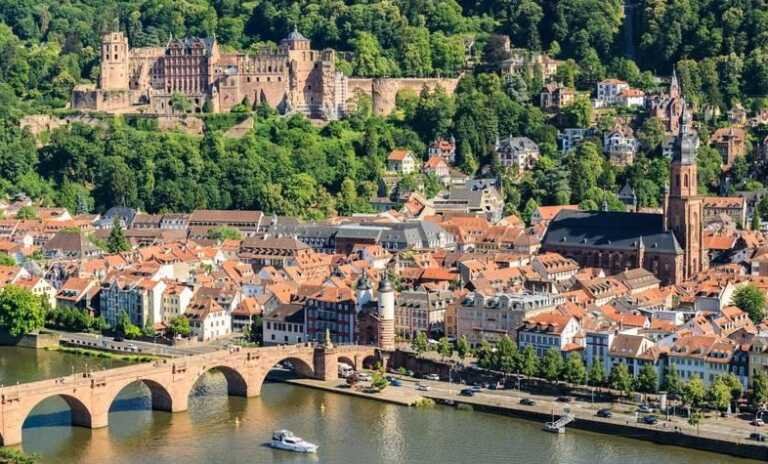
Heidelberg is one of the most attractive historic destinations in southwestern Germany. Situated along the Neckar River, this beautiful city is famous for its romantic old town, impressive castle ruins, historic university, and picturesque streets.
The old town (Altstadt) is a wonderful place to explore on foot. Its narrow streets are lined with traditional buildings, independent shops, restaurants, and cafés. The combination of historic architecture and a lively student atmosphere makes Heidelberg particularly enjoyable for visitors.
One of the city’s most famous attractions is Heidelberg Castle, which stands on a hillside overlooking the old town. The castle is known for its impressive Renaissance architecture, historic courtyard, and beautiful views across the Neckar Valley.
Another major attraction is the Old Bridge (Alte Brücke), a historic stone bridge connecting different parts of the city. It offers excellent views of the river, castle, and surrounding hills.
Visitors should also explore the Market Square, Church of the Holy Spirit, and the historic university buildings. Heidelberg University, founded in 1386, is one of Europe’s oldest universities.
For those who enjoy walking, the Philosopher’s Walk (Philosophenweg) offers a beautiful route with panoramic views of the historic city.
Visit Heidelberg Castle and its historic courtyard.
Walk across the famous Old Bridge.
Explore the historic Market Square.
Discover the Church of the Holy Spirit.
Visit Heidelberg University.
Walk along the Philosopher’s Walk.
Enjoy traditional German food in the old town.
- Best Time to Visit: April to June and September to October are excellent for comfortable sightseeing and outdoor photography.
- Travel Tip: Visit Heidelberg Castle early in the day to avoid the busiest periods. Allow extra time for exploring the old town and enjoying the riverside atmosphere.
- Official Website: Heidelberg Tourism
12. Erfurt, Thuringia
Location: Thuringia, Central Germany
Best for: Medieval architecture, historic bridges, churches, and cultural heritage.
Erfurt is a beautiful historic city in central Germany with an old town that preserves much of its medieval character. Known for its traditional buildings, impressive churches, and historic streets, it is an excellent destination for travellers interested in German history and architecture.
The most famous attraction is Krämerbrücke (Merchants’ Bridge), one of the city’s most recognisable landmarks. This historic bridge is lined with traditional houses and small shops, creating a unique atmosphere. Unlike many ordinary bridges, Krämerbrücke has buildings standing along its entire length.
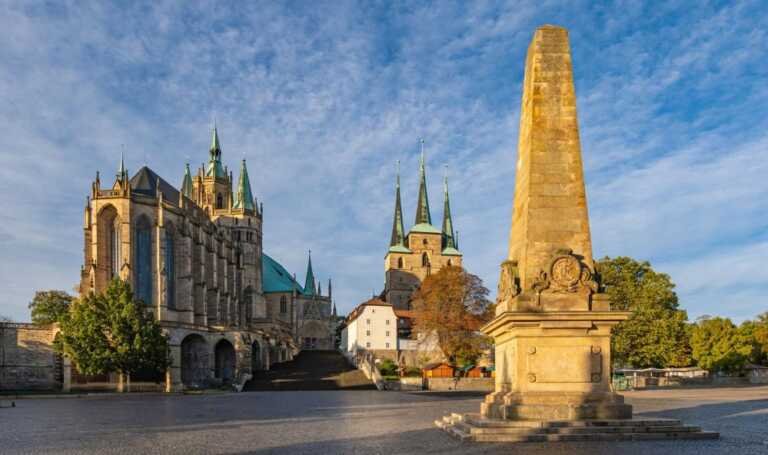
Another major attraction is Cathedral Square (Domplatz), where visitors can admire Erfurt Cathedral and St. Severus Church. The impressive buildings stand above a wide historic square and form one of the city’s most recognisable architectural scenes.
Erfurt’s old town also features beautiful timber-framed houses, traditional courtyards, and historic merchant streets. Visitors can spend hours exploring the area, discovering small shops, and enjoying local restaurants.
The city is also associated with Martin Luther, who studied at the University of Erfurt and spent time at the Augustinian Monastery. History enthusiasts may find this connection particularly interesting.
Walk across the historic Krämerbrücke.
Visit Erfurt Cathedral.
Explore St. Severus Church.
Discover the historic Cathedral Square.
Visit the Augustinian Monastery.
Explore the old town’s traditional streets.
Enjoy local Thuringian food.
- Best Time to Visit: May to September is ideal for exploring the historic centre. December is also popular for the traditional Christmas market.
- Travel Tip: Krämerbrücke is best explored on foot. Take time to visit the small shops and historic buildings rather than simply crossing the bridge.
13. Meersburg, Baden-Württemberg
Location: Baden-Württemberg, Southern Germany
Best for: Lake views, medieval architecture, historic castles, and peaceful holidays.
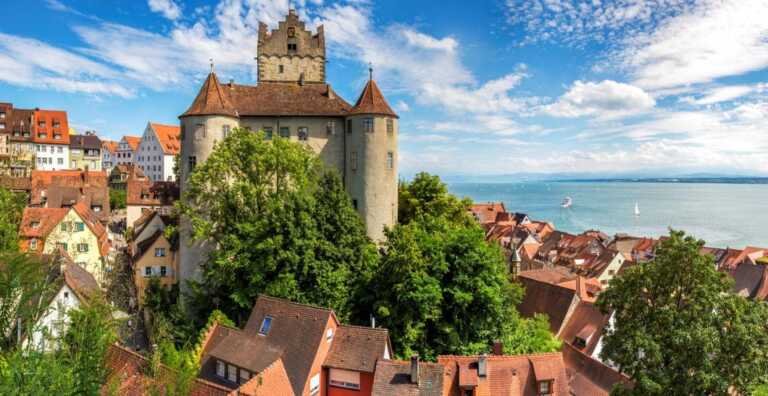
Meersburg is a picturesque historic town located beside Lake Constance (Bodensee) in southern Germany. Its beautiful waterfront, traditional buildings, narrow streets, and medieval landmarks make it one of the most attractive destinations in the region.
The town is particularly appealing because it combines historic architecture with beautiful lake scenery. Visitors can explore the old streets before enjoying relaxing views of Lake Constance and the surrounding landscape.
One of its most famous attractions is Meersburg Castle (Alte Burg), widely recognised as one of Germany’s oldest inhabited castles. The historic building offers visitors an opportunity to discover medieval rooms, traditional furnishings, and fascinating historical displays.
Another highlight is the New Castle (Neues Schloss), an impressive Baroque building overlooking the lake. Its location provides wonderful views across Lake Constance.
The old town is divided into upper and lower sections. Both areas have their own charm, with historic houses, small squares, cafés, and traditional shops.
Meersburg is also a popular destination for boat trips. Ferries and passenger boats connect the town with other attractive destinations around Lake Constance.
Visit the historic Meersburg Castle.
Explore the Baroque New Castle.
Walk through the upper and lower old town.
Enjoy the Lake Constance waterfront promenade.
Take a boat trip across the lake.
Visit the local museums.
Enjoy regional food at lakeside restaurants.
- Best Time to Visit: May to September is particularly attractive for enjoying the lake, outdoor sightseeing, and boat trips.
- Travel Tip: Wear comfortable shoes because the town has steep streets connecting the upper and lower sections. Consider combining your visit with nearby Lindau or Friedrichshafen.
14. Bad Wimpfen, Baden-Württemberg
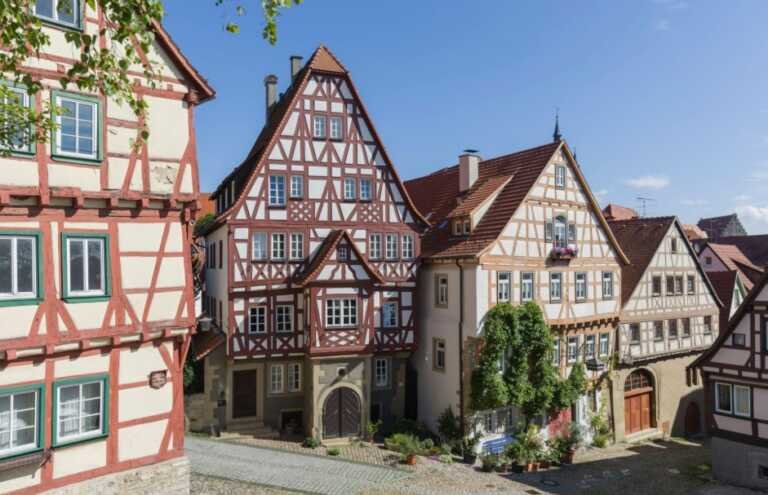
Location: Baden-Württemberg, Southwestern Germany
Best for: Medieval towers, traditional architecture, historic streets, and peaceful sightseeing.
Bad Wimpfen is a charming historic town located above the Neckar Valley in southwestern Germany. It is particularly famous for its medieval skyline, colourful half-timbered buildings, historic towers, and peaceful atmosphere.
Unlike larger German tourist destinations, Bad Wimpfen offers a quieter experience. Its old town is full of narrow streets, traditional houses, and historic landmarks that reveal its long architectural history.
One of the most recognisable landmarks is the Blue Tower (Blauer Turm). This historic tower dominates the town’s skyline and provides a wonderful opportunity to appreciate the medieval character of the area.
Another important attraction is the Red Tower (Roter Turm), which forms part of the town’s historic fortifications. Walking through the surrounding streets allows visitors to discover traditional buildings and beautiful architectural details.
The Imperial Palace area is also worth exploring. Bad Wimpfen was historically an important imperial residence, and remnants of its medieval significance can still be seen around the old town.
Visitors can also enjoy the local cafés, traditional restaurants, and seasonal markets. During winter, the town becomes particularly attractive with its traditional Christmas market.
Visit the famous Blue Tower.
Explore the historic Red Tower.
Walk through the medieval old town.
Discover the Imperial Palace remains.
Photograph the colourful half-timbered houses.
Explore the historic churches.
Enjoy traditional food and local cafés.
- Best Time to Visit: April to October is excellent for walking tours and outdoor sightseeing. December is popular for the historic Christmas market.
- Travel Tip: Bad Wimpfen is a relatively compact destination, making it suitable for a relaxed day trip. Climb the Blue Tower when visitor access is available for impressive views over the surrounding region.
15. Schiltach, Baden-Württemberg
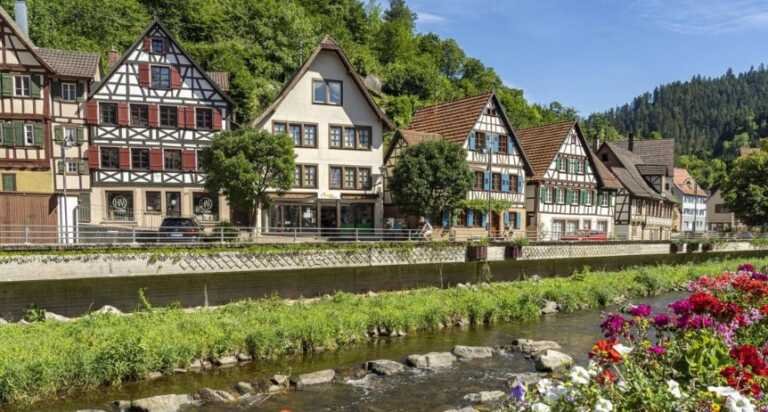
Location: Baden-Württemberg, Black Forest, Southwestern Germany
Best for: Black Forest scenery, half-timbered architecture, traditional culture, and photography.
Schiltach is a small and beautiful historic town located in the Black Forest region of southwestern Germany. Surrounded by green hills and situated along the Kinzig River, it is known for its traditional half-timbered houses, charming market square, and peaceful atmosphere.
The town has a distinctive appearance, with historic buildings arranged around a sloping market square. Many of its houses feature traditional wooden frames, colourful façades, and decorative architectural details.
One of the main highlights is Schiltach’s historic Market Square, which is surrounded by beautifully preserved buildings. It is an excellent place to appreciate the town’s traditional architecture and enjoy the relaxed atmosphere.
Schiltach also has an interesting history connected with timber trading and rafting. The Kinzig River played an important role in transporting timber from the Black Forest, contributing to the development of the local economy.
Visitors interested in regional history can explore the Schüttesäge Museum, which explains traditional timber processing and rafting activities.
The surrounding countryside is another reason to visit. Walking trails, forest landscapes, and scenic viewpoints make Schiltach a wonderful destination for travellers who enjoy combining historic sightseeing with nature.
Explore the historic Market Square.
Photograph the traditional half-timbered houses.
Visit the Schüttesäge Museum.
Walk along the Kinzig River.
Discover the town’s historic streets.
Explore nearby Black Forest walking trails.
Enjoy traditional regional food at local restaurants.
- Best Time to Visit: May to September is ideal for exploring the town and surrounding countryside. Autumn is also beautiful when the surrounding forest landscapes change colour.
Travel Tip: Schiltach is a lovely destination to include in a Black Forest road trip. Combine it with nearby towns and scenic countryside for a fuller regional experience.
Frequently Asked Questions (FAQs)
1. What is the most charming old town in Germany?
Rothenburg ob der Tauber is widely considered one of Germany’s most charming old towns because of its medieval streets and traditional architecture.
2. Which German old towns are worth visiting?
Quedlinburg, Bamberg, Lübeck, Monschau, and Dinkelsbühl are excellent destinations for history and architecture lovers.
3. What is the best time to visit Germany’s old towns?
May to September is ideal for sightseeing, while December is perfect for experiencing traditional Christmas markets.
4. Which German old towns are UNESCO World Heritage Sites?
Quedlinburg, Bamberg, and Lübeck have UNESCO World Heritage recognition.
5. Are Germany’s old towns suitable for day trips?
Yes, many historic towns are suitable for day trips, although staying overnight allows more time to explore.
6. Which German old town is best for photography?
Rothenburg ob der Tauber, Monschau, and Quedlinburg are especially popular for their picturesque streets and historic buildings.
7. Are Germany’s old towns accessible by train?
Yes, most of these destinations can be reached by train, although some smaller towns may require a connecting bus.

I am Sabiq Hasan Rasel. Coffee with Travel, Recipes & Reviews is a cozy and engaging content space that blends a love of coffee with exciting travel experiences, delicious recipes, and honest reviews. It offers inspiration for coffee lovers who enjoy exploring new places, trying unique flavors, and discovering lifestyle tips along the way.