
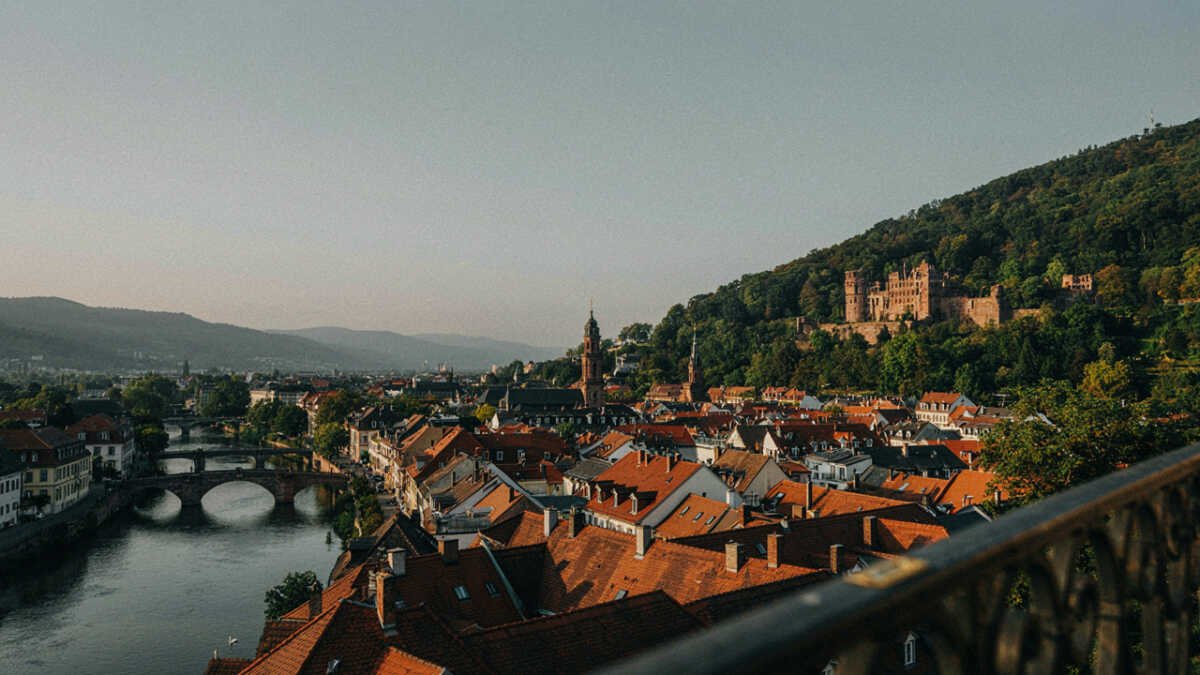
Germany is a wonderful destination for travelers who enjoy history, impressive architecture, medieval streets, and cultural experiences. From ancient Roman landmarks to grand palaces and beautifully preserved old towns, the country offers countless opportunities to explore its past. Many German cities also combine historic attractions with lively markets, traditional restaurants, museums, and scenic riverside walks. What makes Germany especially interesting is the variety of its historic cities. In one destination, you can explore Roman ruins; in another, you can walk through medieval trading districts or discover the buildings associated with important events in European history. If you are planning a trip to Germany in 2026, these 15 historic cities are worth considering. This guide covers their most important attractions, historical significance, ideal visiting times, and practical travel tips to help you plan your journey.
1. Heidelberg – A Romantic City with a Historic Castle
Best for: Castle lovers, couples, architecture enthusiasts, and first-time visitors.
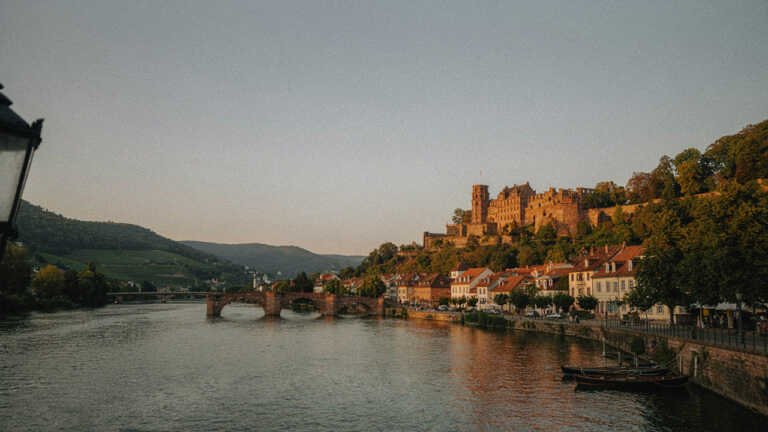
Heidelberg is one of Germany’s most appealing historic destinations, combining an atmospheric Old Town with a famous castle and beautiful views of the Neckar River. Its historic streets, traditional buildings, and lively university atmosphere make it an excellent choice for travelers who want to experience German history without visiting a city that feels entirely focused on the past.
The city is also associated with Germany’s oldest university, founded in 1386. This long academic tradition has helped shape Heidelberg’s cultural identity over the centuries.
Heidelberg Castle: Explore the celebrated castle ruins overlooking the city. The site is known for its Renaissance architecture, courtyards, and panoramic views.
Heidelberg Old Town: Walk along Hauptstrasse, browse local shops, and explore historic streets around the Market Square.
Old Bridge: The Karl Theodor Bridge is one of the city’s most recognizable landmarks and offers lovely views of the river and castle.
Church of the Holy Spirit: Visit this historic church in the Market Square, an important feature of Heidelberg’s Old Town.
Philosophers’ Walk: Enjoy elevated views of the city, river, and castle from this well-known walking route.
- Things to do in Heidelberg: Start your visit in the Old Town, where you can explore the main streets and historic squares on foot. Continue toward the Old Bridge for photographs and river views, then spend time at Heidelberg Castle.
- If you enjoy walking, consider the Philosophers’ Walk for a different perspective of the city. You can also visit a museum, stop at a traditional café, or enjoy a relaxed meal at a local restaurant.
2. Rothenburg ob der Tauber – A Beautiful Medieval Town
Best for: Medieval architecture, photographers, families, and travelers who love traditional European towns.
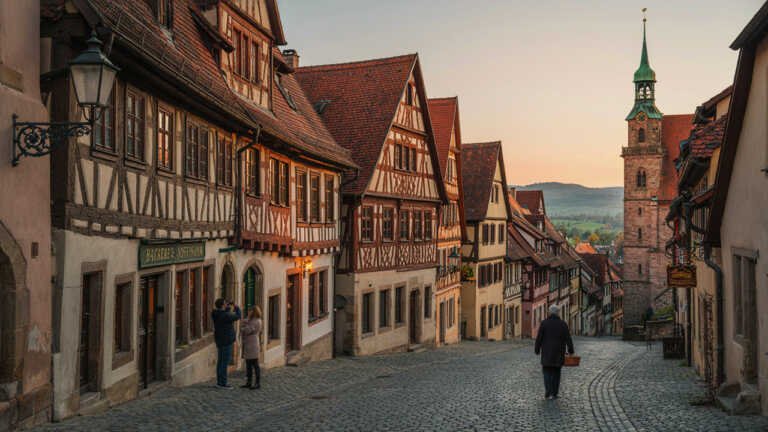
Rothenburg ob der Tauber is one of Germany’s best-known medieval destinations. Located in Bavaria, this small historic town is famous for its half-timbered houses, cobbled lanes, fortified walls, and charming squares.
Unlike larger German cities, Rothenburg offers a more compact sightseeing experience. Many of its best-known attractions are within walking distance of one another, making it an appealing stop for travelers exploring Bavaria or following Germany’s Romantic Road.
The town’s historic character is closely connected to its past as a Free Imperial City. Its preserved streets and fortifications provide a glimpse of the architecture and urban life associated with medieval Germany.
Plönlein: This famous corner, framed by traditional buildings and a small fountain, is one of the town’s most recognizable photographic spots.
Market Square: Visit the historic center, admire the Town Hall, and explore the surrounding streets.
Rothenburg Town Walls: Walk along accessible sections of the old fortifications for views over the rooftops and surrounding countryside.
St. James’s Church: Discover an important historic church known for its religious art and architectural details.
Medieval Crime Museum: Learn about the history of law and justice through historical exhibits.
Castle Garden: Take a peaceful break in the gardens and enjoy views across the Tauber Valley.
- Things to do in Rothenburg ob der Tauber: The best way to explore Rothenburg is on foot. Begin around Market Square, continue to Plönlein, and spend time wandering through the narrow streets rather than visiting only the famous photo locations.
- If you enjoy local food, look for Schneeballen, a traditional pastry associated with the region. You can also browse small shops, visit a museum, or join a guided walking tour to learn more about the town’s history.
- During the Christmas season, Rothenburg is particularly popular for its festive atmosphere and traditional Christmas market. Check the official event calendar before planning a winter visit.
3. Trier – Germany's Ancient Roman City
Best for: Ancient history, archaeology, Roman architecture, and cultural sightseeing.
Trier is one of the most interesting destinations in Germany for anyone fascinated by the Roman Empire. Located in western Germany near the Luxembourg border, the city dates back to Roman times and contains several important monuments from that period.
Founded in 16 BC according to the city’s traditional historical dating, Trier developed into a significant Roman settlement. Today, its ancient gates, baths, amphitheater, and other historic structures make it different from the medieval towns found elsewhere in Germany.
Trier is particularly worthwhile for travelers who want to explore a deeper layer of German history beyond castles and half-timbered buildings.
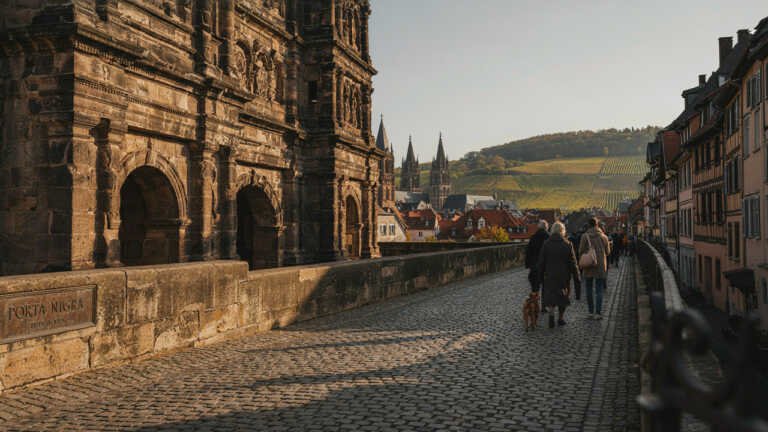
Porta Nigra: This monumental Roman city gate is Trier’s most famous landmark and one of the most impressive surviving Roman structures in Germany.
Trier Cathedral: Explore a historic cathedral with architectural elements reflecting different periods of the city’s religious history.
Church of Our Lady: Located near the cathedral, this church is notable for its Gothic architecture.
Imperial Baths: Discover the remains of an extensive Roman bathing complex and learn about ancient urban life.
Roman Amphitheatre: Visit the remains of an arena that once hosted public events.
Main Market: Explore the historic central square, surrounded by buildings from different architectural periods.
- Several of Trier’s Roman monuments form part of a UNESCO World Heritage property, making the city especially valuable for travelers interested in European heritage.
- Things to do in Trier: Begin your visit at Porta Nigra, then explore the historic center and its churches. Continue to the Roman monuments to understand how the settlement developed during the Roman period.
- A guided walking tour can be helpful because the historical significance of many structures is not immediately obvious from their appearance. Museum visits can also provide additional context about everyday life in ancient Trier.
- If you have extra time, explore the Moselle region, which is known for its river scenery, vineyards, and neighboring historic towns.
4. Lübeck – A Historic Hanseatic City
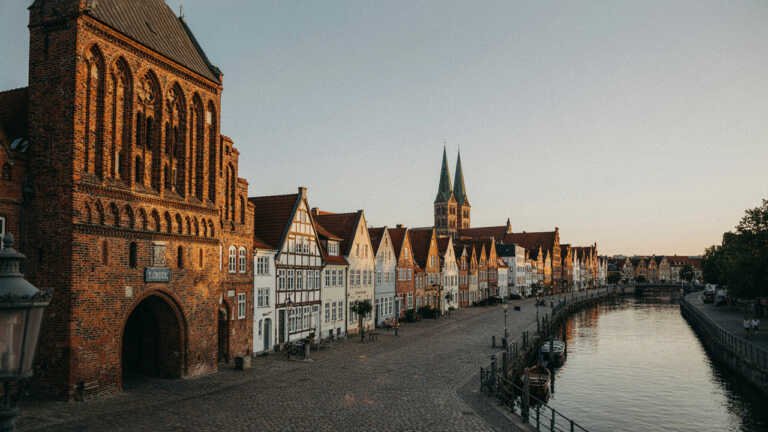
Best for: Medieval trading history, northern German architecture, museums, and waterfront scenery.
Lübeck offers a different historical experience from the southern German destinations on this list. Located in northern Germany near the Baltic Sea, the city was an important member of the Hanseatic League, a network of trading towns that played a major role in European commerce during the Middle Ages.
Its historic center is famous for brick Gothic architecture, old merchant houses, churches, and the striking Holsten Gate. The Old Town’s location on an island surrounded by waterways adds to its distinctive appearance.
Lübeck is an excellent destination for travelers who want to understand the commercial history of medieval northern Europe while enjoying a walkable historic center.
Holsten Gate: Visit the city’s iconic medieval gate, one of the most recognizable landmarks in northern Germany.
Lübeck Old Town: Wander through historic streets and discover traditional buildings, courtyards, and small squares.
St. Mary’s Church: Admire a major brick Gothic church associated with the city’s religious and architectural history.
Lübeck Town Hall: Explore the historic civic center and admire its distinctive architecture from the outside.
European Hansemuseum: Learn about the Hanseatic League and the development of trade across northern Europe.
Buddenbrook House: Discover the literary history associated with Thomas and Heinrich Mann, subject to current museum access arrangements.
- Lübeck’s Old Town is recognized as a UNESCO World Heritage Site, reflecting its importance as a historic Hanseatic center.
- Things to do in Lübeck: Start at the Holsten Gate before walking into the Old Town. Spend time exploring its churches, historic courtyards, and narrow streets, and consider visiting the Hansemuseum to understand how trade shaped the city.
- Lübeck is also known for its marzipan tradition. Stop at a local café or confectionery to try this regional specialty, or browse the shops for gifts.
- If you have additional time, consider a trip to nearby Travemünde, a seaside district with beaches and Baltic Sea views.
5. Nuremberg – Medieval Heritage and Important German History
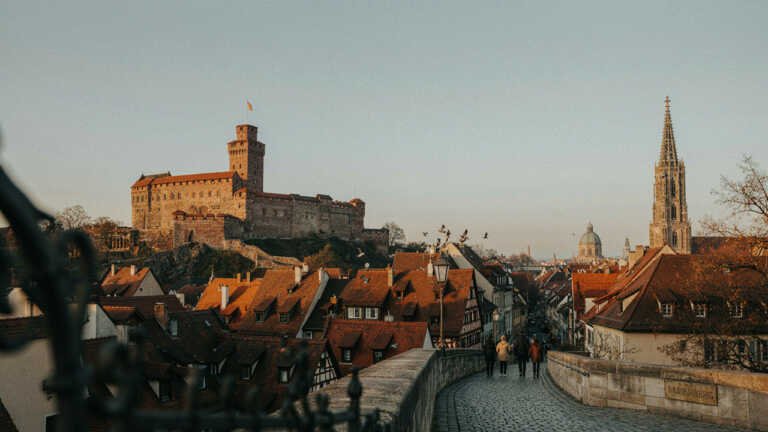
Best for: Historic architecture, museums, medieval fortifications, and cultural history.
Nuremberg, located in Bavaria, combines a well-preserved medieval center with a complex and important modern history. The city was once a significant center of trade and craftsmanship within the Holy Roman Empire. Its castle, old churches, traditional streets, and historic squares remain major attractions.
Nuremberg is also an important destination for understanding Germany’s twentieth-century history. Visitors can explore museums and memorial sites that explain the Nazi era, the Nuremberg Trials, and the consequences of the Second World War.
This combination makes Nuremberg particularly worthwhile for travelers who want to understand both the city’s medieval development and its more recent past.
Nuremberg Castle: Explore one of the city’s most prominent historic landmarks, with views across the Old Town.
Hauptmarkt: Visit the central market square, known for its historic setting and seasonal markets.
Church of Our Lady: Admire the Gothic church overlooking Hauptmarkt.
St. Sebaldus Church: Discover one of Nuremberg’s important medieval churches.
Germanisches Nationalmuseum: Explore collections related to German art, culture, and history.
Documentation Center and former Nazi Party Rally Grounds: Learn about the Nazi regime, propaganda, and the city’s role during that period. Check current exhibitions and access arrangements before visiting.
- Things to do in Nuremberg: Start with a walking tour of the Old Town, including the castle and Hauptmarkt. Continue through the historic streets, visit a museum, and take time to appreciate the city’s architecture.
- Travelers interested in twentieth-century history should set aside time for the Documentation Center or other relevant historical sites. These visits provide important context and are best approached with enough time to read the exhibits rather than rushing through them.
- Nuremberg also has a strong local food tradition. Visitors can explore Franconian dishes at local restaurants and sample regional specialties.
- During the winter season, the city’s famous Christkindlesmarkt attracts visitors from many countries. Check the dates and event details if a Christmas-market visit is part of your plans.
6. Bamberg – A UNESCO World Heritage City Full of Charm
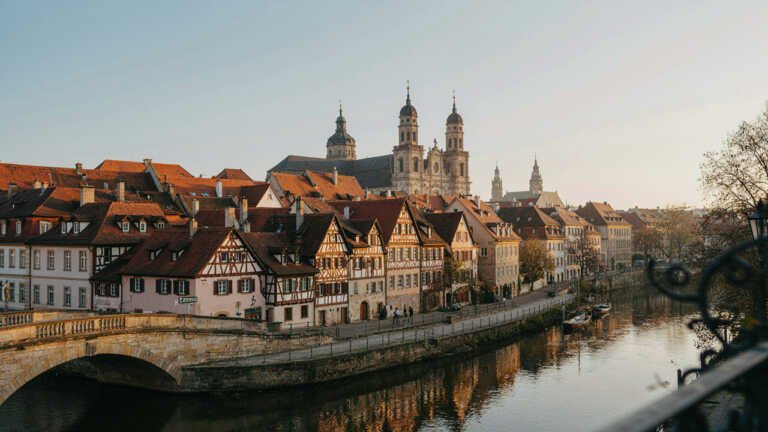
Best for: Medieval architecture, historic streets, cultural experiences, and traditional German food.
Bamberg is one of Bavaria’s most attractive historic cities, known for its preserved Old Town, riverside scenery, and distinctive architecture. Built across seven hills, the city is sometimes called the “Franconian Rome.” Its historic center brings together medieval buildings, Baroque architecture, churches, and traditional neighborhoods.
Bamberg is especially appealing to visitors who enjoy exploring a city on foot. Instead of concentrating on one famous landmark, much of its charm comes from wandering through its streets, crossing small bridges, and discovering historic buildings along the way.
The Old Town has been a UNESCO World Heritage Site since 1993, reflecting its outstanding architectural and cultural significance.
Old Town Hall (Altes Rathaus): One of Bamberg’s most recognizable landmarks, this historic building stands on an island in the Regnitz River. Its painted exterior and bridge setting make it a popular photography spot.
Bamberg Cathedral: Visit this impressive Romanesque cathedral, which has played an important role in the city’s religious history.
Old Court (Alte Hofhaltung): Explore a historic complex featuring traditional courtyards and distinctive architectural details.
New Residence (Neue Residenz): Discover a former prince-bishop’s residence with grand rooms and a rose garden offering views over the Old Town.
Little Venice: Admire the colorful former fishermen’s houses lining the river. This picturesque area is particularly attractive for photography.
Michaelsberg Monastery: Visit the hilltop complex for its historical architecture and views across Bamberg, while checking current access arrangements.
- Things to do in Bamberg: Start your day around the Old Town Hall, then walk through the historic center toward the cathedral and Old Court. Take time to explore the smaller streets, where you can find traditional cafés, bakeries, and local shops.
- Food lovers may want to sample Franconian cuisine. Bamberg is also famous for its traditional smoked beer, known locally as Rauchbier. Travelers who do not drink alcohol can enjoy the city’s food culture and cafés instead.
- If you enjoy photography, visit Little Venice and the riverside areas at different times of day to appreciate the changing light.
7. Regensburg – A Medieval City on the Danube River
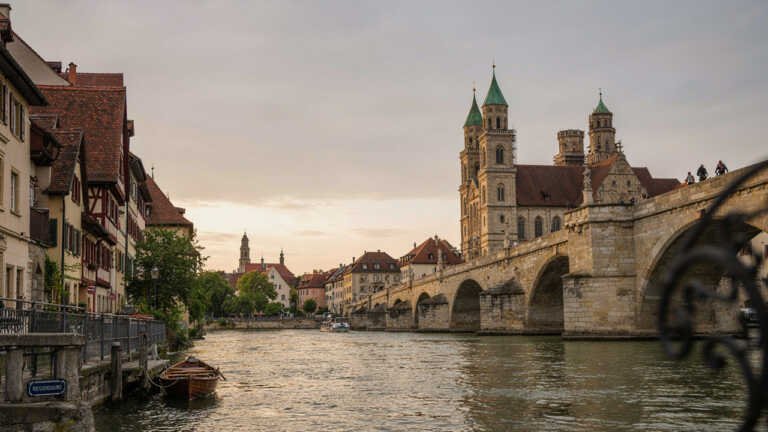
Best for: Medieval architecture, riverside walks, historic bridges, and UNESCO heritage.
Regensburg is one of Germany’s most rewarding destinations for travelers interested in medieval European history. Located on the Danube River in Bavaria, the city developed as an important trading center and has preserved a remarkable collection of historic buildings.
Its Old Town features narrow lanes, tall historic houses, churches, and lively public squares. Unlike some destinations where historic buildings stand separately from modern development, Regensburg’s central district offers a connected old-town atmosphere that is enjoyable to explore on foot.
The Old Town with Stadtamhof became a UNESCO World Heritage Site in 2006. The city’s historical significance also extends to Roman times, giving visitors several different periods of history to discover.
St. Peter’s Cathedral: Admire one of the city’s most important Gothic landmarks, known for its impressive towers and detailed architecture.
Stone Bridge (Steinerne Brücke): Walk across this historic bridge over the Danube and enjoy views of the city and river.
Old Town Hall: Explore the historic civic center and learn about Regensburg’s role in the political history of the Holy Roman Empire.
Old Town and Stadtamhof: Wander through the UNESCO-listed historic area, where medieval streets and traditional buildings create a distinctive atmosphere.
Porta Praetoria: See the remains of an ancient Roman gate incorporated into the city’s historic fabric.
House of Bavarian History: Visit this museum to learn about Bavaria’s political, social, and cultural development.
- Things to do in Regensburg: Begin with the cathedral and continue through the Old Town’s narrow streets toward the Stone Bridge. Stop at historic squares, browse local shops, and enjoy a meal at a traditional Bavarian restaurant.
- A guided walking tour can help you understand how Roman settlement, medieval trade, and political life shaped the city. You can also take a relaxing walk along the Danube to appreciate Regensburg from a different perspective.
- The city has plenty of cafés and restaurants, making it a good destination for travelers who want to combine cultural sightseeing with a relaxed European city break.
8. Quedlinburg – A Historic Town of Half-Timbered Houses
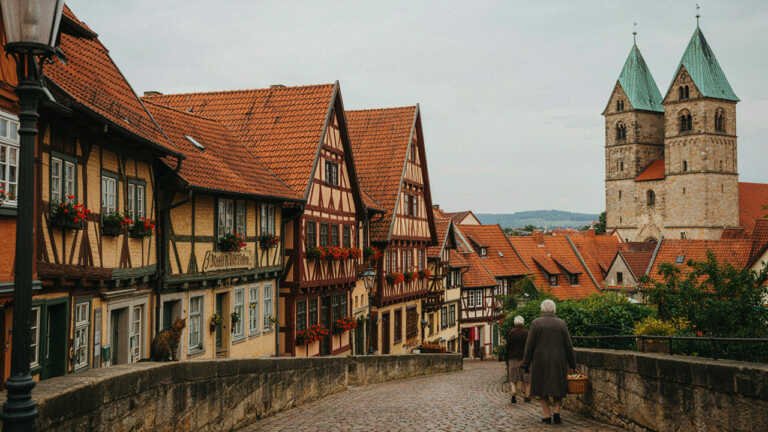
Best for: Medieval streets, traditional German architecture, photography, and quieter cultural trips.
Quedlinburg, located in Saxony-Anhalt, is a wonderful destination for travelers who want to discover a historic German town with a distinctive architectural character. Its Old Town contains a remarkable collection of half-timbered houses, narrow lanes, and traditional squares that reflect several centuries of building history.
Walking through Quedlinburg feels different from exploring a large city. The streets are filled with architectural details, from timber frames and decorative facades to historic courtyards and sloping rooftops.
The town also played an important role in early German history. Its connection with royal and religious institutions makes it more than simply a picturesque destination.
Quedlinburg’s Collegiate Church, Castle, and Old Town have been recognized as a UNESCO World Heritage Site since 1994.
Quedlinburg Old Town: Explore the historic streets and admire the extensive collection of half-timbered buildings.
Collegiate Church of St. Servatius: Visit this prominent historic church on the castle hill, associated with the town’s royal and religious past.
Castle Hill: Discover the historic setting above the Old Town and enjoy views over the surrounding rooftops.
Market Square: Spend time around the central square, where the Town Hall and traditional buildings form an attractive historic setting.
Lyonel Feininger Gallery: Art lovers can explore works associated with the modernist artist Lyonel Feininger and related collections.
Fachwerkmuseum im Ständerbau: Learn about the traditional half-timbered building style that gives Quedlinburg its distinctive appearance. Check current museum opening arrangements before visiting.
- Things to do in Quedlinburg: The best way to experience Quedlinburg is to explore its Old Town at a relaxed pace. Start at Market Square, then follow the smaller streets to discover different styles of half-timbered houses.
- Climb toward Castle Hill to explore the church and historic complex. Photography enthusiasts will find plenty of interesting details in the buildings, courtyards, and narrow lanes.
- Quedlinburg is also a good destination for travelers interested in local history and traditional architecture. Consider a guided tour if you want to learn how the town developed over time.
- Best time to visit Quedlinburg: Late spring through early autumn is ideal for walking and outdoor photography. Winter can also be attractive, particularly during seasonal events, but check the weather and opening hours in advance.
9. Dresden – A City of Baroque Architecture and Royal History
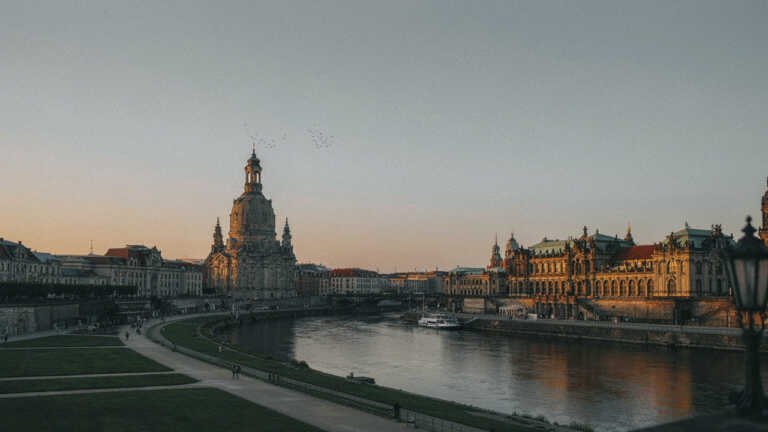
Best for: Grand architecture, historic palaces, art collections, and cultural attractions.
Dresden, the capital of Saxony, is one of Germany’s most impressive destinations for architecture and cultural history. Located on the Elbe River, the city is known for its monumental buildings, historic art collections, elegant squares, and royal heritage.
Dresden developed into an important cultural center under Saxon rulers. Its historic center features Baroque and Renaissance influences, while museums and palaces provide insight into the city’s former role as a royal residence.
The city also carries the difficult history of wartime destruction and reconstruction. Many famous landmarks have been restored, making Dresden a meaningful destination for understanding both Germany’s architectural heritage and the preservation of historic monuments.
Frauenkirche: Visit the famous Church of Our Lady, a major symbol of Dresden’s reconstruction after its destruction during the Second World War.
Zwinger Palace: Explore this celebrated Baroque complex, with its courtyards, gardens, and museums.
Semperoper: Admire the architecture of Dresden’s renowned opera house and check its program if you are interested in attending a performance.
Royal Palace (Residenzschloss): Discover historic collections and exhibitions that illustrate Saxon royal history.
Brühl’s Terrace: Walk along this elevated riverside promenade for views of the Elbe and surrounding architecture.
Procession of Princes: See the famous mural depicting Saxon rulers on the exterior of the historic stable courtyard.
- Things to do in Dresden: Start in the historic center and explore the Frauenkirche, Neumarkt, and surrounding squares. Continue to the Zwinger Palace to appreciate its architecture and visit a museum if time allows.
- Walk along Brühl’s Terrace for river views, then explore the Royal Palace or attend a cultural performance if your schedule permits.
- Dresden is particularly rewarding for visitors who enjoy art and architecture. Rather than trying to visit every museum, choose one or two collections that match your interests.
10. Weimar – A City of German Literature, Art, and Cultural History
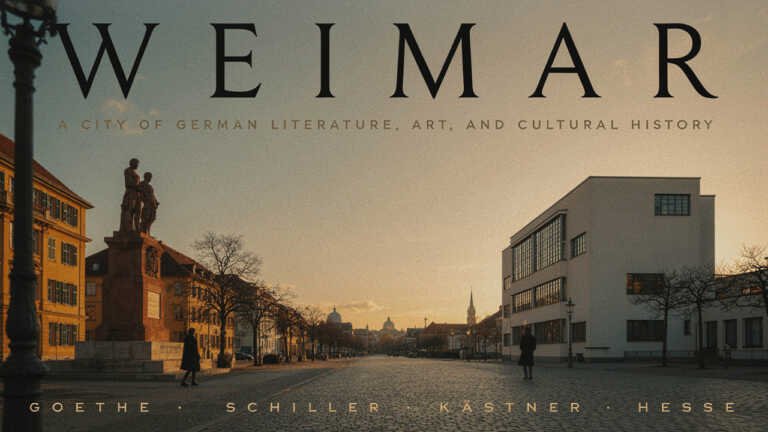
Best for: Literature lovers, classical music, architecture, museums, and cultural heritage.
Weimar is a smaller German city with an unusually important place in European cultural history. Located in Thuringia, it is associated with writers, composers, philosophers, and artists who helped shape German intellectual life.
The city is particularly connected with Johann Wolfgang von Goethe and Friedrich Schiller, two major figures in German literature. Visitors can explore historic residences, museums, gardens, and buildings that reflect Weimar’s role as a center of cultural activity.
Weimar is also closely associated with the Bauhaus movement, which had a major influence on modern architecture, design, and art. This combination of classical culture and modernist history makes the city distinctive among Germany’s historic destinations.
The Classical Weimar heritage area has UNESCO World Heritage status, while the city’s Bauhaus-related sites offer another important chapter in its cultural story.
Goethe’s House: Explore the former home of Johann Wolfgang von Goethe and learn about his life and work. Check current museum access and ticket arrangements.
Schiller’s House: Visit the residence associated with Friedrich Schiller, one of Germany’s best-known literary figures.
Duchess Anna Amalia Library: Discover a celebrated historic library, subject to its visitor rules and available access arrangements.
Park an der Ilm: Enjoy a peaceful walk through this historic landscaped park, which is closely connected with Weimar’s classical heritage.
Bauhaus Museum Weimar: Learn about the influential design school and its contribution to modern architecture and art.
German National Theatre and Theaterplatz: Explore a central cultural landmark associated with German theatrical and political history.
- Things to do in Weimar: Begin your visit with the historic center, where many cultural attractions are within walking distance. Visit Goethe’s House or Schiller’s House, then spend time in the town’s squares and historic streets.
- If you enjoy literature, consider a guided tour focused on Weimar’s writers and intellectual history. Art and design enthusiasts should allow time for the Bauhaus Museum.
- Park an der Ilm is an excellent place to take a break between museum visits. Its walking paths and historic surroundings provide a different experience from the city’s indoor attractions.
11. Würzburg – A Historic City of Palaces and Baroque Architecture
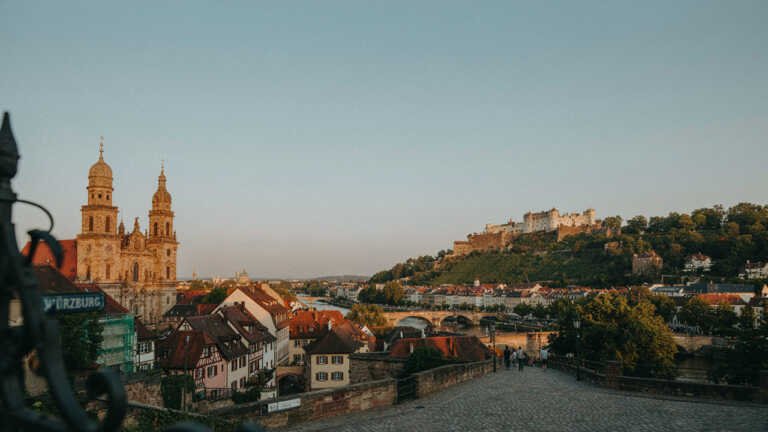
Best for: Baroque architecture, royal residences, historic churches, and wine-country scenery.
Würzburg is one of Bavaria’s most fascinating historic cities, offering an appealing combination of grand architecture, cultural attractions, and beautiful views of the Main River. The city developed into an important religious and political center, and its former prince-bishops left behind impressive buildings that continue to attract visitors today.
For travelers interested in European architecture, Würzburg is especially rewarding. Its elegant squares, historic churches, and monumental palace create a different atmosphere from the medieval streets of Rothenburg ob der Tauber or Quedlinburg.
The city is also a convenient base for exploring the surrounding Franconian region, which is known for its vineyards, traditional villages, and regional cuisine.
Würzburg Residence: This magnificent Baroque palace is the city’s best-known landmark and a UNESCO World Heritage Site. Visitors can explore its grand interiors and learn about the history of the prince-bishops who commissioned it.
Old Main Bridge: Walk across this historic bridge for views of the river, the city, and the surrounding hills.
Marienberg Fortress: Located on a hill overlooking Würzburg, the fortress offers historical exhibits and panoramic views.
Würzburg Cathedral: Visit one of the city’s most important religious buildings, which has a long architectural history.
Old Town Hall: Admire the historic civic buildings around the city center and explore nearby streets.
Hofkirche: Discover the ornate court church associated with the Würzburg Residence.
- Things to do in Würzburg: Begin your visit at the Würzburg Residence, allowing enough time to appreciate its architecture and historic rooms. Then walk through the city center toward the Old Main Bridge, where you can enjoy views of the Main River.
- If you enjoy photography, consider visiting Marienberg Fortress for a different perspective of the city. The surrounding Franconian countryside is also worth exploring if you have extra time.
- Würzburg is known for its regional wine culture. Visitors can learn about local traditions, explore nearby vineyards, or enjoy regional food at a restaurant or café.
12. Goslar – A Medieval Treasure in the Harz Mountains
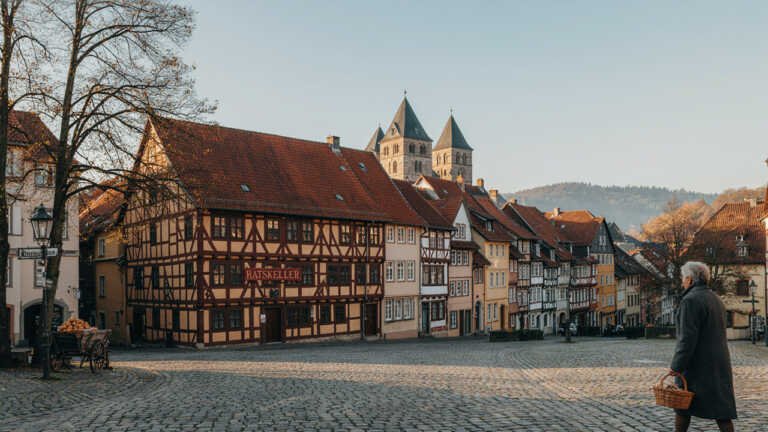
Best for: Medieval streets, mining history, traditional architecture, and mountain scenery.
Goslar is a historic town in Lower Saxony that combines an attractive medieval center with a fascinating mining heritage. Located near the Harz Mountains, it is an excellent destination for travelers who want to explore historic German architecture while enjoying access to nature.
The town became prosperous through mining, particularly the extraction of silver and other metals from the nearby Rammelsberg area. This wealth helped shape its historic buildings, churches, and imperial landmarks.
Goslar’s Old Town and the nearby Mines of Rammelsberg form a UNESCO World Heritage property, making the destination especially interesting for visitors who enjoy history, industrial heritage, and traditional European towns.
Imperial Palace (Kaiserpfalz): Explore this important medieval complex associated with German kings and emperors.
Goslar Old Town: Walk through narrow streets lined with traditional houses, historic squares, and decorative façades.
Market Square: Admire the Town Hall, historic buildings, and the central square that has served as a focal point of town life.
Rammelsberg Mine: Discover the region’s mining history through exhibitions and guided visits. Check tour availability before traveling.
Marktkirche St. Cosmas and Damian: Visit one of the town’s major churches and appreciate its place in Goslar’s historic center.
Zwinger Tower: See part of the town’s historic defensive architecture and learn about its role in protecting Goslar.
- Things to do in Goslar Start with a walk around the Old Town, taking time to explore the small streets and traditional houses. Continue to the Imperial Palace to learn about the town’s role in medieval German history.
- If mining history interests you, set aside several hours for Rammelsberg. Its exhibitions and guided experiences help explain how mining supported the development of Goslar and the wider region.
- You can also use Goslar as a starting point for exploring the Harz Mountains, where walking routes, forest landscapes, and nearby historic towns provide additional activities.
13. Erfurt – A Historic Old Town with Medieval Charm
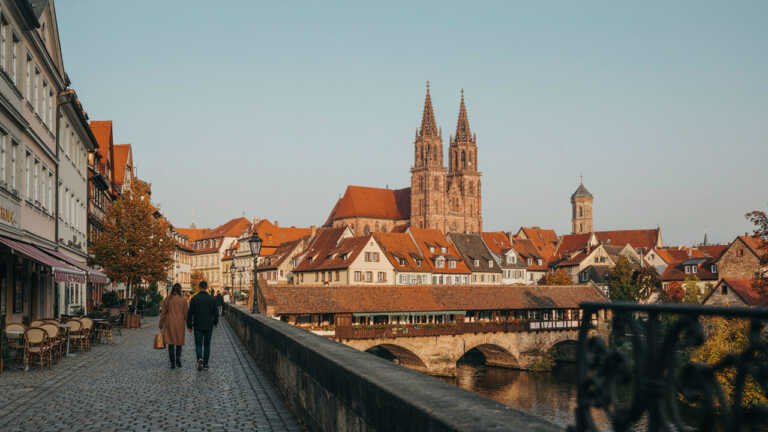
Best for: Medieval architecture, historic bridges, churches, and cultural sightseeing.
Erfurt, the capital of Thuringia, is one of central Germany’s most rewarding historic destinations. Its Old Town contains a rich collection of medieval buildings, traditional squares, churches, and narrow streets that reflect the city’s long history as a religious, educational, and trading center.
One of Erfurt’s most distinctive features is the Krämerbrücke, a historic bridge lined with buildings and shops. Rather than functioning only as a crossing, it forms a small neighborhood with a character all its own.
Erfurt is also associated with Martin Luther, who studied at the University of Erfurt and spent part of his early religious life in the city. This connection makes it a meaningful destination for travelers interested in European religious history.
Krämerbrücke: Walk across this famous medieval bridge, which is lined with historic houses, small shops, and craft businesses.
Erfurt Cathedral: Visit the city’s impressive cathedral, located on the Cathedral Hill and known for its historic architecture.
St. Severus Church: Explore this important church beside the cathedral, forming one of Erfurt’s most recognizable historic settings.
Augustinian Monastery: Discover the religious site associated with Martin Luther and the city’s Reformation history.
Old Synagogue: Learn about the history of Erfurt’s Jewish community at this important historic site and museum.
Fischmarkt: Explore a historic square surrounded by notable buildings and the Town Hall.
- Things to do in Erfurt: Start in the Old Town and walk toward Krämerbrücke, where you can browse shops and explore the surrounding streets. Continue to Cathedral Hill to see the cathedral and St. Severus Church.
- Visitors interested in religious history can explore the Augustinian Monastery and Old Synagogue. A guided walking tour can help connect these attractions with the broader history of the city.
- Erfurt is also a pleasant place to enjoy a relaxed café stop or sample regional Thuringian food between sightseeing activities.
14. Potsdam – A Historic City of Royal Palaces and Gardens
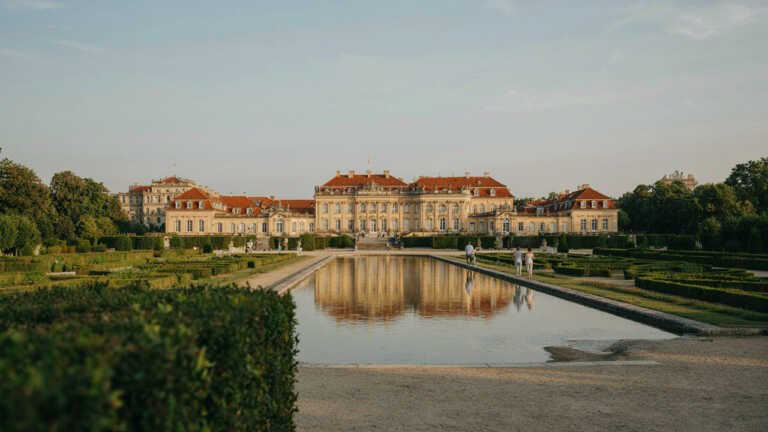
Best for: Royal history, palace architecture, landscaped gardens, and cultural excursions from Berlin.
Potsdam, located southwest of Berlin, is one of Germany’s most attractive destinations for travelers interested in royal history and historic gardens. The city became closely associated with the Prussian kings, who developed a collection of palaces, parks, and cultural landmarks that remain among its most famous attractions.
Potsdam offers a different experience from a traditional medieval town. Instead of concentrating on narrow streets and fortified walls, its historic appeal lies in grand palaces, carefully designed gardens, and elegant districts.
The Palaces and Parks of Potsdam and Berlin are recognized as a UNESCO World Heritage Site. The city’s combination of architecture, landscape design, and royal history makes it a rewarding addition to a Germany itinerary.
Sanssouci Palace: Visit the celebrated summer palace of Frederick the Great, known for its Rococo architecture and landscaped grounds.
Sanssouci Park: Walk through gardens, terraces, and historic parkland surrounding the palace. Check access conditions and any seasonal restrictions.
New Palace: Explore another major palace in Sanssouci Park, commissioned during the reign of Frederick the Great.
Cecilienhof Palace: Discover the historic palace associated with the 1945 Potsdam Conference, where Allied leaders met after the Second World War.
Dutch Quarter: Wander through a distinctive district of red-brick buildings, cafés, and small shops.
Old Market Square: Visit the historic city center and admire its architectural landmarks, including the rebuilt City Palace exterior and St. Nicholas Church.
- Set aside time for Sanssouci Palace and its surrounding gardens, as the grounds are extensive and deserve more than a quick visit. If you enjoy architecture, compare the palace’s design with the larger New Palace elsewhere in the park.
- After exploring the royal district, head to the Dutch Quarter for a meal or coffee. Its distinctive buildings and smaller streets offer a more relaxed atmosphere than the palace grounds.
- Visitors interested in twentieth-century history should consider Cecilienhof Palace, particularly if they want to understand the historical background of the Potsdam Conference.
- Late spring and summer are excellent for exploring the gardens and outdoor attractions. Early autumn can also be pleasant, while winter visits are better planned around palace opening hours and indoor attractions.
15. Mainz – A Historic Riverside City with Roman Roots
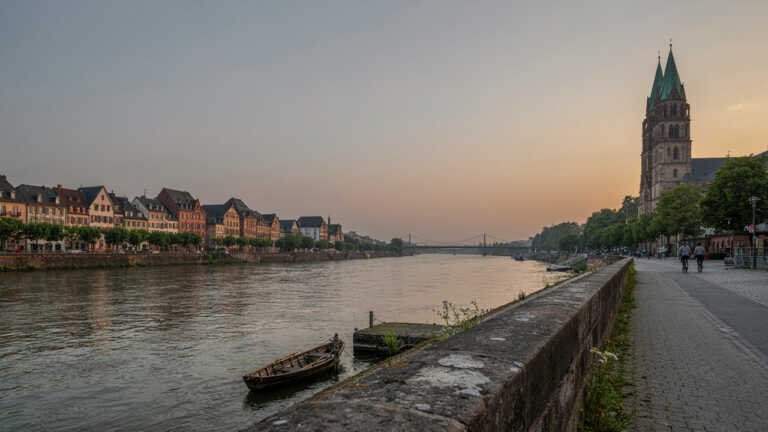
Best for: Roman history, cathedral architecture, museums, and Rhine River scenery.
Mainz is a historic city in western Germany situated on the Rhine River. Its story stretches back to Roman times, when it developed into an important military and administrative center. Over the centuries, Mainz also became a major religious and cultural destination.
The city is especially associated with Johannes Gutenberg, the inventor traditionally credited with developing movable-type printing in Europe. Visitors interested in the history of books, communication, and printing will find Mainz particularly rewarding.
Its Old Town combines historic churches, traditional squares, museums, and riverside areas. Mainz is also a useful destination for travelers exploring the Rhine region, including nearby wine-growing towns and scenic river landscapes.
Mainz Cathedral: Explore the imposing Romanesque cathedral, one of the city’s most important historic landmarks.
Gutenberg Museum: Learn about Johannes Gutenberg and the development of printing. Check the museum’s current location, exhibitions, and visitor arrangements before your trip.
Kirschgarten: Visit a picturesque historic square surrounded by traditional buildings and timber-framed architecture.
Augustinerstrasse: Walk along a lively historic street with shops, cafés, and buildings that reflect Mainz’s older urban character.
St. Stephen’s Church: Admire the church’s famous blue stained-glass windows designed by Marc Chagall.
Rhine River promenade: Enjoy a riverside walk and views of the water, especially during pleasant weather.
- Things to do in Mainz
- Begin with Mainz Cathedral and the surrounding historic center, then explore the Old Town’s smaller streets and squares. Visitors interested in literature, printing, and communication history should plan time for the Gutenberg Museum or related exhibitions.
Frequently Asked Questions (FAQs)
What are the best historic cities in Germany to visit?
- Some of the best historic cities in Germany include Heidelberg, Rothenburg ob der Tauber, Trier, Lübeck, Nuremberg, Bamberg, Regensburg, Dresden, and Potsdam. Each offers a different combination of medieval architecture, Roman history, castles, museums, and cultural attractions.
Which German city is famous for its medieval history?
- Rothenburg ob der Tauber is especially famous for its medieval streets, half-timbered houses, and historic town walls. Regensburg, Quedlinburg, and Goslar are also excellent destinations for exploring Germany’s medieval heritage.
Which city in Germany has the oldest Roman landmarks?
- Trier is one of Germany’s most important destinations for Roman history. Its attractions include the Porta Nigra, Roman baths, an amphitheatre, and other ancient monuments.
What is the best time to visit historic cities in Germany?
- Late spring and early autumn are generally ideal for sightseeing and walking tours. Summer offers longer days, while December is popular for Christmas markets in cities such as Nuremberg, Dresden, and Rothenburg ob der Tauber.
How many days are enough to explore Germany’s historic cities?
- Plan around one or two days per city, depending on your interests. If you want to visit several destinations, allow extra time for transportation and consider grouping cities by region.
Can I explore historic cities in Germany by train?
- Yes. Germany has an extensive railway network connecting many major cities and regional destinations. Some smaller towns may require additional regional train or bus connections, so check your route before traveling.
Which historic German city is best for architecture lovers?
- Dresden is known for its Baroque architecture, Würzburg for its grand Baroque Residence, Bamberg for its preserved Old Town, and Quedlinburg for its half-timbered houses. The best choice depends on the architectural styles you enjoy.
Are Germany’s historic cities suitable for family trips?
- Yes. Many cities offer castles, museums, historic squares, walking tours, and cultural activities suitable for families. Check attraction access, walking distances, and age recommendations when planning your itinerary.
Which historic cities in Germany are UNESCO World Heritage destinations?
- Germany has numerous UNESCO-listed historic sites. Examples include Bamberg’s Old Town, Regensburg’s Old Town with Stadtamhof, Quedlinburg’s Collegiate Church, Castle, and Old Town, and the Palaces and Parks of Potsdam and Berlin.

I am Sabiq Hasan Rasel. Coffee with Travel, Recipes & Reviews is a cozy and engaging content space that blends a love of coffee with exciting travel experiences, delicious recipes, and honest reviews. It offers inspiration for coffee lovers who enjoy exploring new places, trying unique flavors, and discovering lifestyle tips along the way.