
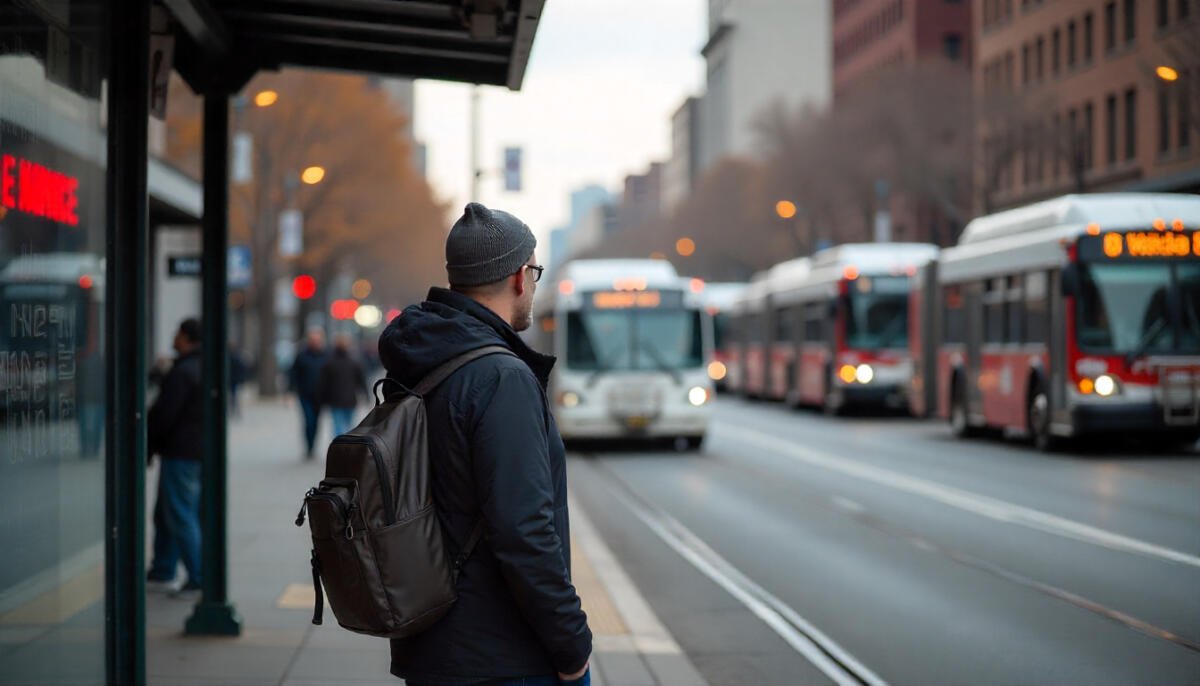
If you’re planning to get around Pennsylvania without a car, you’re in luck. The state has a wide range of public transportation options — from local buses and regional trains to trolleys and shared rides. Whether you’re a visitor or a local, this 2026 guide will help you understand how to use public transport easily, save money, and travel stress-free.
1. Why Public Transport Is a Smart Choice

Using public transport in Pennsylvania is not just affordable but also convenient and eco-friendly. It helps reduce traffic congestion, saves fuel, and gives you time to relax instead of focusing on driving.
If you live in or near a major city like Philadelphia, you can easily rely on public transit to reach work, school, shopping centers, or tourist spots. Smaller towns and rural areas also have shared-ride or community bus options for essential travel.
2. Major Transit Systems in Pennsylvania

a. Philadelphia Region – SEPTA
In Philadelphia and nearby counties, SEPTA (Southeastern Pennsylvania Transportation Authority) operates buses, subways, regional trains, and trolleys.
You can visit the SEPTA official site to check maps, fares, schedules, and real-time updates.
Popular routes and services include:
The Market-Frankford Line (Blue Line) – runs east to west across Philadelphia.
The Broad Street Line (Orange Line) – runs north to south.
Regional Rail – connects Philadelphia to suburbs like Norristown, Media, and Doylestown.
Buses and trolleys – cover almost every major neighborhood.
b. Pittsburgh – PRT
In Pittsburgh, the Port Authority of Allegheny County, now known as Pittsburgh Regional Transit (PRT), runs the main system.
Check routes, schedules, and passes on the Pittsburgh Regional Transit website.
PRT includes:
Bus routes all around Allegheny County.
The “T” light rail system connecting downtown Pittsburgh with suburbs like Dormont and South Hills.
Park & Ride locations if you want to leave your car and use public transport to get downtown.
c. Harrisburg & Central PA
For Harrisburg and nearby towns, Capital Area Transit (CAT) operates bus services.
They also offer paratransit and commuter services to help workers get to job centers.
d. Smaller Cities & Rural Areas
In smaller towns like Erie, Reading, Lancaster, and York, you’ll find local transit agencies such as:
Erie Metropolitan Transit Authority (EMTA)
Red Rose Transit (Lancaster)
Rabbit Transit (York and Adams County)
- In rural areas, PennDOT’s Shared-Ride Program provides transportation for seniors, people with disabilities, and those without personal vehicles. Learn more on the PennDOT website.
3. How to Plan Your Trip

Here’s how to make your ride easy and smooth:
Decide where you’re going – Know your starting point and destination.
Check schedules online – Use the official websites or Google Maps transit feature.
Buy a fare or pass – You can use reloadable cards like the SEPTA Key Card or mobile tickets via apps.
Arrive early – Reach the stop or station at least 5–10 minutes before departure.
Board correctly – Wait for others to exit before entering, and keep your ticket ready.
Pay attention to stops – Announcements will help you know when to get off.
Transfer smoothly – If you need to switch buses or trains, check for transfer rules to avoid extra fares.
4. Ticketing and Fares

Most systems accept both cash and digital payments. For regular riders, monthly or weekly passes are more cost-effective.
SEPTA Key Card lets you pay fares electronically and reload online or at kiosks.
PRT ConnectCard in Pittsburgh works similarly.
Discounted fares are available for students, seniors, and persons with disabilities under the PennDOT program.
5. Accessibility and Safety

Pennsylvania’s public transit is becoming more accessible every year. Most buses and trains are wheelchair-friendly and include audio/visual stop announcements.
If you need additional help, you can contact customer service or pre-book shared-ride services for door-to-door transportation.
For safety:
Keep your belongings close.
Travel in well-lit areas at night.
Report suspicious behavior to transit staff or local police.
6. Helpful Apps and Tools

To make your travel smoother, use these tools:
SEPTA App – live bus/train tracking in the Philadelphia region.
PRT App – check schedules and track buses in Pittsburgh.
Google Maps Transit – works statewide for planning multi-route trips.
Transit App – shows real-time arrival times for many Pennsylvania systems.
7. Travel Tips for 2025

Use digital passes – They’re faster and reduce cash handling.
Check updates often – Some services may adjust schedules due to events or weather.
Combine transport modes – Try bike-share or scooters for short distances.
Avoid rush hours – If you can, travel between 10 AM and 3 PM for a more comfortable ride.
Keep a backup plan – Download a rideshare app like Uber or Lyft for emergencies.
8. What’s New in 2025

Pennsylvania continues improving its public transport system:
PennDOT’s 12-Year Transportation Program (2025–2036) includes more funding for buses, accessibility, and cleaner vehicles.
Electric buses and hybrid fleets are rolling out across cities for greener travel.
Expanded real-time tracking systems make travel planning easier than ever.
Final Thoughts
Using public transport in Pennsylvania is simple once you understand the system. Whether you’re catching a bus in Harrisburg, hopping on a train to the suburbs, or taking the subway in Philadelphia, you’ll find it reliable, safe, and budget-friendly.
So, plan ahead, download the right apps, and enjoy exploring Pennsylvania the easy way — one ride at a time.
Frequently Asked Questions (FAQ)
1. What is the best way to travel around Pennsylvania without a car?
Using public transport like buses, regional trains, or trolleys is the easiest and most affordable option. In big cities like Philadelphia and Pittsburgh, systems such as SEPTA and PRT are very reliable.
2. How can I buy tickets for public transportation in Pennsylvania?
You can buy tickets at stations, vending machines, or online through transit apps. Many areas now use digital cards like the SEPTA Key Card and PRT ConnectCard for convenience.
3. Is public transport in Pennsylvania safe for tourists?
Yes, it’s generally safe. Just stay alert, keep your belongings close, and avoid empty stations late at night.
4. Are there discounts for seniors or students?
Yes, most transit systems offer discounted fares for seniors, students, and people with disabilities. You may need to show ID or register for eligibility through PennDOT.
5. Can I travel between cities using public transport?
Yes. You can use Amtrak for intercity train service between major cities like Philadelphia, Harrisburg, and Pittsburgh. Buses like Greyhound and Megabus also offer affordable statewide routes.
Related Post you may like:

I am Sabiq Hasan Rasel. Coffee with Travel, Recipes & Reviews is a cozy and engaging content space that blends a love of coffee with exciting travel experiences, delicious recipes, and honest reviews. It offers inspiration for coffee lovers who enjoy exploring new places, trying unique flavors, and discovering lifestyle tips along the way.