
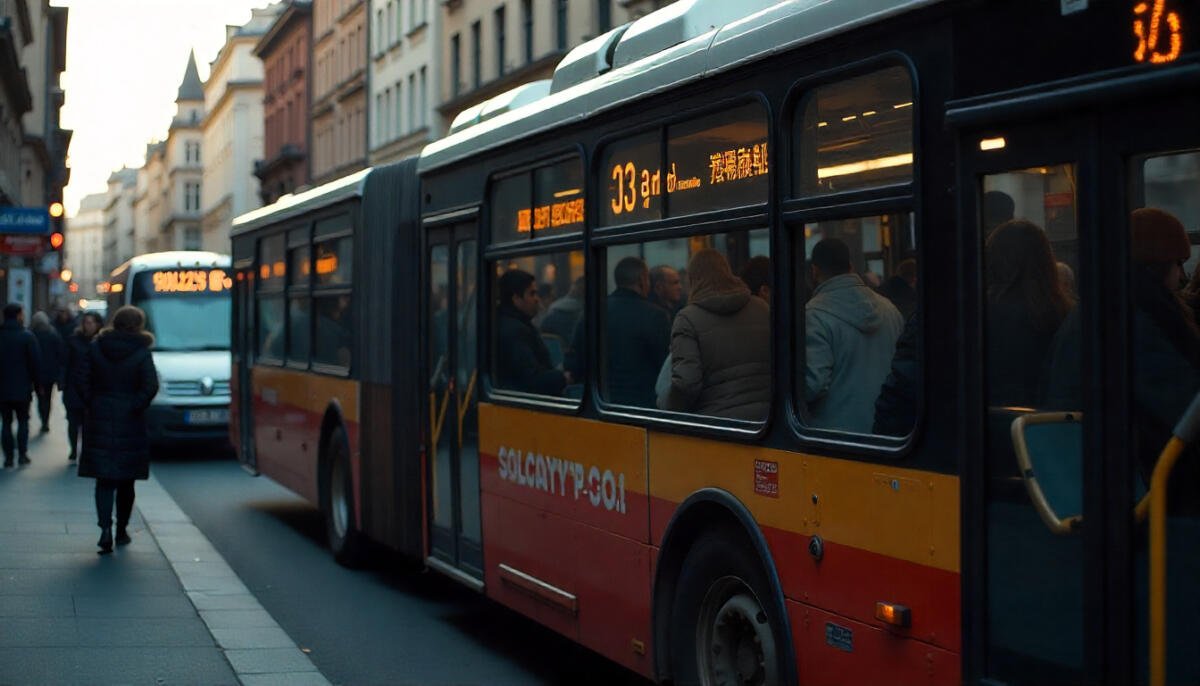
Public transportation in North Carolina is not just for people without cars anymore. In 2026, it’s a practical option for daily commuters, students, tourists, seniors, and even families trying to cut costs. While the system isn’t identical across the entire state, once you understand how it works, using public transport becomes straightforward and stress-free. This guide explains everything you need to know — from planning your trip and paying fares to understanding different transit systems across North Carolina.
Understanding Public Transport in North Carolina

North Carolina does not operate one single statewide transit system. Instead, public transport is managed at city, county, and regional levels. That means services can look different depending on where you live or travel.
You’ll mainly find:
City buses in metro areas
Regional buses connecting multiple cities
University shuttle systems
Rural and on-demand transit
Passenger rail (Amtrak)
- The official source for all transit systems is the North Carolina Department of Transportation (NCDOT). You can view a complete list here:
Major Cities and Their Public Transport Systems

Charlotte has one of the most developed systems in the state. The Charlotte Area Transit System (CATS) operates:
Local and express buses
Light Rail (LYNX Blue Line)
Park-and-ride services
Raleigh, Durham & the Triangle Area
The Triangle region uses multiple connected services:
GoRaleigh – city bus routes
GoDurham – Durham city buses
GoTriangle – regional routes connecting Raleigh, Durham, Cary, and Chapel Hill
- These systems are designed to work together, making cross-city travel easier.
- Official site: GoTriangle Regional Transit
Greensboro, Winston-Salem & High Point

This area is served by:
Greensboro Transit Agency (GTA)
Winston-Salem Transit Authority (WSTA)
PART (Piedmont Authority for Regional Transportation) for regional connections
- PART Regional Transit
Fayetteville

Fayetteville operates FAST Transit, offering:
Fixed bus routes
Paratransit (FASTTRAC) for eligible riders
Public Transport in Small Towns & Rural Areas

If you live outside a major city, public transport still exists — it just works differently.
Most rural areas use demand-response transit, meaning:
You call or book online in advance
A vehicle picks you up at home
Drop-off locations are scheduled
These services are ideal for:
Seniors
Medical appointments
People without access to cars
- Example: Lenoir County Transportation Services
How to Plan Your Trip
1. Use Google Maps
Google Maps works extremely well in North Carolina for transit planning:
Open Google Maps
Enter your destination
Select the bus/train icon
View routes, transfers, and travel time
- This works in most urban and regional systems.
2. Use Transit Apps
Many NC transit systems use apps like:
Transit App
Moovit
UMO Mobility
These apps provide:
Live bus tracking
Mobile ticketing
Service alerts
Paying for Public Transport in North Carolina
Mobile Payment (Most Popular in 2026)
Many systems accept payment through UMO Mobility, allowing riders to:
Buy tickets on their phone
Scan QR codes
Use passes across multiple systems
- Learn more here: NC GoPass Program
Cash Payments
- Cash is still accepted on many buses, but:
Exact change is usually required
No refunds or change given
Passes & Discounts
Most systems offer:
Daily passes
Weekly or monthly passes
Student and senior discounts
- University shuttles (like NC State’s Wolfline) are free for everyone.
Using Amtrak Trains in North Carolina
For longer distances, Amtrak connects major NC cities:
Charlotte
Raleigh
Durham
Greensboro
Popular routes:
Piedmont (within NC)
Carolinian (NC to NYC)
Accessibility & ADA Services
Public transport in NC is required to follow ADA standards:
Wheelchair-accessible buses
Priority seating
Paratransit services for eligible riders
- Example: GoRaleigh Access Services
Safety & Practical Tips for Riders
Arrive at the stop 5–10 minutes early
Sit near the driver if unsure about your stop
Keep small bills or use mobile payment
Use well-lit stops at night
Follow posted transit rules
- Public buses in NC are generally safe, clean, and monitored.
Future of Public Transport in North Carolina
North Carolina continues investing in:
Real-time tracking technology
Integrated transit apps
Regional mobility planning
Sustainable and electric buses
- The long-term vision is outlined in the state’s transportation plan:
- NC Moves 2050 Transportation Plan
Final Thoughts
Public transport in North Carolina in 2026 is reliable, affordable, and easier to use than many people expect. Whether you’re commuting daily, traveling between cities, or simply trying to save money, understanding the system makes all the difference.
For the most accurate and updated information, always start with:
NCDOT Public Transit Services
Frequently Asked Questions (FAQ)
1. Is public transportation reliable in North Carolina?
Yes, public transportation in North Carolina is generally reliable, especially in major cities like Charlotte, Raleigh, Durham, and Greensboro. Most systems follow fixed schedules, and many now offer real-time tracking through mobile apps. However, service frequency may be lower in rural areas, so planning ahead is important.
2. Can I use one transit pass across multiple cities in North Carolina?
In some regions, yes. Areas like the Triangle (Raleigh–Durham–Chapel Hill) offer regional fare programs such as GoPass, allowing riders to use a single mobile pass across participating transit systems. Availability depends on location, so it’s best to check your local transit provider.
3. Is public transportation in North Carolina safe for daily commuters?
Public transport in North Carolina is considered safe for everyday use. Buses and trains are monitored, drivers are trained professionals, and most transit centers are well-lit and staffed. Like anywhere, riders should stay aware of their surroundings, especially when traveling at night.
4. Do North Carolina buses accept cash, or do I need an app?
Most buses still accept cash fares, but exact change is usually required. That said, mobile payment apps are becoming the preferred option in 2026, as they are more convenient and often work across multiple transit systems.
5. Are there free public transportation options in North Carolina?
Yes. Many university shuttle systems are free to ride and open to the public. Some cities also offer fare-free routes, downtown circulators, or special programs for students, seniors, and low-income riders.