
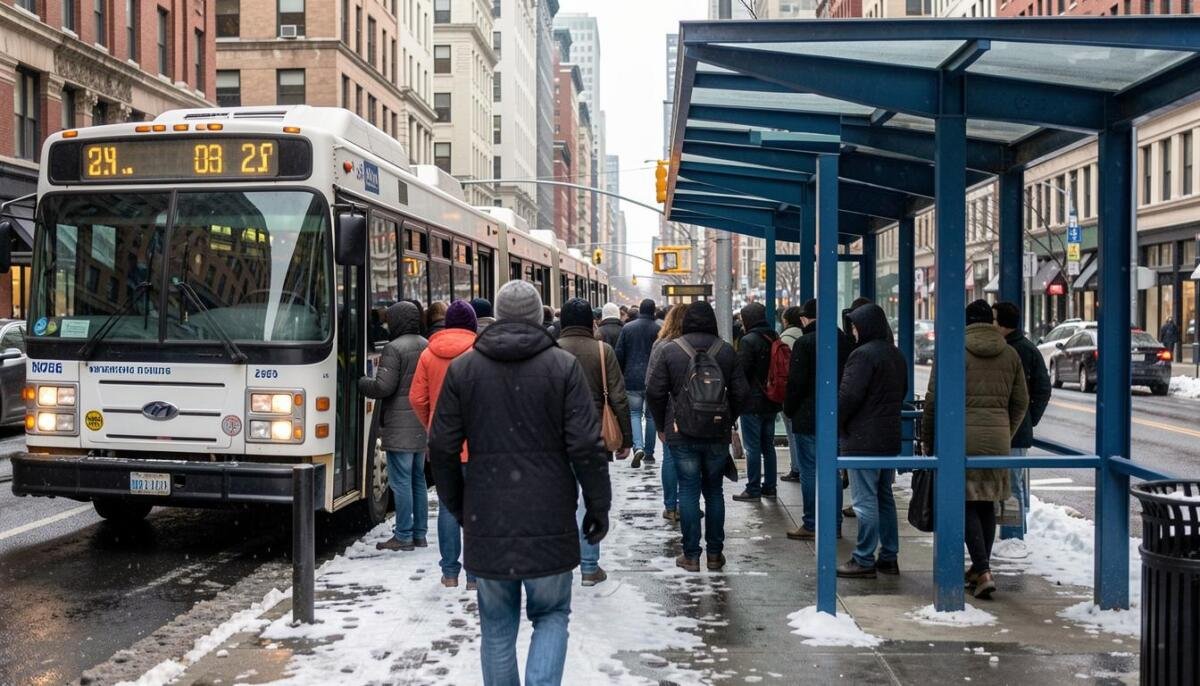
Michigan isn’t known for having a massive subway system or fast commuter rails like Chicago or New York. It’s a car-heavy state. But that doesn’t mean public transportation isn’t usable — especially in larger cities like Detroit, Grand Rapids, and Ann Arbor. If you understand how the system works, you can travel comfortably without renting a car. In this detailed guide, I’ll explain exactly how to use buses, streetcars, regional transit, and trains across Michigan in 2026.
1. First, Understand How Michigan Transit Is Structured

Michigan does not have one single statewide transit authority. Instead, transportation is managed by regional and city-based systems. Each major city operates its own buses, fare systems, and schedules.
The statewide overview of public transportation is managed by the Michigan Department of Transportation (MDOT).
You can view statewide transit resources here:
Michigan Public Transportation (Official MDOT Website)
https://www.michigan.gov/mdot/travel/mobility/pub-transit
This page explains funding programs, rural transit, and accessibility services across the state.
2. Using Public Transport in Detroit
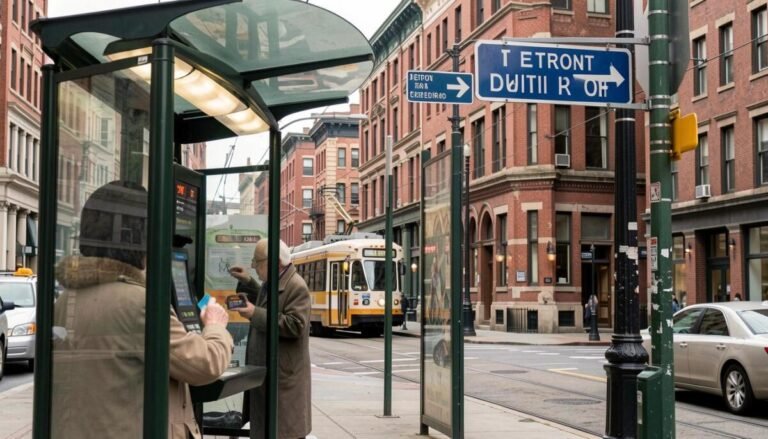
Detroit has the most developed transit network in Michigan.
DDOT – Detroit City Buses
The main bus system inside Detroit is operated by the Detroit Department of Transportation (DDOT).
Covers most neighborhoods in Detroit
Connects to major attractions and downtown
Runs daily with reduced service on holidays
Cash fares accepted (exact change recommended)
Mobile passes available
- For real-time tracking, I recommend downloading the Transit App (more on that below).
SMART Bus (Suburban Detroit)
If you’re traveling outside Detroit into suburbs like Troy, Dearborn, Southfield, or Sterling Heights, buses are operated by Suburban Mobility Authority for Regional Transportation (SMART).
Website: https://www.smartbus.org
SMART also connects to Detroit Metropolitan Airport (DTW) and offers park-and-ride options.
QLINE Streetcar
Downtown Detroit has a free streetcar called the QLINE Detroit.
Website: https://www.qlinedetroit.com
Free to ride
Runs along Woodward Avenue
Great for tourists visiting Midtown, Downtown, and cultural spots
Short-distance travel only (not citywide)
- It’s ideal if you’re visiting museums, sports arenas, or restaurants in central Detroit.
Detroit People Mover
Another free downtown option is the Detroit People Mover.
Website: https://www.thepeoplemover.com
Elevated rail loop
Circles downtown
Good for conventions and waterfront visits
Limited coverage area
3. Public Transport in Ann Arbor
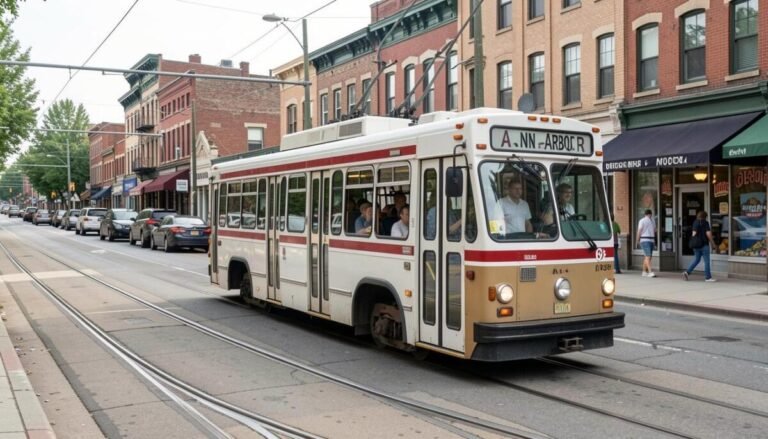
Ann Arbor has one of the most organized systems in the state.
The local transit authority is Ann Arbor Area Transportation Authority (known as TheRide).
Official Website: https://www.theride.org
What makes it convenient:
Frequent bus service
University of Michigan connections
Airport shuttle services
Paratransit available
Clean and well-maintained buses
- If you’re a tourist staying in Ann Arbor, you likely won’t need a car.
4. Public Transport in Grand Rapids
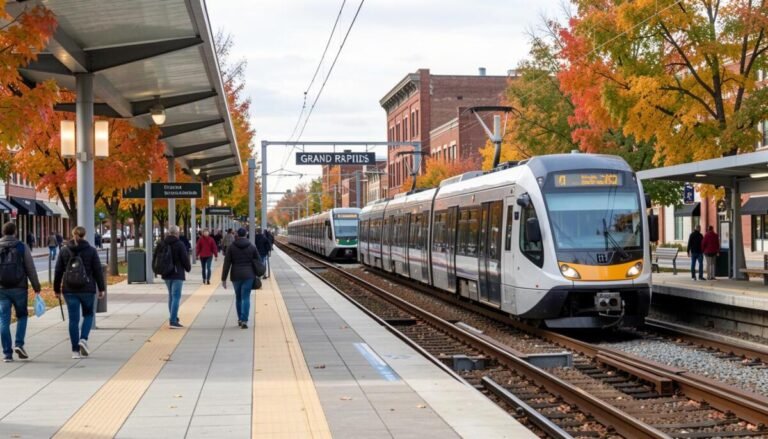
Grand Rapids operates through The Rapid.
Website: https://www.ridetherapid.org
Citywide bus network
Silver Line Bus Rapid Transit (faster routes)
Mobile ticketing available
Reliable service downtown
- This system works well for both locals and visitors.
5. Intercity Travel in Michigan
If you’re traveling between cities, here are your main options:
Amtrak Trains
Michigan has three major Amtrak routes:
Wolverine
Pere Marquette
Blue Water
- Official booking site: https://www.amtrak.com
- Trains are comfortable and reliable, especially for travel between Detroit, Ann Arbor, Grand Rapids, and Chicago.
Indian Trails Bus
Indian Trails operates long-distance buses across Michigan.
Website: https://www.indiantrails.com
Smaller towns
Northern Michigan
Airport transfers
Budget travel
6. How to Pay for Transit
Each system has its own fare structure, but generally:
Local buses: $1.50–$2.50 per ride
Day passes available
Reduced fares for seniors/students
Some systems accept mobile tickets
Cash usually requires exact change
- Many agencies support the Transit App for live tracking and trip planning.
7. Best Apps to Use
Recommended by the Regional Transit Authority of Southeast Michigan.
Website: https://www.rtamichigan.org/transitapp
Real-time bus tracking
Route planning
Service alerts
Stop locations
- This is especially helpful in Detroit.
8. Tips for Tourists (Very Important)
Plan your route before leaving.
Check weekend schedules (often reduced).
Allow extra transfer time.
Download maps offline if traveling in rural areas.
Carry small cash just in case.
For airport travel, confirm route numbers in advance.
9. Is Public Transport in Michigan Good Enough?
Here’s the honest answer:
In Detroit, Ann Arbor, and Grand Rapids — yes, it’s usable.
In rural areas — limited.
For daily commuting — manageable.
For tourism in major cities — absolutely fine with planning.
- Michigan is slowly investing in better connectivity, but planning ahead is key.
Final Thoughts
Public transportation in Michigan isn’t as extensive as in larger metropolitan states, but it’s absolutely usable — especially in Detroit, Ann Arbor, and Grand Rapids. The key is understanding which transit agency operates in your area and planning ahead.
Systems like the Detroit Department of Transportation, Ann Arbor Area Transportation Authority, and The Rapid provide reliable service within their regions. For longer trips, Amtrak and intercity buses make traveling between Michigan cities convenient and affordable.
If you prepare your route in advance, use tracking apps, and allow extra time for transfers, you can comfortably explore Michigan without renting a car.
Frequently Asked Questions (FAQ)
1. Is public transportation reliable in Michigan?
In major cities like Detroit, Ann Arbor, and Grand Rapids, transit is generally reliable. Rural areas have limited service, so always check schedules ahead of time.
2. Can tourists use Michigan buses easily?
Yes. Most systems allow cash fares and mobile tickets. Apps like Transit make route planning simple for visitors.
3. Is there a subway system in Michigan?
No, Michigan does not have a traditional subway system. Detroit has the People Mover (downtown only) and a streetcar, but no underground metro.
4. What’s the best way to travel between Michigan cities?
Amtrak trains and intercity buses like Indian Trails are the most practical options for traveling between cities.
5. Do Michigan buses accept credit cards?
Some systems offer mobile payments, but many local buses still require cash (exact change). Check the specific transit agency’s website before traveling.