
If you’re planning a trip to Georgia—or even if you already live here—understanding the public transport system can save you time, money, and a lot of unnecessary walking. Georgia (the country) has a surprisingly efficient mix of metro, buses, marshrutkas, trains, and ride-sharing options. Over the years, I’ve learned that once you get a feel for how things work, moving around becomes incredibly simple. So, here’s a detailed, easy-to-follow guide on how to use public transport in Georgia in 2026, based on real experiences and what travelers genuinely need to know.
1. Tbilisi Metro – Fast and Affordable
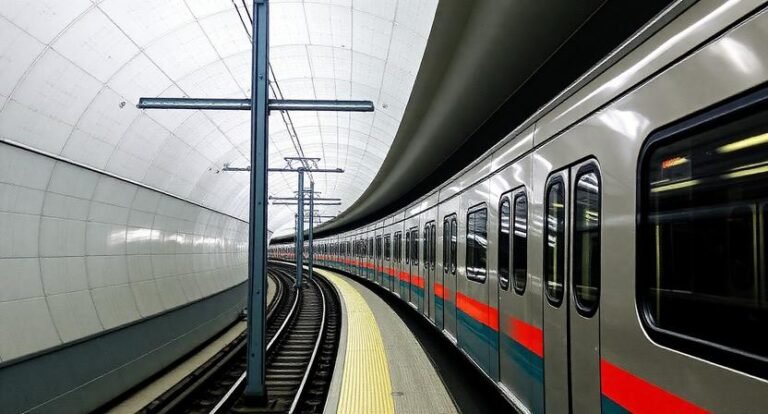
The Tbilisi Metro is the easiest way to avoid traffic in the capital.
Lines and Key Stations
Red Line (Akhmeteli–Varketili): Runs north–south. Key stations: Rustaveli, Station Square, Didube.
Blue Line (Gotsiridze–Varketili II): Covers east-west routes. Key stations: Avlabari, Nadzaladevi.
Operating Hours
6:00 AM – 12:00 AM (midnight)
Trains run every 5–10 minutes during peak hours, every 15 minutes off-peak.
Tickets and Costs
Metromoney card: 2 GEL initial cost.
Fare per ride: 1 GEL (unlimited 90-minute transfers on buses and metro).
Rechargeable at station kiosks or online via the Tbilisi Transport app.
During rush hour (8–10 AM, 5–7 PM), trains are crowded. Stand closer to middle cars for easier entry/exit.
Elevators/escalators are at most major stations, but some older stations have only stairs.
2. City Buses – Coverage Beyond the Metro
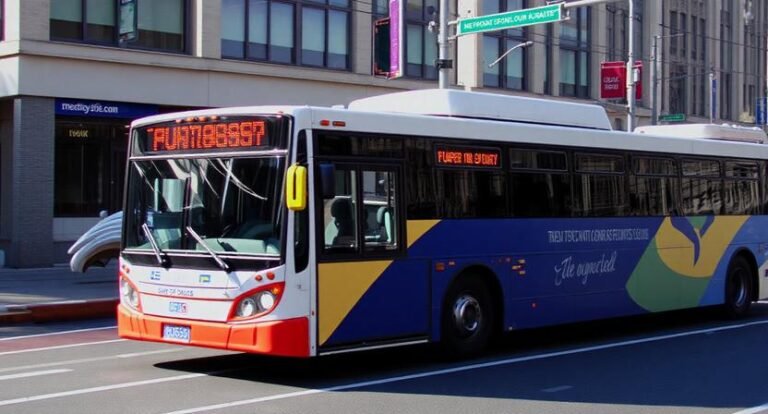
Buses are essential for neighborhoods not covered by metro.
How to Ride
Tap your Metromoney card when entering.
Cash is generally not accepted in Tbilisi buses anymore.
Look for the route number and final destination displayed on the front.
Popular Routes for Tourists
#37: Rustaveli → Vake Park
#18: Freedom Square → Lisi Lake
#25: Didube → Gldani
Check live arrivals via the Tbilisi Transport app or Google Maps.
Some buses may skip stops if empty, so ring the bell in advance.
3. Marshrutkas – Georgia’s Iconic Minibuses
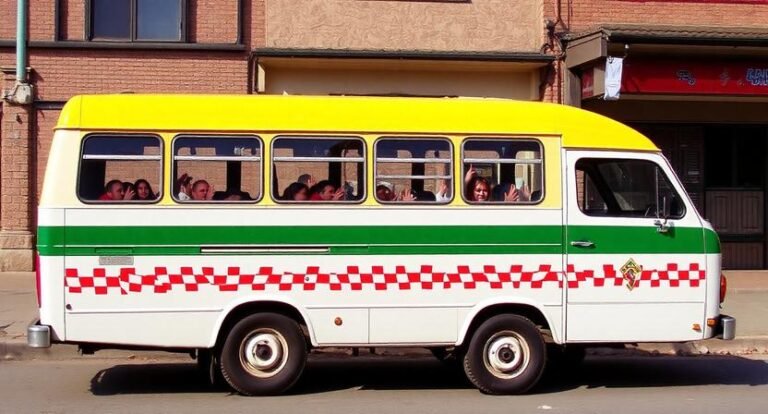
These shared minibuses are everywhere in Georgia. They run city and intercity routes and are essential for traveling like a local.
City Marshrutkas
Price: 0.50–1 GEL per ride.
Frequent in Tbilisi, Batumi, and Kutaisi.
Routes can change, so ask locals for confirmation.
Intercity Marshrutkas
Cost depends on distance. Example:
Tbilisi → Mtskheta: ~2–3 GEL, 20–30 minutes
Tbilisi → Kazbegi: ~15–20 GEL, 3 hours
Depart from Didube Bus Station in Tbilisi for northern routes and Ortachala Station for southern routes.
Arrive early for popular tourist destinations; marshrutkas leave when full.
Carry small bills—drivers rarely give change.
Don’t expect exact schedules; flexibility is key.
4. Georgian Railway – Comfortable Long-Distance Travel
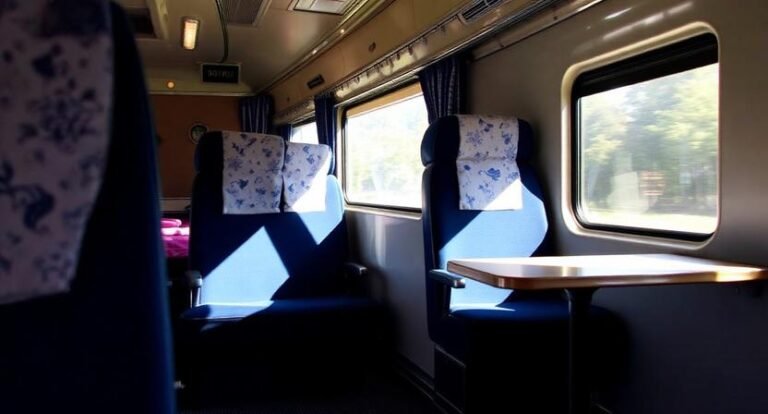
Trains are perfect for scenic, relaxed travel between major cities.
Popular Routes
Tbilisi → Batu+mi: ~5–6 hours, 20–25 GEL
Tbilisi → Kutaisi: ~4–5 hours, 15–20 GEL
Tbilisi → Zugdidi: Gateway to Svaneti
Booking Tickets
Online: Georgian Railways
Stations: Tbilisi Railway Station, Batumi Station
Benefits
Spacious seating and restrooms
Scenic routes through mountains and rivers
Predictable schedules
Bring snacks and water for long journeys.
Reserved seating is recommended in summer months.
5. Batumi Public Transport
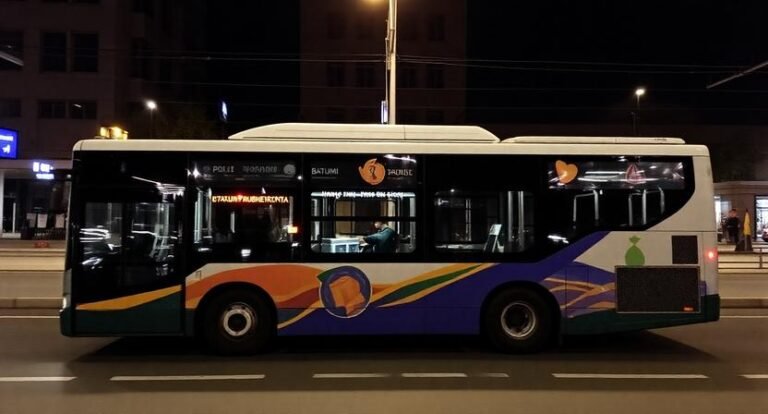
Batumi is small but has a functional network.
Options
City buses (0.50–1 GEL per ride)
Minibuses (Marshrutkas)
Ride-sharing apps like Bolt
Must-Know Routes
#10: Boulevard → Batumi Botanical Garden
#8: Airport → City Center
Walking along the boulevard is often faster than buses.
Public transport is ideal for suburbs or trips to beaches outside the city.
6. Ride-Sharing Apps – Convenient and Modern
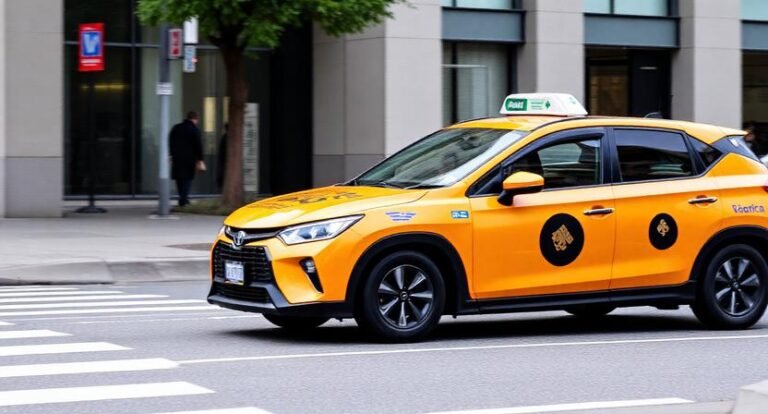
Ride-hailing apps are widely used in Georgia.
Popular Apps
Bolt – cheapest and most popular
Yandex Go – covers smaller towns
Maxim – alternative in Tbilisi and Batumi
Cost
Usually cheaper than taxis in Western countries
Surge pricing applies during weekends or holidays
Always check the car plate before entering.
Payment via the app or cash is accepted.
7. Paying for Transport – Simplified in 2025

Methods
Metromoney Card: Metro + city buses in Tbilisi
Cash: Marshrutkas, rural buses
Bank cards / mobile apps: Modern buses in Tbilisi and Batumi
Keep 5–10 GEL handy in case you need marshrutkas or taxis in rural areas.
8. Airport Connections

Tbilisi International Airport
Bus #337 → City Center (1 GEL)
Bolt/Yandex available 24/7
Taxi: ~30–40 GEL to central Tbilisi
Batumi Airport
Bus #10 or #8 to city center
Bolt/Yandex: ~15 GEL
Kutaisi Airport
Shuttle buses to Tbilisi / Batumi
Pre-book: Omnibus Georgia
For early morning flights, pre-book a taxi or shuttle to avoid delays.
9. Extra Tips for Tourists
Use Google Maps offline – rural areas may have limited internet.
Learn basic phrases in Georgian – helpful in small towns.
Travel light for marshrutkas – space is tight.
Check weather for mountain routes – some roads close seasonally.
Avoid rush hour if possible – crowded metros and buses.
Final Thoughts
Public transport in Georgia is diverse, affordable, and increasingly tourist-friendly in 2026. From metro rides in Tbilisi to marshrutkas in remote villages, there’s an option for every traveler. By understanding how each mode works, you can explore Georgia efficiently, comfortably, and safely—without overspending.
Frequently Asked Questions (FAQ)
Q1: Are buses and trains safe for solo travelers?
Yes. Georgia is generally safe, though usual precautions apply.
Q2: Can I use one card for all transport?
Only in Tbilisi metro and buses; rural marshrutkas require cash.
Q3: Are there English signs on transport?
Metro and major bus stations have English; marshrutkas may require asking locals.
Q4: How cheap is public transport?
Tbilisi metro/buses: 1 GEL per ride; Marshrutkas: 0.5–20 GEL depending on distance.
Q5: Which transport is fastest for long distances?
Trains are comfortable and predictable; marshrutkas are cheaper but slower.