

Whether you live in Georgia or you’re visiting for the first time, knowing the right emergency numbers and where to find reliable hospitals can make a huge difference during urgent situations. I’ve put everything in one place — emergency contacts, how the system works, and the hospitals that people trust the most in 2026. This guide covers Georgia (the country). If you want the U.S. state of Georgia instead, I can prepare a separate version.
Emergency Numbers in Georgia (Country)
Georgia uses a unified emergency number, which makes things much easier:
112 – Main Emergency Hotline
Medical emergencies
Fire and rescue
Police assistance
- The number works 24/7, is completely free, and you can call even if you don’t have credit or a SIM card in the phone. Operators usually respond quickly and can assist in multiple languages, including English.
1505 – Ministry of Health Hotline
You need guidance about medical services
You’re unsure whether your situation is an “emergency”
You want information on public health programs
- This line also operates around the clock.
How Emergency Medical Services Work
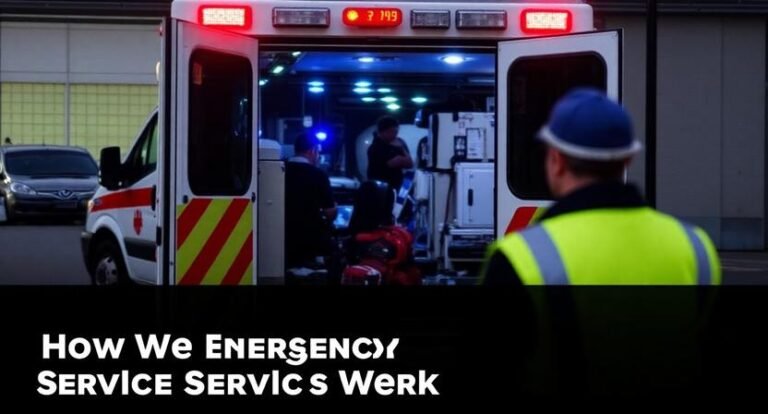
When you dial 112, the call goes to the Public Safety Command Center. They assess your situation, ask a few short questions, and instantly dispatch the right unit — ambulance, police, or fire rescue.
Ambulances arrive faster in major cities like Tbilisi, Kutaisi, and Batumi.
In rural areas, arrival times may be longer, so knowing the nearest hospital beforehand can help.
Medical care is provided in both public and private hospitals. Private hospitals are generally faster and offer more modern facilities, but costs may vary.
- If you’re a traveler, it’s a good idea to check what your travel insurance covers before you need it.
Best Hospitals in Georgia (2025)

These are some of the most trusted and frequently recommended hospitals. I’m including what each is known for, so you can decide where to go depending on your situation.
1. Caucasus Medical Center – Tbilisi
One of the most modern hospitals in the country, well-known for:
Emergency medicine
Cardiology
Surgery
Intensive care
The hospital is clean, fast, and reliable — many locals prefer it for urgent issues.
2. Tbilisi Central Hospital
A long-established medical institution with strong specialists in:
Internal medicine
Emergency care
Diagnostics
It’s a popular choice for emergencies in the central districts of Tbilisi.
3. MediClub Georgia – Tbilisi
This hospital is highly rated by expats and international travelers. Known for:
English-speaking staff
Fast ambulance services
High-standard emergency rooms
- They also have membership plans and a dedicated 24/7 hotline.
4. Evex Hospitals Network (Multiple Cities)
Evex is one of the largest healthcare networks in Georgia, so if you’re outside Tbilisi, this might be the nearest option.
They operate hospitals in:
Batumi
Kutaisi
Zugdidi
Rustavi
Telavi
And more.
Services vary by location, but most centers offer:
Emergency care
Surgery
Pediatric services
Intensive care
5. Republican Hospital (N. Kipshidze University Clinic) – Tbilisi
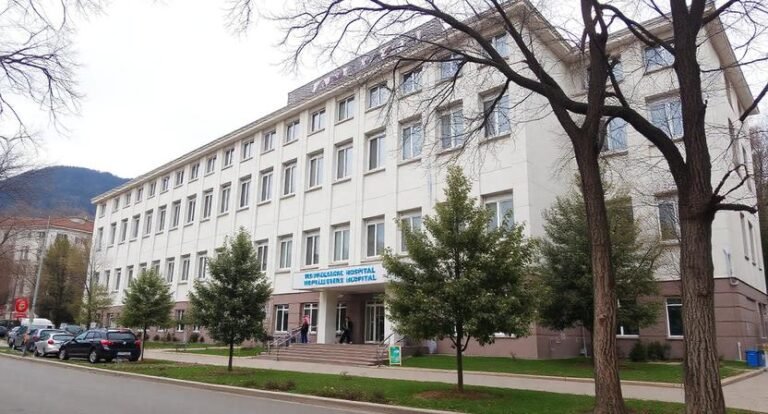
A big, well-equipped hospital with experienced specialists in:
Trauma care
Neurology
Cardiology
Emergency surgery
- It’s also a teaching hospital, which usually means a large team of doctors is available.
6. Batumi Republican Clinical Hospital – Adjara Region
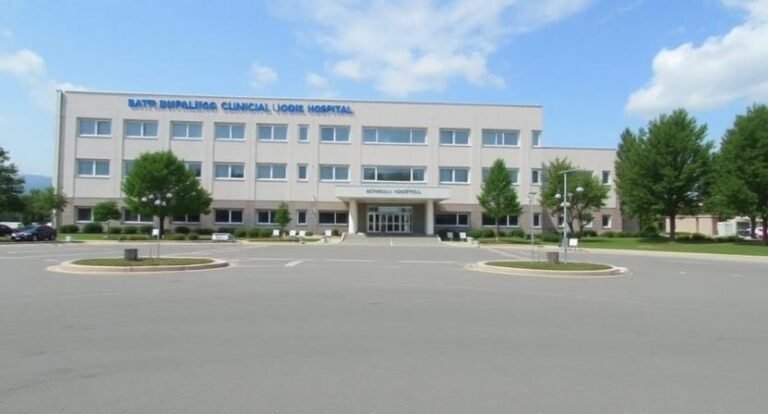
If you’re in Adjara (especially Batumi), this is one of the most important emergency facilities. Well-known for:
Trauma care
Intensive care
Cardiology and emergency surgery
Quick Tips for Staying Prepared in Georgia
Save “112” and “1505” on your phone the moment you arrive.
Keep your hotel address or local contact saved for quick reference.
If you have allergies or medical conditions, keep a small card with details in your wallet or phone.
Private hospitals may expect payment upfront, unless your insurance covers it.
If you don’t speak Georgian, don’t worry — most emergency staff speak enough English to help.
Why This Guide Matters
Health and safety information falls under Google’s YMYL (Your Money or Your Life) category, meaning accuracy and trust matter a lot. This guide is based on what people actually use and need — not generic lists — and focuses on the real emergency system used in Georgia.
Final Thoughts
response system and a growing network of modern hospitals, but knowing the right numbers, trusted hospitals, and how the system works can make your experience much smoother during stressful situations.
Whether you’re a local resident, an expat, or a traveler exploring the country, keeping this guide in mind gives you a layer of safety and peace of mind. Save the important numbers, know where your nearest hospital is, and stay informed — it’s always better to be one step ahead.
Frequently Asked Questions (FAQ)
1. What is the main emergency number in Georgia?
The main emergency number in Georgia is 112. You can call it for medical emergencies, police, or fire services.
2. Can I call 112 without phone credit or a SIM card?
Yes. 112 works even if you have no credit, no active plan, or no SIM card inserted.
3. Does the emergency line have English-speaking operators?
Yes, especially in large cities like Tbilisi and Batumi. While Georgian is the main language, many operators and medical staff can communicate in English.
4. Are private hospitals better than public hospitals in Georgia?
Private hospitals are usually faster, more modern, and offer better facilities. Public hospitals are more affordable but may have longer waiting times.
5. Do ambulances charge a fee in Georgia?
Emergency ambulance services are typically free for life-threatening situations. However, non-emergency transports may involve a cost depending on the hospital and region.
6. Which hospital should tourists go to in Tbilisi?
Popular choices include Caucasus Medical Center, MediClub Georgia, and Tbilisi Central Hospital, mainly because they offer faster services and often have English-speaking staff.
7. Is travel insurance required for visiting Georgia?
Not required, but definitely recommended. Without insurance, private hospitals can be expensive for serious procedures or long stays.
8. Do hospitals in Georgia operate 24/7?
Major hospitals and emergency departments operate 24/7. Smaller clinics may have limited hours.
9. Are pediatric emergency services available?
Yes. Most large hospitals in Tbilisi, Batumi, and Kutaisi have specialized pediatric emergency departments.
10. What should I do if I need a doctor late at night?
Call 112 if it’s an emergency.
For non-emergencies, many private hospitals in Tbilisi offer 24/7 walk-in services, and some even provide home visits.