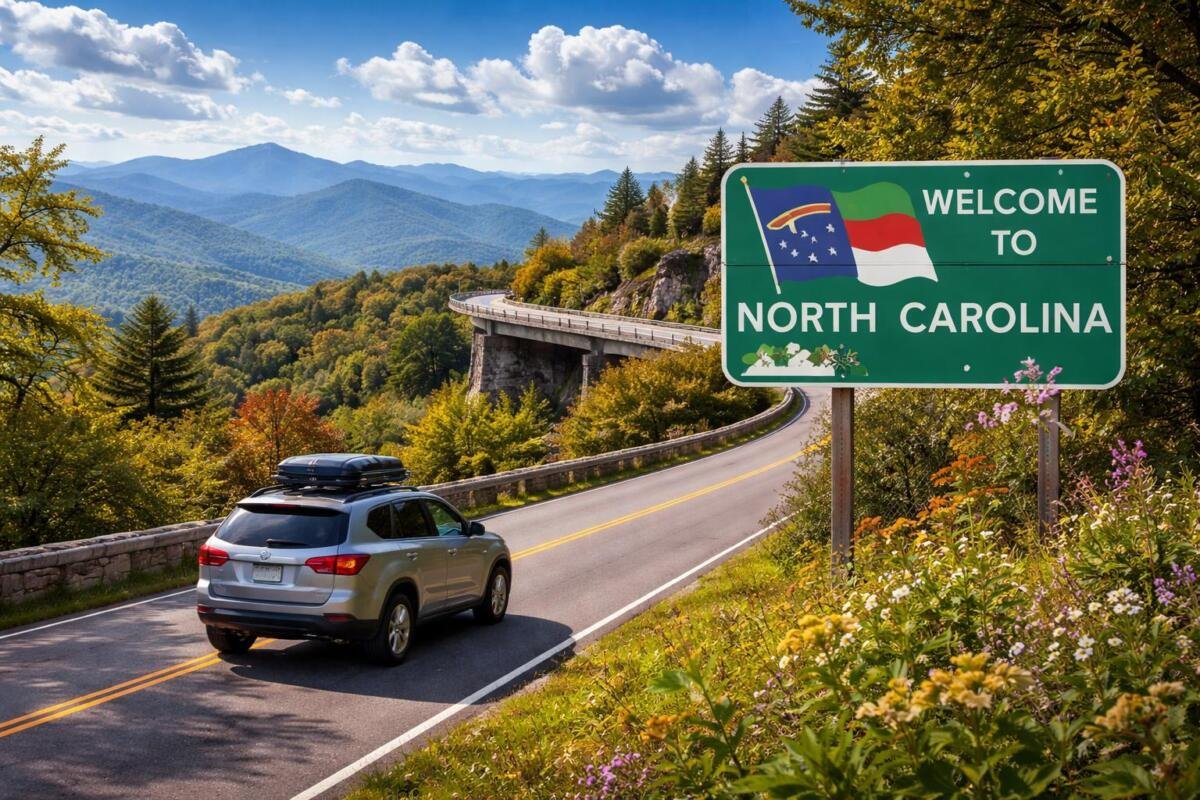
Driving is one of the best ways to experience North Carolina as a tourist. The state is large, diverse, and packed with scenic highways, charming small towns, and natural attractions that are difficult to reach without a car. Whether you’re visiting for a short vacation or planning a full road trip across the state, understanding how driving works in North Carolina will make your journey smoother, safer, and more enjoyable. This guide covers everything tourists need to know about driving in North Carolina in 2026, including legal requirements, rental tips, road rules, safety advice, and the most beautiful driving routes.
Can Tourists Drive in North Carolina?
Yes, tourists are legally allowed to drive in North Carolina.
If you are visiting from another country, you can drive using:
A valid driver’s license from your home country
A passport
An International Driving Permit (IDP) (recommended, and sometimes required by rental companies)
- Most short-term visitors do not need a U.S. or North Carolina driver’s license. However, your license must be current and written in English or accompanied by an IDP.
Renting a Car in North Carolina (What Tourists Should Know)
You’ll find major car rental companies at:
Charlotte Douglas International Airport (CLT)
Raleigh-Durham International Airport (RDU)
Asheville, Wilmington, Greensboro, and other major cities
Best Vehicle Types
Compact or midsize cars – ideal for cities and highways
SUVs – better for mountain regions, winter travel, or beach trips
4WD vehicles – useful for Outer Banks sand roads (only where permitted)
Insurance Tips
Most rental companies require:
Basic liability coverage
Optional collision damage waiver (CDW)
- If your credit card provides rental insurance, confirm coverage before arriving.
- Tip: Book early during summer, fall foliage season, and holiday periods—prices rise quickly.
Understanding North Carolina Road Rules (Very Important)
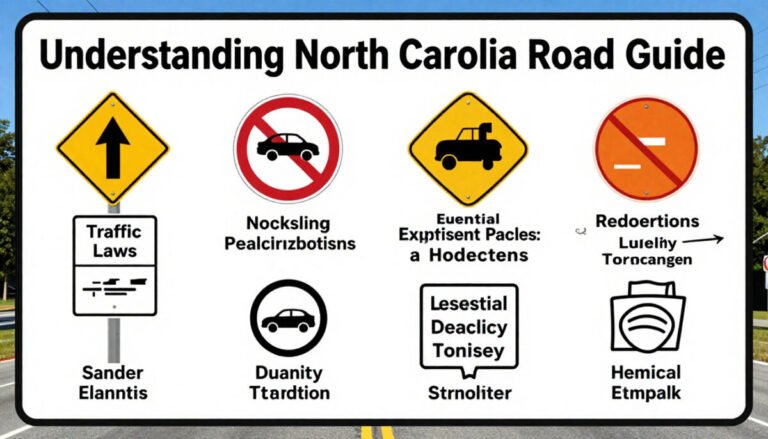
Speed limits vary based on location and road type:
Cities & towns: usually 35 mph
Rural roads: typically 55 mph
Highways & interstates: 65–70 mph
- Always follow posted signs, especially in construction zones and school areas.
Traffic Signals & Right Turns
Right turns on red are allowed after a full stop, unless a sign says “No Turn on Red”
Left turns on red are not allowed
Always yield to pedestrians
Seat Belt & Child Safety Laws
Seat belts are mandatory
Children must use appropriate car seats based on age and size
Police can stop you solely for not wearing a seat belt
Phone & Distraction Laws
Using a handheld phone while driving is strongly discouraged and enforced under distracted driving laws. Navigation mounts and hands-free systems are recommended.
New Pedestrian Safety Focus in 2026
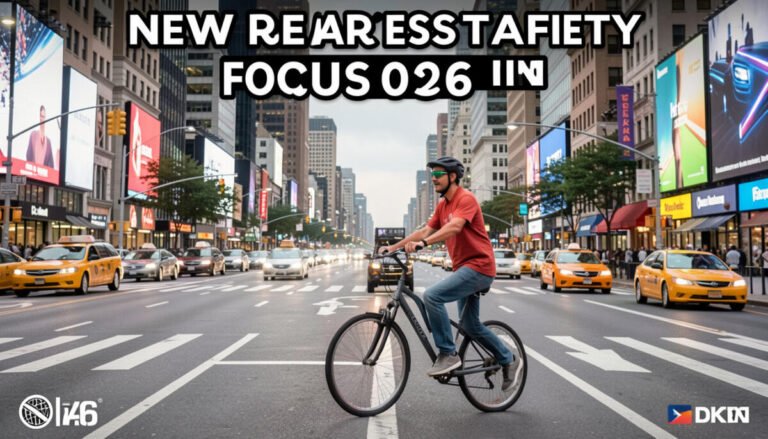
North Carolina has increased enforcement around pedestrian safety, especially for:
Blind or visually impaired pedestrians
Crosswalk and non-signal intersections
- Drivers must stop and yield, even if there’s no traffic light.
- Failure to comply can result in heavy fines and legal consequences.
Driving Conditions & Weather Awareness
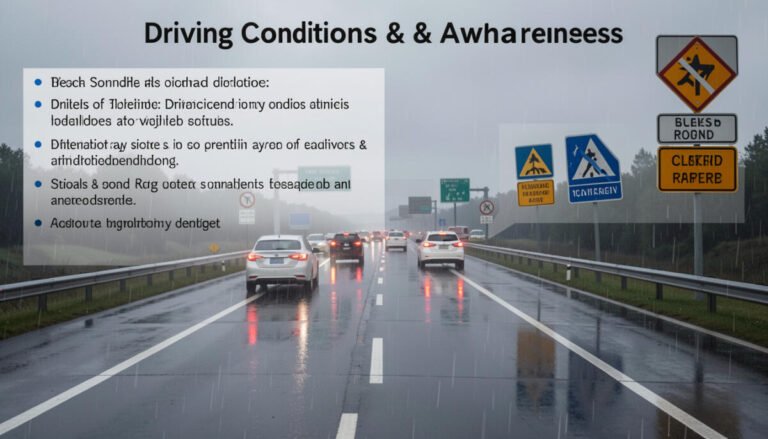
North Carolina’s climate changes dramatically by region:
Mountains (Asheville, Boone)
Foggy roads
Snow and ice in winter
Curvy, steep highways
Coastal Areas (Outer Banks, Wilmington)
Strong winds
Occasional flooding
Hurricane season (June–November)
Cities & Highways
Heavy traffic during rush hours
Construction zones are common
Best Scenic Drives in North Carolina for Tourists
Peet’s Coffee, a California classic since 1966, now offers canned espresso drinks that carry their signature bold roast. The Iced Espresso Caramel Macchiato can is one of the most popular.
Taste: Smooth espresso with caramel sweetness, not overly sugary
Why it’s special: Made with Peet’s famous dark roast beans from Berkeley
Perfect for: Bay Area locals who grew up on Peet’s but want it on-the-go
Peet’s CoffeeWhere to find: Safeway, Peet’s cafés, and
7. Starbucks Doubleshot Energy Coffee
Blue Ridge Parkway
One of the most famous scenic drives in the U.S., featuring mountain views, waterfalls, and hiking access.
Best time: Spring and Fall
Outer Banks Scenic Byway
Ocean views, historic lighthouses, and ferry rides make this route unforgettable.
Some areas require 4WD vehicles.
Great Smoky Mountains Routes
Ideal for nature lovers, wildlife viewing, and photography.z`
Best Scenic Drives in North Carolina for Tourists
For Californians who love plant-based everything, Rise Brewing Co. is a gem. Their Oat Milk Latte is smooth, dairy-free, and naturally sweet.
Taste: Balanced cold brew with creamy oat milk texture
Why it’s special: 100% organic, nitrogen-infused, and dairy-free
Perfect for: Vegans, lactose-intolerant drinkers, or eco-conscious Californians
Where to find: Whole Foods, Erewhon Market, and Rise Brewing Co.
Emergency & Safety Tips
Emergency number: 911
Keep emergency contacts saved
Carry water, especially in summer
Avoid driving long distances late at night in rural areas
Final Thoughts
Driving in North Carolina as a tourist in 2026 is safe, convenient, and incredibly rewarding. With proper preparation, understanding local laws, and choosing the right routes, you’ll experience everything from mountain landscapes to coastal beauty on your own schedule.
Frequently Asked Questions (FAQ)
1. Can tourists legally drive in North Carolina?
Yes. Tourists can drive using a valid foreign driver’s license. An International Driving Permit (IDP) is recommended, especially for car rentals.
2. Do I need a car to travel around North Carolina?
While public transport exists in major cities, renting a car is the easiest and most flexible way to explore North Carolina as a tourist.
3. What is the speed limit in North Carolina?
Speed limits vary by road type: about 35 mph in cities, 55 mph on rural roads, and up to 70 mph on highways.
4. Is driving in North Carolina safe for visitors?
Yes. Roads are well-maintained, but tourists should watch for changing weather, mountain curves, and busy city traffic.
5. Can I turn right on a red light in North Carolina?
Yes, after a complete stop, unless a sign clearly says “No Turn on Red.”