
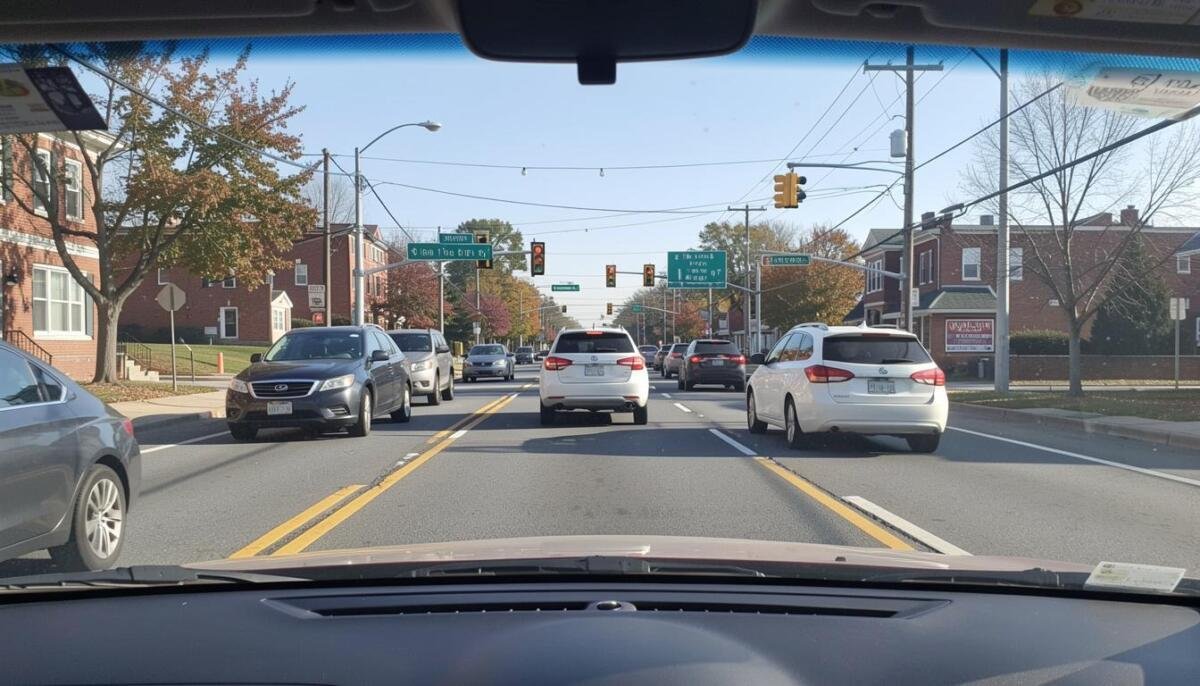
If you’re planning to explore New Jersey by car in 2026, you’re making a smart decision. While public transport works well in some areas, driving gives you total freedom — whether you want to relax on the beaches in Cape May, try your luck in Atlantic City, hike in Delaware Water Gap, or shop near Jersey City with the Manhattan skyline in view. I’ve put together this practical guide based on real travel research and updated 2026 rules, so you know exactly what to expect before turning the key.
Is It Easy for Tourists to Drive in New Jersey?
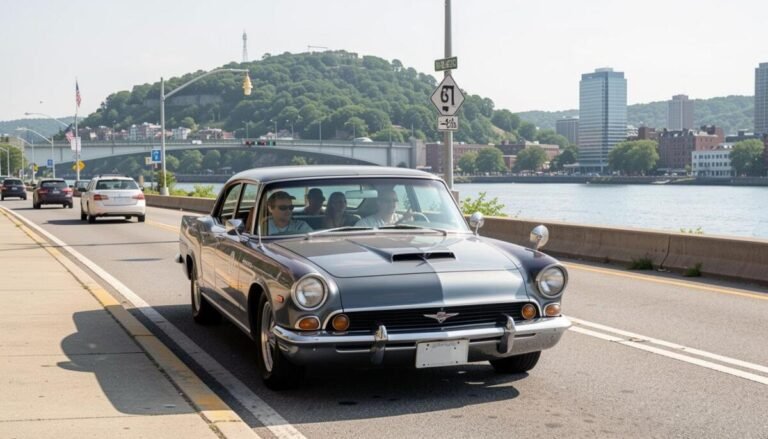
Yes — overall, New Jersey is tourist-friendly for drivers. Roads are well maintained, signage is clear, and GPS coverage is reliable statewide.
However, traffic can be intense near:
Newark
Jersey City
Routes leading into New York City
Shore towns during summer
If you’re arriving at Newark Liberty International Airport, renting a car directly from the airport is convenient and usually gives you more vehicle options.
You can compare rental options through platforms like Discover Cars or check major providers like Enterprise or Hertz directly.
License Requirements for International Visitors (2026 Update)

If you’re visiting from outside the U.S., here’s what you need:
A valid driver’s license from your home country
An International Driving Permit (IDP) (recommended, sometimes required by rental agencies)
Passport
Credit card (for rental security deposit)
- For official driving regulations and updates, visit the New Jersey Motor Vehicle Commission website:
- New Jersey MVC – https://www.nj.gov/mvc/
- Always check rental company rules before arrival.
Understanding New Jersey Traffic Laws
1. Pumping Gas Is Not Allowed
- New Jersey is one of the only states where you cannot pump your own gas. An attendant must do it for you. Just tell them the type (regular, plus, premium) and how much you want.
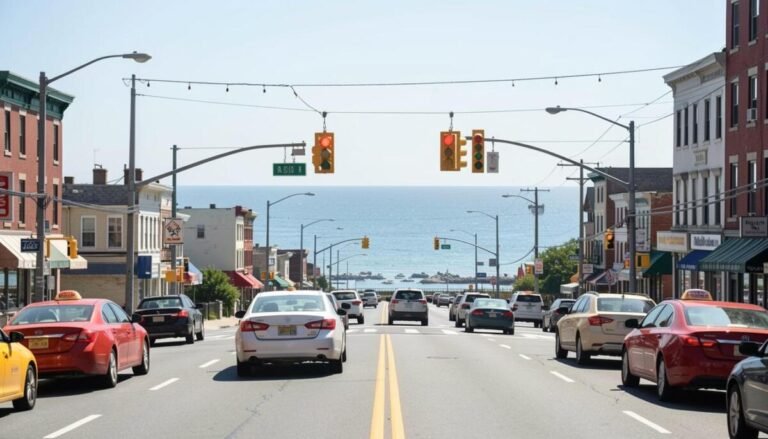
2. Right Turn on Red
- You can turn right on red unless a sign says otherwise — but always come to a full stop first.
3. Speed Limits
Typical limits:
25–35 mph in towns
55–65 mph on highways
Up to 70 mph on some interstates
- Fines are strict, especially in construction zones.
Toll Roads & E-ZPass (Very Important for Tourists)
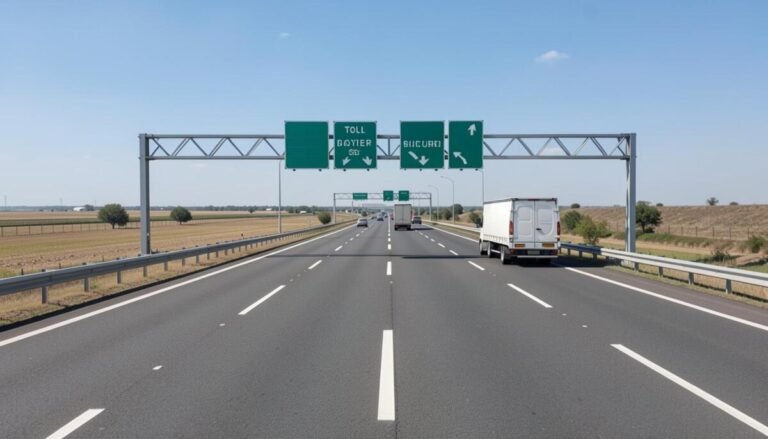
New Jersey has many toll roads, including:
New Jersey Turnpike
Garden State Parkway
Most rental cars come equipped with E-ZPass for automatic toll payment.
Always ask your rental company:
Are tolls included?
Are there daily E-ZPass fees?
What happens if I use cash lanes?
- Unexpected toll charges are one of the biggest tourist complaints — so clarify this early.
Best Scenic Drives in New Jersey
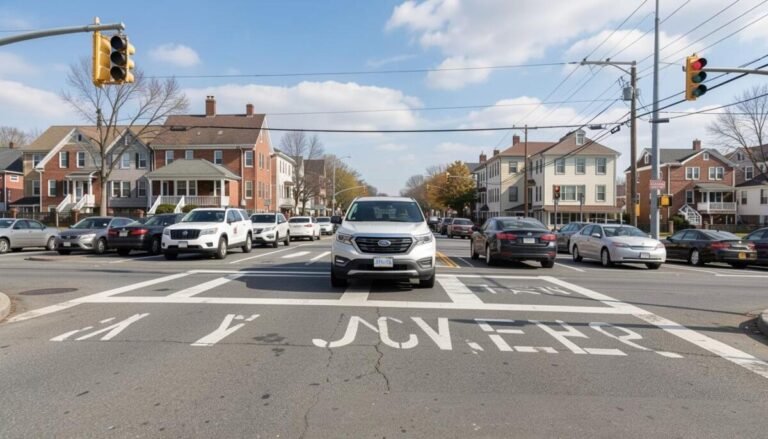
If you’re renting a car, don’t just use it for transportation — enjoy it.
Garden State Parkway Coastal Drive
- Drive south toward Cape May for beaches, boardwalks, and seafood spots.
Delaware Water Gap Scenic Route
- Perfect for nature lovers — forests, river views, and hiking stops.
Hudson River Waterfront Drive
- Near Jersey City for incredible skyline views of Manhattan.
Parking Tips Tourists Should Know

Parking rules vary by town.
Beach towns require seasonal permits in summer.
City areas use meters or parking apps.
Some towns have strict alternate-side parking rules.
- Before parking, double-check signage carefully.
- Apps like ParkMobile are widely used in New Jersey cities.
When Is the Best Time to Drive in New Jersey?
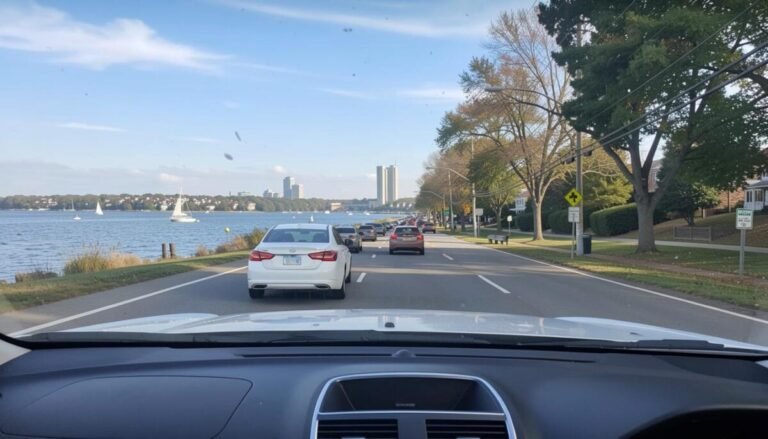
Spring (April–June): Comfortable weather, moderate traffic
Summer (July–August): Heavy shore traffic, especially weekends
Fall (September–October): Beautiful foliage, ideal driving weather
Winter (December–February): Possible snow — check weather before long trips
- If you’re not used to winter driving, avoid heavy snow days.
Safety Tips for Tourists

Avoid peak NYC commuter hours (7–9 AM, 4–7 PM)
Keep change or a card ready for toll backups
Never leave valuables visible in parked cars
Use Google Maps or Waze for real-time traffic
- New Jersey drivers can be fast and assertive — stay calm and confident.
Estimated Costs of Driving in 2026
Here’s what to budget for:
Car rental: $45–$95 per day (varies by season)
Gas: Varies by market price
Tolls: $15–$40 depending on route
Parking: $10–$35 per day in busy areas
- Booking early during summer can save you money.
Is Driving in New Jersey Worth It for Tourists?

Absolutely — especially if you want to:
- Visit multiple shore towns
- Explore state parks
- Travel beyond public transit routes
- Avoid train schedules
- Public transport is fine for trips into New York City, but for exploring New Jersey itself, a car gives you flexibility you won’t regret.
Driving in New Jersey in 2026 is safe, manageable, and incredibly rewarding if you plan properly. Understand tolls, follow traffic rules, and know seasonal patterns — and your road trip will be smooth.
Whether you’re heading to Cape May beaches, Atlantic City nightlife, or mountain trails in the north, having your own car turns your trip from basic sightseeing into a real adventure.
If you’re building your New Jersey itinerary, this is one decision that can truly elevate your experience.
Frequently Asked Questions (FAQ)
1. Can tourists drive in New Jersey with a foreign license?
Yes. Most visitors can drive with a valid foreign license. However, carrying an International Driving Permit (IDP) is strongly recommended, especially when renting a car.
2. Do I need cash for toll roads in New Jersey?
Not always. Many highways like the New Jersey Turnpike use E-ZPass or license plate billing. Rental cars usually include toll programs, but confirm fees in advance.
3. Is it true that you can’t pump your own gas?
Yes. New Jersey law requires a station attendant to pump gas for you — it’s completely normal and convenient for visitors.
4. Is driving in New Jersey difficult for first-time visitors?
It’s manageable overall, but traffic can be busy near Newark, Jersey City, and routes toward New York City during peak hours. GPS apps help a lot.
5. What is the best time of year to drive in New Jersey?
Spring and fall offer the best driving conditions — mild weather, lighter traffic, and scenic views, especially near places like Delaware Water Gap.