
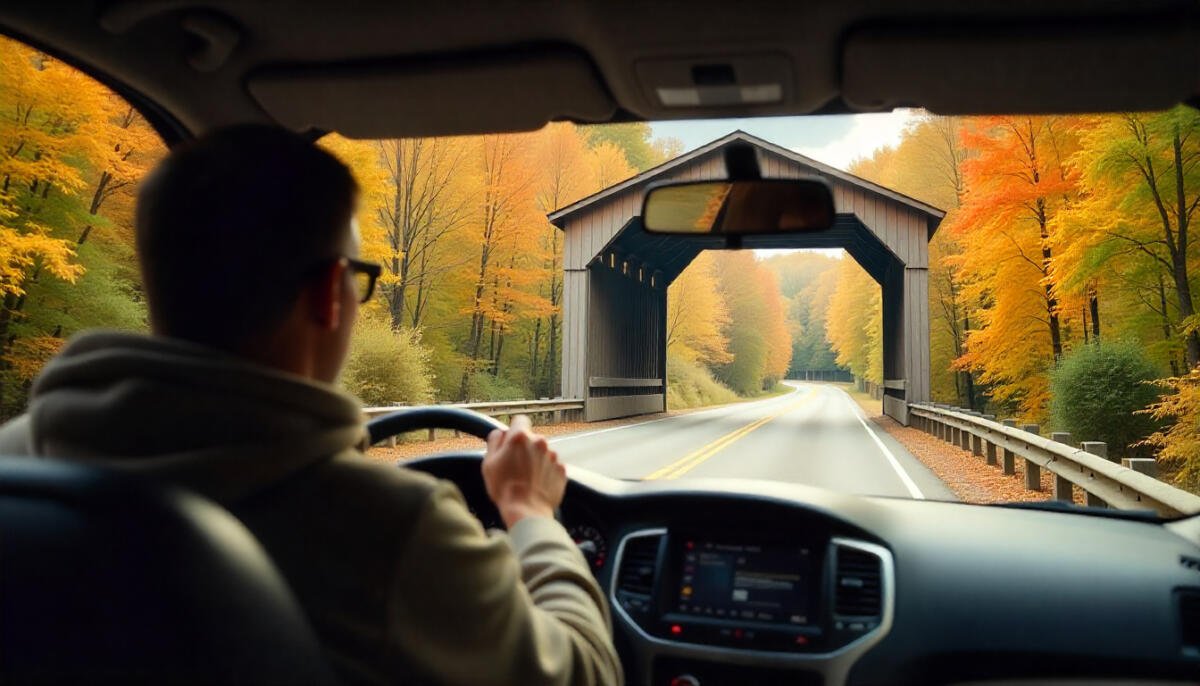
Exploring Ohio by car is one of the easiest ways to enjoy the state’s small towns, national parks, and big cities. But if you’re visiting in 2025—whether from another U.S. state or another country—there are a few rules and local habits that can make your trip smoother. I’ve put everything here in a practical, real-experience way, the same way I’d explain it to a friend planning a trip.
Do You Need a Special License to Drive in Ohio?

If you’re coming from outside the U.S., you can drive legally with:
Your valid home-country driver’s license, and
An International Driving Permit (IDP) if your license is not in English.
- It’s not required for everyone, but it helps avoid confusion if you’re stopped by police or renting a car.
Important Driving Rules Every Tourist Should Know
1. Speed Limits Are Taken Seriously
Ohio police regularly patrol highways, and speed cameras are used in some cities. Typical limits:
70 mph on rural interstates
65 mph on urban highways
55 mph on state routes
25 mph in residential areas
20–25 mph in school zones when lights flash
- If you’re visiting from a country where limits are posted in km/h, take a moment to adjust—tickets can be expensive.
2. Right on Red Is Allowed
Most intersections allow you to turn right on red after a complete stop.
However, downtown areas (like Columbus or Cincinnati) may have “NO TURN ON RED” signs. Missing these is a common tourist mistake.
3. Seat Belts Are Non-Negotiable
Everyone in the front seat must wear a seat belt.
Police in 2025 are focusing more on back-seat enforcement too, especially during holidays.
4. Hands-Free Driving Only
Ohio updated its distracted driving law recently:
You cannot hold your phone while driving.
Navigation is fine if the phone is mounted.
Voice commands and Bluetooth calls are allowed.
- Tourists often forget this at traffic lights—yes, it’s illegal even when stopped.
How to Handle Ohio Weather While Driving
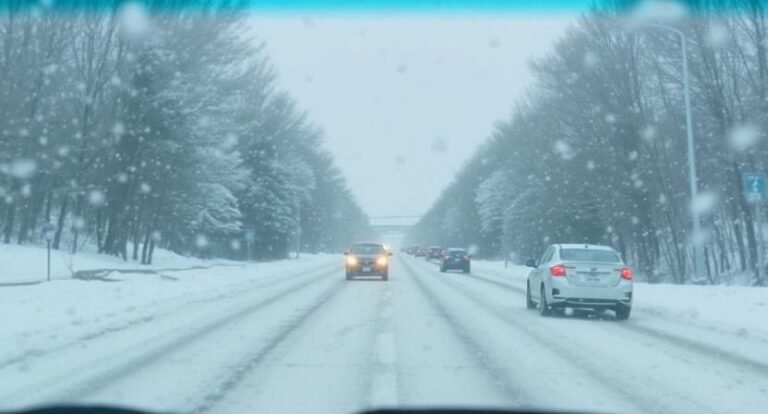
Winter (Dec–Feb)
Ice forms early, especially on bridges.
Snow is heaviest near Cleveland and Lake Erie.
Rent a car with AWD if possible.
Spring (March–May)
- Expect lots of rain. Hydroplaning is common on highways if you’re speeding.
Summer (June–Aug)
- Great time for road trips, but construction zones pop up everywhere.
Fines double if workers are present.
Autumn (Sept–Nov)
- Beautiful fall colors, but early mornings can get foggy in forest areas.
Parking Tips for Each Major City
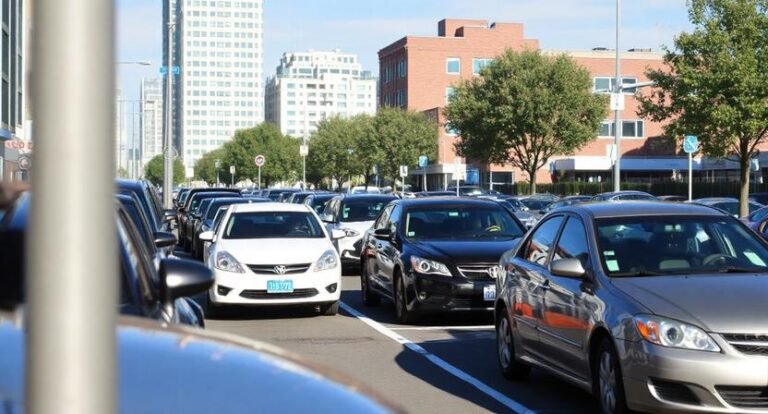
Columbus
Downtown meters are usually enforced until 10 p.m.
The Short North area fills up quickly on weekends; garages are easier.
Cleveland
Stadium days (Browns/Guardians games) spike parking prices.
The waterfront near the Rock & Roll Hall of Fame gets busy early.
Cincinnati
Over-the-Rhine has meter zones; always check the signs.
Parking garages around The Banks area are reliable for tourists.
Toll Roads & E-ZPass Info
Ohio’s main toll road is the Ohio Turnpike, which runs across the northern part of the state.
Cash
Credit/debit card
E-ZPass (fastest option; many rental car companies offer it)
- Learn more at the Ohio Turnpike Official Website.
Ohio Driving Etiquette (Local Habits You’ll Notice)
Four-Way Stops
Ohio drivers are surprisingly polite. They often wave you through—but always wait a moment to make sure they really mean it.
Slow Down for Emergency Vehicles
You must move over one lane (if safe) when passing police or emergency vehicles.
Don’t Sit in the Left Lane
The left lane is mainly for passing. Staying there too long annoys local drivers.
Watch for Deer
Rural Ohio has a large deer population. Early morning and evening are the riskiest times.
Best Scenic Road Trips if You Want to Explore

1. Hocking Hills Scenic Byway
Forests, cliffs, caves, and stunning overlooks. Great for photography.
2. Lake Erie Coastal Trail
Lighthouses, beaches, wineries, small Lake Erie towns—relaxing drive.
3. Cuyahoga Valley National Park Route
Perfect if you want waterfalls, old-fashioned bridges, and easy hiking stops.
4. Amish Country Route
Between Millersburg and Sugarcreek—farms, handcrafted shops, and peaceful countryside.
5. Ohio River Scenic Byway
Southern Ohio views with charming river towns.
Rental Car Tips for Tourists in 2025
Choose the Right Car
AWD if visiting in winter
Hybrid or economy for city travel
Midsize SUV for families or long drives
Check What’s Included
Mileage limits
Fuel policy
E-ZPass charges
Drop-off fees if you plan a one-way trip
Book Earlier for Events
- Ohio events (State Fair, football games, Oktoberfest Zinzinnati) can push rental prices up quickly.
Tourist Essentials to Keep in Your Car

You may not need all these, but they’re helpful:
License + passport
Rental agreement
Phone mount (to stay hands-free)
USB charger
Water + snacks
Paper map for rural areas
A light jacket (Ohio weather changes fast)
Final Thoughts
Driving in Ohio as a tourist in 2026 is much easier than many travelers expect. Whether you’re heading to Lake Erie for a summer weekend or exploring Hocking Hills in fall, the roads are straightforward, the rules are simple, and the scenery is worth the drive. Just follow local laws, stay aware of weather changes, and give yourself extra time in busy cities.
Frequently Asked Questions (FAQ)
1. Is it safe to drive in Ohio at night?
Yes, but rural roads can be dark. Use high beams and watch for deer.
2. Is gas expensive?
Ohio usually has lower gas prices than the national average.
3. Do police pull over rental cars more?
No. But tourists often speed without realizing it—especially in rural areas.
4. Do I need car insurance?
Yes. Rental companies offer coverage at the counter if your travel insurance doesn’t already cover it.
5. Are EV chargers easy to find?
Yes—especially in Columbus, Cincinnati, and Cleveland. More chargers are being added in 2025.