
If you’re planning to move to Michigan in 2026—or you already live here and want a clearer picture of your expenses—you’re probably asking the same question most people do: How much does it really cost to live here? After comparing state data, city trends, housing markets, and everyday spending patterns, here’s a detailed, realistic breakdown of what you can expect across Michigan this year.
Is Michigan Affordable in 2026?
Overall, Michigan remains more affordable than the U.S. average, especially when it comes to housing. While costs have risen slightly over the past few years due to inflation and demand in metro areas, Michigan still offers strong value compared to states like California, New York, or Illinois.
Lower home prices than the national average
Moderate property taxes (varies by county)
Affordable mid-sized cities
No local income taxes in most areas
- Now let’s break it down category by category.
1. Housing Costs in Michigan (2026)
Housing is the biggest expense for most households, so this is where location really matters.
Average Home Prices (2026 Estimates)
Statewide median home price: $240,000 – $270,000
National median comparison: Around $410,000+
- Michigan is significantly cheaper than the national average when buying property.
Rent Prices by Major Cities
Detroit
1-bedroom apartment: $1,100 – $1,400
3-bedroom apartment: $1,800 – $2,600
Lower prices outside downtown
- Detroit remains one of the most affordable large metro cities in the U.S., though downtown development has increased prices in certain neighborhoods.
Ann Arbor
1-bedroom apartment: $1,600 – $1,900
3-bedroom apartment: $2,800 – $3,500
- Ann Arbor is one of the most expensive cities in Michigan due to strong demand and proximity to the University of Michigan.
Grand Rapids
1-bedroom apartment: $1,300 – $1,600
3-bedroom apartment: $2,000 – $2,900
- Grand Rapids has seen steady growth, but still remains more affordable than similar-sized cities nationwide.
Lansing
1-bedroom apartment: $950 – $1,200
3-bedroom apartment: $1,600 – $2,200
- Lansing continues to be one of Michigan’s most budget-friendly metro areas.
2. Utilities & Monthly Bills
Utilities vary depending on the season. Winters can increase heating costs.
Average Monthly Utility Costs (1,000 sq ft apartment):
Electricity: $90 – $150
Natural gas (winter heating): $100 – $180
Water & sewer: $40 – $70
Internet: $60 – $85
- Estimated total monthly utilities: $200 – $350
- Michigan winters definitely impact heating bills, so budgeting for seasonal spikes is important.
3. Grocery Costs in 2026

Food prices have stabilized compared to previous inflation spikes, but families still need to budget carefully.
Estimated Monthly Grocery Budget:
Single adult: $300 – $450
Couple: $600 – $850
Family of 4: $900 – $1,300
- Michigan benefits from strong agriculture, which helps keep certain fresh produce and dairy prices competitive.
4. Transportation Costs
Michigan is largely car-dependent outside major city centers.
Average Monthly Transportation Costs:
Gas (commuter): $120 – $220
Car insurance: $160 – $250 (Michigan insurance is among the highest in the U.S.)
Car payment (if financed): $350 – $600
- Public transportation exists in cities like Detroit and Grand Rapids but is limited compared to larger states.
5. Healthcare Expenses

Healthcare costs depend heavily on insurance type.
Estimated Monthly Healthcare Costs:
Employer-sponsored insurance: $200 – $500 (employee portion)
Private insurance: $400 – $800
Out-of-pocket expenses vary
- Michigan healthcare costs are generally near the national average.
6. Taxes in Michigan (2026)
Michigan has a flat state income tax structure.
State income tax: 4.25%
Sales tax: 6%
Property taxes: Above national average in some counties
- Compared to many states, Michigan’s tax structure is straightforward and predictable.
7. Cost of Living Comparison by Lifestyle
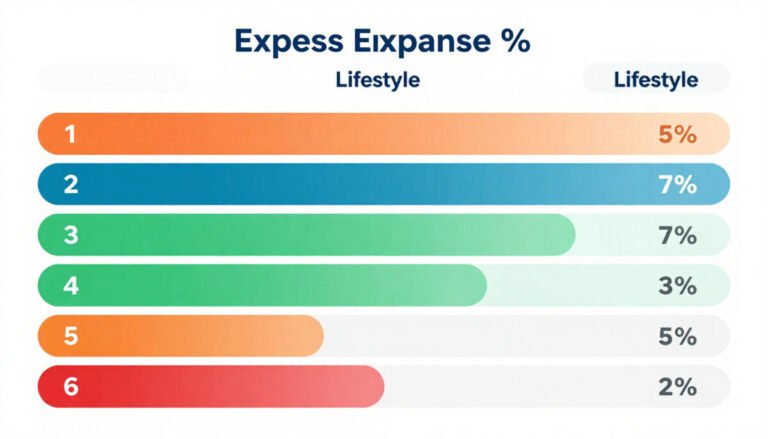
Single Professional (Mid-Sized City)
Estimated Monthly Cost:
$2,200 – $2,800
Family of 4 (Homeowner)
Estimated Monthly Cost:
$4,200 – $6,000
Student Lifestyle
Estimated Monthly Cost:
$1,500 – $2,200
Your final number depends on rent vs. mortgage, childcare, healthcare, and commuting distance.
Most Affordable Michigan Cities in 2026
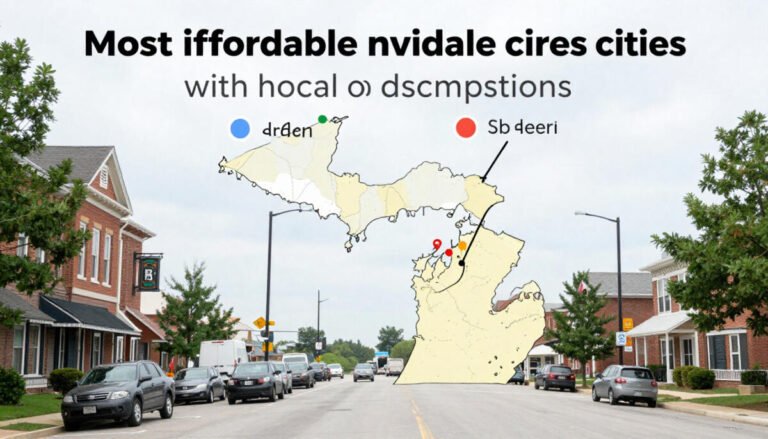
Lansing
Kalamazoo
Flint
Saginaw
Battle Creek
- These cities typically offer lower housing costs and overall living expenses.
Most Expensive Michigan Areas
Ann Arbor
Bloomfield Hills
Birmingham
Novi
Troy
- These areas have higher property values and rental prices.
Is Michigan Worth It in 2026?
For many people, yes.
Lower housing costs than most states
Access to Great Lakes and outdoor recreation
Growing job markets in healthcare, tech, and manufacturing
Affordable mid-sized cities
- If you’re relocating from a high-cost state, Michigan will likely feel significantly cheaper. If you’re comparing within the Midwest, it remains competitive but varies by city.
Final Thoughts
Michigan continues to offer one of the most balanced cost-of-living environments in the Midwest in 2026. Housing remains the biggest advantage compared to national averages, especially outside high-demand areas like Ann Arbor. Cities such as Lansing and Grand Rapids provide strong value for families and professionals, while Detroit continues to attract residents with relatively affordable urban living.
That said, transportation and car insurance costs can raise monthly budgets, and winter utility bills should never be underestimated. Overall, Michigan is still a smart choice for those seeking affordability without sacrificing quality of life.
Frequently Asked Questions (FAQ)
1. Is Michigan cheaper than the national average in 2026?
Yes. Housing and grocery costs are generally lower than the U.S. average, although transportation and insurance can be slightly higher.
2. What is the average monthly cost to live in Michigan?
A single adult typically spends between $2,200 and $2,800 per month, depending on the city and lifestyle.
3. Which Michigan city is the most affordable?
Cities like Lansing and smaller metro areas tend to offer the lowest overall living costs.
4. Why is Ann Arbor more expensive than other cities?
High housing demand, strong job markets, and proximity to the University of Michigan increase rental and home prices.
5. Do I need a car to live in Michigan?
In most areas, yes. Public transportation is limited outside major cities, so car ownership is common and should be included in your budget.