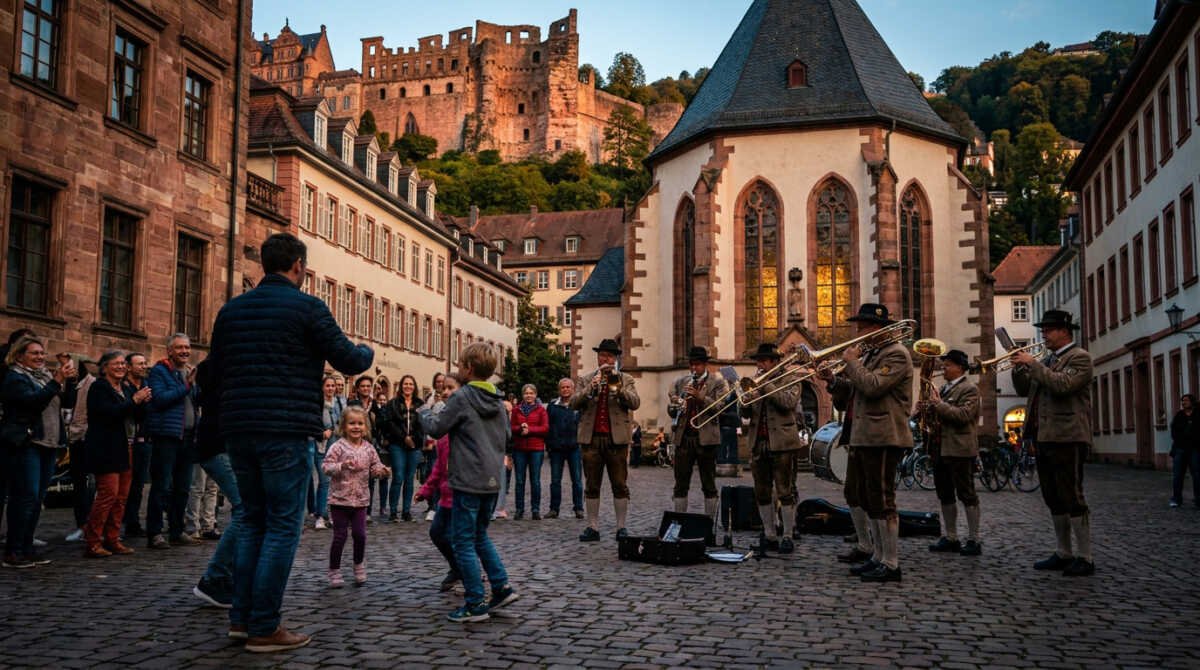
Germany is a wonderful destination for travellers who enjoy historic cities, beautiful architecture, scenic landscapes, charming old towns, and unforgettable cultural experiences. From the fairytale streets of Bavaria to the lively atmosphere of Berlin, the country offers a variety of places to explore throughout the year. If you are planning your first trip to Germany, deciding where to go can be challenging because every region has something different to offer. Some destinations are ideal for history lovers, while others are perfect for couples, families, photographers, and nature enthusiasts. In this guide, I will cover 20 of the best places to visit in Germany, including what makes each destination special, the main attractions to see, the best time to visit, and practical tips to help you plan your journey.
1. Berlin – Best for History, Culture, and City Experiences
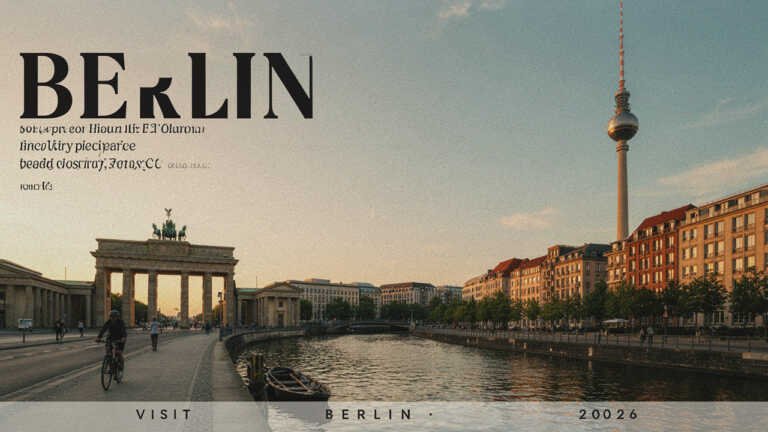
Berlin is one of the most interesting cities in Germany, combining important historical landmarks with modern architecture, art, museums, and a lively food scene. It is an excellent starting point for first-time visitors who want to understand the country’s history while enjoying a modern European capital.
Visit the Brandenburg Gate
The Brandenburg Gate is one of Germany’s most recognisable landmarks. Built in the 18th century, it has witnessed major moments in German history and is now a symbol of unity. Its impressive architecture makes it a popular stop for sightseeing and photography.
Explore the Berlin Wall Memorial
The Berlin Wall once divided East and West Berlin during the Cold War. Today, visitors can learn about the division of the city and the experiences of people who lived through that period. The Berlin Wall Memorial is particularly valuable for travellers interested in European history.
Discover Museum Island
Museum Island is home to several important museums and is recognised as a UNESCO World Heritage Site. Visitors interested in archaeology, art, and cultural history can spend hours exploring its collections. Check individual museum opening times and ticket arrangements before visiting.
Walk around the Reichstag Building
The Reichstag houses the German parliament and is known for its distinctive glass dome. Visits to the dome generally require advance registration, so check the official visitor information before planning your visit.
Late spring and early autumn are pleasant times to explore Berlin on foot. Summer brings outdoor events and longer days, while winter offers seasonal markets and a different atmosphere.
Allow at least two or three days if this is your first visit.
Use public transport to move between attractions.
Book popular museum visits and the Reichstag dome in advance.
Wear comfortable shoes because many sightseeing areas involve walking.
- Official website: Visit Berlin
2. Munich – Best for Bavarian Culture and Traditional Architecture
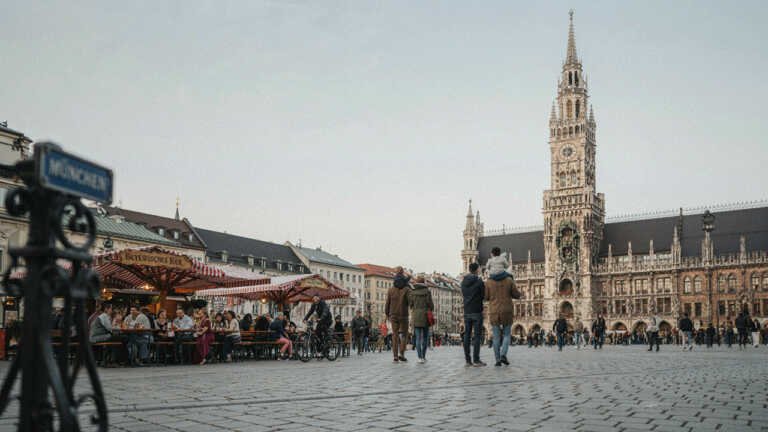
Munich, the capital of Bavaria, is famous for its historic squares, traditional Bavarian culture, beautiful parks, museums, and access to the Alps. It is a great choice for travellers who want to experience a different side of Germany beyond its major northern cities.
The city combines an elegant historic centre with green spaces and a welcoming café culture. It also works well as a base for exploring other destinations in southern Germany.
Explore Marienplatz
Marienplatz is Munich’s central square and one of the first places many visitors explore. The New Town Hall dominates the square, and its famous Glockenspiel performance attracts crowds at scheduled times. Check the current performance schedule before your visit.
Visit Nymphenburg Palace
Nymphenburg Palace was once a summer residence of Bavarian rulers. Its grand rooms, formal gardens, and impressive exterior make it a rewarding stop for architecture and history enthusiasts. Allow extra time if you want to explore the grounds as well as the palace.
Relax in the English Garden
The English Garden is one of Munich’s best-known green spaces. Visitors can walk along tree-lined paths, enjoy open lawns, and take a break from the busy city centre. The park is especially enjoyable during warmer weather.
Discover Munich’s Museums
Munich has a strong museum scene, including institutions dedicated to science, technology, art, and automotive history. The Deutsches Museum is a notable choice for visitors interested in scientific and technological discoveries.
May through September is generally a good period for outdoor sightseeing. December can be appealing for visitors who enjoy winter markets and festive city decorations. Munich also hosts major annual events, so accommodation prices and availability can vary considerably.
Spend two or three days exploring the city.
Reserve accommodation early during major festivals and busy holiday periods.
Consider a day trip to nearby Bavarian towns or Alpine areas if your schedule allows.
Check transport connections before planning excursions outside the city.
- Official website: Simply Munich – Official Travel Guide
3. Neuschwanstein Castle – Best for Fairytale Scenery
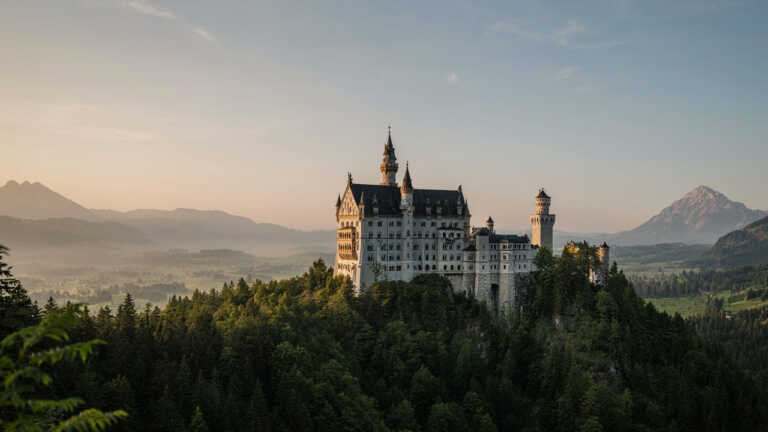
Neuschwanstein Castle is one of Germany’s most famous landmarks, set among the mountains and forests of Bavaria. With its dramatic towers and scenic surroundings, it looks like something from a storybook.
The castle was commissioned by King Ludwig II in the 19th century. Its romantic design and spectacular location have made it a favourite destination for visitors interested in history, architecture, and photography.
Unlike Berlin and Munich, Neuschwanstein is not a major city. It is better suited to a day trip or an overnight stay in the nearby area.
Take a Guided Castle Tour
The castle’s interior can be visited through organised tours. Tickets and entry arrangements are controlled, so booking through the official website is strongly recommended. Check the latest tour schedule, availability, and visitor rules before travelling.
Enjoy the Mountain Views
The surrounding Bavarian landscape offers beautiful views of forests, hills, and nearby lakes. Weather conditions can change, particularly in colder months, so plan your outdoor activities accordingly.
Visit Marienbrücke
Marienbrücke is a well-known viewpoint offering a striking view of Neuschwanstein Castle. Access can be affected by weather, maintenance, or seasonal conditions, so verify whether the bridge is open before setting out.
Explore Hohenschwangau
The nearby village of Hohenschwangau is the main starting point for many castle visits. It is also associated with Hohenschwangau Castle and offers places to eat and prepare for the visit.
Late spring, summer, and early autumn are popular periods because the surrounding scenery is often accessible and green. Winter can bring snow-covered views, but weather may affect walking routes and access to viewpoints.
Book castle tickets ahead of time through the official website.
Allow several hours for transport, walking, and the castle tour.
Wear suitable walking shoes for uphill routes.
Do not assume that every viewpoint or outdoor path will be open.
Check public transport connections from Munich or other nearby towns before travelling.
- Official website: Neuschwanstein Castle – Official Visitor Information
4. Hamburg – Best for Harbour Views and Maritime History
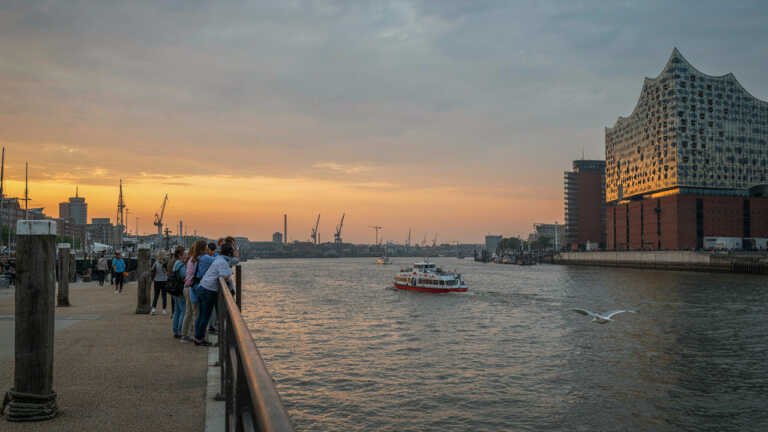
Hamburg is a major port city in northern Germany with a distinctive atmosphere shaped by its waterways, historic warehouses, waterfront districts, and modern architecture. It offers a different experience from Munich and Berlin, making it an excellent addition to a Germany itinerary.
The city is especially appealing to travellers who enjoy waterfront walks, boat trips, cultural attractions, and photography.
Explore Speicherstadt
Speicherstadt is a historic warehouse district recognised as a UNESCO World Heritage Site. Its brick buildings, canals, and bridges create one of Hamburg’s most memorable landscapes. Walking through the area is a great way to appreciate the city’s maritime past.
Visit Miniatur Wunderland
Miniatur Wunderland is a popular attraction featuring elaborate miniature landscapes, railways, and detailed model scenes. It appeals to both children and adults, so it can be a good option for families. Check ticket availability before visiting, especially during weekends and school holidays.
Walk Around the Elbphilharmonie
The Elbphilharmonie is a striking concert hall overlooking the harbour. Its modern glass structure stands above an older brick building, creating a distinctive architectural landmark. Visitors should check the official website for public viewing access, concert schedules, and booking requirements.
Take a Harbour Cruise
A harbour cruise provides another perspective on Hamburg’s working port, waterfront buildings, and maritime activity. Different tours follow different routes, so compare the duration and departure points before choosing one.
Late spring and summer are generally comfortable for exploring the waterfront and outdoor attractions. Hamburg can be rainy and windy throughout the year, so bringing a light waterproof jacket is sensible regardless of the season.
Plan at least two days for the city’s main attractions.
Use public transport to reach areas outside the central district.
Book popular attractions in advance during busy periods.
Check harbour tour routes and departure times on the day of your visit.
5. The Black Forest – Best for Nature, Villages, and Scenic Drives
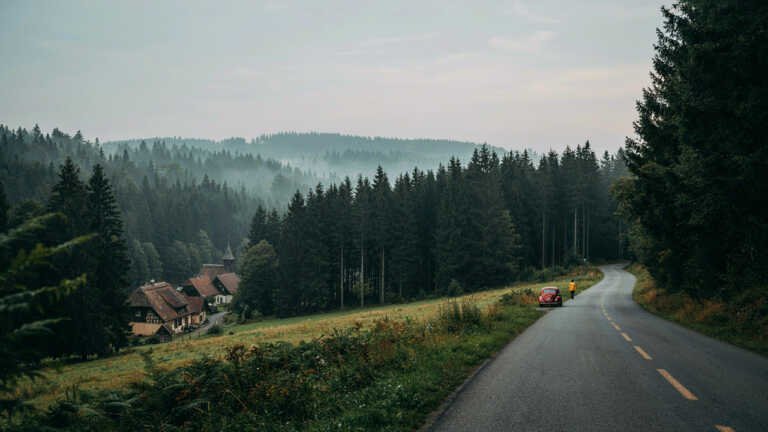
The Black Forest, known in German as Schwarzwald, is a beautiful region in southwestern Germany. It is famous for its forested hills, traditional villages, walking trails, scenic roads, and peaceful countryside.
For travellers who want a break from busy cities, the Black Forest offers a chance to enjoy a slower pace and discover a more rural side of Germany. It is also a good destination for outdoor activities and exploring small towns.
Explore Triberg
Triberg is a well-known town associated with traditional Black Forest culture and cuckoo clocks. The area is also known for its waterfalls and forest walks. Check trail conditions and seasonal access before planning a visit.
Visit Lake Titisee
Lake Titisee is a popular destination for lakeside walks, boat trips when available, and relaxing views of the surrounding landscape. The town nearby has cafés, shops, and places to stop for a meal.
Discover Traditional Villages
Small towns and villages throughout the region offer traditional architecture, local food, and a quieter atmosphere than Germany’s major cities. Exploring at a relaxed pace allows you to enjoy the landscape rather than rushing between attractions.
Enjoy Hiking and Scenic Routes
The Black Forest has walking trails for different ability levels, along with roads that pass through forests, valleys, and mountain viewpoints. Choose routes appropriate for your experience and check local weather conditions before setting out.
Late spring through early autumn is a popular period for hiking and countryside exploration. Autumn can bring attractive seasonal colours, while winter offers a different landscape and opportunities for cold-weather activities where conditions permit.
Consider staying for two or three nights if you want to explore several towns.
Research transport connections carefully; some rural attractions are easier to reach by car.
Check trail conditions and weather forecasts before hiking.
Bring layers because temperatures can vary between valleys and higher elevations.
Look into local visitor information for regional transport and walking routes.
6. Cologne – Best for Gothic Architecture and Riverside Views
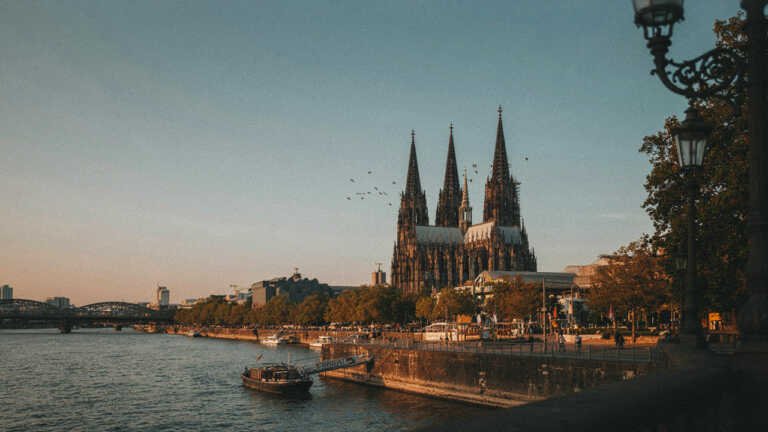
Cologne is one of Germany’s most attractive destinations for travellers who enjoy historic buildings, cultural attractions, and relaxing walks beside a river. Located along the Rhine River in western Germany, the city combines centuries of history with a lively modern atmosphere.
Whether you are planning a short city break or adding another destination to a longer German holiday, Cologne offers plenty to explore.
Visit Cologne Cathedral
Cologne Cathedral, known locally as Kölner Dom, is the city’s most famous landmark. Its impressive Gothic architecture and soaring twin towers dominate the surrounding skyline. Visitors can explore the cathedral and admire its detailed design. Check the official website for visiting arrangements and any restrictions.
Walk Along the Rhine River
The Rhine waterfront is a lovely place to take a leisurely walk, enjoy views of the city, and photograph the surrounding architecture. The riverside promenade is particularly appealing in warmer weather, when outdoor cafés and public spaces are busy.
Explore Cologne Old Town
Cologne’s Old Town features historic squares, traditional buildings, cafés, and restaurants. It is a convenient area to explore on foot and makes a good starting point for discovering the city’s character.
Visit the Chocolate Museum
The Chocolate Museum offers an introduction to the history and production of chocolate. It is a popular attraction for families and food enthusiasts, although opening hours and ticket availability should be checked before visiting.
Late spring through early autumn is a pleasant period for sightseeing and riverside walks. Cologne is also famous for its Carnival celebrations, which bring large crowds and a distinctive festive atmosphere.
Spend one or two days exploring the main attractions.
Visit Cologne Cathedral early if you prefer a quieter experience.
Check the local event calendar before booking accommodation.
Use the city’s public transport network to reach attractions outside the centre.
- Official website: Cologne Tourism
7. Dresden – Best for Baroque Architecture and Art
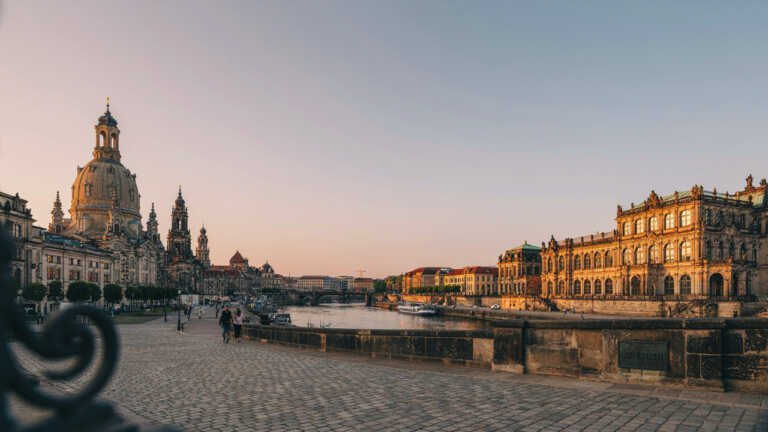
Dresden is a beautiful city in eastern Germany, known for its historic architecture, impressive art collections, and attractive setting along the Elbe River. The city has undergone extensive rebuilding following the destruction of the Second World War, and its restored landmarks are an important part of its identity.
For travellers who appreciate architecture, museums, and European history, Dresden deserves a place on a Germany itinerary.
Explore the Frauenkirche
The Frauenkirche is one of Dresden’s best-known landmarks. Its distinctive dome stands above the historic city centre and represents an important part of the city’s reconstruction. Visitors can admire the exterior, explore the interior when open, and check for special events or guided visits.
Visit the Zwinger Palace
The Zwinger is a magnificent Baroque complex with elegant courtyards, galleries, and gardens. It is an excellent destination for visitors interested in architecture and art. Check which museums and exhibitions are open during your visit.
Discover the Semperoper
The Semperoper is Dresden’s famous opera house, admired for its grand architectural design. Depending on the schedule, visitors may be able to attend a performance or join a guided tour.
Walk Along the Elbe River
The Elbe waterfront offers relaxing views of historic buildings and bridges. It is a pleasant place for a walk after visiting the city’s museums and monuments.
May through September is a popular period for exploring Dresden’s outdoor attractions. December is another appealing time because the city hosts traditional Christmas markets, although accommodation can become busier during the festive season.
Allow two days to explore the main sights comfortably.
Wear comfortable shoes for walking through the historic centre.
Check museum schedules if you want to visit specific exhibitions.
Consider a day trip to Saxon Switzerland National Park if you have additional time.
- Official website: Dresden Elbland Tourism
8. Rothenburg ob der Tauber – Best for a Fairytale Medieval Town
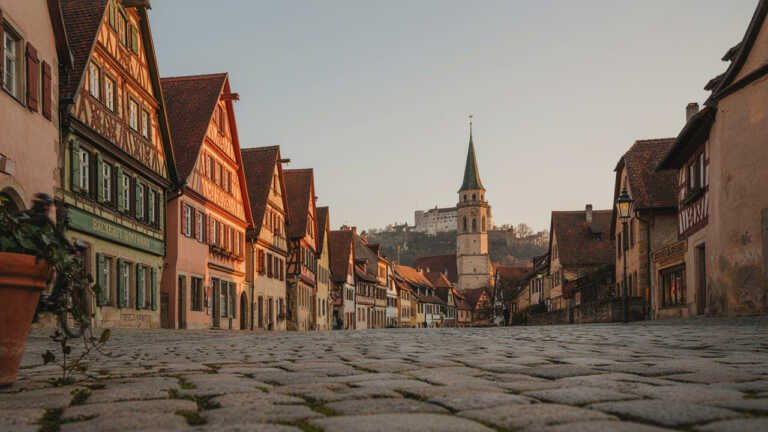
Rothenburg ob der Tauber is a small historic town in Bavaria that looks remarkably different from Germany’s larger modern cities. Its half-timbered houses, cobblestone streets, historic towers, and preserved town walls make it a favourite destination for travellers seeking a traditional medieval atmosphere.
The town is particularly appealing to couples, photographers, and visitors who enjoy exploring historic European streets at a relaxed pace.
Walk Through the Historic Old Town
The Old Town is the main attraction, with narrow lanes, colourful buildings, and charming squares. Take your time exploring the streets rather than rushing between individual sights.
Visit Marktplatz
The Market Square is the heart of the town. It is surrounded by historic buildings and provides a convenient starting point for sightseeing. The square is also a good place to stop for a coffee or a traditional meal.
Explore the Town Walls
Rothenburg is famous for its surviving medieval fortifications. Parts of the town walls and their walkways offer an interesting perspective on the town’s history. Follow local access guidance and take care on narrow or uneven sections.
Discover the Christmas Museum
The German Christmas Museum explores seasonal traditions and decorations. It is an interesting stop for visitors who enjoy festive history, although opening arrangements may vary.
Spring and early autumn are attractive times to explore the town, often with comfortable conditions for walking. December brings a well-known Christmas market and festive decorations, but it can also be one of the busiest periods.
Allow a full day or stay overnight to enjoy the town at a slower pace.
Arrive early if you want to explore before the busiest daytime crowds.
Wear comfortable walking shoes for cobblestone streets.
Check train connections carefully, as reaching the town may involve transfers.
- Official website: Rothenburg ob der Tauber Tourism
9. Heidelberg – Best for Romantic Views and Castle Ruins
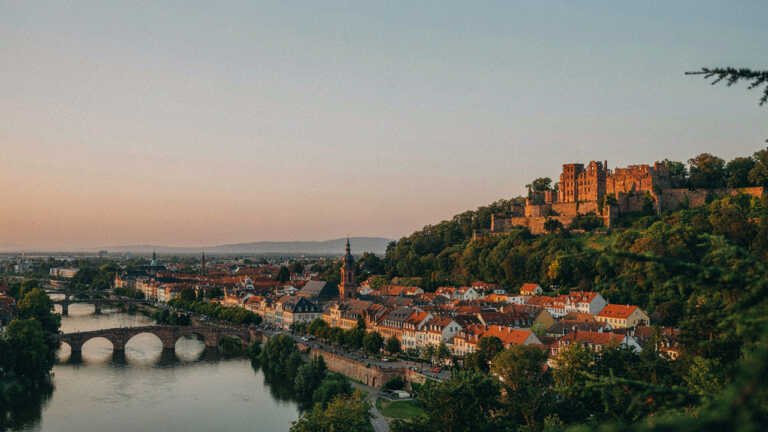
Heidelberg is a charming university city in southwestern Germany, known for its historic Old Town, riverside scenery, and impressive castle ruins. Set beside the Neckar River, it offers a combination of cultural attractions and picturesque viewpoints.
It is a wonderful option for visitors who want to experience a smaller German city with a relaxed atmosphere and plenty of opportunities for walking and photography.
Explore Heidelberg Castle
Heidelberg Castle stands above the Old Town and is one of the city’s most famous attractions. Its historic ruins, courtyards, and elevated position provide wonderful views across the river and surrounding rooftops. Check current visitor information for access, tickets, and guided tours.
Walk Across the Old Bridge
The Old Bridge, or Karl Theodor Bridge, is one of Heidelberg’s most recognisable landmarks. It offers attractive views of the river, the castle, and the surrounding hills.
Discover Heidelberg Old Town
The Old Town has historic streets, independent shops, cafés, and traditional buildings. It is ideal for exploring on foot and enjoying a relaxed afternoon away from larger tourist centres.
Visit the Philosophers’ Walk
The Philosophers’ Walk is a well-known walking route on the opposite side of the river from much of the Old Town. It is popular for elevated views of Heidelberg. Some sections are steep, so choose a route suited to your fitness and footwear.
Late spring and early autumn are good periods for enjoying the city outdoors. Summer offers long days for sightseeing, while autumn can bring attractive colours to the surrounding hills.
One full day is enough to see many of the main attractions, although an overnight stay allows more relaxed exploration.
Allow extra time for the uphill walk to some viewpoints.
Check castle opening times before visiting.
Consider combining Heidelberg with another nearby destination if you have several days in the region.
- Official website: Heidelberg Marketing
10. Saxon Switzerland National Park – Best for Dramatic Natural Landscapes
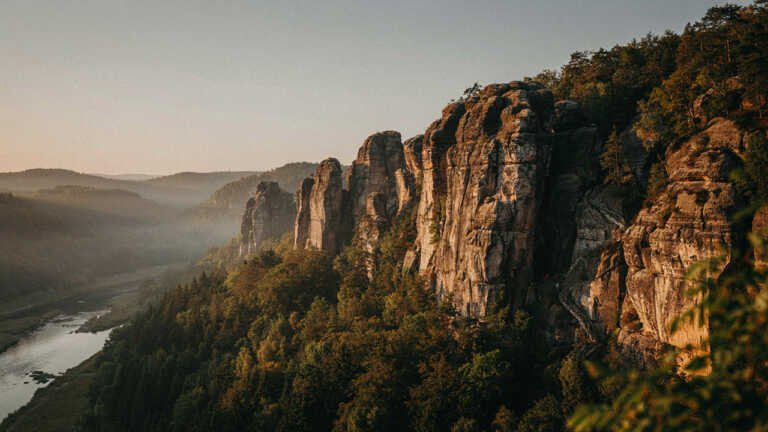
Saxon Switzerland National Park is a spectacular nature destination in eastern Germany, close to the Czech border. Despite its name, it is not in Switzerland. The area is known for unusual sandstone rock formations, forested valleys, hiking trails, and panoramic viewpoints.
For travellers who enjoy outdoor adventures and scenic landscapes, it offers a refreshing contrast to Germany’s historic cities.
Visit the Bastei Bridge
The Bastei Bridge is one of the region’s most famous viewpoints. The sandstone formations and surrounding valleys create an impressive landscape, making it a popular stop for photography and sightseeing.
Explore Hiking Trails
The national park has walking routes ranging from relatively easy outings to more demanding hikes. Choose a trail that matches your experience, check local conditions, and follow marked paths.
Discover the Elbe Sandstone Mountains
The wider region features dramatic rock formations, cliffs, and forested scenery. Exploring different viewpoints gives visitors a better sense of the landscape beyond the most popular photo locations.
Enjoy the Elbe Valley
The Elbe Valley offers scenic views and opportunities to explore nearby villages. Depending on the season and available services, visitors may also find boat trips and other ways to enjoy the river.
Late spring through early autumn is popular for hiking and sightseeing. Autumn can offer attractive forest colours, while winter visits require extra attention to weather, slippery paths, and seasonal access restrictions.
Consider staying in a nearby town such as Bad Schandau if you want more time outdoors.
Wear sturdy footwear, especially on uneven trails and steps.
Check official park guidance for closures and route conditions.
Carry water and allow enough daylight to complete your chosen walk.
Respect protected areas and stay on designated paths.
- Official website: Saxon Switzerland National Park
11. Frankfurt – Best for Skyline Views and Cultural Attractions
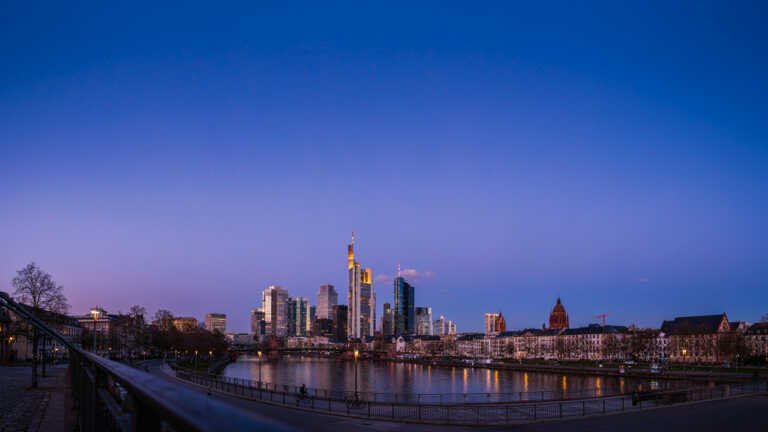
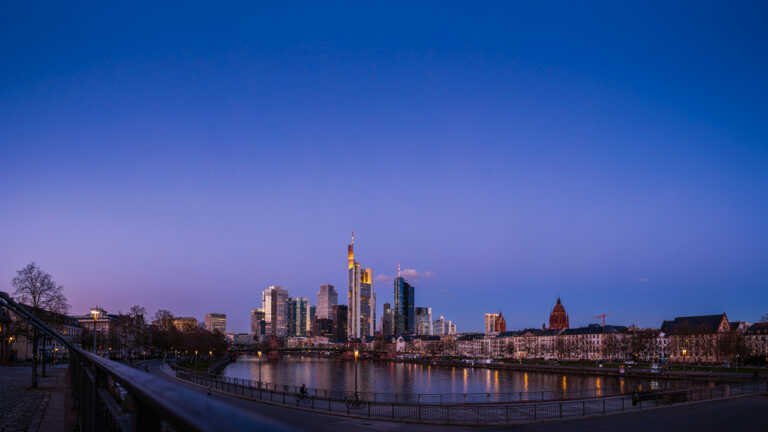
Frankfurt is one of Germany’s most important financial centres, but there is much more to the city than modern office towers. Located along the Main River, Frankfurt combines a contemporary skyline with historic squares, museums, traditional food, and attractive riverside walking routes.
It is a convenient destination for international travellers because Frankfurt Airport is a major European transport hub. The city is also a useful starting point for exploring other parts of Germany.
Explore Römerberg
Römerberg is Frankfurt’s historic central square, known for its traditional half-timbered buildings and reconstructed historic architecture. It is a good place to begin exploring the Old Town, take photographs, and enjoy the atmosphere of the city centre.
Visit the Main Tower
The Main Tower is one of Frankfurt’s best-known skyscrapers. Its observation platform provides elevated views across the city, including the river and surrounding skyline. Check the official website for opening hours, ticket information, and weather-related restrictions.
Walk Along the Main River
The riverfront offers a pleasant setting for walking, cycling, and taking photographs. Several museums are located near the river, making it easy to combine a riverside stroll with a cultural visit.
Discover Frankfurt’s Museums
Frankfurt has museums covering art, film, architecture, and German history. The Städel Museum is particularly well known for its art collection and is worth considering if you have an interest in European art.
Late spring and early autumn are comfortable periods for exploring the city outdoors. Summer is also popular for riverside activities, while December brings seasonal Christmas markets.
One or two days is enough for many of the main attractions.
Use public transport to reach neighbourhoods outside the city centre.
Check observation deck and museum opening hours before visiting.
If you have a long airport layover, allow enough time for transport and security procedures.
- Official website: Frankfurt Tourism
12. Nuremberg – Best for Medieval History and Traditional Markets
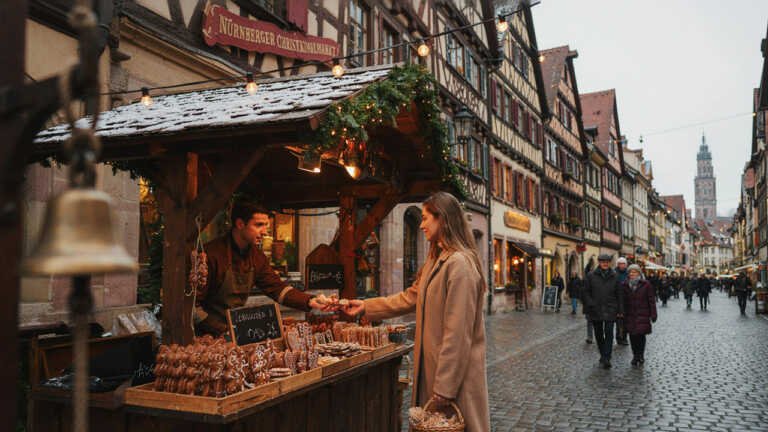
Nuremberg, located in Bavaria, is a historic city known for its medieval architecture, castle, museums, and traditional market squares. It offers a different experience from Munich, with a strong connection to German history and a compact centre that is enjoyable to explore on foot.
The city is especially popular during the Christmas season, when its traditional market attracts visitors from around the world.
Visit Nuremberg Castle
Nuremberg Castle stands above the Old Town and offers insight into the city’s medieval importance. Visitors can explore the castle complex and enjoy views over the surrounding rooftops. Check which sections are open before planning your visit.
Explore the Old Town
The Old Town features historic buildings, narrow streets, bridges, and attractive squares. Walking through this area is one of the best ways to appreciate Nuremberg’s architecture and local atmosphere.
Discover the Documentation Center
Nuremberg played an important role during the Nazi era. The Documentation Center and related historical sites help visitors understand this period and its consequences. Check current exhibitions and visitor arrangements before visiting.
Experience the Christmas Market
Nuremberg’s Christkindlesmarkt is one of Germany’s best-known Christmas markets. Visitors can browse seasonal decorations, crafts, and regional food. Market dates vary each year, so check the official tourism website when planning a winter trip.
Spring and early autumn are pleasant for sightseeing. December is especially popular for the Christmas market, although accommodation can be more expensive and the historic centre can become crowded.
Allow one or two days for the main sights.
Wear comfortable shoes for cobblestone streets and uphill walks.
Book accommodation early if visiting during the Christmas market.
Try local Franconian specialities at restaurants serving regional cuisine.
- Official website: Nuremberg Tourism
13. Lübeck – Best for Hanseatic History and Brick Gothic Architecture
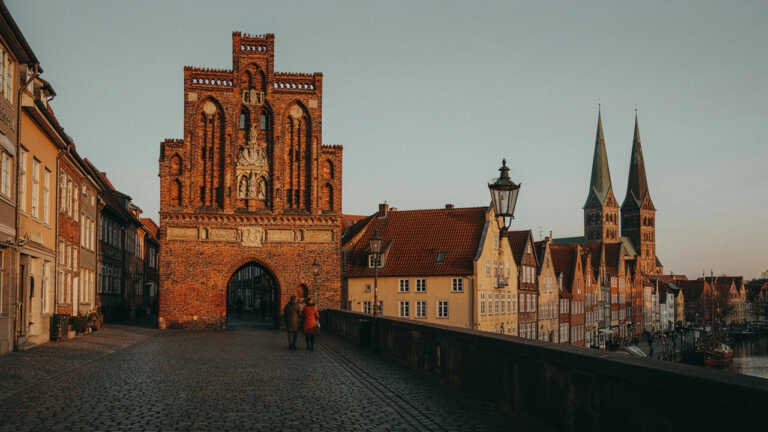
Lübeck is a historic northern German city that once played a major role in the Hanseatic League, a network of merchant towns that influenced trade across northern Europe. Its preserved historic centre, waterways, and distinctive brick Gothic architecture make it an appealing destination for history and architecture enthusiasts.
The Old Town is a UNESCO World Heritage Site and offers a more relaxed atmosphere than Germany’s largest cities.
See the Holstentor
The Holstentor is Lübeck’s iconic historic city gate. Its distinctive twin towers and brick construction make it one of the city’s most recognisable landmarks. It is an excellent stop for photographs and an introduction to Lübeck’s medieval history.
Explore Lübeck Old Town
The historic centre is filled with churches, traditional merchant buildings, courtyards, and narrow streets. Take time to explore beyond the main squares to discover quieter corners of the city.
Visit St. Mary’s Church
St. Mary’s Church, or Marienkirche, is an important example of Brick Gothic architecture. Its scale and historical significance make it a rewarding stop for visitors interested in European religious architecture.
Try Lübeck Marzipan
Lübeck is famous for marzipan, a confection made primarily from almonds and sugar. Local cafés and shops offer opportunities to sample it or purchase it as a souvenir.
Late spring and summer are good periods for walking around the historic centre and enjoying nearby coastal areas. December can also be attractive because of the city’s Christmas markets and festive decorations.
A full day is enough for many of the central attractions.
Consider staying overnight if you want a slower visit.
Combine your trip with the nearby Baltic Sea coast if time permits.
Check museum and church opening arrangements before travelling.
- Official website: Lübeck Tourism
14. Garmisch-Partenkirchen – Best for Alpine Scenery and Outdoor Activities
Garmisch-Partenkirchen is a mountain resort town in southern Bavaria, close to the Austrian border. Surrounded by the Bavarian Alps, it is a popular destination for visitors who enjoy mountain views, hiking, winter sports, and traditional Alpine architecture.
The town provides a different perspective on Germany, particularly for travellers who want to spend time outdoors rather than focusing entirely on city attractions.
Explore the Zugspitze
The Zugspitze is Germany’s highest mountain, reaching approximately 2,962 metres above sea level. Visitors can experience spectacular Alpine views from designated visitor areas, with access depending on weather and operating conditions. Check official information before making the journey.
Visit Partnach Gorge
Partnach Gorge is known for its dramatic rock walls and flowing water. Walking routes pass through a narrow gorge, creating an impressive natural experience. Access may be restricted during severe weather or maintenance, so check current local conditions and follow safety instructions.
Walk Through the Historic Town Centre
Garmisch-Partenkirchen has traditional Bavarian buildings, decorated façades, cafés, and local shops. It is worth spending time in the town itself rather than treating it only as a base for mountain excursions.
Enjoy Seasonal Outdoor Activities
In warmer months, visitors can explore hiking trails and mountain viewpoints. During winter, the area offers skiing and other snow-related activities when conditions allow. Choose activities that suit your experience and check local guidance before setting out.
Summer is popular for hiking and sightseeing, while winter attracts visitors interested in snow sports. Spring and autumn can be quieter, although mountain weather and transport schedules may affect access to certain attractions.
Stay for two or three nights if you want to explore the mountains at a relaxed pace.
Check mountain railway operations and weather forecasts before departure.
Bring suitable clothing because temperatures can be much lower at higher elevations.
Choose hiking routes according to your ability and current trail conditions.
- Official website: Garmisch-Partenkirchen Tourism
15. Potsdam – Best for Royal Palaces and Beautiful Gardens
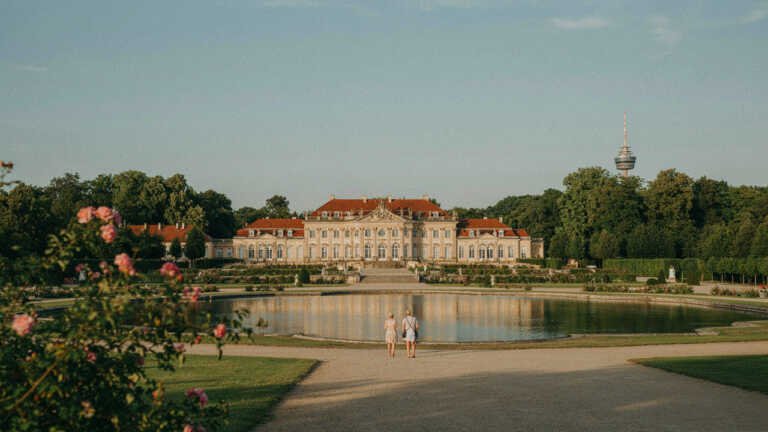
Potsdam, located near Berlin, is famous for its royal palaces, landscaped gardens, historic streets, and elegant architecture. It was an important residence for Prussian rulers and remains one of Germany’s most appealing destinations for visitors interested in European royal history.
Its proximity to Berlin makes Potsdam a convenient day trip for travellers who want to explore beyond the capital.
Visit Sanssouci Palace
Sanssouci Palace was built as a summer residence for Frederick the Great of Prussia. Its architecture, landscaped grounds, and historical importance make it the city’s most famous attraction. Check the official palace foundation website for tickets, opening schedules, and access arrangements.
Explore Sanssouci Park
Sanssouci Park features landscaped gardens, pathways, fountains, and historic buildings. It is an excellent place for a leisurely walk, particularly during spring and summer when the gardens are in season.
Discover the Dutch Quarter
The Dutch Quarter is known for its red-brick buildings and distinctive architectural style. Visitors can explore the streets, browse small shops, and stop at cafés while learning about Potsdam’s cultural history.
See Cecilienhof Palace
Cecilienhof Palace is an important historic site associated with the Potsdam Conference of 1945. It offers visitors an opportunity to learn more about the events that shaped post-war Europe. Check current access and exhibition information before visiting.
Spring and summer are particularly appealing for exploring the gardens and palace grounds. Early autumn can also be pleasant for walking, while winter offers a quieter atmosphere at some attractions.
Allow a full day for the main palaces and gardens.
Travel from Berlin by train or other public transport.
Book palace interiors in advance when reservations are required.
Wear comfortable shoes because the grounds can involve considerable walking.
- Official website: Potsdam Tourism
16. Bremen – Best for Historic Streets and Maritime Heritage
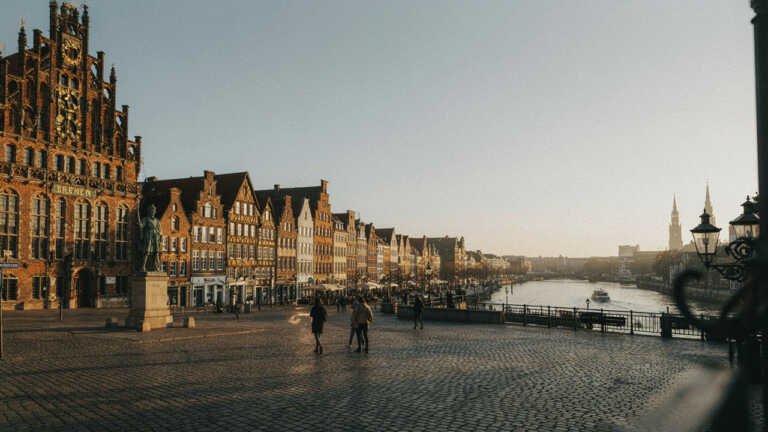
Bremen is a historic city in northern Germany with a charming old town, traditional architecture, and a long connection to maritime trade. Although it is smaller than Berlin or Hamburg, Bremen offers plenty of attractions for travellers who enjoy history, culture, and relaxed city walks.
The city is particularly known for its market square, historic town hall, and the famous Bremen Town Musicians statue. Its compact centre makes it a convenient destination for a short city break.
Visit Bremen Market Square
Bremen’s Market Square is one of the city’s most attractive public spaces. Historic buildings surround the square, creating a wonderful setting for sightseeing and photography. It is also a convenient starting point for exploring the main attractions.
See the Bremen Town Musicians Statue
Inspired by the Brothers Grimm fairy tale, the Bremen Town Musicians statue is one of the city’s best-known landmarks. It depicts a donkey, dog, cat, and rooster standing on top of one another. Visitors often stop here for photographs.
Explore the Schnoor Quarter
The Schnoor Quarter is famous for its narrow lanes, small historic houses, independent shops, and cafés. Walking through this area gives visitors a glimpse of Bremen’s older architectural character.
Discover the Historic Town Hall
Bremen’s Town Hall and the Roland statue are recognised together as a UNESCO World Heritage Site. Their historical and architectural importance makes them essential stops for visitors interested in German heritage.
Late spring and summer are pleasant for exploring the historic centre on foot. December is another popular time, when Bremen’s Christmas market creates a festive atmosphere around the central square.
Allow one full day for the main attractions or stay overnight for a slower visit.
Explore the Schnoor Quarter on foot.
Check local event dates before booking accommodation.
Consider combining Bremen with Hamburg on a longer northern Germany itinerary.
- Official website: Bremen Tourism
17. Freiburg im Breisgau – Best for Sunny Weather and Black Forest Adventures
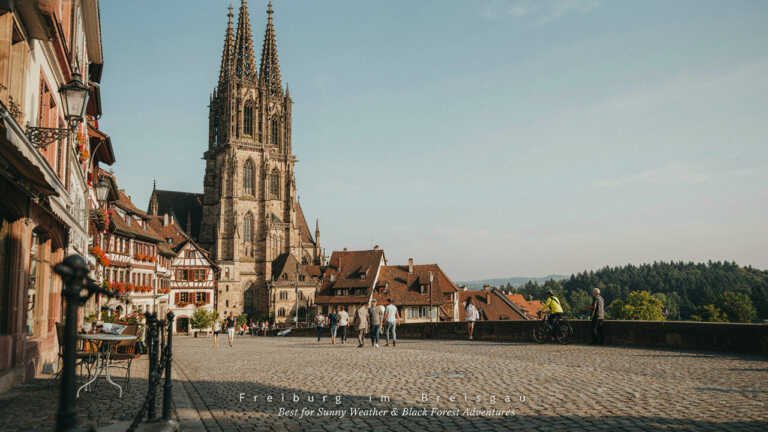
Freiburg im Breisgau is a lively university city in southwestern Germany, close to the French and Swiss borders. It is known for its historic centre, attractive squares, cycling culture, and easy access to the Black Forest.
The city offers a pleasant balance of urban attractions and outdoor experiences. Visitors can spend the morning exploring historic streets and the afternoon enjoying nearby forests, hills, or scenic viewpoints.
Explore Freiburg Minster
Freiburg Minster is the city’s most recognisable landmark. This impressive Gothic cathedral stands beside the historic market square and features detailed stonework and a distinctive tower. Check visitor arrangements before planning an interior visit.
Walk Through the Old Town
Freiburg’s Old Town has historic buildings, small shops, cafés, and lively squares. One distinctive feature is the network of small water channels known as Bächle, which run along some streets. Be mindful of them while walking.
Visit Schlossberg Hill
Schlossberg offers elevated views across Freiburg and the surrounding landscape. Walking routes lead up the hill, and other access options may be available depending on current operations. Comfortable shoes are recommended.
Explore the Black Forest
Freiburg is a useful base for discovering parts of the Black Forest. Depending on your schedule, you can plan walks, visit nearby villages, or explore scenic areas beyond the city.
Spring through early autumn is popular for outdoor activities and city sightseeing. Summer is especially suitable for exploring the surrounding countryside, while autumn can bring attractive colours to the nearby forests.
Allow one or two days to explore the city.
Consider staying longer if you plan to visit the Black Forest.
Use regional public transport to reach nearby destinations.
Check hiking routes and weather conditions before heading into the hills.
- Official website: Freiburg Tourism
18. Würzburg – Best for Palace Architecture and Franconian Wine Country
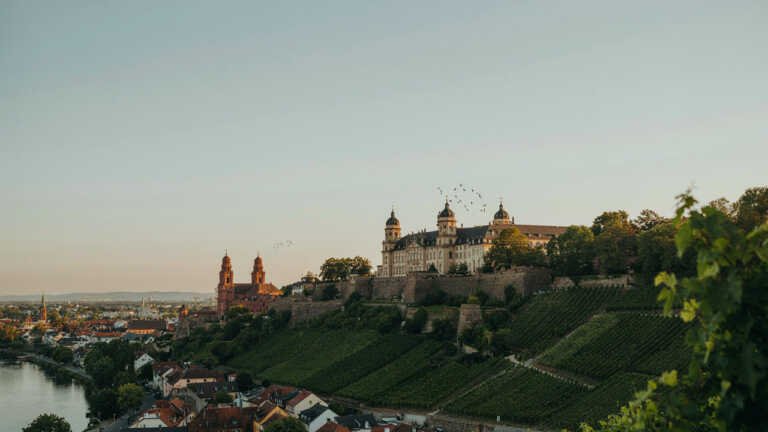
Würzburg is a historic city in Bavaria’s Franconia region, known for its grand palace, impressive churches, historic bridges, and surrounding vineyards. It is an appealing destination for visitors interested in architecture, regional culture, and scenic river views.
The city is also an important stop along Germany’s Romantic Road, making it a useful addition to a road trip through southern Germany.
Visit the Würzburg Residence
The Würzburg Residence is one of the city’s most important attractions and a UNESCO World Heritage Site. This magnificent Baroque palace is known for its elaborate interiors, grand staircase, and landscaped court gardens. Check current opening hours and ticket information before visiting.
Walk Across the Old Main Bridge
The Old Main Bridge, or Alte Mainbrücke, crosses the Main River and provides lovely views of the surrounding city and nearby fortress. It is a popular place for a leisurely walk and photography.
Explore Marienberg Fortress
Marienberg Fortress stands on a hill overlooking Würzburg. Its historic buildings and elevated position offer insight into the region’s past, along with views of the river and vineyards.
Discover the Historic City Centre
Würzburg’s centre features churches, market squares, traditional restaurants, and historic buildings. Spend time walking between attractions to appreciate the city’s architectural variety.
Late spring and summer are popular for exploring the palace gardens and riverside areas. Early autumn can also be an attractive time to visit the surrounding wine-growing region.
Plan a full day for the main attractions or stay overnight to explore at a relaxed pace.
Check the Residence’s official visitor information before arrival.
Wear comfortable shoes for the walk to Marienberg Fortress.
Consider including Würzburg on a Romantic Road itinerary.
- Official website: Würzburg Tourism
19. Rügen Island – Best for Baltic Sea Beaches and Coastal Landscapes
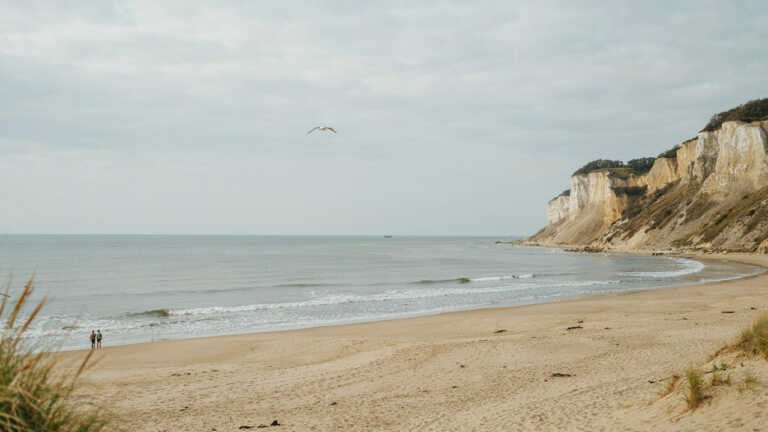
Rügen is Germany’s largest island, located in the Baltic Sea. It is known for its sandy beaches, seaside resorts, chalk cliffs, traditional architecture, and scenic coastal paths.
For travellers who want to experience a quieter coastal side of Germany, Rügen offers a refreshing alternative to busy city destinations. It is especially attractive during warmer months, when visitors can enjoy beach walks, nature areas, and seaside villages.
Visit Jasmund National Park
Jasmund National Park is famous for its white chalk cliffs and beech forests. The dramatic coastal landscape is one of Rügen’s most distinctive features. Check official park information for current trail conditions, viewpoints, and visitor guidance.
Explore Binz Seaside Resort
Binz is a popular seaside resort known for its sandy beach, historic resort architecture, and long promenade. It is a good place for a relaxing walk, enjoying coastal views, or spending time near the sea.
Walk Along the Baltic Coast
Rügen has several coastal areas where visitors can enjoy sea views and beach walks. Conditions vary by season, so bring suitable clothing and check local swimming and weather guidance if you plan to spend time in the water.
Discover Traditional Coastal Villages
Smaller settlements around the island offer a quieter atmosphere and a glimpse of local coastal life. Exploring different villages can help you appreciate more than just the island’s busiest resort areas.
Late spring and summer are popular for beach visits and coastal walks. Early autumn can be appealing for quieter scenery, although temperatures may be cooler and some seasonal services may operate on reduced schedules.
Consider staying for two or three nights to explore several parts of the island.
Check train and bus connections before choosing accommodation.
Pack layers because coastal weather can change quickly.
Follow local guidance around cliff edges and protected natural areas.
- Official website: Rügen Tourism
20. Trier – Best for Roman History and Ancient Landmarks
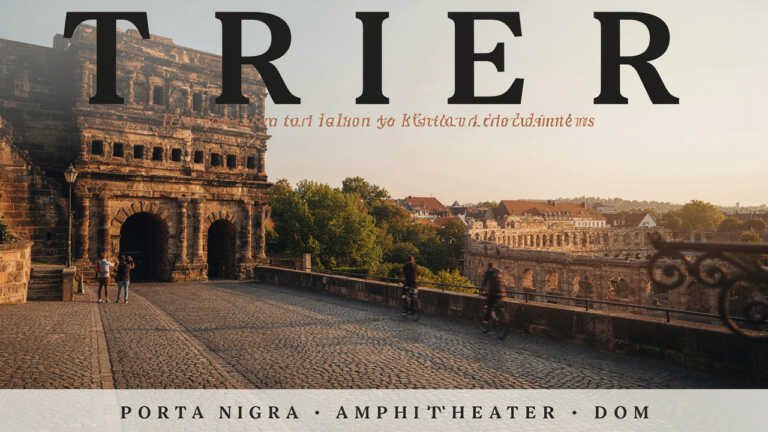
Trier, located in western Germany near the Luxembourg border, is one of the country’s most important destinations for Roman history. The city has a remarkable collection of ancient monuments alongside medieval churches, historic squares, and a relaxed town-centre atmosphere.
For travellers interested in archaeology and the history of the Roman Empire, Trier offers an experience that differs considerably from Germany’s castle towns and modern cities.
Visit the Porta Nigra
The Porta Nigra is Trier’s most famous landmark and one of the best-preserved Roman city gates north of the Alps. Its impressive stone structure provides a striking reminder of the city’s ancient past.
Explore the Roman Imperial Baths
Trier contains the remains of major Roman bathing complexes, including the Imperial Baths. These archaeological sites help visitors understand the scale and organisation of Roman public life. Check which areas are ope
Discover Trier Cathedral
Trier Cathedral is one of Germany’s oldest cathedral buildings. It combines architectural elements from different periods and has a long religious history. Visitors interested in architecture and heritage will find it a worthwhile stop.
Walk Through the Historic Centre
Trier’s central streets and squares offer cafés, shops, and historic buildings. Exploring on foot allows you to combine Roman landmarks with the city’s more recent architectural history.
Spring and early autumn are comfortable periods for walking between historical sites. Summer can also be pleasant for sightseeing, while winter offers a quieter atmosphere at many outdoor landmarks.
Allow one or two days to visit the main Roman monuments and historic sites.
Wear comfortable shoes for walking between attractions.
Check opening times for individual archaeological sites.
Consider exploring the nearby Moselle Valley if you have extra time.
- Official website: Trier Tourism
Frequently Asked Questions (FAQ)
What are the 20 best places to visit in Germany?
Some of the best places include Berlin, Munich, Neuschwanstein Castle, Hamburg, the Black Forest, Cologne, Dresden, Rothenburg ob der Tauber, Heidelberg, Saxon Switzerland National Park, Frankfurt, Nuremberg, Lübeck, Garmisch-Partenkirchen, Potsdam, Bremen, Freiburg, Würzburg, Rügen Island, and Trier.
What is the best time to visit Germany?
May, June, and September are popular months for sightseeing, comfortable walks, and exploring historic towns. December is ideal for travellers interested in Christmas markets.
How many days do you need to explore Germany?
Seven to ten days is a good starting point for visiting several major destinations. Two weeks or longer allows you to explore more cities, castles, and natural landscapes at a relaxed pace.
Which German city is best for first-time visitors?
Berlin is an excellent choice for first-time visitors because of its history, museums, landmarks, and public transport. Munich is another great option for Bavarian culture and access to Alpine scenery.
What are the most beautiful natural places in Germany?
The Black Forest, Saxon Switzerland National Park, the Bavarian Alps, and Rügen Island are wonderful choices for forests, mountains, coastal views, and outdoor activities.
Is Germany expensive for tourists?
Costs depend on the destination, season, accommodation, and activities. Booking transport and hotels early, travelling outside peak periods, and using public transport can help manage your budget.
Can you travel around Germany by train?
Yes. Many major cities are connected by rail, making train travel convenient for sightseeing. Some rural attractions may require a regional bus, taxi, or rental car.
What should I pack for a trip to Germany?
Pack comfortable walking shoes, weather-appropriate clothing, a light waterproof jacket, travel documents, and any necessary personal items. Check the forecast for your destinations before departure.
Is Germany suitable for a family holiday?
Yes. Germany offers family-friendly museums, castles, parks, zoos, scenic train journeys, and outdoor attractions. Choose activities according to your children’s ages and interests.
Do tourists need to know German to visit Germany?
Knowing basic German phrases is helpful, but English is commonly spoken in many tourist areas. Learning simple greetings and expressions can make your trip easier.

I am Sabiq Hasan Rasel. Coffee with Travel, Recipes & Reviews is a cozy and engaging content space that blends a love of coffee with exciting travel experiences, delicious recipes, and honest reviews. It offers inspiration for coffee lovers who enjoy exploring new places, trying unique flavors, and discovering lifestyle tips along the way.