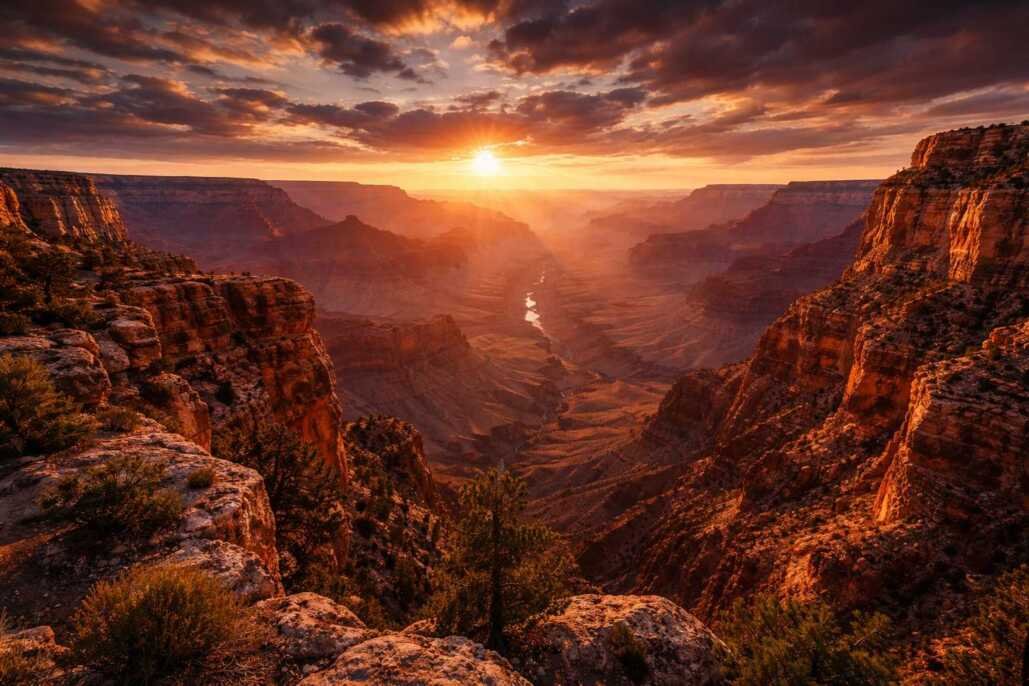
Arizona doesn’t do “subtle” when it comes to landscapes. The state is essentially a playground of cliffs, color, and depth—where millions of years of erosion have carved out some of the most jaw-dropping canyons in the world. Grand Canyon alone stretches over 277 miles and dives more than a mile deep, a scale that’s hard to even process in person . But beyond the obvious names, Arizona is full of canyons that feel just as dramatic—some for their sheer size, others for their light, color, or hidden beauty. Here are ten that truly stand out.
1. Grand Canyon – The Ultimate Scale of Drama
There’s no way around it—this is the benchmark.
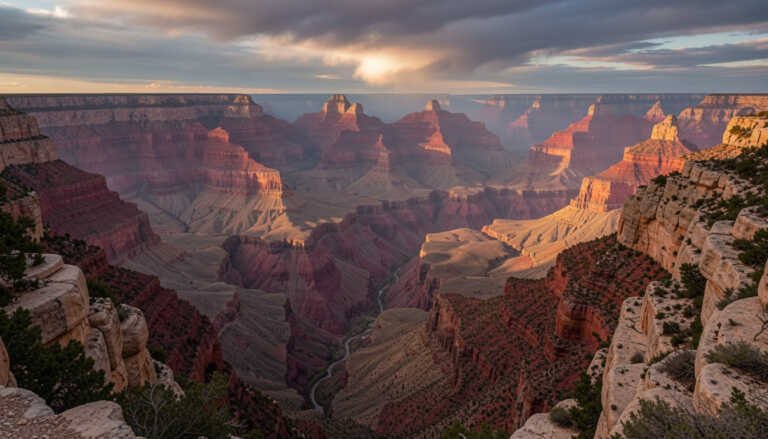
Standing on the rim of the Grand Canyon feels like looking into a different planet. The layered rock walls—some nearly two billion years old—tell a geological story that few places on Earth can match .
What makes it dramatic isn’t just size. It’s the way light changes the canyon every hour. Sunrise paints the walls in soft gold, while sunset turns everything deep red and purple.
- Best viewpoint: Mather Point or Desert View for first-time visitors
- Best time to visit: Spring (March–May) or fall (Sept–Nov) for mild weather
- Unique experience: Rim-to-Rim hike or rafting on the Colorado River
2. Antelope Canyon – Light Beams and Liquid Rock Walls
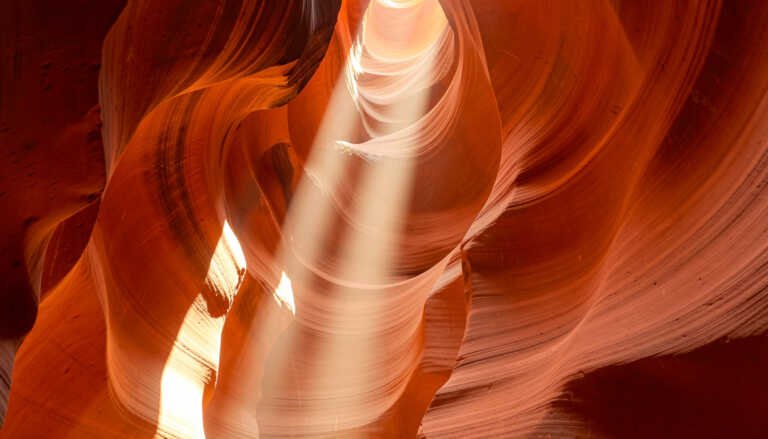
If the Grand Canyon is about scale, Antelope Canyon is about detail.
This narrow slot canyon is famous for its flowing sandstone walls and surreal light beams that shine down through cracks above. Formed by flash floods over centuries, the canyon looks almost sculpted by hand .
- The walls appear to “move” with curves and textures
- Sunlight creates glowing orange and gold effects
- Some sections are so narrow you can touch both sides
- Travel tip: You can only visit with a guided tour through the Navajo Nation. Midday tours offer the best light for photography.
3. Canyon de Chelly – Where Nature Meets History
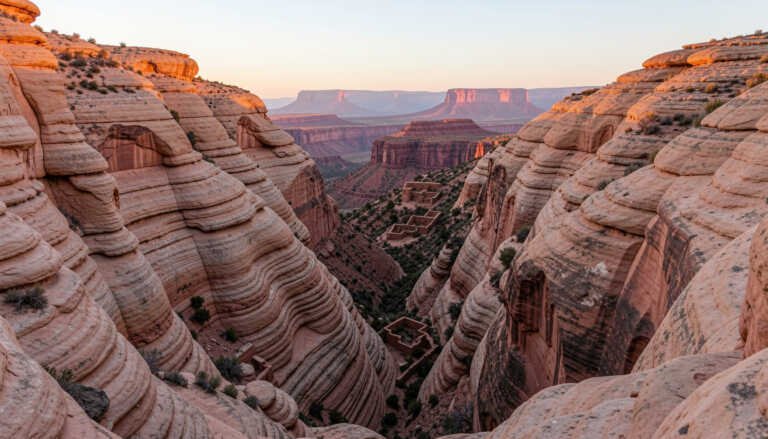
Canyon de Chelly offers something most canyons don’t: a living cultural landscape.
Massive sandstone walls rise above ancient cliff dwellings that have been inhabited for thousands of years. Unlike many scenic spots, this canyon is still home to Navajo families today.
- Combines dramatic cliffs with human history
- Features iconic formations like Spider Rock
- Less crowded than major tourist sites
- This canyon feels quieter, but in a powerful way—it’s not just about views, it’s about connection.
4. Havasu Canyon – Turquoise Water in the Desert
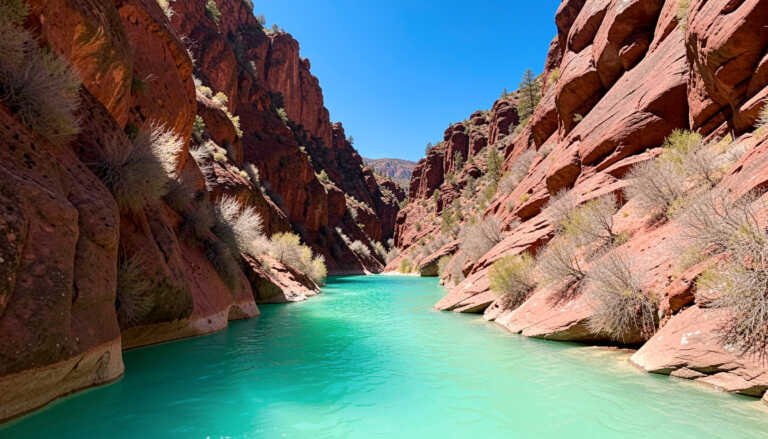
Hidden deep within the Grand Canyon region, Havasu Canyon looks almost unreal.
Bright turquoise waterfalls spill over red rock cliffs, creating one of the most striking color contrasts in the American Southwest.
- Waterfalls like Havasu Falls and Mooney Falls
- Vibrant blue-green water against desert tones
- Remote access (adds to the adventure)
- Permits are required and sell out quickly
- Expect a 10-mile hike or helicopter ride
- Best visited between April and June
5. Salt River Canyon – Arizona’s Underrated Giant
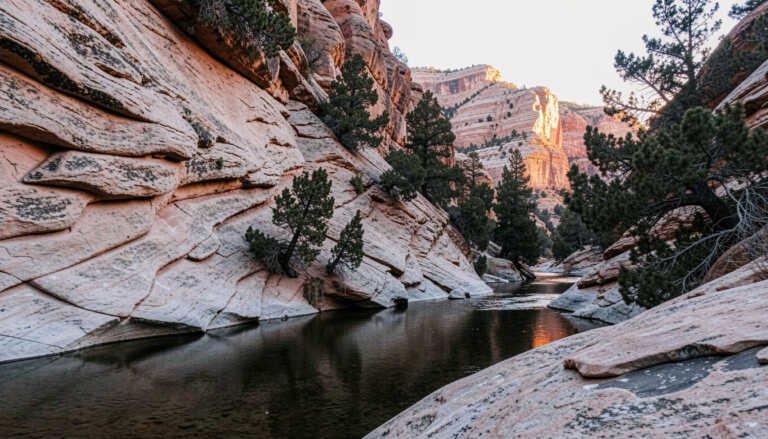
Often called “Arizona’s other Grand Canyon,” Salt River Canyon is a hidden gem.
It may not have the global fame, but the steep cliffs, winding river, and dramatic desert scenery make it unforgettable—especially if you drive through it.
- Stunning scenic drive along U.S. Route 60
- Excellent for rafting and outdoor adventure
- Far fewer crowds than major parks
6. Oak Creek Canyon – Arizona’s Scenic Forest Canyon
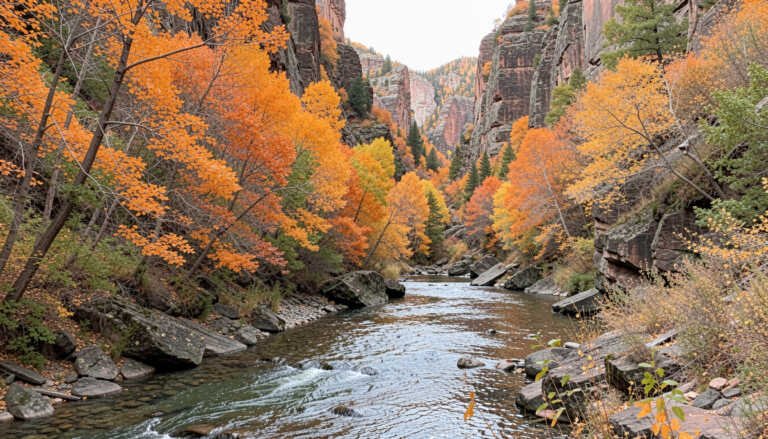
Often described as a smaller cousin of the Grand Canyon, Oak Creek Canyon offers a completely different vibe—lush greenery, red rock cliffs, and winding roads that feel like a movie scene.
Unlike the desert-heavy landscapes Arizona is known for, this canyon surprises visitors with pine forests, flowing water, and seasonal color changes.
- Sharp red cliffs rising above a narrow, winding road
- Seasonal fall colors that turn the canyon into a painting
- Oak Creek running through the canyon floor
- Best experience: Drive the scenic SR 89A between Flagstaff and Sedona for the most iconic views.
7. Sycamore Canyon – Arizona’s Wilderness Gem
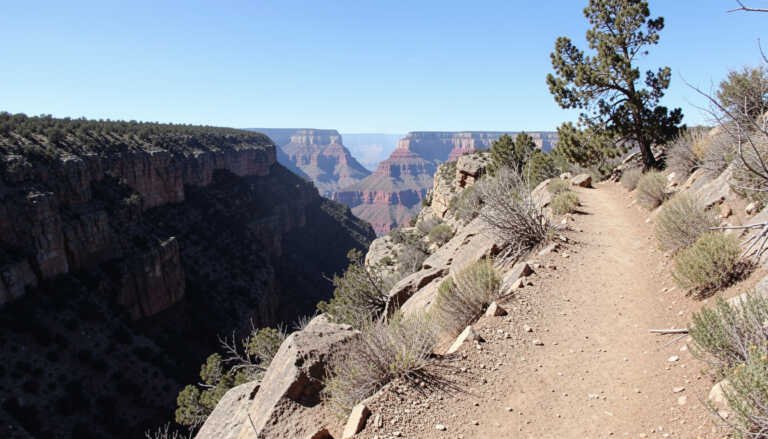
Located between Sedona and Prescott, Sycamore Canyon is Arizona’s second-largest canyon but remains surprisingly under-visited.
It’s part of a protected wilderness area, meaning no major development—just raw nature.
- Deep, rugged canyon walls with volcanic rock formations
- Wild, untouched landscape with hiking-only access
- Rich wildlife including deer, javelina, and birds of prey
- Travel tip: The Sycamore Rim Trail offers some of the best panoramic canyon views without heavy crowds.
8. Chevelon Canyon – The Hidden Forest Canyon
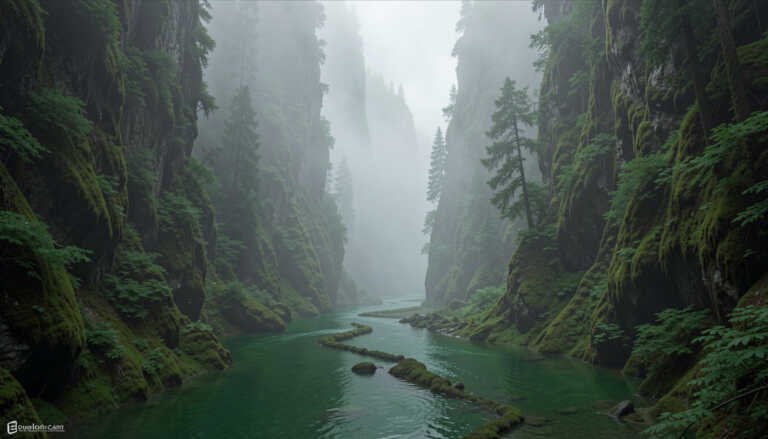
If you want something truly off the radar, Chevelon Canyon is one of Arizona’s best-kept secrets.
It’s located in the Mogollon Rim region and feels almost like stepping into another world—dense forest meeting steep canyon drops.
- Remote and extremely peaceful
- Dramatic cliff edges overlooking a deep gorge
- Fishing spots along Chevelon Creek
- This is not a tourist canyon—it’s more for hikers, campers, and solitude seekers.
9. West Clear Creek Canyon – Water and Wilderness Combined
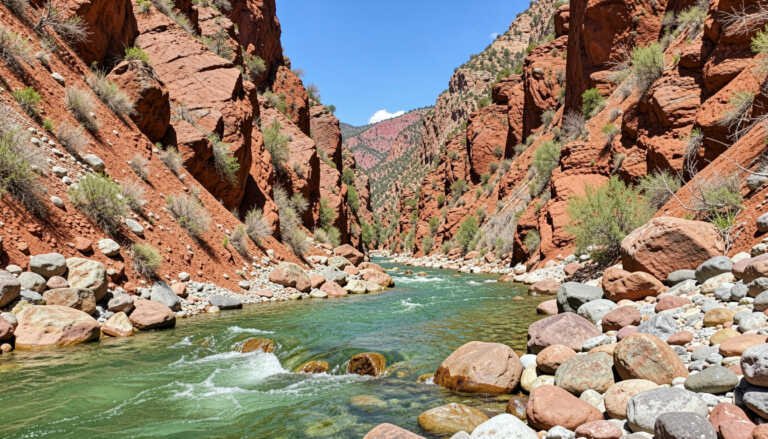
West Clear Creek Canyon is one of Arizona’s most beautiful hiking canyons, known for combining water, greenery, and towering rock walls.
Unlike dry desert canyons, this one often involves creek crossings and shaded trails.
- Crystal-clear creek flowing through narrow canyon walls
- Sheer cliffs covered in greenery
- Hidden swimming holes in warmer months
- Good to know: Expect moderate-to-difficult hiking conditions depending on water levels.
10. Tonto Natural Bridge Canyon – A Natural Wonder Formation
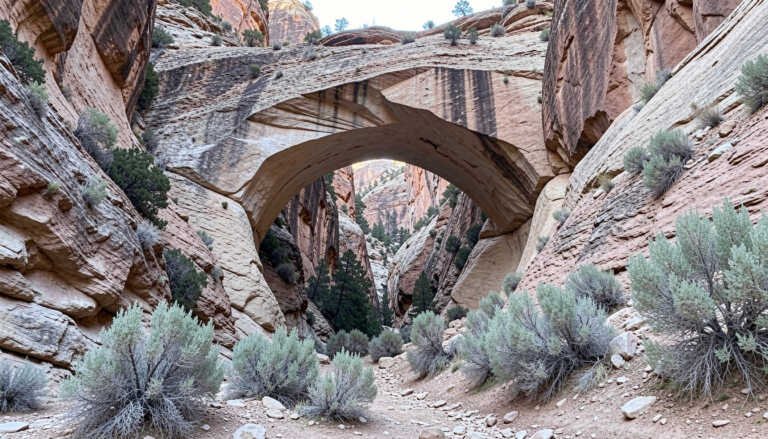
This canyon is home to one of the largest natural travertine bridges in the world, making it visually unique compared to other Arizona canyons.
It’s located in a state park and offers easy access viewpoints as well as trails that go under the bridge.
- Giant natural stone bridge spanning over a canyon
- Waterfalls flowing beneath the rock formation
- Unique geology unlike typical Arizona landscapes
- Best viewpoint: The Pine Creek Trail gives the most immersive canyon experience.
Final Thoughts
Arizona’s canyons are more than just scenic viewpoints—they’re living landscapes shaped by time, water, and erosion. From world-famous icons like the Grand Canyon to hidden gems like Chevelon Canyon, each one offers a different kind of drama. Some impress with sheer scale, others with color, water, or quiet isolation. If you’re exploring Arizona, mixing popular spots with lesser-known canyons will give you the most complete experience of the state’s natural beauty.
Frequently Asked Questions (FAQs)
1. What is the most dramatic canyon in Arizona?
The Grand Canyon is generally considered the most dramatic due to its size and depth, but places like Antelope Canyon and Havasu Canyon are equally stunning in different ways.
2. Which canyon is best for photography?
Antelope Canyon is the top choice for photography because of its light beams and smooth sandstone formations.
3. Do I need permits to visit Arizona canyons?
Yes, some areas like Havasu Canyon and Antelope Canyon require permits or guided tours, while others are freely accessible.
4. What is the best time to visit Arizona canyons?
Spring and fall are ideal due to comfortable temperatures and better hiking conditions.
5. Are there hidden canyons in Arizona worth visiting?
Yes, canyons like Sycamore Canyon, West Clear Creek Canyon, and Chevelon Canyon are less crowded but extremely beautiful.

I am Sabiq Hasan Rasel. Coffee with Travel, Recipes & Reviews is a cozy and engaging content space that blends a love of coffee with exciting travel experiences, delicious recipes, and honest reviews. It offers inspiration for coffee lovers who enjoy exploring new places, trying unique flavors, and discovering lifestyle tips along the way.