Arizona has a way of surprising you. One minute you’re driving through a stretch of desert that feels almost empty, and the next, you’re standing in front of a landscape that looks like it belongs on another planet. If you’re chasing that perfect shot—or just want to soak in unforgettable scenery—these ten spots deliver every time.
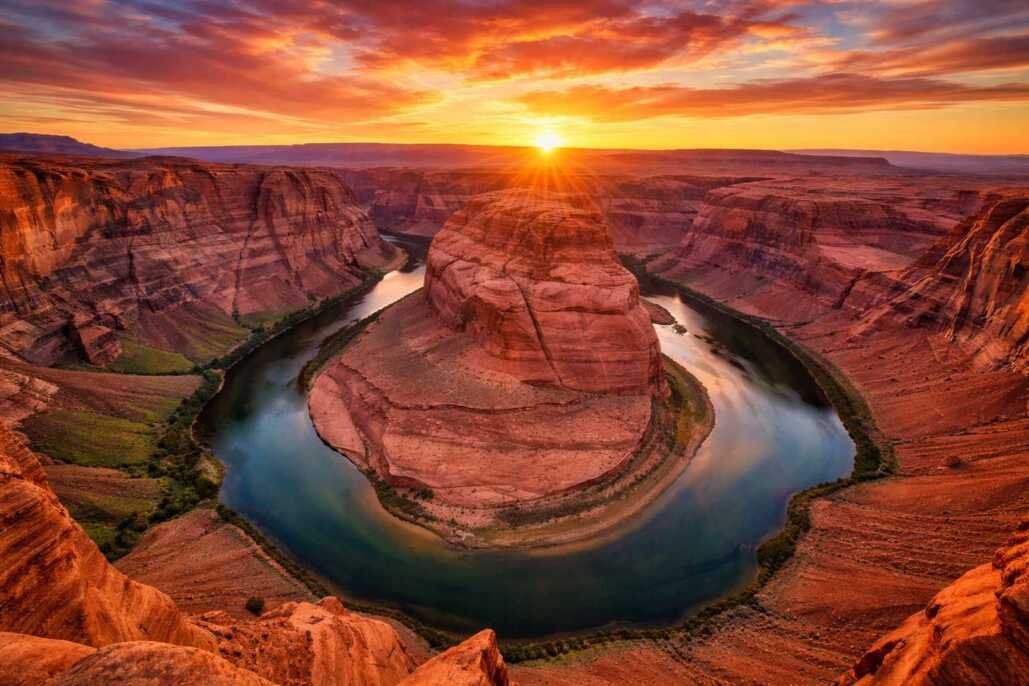
1. Horseshoe Bend
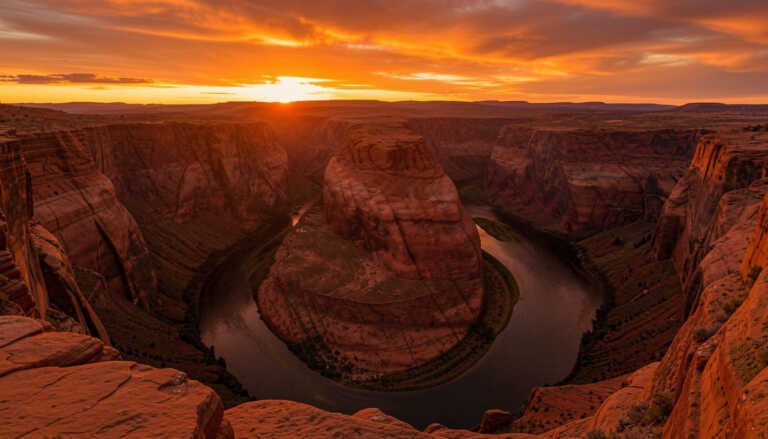
There’s a reason this place shows up all over Instagram—it’s genuinely that striking. The Colorado River makes a near-perfect curve here, carving through deep red canyon walls. From the overlook, you get a sweeping, dramatic view that’s hard to replicate anywhere else.
- The contrast between the emerald river and rust-colored rock
- Natural symmetry that looks almost too perfect
- Changing light throughout the day adds different moods
- Best time to visit: Late afternoon for softer shadows and warmer tones.
- Helpful tip: There’s a short walk from the parking area, so bring water—especially in summer.
2. Antelope Canyon
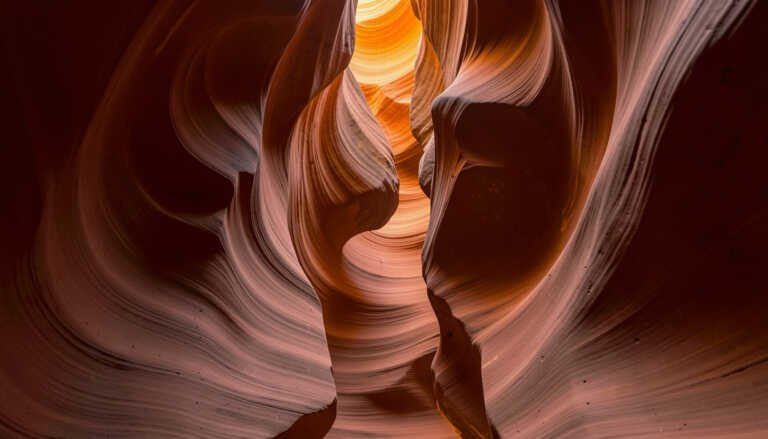
If you’ve ever seen photos of golden light beams streaming through narrow canyon walls, this is the place. Antelope Canyon is actually split into Upper and Lower sections, and both offer completely different photography experiences.
- Smooth, wave-like sandstone formations
- Light beams that create surreal effects (especially in Upper Canyon)
- Rich orange and gold color palette
- Best time to visit: Midday for light beams in Upper Canyon; morning or late afternoon for fewer crowds.
- Important note: You can only visit with a guided tour, so plan ahead.
3. Grand Canyon (South Rim)
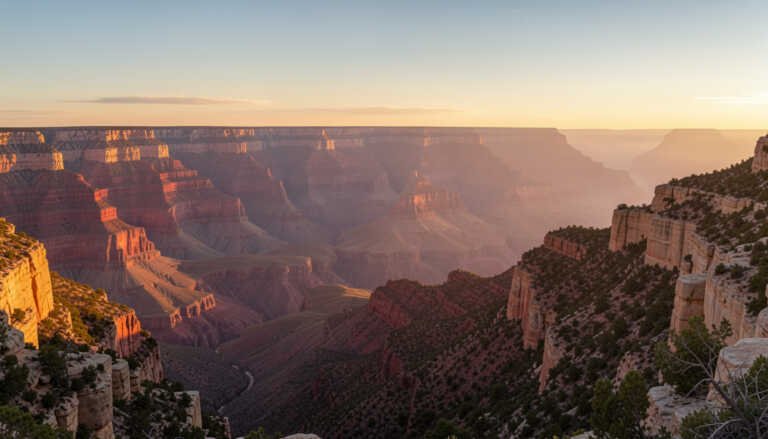
You’ve probably seen photos of the Grand Canyon before—but nothing prepares you for seeing it in person. The scale alone makes it one of the most powerful landscapes in the U.S.
- Endless layers of rock formations
- Dramatic shadows during sunrise and sunset
- Multiple viewpoints offering completely different compositions
- Mather Point (great for first-time visitors)
- Yavapai Point (less crowded, excellent depth)
- Best time to visit: Sunrise if you want fewer people and softer light.
4. Cathedral Rock
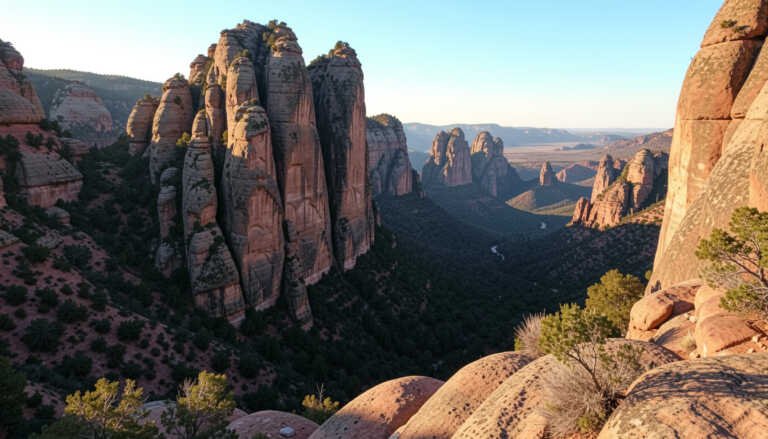
Sedona’s red rock country is full of stunning views, but Cathedral Rock stands out. Its towering formation, reflected in nearby water after rain, creates one of the most iconic scenes in Arizona.
- Sharp, dramatic rock spires
- Reflection shots at Red Rock Crossing
- Warm red tones that glow at sunset
- Best time to visit: Golden hour—right before sunset is when the colors really pop.
- Extra tip: Try shooting from different angles; the formation changes character depending on where you stand.
5. Monument Valley
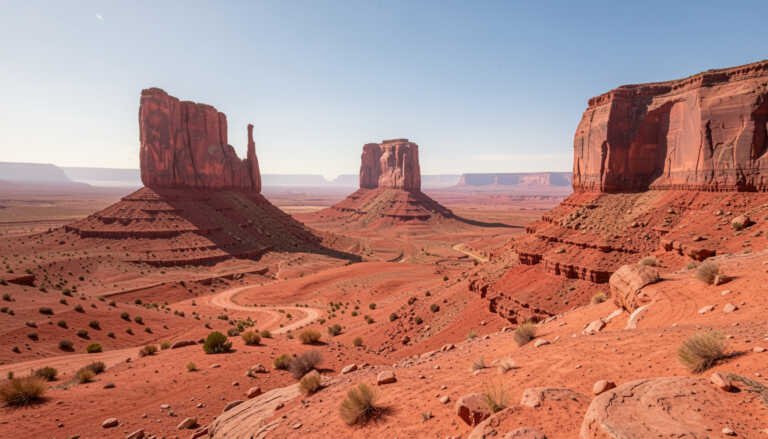
If you’ve ever watched a classic Western film, chances are you’ve already seen Monument Valley. Its towering sandstone buttes rising from the desert floor create a timeless, cinematic landscape.
- Massive rock formations isolated in open desert
- Deep shadows that add depth and drama
- Iconic “American West” feel
- Best time to visit: Sunrise or sunset for long shadows and rich colors.
- Important note: The area is managed by the Navajo Nation—respect local guidelines and culture.
6. The Wave
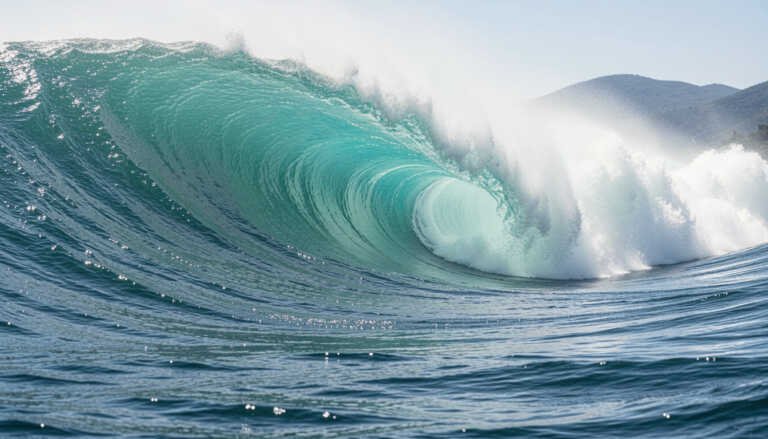
This place almost looks unreal. The Wave is famous for its swirling sandstone patterns that resemble flowing water frozen in time. It’s one of the most exclusive photography locations in the U.S., mainly because access is tightly limited.
- Unique wave-like rock formations with smooth curves
- Rich gradients of red, orange, and yellow
- Endless abstract compositions for creative shots
- Best time to visit: Early morning for softer light and fewer shadows.
- Important note: You’ll need a permit through a lottery system—plan months ahead.
7. Saguaro National Park
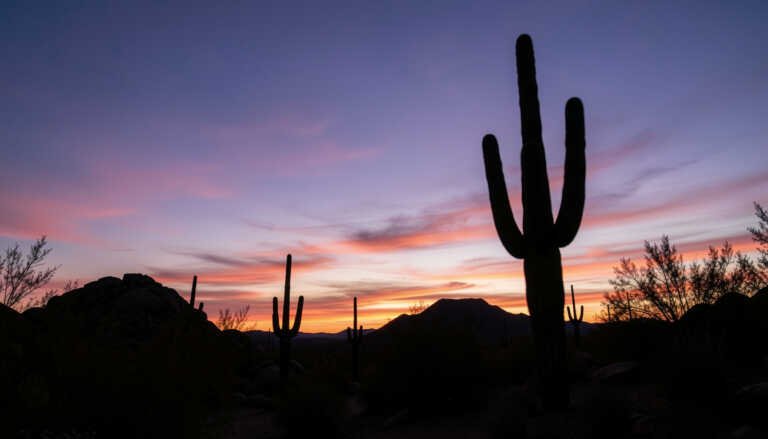
If you picture Arizona as a classic desert filled with towering cacti, this is exactly what you’re imagining. Located near Tucson, this park is home to the iconic saguaro cactus.
- Tall, sculptural cacti that create strong silhouettes
- Vibrant sunsets that light up the desert sky
- Seasonal wildflowers adding pops of color
- Best time to visit: Sunset for dramatic sky colors and cactus silhouettes.
8. Havasu Falls
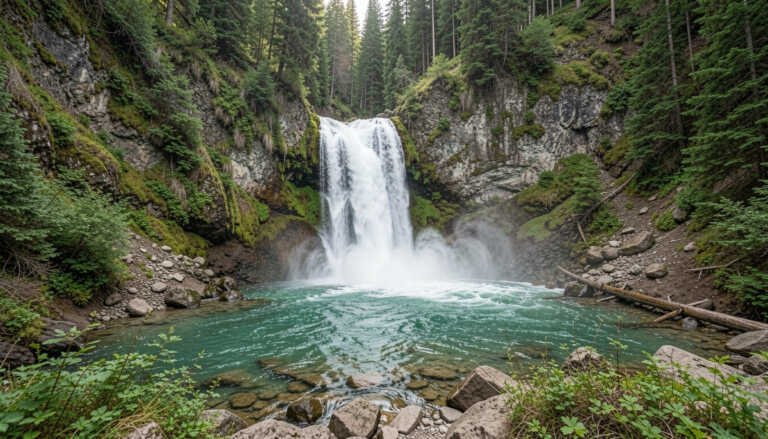
Bright turquoise water flowing over red rock cliffs—it’s the kind of contrast that instantly stands out in photos. Havasu Falls feels more like a tropical oasis than a desert destination.
- Unreal blue-green water color
- Multi-tiered waterfalls surrounded by canyon walls
- Lush greenery against desert rock
- Best time to visit: Late morning when sunlight hits the water directly.
- Important note: Access requires permits and a hike, so it takes planning.
9. Vermilion Cliffs National Monument
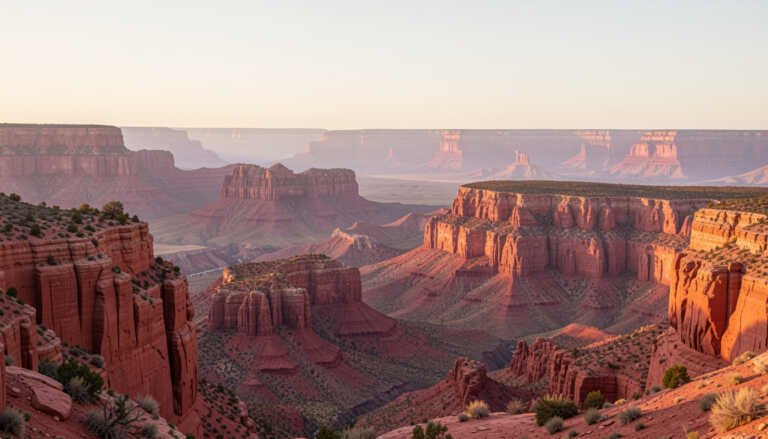
Less crowded but just as stunning, this area is packed with colorful rock formations, cliffs, and remote desert landscapes. It’s perfect if you want dramatic photos without the heavy tourist traffic.
- Deep red cliffs and layered rock textures
- Wide-open landscapes with minimal distractions
- A sense of isolation that adds mood to photos
- Best time to visit: Sunrise for soft light and quiet surroundings.
10. Oak Creek Canyon
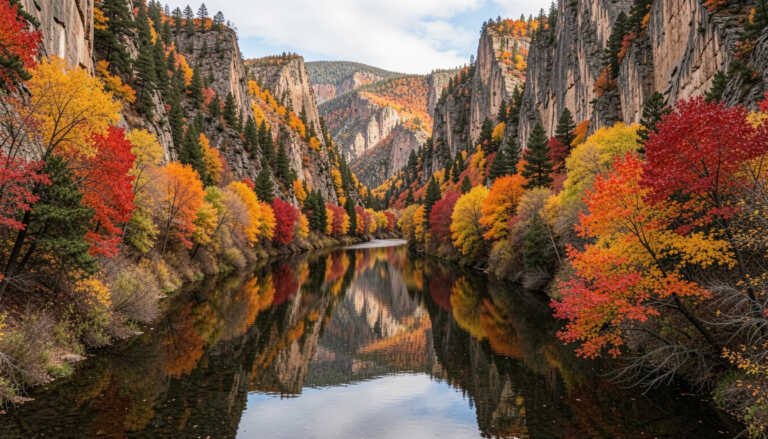
Often compared to a smaller version of the Grand Canyon, Oak Creek Canyon offers a mix of forest, cliffs, and flowing water. It’s especially beautiful during fall when the leaves change color.
- A mix of red rock and green forest landscapes
- Scenic drive viewpoints along the canyon
- Seasonal color changes, especially in autumn
- Best time to visit: Early morning for calm light and fewer visitors.
Final Thoughts
Arizona is one of those places where every turn feels like a postcard moment. From towering red rocks to hidden waterfalls, the variety of landscapes makes it a dream for photographers and travelers alike. If you plan your timing well—especially around sunrise and sunset—you’ll not only get better photos but also enjoy a quieter, more personal experience. Take your time at each spot, and don’t rush—the best views often come when you slow down and look a little closer.
Frequently Asked Questions (FAQs)
1. What is the best time of year to visit Arizona for photography?
Spring (March–May) and fall (September–November) offer the best weather and lighting conditions.
2. Do I need permits for all locations?
No, but places like The Wave and Havasu Falls require advance permits.
3. Are these spots beginner-friendly?
Most viewpoints are easy to access, though a few locations involve short hikes or guided tours.
4. What camera gear should I bring?
A wide-angle lens, tripod, and extra batteries are ideal for landscape photography.
5. Can I visit multiple locations in one trip?
Yes, but plan at least 5–7 days since many of these spots are spread across northern Arizona.

I am Sabiq Hasan Rasel. Coffee with Travel, Recipes & Reviews is a cozy and engaging content space that blends a love of coffee with exciting travel experiences, delicious recipes, and honest reviews. It offers inspiration for coffee lovers who enjoy exploring new places, trying unique flavors, and discovering lifestyle tips along the way.