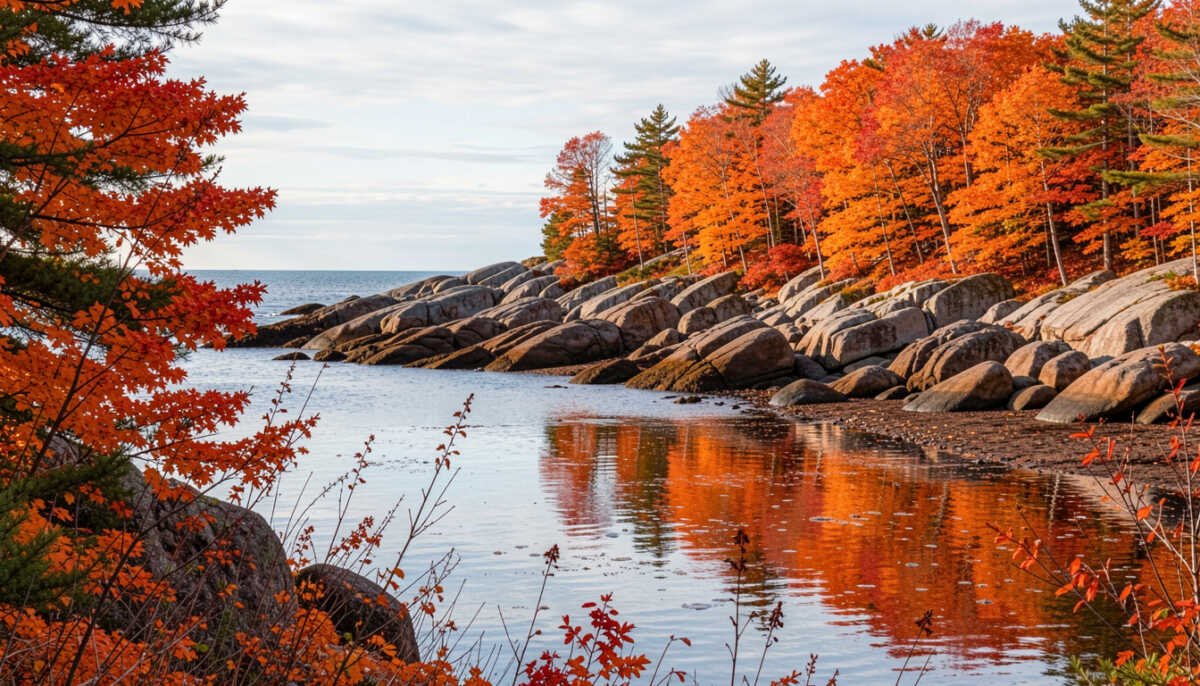
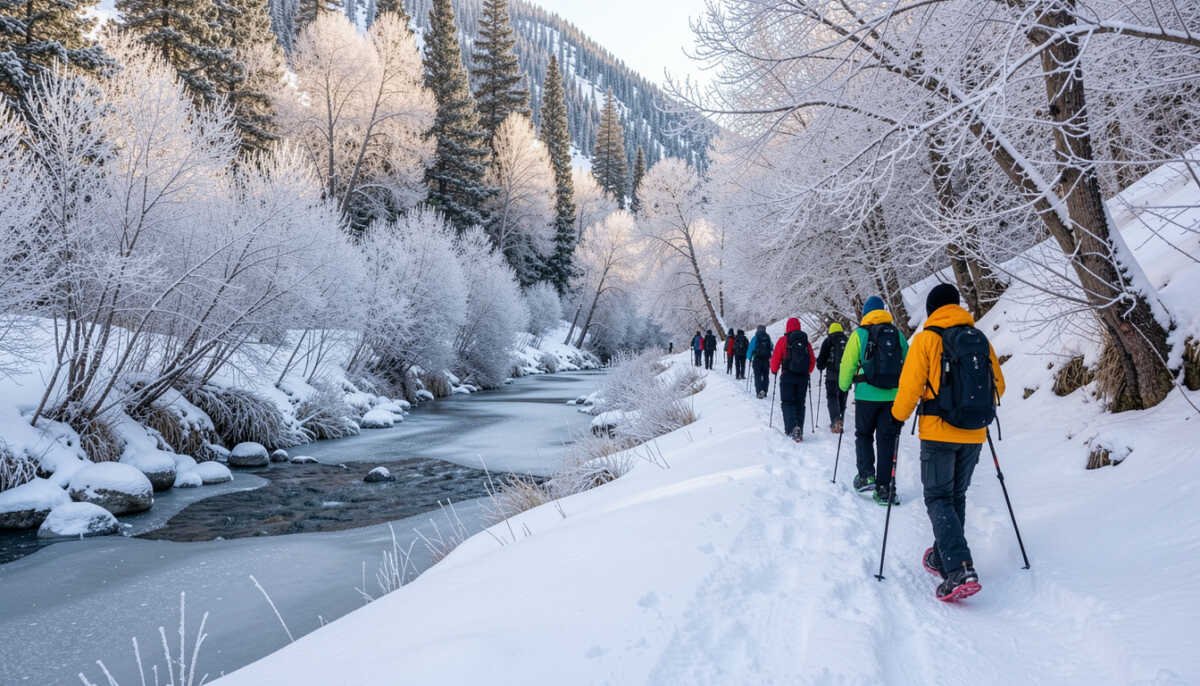
Aspen in winter feels like stepping into a quiet white world where everything slows down. The snow covers the mountains, the trees turn into soft white silhouettes, and every trail feels like a new adventure waiting to be discovered. If you’re planning a winter trip, snowshoeing and winter hiking are honestly some of the best ways to experience Aspen beyond skiing. You don’t need to be an expert—just a decent pair of snowshoes, warm layers, and a bit of curiosity. Below are 10 of the best winter hiking and snowshoe trails in Aspen that locals and visitors keep coming back to every year.
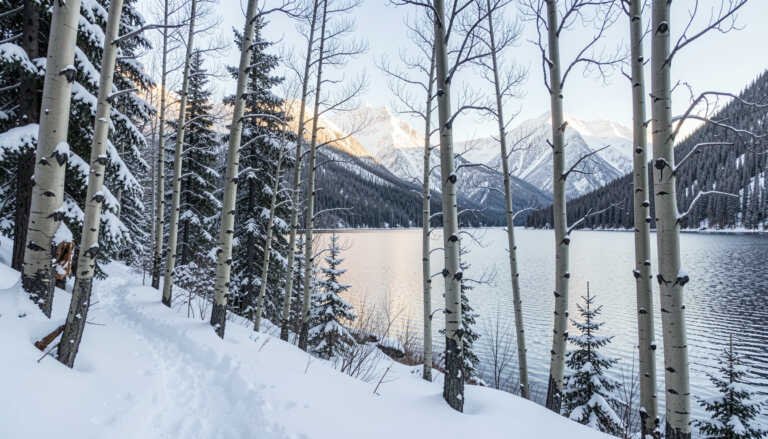
This is probably the most iconic winter snowshoe route near Aspen—and for good reason. The scenery here is unreal. Snow-covered peaks, frozen forests, and the quiet reflection of the Maroon Bells make it feel almost cinematic.
In winter, the road toward Maroon Lake becomes a peaceful snowshoeing corridor. It’s long but not technically difficult, which makes it popular for both beginners and experienced hikers.
Why people love it:
- Incredible views of the Maroon Bells
- Wide, easy-to-follow winter route
- Perfect for photography
- Good to know: Conditions can change quickly, so check local updates before heading out.
2. Richmond Ridge Trail
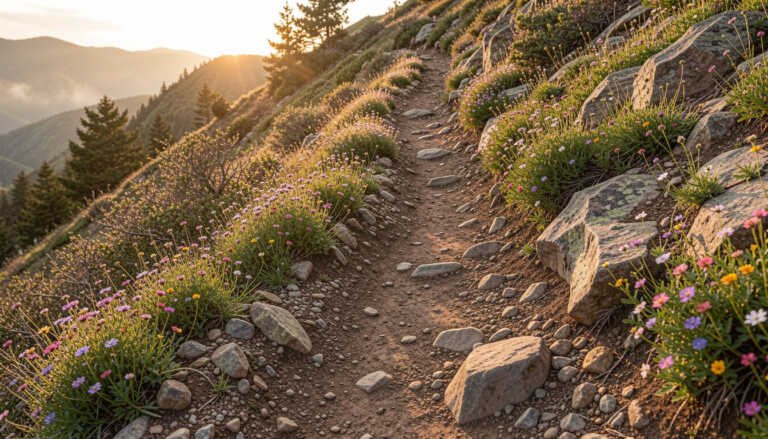
Richmond Ridge is one of those trails that feels like you’re walking along the top of the world. It stretches above Aspen Mountain and gives you open views of the entire valley below.
You can access it via the Silver Queen Gondola, which already makes the journey feel special before you even start snowshoeing.
Why it stands out:
- Wide ridgeline with panoramic views
- Accessible from Aspen Mountain gondola
- Light to moderate difficulty
- On clear winter days, the views stretch for miles and the silence up there is something you don’t forget easily.
3. Hunter Creek Valley Trail
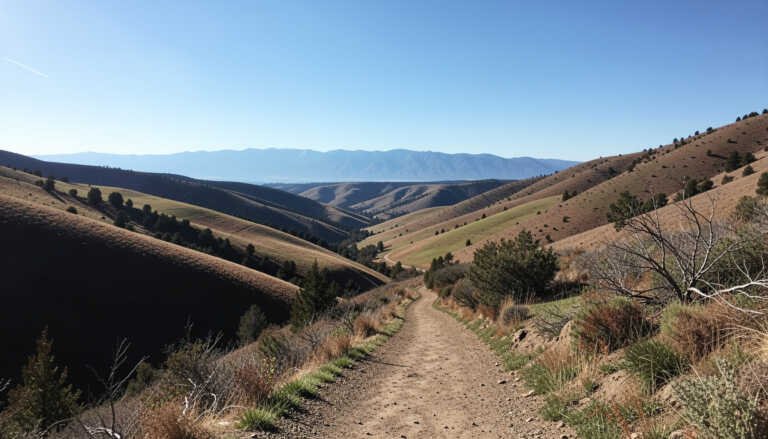
If you’re looking for something closer to town, Hunter Creek Valley is a great winter option. It’s more sheltered, meaning less wind and a calmer snowshoeing experience through forested terrain.
This trail is especially good after fresh snowfall when everything looks untouched and soft.
Highlights:
- Easy access from Aspen
- Beautiful pine and aspen forests
- Less crowded than major scenic spots
- It’s also a favorite for locals who want a quick winter escape without going too far.
4. Independence Pass Winter Route
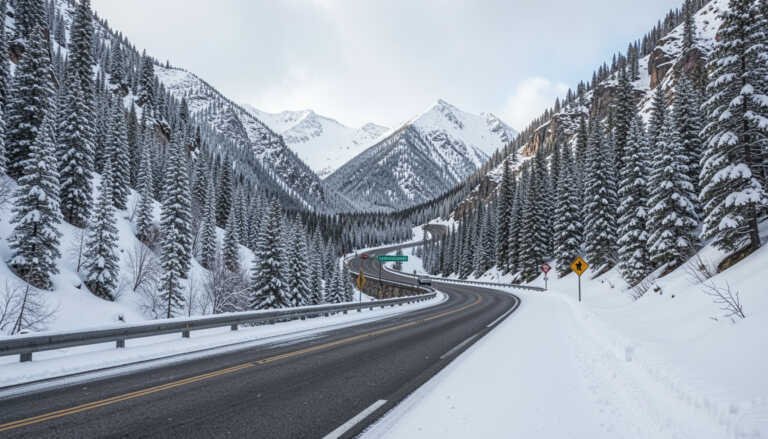
When Independence Pass closes for the winter, it turns into a long, quiet snowshoeing route that feels completely different from its summer version.
The road becomes covered in deep snow, and the silence out here is next level. It’s not a short walk, but it’s one of those “just keep going and enjoy it” kind of experiences.
What to expect:
- Wide open winter landscapes
- Long-distance snowshoeing
- Very peaceful, low traffic
- Important: This area can get extreme weather, so always check conditions before planning.
5. Ashcroft Ghost Town Area Trails
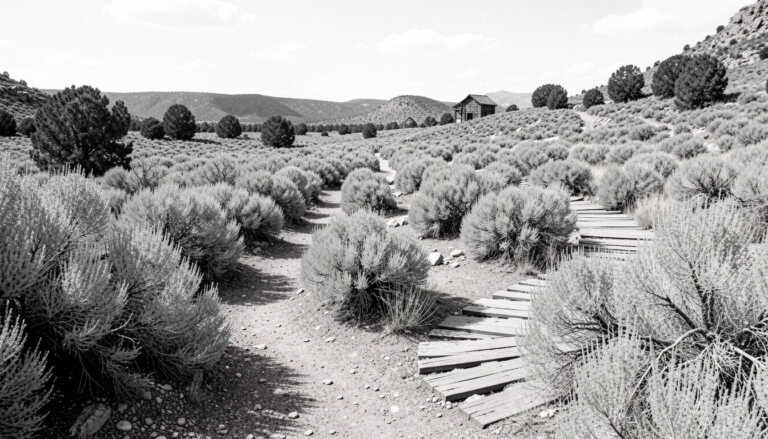
Snowshoeing in Ashcroft is like walking through history. The abandoned mining town, surrounded by snowy peaks, creates a unique winter atmosphere you won’t find anywhere else in Aspen.
The trails around here are easy to moderate and often used for guided snowshoe tours.
Why it’s special:
- Historic ghost town setting
- Family-friendly winter trails
- Great for guided experiences
6. Cathedral Lake Trail (Castle Creek Valley)
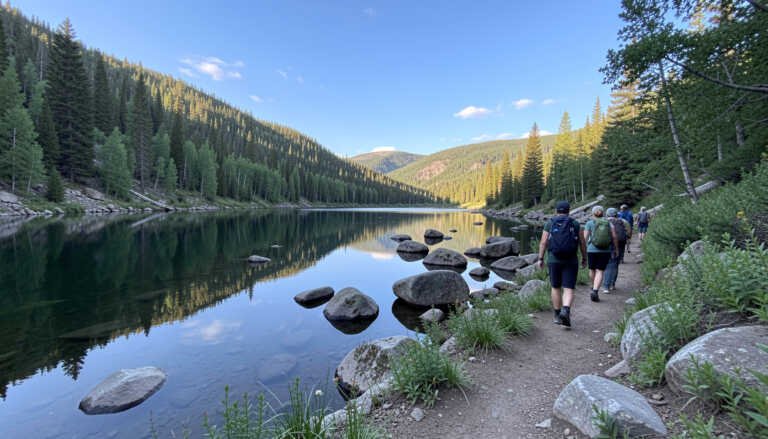
If you want a trail that feels a bit more adventurous, Cathedral Lake Trail is a perfect pick. In winter, the route becomes a challenging but rewarding snowshoe trek through snowy forests and steep terrain.
The frozen lake area and surrounding peaks create a dramatic alpine scene that feels untouched.
Why it’s worth it:
- Stunning alpine lake views
- Quiet and less crowded in winter
- Great for experienced snowshoers
- Located in the Castle Creek Valley area
7. American Lake Trail (Castle Creek Valley)
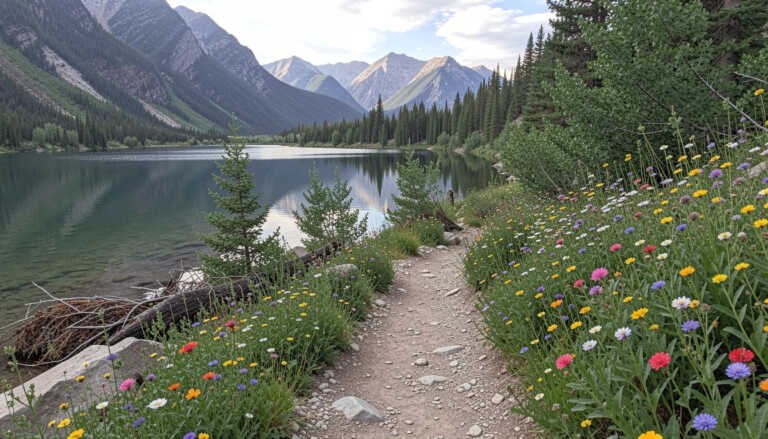
Another gem in the Castle Creek Valley is American Lake Trail. This winter route is known for its peaceful forest sections and gradual climb toward a beautiful alpine lake.
It’s a bit long, but the scenery makes every step worth it.
Highlights:
- Beautiful snow-covered pine forests
- Scenic frozen lake at the end
- Ideal for intermediate hikers
- This area is also a favorite for locals who want a full-day snowshoe adventure away from busy spots.
8. Sunnyside Trail (Aspen Mountain Area)
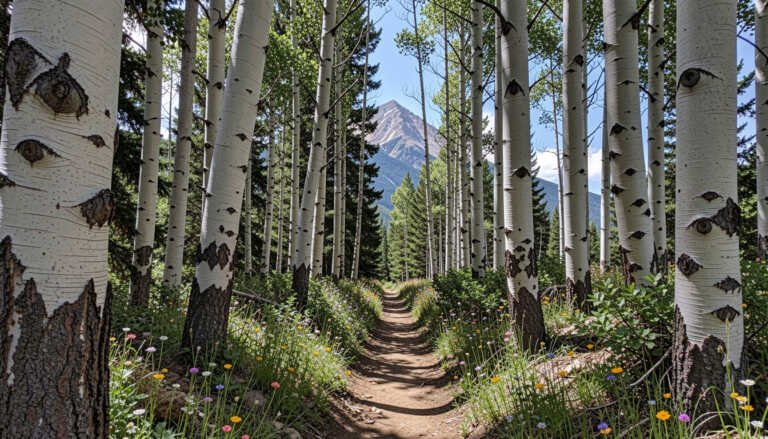
Sunnyside Trail is one of the best “close-to-town” winter hikes in Aspen. It’s located near Aspen Mountain and offers a steady uphill snowshoe route through quiet wooded slopes.
Because of its location, it’s often used by locals for quick winter workouts.
Why people like it:
- Easy access from Aspen town
- Consistent snow coverage
- Great for fitness-focused snowshoeing
- On clear days, you’ll also get partial views of the valley as you climb higher.
9. Government Trail (Aspen to Snowmass Corridor)
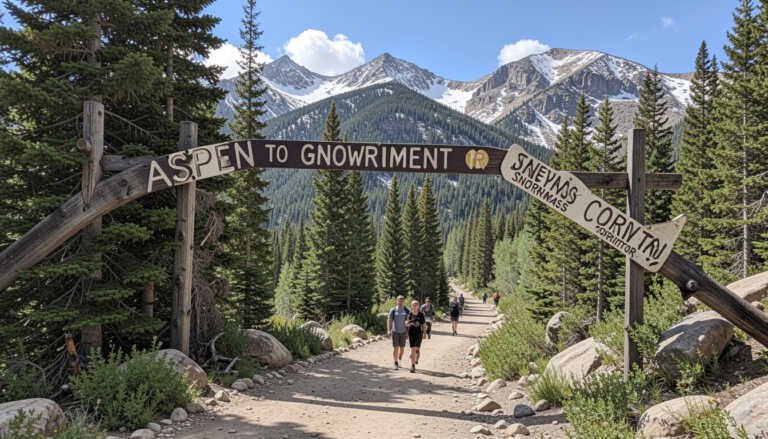
The Government Trail is a classic winter route connecting Aspen and Snowmass Village. It’s long, scenic, and offers a mix of forested sections and open snowy landscapes.
In winter, it transforms into a peaceful snowshoeing corridor used by both hikers and cross-country skiers.
Key highlights:
- Long scenic winter route
- Connects Aspen and Snowmass areas
- Quiet and immersive forest experience
10. Snowmass Creek & Ski Area Snowshoe Trails
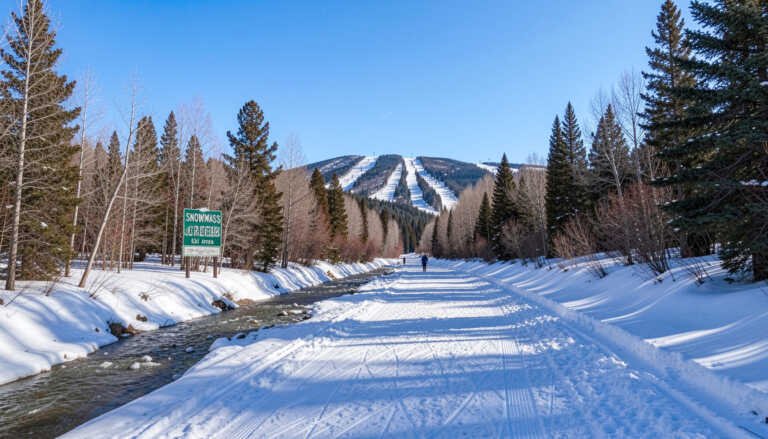
The Snowmass region has some of the most beginner-friendly winter snowshoe options. Around Snowmass Ski Area, you’ll find groomed and marked snowshoe routes that are perfect for relaxed winter exploration.
These trails are ideal if you’re new to snowshoeing or traveling with family.
Why it stands out:
- Beginner-friendly winter terrain
- Well-marked routes
- Great views of Snowmass Mountain
- You can also easily rent snowshoe gear nearby in Snowmass Village.
Conclusion
Adding these five trails gives you a much deeper look at winter snowshoeing around Aspen. From peaceful valley walks to challenging alpine climbs, each route offers a different side of Colorado’s winter beauty.
If you’re building a travel guide, combining these with your earlier list will give readers a complete “Aspen winter experience” they can actually plan from.
Frequently Asked Questions (FAQ)
1. Do I need snowshoes for winter hiking in Aspen?
- Yes, in most trails snowshoes are highly recommended because snowfall can be deep and regular hiking boots may not be enough.
2. When is the best time for snowshoeing in Aspen?
- The best time is typically from December to March, when snow conditions are most stable.
3. Are Aspen snowshoe trails beginner-friendly?
- Yes, many trails like Hunter Creek and Snowmass area routes are great for beginners, while others are more advanced.
4. Can I rent snowshoe gear in Aspen?
- Yes, several local shops in Aspen and Snowmass Village offer snowshoe rentals during winter.
5. Is it safe to snowshoe alone in Aspen?
- It’s better to go with a partner or guide, especially on remote or high-elevation trails where weather can change quickly.

I am Sabiq Hasan Rasel. Coffee with Travel, Recipes & Reviews is a cozy and engaging content space that blends a love of coffee with exciting travel experiences, delicious recipes, and honest reviews. It offers inspiration for coffee lovers who enjoy exploring new places, trying unique flavors, and discovering lifestyle tips along the way.