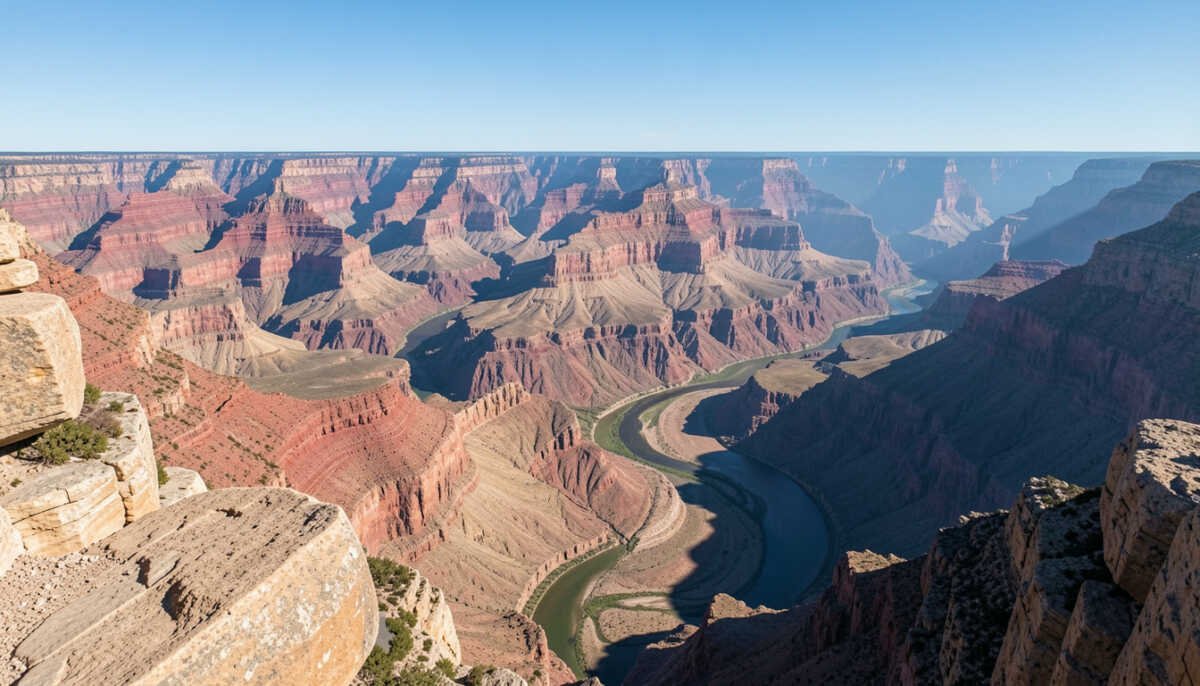
There are places you visit, and then there are places that stay with you. The Grand Canyon is definitely the second kind. The first time I stood at the rim, I remember thinking how impossible it felt to take it all in at once. The canyon isn’t just wide—it’s layered, textured, constantly changing depending on the light. And that’s exactly why choosing the right viewpoints matters. If you don’t plan ahead, it’s easy to miss some of the most incredible angles. So here are ten viewpoints that I genuinely think give you the best overall experience—especially if it’s your first visit.
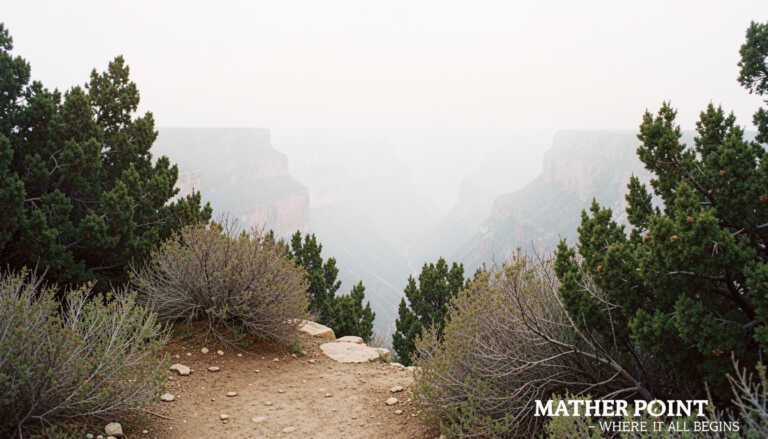
Most people start at Mather Point, and honestly, that’s not a bad thing at all.
It’s just a short walk from the visitor center, but the moment you reach the edge, the view opens up dramatically. You’ll see a massive stretch of the canyon, with layered rock formations fading into the distance. On a clear day, the depth feels almost unreal.
What stood out to me here was how accessible it is. You don’t need to hike or plan much—just show up and the canyon is right there in front of you.
- Wide, open panoramic views
- Railings and multiple viewing angles
- Crowds, especially midday
- Best time to visit: Early morning. Sunrise here is quiet, cool, and far less crowded.
2. Yavapai Point – Understanding the Canyon
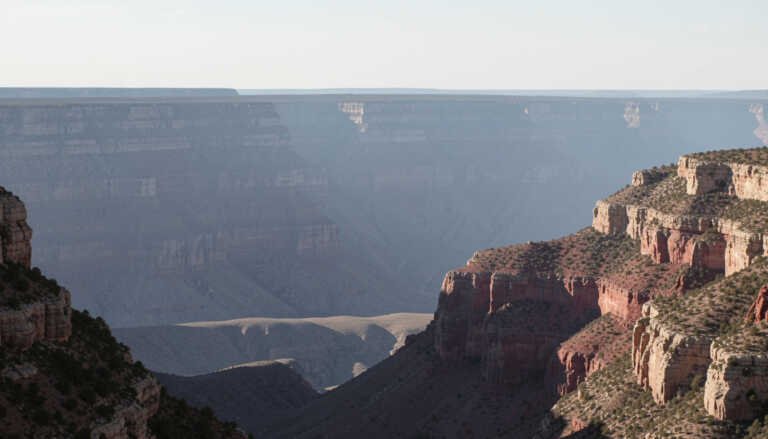
Just a short walk from Mather Point, Yavapai Point feels more immersive.
This viewpoint gives you one of the clearest looks at the inner canyon, including a visible stretch of the Colorado River. But what really makes it special is the nearby Yavapai Geology Museum.
I didn’t expect much from the museum at first, but it actually helped me understand what I was looking at—the layers of rock, their age, and how the canyon formed over millions of years.
- One of the best places to see the canyon’s depth
- Educational displays that add real context
- Slightly less crowded than Mather Point
- Tip: Step inside the museum briefly before heading out to the viewpoint—it changes how you see everything.
3. Hopi Point – The Sunset You Won’t Forget
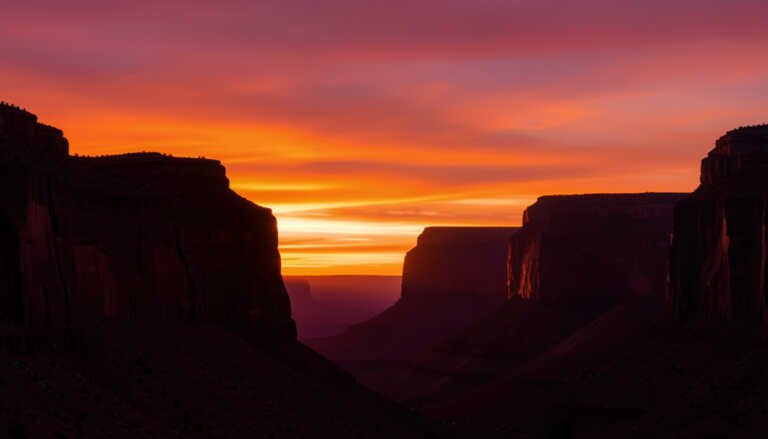
If you only choose one place for sunset, make it Hopi Point.
This viewpoint extends further into the canyon than many others, which gives you a broader viewing angle. As the sun begins to drop, the canyon walls start shifting colors—gold, orange, red, and eventually deep purple.
I stayed longer than I planned here, just watching the light change minute by minute. It’s one of those rare moments where time slows down.
- Access is usually via shuttle bus (especially in peak season)
- Very popular at sunset—arrive early
- Incredible for photos, even with a phone
4. Desert View Watchtower – A Different Perspective
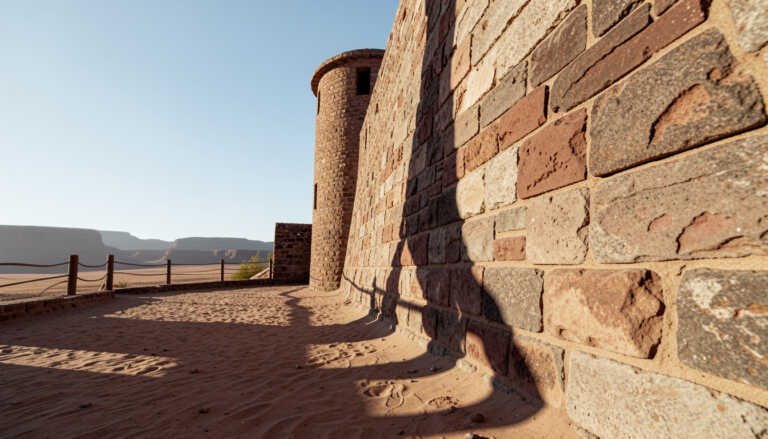
Located about 25 miles east of the main South Rim area, Desert View feels quieter and more open.
The highlight here is the historic watchtower. You can climb to the top and get a full 360-degree view—not just of the canyon, but also the surrounding desert landscape.
What I liked most was how different the canyon looks from this side. The Colorado River becomes more visible, and the terrain feels less crowded and more expansive.
- Unique elevated viewpoint
- Fewer crowds compared to central viewpoints
- A mix of canyon and desert scenery
5. Moran Point – Quiet, Colorful, Underrated
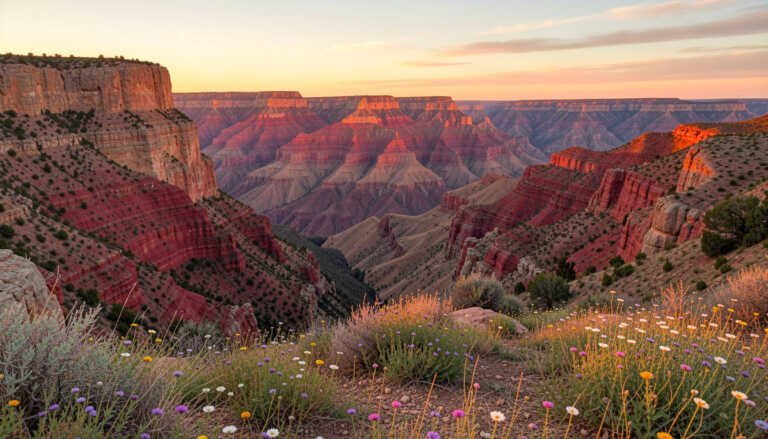
Moran Point was a bit of a surprise for me.
It’s not as famous as the others, but the views here are incredibly detailed. You can clearly see different rock layers, each with distinct colors. In the afternoon light, the reds and oranges really stand out.
It’s also much quieter, which makes it easier to just sit and take everything in.
- Rich colors and visible rock layers
- Less crowded, more peaceful
- Great for photography without the rush
6. Yaki Point – Peaceful Sunrise Escape
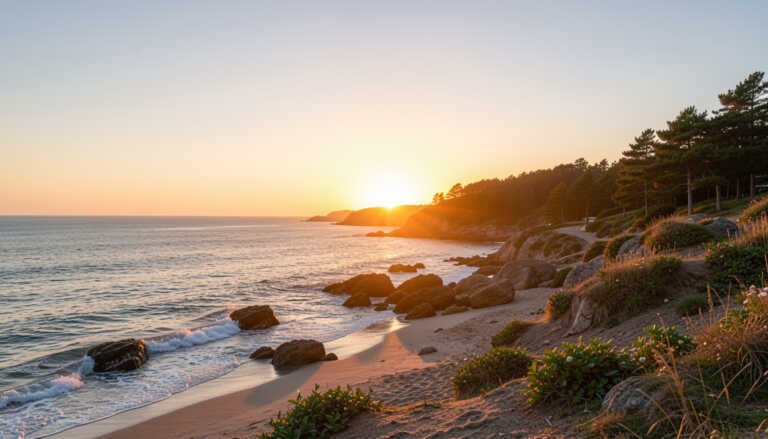
If you’re chasing a quiet sunrise without the heavy crowds, Yaki Point is one of the best spots in Grand Canyon National Park.
Unlike Mather Point, you can’t drive here directly—access is usually by shuttle bus or bike—which naturally keeps the crowds smaller. That alone makes a big difference.
The view itself is wide and unobstructed, and during sunrise, the canyon slowly lights up layer by layer. It feels calmer, more personal.
- Less crowded than most viewpoints
- Excellent sunrise views
- Peaceful atmosphere
- Tip: Bring a light jacket—it gets chilly early in the morning.
7. Lipan Point – Best for River Views
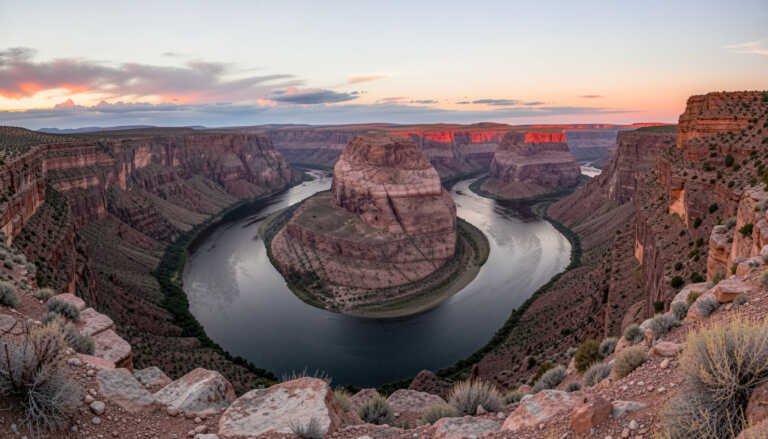
Lipan Point is often overlooked, but it offers one of the clearest views of the Colorado River from the South Rim.
From here, you can actually see the river winding through the canyon—something that’s surprisingly rare at many viewpoints. The elevation and angle make a big difference.
It’s also a fantastic place for both sunrise and sunset, depending on where the light hits.
- One of the best river viewpoints
- Wide, dramatic canyon depth
- Usually less crowded than central areas
8. Grandview Point – A Bit More Adventure
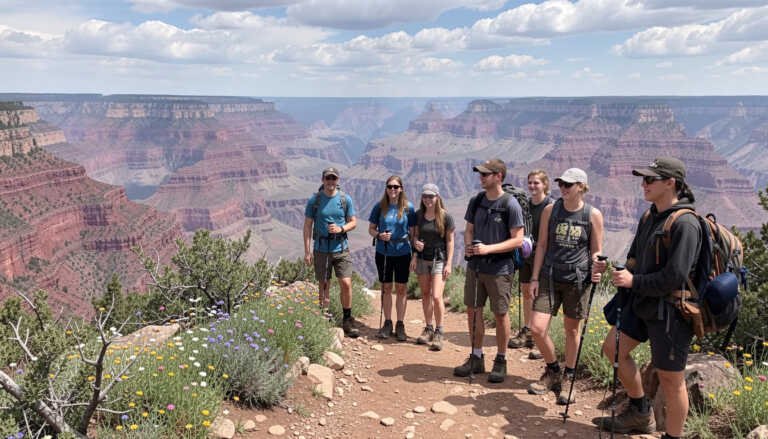
Grandview Point sits at a higher elevation than many other viewpoints, and the views feel deeper and more rugged.
It’s also the starting point for the Grandview Trail, which drops steeply into the canyon. Even if you don’t hike, just standing at the rim here gives you a more dramatic perspective.
When I visited, it felt less “polished” than places like Mather Point—which actually made it more memorable.
- Dramatic, rugged views
- Fewer crowds
- Travelers who want something slightly off the main route
9. Navajo Point – Highest Viewpoint on the South Rim
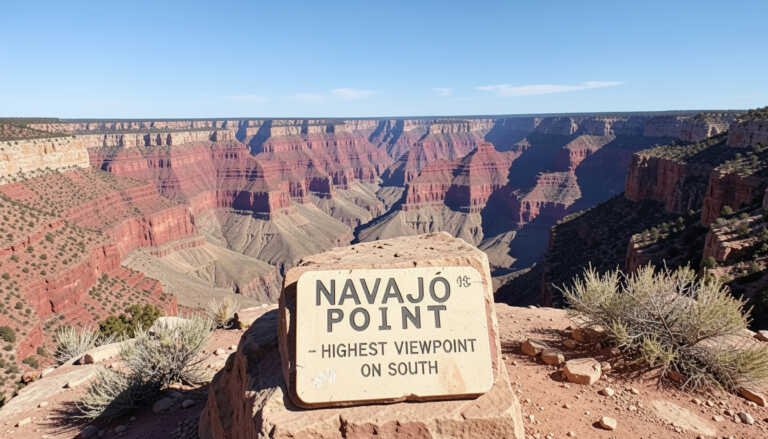
Right near Desert View, Navajo Point is the highest accessible viewpoint on the South Rim.
Because of its elevation, you get a sweeping view of the canyon and a clear look at the Colorado River far below. You’ll also see the Desert View Watchtower from a different angle, which adds a nice visual contrast.
It’s usually quieter than nearby Desert View, which makes it a great alternative.
- Highest viewpoint on the South Rim
- Expansive, far-reaching views
- Great photo opportunities without large crowds
10. Powell Point – Underrated Sunset Alternative
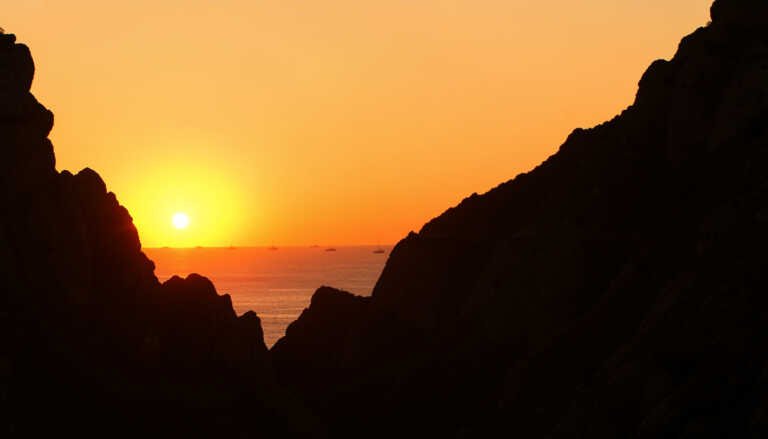
Powell Point is often overshadowed by Hopi Point, but it’s a fantastic alternative—especially if you want a slightly less crowded sunset experience.
It offers a wide-angle view of the canyon, and there’s a monument here dedicated to explorer John Wesley Powell, which adds a bit of historical context.
During sunset, the light spreads beautifully across the canyon, and the atmosphere feels a bit more relaxed compared to busier spots.
- Great sunset views without extreme crowds
- Easy access via shuttle
- Quiet, laid-back vibe
Final Thoughts
Visiting Grand Canyon National Park isn’t just about ticking off viewpoints—it’s about experiencing how the landscape changes from one stop to another. Some viewpoints give you that iconic first look, while others offer quieter, more personal moments away from the crowds.
If you plan your timing well—especially around sunrise and sunset—you’ll see the canyon at its absolute best. Even visiting a handful of these viewpoints can leave a lasting impression, so take your time and enjoy each one.
Frequently Asked Questions (FAQ)
1. Which viewpoint is best for first-time visitors?
Mather Point is the easiest and most popular starting point.
2. Which viewpoint is best for sunset?
Hopi Point is widely considered the top sunset spot.
3. Are all viewpoints easy to access?
Yes, most South Rim viewpoints are accessible by car or shuttle bus.
4. How many viewpoints should I visit in one day?
Ideally 3–5 viewpoints to avoid rushing and fully enjoy the experience.
5. Is sunrise or sunset better?
Both are amazing, but sunrise is quieter while sunset offers more dramatic colors.

I am Sabiq Hasan Rasel. Coffee with Travel, Recipes & Reviews is a cozy and engaging content space that blends a love of coffee with exciting travel experiences, delicious recipes, and honest reviews. It offers inspiration for coffee lovers who enjoy exploring new places, trying unique flavors, and discovering lifestyle tips along the way.