When most people think of forests in the United States, they picture scenic hiking trails or crowded campgrounds — but few truly understand how rare untouched, wild forest landscapes have become. Vast swaths of America’s forests were logged, farmed, or fragmented over the last two centuries. Still, there are remarkable places where nature remains as close to its original state as you can find in the continental U.S. and Alaska. In this guide, I’ll take you deep into 15 of these pristine forests — places where towering old trees, pristine rivers, and wildlife thrive with minimal human interference. These forests offer not only adventure and solitude, but also critical ecological value: they help filter water, store carbon, and preserve biodiversity.
1. Tongass National Forest, Alaska — The Crown Jewel of Wilderness
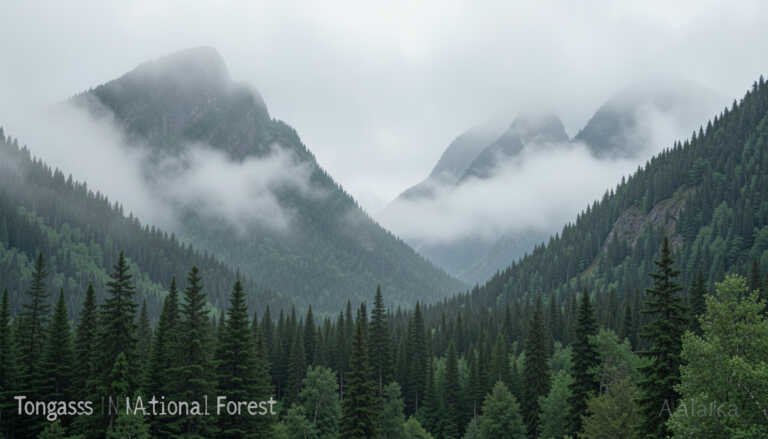
Location: Southeast Alaska
Size: ~16.7 million acres
Why it’s special: The Tongass isn’t just a forest — it’s one of the largest intact temperate rainforests on Earth. Towering spruce and hemlock trees, glacier‑fed fjords, and moss‑covered valleys give it an otherworldly feel. Much of the Tongass remains roadless, with deep wilderness and wildlife populations that have never been fully logged or developed.
- Ancient forests with rich ecosystems
- Bald eagles, brown bears, wolves, and salmon runs
- Kayaking in fjords and glacier‑fed lakes
- Far fewer visitors compared to U.S. lower‑48 forests
- Best for: Backpacking, wildlife viewing, sea kayaking, backcountry fishing, and photography.
2. Gila National Forest, New Mexico — The Birthplace of Wilderness Protection
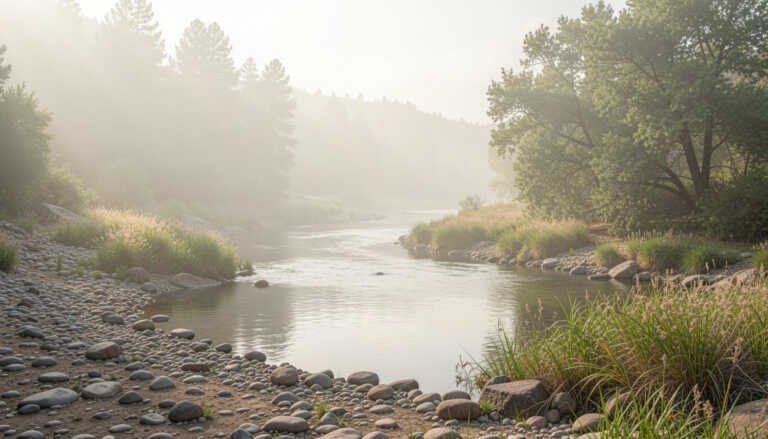
Location: Southwestern New Mexico
Size: ~2.7 million acres
Highlight: The historic Gila Wilderness was the first officially designated wilderness area in the United States (established in 1924).
This forest feels untouched because large regions remain roadless and truly wild. You won’t find paved highways slicing through the landscape here — only meandering trails, rushing rivers, and vast desert‑mountain forests.
- Rugged mountain terrain and deep canyons
- Thousands of acres of wilderness to explore
- A sense of solitude that’s increasingly rare in the U.S.
- Best for: Backpacking, horseback riding, remote camping, and stargazing.
3. Beartown Wilderness, Virginia — Hidden Old‑Growth Gem
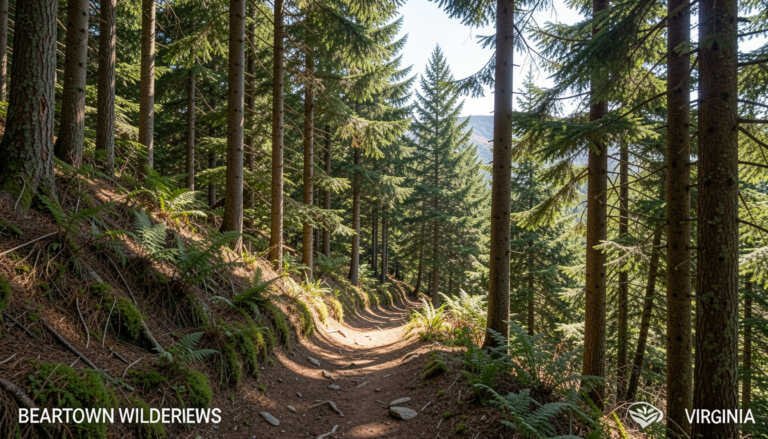
Location: Southwestern Virginia
Size: ~5,600 acres
Why it’s unique: Deep in the George Washington and Jefferson National Forests lies Beartown Wilderness — a remote, rarely visited forest with steep ridges, thick vegetation, and cascading streams.
Though modest in size compared to Alaska’s giants, Beartown feels far wilder than many more famous spots because most visitors never make the trek in.
- Misty mountain scenery
- Diverse plant and animal life
- Lots of opportunities for solitude
- Best for: Day hikes, backcountry camping, and nature photography.
4. Bridger‑Teton National Forest, Wyoming — Vast Western Wilderness
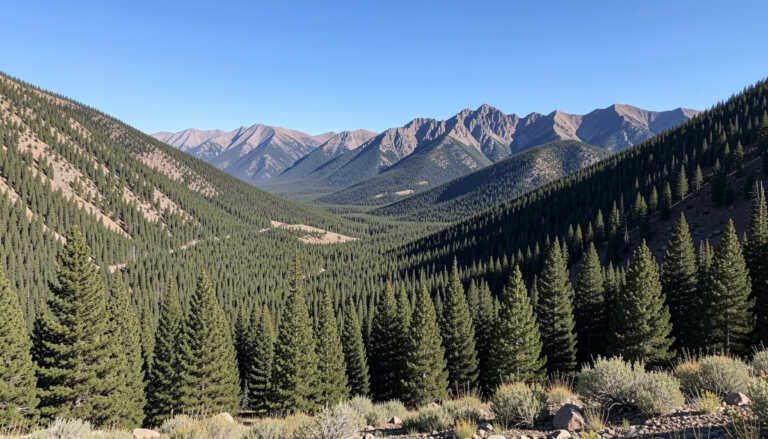
Location: Northwestern Wyoming
Size: ~3.4 million acres
Why it’s incredible: Part of the Greater Yellowstone Ecosystem — one of the largest nearly‑intact temperate zone wildlands in the world — Bridger‑Teton stretches across alpine valleys, pristine rivers, and high‑elevation pine forests.
It’s hard to overstate how wild this place feels. Much of the forest is accessible only by trails, and it’s common to go hours without seeing another person.
- Moose, elk, bison, wolves, and grizzly bears
- Miles of trails into truly remote country
- Camping spots with no cell service for days
- Best for: Backcountry hikers, experienced backpackers, and serious wilderness explorers.
5. Badger Creek Wilderness, Oregon — Cascades’ Quiet Forest
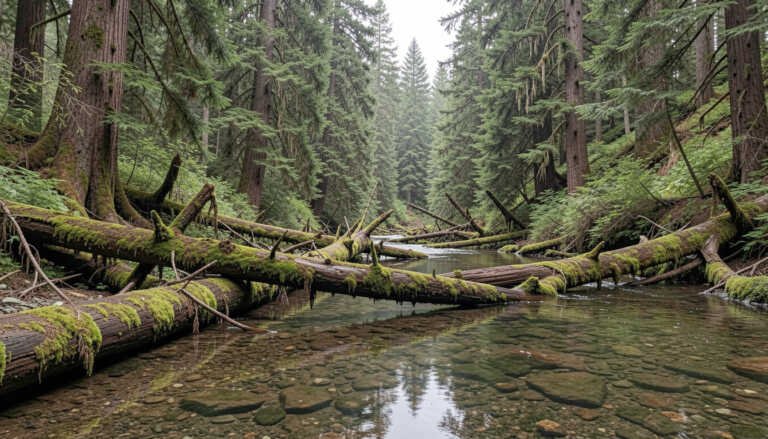
Location: Oregon — East of Mount Hood
Size: ~29,000 acres
Why it’s special: This designated wilderness area is part of the larger Mount Hood National Forest and represents a less‑traveled, deeply forested corner of the Pacific Northwest.
The region blends dense pine forests, long ridgelines, and mountain meadows, giving you that untouched feeling without the crowds you find in nearby national parks.
- Quiet trails with few visitors
- Scenic ridge hikes and creek valleys
- Classic Oregon forest ecosystems
- Best for: Scenic day hikes, backpacking, wildflower season, and fall color viewing.
6. Chequamegon‑Nicolet National Forest, Wisconsin — The Midwest Wilderness
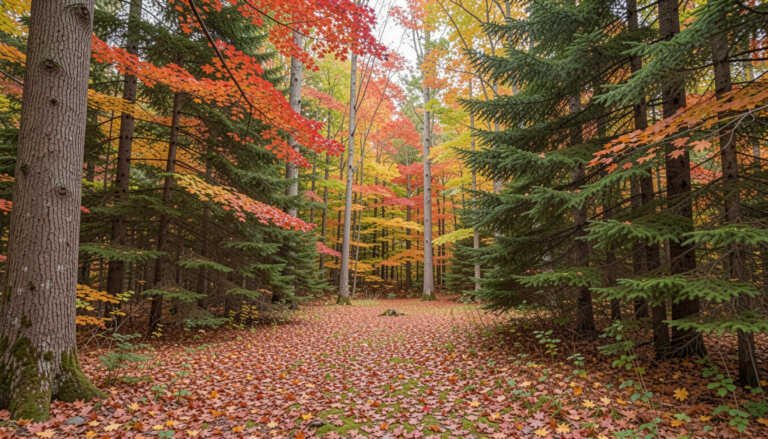
Location: Northern Wisconsin
Size: ~1.5 million acres
Why it’s unique: This forest is one of the last extensive tracts of old‑growth forest in the Midwest. It’s home to pristine lakes, dense pine and hardwood forests, and the largest population of wolves in the region.
- Canoeing and kayaking on quiet lakes
- Moose, black bears, and rare bird species
- Solitude far from typical tourist routes
- Best for: Wildlife watching, paddling, and multi-day backcountry trips.
7. Pisgah National Forest, North Carolina — Appalachian Old-Growth
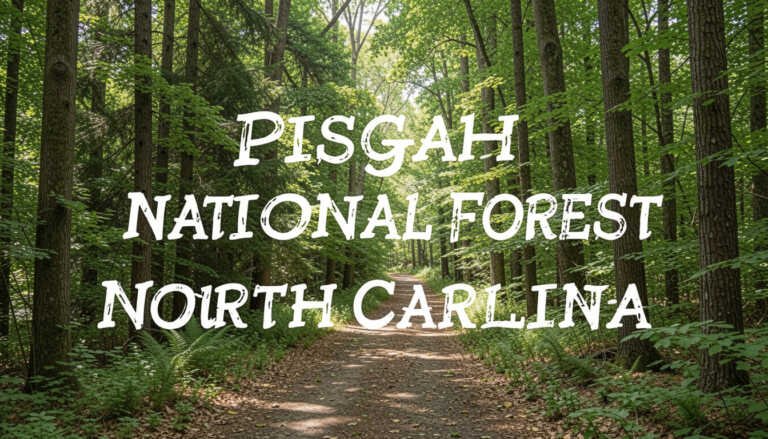
Location: Western North Carolina
Size: ~500,000 acres
Why it’s special: Nestled in the Appalachian Mountains, Pisgah National Forest preserves patches of untouched hardwoods, waterfalls, and rugged ridgelines. Certain areas, like the Shining Rock Wilderness, remain roadless and unspoiled.
- Towering old hardwood trees
- Remote hiking trails for solitude seekers
- Gorgeous streams and waterfalls
- Best for: Hiking, waterfall photography, and fall foliage exploration.
8. Monongahela National Forest, West Virginia — Misty Mountain Wilderness
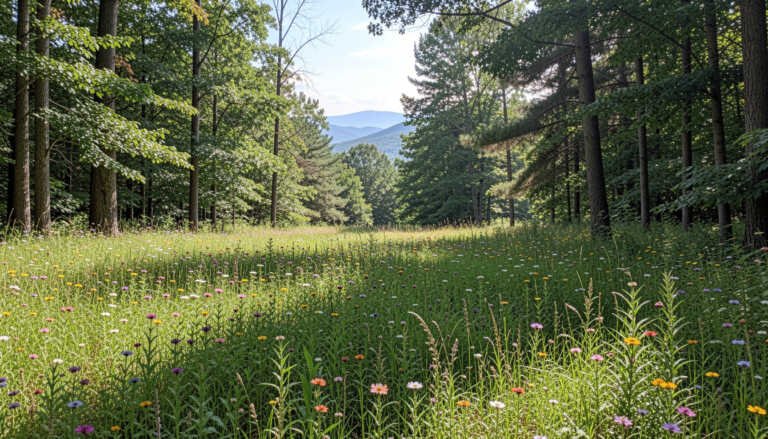
Location: Eastern West Virginia
Size: ~921,000 acres
Why it’s unique: Monongahela includes multiple wilderness areas with untouched forests and diverse habitats. The Cranberry Wilderness, in particular, is roadless, with pristine rivers and old-growth hemlock.
- Remote mountain valleys and high ridges
- Rich biodiversity including black bears, elk, and rare plants
- Waterfalls, hiking trails, and rivers untouched by development
- Best for: Backpacking, wildlife spotting, and fishing.
9. Olympic National Forest, Washington — Rainforest and Mountains
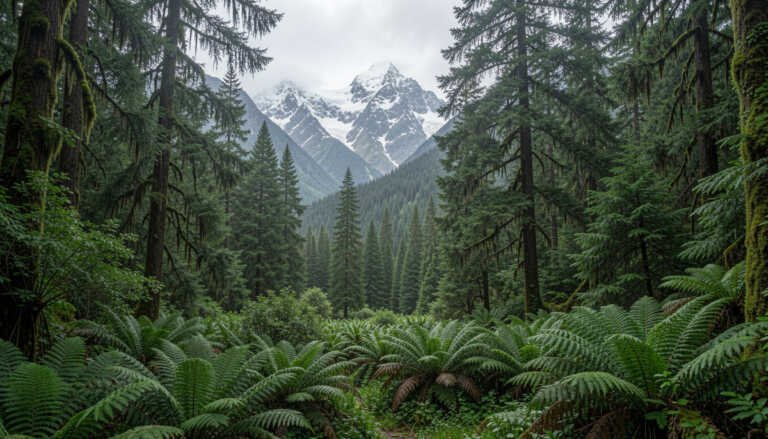
Location: Olympic Peninsula, Washington
Size: ~628,000 acres (in the National Forest; adjacent Olympic National Park adds millions more)
Why it’s incredible: While Olympic National Park is famous, the National Forest sections remain less visited and more untouched. Temperate rainforest valleys, glacial peaks, and wild rivers dominate the landscape.
- Dense moss‑draped forests and waterfalls
- Diverse ecosystems from coastline to alpine
- Opportunities for solitude away from park crowds
- Best for: Hiking, backcountry camping, and nature photography.
10. Klamath National Forest, California — Remote Northern California Wilderness
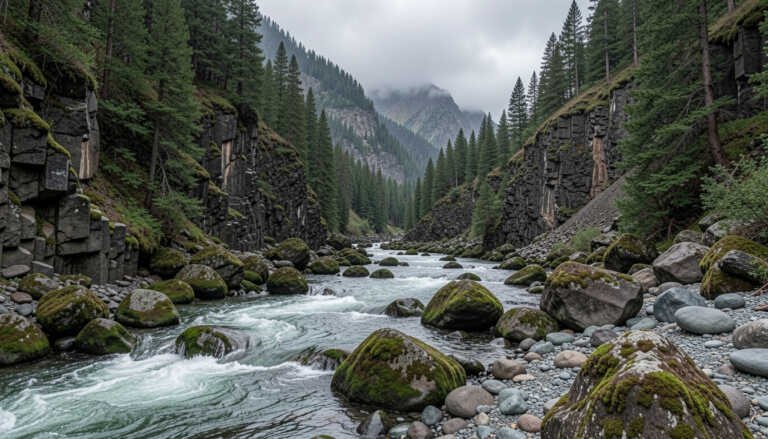
Location: Northern California, near Oregon border
Size: ~1.7 million acres
Why it’s special: This forest is largely untouched, with rugged mountains, deep canyons, and rivers supporting wild salmon and steelhead. Old-growth stands of Douglas fir and ponderosa pine make it a hidden gem for wilderness lovers.
- Remote wilderness trails with few visitors
- River valleys, alpine meadows, and old-growth forests
- Rich wildlife including black bears, mountain lions, and eagles
- Best for: Backpacking, wildlife spotting, and fly-fishing adventures.
11. Shoshone National Forest, Wyoming — The Rockies’ Hidden Wilderness
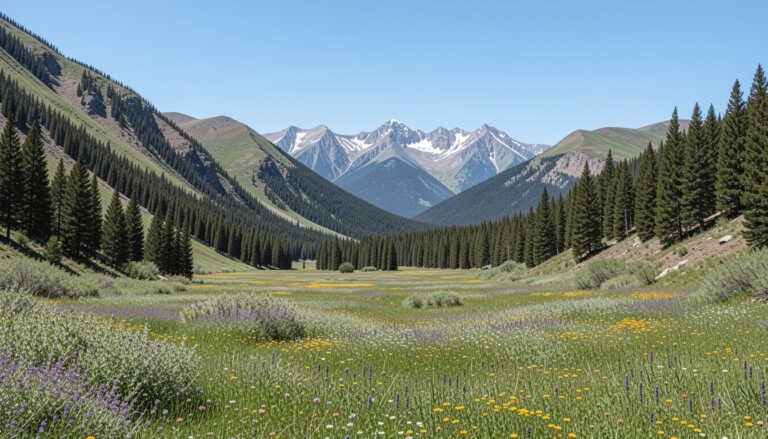
Location: Northwestern Wyoming
Size: ~2.4 million acres
Why it’s unique: America’s first national forest, Shoshone is largely untouched and roadless. Deep valleys, alpine lakes, and massive granite peaks make it feel wild and remote.
- Over 1,300 miles of trails with minimal crowds
- Wildlife including grizzly bears, wolves, elk, and moose
- Alpine meadows and glacier-fed lakes
- Best for: Backcountry hiking, camping, and photography.
12. Cheaha State Park & Talladega National Forest, Alabama — Southeast Wilderness
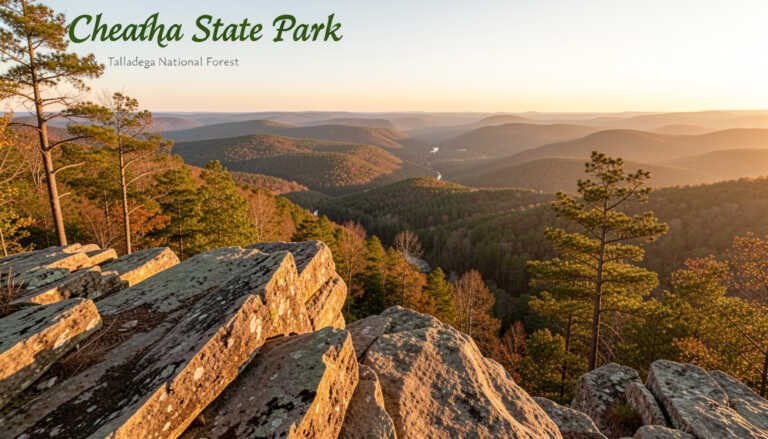
Location: Eastern Alabama
Size: ~240,000 acres
Why it’s special: Nestled in the southern Appalachian foothills, these forests offer untouched hardwood ridges, waterfalls, and deep hollows rarely seen by visitors.
- Scenic ridges and panoramic views
- Cascading waterfalls and streams
- Diverse wildlife and plant life
- Best for: Hiking, birdwatching, and nature photography.
13. Hoh Rainforest (Olympic Peninsula), Washington — Misty Primeval Forest
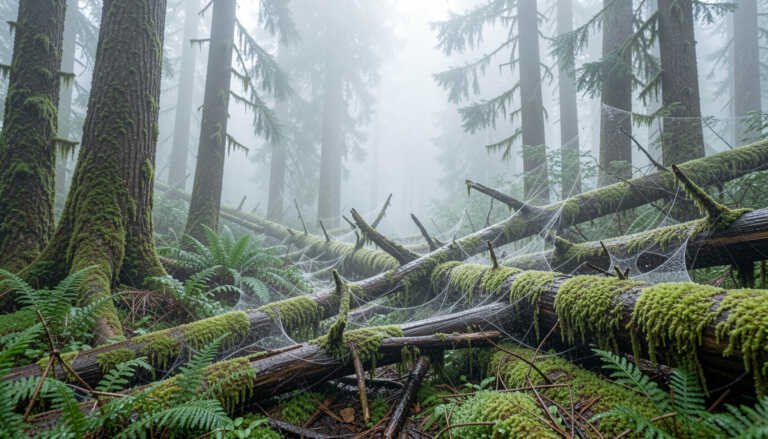
Location: Western Washington, Olympic Peninsula
Size: ~24,000 acres within the park, surrounding National Forest adds more
Why it’s incredible: One of the few temperate rainforests left in the U.S., Hoh Rainforest features massive moss-covered trees, untouched understory, and near-constant mist.
- Ancient Sitka spruce and western hemlock trees
- Unique biodiversity including banana slugs and rare birds
- Solitude for true nature immersion
- Best for: Day hikes, photography, and rainforest exploration.
14. White Mountain National Forest, New Hampshire — Northeastern Wilderness
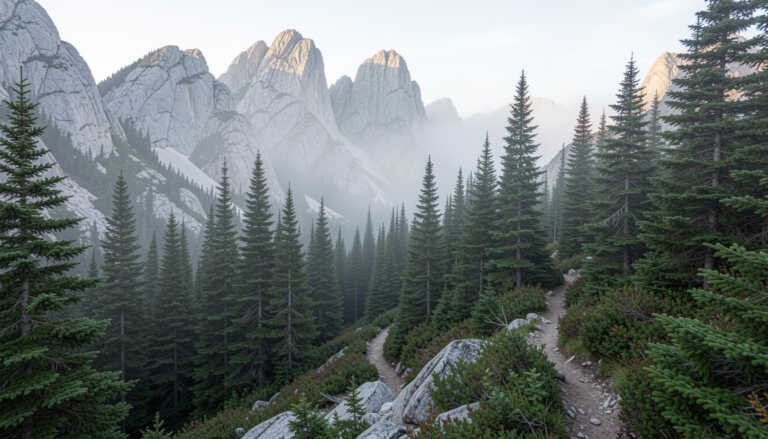
Location: Northern New Hampshire
Size: ~750,000 acres
Why it’s unique: While popular for some trails, large sections remain untouched, with rugged peaks, rivers, and dense forest. Remote valleys feel untouched and serene.
- Remote mountain ridges and dense hardwood forests
- Backcountry lakes and waterfalls
- Wildlife including moose, bobcats, and black bears
- Best for: Hiking, backpacking, and autumn foliage trips.
15. Adirondack Park Forest Preserve, New York — Protected Wilderness in the East
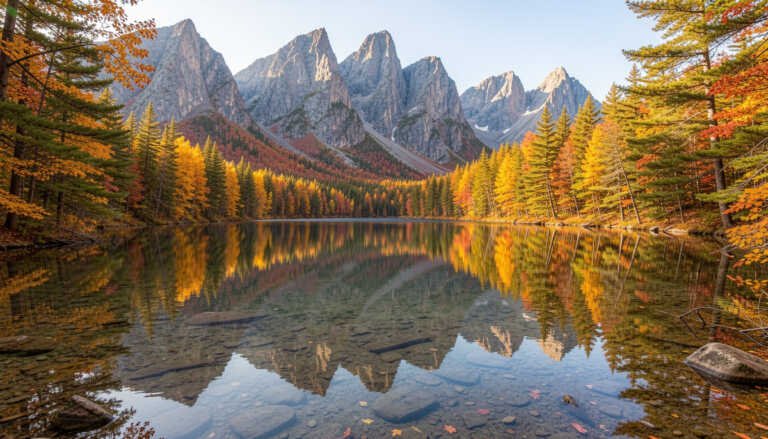
Location: Northeastern New York
Size: ~2.6 million acres
Why it’s incredible: Though partially developed with small towns, the Adirondack Forest Preserve contains millions of acres of untouched, protected forest under “Forever Wild” law. Remote trails, lakes, and mountains offer a true wilderness experience.
- Roadless forests and alpine lakes
- Old-growth hardwoods and conifer stands
- Opportunities for paddling, hiking, and wildlife spotting
- Best for: Backcountry adventures, canoeing, and winter snowshoeing.
Final Thoughts
The United States is home to some of the most pristine and untouched forests in the world. From Alaska’s temperate rainforests to the hidden wilderness of the Southeast and Northeast, these forests offer solitude, breathtaking landscapes, and vital ecological value. Visiting them allows you to reconnect with nature, support conservation, and experience a side of America few ever see. Always plan responsibly, follow Leave No Trace principles, and respect these delicate ecosystems to keep them wild for generations to come.
Frequently Asked Questions (FAQs)
1. What does “untouched forest” mean?
It refers to forests that are largely roadless, minimally impacted by human activity, and preserve native ecosystems. They may still have historical Indigenous influence but remain wild and natural today.
2. Are these forests safe to visit?
Yes, with proper preparation. Many are remote, so carry maps, supplies, and tell someone your route. Wildlife encounters are common; always follow safety guidelines.
3. Do I need permits to visit these forests?
Some areas, especially wilderness sections, require overnight permits. Check each forest’s official website for current rules.
4. When is the best time to visit?
It depends on the region:
- Alaska & Northern forests: Summer (June–August)
- Appalachian & Northeast forests: Spring or Fall
- Western highlands: Summer for hiking, early Fall for solitude
5. Can families and beginners explore these forests?
Yes! While some areas are remote, many forests have beginner-friendly trails and day-hike options suitable for families.

I am Sabiq Hasan Rasel. Coffee with Travel, Recipes & Reviews is a cozy and engaging content space that blends a love of coffee with exciting travel experiences, delicious recipes, and honest reviews. It offers inspiration for coffee lovers who enjoy exploring new places, trying unique flavors, and discovering lifestyle tips along the way.