
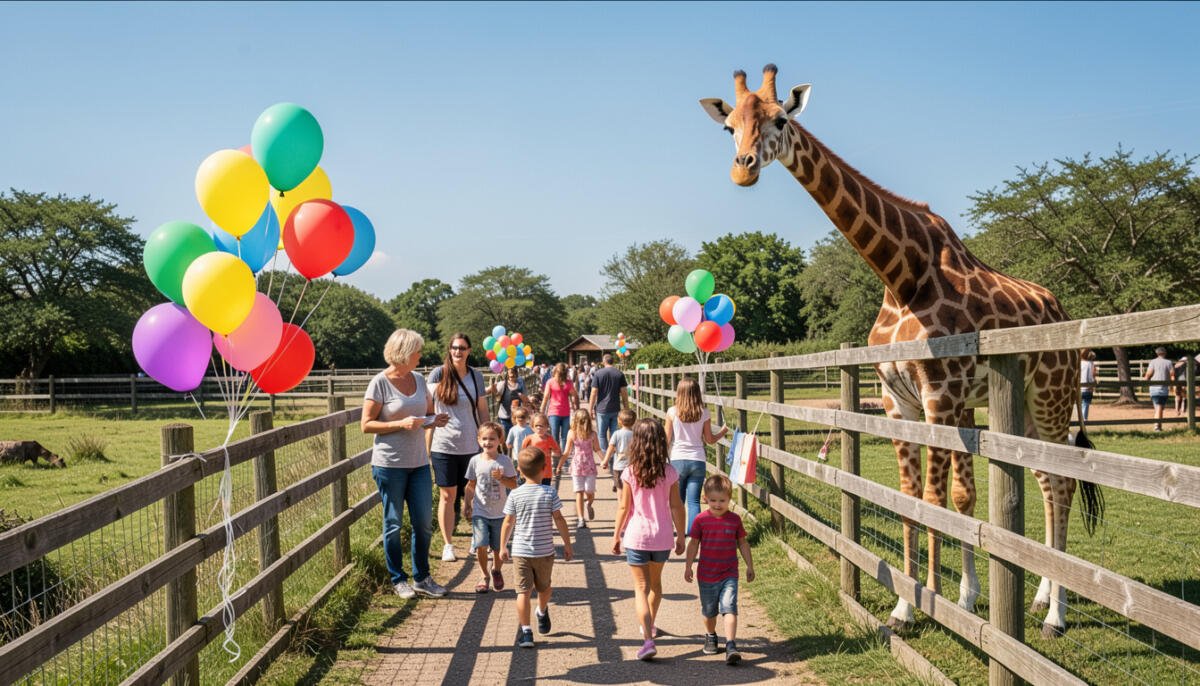
If you’re passionate about animals and nature, 2026 is the perfect year to explore some of the world’s top zoos and wildlife parks. These destinations don’t just offer amazing encounters with exotic animals—they focus on conservation, education, and immersive experiences that make every visit memorable. Here’s a detailed look at the best 12 zoos and wildlife spots for animal lovers in 2026.
1. Saint Louis Zoo — St. Louis, Missouri, USA
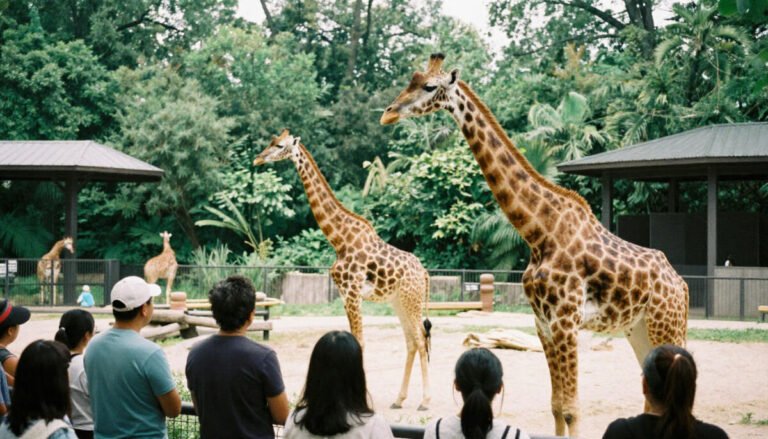
The Saint Louis Zoo is one of the few major zoos in the U.S. that offers free admission, making it accessible for families and travelers. Its dedication to animal welfare, conservation programs, and interactive experiences makes it a top destination for animal lovers.
Penguins: African penguins in a state-of-the-art, climate-controlled exhibit.
Primates: Gorillas and orangutans in naturalistic habitats.
Big Cats: Lions and tigers in expansive enclosures mimicking wild landscapes.
Conservation & Education:
Actively participates in global breeding programs for endangered species.
Hosts educational programs for children, including behind-the-scenes tours.
Visitor Tips:
Arrive early for feeding sessions—they are both educational and photo-worthy.
The zoo is stroller-friendly and has multiple dining options.
2. Mandai Wildlife Cluster — Singapore (Singapore Zoo, Night Safari, Rainforest Wild)
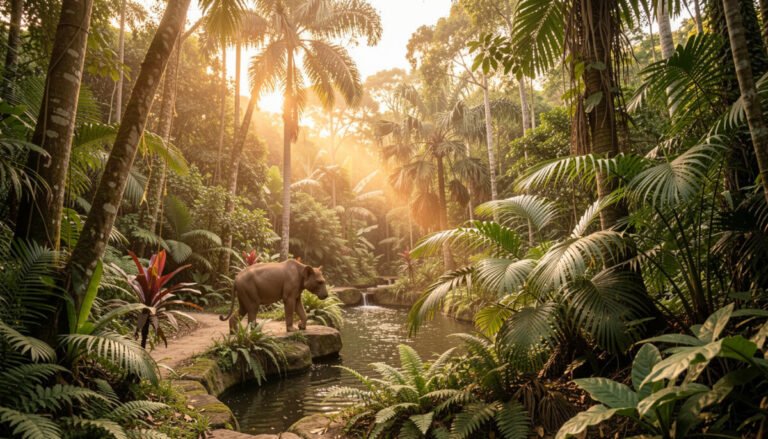
Singapore’s Mandai Wildlife precinct is celebrated for its rainforest-style enclosures, giving animals plenty of space to roam and visitors an immersive experience. It’s known globally for its innovative design and focus on conservation.
Orangutans: Watch them swing in a habitat designed to mimic Southeast Asian rainforests.
Nocturnal Creatures: Night Safari lets you observe leopards, hyenas, and civets in low light.
Rare Species: Pangolins, proboscis monkeys, and endangered birds are showcased with rich educational signage.
Conservation & Education:
Involved in breeding programs for endangered species like the Sumatran tiger.
Offers programs for schools and tourists to learn about habitat preservation.
Visitor Tips:
Purchase multi-park tickets to experience Singapore Zoo + Night Safari + Rainforest Wild.
Bring water and light snacks—the walking trails can be long in tropical heat.
3. Safaripark Beekse Bergen — Hilvarenbeek, Netherlands

This safari park allows you to experience wildlife in a free-roaming environment without leaving Europe. You can explore on foot, by car, bus, or boat, giving a sense of true safari adventure.
African Wildlife: Lions, giraffes, zebras, and rhinos roam in habitats similar to their natural homes.
Bird Species: Over 50 species, including flamingos and hornbills.
Conservation & Education:
Supports African wildlife conservation projects.
Interactive programs teach visitors about endangered species.
Visitor Tips:
Guided safaris provide detailed animal information.
Visit on weekdays for fewer crowds and better photo opportunities.
- Official Site: Safaripark Beekse Bergen
4. Zoo Basel — Basel, Switzerland
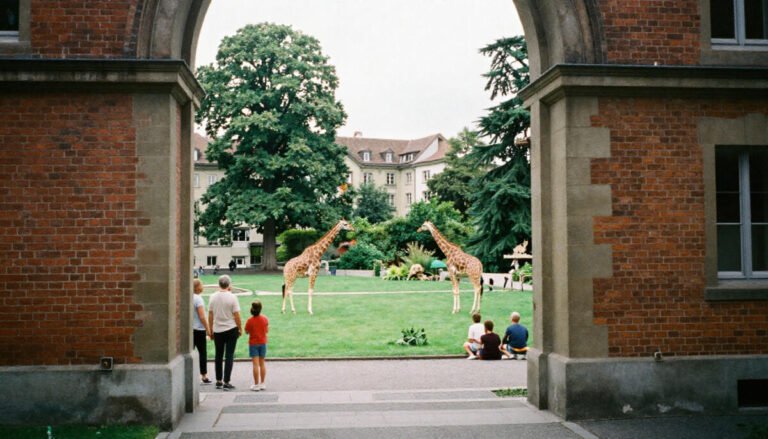
Zoo Basel is Switzerland’s oldest zoo, combining historical charm with modern exhibits. It’s perfect for families who want both education and adventure.
Elephants & Big Cats: Live in habitats designed for space and enrichment.
Tropical Birds & Reptiles: Diverse collection that educates visitors about global ecosystems.
Seasonal Exhibits: Special focus on endangered species like snow leopards.
Conservation & Education:
Active breeding programs, including rare Asian elephants.
Educational signage, keeper talks, and hands-on experiences encourage learning.
Visitor Tips:
Buy tickets online to skip lines.
Attend feeding times and educational talks—they’re both engaging and informative.
5. Akagera National Park — Eastern Rwanda
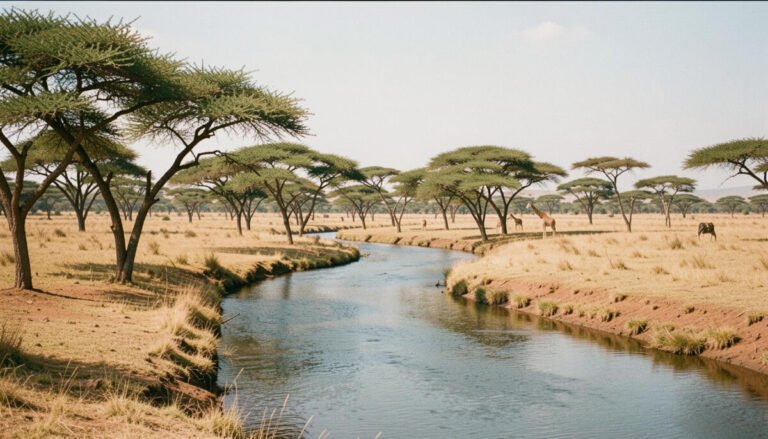
For a wild safari experience, Akagera National Park is unmatched. This African park offers true wilderness encounters with elephants, lions, leopards, and rhinos in their natural habitats.
Big Five: Lions, elephants, buffalo, leopards, and rhinos.
Bird Watching: Over 500 species, including African fish eagles and herons.
Freshwater Wildlife: Boat safaris on Lake Ihema offer a chance to see hippos and crocodiles.
Conservation & Education:
Reintroduction programs for rhinos and other endangered species.
Park guides educate visitors on ecology, conservation, and local culture.
Visitor Tips:
Dry season (June–September) is best for animal spotting.
Book safaris with certified operators for safety and conservation support.
- Official Site: Akagera National Park
6. San Diego Zoo — California, USA
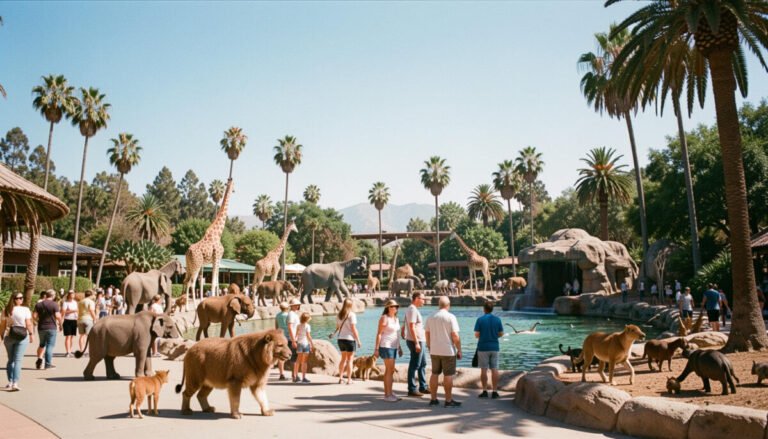
The San Diego Zoo is world-famous for pioneering open-air, cageless exhibits and its focus on conservation and research. With over 100 acres of habitats, it’s a must-visit for animal lovers.
Giant Pandas: Famous for their breeding and conservation programs.
Koalas & Kangaroos: Explore the Australian Outback exhibit.
Polar Bears & Big Cats: Up-close viewing in naturalistic enclosures.
Conservation & Education:
The zoo is part of the San Diego Zoo Global network, contributing to species survival programs worldwide.
Offers educational tours, keeper talks, and behind-the-scenes experiences.
Visitor Tips:
Arrive early to see the most active animals.
Use the guided bus tour to cover the large zoo efficiently.
- Official Site: San Diego Zoo
7. Toronto Zoo — Ontario, Canada
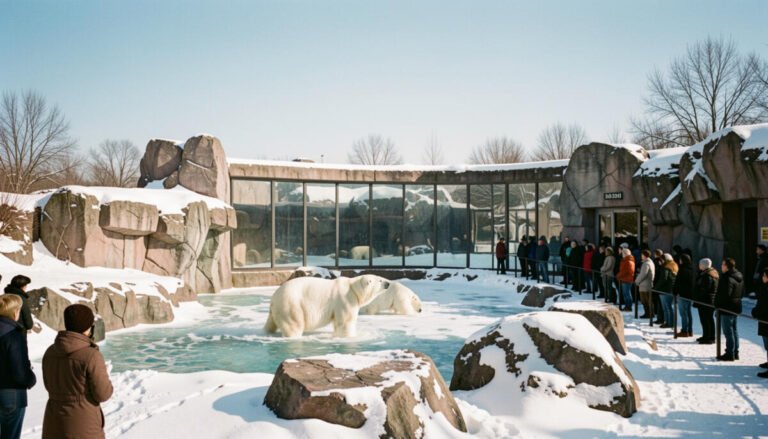
One of Canada’s largest zoos, Toronto Zoo is home to over 5,000 animals from across the globe. It combines education, research, and conservation in an engaging visitor experience.
Giant Pandas & Red Pandas
African Savanna: Zebras, giraffes, and rhinos.
Polar Bear and Arctic Zone: Observe polar bears in a climate-controlled habitat.
Conservation & Education:
Supports wildlife rescue and breeding programs.
Offers educational camps and school programs to teach children about biodiversity.
Visitor Tips:
Bring warm clothes if visiting the Arctic Zone during colder months.
Rent a stroller or electric scooter; the zoo is very large.
- Official Site: Toronto Zoo
8. Chester Zoo — Cheshire, UK

The Chester Zoo is the UK’s most visited wildlife attraction and focuses heavily on species conservation. Its exhibits feel immersive, and it has strong educational programs for all ages.
Sumatran Tigers & Asiatic Elephants
Gorilla Forest & Orangutan Islands
Butterfly Garden & Aquatic Zones
Conservation & Education:
Works on international breeding and habitat restoration programs.
Offers interactive workshops and volunteering opportunities.
Visitor Tips:
Visit weekdays for smaller crowds.
Bring waterproof clothing in case of rain—the zoo has many outdoor exhibits.
- Official Site: Chester Zoo
9. Taronga Zoo — Sydney, Australia
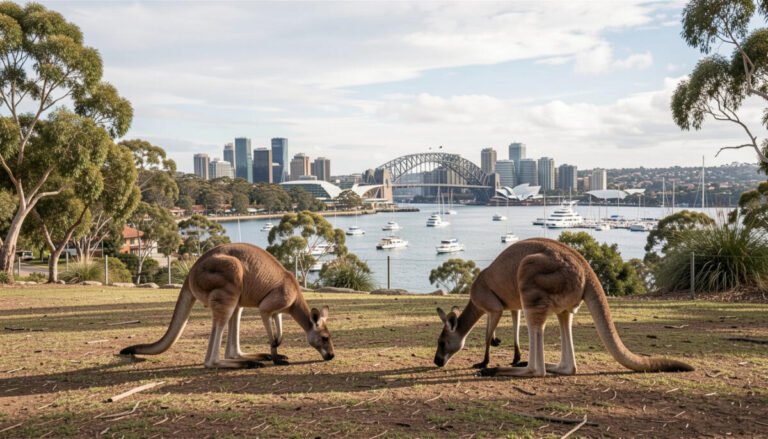
With a stunning harbor-side location, Taronga Zoo offers incredible views along with its diverse collection of animals. It emphasizes conservation, research, and visitor engagement.
Koalas, Kangaroos, and Tasmanian Devils
Asian Elephants and Giraffes
Seal and Penguin Exhibits
Conservation & Education:
Participates in local and international breeding and conservation projects.
Offers educational programs, including wildlife photography workshops.
Visitor Tips:
Take the Sky Safari cable car for panoramic views of the zoo and Sydney Harbor.
Plan at least half a day to explore the main exhibits fully.
- Official Site: Taronga Zoo
10. Cologne Zoo — Cologne, Germany
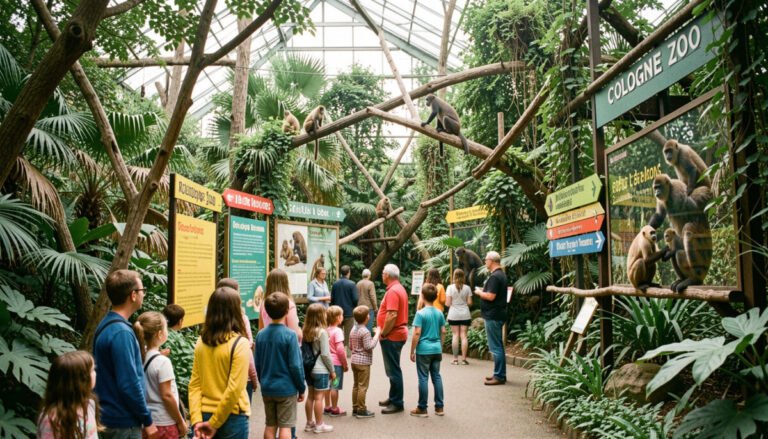
Founded in 1860, Cologne Zoo is one of Europe’s oldest zoos and combines history, education, and modern habitats for diverse wildlife.
Elephant Park & Gorilla Garden
Aquarium and Reptile House
Exotic Birds and Small Mammals
Conservation & Education:
Active in European Endangered Species Programs.
Offers hands-on learning for children and adults, plus guided tours.
Visitor Tips:
Arrive early for animal feedings, especially in the Elephant and Gorilla areas.
Use the zoo’s map app to plan your route—there’s a lot to see.
- Official Site: Cologne Zoo
11. Bronx Zoo — New York City, USA
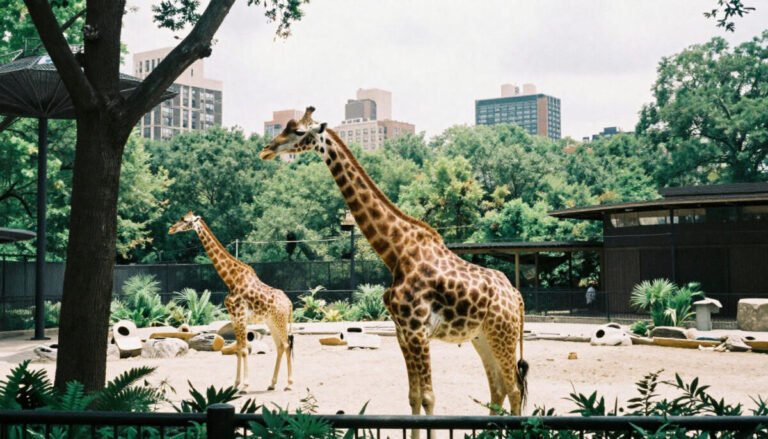
The Bronx Zoo is one of the largest metropolitan zoos in the world, offering over 265 acres of exhibits and pioneering conservation programs. It’s perfect for families and wildlife enthusiasts alike.
Madagascar Exhibit: Lemurs, tortoises, and colorful tropical birds.
Tiger Mountain: Amur tigers in a naturalistic habitat.
JungleWorld & Congo Gorilla Forest: Immersive rainforest experience with gorillas, exotic birds, and reptiles.
Conservation & Education:
Active in species survival plans for endangered animals.
Offers educational programs for schools, summer camps, and virtual learning sessions.
Visitor Tips:
Purchase tickets online to skip lines.
Plan at least 4–5 hours to fully explore the exhibits.
- Official Site: Bronx Zoo
12. Loro Parque — Tenerife, Spain
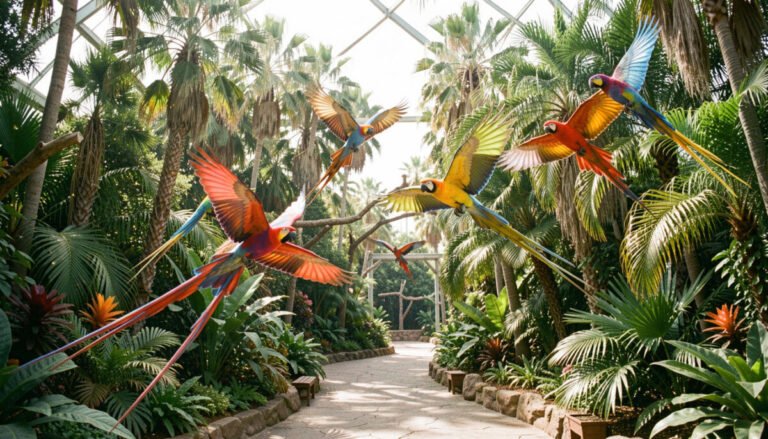
Located on the Canary Islands, Loro Parque is famous for its world-class parrot collection, as well as its diverse animal exhibits and award-winning conservation efforts.
Parrots: Over 350 species, one of the largest collections in the world.
Orcas and Dolphins: Spectacular shows (ethical programs focused on enrichment).
Penguins & Gorillas: Visitors can explore cold-climate and rainforest habitats.
Conservation & Education:
Participates in global breeding programs for endangered parrots.
Runs the Loro Parque Fundación, which supports wildlife conservation worldwide.
Visitor Tips:
Arrive early for the best viewing of shows and animal feedings.
Bring sunscreen and comfortable shoes—it’s a large park with lots of walking.
- Official Site: Loro Parque
Final Thoughts
Visiting zoos and wildlife parks in 2026 is more than just sightseeing—it’s about connecting with nature, learning about conservation, and supporting animal welfare. From immersive rainforests in Singapore to real African safaris in Rwanda, each destination offers unique experiences for animal lovers of all ages.
These top 12 zoos and wildlife spots are not only visually stunning, but they also lead global efforts in species conservation, research, and education. By planning your visits thoughtfully, respecting wildlife rules, and taking advantage of educational programs, you’ll make your trips both memorable and meaningful.
Remember: the best experiences come when you observe, learn, and support the animals, ensuring these incredible creatures thrive for generations to come.
Frequently Asked Questions (FAQs)
1. Which is the best zoo for families with kids?
For families, Singapore Zoo and Saint Louis Zoo are ideal. Both offer interactive exhibits, kid-friendly zones, and educational programs that make learning about animals fun.
2. Are these zoos safe to visit during COVID-19 or other health concerns?
Yes. Most top zoos, like San Diego Zoo and Chester Zoo, follow strict health and safety guidelines, including social distancing, timed entries, and sanitation stations. Always check the official website before visiting.
3. How can I support wildlife conservation while visiting a zoo?
You can support by purchasing tickets, donating, joining membership programs, or participating in conservation workshops offered by many parks, such as Taronga Zoo and Loro Parque.
4. Which wildlife spots offer the most unique experiences?
For truly unique experiences:
Night Safari in Singapore – see nocturnal animals in action.
Akagera National Park, Rwanda – real African safari with Big Five sightings.
Safaripark Beekse Bergen – drive your own safari through roaming wildlife.
5. How much time should I plan for visiting a major zoo?
Most large zoos require half to a full day, depending on the number of exhibits. For example:
San Diego Zoo: 4–6 hours
Mandai Wildlife Cluster: full-day to see all parks
Bronx Zoo: 4–5 hours