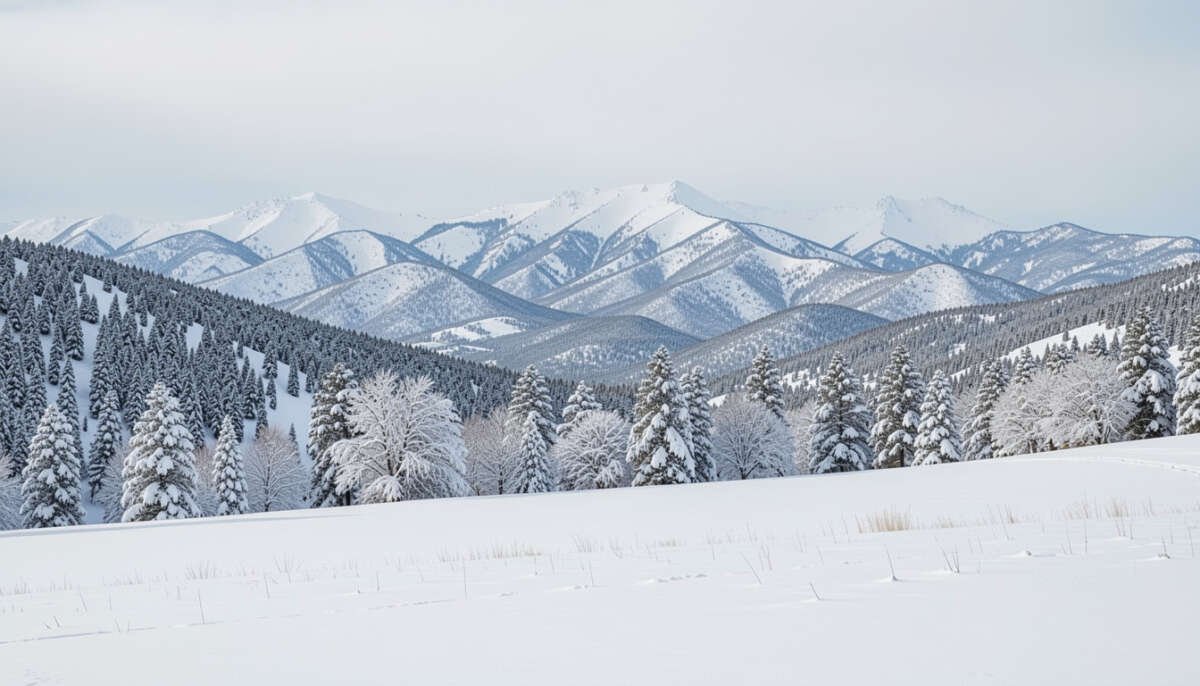
There’s something unforgettable about seeing a landscape completely transformed by snow. The familiar turns magical—mountains soften, forests quiet down, and even the busiest national parks feel calm and untouched. If you’re planning a winter trip in 2026 (or just dreaming of one), these are 20 snow-covered landscapes in the United States that genuinely stand out. I’ve included what makes each place special, when to go, and useful official resources so you can plan properly.
1. Yosemite National Park – A Classic Winter Wonderland
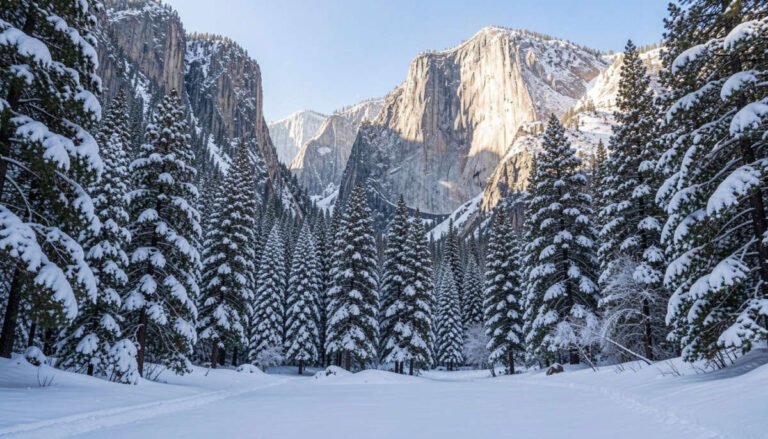
If I had to pick one place that perfectly represents winter in the U.S., it would be Yosemite.
When snow blankets the granite cliffs and waterfalls, the entire valley feels like a postcard. Snowfall is especially common from November through April, with higher elevations often holding several feet of snow throughout the season .
What makes Yosemite special in winter:
Frozen waterfalls and icy rock formations
Fewer crowds compared to summer
Unique events like the “Firefall” glow in February
Plan your trip here: Visit the official site – Yosemite National Park winter guide
- Best time to visit: January to February for peak snow
- Tip: Check road closures—heavy snow can shut down access routes.
2. Yellowstone National Park – Snow, Wildlife & Steam
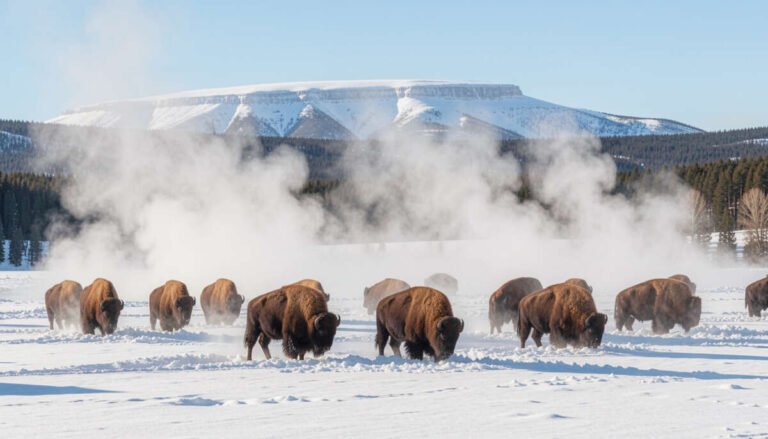
Yellowstone in winter feels completely different from its summer version. Imagine geysers erupting through snow, bison walking through white valleys, and silent forests covered in frost.
Certain areas like Sylvan Pass remain snow-covered and accessible mainly by snowmobile or guided snow coach due to heavy winter conditions and avalanche risks .
What makes it unique:
Snow-covered geothermal features
Wildlife sightings (wolves, bison, elk)
Peaceful, less crowded atmosphere
Plan your visit: Yellowstone National Park official website
- Best time: December to March
- Tip: Book a snow coach tour—many roads are closed to regular vehicles.
3. Glacier National Park – Frozen Wilderness Beauty
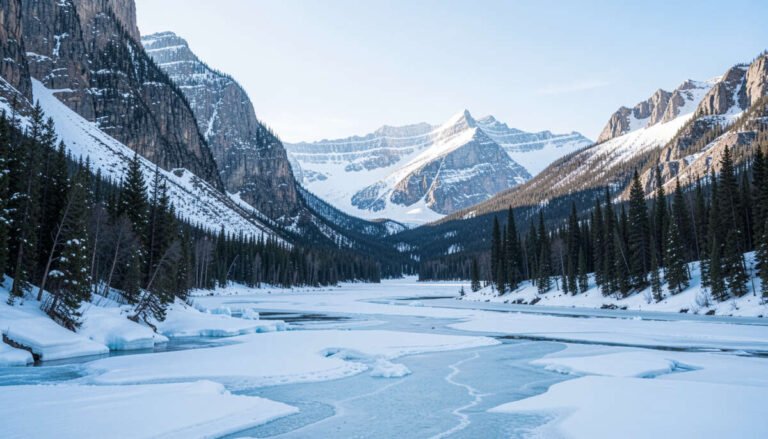
Glacier National Park becomes incredibly raw and quiet in winter. Most of the famous roads (like Going-to-the-Sun Road) are closed, but that’s part of the charm.
This is where you go if you want untouched snow landscapes and true solitude.
Highlights:
Snow-covered alpine peaks
Frozen lakes and valleys
Backcountry skiing and snowshoeing
Official info: Glacier National Park website
- Best time: Late December to early March
- Tip: Bring proper winter gear—conditions can be extreme.
4. Mount Rainier National Park – Deep Snow & Iconic Views
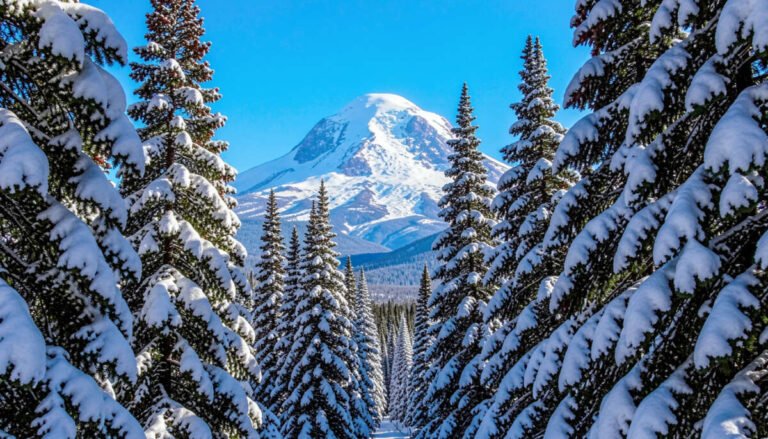
Mount Rainier is one of the snowiest places in the U.S. Some areas receive massive snowfall each year, creating deep, powdery landscapes.
The mountain itself, rising dramatically above the clouds, looks even more stunning when fully snow-covered.
What to expect:
Heavy snowfall and deep snowpack
Scenic snowshoeing trails
Crystal-clear winter skies
Check conditions here: Mount Rainier National Park official site
- Best time: January to March
- Tip: Paradise area is the main accessible winter zone.
5. Lake Tahoe – Snow Meets Blue Water
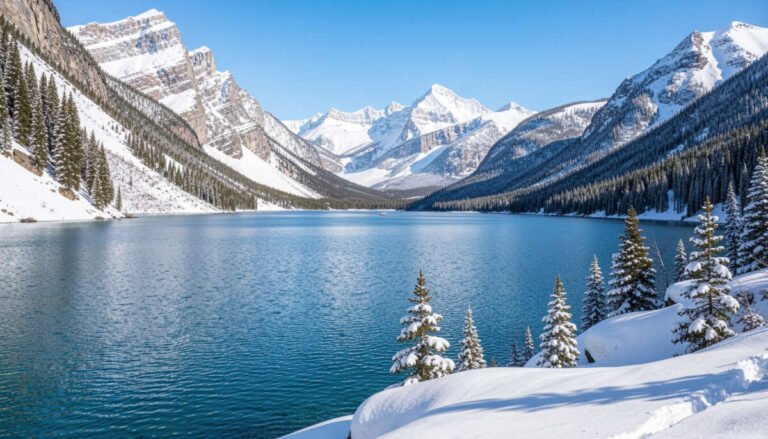
Lake Tahoe offers a different kind of winter beauty—snow-covered mountains surrounding a bright blue lake. It’s one of the most photogenic winter destinations in the country.
You get both adventure and relaxation here.
Why people love it:
Ski resorts and winter sports
Stunning lake views with snow contrast
Cozy cabins and scenic drives
Travel guide: Lake Tahoe official travel site
- Best time: December to February
- Tip: Visit after a fresh snowfall for the best views.
6. Grand Teton National Park – Sharp Peaks in Snow
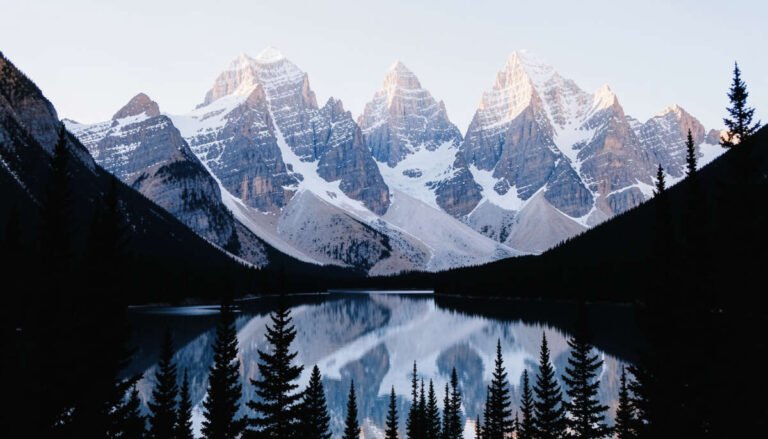
Grand Teton in winter feels raw and dramatic. The jagged mountain peaks rise straight out of snow-covered valleys, creating one of the most striking winter scenes in the country.
What I like most here is how quiet it gets. The crowds disappear, and it feels like you have the mountains to yourself.
What makes it special:
Dramatic snow-covered mountain range
Wildlife like moose and elk
Perfect for photography and snowshoeing
- Plan your visit: Visit the official site – https://www.nps.gov/grte/index.htm
- Best time: January to February
- Tip: Sunrise views over the Tetons are absolutely worth waking up early for.
7. Bryce Canyon National Park – Red Rocks Under Snow
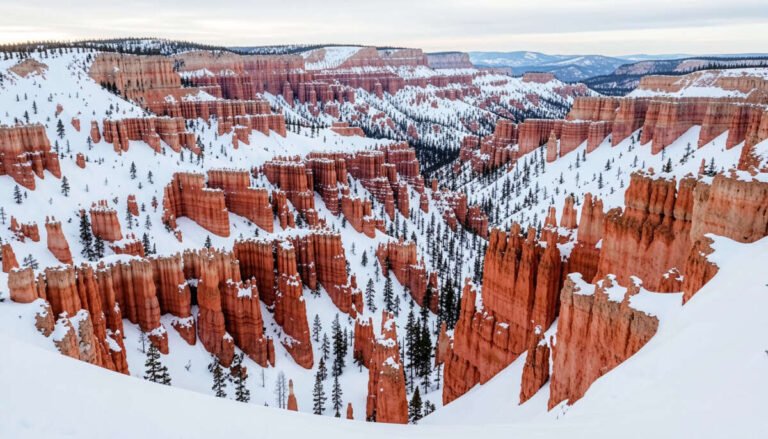
Bryce Canyon looks unreal in winter. The red-orange hoodoos covered in white snow create a contrast you won’t see anywhere else.
It’s one of those places where every viewpoint feels different after snowfall.
Highlights:
Snow-dusted hoodoos (unique rock formations)
Fewer tourists compared to summer
Easy access to viewpoints even in winter
- Official info: https://www.nps.gov/brca/index.htm
- Best time: December to February
- Tip: Go right after a snowfall—the colors pop even more.
8. Rocky Mountain National Park – Alpine Snow Views
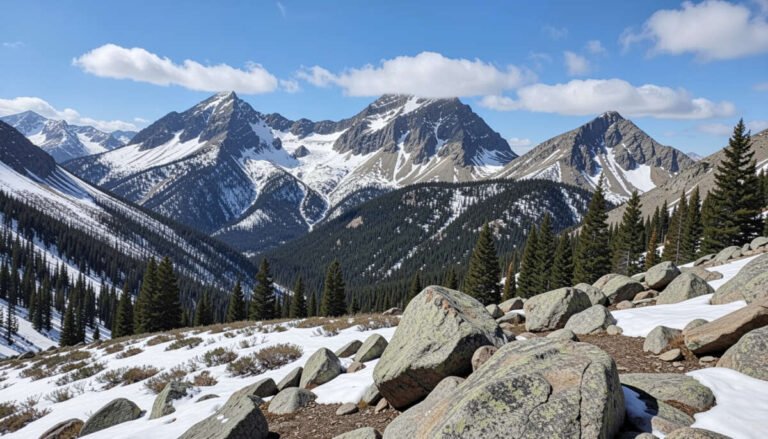
This park is one of the easiest places to experience true alpine winter without going too remote. Snow blankets the forests, lakes freeze over, and the mountain views stay incredible all season.
Trail Ridge Road closes in winter, but there are still plenty of accessible areas.
Why it stands out:
Snow-covered pine forests
Frozen lakes and scenic trails
Great for beginner winter hiking
Plan your trip: https://www.nps.gov/romo/index.htm
- Best time: January to March
- Tip: Estes Park (nearby) is a great base for staying overnight.
9. Denali National Park – Extreme Winter Wilderness
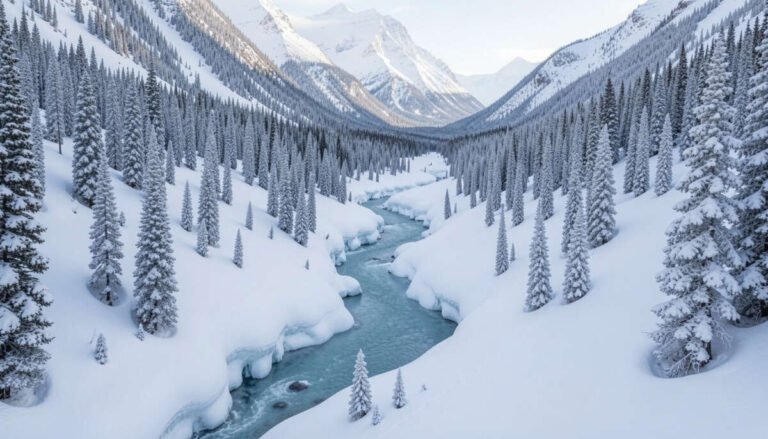
Denali is on another level. This is not your typical winter destination—it’s vast, wild, and seriously cold. But if you’re looking for something unforgettable, this is it.
The landscape feels untouched, with massive snow-covered terrain stretching as far as you can see.
What makes it unique:
Home to North America’s tallest peak
True wilderness experience
Chance to see the northern lights
Official website: https://www.nps.gov/dena/index.htm
- Best time: February to March (for clearer skies)
- Tip: Prepare for extreme cold—it’s not a casual trip.
10. Stowe – Classic New England Winter
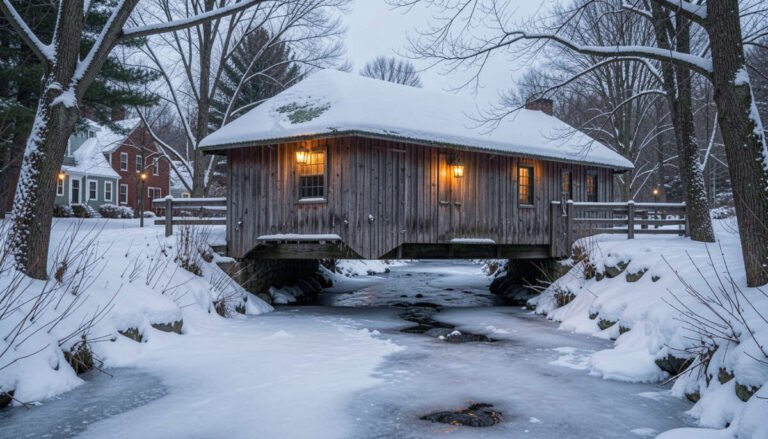
If you want that cozy, storybook winter vibe, Stowe is perfect. Snow-covered villages, white mountains, and warm lodges—it’s everything people imagine when they think of winter in the U.S.
It’s also one of the best ski destinations in the eastern United States.
Why people love it:
Charming small-town atmosphere
Reliable snowfall
Skiing and winter activities
Travel guide: https://gostowe.com
- Best time: December to February
- Tip: Combine skiing with a stay in a mountain lodge for the full experience.
11. Crater Lake National Park – Deep Snow Around a Blue Crater
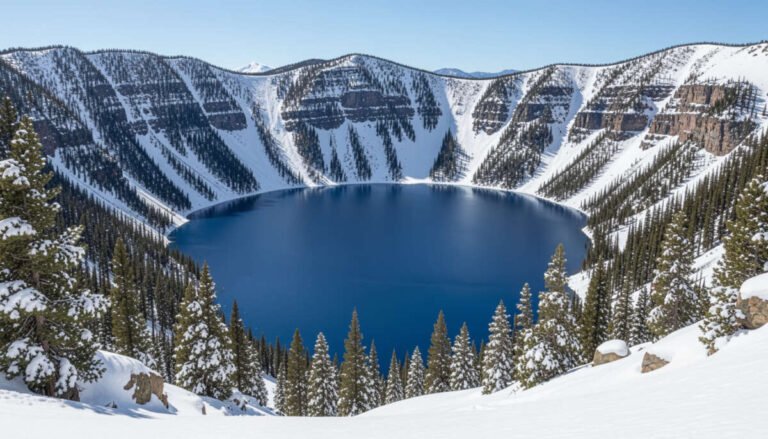
Crater Lake in winter feels almost unreal. The lake itself stays a deep blue, while everything around it gets buried under heavy snow—sometimes over 40 feet in a season.
It’s actually one of the snowiest places in the United States.
What stands out:
Bright blue lake surrounded by white snow
Incredible viewpoints like Rim Drive (partially accessible)
Peaceful, almost silent atmosphere
Plan your visit: https://www.nps.gov/crla/index.htm
- Best time: February to March
- Tip: Snowshoeing here is one of the best ways to explore the park in winter.
12. Aspen – Luxury Meets Snowy Mountains
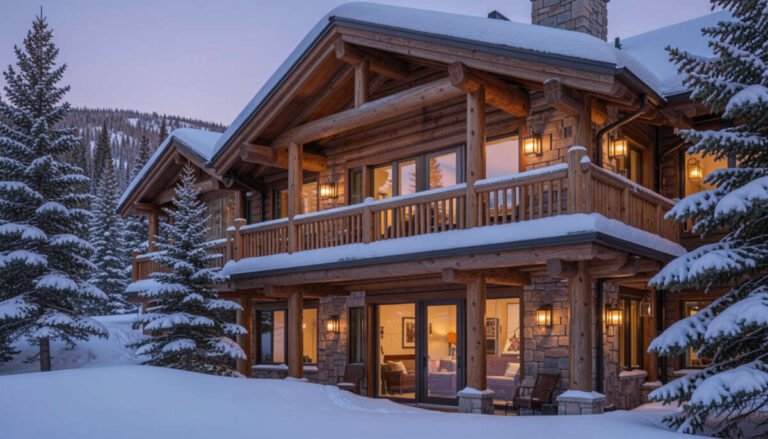
Aspen is famous, but when you actually visit in winter, you understand why. Snow-covered mountains, ski slopes, and a lively town atmosphere make it feel complete.
It’s not just about skiing—it’s the whole experience.
Why it’s popular:
World-class ski resorts
Beautiful snow-covered town
Restaurants, shopping, and nightlife
Travel guide: https://www.aspenchamber.org
- Best time: December to February
- Tip: Even if you don’t ski, take a gondola ride for incredible views.
13. Zion National Park – Rare Snow in the Desert
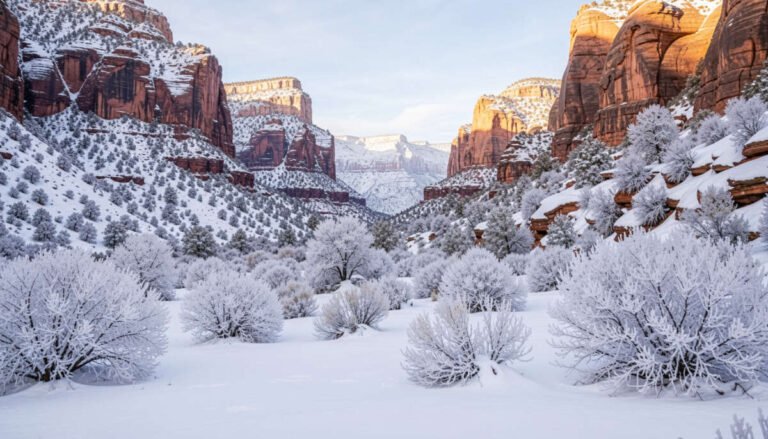
Zion is usually known for its red cliffs and warm weather, but when it snows, it completely changes the landscape. The contrast between white snow and red rock is something you don’t see often.
And because snow is less frequent here, it feels even more special when it happens.
Highlights:
Snow on red sandstone cliffs
Quiet trails with fewer visitors
Unique photography opportunities
- Official info: https://www.nps.gov/zion/index.htm
- Best time: January (if snowfall occurs)
- Tip: Check weather forecasts—snow doesn’t happen often, so timing matters.
14. Lake Placid – Snowy Village & Olympic History
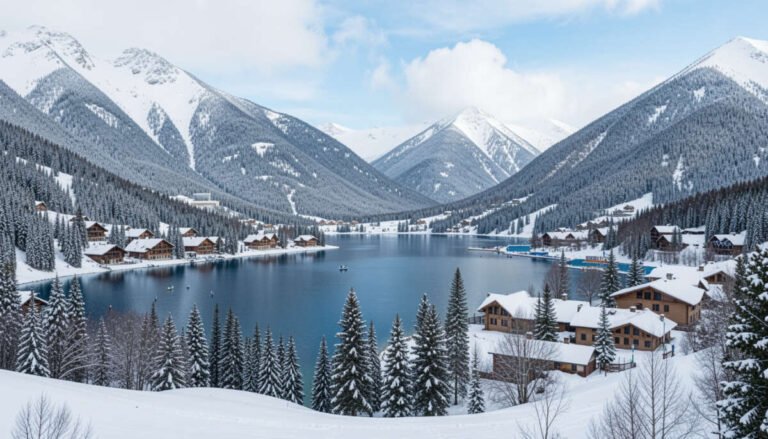
Lake Placid combines natural beauty with a bit of history. Surrounded by the Adirondack Mountains, it turns into a peaceful snow-covered village in winter.
It also hosted the Winter Olympics twice, which adds to its charm.
What you’ll enjoy:
Frozen lakes and mountain views
Winter sports and activities
Cozy small-town atmosphere
- Best time: January to February
- Tip: Try ice skating on Mirror Lake—it’s a classic winter experience.
15. North Cascades National Park – Remote Snowy Mountains
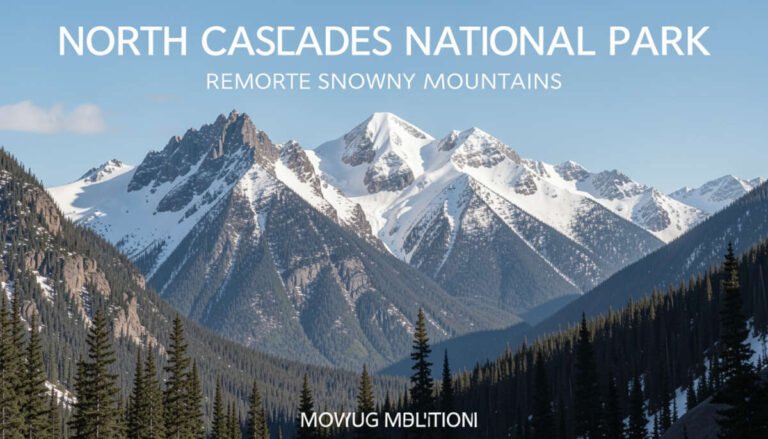
This is one of the least crowded national parks in the U.S., and in winter, it becomes even more untouched. Snow covers the rugged peaks, forests, and valleys, creating a true wilderness feel.
It’s not as easy to access, but that’s exactly why it’s worth it.
Why it’s different:
Wild, less-touristy environment
Dramatic snow-covered peaks
Ideal for experienced adventurers
- Official website: https://www.nps.gov/noca/index.htm
- Best time: January to March
- Tip: Be prepared—conditions can be challenging, and services are limited.
16. Big Sky – Wide Open Snowy Landscapes
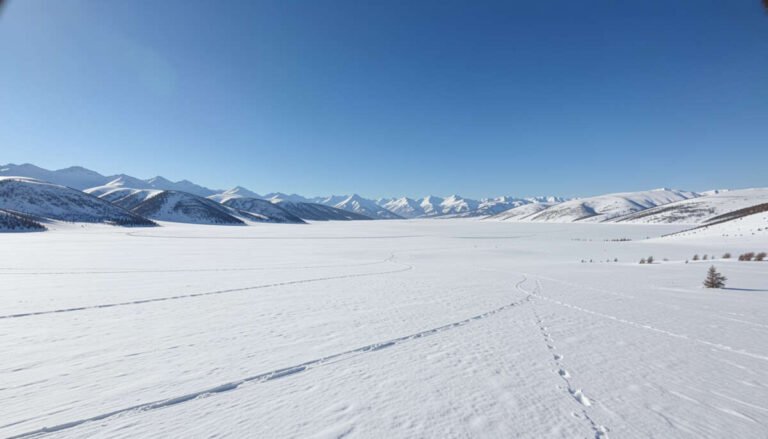
Big Sky really lives up to its name. The open landscapes, endless snowfields, and huge skies make it feel different from more crowded destinations.
It’s one of those places where you can truly slow down and take in the scenery.
What makes it special:
Massive, open snow-covered terrain
Fewer crowds compared to major ski resorts
Stunning views of surrounding mountains
- Plan your trip: https://bigskyresort.com
- Best time: December to February
- Tip: Sunset views here are underrated—don’t miss them.
17. Mammoth Lakes – California’s Snow Paradise
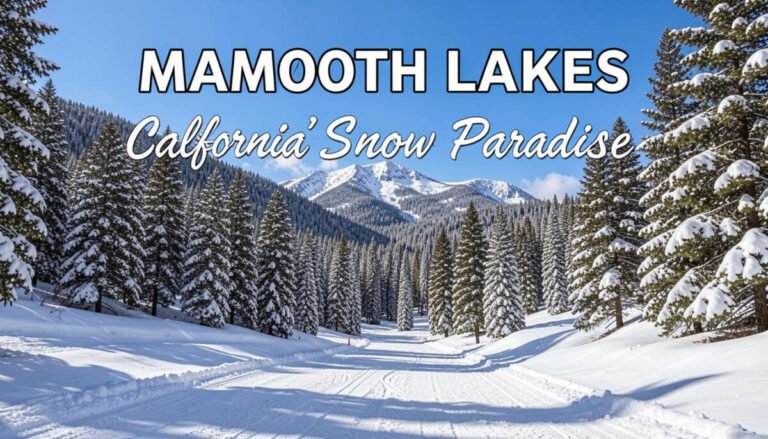
A lot of people don’t expect California to have this much snow, but Mammoth Lakes is a winter hotspot. The mountains, frozen lakes, and ski slopes make it a complete winter destination.
It’s also a bit more relaxed than places like Aspen.
Highlights:
Reliable snowfall in the Sierra Nevada
Scenic mountain lakes covered in snow
Great for skiing and snowboarding
- Travel guide: https://www.visitmammoth.com
- Best time: January to March
- Tip: Visit after a storm for the best powder and views.
18. White Mountains – Snowy Forest Drives
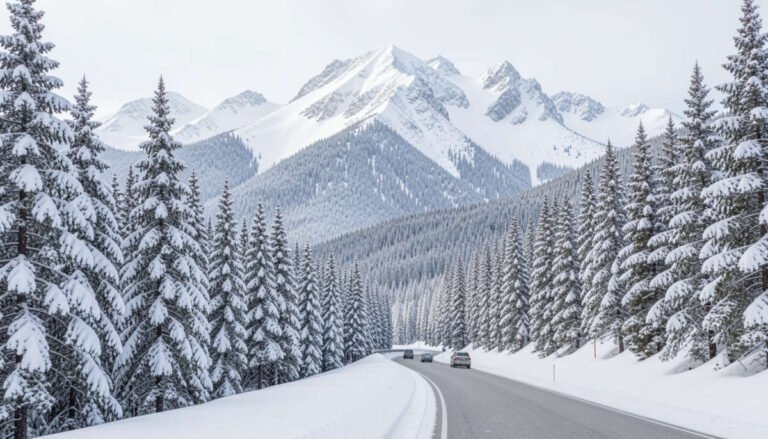
If you enjoy scenic drives, the White Mountains in winter are hard to beat. Snow-covered forests, winding roads, and mountain views create a peaceful experience.
It’s especially popular in the Northeast for winter getaways.
Why it stands out:
Beautiful snow-covered highways and trails
Family-friendly winter activities
Classic New England scenery
- Official info: https://www.visitwhitemountains.com
- Best time: December to February
- Tip: Drive carefully—roads can get icy quickly.
19. Park City – Snow, Skiing & Small-Town Charm
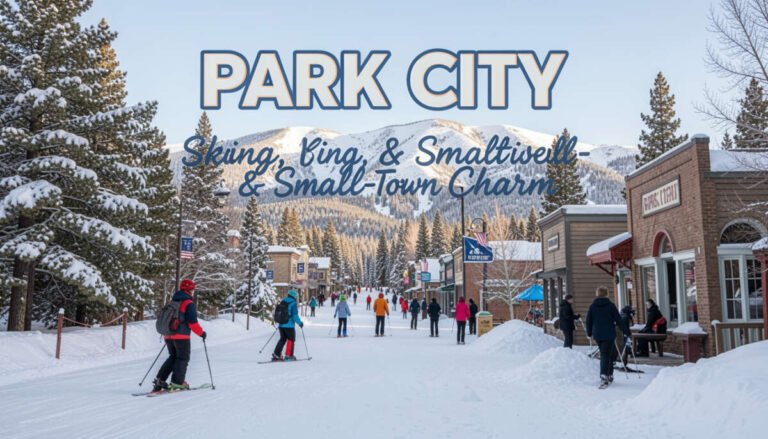
Park City blends outdoor adventure with a lively town atmosphere. You get excellent snow conditions along with restaurants, shops, and events.
It’s one of the most balanced winter destinations in the U.S.
What you’ll find:
Top-rated ski resorts
Walkable, charming downtown
Winter festivals and events
- Plan your visit: https://www.visitparkcity.com
- Best time: December to February
- Tip: Visit during Sundance season if you want a more lively vibe.
20. Taos Ski Valley – A Hidden Snow Gem
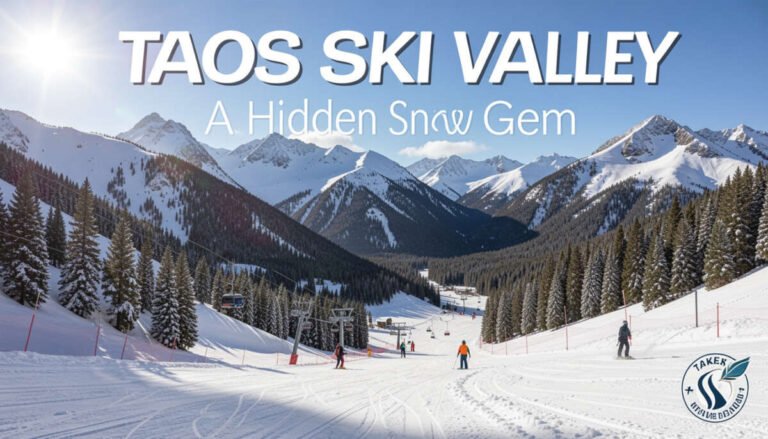
Taos Ski Valley is a bit more under-the-radar, but that’s exactly why it’s worth including. Snow-covered peaks mixed with Southwestern culture create a unique winter destination.
It feels different from typical snowy locations in the U.S.
What makes it unique:
Less crowded slopes
Blend of culture and nature
Beautiful mountain scenery
- Travel info: https://www.skitaos.com
- Best time: January to February
- Tip: Explore nearby Taos town for local food and culture.
Final Conclusion
Snow-covered landscapes in the USA offer something for every kind of traveler—from iconic national parks like Yosemite and Yellowstone to hidden gems like Taos Ski Valley and North Cascades. Whether you’re chasing adventure, photography, or cozy winter vibes, these 20 destinations promise unforgettable experiences. Plan ahead, check snow conditions, and enjoy the magic of winter in America.
Exploring these snowy wonders isn’t just about the scenery—it’s about the peaceful, quiet moments that winter brings, making each trip truly memorable.
Frequently Asked Questions (FAQ)
1. When is the best time to visit snow-covered landscapes in the USA?
Most destinations are best visited between December and March, but check individual parks for snowfall and road conditions.
2. Do I need special gear for winter travel?
Yes, warm layered clothing, waterproof boots, and winter accessories are essential. For high-altitude or remote areas, snowshoes or traction devices may be necessary.
3. Are these places family-friendly?
Many are, like Yosemite, Lake Tahoe, and Stowe, but some remote areas like Denali or North Cascades are better suited for experienced travelers.
4. Can I visit these destinations without skiing or snowboarding?
Absolutely! Snowshoeing, winter hikes, scenic drives, photography, and cozy lodge stays are available at most locations.
5. How do I check for snow conditions before visiting?
Always refer to official park websites or local tourism guides for current weather, road closures, and safety updates.