If you’re fascinated by British history, grand architecture, and the lives of kings and queens, the UK’s royal estates are some of the most magical places you can explore. From ancient castles to elegant palaces, these estates tell stories that stretch back a thousand years. In this 2026 guide, I’m sharing the top 15 royal estates in the United Kingdom that every traveller, history buff, or curious reader should know about. I’ve included practical tips for visitors, official links, and why each estate matters today — not just in history books.
1. Buckingham Palace
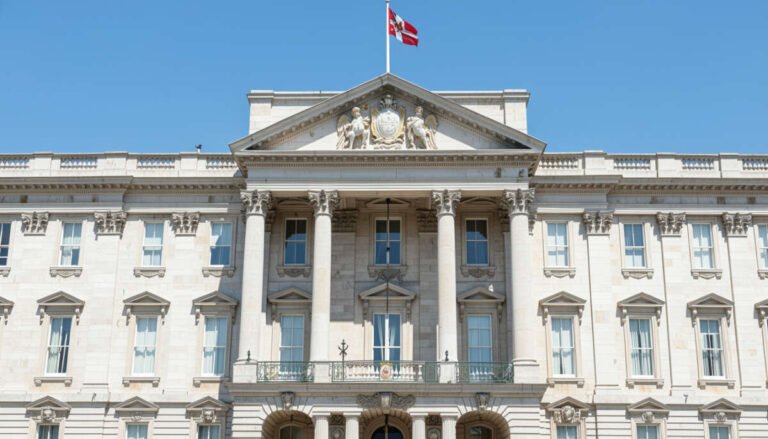
Buckingham Palace is probably the first place people picture when they think of British royalty. It’s been the official London residence of the monarch since Queen Victoria’s time and continues to be the symbolic heart of the British monarchy.
What makes it special:
- Houses 775 rooms, from state rooms used for national events to private apartments.
- Home to traditions like the Changing of the Guard ceremony. (A must‑see if you visit London.)
- Open to the public at certain times of the year — with tours allowing you inside the State Rooms and gardens.
- Tip: Plan ahead — tickets (especially for summer tours) sell out fast. The palace garden is one of London’s most serene spots.
2. Windsor Castle
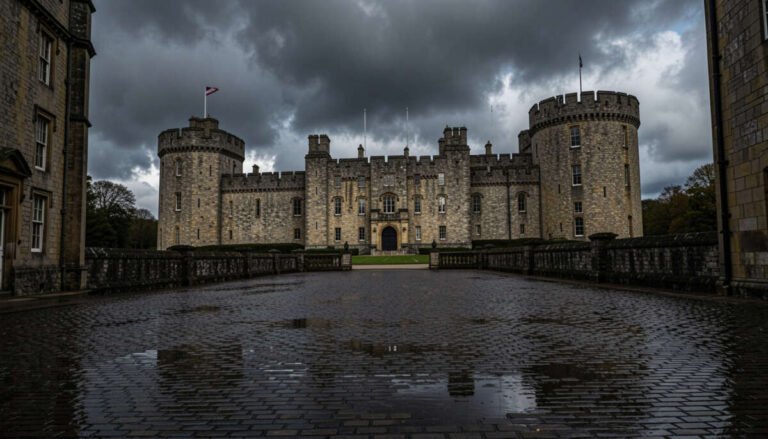
Windsor Castle is the oldest and largest occupied castle in the world. Built by William the Conqueror shortly after 1066, it has been a royal home for nearly 40 monarchs.
- Stunning State Apartments filled with art and royal treasures.
- St George’s Chapel, where recent royal weddings and historic funerals have taken place.
- A day trip worth spending at least half a day exploring — including the ceremonial Changing of the Guard.
- Set in Berkshire, Windsor is perfect for history, architecture, and stunning countryside views.
3. Balmoral Castle – Scotland’s Highland Retreat
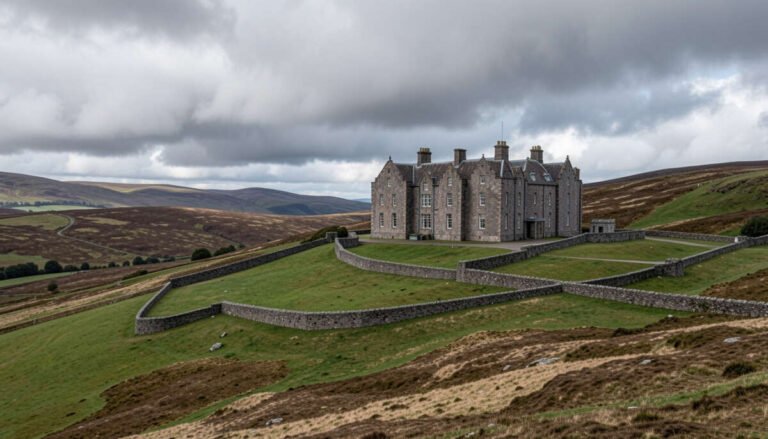
Balmoral has been the private Scottish residence of British monarchs since Queen Victoria’s day. Unlike palaces owned by the Crown, Balmoral is privately owned by the royal family.
- Victorian baronial architecture set amidst dramatic Highland scenery.
- A working estate with forestry, farming, and wildlife — not just a palace.
- Its connection to Queen Elizabeth II — she spent many summers here.
- Balmoral isn’t as easy to visit as a palace in London, but it’s unforgettable for those who make the trip to Aberdeenshire.
4. Sandringham House – The King’s Norfolk Country Estate
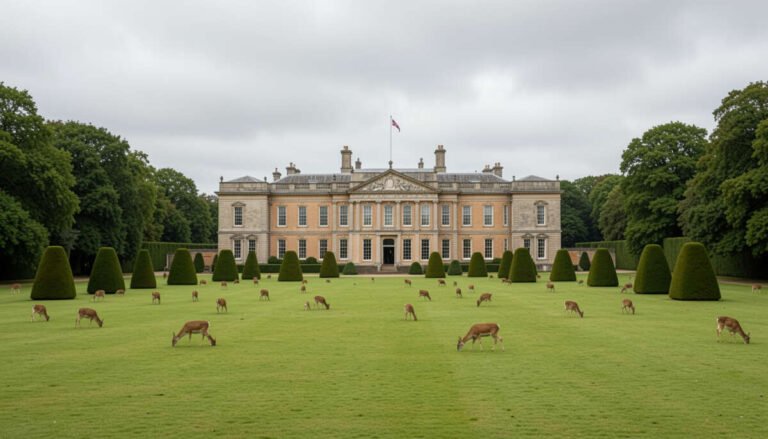
A favourite among royal fans, Sandringham House is where the Royal Family traditionally spends Christmas and New Year.
Why it’s unique:
- A personal, lived‑in estate with deep family traditions.
- Hosted the first televised Christmas message by Queen Elizabeth II in 1957.
- Surrounded by parkland, gardens, and a working farm — this is royalty in a relaxed, personal setting.
- Visiting Sandringham in winter is atmospheric, but spring through autumn also offers garden and estate tours.
5. Palace of Holyroodhouse – Scotland’s Royal Palace in Edinburgh
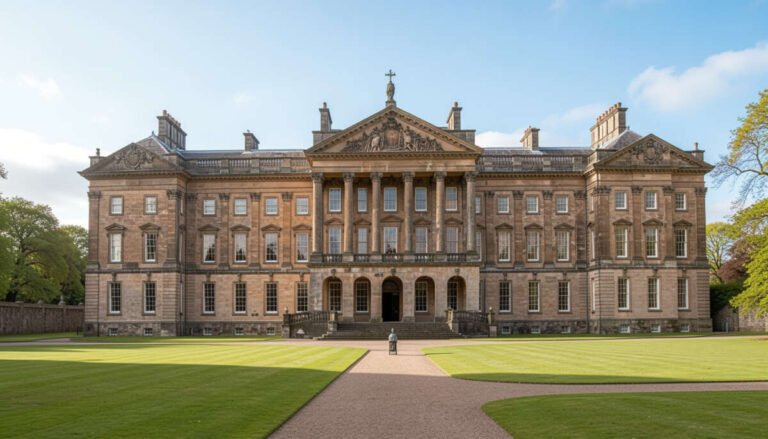
Royal residence with a Scottish soul:
This palace is the official royal residence in Scotland, located at the foot of the Royal Mile in Edinburgh.
Why it deserves your bucket list:
- A backdrop to Scottish history — from royal coronations to dramatic court events.
- Next to the ruins of Holyrood Abbey, adding a unique historical layer.
- Offers tours through magnificent chambers and state rooms open to visitors.
- Edinburgh’s vibrant city centre makes Holyroodhouse a must‑see if you’re combining culture with royal history.
6. Hampton Court Palace – London’s Tudor Masterpiece
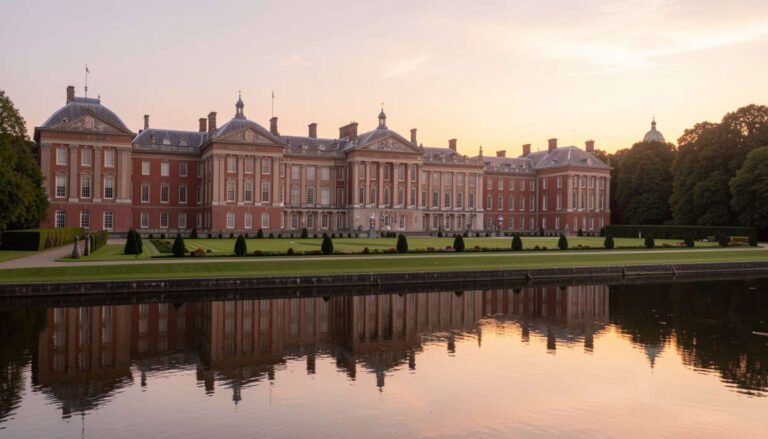
Hampton Court Palace is most closely associated with King Henry VIII, who transformed it into a grand Tudor palace. Today, it’s a blend of Tudor and Baroque architecture.
- Explore Henry VIII’s kitchens, which are still largely intact.
- Don’t miss the famous maze, perfect for all ages.
- Stunning gardens, including formal layouts and riverside walks.
- Hampton Court is ideal for history lovers and families, combining royal history with interactive experiences.
7. Kew Palace – Hidden Gem in the Royal Botanic Gardens
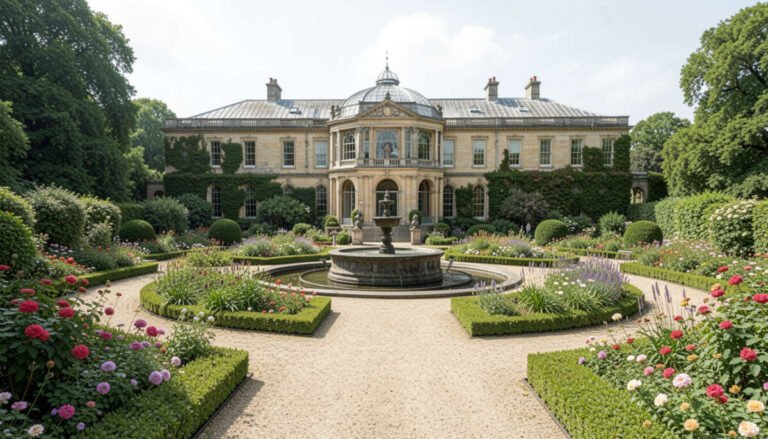
Nestled within the world-famous Royal Botanic Gardens, Kew, Kew Palace was a residence for King George III. It’s less crowded but packed with history.
- See King George III’s apartments, preserved with period furnishings.
- Enjoy Kew Gardens, home to one of the largest plant collections in the world.
- Learn about royal life during the Georgian era.
- Perfect for visitors who love gardens as much as palaces.
8. Osborne House – Queen Victoria’s Seaside Retreat, Isle of Wight
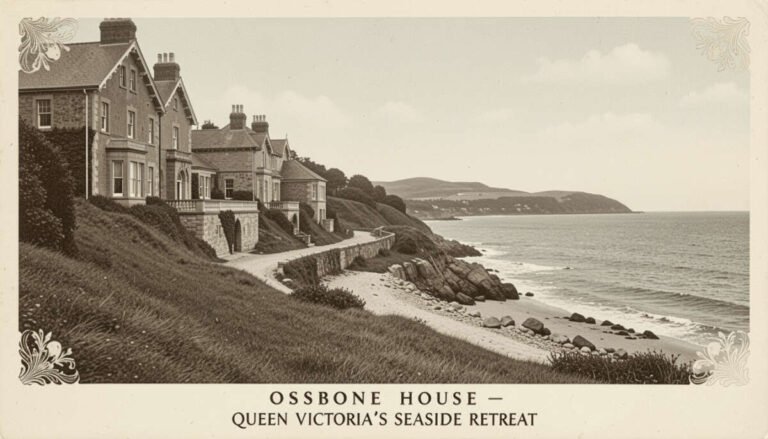
Osborne House was the private summer home of Queen Victoria and Prince Albert, designed to feel like a family home rather than a formal palace.
- Stroll the Italianate gardens and private beach.
- Explore Victoria’s drawing rooms and private apartments, giving a glimpse into royal family life.
- Family-friendly tours with interesting stories about the Queen’s children.
- Osborne House blends history with relaxation — perfect for a summer visit.
9. Holyrood Palace Gardens – Beyond the Palace
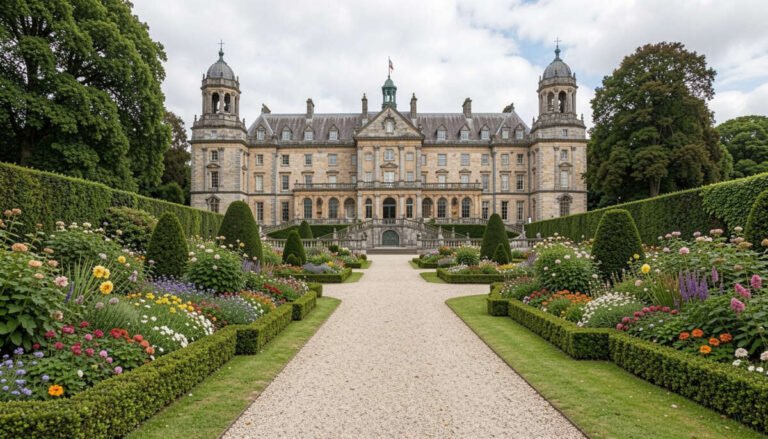
While I mentioned the Palace of Holyroodhouse earlier, its gardens and grounds deserve special attention. They offer a tranquil escape with stunning views of Arthur’s Seat in Edinburgh.
- Beautifully maintained gardens reflecting royal tastes.
- Walking routes that connect the palace to historic Edinburgh landmarks.
- Perfect for photography and quiet reflection.
- Ideal for visitors who want history plus natural beauty.
10. Windsor Great Park – Royal Estate Beyond the Castle
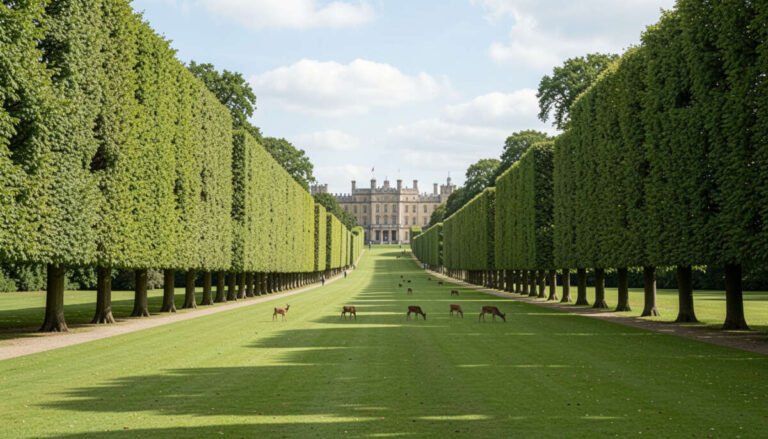
While Windsor Castle is iconic, Windsor Great Park covers over 4,800 acres and is an essential part of royal heritage.
- Explore gardens, lakes, and historic monuments spread across the park.
- Home to Long Walk, the famous tree-lined avenue leading to Windsor Castle.
- A space for events, horse riding, and walking trails connecting history and nature.
- Windsor Great Park is perfect for outdoor enthusiasts who want a royal experience beyond palace walls.
11. Chequers – The Prime Minister’s Country Estate
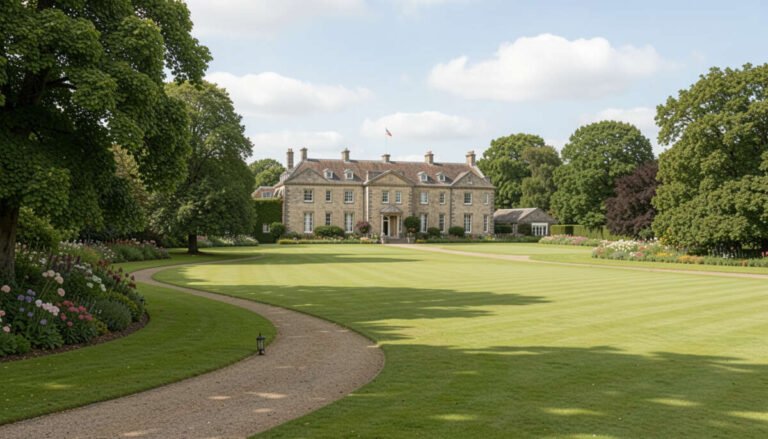
Chequers is the official country residence of the UK Prime Minister, with centuries of history linked to the aristocracy before its government use.
- Historic interiors reflecting 17th-century architecture.
- Beautiful gardens and woodland walks open during special events.
- While it’s not fully open to the public, it’s a notable royal-connected estate because it hosts official guests and ceremonies.
12. Frogmore House – Royal Retreat in Windsor
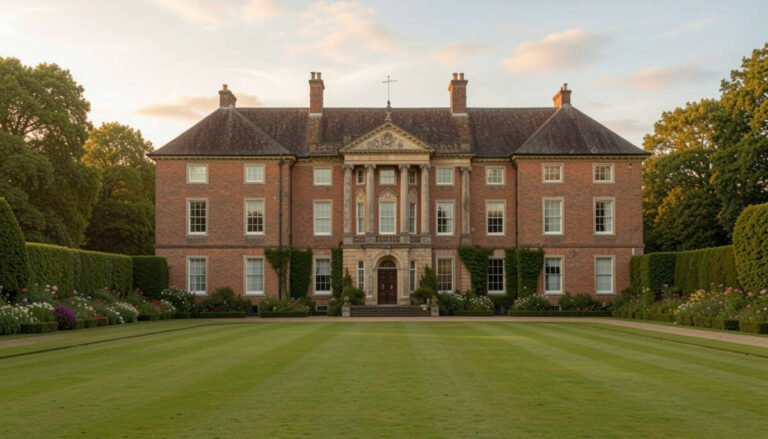
Located within Windsor Great Park, Frogmore House is a historic royal retreat. It’s famous for its Victorian architecture and landscaped gardens.
- Stunning gardens with lakes, monuments, and exotic plants.
- The Royal Mausoleum is on the grounds, where Queen Victoria and Prince Albert are buried.
- Usually open to the public during specific summer days — a peaceful escape.
13. Highgrove House – Home of King Charles III
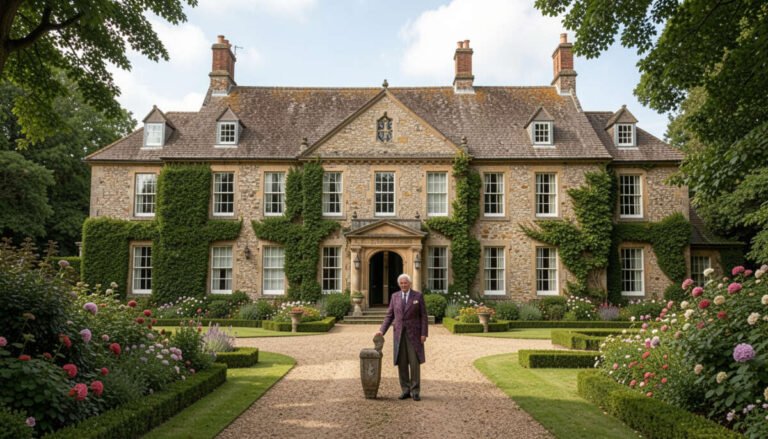
Highgrove, in Gloucestershire, is the private residence of King Charles III. Known for its organic gardens and environmental focus, it’s a modern example of royal estate stewardship.
- Guided tours of the gardens reveal innovative sustainable gardening techniques.
- Private but occasionally opens for charity and public tours.
- A great example of how contemporary royals blend tradition with ecological awareness.
14. Osborne House’s Swiss Cottage – Victoria’s Miniature Getaway
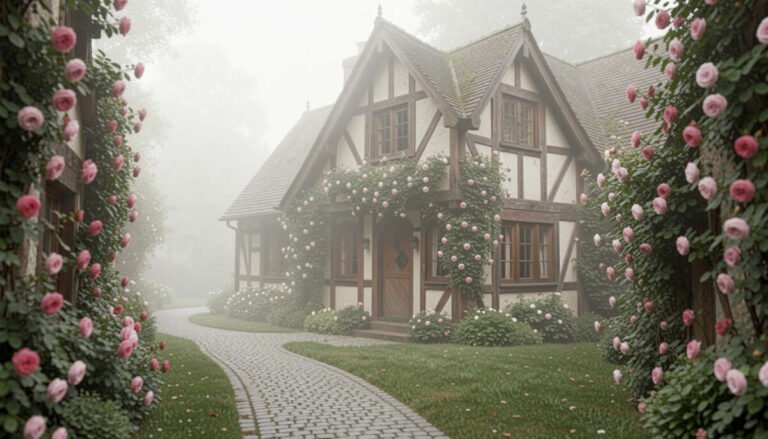
Inside Osborne House, the Swiss Cottage was where Queen Victoria’s children learned domestic skills in a playful, hands-on environment.
- A charming, cottage-style building with Victorian decorative touches.
- Offers insight into the royal family’s private life and child education.
- Set in beautifully landscaped grounds with views of the Solent.
15. Woburn Abbey – Historic Estate in Bedfordshire
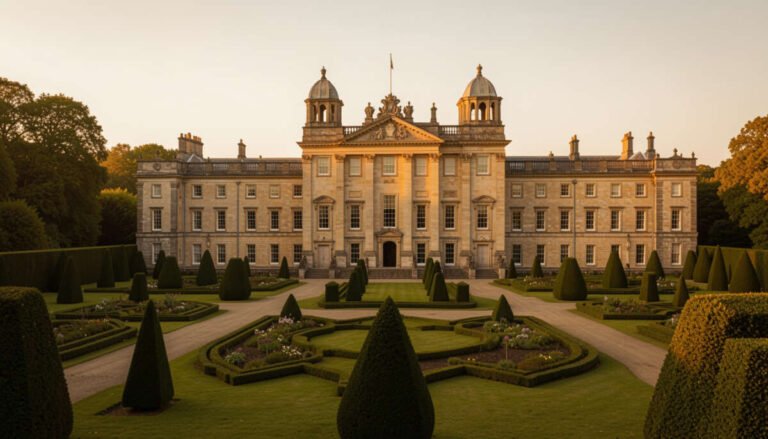
Woburn Abbey is the seat of the Duke of Bedford and while not a royal palace per se, it has close royal connections and offers a glimpse into aristocratic life intertwined with British history.
- Houses art collections, family treasures, and historic libraries.
- Gorgeous gardens and safari park make it a family-friendly visit.
- Seasonal events like art exhibitions and concerts enrich visitor experience.
Final Thoughts
The UK is home to some of the world’s most iconic and historic royal estates. From Buckingham Palace in London to Balmoral Castle in the Highlands, each estate offers a unique glimpse into the lives of monarchs, royal traditions, and centuries of history. Whether you’re exploring grand state rooms, strolling through serene gardens, or witnessing timeless ceremonies, these estates combine history, architecture, and culture in an unforgettable experience. Visiting them is more than sightseeing — it’s stepping into living history.
Frequently Asked Questions (FAQs)
1. Can I visit all the royal estates listed?
Most estates like Buckingham Palace, Windsor Castle, and Holyroodhouse are open to the public at specific times. Some private residences, such as Balmoral and Highgrove, have limited access, usually via tours or special events.
2. How do I buy tickets for royal estates?
Always buy tickets from official websites to avoid scams.
3. When is the best time to visit these estates?
Summer months are popular for palace tours, while autumn and spring are quieter, ideal for gardens and photography.
4. Are children welcome at these estates?
Yes! Many estates have interactive tours, mazes, and family-friendly activities, such as Hampton Court Palace and Osborne House.
5. Do I need a guide to explore royal estates?
Guides are recommended for a deeper understanding of history, artwork, and architecture. Many estates also offer audio guides or guided tours.