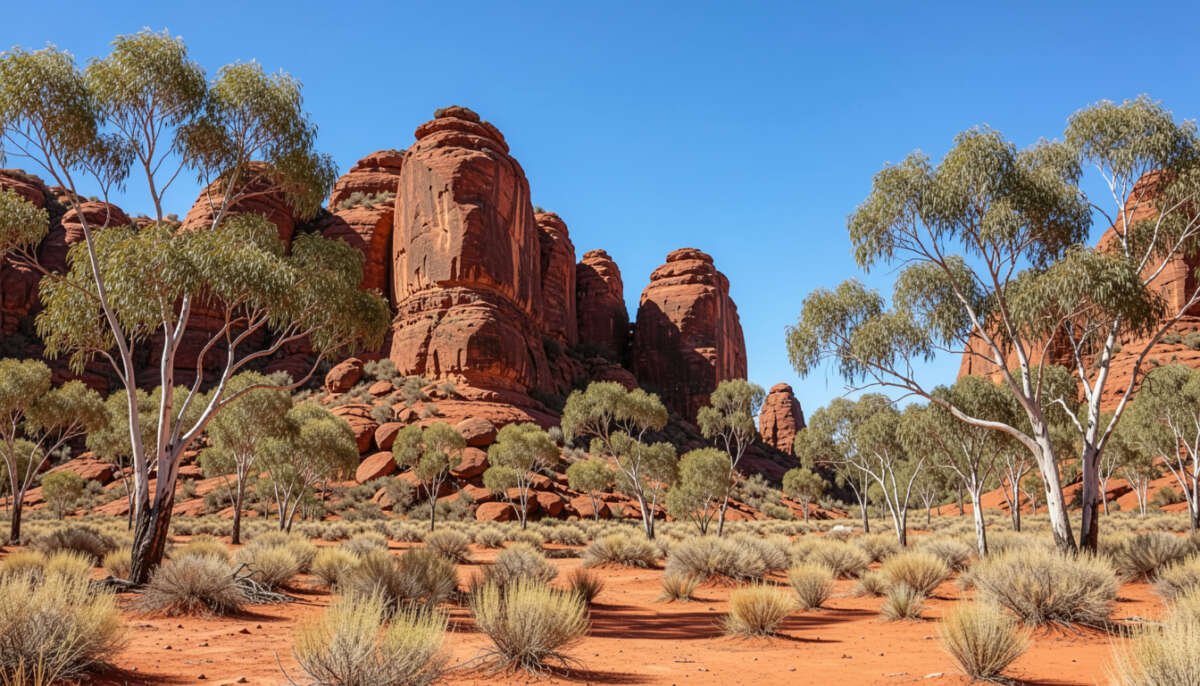
Australia isn’t short on dramatic landscapes—but its national parks are where the real magic happens. From ancient rainforests to vast desert monoliths, these places don’t just look good on Instagram—they tell stories that go back tens of thousands of years. If you’re planning a trip in 2026, these are the 25 national parks I’d personally recommend—based on real travel value, accessibility, and unforgettable experiences.
1. Kakadu National Park
Best for: Wildlife, waterfalls & Aboriginal culture
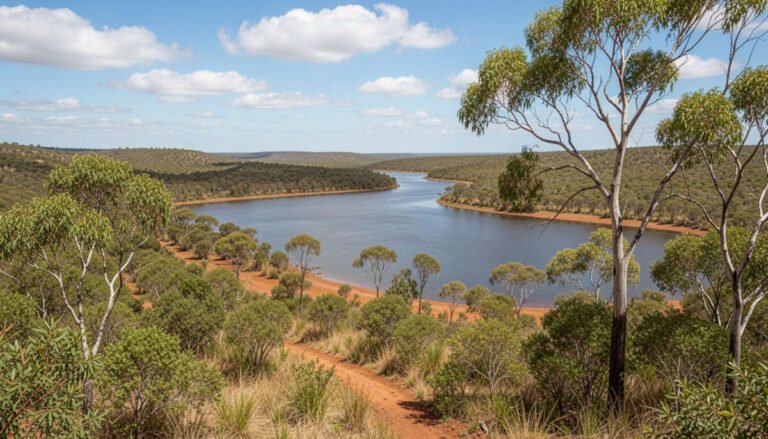
If there’s one place that truly captures Australia’s wild side, it’s Kakadu. This UNESCO World Heritage-listed park is massive—almost the size of a small country—and incredibly diverse.
What makes it special isn’t just the scenery—it’s the culture. Indigenous Australians have lived here for over 60,000 years, and their stories are literally painted onto rock walls across the park.
Watch crocodiles cruise through Yellow Water Billabong
Swim (safely!) near waterfalls like Gunlom Falls
Explore ancient rock art at Ubirr and Nourlangie
- Travel tip: Visit between May and October (dry season) for better road access and wildlife spotting.
2. Uluru-Kata Tjuta National Park
Best for: Iconic landscapes & cultural experiences
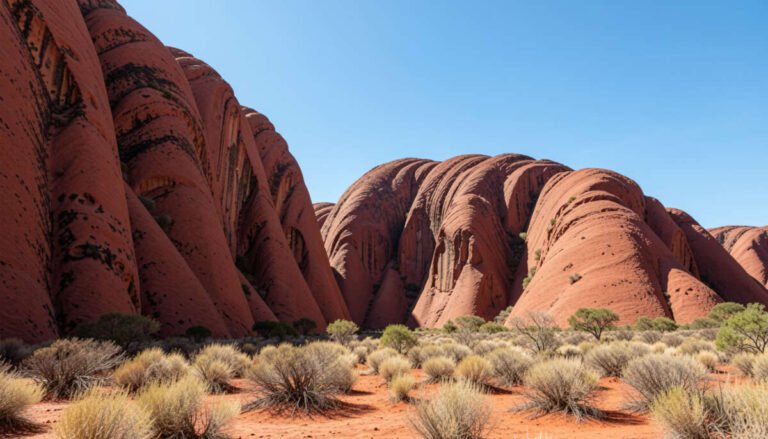
Uluru is one of those places that photos can’t fully capture. Standing in front of this massive sandstone monolith feels grounding and surreal at the same time.
But what many travelers miss is that this isn’t just a landmark—it’s a deeply sacred site for the Anangu people.
Sunrise or sunset at Uluru (colors change dramatically)
Walk around the base instead of climbing (now banned for cultural respect)
Explore Kata Tjuta’s Valley of the Winds
- Travel tip: Book guided cultural tours—you’ll understand the place on a completely different level.
3. Daintree National Park
Best for: Rainforest adventures & biodiversity
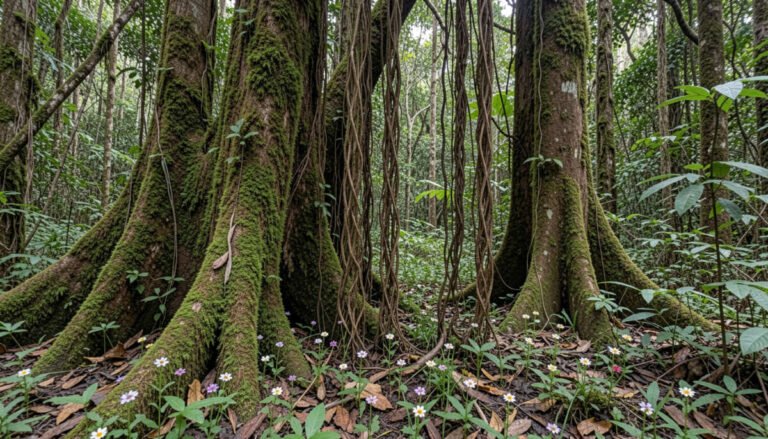
The Daintree isn’t just a rainforest—it’s the oldest tropical rainforest on Earth. Walking through it feels like stepping into a prehistoric world.
This is where lush jungle meets the Great Barrier Reef coastline, creating one of the most unique ecosystems anywhere.
Spot cassowaries (rare and fascinating birds)
Take a river cruise to see crocodiles
Walk through Mossman Gorge
- Travel tip: Go early in the morning for wildlife and fewer crowds.
4. Blue Mountains National Park
Best for: Easy access from Sydney & scenic viewpoints
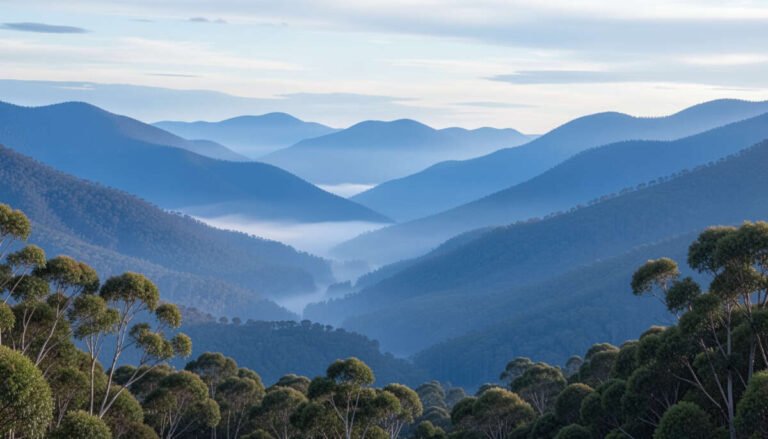
Just a short drive from Sydney, the Blue Mountains feel like a completely different world. Think dramatic cliffs, eucalyptus forests, and misty valleys.
The famous “blue haze” comes from oil droplets released by eucalyptus trees—something you actually notice in person.
See the Three Sisters rock formation
Ride the Scenic Railway (steepest in the world)
Hike to Wentworth Falls
- Travel tip: Perfect for a day trip—but staying overnight gives you a quieter experience.
5. Cradle Mountain-Lake St Clair National Park
Best for: Hiking & alpine scenery
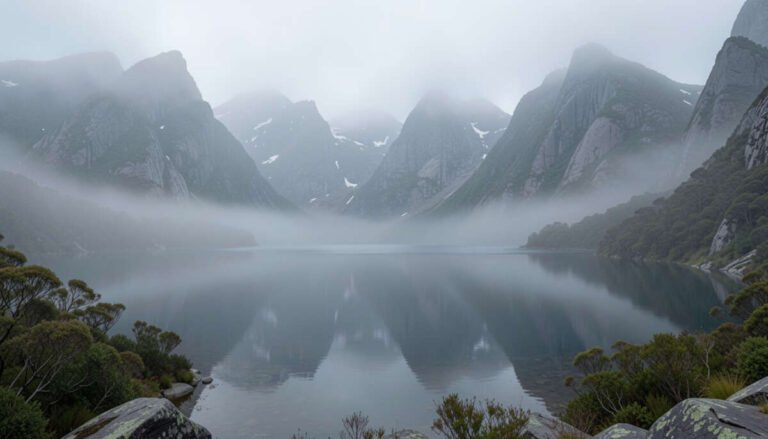
If you’re into hiking, this is easily one of Australia’s best parks. Cradle Mountain feels more like New Zealand or Europe—with alpine lakes, rugged peaks, and crisp air.
Walk around Dove Lake (must-do)
Spot wombats at dusk
Trek part of the Overland Track
- Travel tip: Weather changes fast—pack layers even in summer.
6. Freycinet National Park
Best for: Coastal views & iconic beaches
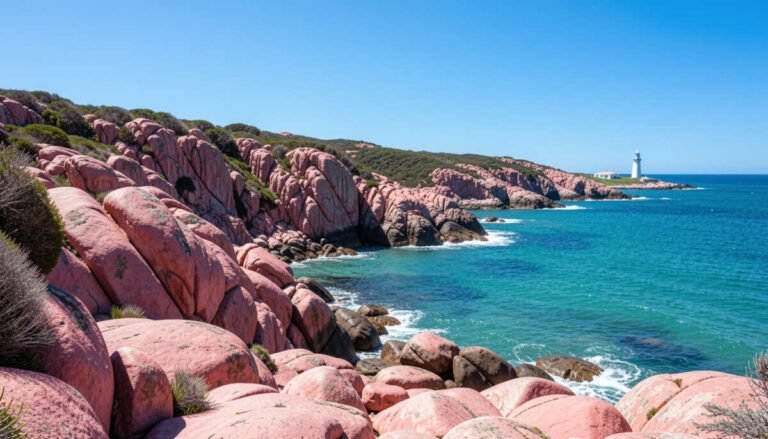
Freycinet is one of those places that looks unreal in photos—but somehow even better in real life. The star attraction here is Wineglass Bay, a perfectly curved white-sand beach with bright turquoise water.
It’s not just about the view though—the hike to the lookout is part of the experience, and it’s manageable even if you’re not super fit.
Hike to Wineglass Bay Lookout
Kayak along the coastline
Spot dolphins and wallabies
- Travel tip: Sunrise hikes here are quieter and the lighting is perfect for photos.
7. Grampians National Park
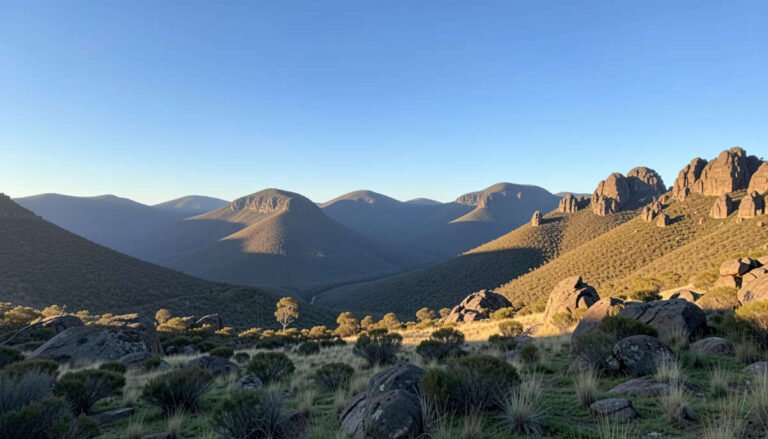
Best for: Hiking & Aboriginal heritage
The Grampians (Gariwerd) surprised me the most. It’s not as internationally famous as Uluru or Kakadu, but it absolutely should be. You get rugged mountain ranges, waterfalls, and some of the richest Aboriginal rock art sites in southern Australia.
Hike to Pinnacle Lookout
Visit MacKenzie Falls (one of the best in Victoria)
Explore ancient rock art shelters
- Travel tip: Kangaroos are everywhere at sunrise and sunset—keep your camera ready.
8. Karijini National Park
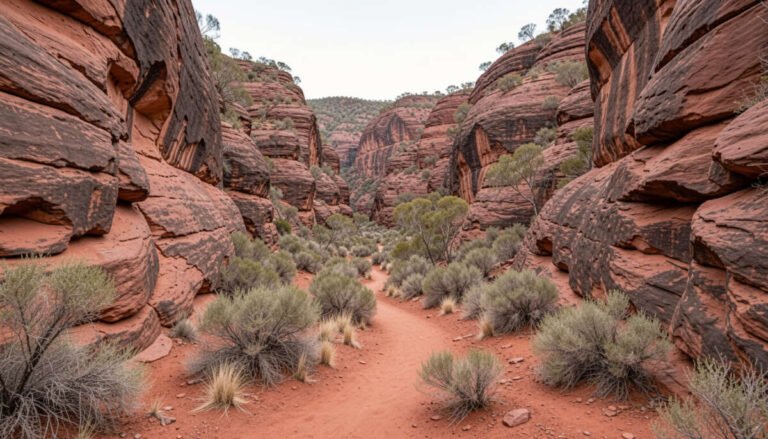
Best for: Dramatic gorges & adventure
Karijini feels raw and untouched. Think deep red gorges, natural rock pools, and waterfalls hidden between cliffs. It’s less crowded than the big-name parks, which makes it feel more like a real adventure.
Swim in Fern Pool (one of the most beautiful spots in WA)
Explore Hancock Gorge
Take on the Spider Walk (fun but challenging)
- Travel tip: Wear proper shoes—some trails require climbing and careful footing.
9. Kosciuszko National Park
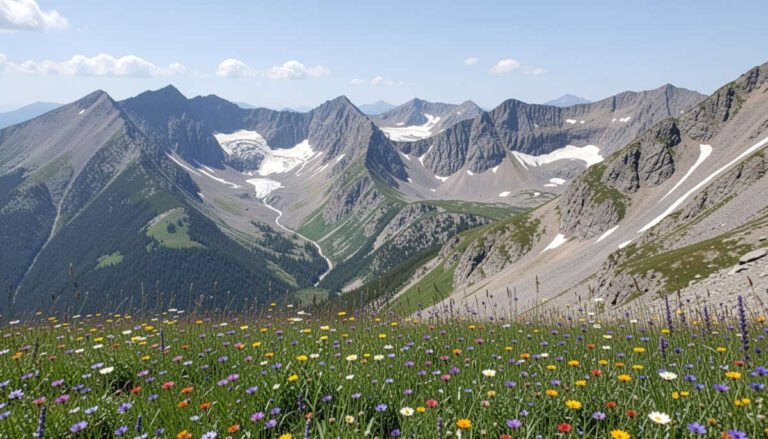
Best for: Snowy mountains & year-round activities
This is home to Mount Kosciuszko, the highest peak in Australia. What I like most about this park is how different it feels depending on the season.
In winter, it turns into a ski destination. In summer, it’s all about hiking, wildflowers, and alpine lakes.
Walk to the summit of Mount Kosciuszko
Ski or snowboard in winter
Cycle scenic alpine trails
- Travel tip: Even in summer, temperatures can drop quickly—pack layers.
10. Litchfield National Park
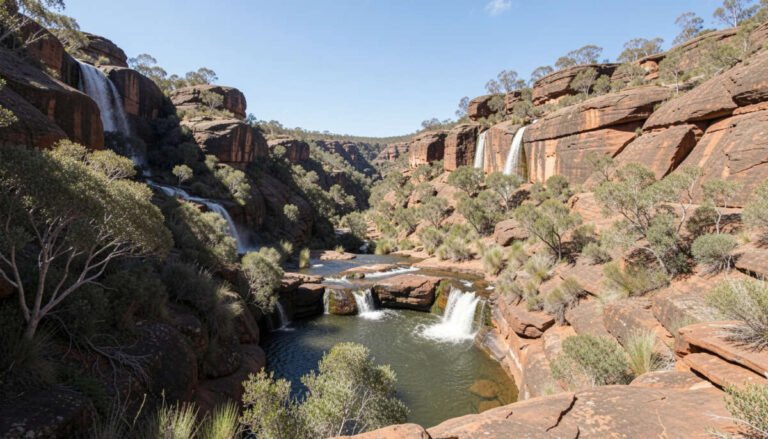
Best for: Easy-access waterfalls & swimming spots
If Kakadu feels too big or remote, Litchfield is the perfect alternative. It’s much closer to Darwin and easier to explore in a short time—but still packed with incredible scenery.
What makes it stand out? Waterfalls you can actually swim in (unlike many areas in Kakadu due to crocodiles).
Swim at Wangi Falls
Relax at Buley Rockhole
See the giant magnetic termite mounds
- Travel tip: Go early in the day—these swimming spots get busy fast.
11. Purnululu National Park
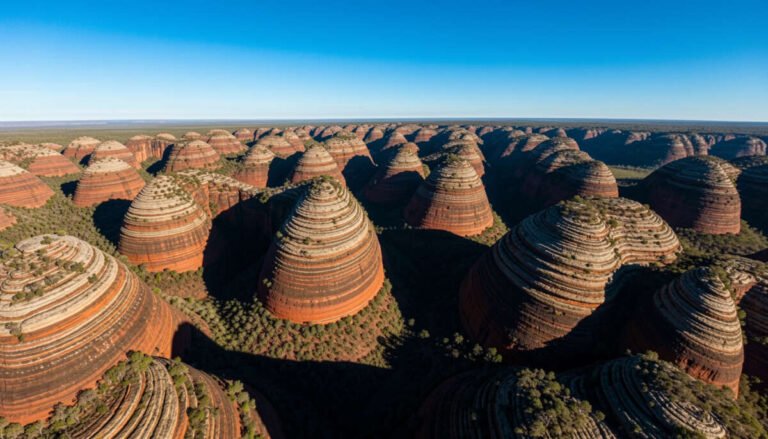
Best for: Unique landscapes & remote adventure
This one feels like a hidden world. Purnululu is home to the famous Bungle Bungle Range—striped sandstone domes that look almost unreal. It’s remote, yes, but that’s part of the appeal.
You won’t find big crowds here—just raw nature and silence.
Walk through Cathedral Gorge
Explore Echidna Chasm (especially midday light)
Scenic helicopter flight over the domes
- Travel tip: A 4WD vehicle is essential—this isn’t a casual road trip destination.
12. Wilsons Promontory National Park
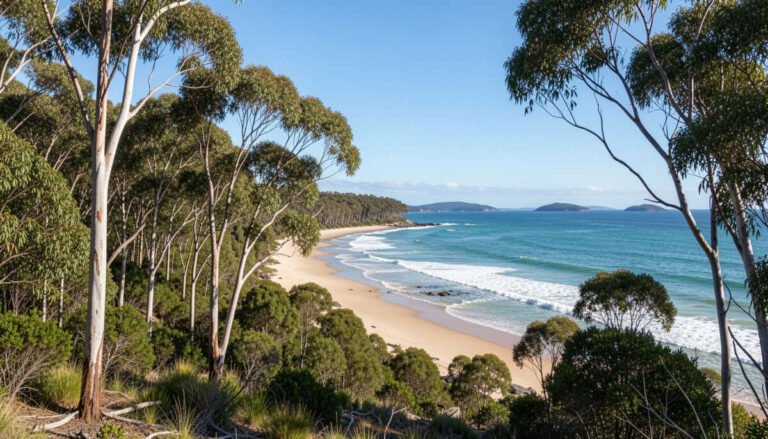
Best for: Beaches, wildlife & relaxed coastal trips
Locally known as “The Prom,” this park is a favorite for good reason. It has that perfect mix of beaches, bushwalking, and wildlife—all in one place.
If you’re looking for a slower, more peaceful travel experience, this is it.
Relax at Squeaky Beach (yes, the sand actually squeaks)
Hike Mount Oberon for sunset views
Spot wombats and emus
- Travel tip: Book accommodation early—it fills up fast, especially in summer.
13. Nitmiluk National Park
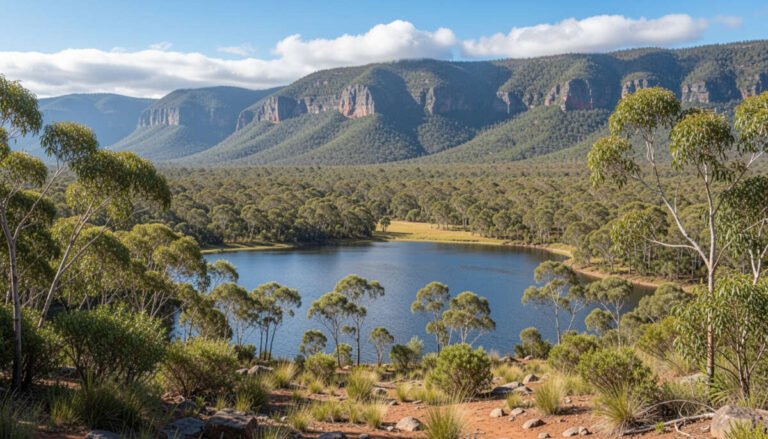
Best for: Gorge cruises & cultural experiences
Nitmiluk (Katherine Gorge) doesn’t always get as much attention as Kakadu, but honestly—it deserves it. The series of sandstone gorges carved by the Katherine River is stunning.
And like many places in the Northern Territory, the cultural connection to Indigenous communities adds depth to the visit.
Canoe through Katherine Gorge
Take a sunset cruise
Hike to Baruwei Lookout
- Travel tip: Sunrise and sunset are the best times—the light inside the gorge is incredible.
14. Royal National Park
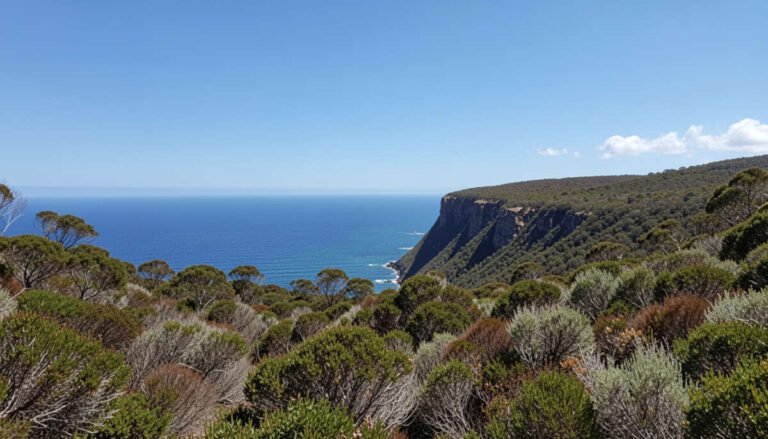
Best for: Quick escape from Sydney
Just an hour south of Sydney, this is actually one of the oldest national parks in the world—and still one of the most underrated.
It’s perfect if you don’t have time for long travel but still want cliffs, beaches, and coastal walks.
Walk the Coast Track
Visit Wedding Cake Rock (photo spot)
Swim at Wattamolla Lagoon
- Travel tip: Weekdays are much quieter than weekends.
15. Flinders Ranges National Park
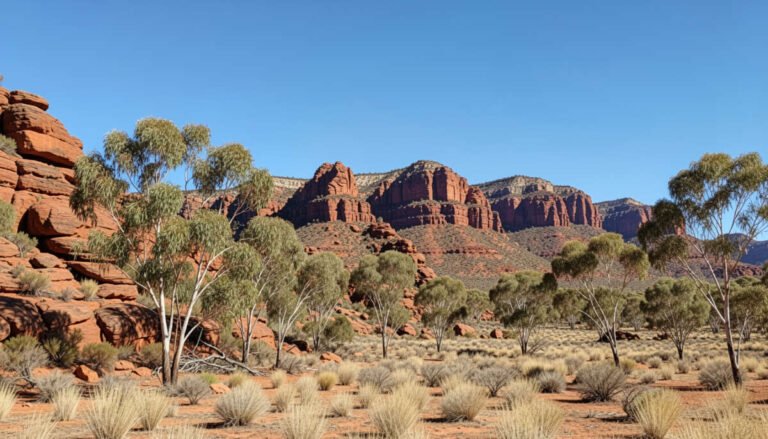
Best for: Outback scenery & scenic drives
If you want that classic Australian outback feel—red earth, ancient landscapes, endless skies—Flinders Ranges delivers.
It’s also one of the best places to understand just how old Australia’s landscapes really are.
Drive through Brachina Gorge (great for wildlife spotting)
Take a scenic flight over Wilpena Pound
Camp under some of the clearest night skies in Australia
- Travel tip: This area is fantastic for stargazing—bring a tripod if you’re into photography.
16. Cape Le Grand National Park
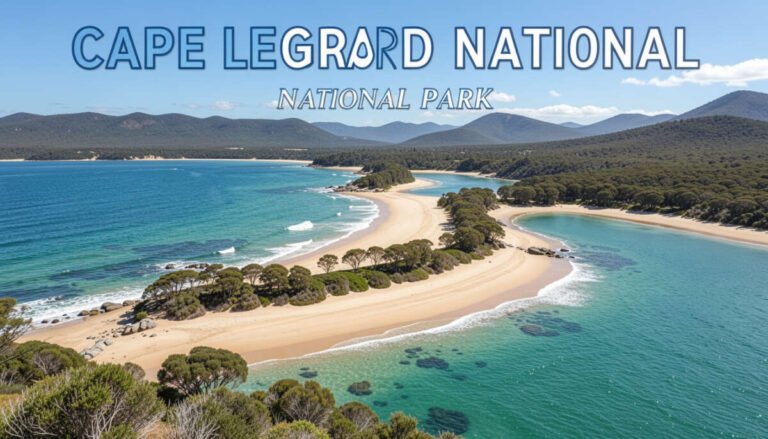
Best for: Pristine beaches & unique wildlife encounters
This park genuinely surprised me. The beaches here—especially Lucky Bay—are often ranked among the whitest in Australia. And yes, kangaroos casually lounging on the sand is a real thing.
It feels remote, peaceful, and incredibly clean.
Relax at Lucky Bay (kangaroos included)
Swim in crystal-clear water
Hike Frenchman Peak for panoramic views
- Travel tip: Bring supplies—facilities are limited, but that’s part of the charm.
17. Great Otway National Park
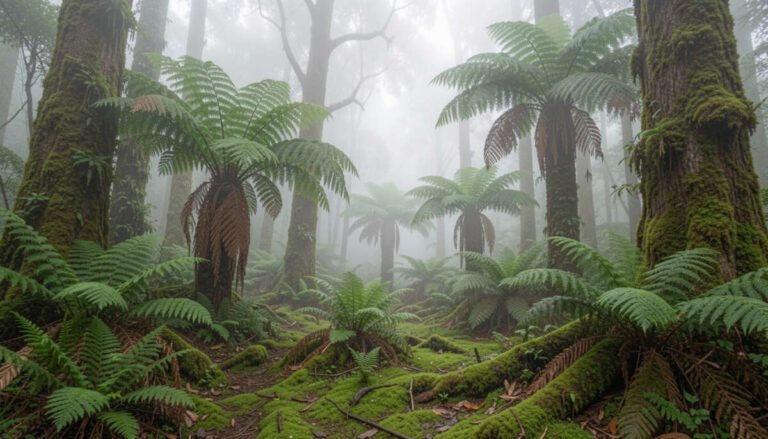
Best for: Waterfalls & scenic coastal drives
Stretching along the famous Great Ocean Road, this park is all about lush rainforest, waterfalls, and dramatic coastline.
It’s one of those places where every short stop turns into a photo opportunity.
Visit Triplet Falls and Hopetoun Falls
Spot koalas along the road near Kennett River
Walk through ancient rainforest trails
- Travel tip: Start early if you’re driving the Great Ocean Road—traffic builds up quickly.
18. Shark Bay World Heritage Area
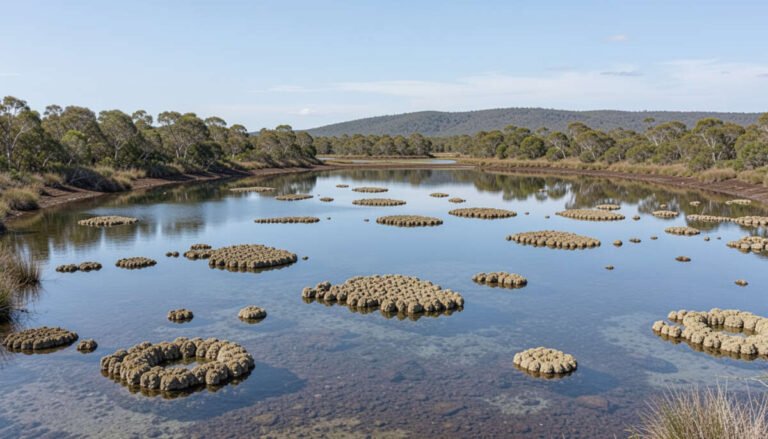
Best for: Marine life & unique natural features
Shark Bay is less about hiking and more about what’s happening in the water. It’s one of the best places in Australia to see marine life up close.
Plus, it’s home to stromatolites—some of the oldest life forms on Earth.
See dolphins at Monkey Mia
Walk along Shell Beach (made entirely of tiny shells)
Visit Hamelin Pool stromatolites
- Travel tip: Respect wildlife guidelines—especially around dolphins.
19. Namadgi National Park
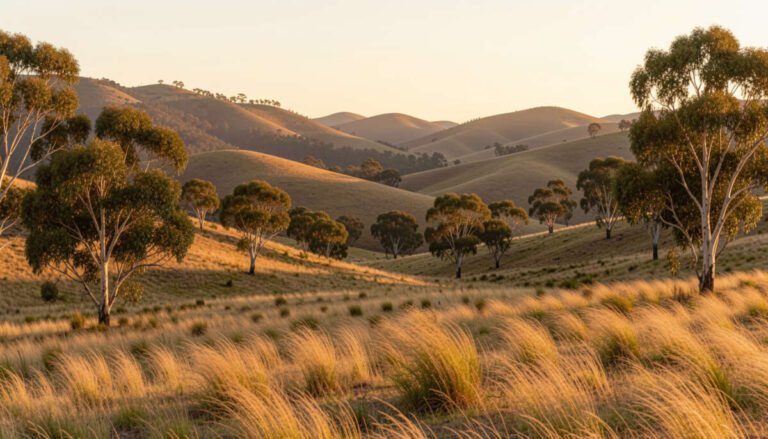
Best for: Quiet hiking & uncrowded nature
Namadgi is one of those parks that flies under the radar—and that’s exactly why it’s worth visiting. It’s peaceful, less commercial, and perfect if you want to escape the crowds.
It’s also part of the Australian Alps, so expect beautiful mountain scenery.
Hike to Mount Tennent
Explore historic huts and Aboriginal sites
Enjoy quiet camping spots
- Travel tip: Ideal for a day trip or short getaway from Canberra.
20. Fitzroy River National Park (Danggu Gorge)
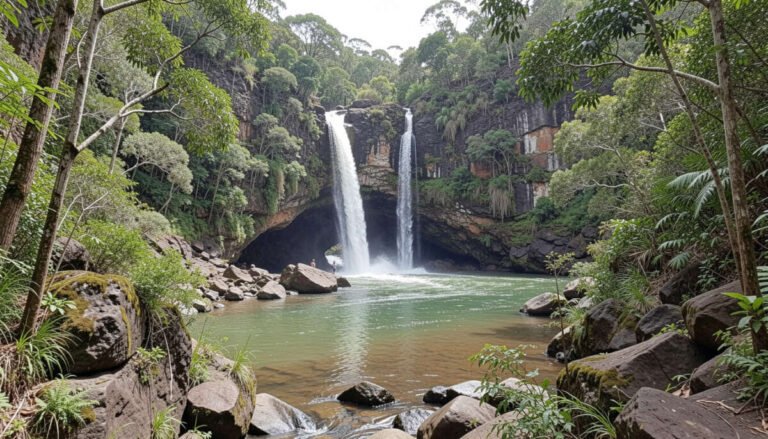
Best for: Dramatic gorges & cultural significance
Also known as Danggu Gorge, this park is home to Geikie Gorge—one of the most striking limestone gorges in Western Australia.
It’s not as touristy as other parks, which makes it feel more authentic and untouched.
Boat tour through Geikie Gorge
Learn about Indigenous heritage and stories
Spot freshwater crocodiles and birds
- Travel tip: Visit during the dry season for better access and tours.
21. Girraween National Park
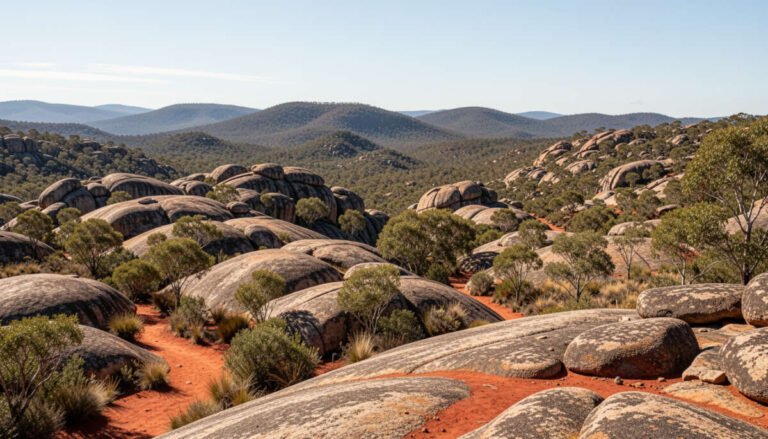
Best for: Granite landscapes & peaceful hiking
Girraween has a very different feel compared to other parks—it’s all about massive granite boulders, open landscapes, and quiet trails. It’s not overly crowded, which makes it ideal if you prefer a slower pace.
Climb the Granite Arch
Hike to The Pyramid for sunrise views
Explore Bald Rock Creek area
- Travel tip: Early morning hikes here are worth it—the light over the granite formations is beautiful.
22. Barrington Tops National Park
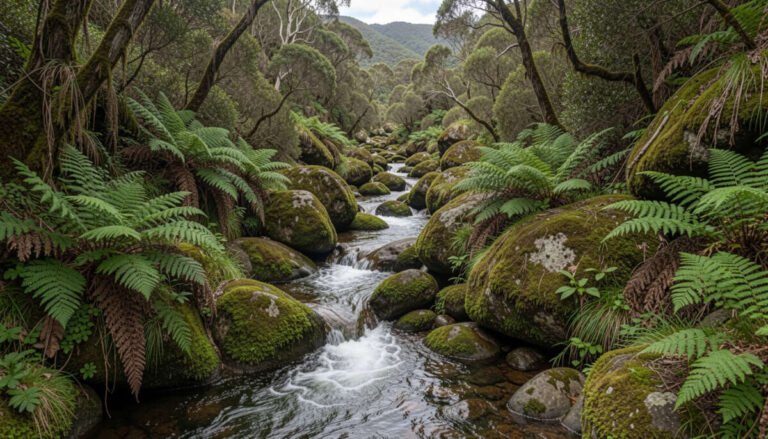
Best for: Rainforest & cool-climate escapes
Barrington Tops is part of the Gondwana Rainforests World Heritage Area, and it feels ancient in the best way. Misty forests, waterfalls, and cooler temperatures make it a great escape from city heat.
Walk through Antarctic Beech forests
Visit Gloucester Falls
Camp under the stars
- Travel tip: Weather can change quickly—pack for both warm and cool conditions.
23. Ikara-Flinders Ranges National Park
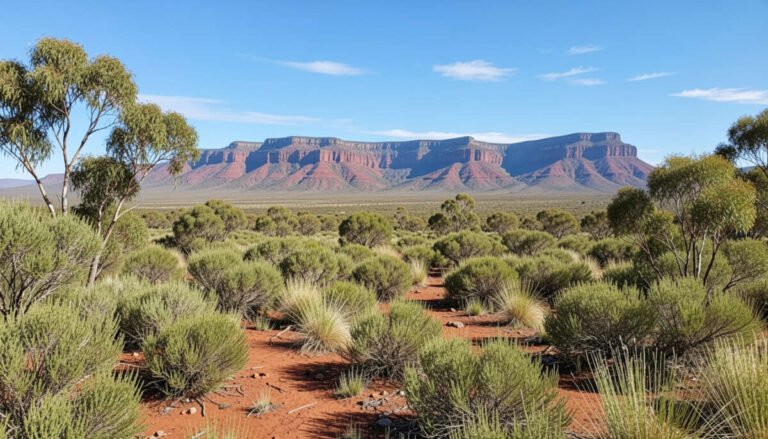
Best for: Ancient landscapes & cultural heritage
While many know the Flinders Ranges, Ikara (Wilpena Pound) deserves its own spotlight. The natural amphitheater here is one of the most striking geological formations in Australia.
It’s also deeply connected to the Adnyamathanha people, adding cultural significance to the visit.
Walk into Wilpena Pound
Take a scenic flight over the ranges
Discover Aboriginal heritage sites
- Travel tip: Sunrise and sunset bring out the best colors in the landscape.
24. Mount Field National Park
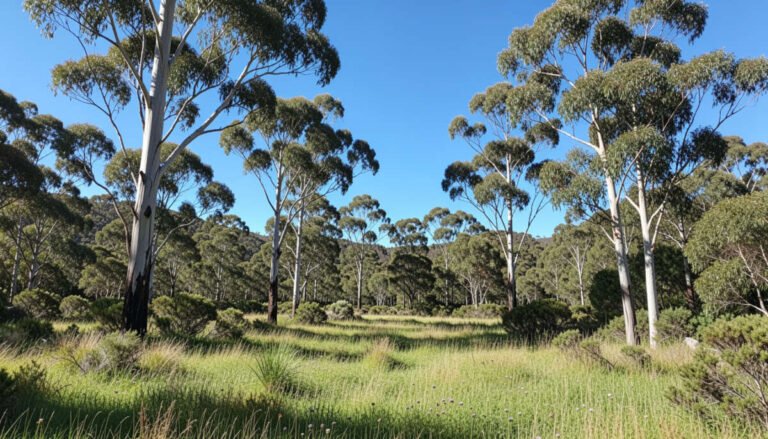
Best for: Waterfalls & easy nature walks
Mount Field is one of Tasmania’s most accessible parks, but it still delivers big on scenery. It’s especially popular for its beautiful waterfalls and tall swamp gums (some of the tallest trees in the world).
Visit Russell Falls (easy walk, very scenic)
Explore Horseshoe Falls and Lady Barron Falls
- See snow in winter at higher elevations
- Travel tip: Great for beginners—many trails are short and well maintained.
25. Booderee National Park
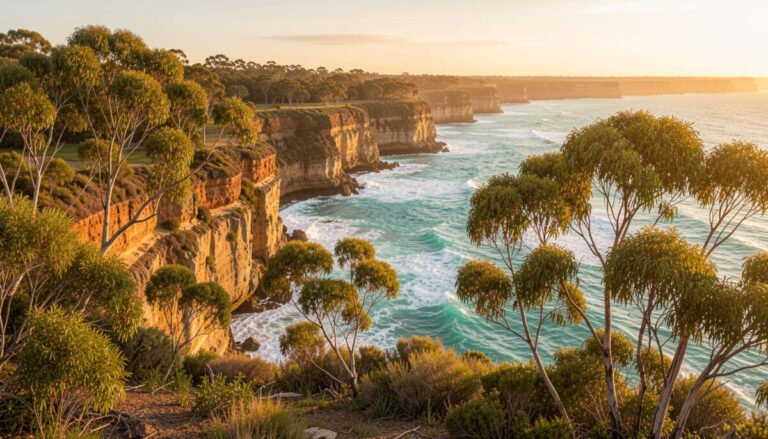
Best for: White-sand beaches & cultural experiences
Located in Jervis Bay, Booderee is known for having some of the whitest sand in the world. But beyond the beaches, it’s also an important Aboriginal-owned park with rich cultural meaning.
It’s clean, peaceful, and perfect for a relaxed coastal trip.
Swim at Green Patch Beach
Walk through botanical gardens
Spot dolphins and seabirds
- Travel tip: Entry fees apply, but they help support conservation and local communities.
Final Thoughts
Australia’s national parks are incredibly diverse—no two feel the same. From the ancient landscapes of Kakadu National Park to the coastal beauty of Freycinet National Park and the iconic presence of Uluru-Kata Tjuta National Park, each destination offers something unique.
If you’re planning a trip in 2026, the best approach is to mix experiences—combine culture, nature, and adventure rather than trying to see everything at once. A well-planned itinerary will always feel more rewarding than rushing through too many places.
Frequently Asked Questions (FAQs)
1. What is the best time to visit national parks in Australia?
The ideal time is between May and October, especially for northern regions like Kakadu National Park. Southern parks are great year-round but can be cooler in winter.
2. Do I need to pay entry fees?
Some parks (like Uluru-Kata Tjuta National Park) require entry fees, while others are free. Always check official websites before visiting.
3. Are these parks suitable for beginners?
Yes—parks like Blue Mountains National Park and Mount Field National Park are very beginner-friendly with easy trails and facilities.
4. Can I visit without a car?
Some parks near cities (like Royal National Park) are accessible by public transport, but most are easier to explore with a car or guided tour.
5. Which park is best for first-time visitors?
A combination of Uluru-Kata Tjuta National Park and Blue Mountains National Park offers a great mix of iconic scenery and accessibility.