
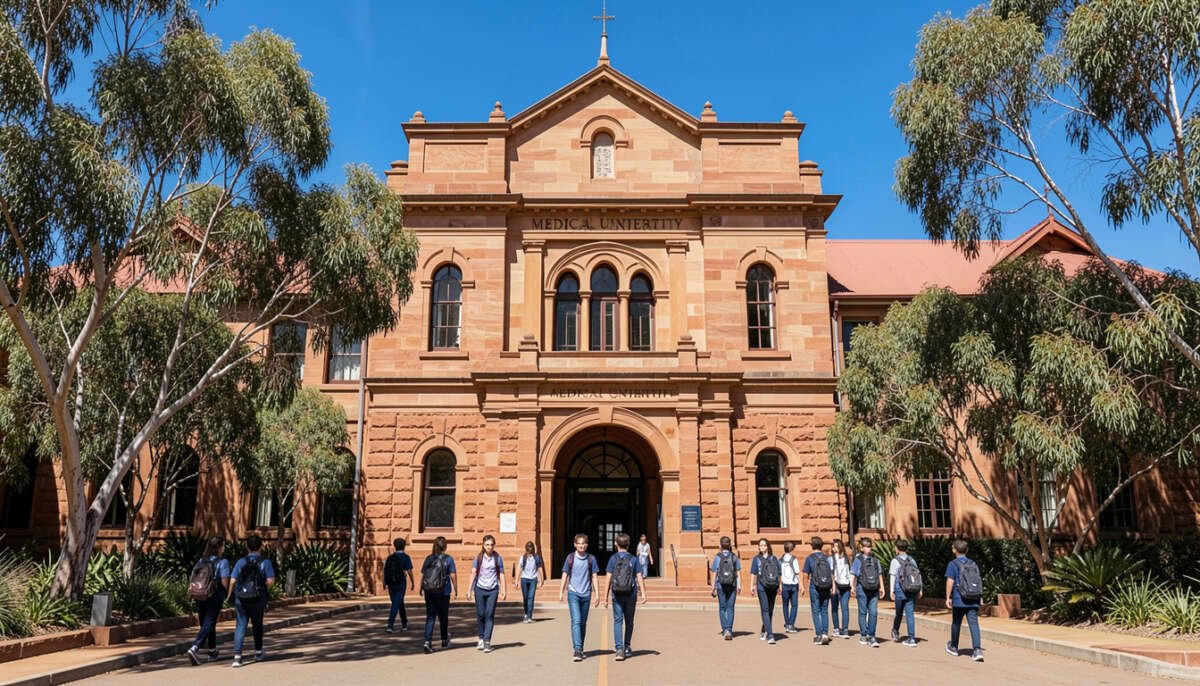
Australia is one of the most sought‑after destinations for aspiring doctors worldwide. Combining world‑class clinical training, internationally recognised degrees, cutting‑edge research, and vibrant student life, Australian medical universities consistently rank among the best globally. Whether you’re an international student or a domestic applicant, this 2026 guide highlights the top 15 medical universities in Australia with insights that prospective students truly care about — from rankings and entry requirements to special features and career outcomes.
1. University of Melbourne – Melbourne Medical School
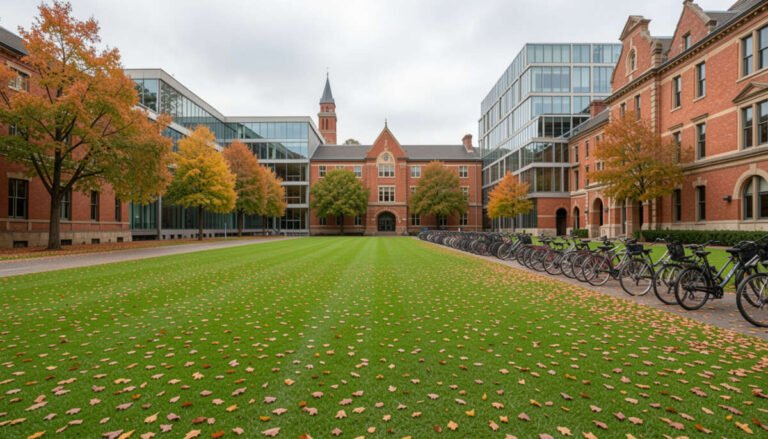
The medical school at the University of Melbourne is widely acknowledged as Australia’s most prestigious choice for medicine in 2026. It consistently tops the subject rankings for Medicine, showing strong performance in teaching, research impact, and global outlook.
- Degree Offered: Doctor of Medicine (MD)
- Program Focus: Research, clinical excellence, leadership in healthcare
- Entry Pathways: Graduate‑entry (requires a prior bachelor’s degree) with competitive GPA, GAMSAT or MCAT scores, and Multiple Mini Interviews (MMI).
- Special Strength: Partnership with the Royal Melbourne Hospital and biomedical institutions in the Parkville precinct.
- 🔗 Official website: University of Melbourne Medicine
- Estimated Fees: Vary significantly for domestic and international students depending on course length and enrolment status.
2. University of Sydney – Sydney Medical School
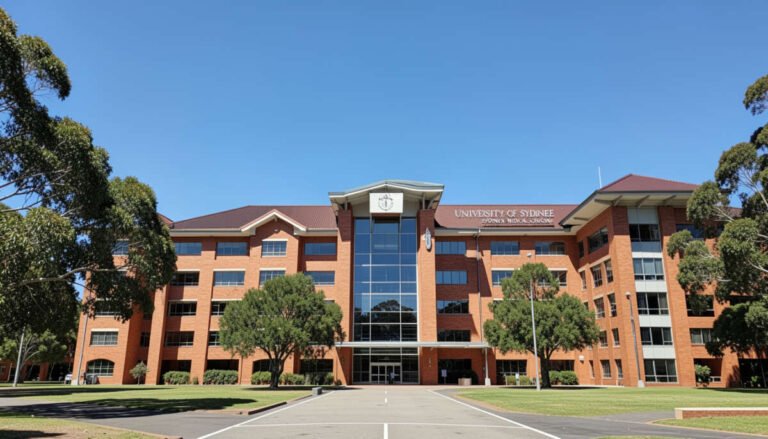
The University of Sydney is Australia’s oldest university and among the most prestigious for medicine — recognised for academic depth, strong research output, and an international cohort of students.
- Degree Offered: Doctor of Medicine (MD)
- Why It’s Popular: A well‑established curriculum with access to major clinical teaching hospitals across Sydney.
- Entry Details: Requires completion of an undergraduate degree, solid GPA, GAMSAT/MCAT, and interview.
- Official website: University of Sydney Medicine
- International Outlook: One of the most socially and academically diverse medical schools in Australia.
3. Monash University – Faculty of Medicine, Nursing & Health Sciences

Monash stands out for offering both direct‑entry (from high school) and graduate‑entry medical pathways — a flexibility not found at every top university. It also ranks highly in global subject rankings in medicine.
- Degree Paths: Bachelor of Medical Science/Doctor of Medicine; Graduate MD
- Key Feature: Early and extensive clinical exposure from Year 1.
- Entry Requirements: For direct entry: strong Year 12 results, UCAT ANZ, and interview. Graduate entry: bachelor’s degree plus interview and statement of intent.
- Official website: Monash University Medicine
- Career Advantage: Large professional network in Victoria and global recognition from employers.
4. University of Queensland (UQ) – UQ Medicine

Australia’s medical schools vary in format, but UQ is particularly known for offering both school‑leaver provisional entry and graduate‑entry medicine, giving flexibility to applicants with different educational backgrounds.
- Degree: Doctor of Medicine (MD)
- What Makes It Unique: Strong research credentials and regional campus partnerships across Queensland.
- Entry Tests: UCAT ANZ (for school leavers), GAMSAT/MCAT for graduates, plus interview.
- Official website: University of Queensland Medicine
- Special Highlight: UQ provides broad clinical experiences and electives across metropolitan and regional health settings.
5. UNSW Sydney – Medicine Program
UNSW Sydney’s medical program is distinguished by its integrated Bachelor of Medical Studies / Doctor of Medicine (BMed/MD) — ideal for students who prefer a six‑year combined pathway that blends theory and early clinical immersion.
- Program: BMed/MD
- Why It’s Popular: Scenario‑based learning with hands‑on placements from early years.
- Entry Requirements: Strong academic results, UCAT ANZ/ISAT, and MMI.
- Official website: UNSW Medicine
- Additional Edge: Strong research and interprofessional health training linked with major Sydney hospitals.
6. University of Adelaide

The University of Adelaide’s medical program is known for its strong early clinical exposure and connections with major hospitals in South Australia. It’s part of the “Group of Eight” research‑intensive universities — a mark of prestige in Australia.
- Degree: Bachelor of Medical Studies and Doctor of Medicine (BMed/MD)
- Why It’s Worth Considering:
- Six‑year integrated medical degree with patient‑focused learning from early years.
- Placements across Adelaide and partner health networks.
- Entry Requirements: High ATAR + UCAT/Interview for direct entry from high school; alternatives may include graduate entry.
- Quick Tip: Highly competitive ATAR thresholds in recent years reflect strong demand and reputation.
7. Australian National University (ANU Medical School)

Located in the nation’s capital Canberra, ANU’s medical program combines a strong research foundation with clinical training opportunities. It’s well‑regarded for public health, rural health training and scientific research.
- Degree: Bachelor of Medicine, Bachelor of Surgery (M.B., B.S.)
- What Makes It Stand Out:
- Internationally recognised research environment and collaborations.
- Broad exposure to public health, epidemiology and health policy.
- Entry Mode: Primarily graduate entry with high academic standards required.
- Why Students Like It: ANU’s focus on holistic health education and research integration.
8. University of Western Australia

One of the oldest medical schools in Western Australia, this university blends strong clinical teaching with a balance of research and practice. It’s well‑connected with major hospitals in Perth and known for community‑based placements.
- Degree: Doctor of Medicine
- Highlights:
- Rich alumni network and solid reputation in medical research and patient care.
- Partnerships with major hospitals like Sir Charles Gairdner and Royal Perth Hospital.
- Entry Requirements: Graduate entry typically requiring a bachelor’s degree, test scores and interview assessments.
- Good for: Students who want a balance of academic research and clinical focus.
9. Deakin University – School of Medicine
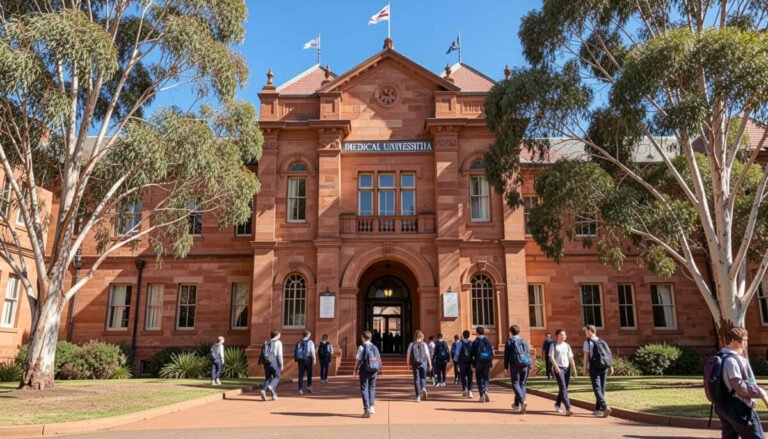
Deakin’s School of Medicine is known for its graduate‑entry MD program and emphasis on rural and regional clinical experience. It’s a popular pick for students who value diversity in clinical placements, including in community settings.
- Degree: Doctor of Medicine (Graduate entry)
- What Sets It Apart:
- Two years of pre‑clinical learning followed by two years of clinical rotations across multiple campus sites.
- Strong focus on community and regional health.
- Entry Requirements: Bachelor’s degree + GAMSAT/MCAT + interview.
- Why It’s Valuable: Offers experience in both urban and regional healthcare settings.
10. University of Newcastle – School of Medicine and Public Health
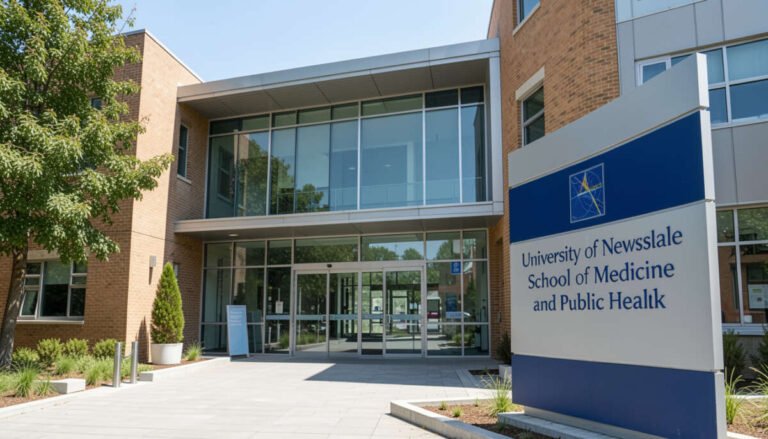
The University of Newcastle has a well‑established medical school with a strong reputation for problem‑based learning, early clinical skills development, and community‑focused healthcare training.
- Degree: Medicine (undergraduate entry in many cases)
- Standout Aspects:
- Pioneered progressive medical curricula in Australia with early hands‑on experience.
- Known for welcoming diverse student cohorts and inclusive training.
- Entry Style: Undergraduate and/or graduate pathways available; check UCAT and interview requirements.
- Great For: Applicants seeking early patient care exposure and broad clinical contexts.
11. The University of Notre Dame Australia School of Medicine
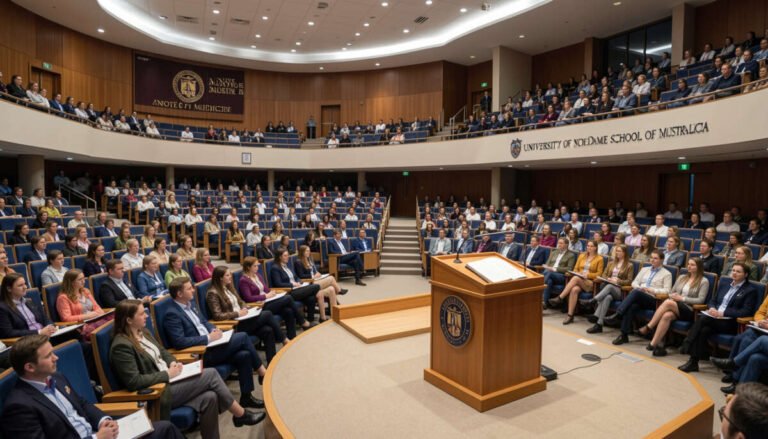
A reputable Catholic university offering a four‑year postgraduate Doctor of Medicine (MD) and a variety of pathways for students — including priority entry for biomedical science graduates.
- Program: Doctor of Medicine (4 years, postgraduate) with rich clinical exposure in both urban hospitals and regional placements; dual campus options in Sydney, Fremantle, and other partner sites.
- Special Features: Small‑group teaching and problem‑based learning help develop clinical reasoning skills.
- Why It’s Worth Knowing: A good option if you want more supported pathways and student‑centred training, sometimes with more focus on ethics, service and rural exposure alongside core clinical training.
- Official website: https://www.notredame.edu.au/study/applications-and-admissions/pathways/pathways-to-medicine
12. James Cook University College of Medicine and Dentistry
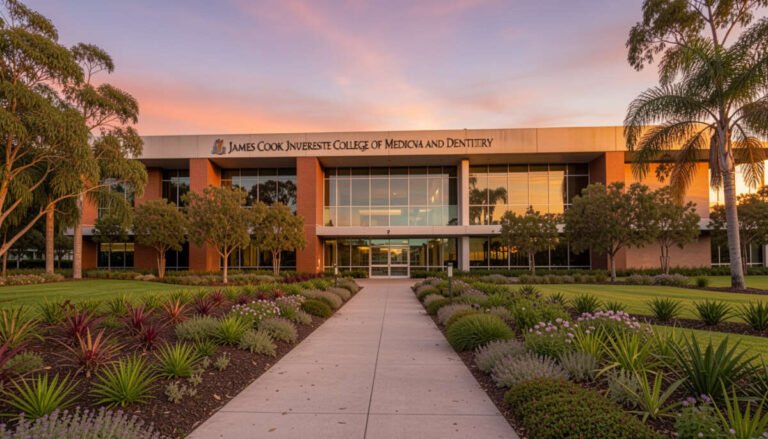
Located in North Queensland, James Cook University (JCU) is a well‑respected public university with medical programs that reflect strong community and rural health focus.
- Degree: Bachelor of Medicine, Bachelor of Surgery (MBBS), typically 5–6 years with a focus on tropical medicine and rural health.
- Special Focus: A strong reputation for training doctors who work in regional, rural, and Indigenous healthcare contexts, making it an excellent option if you want to serve underserved communities.
- Entry Requirements: Often direct‑entry from high school with UCAT/ATAR and interview processes — check the latest admissions details on their website.
- Official website: https://www.jcu.edu.au/college-of-medicine-and-dentistry
13. Griffith University School of Medicine

Griffith University’s medical degree is well‑structured with pathways for both high school leavers and graduates, and it offers strong clinical learning opportunities.
What Makes It Attractive
- Degree: Doctor of Medicine (MD) — graduate entry — plus direct pathways from related health or biomedical degrees.
- Clinical Experience: Includes simulated learning and long‑term placements in urban, rural, and remote settings.
- Focus: Community health, general practice, and preparedness for real‑world practice.
- Official website: https://www.griffith.edu.au/griffith-health/medicine-pathway
14. La Trobe University (Health Programs)
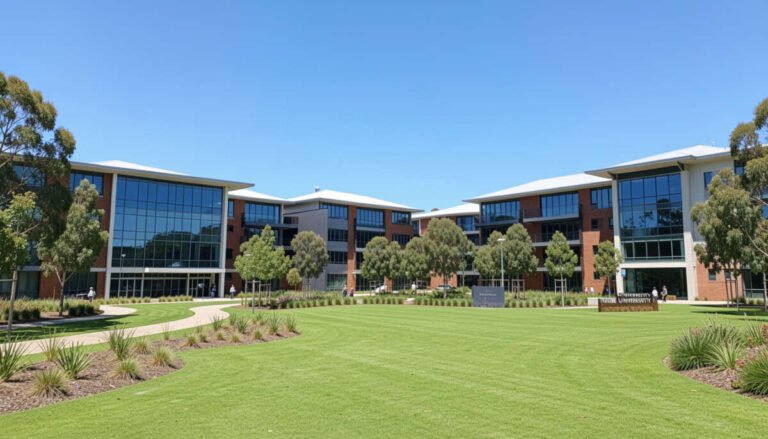
While La Trobe doesn’t offer a standalone medical degree, it’s included here because it provides important pre‑medicine and health pathways that lead into medicine at top universities — and is part of accredited networks.
Why It’s Relevant
- Pre‑Medicine Preparation: La Trobe offers strong biomedical science and health science degrees that prepare students for graduate medical entry programs.
- Rural Medical Pathway: A unique “Rural Medical Pathway” program jointly with the University of Melbourne that guides students toward an MD focused on serving regional communities.
- Clinical Exposure: Through hospital placements and partnerships with regional health networks.
- Official website (Health courses): https://www.latrobe.edu.au/courses/study-health
15. Queensland University of Technology (QUT) (Emerging Medical Program)
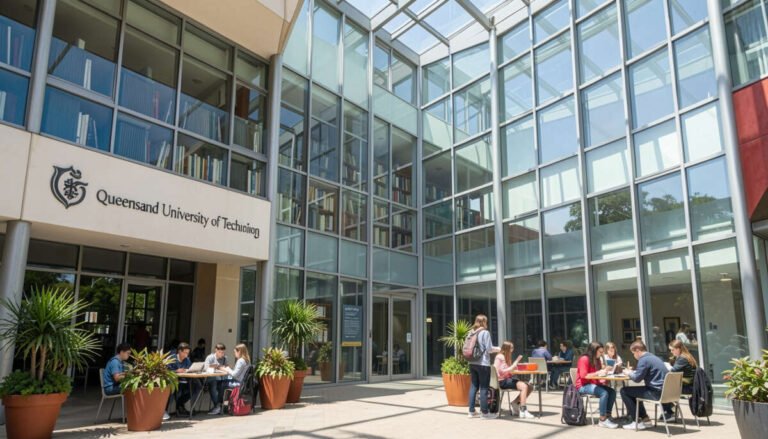
This one is slightly different: QUT is in the process of launching a new accredited medical degree, expected to become another strong medical pathway in Australia.
Key Points
- New Initiative: QUT is working toward offering a medical degree to address healthcare workforce shortages, with plans focusing on practical, community‑oriented training.
- Why It Matters: It’ll be one of the newer clinical programs, expanding options for students — especially those from Queensland and across Australia.
- Stay Updated: Check QUT’s official study pages for the latest accreditation and entry requirements once finalized.
Discover the Best Medical Universities in Other Countries
Explore some of the world’s top medical universities across different countries, known for their advanced research, modern facilities, and globally recognized degrees. Whether you’re aiming for high-quality education or international career opportunities, these institutions offer excellent pathways for aspiring doctors.
- 15 Best Medical Universities in the USA | Ultimate Guide for 2026
Final Thoughts
Choosing a medical university in Australia is one of the most important decisions on your path to becoming a doctor. Australia offers a mix of world-class education, early clinical exposure, research opportunities, and global recognition. From top-ranked schools like the University of Melbourne and University of Sydney to strong regional programs like James Cook University and emerging pathways at QUT, there’s a program suited to nearly every type of student. Focus on your career goals, preferred learning style, and location when making your decision.
Frequently Asked Questions (FAQs)
1. What is the duration of a medical degree in Australia?
- Most graduate-entry MD programs take 4 years; undergraduate or combined pathways like BMed/MD usually take 5–6 years.
2. Do international students need special exams to apply?
- Yes. Graduate-entry programs usually require GAMSAT or MCAT, while school-leaver programs often require UCAT ANZ.
3. Which universities offer early clinical exposure?
- Universities like Monash, University of Melbourne, University of Newcastle, and Griffith University embed clinical placements from Year 1 or 2.
4. Are Australian medical degrees recognized internationally?
- Yes. Most degrees are globally recognized, but you should verify licensing requirements in your country of practice.
5. What is the cost of studying medicine in Australia?
- Tuition varies widely: AU$60,000–$90,000 per year for international students. Domestic students pay lower fees, often supported by government-subsidized HECS-HELP loans.
6. Can I work while studying medicine in Australia?
- Yes, but medical programs are intensive. Many students work part-time, but it’s important to prioritize studies and clinical commitments.