
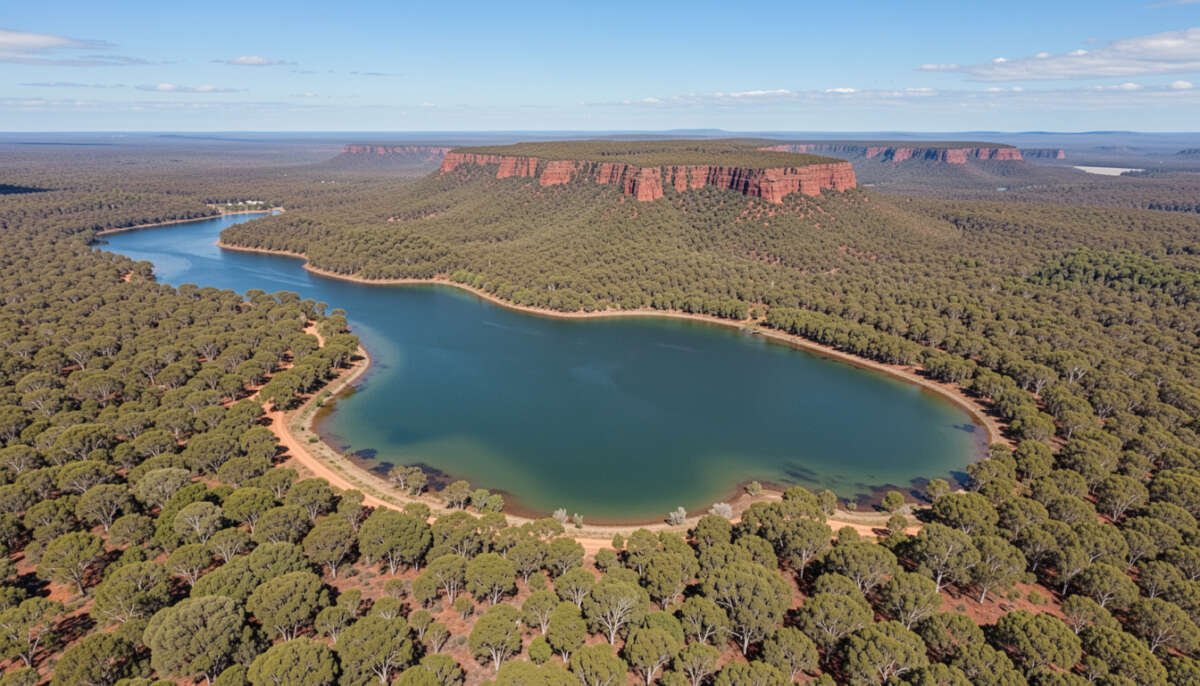
Australia is a land of breathtaking contrasts – from golden deserts to lush rainforests, turquoise beaches, and dramatic cliffs. For travelers, photographers, and nature lovers, these landscapes are more than just destinations; they are experiences that stay with you forever. In this guide, we explore the top 20 must-see landscapes in Australia in 2026, highlighting their unique features, accessibility, and tips to make the most of your visit.
1. Uluru – The Heart of the Red Centre
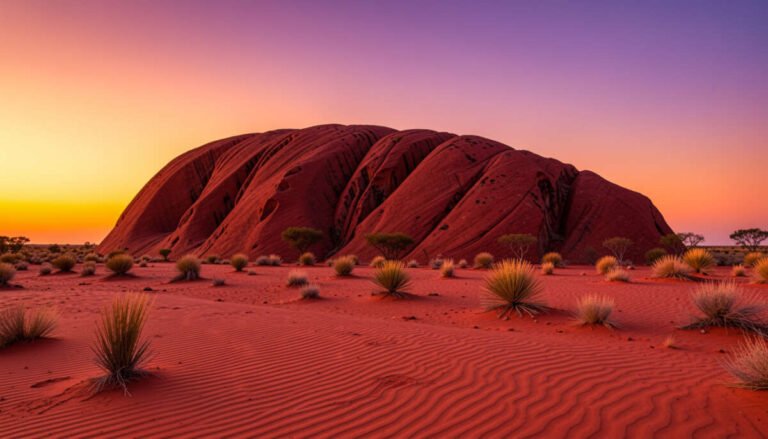
Uluru, also known as Ayers Rock, is arguably Australia’s most iconic natural landmark. This massive sandstone monolith rises dramatically from the flat red desert of the Northern Territory.
- Why Visit: The colors of Uluru shift from deep reds to vibrant oranges at sunrise and sunset, offering photographers a once-in-a-lifetime experience.
- Activities: Walk the base trail (10.6 km) to see ancient rock art, explore Kata Tjuta nearby, or join guided Aboriginal cultural tours.
- Travel Tips: The nearest airport is in Alice Springs, about a 4-hour drive. Avoid climbing Uluru out of respect for local Anangu culture.
2. Great Barrier Reef – A Subaquatic Paradise
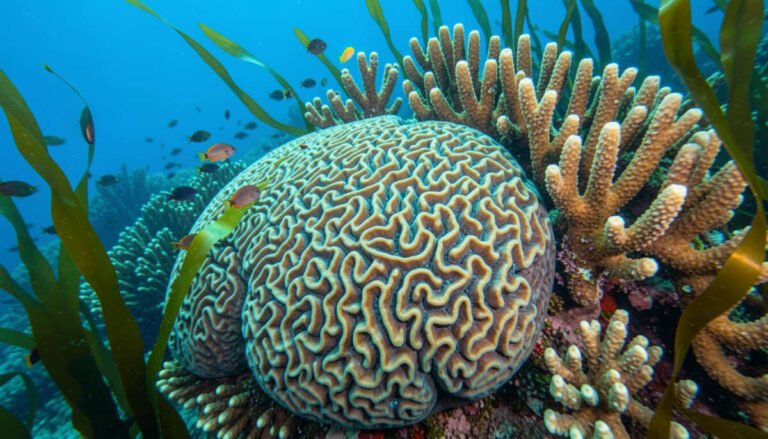
Stretching over 2,300 km along Queensland’s coast, the Great Barrier Reef is the world’s largest coral reef system and a UNESCO World Heritage Site.
- Why Visit: Snorkel or dive among vibrant coral gardens, tropical fish, and majestic sea turtles. The reef’s biodiversity is unmatched globally.
- Activities: Explore the Whitsunday Islands by sailboat, take a scenic flight for a bird’s-eye view, or join eco-tours to learn about coral conservation.
- Travel Tips: Cairns and Port Douglas are popular gateways. Visit during the dry season (June–November) for optimal water clarity.
3. Blue Mountains – Majestic Cliffs and Eucalyptus Forests
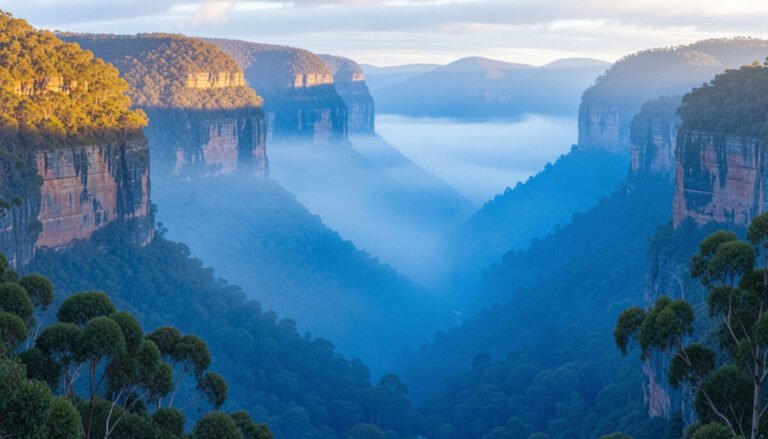
The Blue Mountains, just a two-hour drive from Sydney, offer panoramic vistas, rugged cliffs, and endless walking trails.
- Why Visit: Famous for the Three Sisters rock formation, scenic cableways, and dense eucalyptus forests that release a blue haze visible from lookout points.
- Activities: Hike the Giant Stairway, explore Wentworth Falls, or take a guided canyoning adventure.
- Travel Tips: Weekdays are quieter, and early mornings offer the best light for photography. Don’t forget comfortable hiking shoes!
4. Twelve Apostles – Coastal Rock Wonders
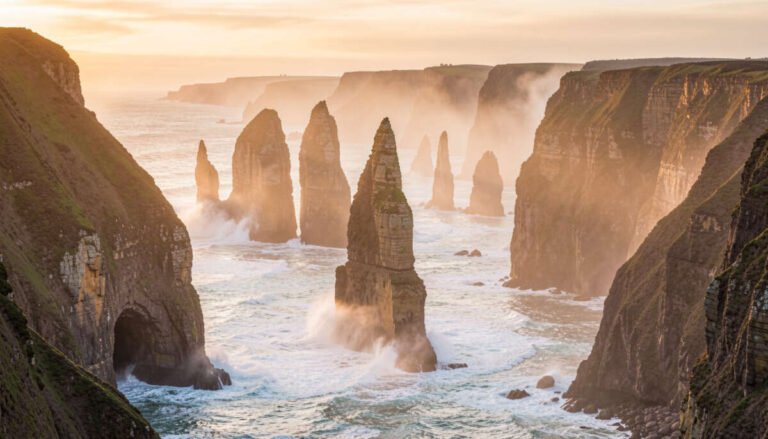
Located along the Great Ocean Road, the Twelve Apostles are limestone stacks that rise dramatically from the Southern Ocean.
- Why Visit: These formations are especially striking at sunrise and sunset when the soft light enhances the golden hues of the cliffs.
- Activities: Drive along the scenic Great Ocean Road, take helicopter tours, or explore nearby Loch Ard Gorge.
- Travel Tips: The visitor centre provides boardwalks and viewing platforms for safe and stunning photography opportunities.
5. Daintree Rainforest – Ancient Tropical Wilderness
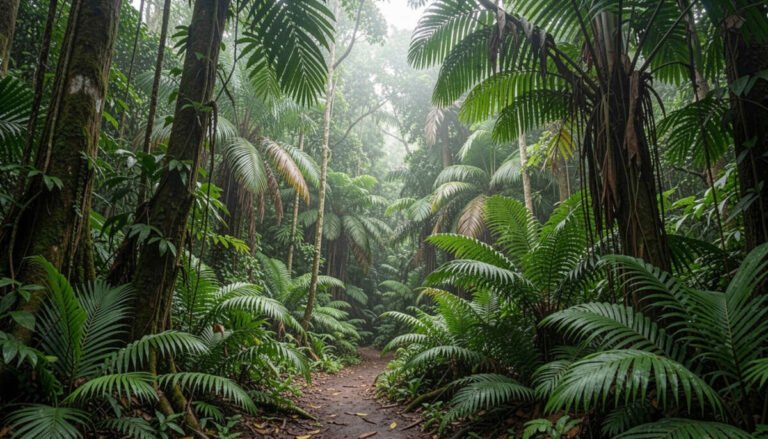
The Daintree Rainforest is one of the oldest rainforests on Earth, boasting unparalleled biodiversity and pristine rivers.
- Why Visit: Explore ancient flora, rare wildlife, and moss-covered tree canopies that transport you back millions of years.
- Activities: Go on guided night walks, river cruises to spot crocodiles, or hike through canopy trails.
- Travel Tips: Pair your visit with Cape Tribulation for a full tropical experience. Bring insect repellent and waterproof shoes.
6. Kakadu National Park – Ancient Wetlands & Wildlife Haven
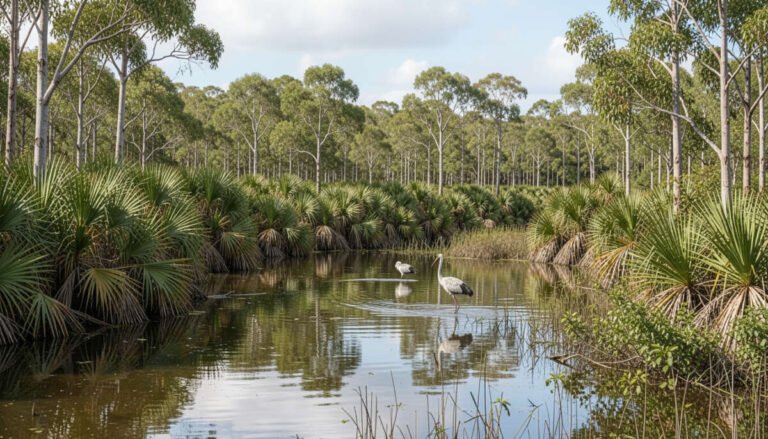
Kakadu National Park is a UNESCO World Heritage Site featuring rugged escarpments, wetlands, and Aboriginal rock art.
- Why Visit: Home to diverse wildlife like saltwater crocodiles, wallabies, and hundreds of bird species. Its Aboriginal rock art dates back over 20,000 years.
- Activities: Take a Yellow Water Billabong cruise, explore Jim Jim Falls, and join guided cultural tours.
- Travel Tips: The park is vast; plan at least 3 days to explore key areas. Best visited during the dry season (May–October).
7. Grampians National Park – Dramatic Mountains & Wildflowers
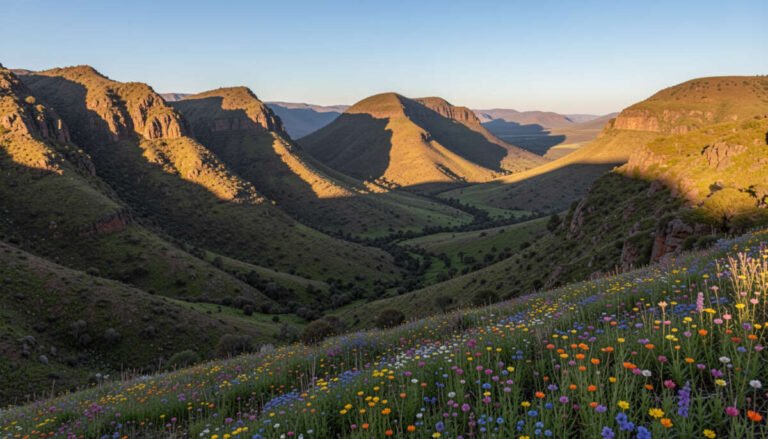
The Grampians are a mountain range in Victoria with rugged peaks, waterfalls, and abundant wildflowers in spring.
- Why Visit: Stunning panoramic views, ancient Aboriginal rock art, and great hiking trails for all skill levels.
- Activities: Hike to The Pinnacle lookout, visit Mackenzie Falls, or explore native wildlife like kangaroos and emus.
- Travel Tips: Bring a camera for scenic lookout points and comfortable hiking shoes. Spring (September–November) is ideal for wildflowers.
8. Wineglass Bay – Pristine Coastal Beauty
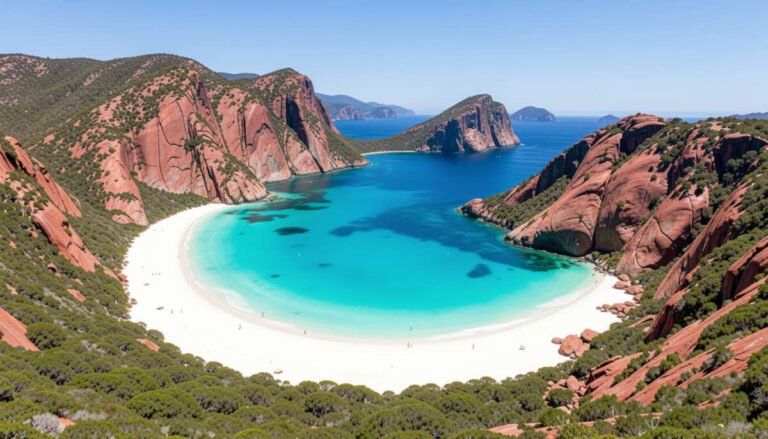
Wineglass Bay in Freycinet National Park is famous for its crescent-shaped white sand beach and crystal-clear waters.
- Why Visit: One of Australia’s most photographed beaches, offering both hiking and serene beach relaxation.
- Activities: Hike the Wineglass Bay lookout trail, kayak along the coast, or spot native wildlife.
- Travel Tips: Accessible via Launceston or Hobart. Early morning visits are perfect for avoiding crowds and capturing sunrise photos.
9. Ningaloo Reef – Snorkeling with Gentle Giants
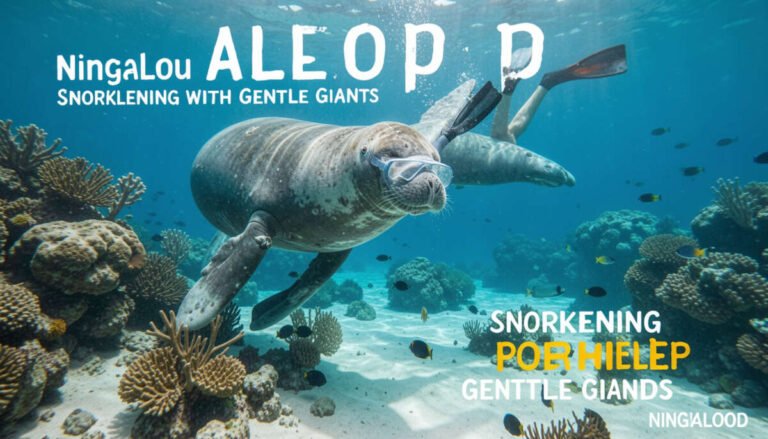
Ningaloo Reef is a lesser-known but stunning coral reef, home to whale sharks, manta rays, and vibrant coral gardens.
- Why Visit: Swim with whale sharks (seasonal: March–July) in one of the most accessible reefs in the world.
- Activities: Snorkeling, diving, coastal hiking, and whale shark tours.
- Travel Tips: Stay in Exmouth or Coral Bay. Book tours in advance during whale shark season.
10. Lord Howe Island – Remote Island Paradise
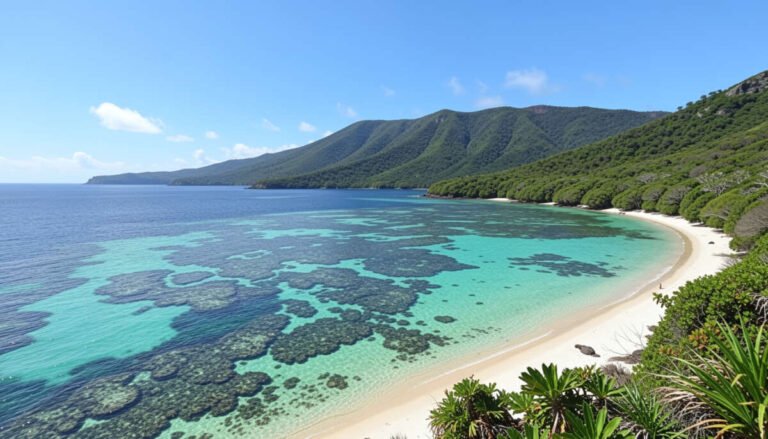
Lord Howe Island is a UNESCO World Heritage-listed island with untouched beaches, volcanic mountains, and rare wildlife.
- Why Visit: Exceptional for hiking, snorkeling, birdwatching, and relaxing in pristine natural surroundings.
- Activities: Climb Mount Gower for panoramic views, snorkel at Lagoon Beach, or cycle around the island’s trails.
- Travel Tips: Visitor numbers are limited to preserve the ecosystem. Book well in advance and respect local conservation rules.
11. Fraser Island – World’s Largest Sand Island
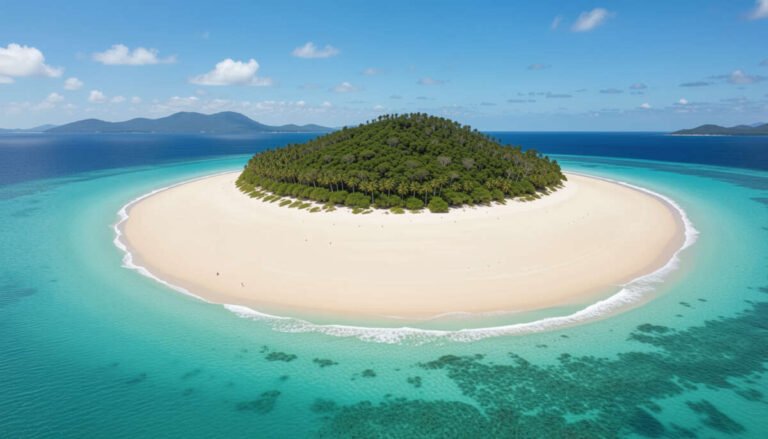
Fraser Island, a UNESCO World Heritage Site, is the largest sand island on Earth, famous for its freshwater lakes, rainforests, and pristine beaches.
- Why Visit: Swim in crystal-clear Lake McKenzie, drive along 75 Mile Beach, and spot dingoes in their natural habitat.
- Activities: 4WD adventures, guided eco-tours, bushwalking, and fishing.
- Travel Tips: Only 4WD vehicles can explore most parts. Best visited during the dry season (May–November).
12. Cradle Mountain – Alpine Majesty and Hiking Paradise
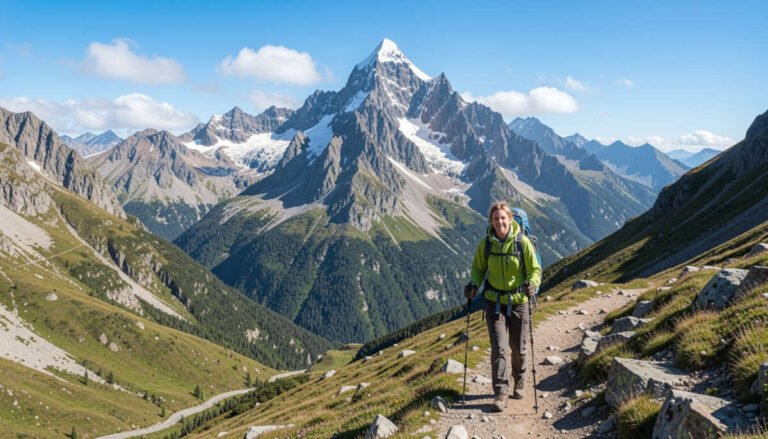
Cradle Mountain is part of the Tasmanian Wilderness World Heritage Area, featuring alpine landscapes, glacial lakes, and diverse wildlife.
- Why Visit: Iconic for its reflections in Dove Lake and panoramic mountain scenery.
- Activities: Hiking, wildlife spotting (tasmanian devils, wombats), and photography. The Overland Track offers a multi-day trekking experience.
- Travel Tips: Accessible year-round, but winter brings snow and spectacular alpine conditions.
13. Bay of Fires – Fiery Coastal Beauty
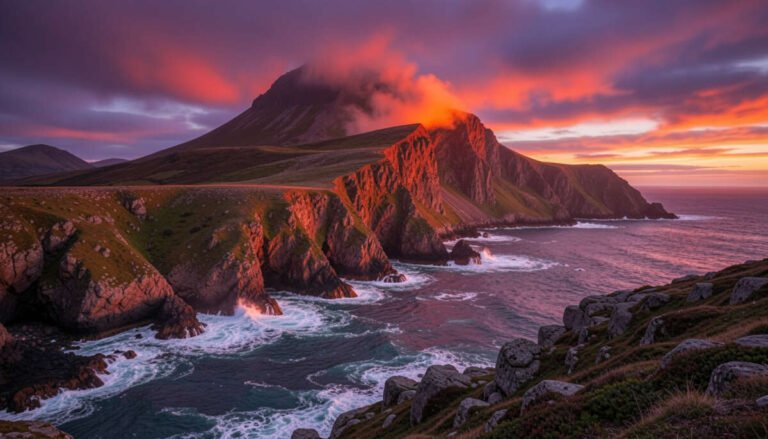
The Bay of Fires is a stretch of coastline in northeastern Tasmania known for its white beaches, turquoise waters, and orange-hued granite rocks.
- Why Visit: Perfect for photography, beach walks, and coastal camping.
- Activities: Kayaking, snorkeling, and guided eco-tours.
- Travel Tips: Stay in nearby St Helens or Binalong Bay. Sunrise and sunset are magical for capturing the orange granite rocks.
14. The Kimberley – Remote Wilderness Adventure
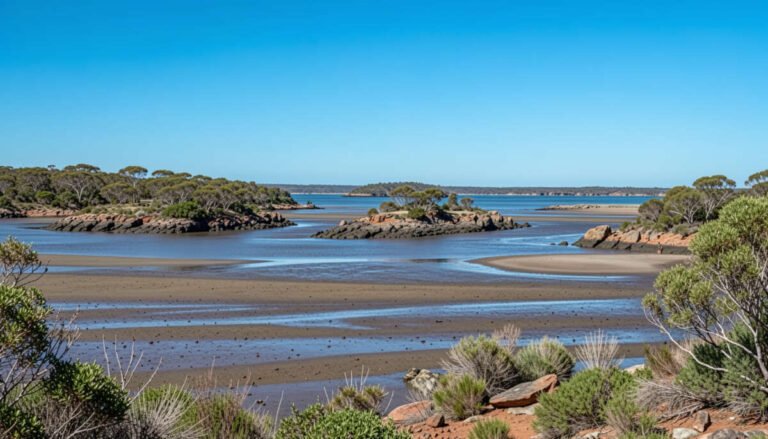
The Kimberley region is an ancient landscape of red cliffs, gorges, waterfalls, and unique rock formations in the far north of Western Australia.
- Why Visit: Explore the Bungle Bungles, Horizontal Falls, and remote rivers in one of the world’s most untouched regions.
- Activities: Helicopter tours, 4WD adventures, river cruises, and Aboriginal cultural experiences.
- Travel Tips: Extremely remote – plan logistics carefully. Best visited during the dry season (May–October).
15. Lake Hillier – The Pink Lake Wonder
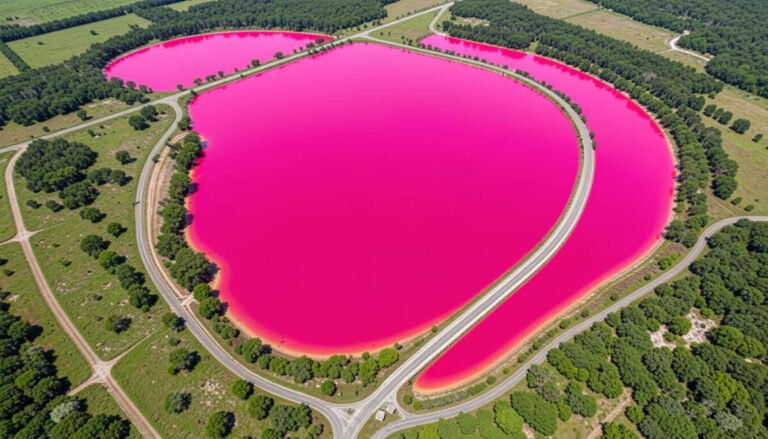
Lake Hillier on Middle Island is a natural pink lake surrounded by dense greenery and the Southern Ocean.
- Why Visit: Its vibrant pink color is a natural phenomenon caused by algae and bacteria, making it one of Australia’s most unusual landscapes.
- Activities: Scenic flights for the best view, photography, and exploration of nearby islands.
- Travel Tips: Access is limited; the best way to see it is via flight from Esperance or guided tours.
16. Wineglass Bay Lookout – Iconic Coastal Views
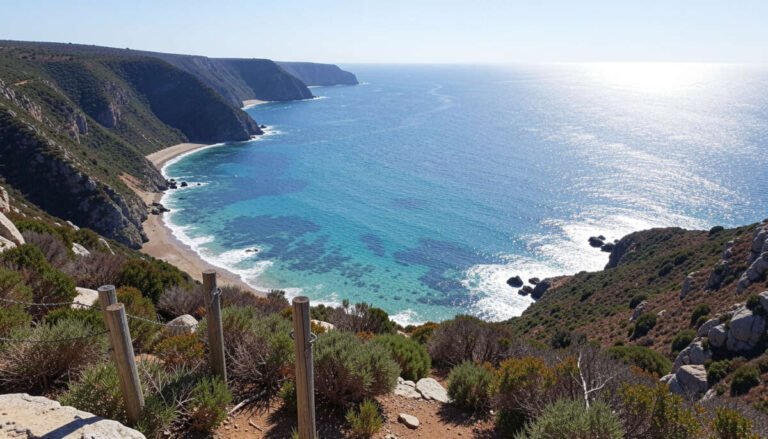
While Wineglass Bay itself is famous, the Lookout offers one of the most panoramic views in Tasmania.
- Why Visit: The sweeping crescent of white sand and turquoise water is stunning from above.
- Activities: Hike the 1.5–2 hour trail to the lookout, take breathtaking photos, and enjoy the serenity of the national park.
- Travel Tips: Start early to avoid crowds and enjoy softer morning light for photography.
17. Horizontal Falls – Nature’s Incredible Water Phenomenon
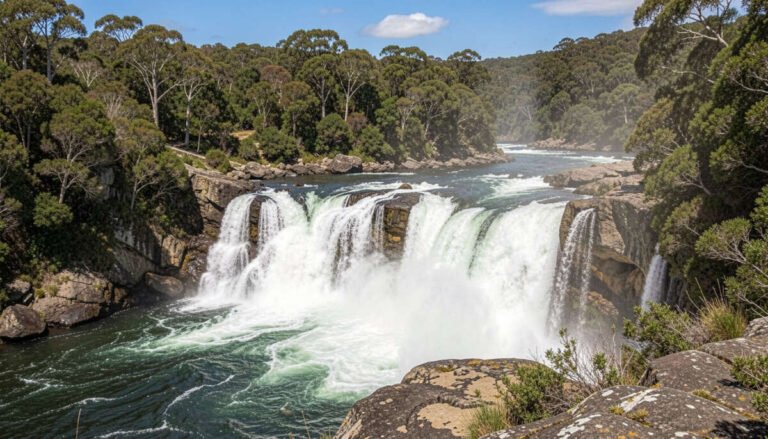
The Horizontal Falls in the Kimberley region are fast-moving tidal waterfalls that create a dramatic natural spectacle.
- Why Visit: Described as “one of the greatest natural wonders,” the force of water rushing through narrow gorges is mesmerizing.
- Activities: Take a thrilling boat ride or scenic flight for a unique perspective.
- Travel Tips: Tours operate mainly during the dry season (April–October) for safest conditions.
18. Mount Warning / Wollumbin – Sunrise Hike & Volcanic Peak
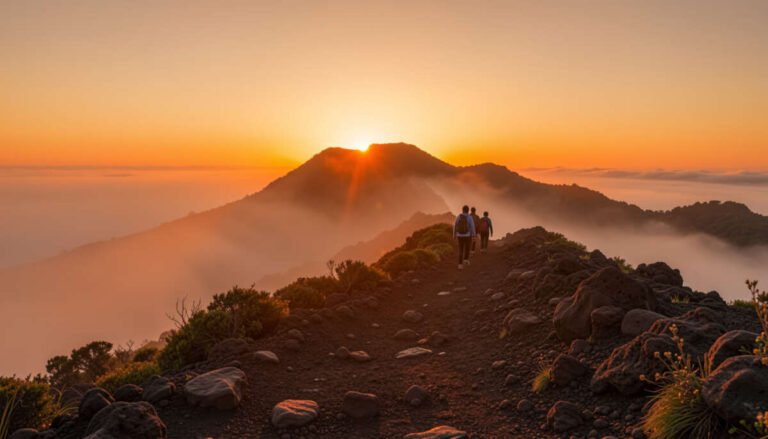
Mount Warning, also known as Wollumbin, is a volcanic plug in northern New South Wales and a sacred Aboriginal site.
- Why Visit: The summit offers panoramic views of rolling mountains and the coastline – especially magical at sunrise.
- Activities: Hike to the summit (2–3 hours) or explore surrounding rainforests.
- Travel Tips: Start the hike pre-dawn to reach the top at sunrise. Follow local guidelines respecting Aboriginal culture.
19. Bungle Bungles / Purnululu National Park – Striking Sandstone Domes
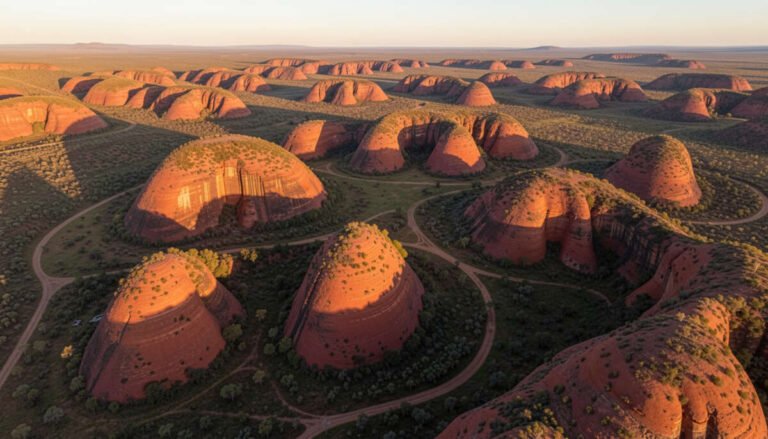
The Bungle Bungles are famous beehive-shaped sandstone formations in Purnululu National Park, a UNESCO World Heritage Site.
- Why Visit: Their unique orange and grey striped domes create one of the most surreal landscapes in Australia.
- Activities: Scenic flights, guided hikes, and photography of the Cathedral Gorge and Echidna Chasm.
- Travel Tips: Remote location – fly into Kununurra for easiest access. Dry season (May–October) is best.
20. Broken Hill Outback Landscapes – Iconic Desert Scenery
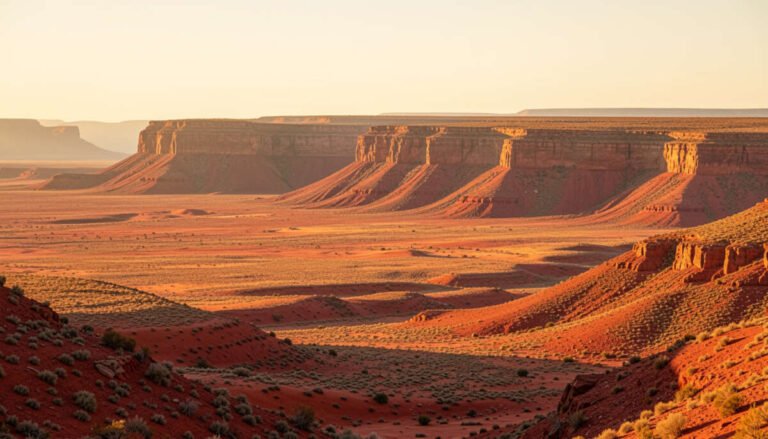
Broken Hill offers rugged desert landscapes, rich mineral history, and colorful rocky terrains in western New South Wales.
- Why Visit: Stunning red earth, historic mining towns, and unique outback sunsets.
- Activities: 4WD tours, explore the Living Desert Sculptures, and discover the art scene inspired by the outback.
- Travel Tips: Accessible by car or small flights; pack water and sun protection for desert conditions.
Discover Snow‑Covered Landscapes in Other Countries
Discover the magic of snow-covered landscapes around the world, from the icy wilderness of Iceland to the alpine beauty of Switzerland and the serene forests of Canada. These winter destinations offer breathtaking views, peaceful surroundings, and unforgettable cold-weather adventures.
Final Conclusion
Australia is one of those rare places where every type of landscape exists in one country — from the red deserts of Uluru to the vibrant underwater world of the Great Barrier Reef. What makes it even more special is how accessible many of these natural wonders are, whether you’re planning a luxury trip or a simple adventure.
If you’re visiting in 2026, try to mix iconic spots with lesser-known locations. That balance will give you a more authentic experience and help you see the real beauty of Australia beyond the usual tourist highlights.
Frequently Asked Questions (FAQ)
Q1: What is the best time to visit landscapes in Australia?
The best time is usually spring (September–November) and autumn (March–May) when the weather is mild and crowds are smaller.
Q2: Are these landscapes suitable for first-time travelers?
Yes, most places like the Blue Mountains and Twelve Apostles are easy to access and well-equipped with visitor facilities.
Q3: Do I need a guide to visit these places?
Not always. Popular spots are self-explorable, but remote areas like The Kimberley are better experienced with a guide.
Q4: Is Australia expensive for nature travel?
It can be, but you can save money by booking early, traveling in shoulder seasons, and choosing budget accommodations.
Q5: Which landscape is best for photography?
All of them are photogenic, but sunrise at Uluru and coastal views at Wineglass Bay are especially popular among photographers.