If you’re even slightly interested in architecture, the United States is like an open-air museum. From historic government buildings to futuristic towers, every structure tells a story about innovation, culture, and identity. In this guide, I’ve handpicked 25 architectural landmarks that are not only visually stunning but also historically significant. Whether you’re planning a trip or just exploring from your screen, these are places worth knowing.
1. Empire State Building (New York City)
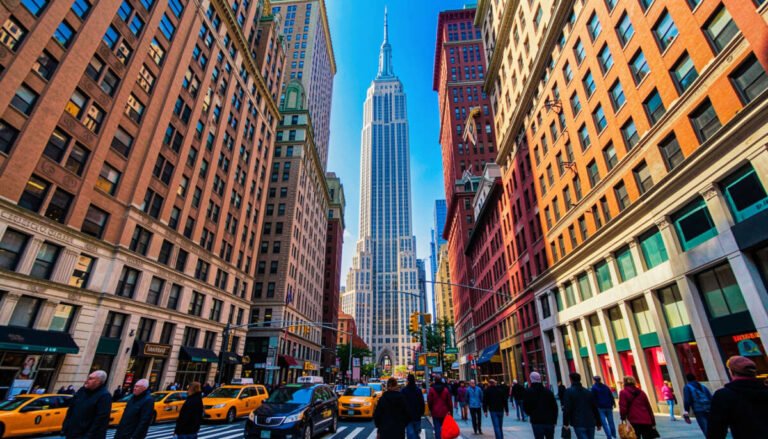
Completed in 1931, the Empire State Building defined what a modern skyscraper could be. At 102 stories, it held the title of the world’s tallest building for nearly 40 years.
What makes it special isn’t just the height—it’s the Art Deco design, with clean lines and geometric elegance that still feels timeless today.
- 360° observation decks with unbeatable NYC views
- Night lighting that changes colors for events
- A symbol of American ambition during the Great Depression
2. Golden Gate Bridge (San Francisco)

You’ve seen it in movies, but nothing beats seeing it in person.
Opened in 1937, the Golden Gate Bridge was once the longest suspension bridge span in the world. Its bold orange color and sleek Art Deco elements make it one of the most photographed structures on Earth.
- Perfect blend of engineering + design
- Iconic fog-covered views
- Walkable paths for pedestrians and cyclists
3. The White House (Washington, D.C.)
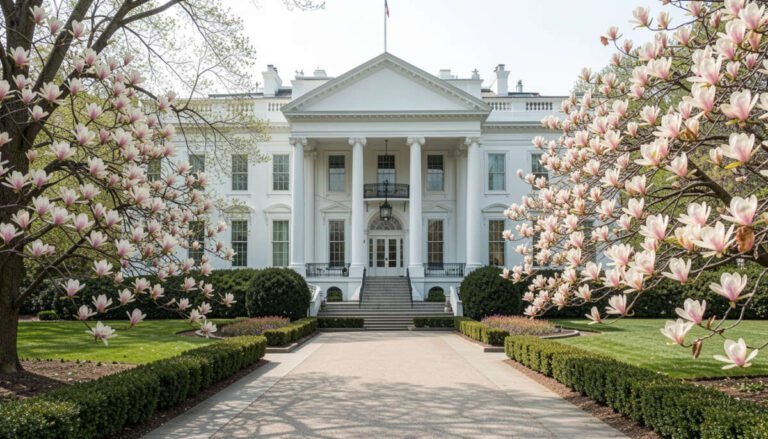
More than just a political building, the White House is a masterpiece of Georgian-style architecture.
Built between 1792 and 1800, it has served as the residence of every U.S. president since John Adams.
What I personally find fascinating is how its design reflects European influence adapted to American identity.
- Symmetrical façade and classical columns
- Deep historical significance
- Limited but highly sought-after public tours
4. United States Capitol (Washington, D.C.)

If you want to understand American architecture and democracy at the same time, this is the place.
The Capitol building is a prime example of Neoclassical architecture, inspired by ancient Greece and Rome.
Its massive dome and grand steps are instantly recognizable worldwide.
- Houses the U.S. Congress
- Represents democratic ideals through design
- Rich interior details (rotunda, frescoes, sculptures)
5. Space Needle (Seattle)

Now for something completely different.
Built for the 1962 World’s Fair, the Space Needle looks like it belongs in the future—even today.
It represents Googie / futurist architecture, a style that captured the optimism of the space age.
- 360° glass observation deck
- Rotating glass floor experience
- A symbol of innovation and forward thinking
6. Chrysler Building (New York City)
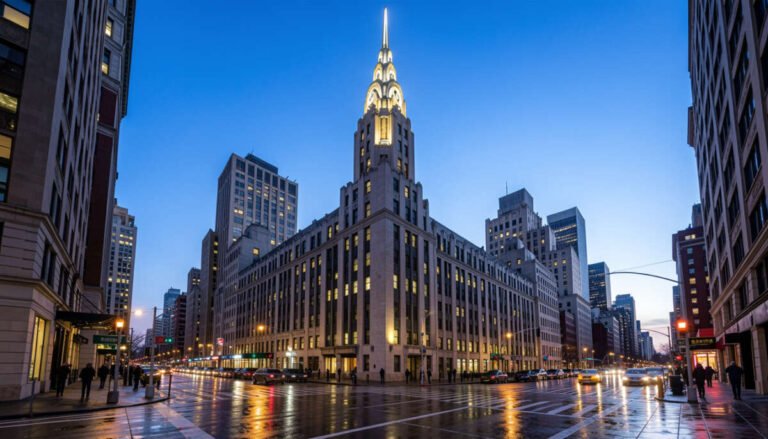
A true crown jewel of Art Deco architecture.
Completed in 1930, the Chrysler Building briefly held the title of the world’s tallest building. Its stainless steel crown and spire make it one of the most photogenic skyscrapers in the world.
- Sleek, geometric Art Deco design
- Iconic gargoyles shaped like car hood ornaments
- Classic New York City skyline presence
7. Fallingwater (Mill Run, Pennsylvania)
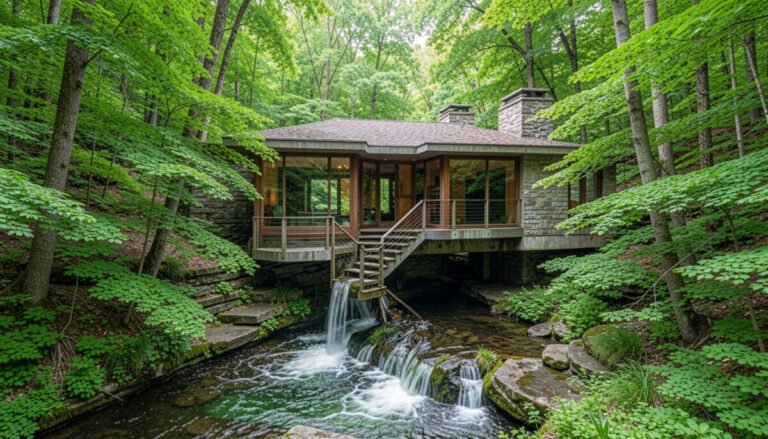
A masterpiece by Frank Lloyd Wright, this is modern architecture blended seamlessly with nature.
Built in 1935, Fallingwater literally sits over a waterfall, creating a perfect harmony between building and environment.
- Cantilevered terraces extend over the waterfall
- Use of natural stone and wood for organic feel
- Often considered Wright’s best residential design
8. The Getty Center (Los Angeles)
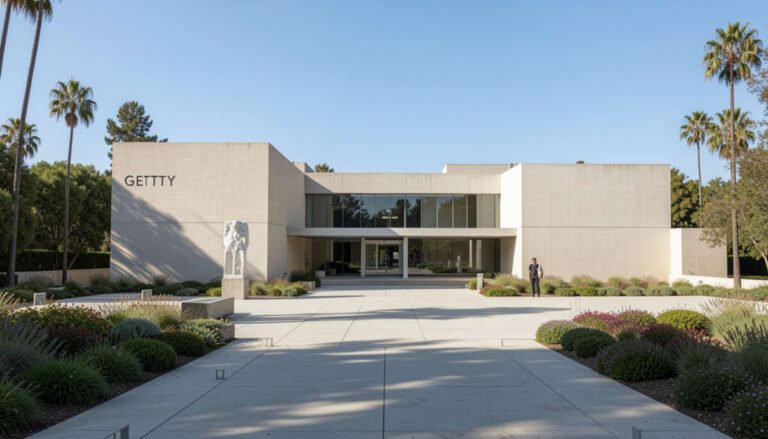
A modern architectural gem that doubles as an art museum.
Designed by Richard Meier and completed in 1997, the Getty Center is renowned for its white travertine buildings, geometric layouts, and breathtaking gardens.
- Panoramic views of Los Angeles
- Unique integration of landscape and architecture
- Award-winning contemporary design
9. Washington Monument (Washington, D.C.)

One of the simplest yet most striking monuments in the USA.
Completed in 1884, this obelisk honors George Washington. Standing at 555 feet, it remains the tallest stone structure in the world.
- Perfect geometric design with minimal ornamentation
- Offers incredible views from the top observation deck
- Symbol of American history and pride
10. Walt Disney Concert Hall (Los Angeles)
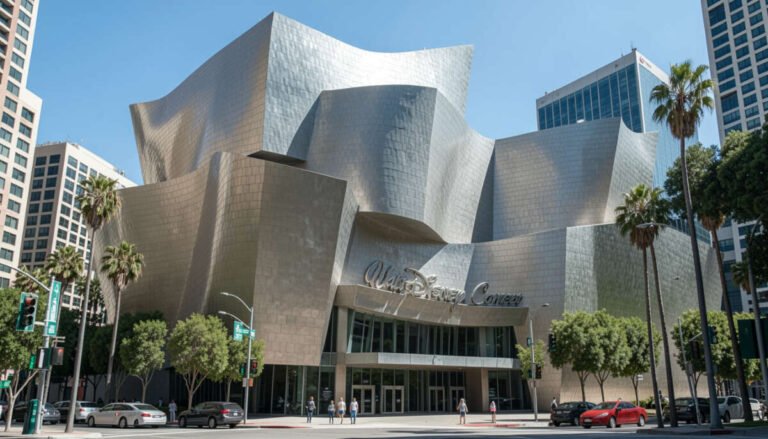
A modern icon designed by Frank Gehry, known for its futuristic curves.
Opened in 2003, the building is a marvel of contemporary architecture, featuring stainless steel panels that create a sculptural effect.
- Cutting-edge acoustics for live performances
- Dynamic exterior that reflects sunlight beautifully
- A symbol of Los Angeles’ modern cultural identity
11. Lincoln Memorial (Washington, D.C.)

A monument that is both architectural and symbolic.
Completed in 1922, the Lincoln Memorial is a Greek Doric temple-inspired structure honoring President Abraham Lincoln. Its grand columns and massive seated statue create a sense of awe.
- 36 columns representing the states in the Union at Lincoln’s death
- Inspirational inscriptions of the Gettysburg Address
- Iconic backdrop for historic speeches, like Martin Luther King Jr.’s “I Have a Dream”
12. Mount Rushmore National Memorial (Keystone, South Dakota)
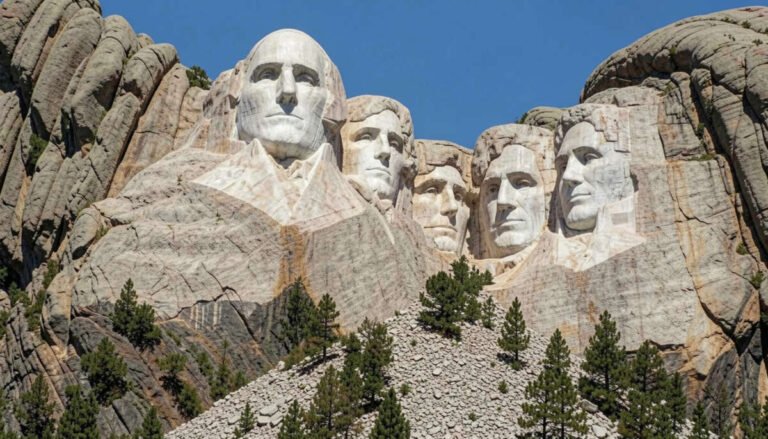
A combination of sculpture and monumental architecture.
Completed in 1941, Mount Rushmore features the faces of four U.S. presidents carved into granite: George Washington, Thomas Jefferson, Theodore Roosevelt, and Abraham Lincoln.
- Immense scale: each head is about 60 feet tall
- Symbolizes U.S. history and leadership
- Popular tourist attraction with nearby trails and viewpoints.
13. One World Trade Center (New York City)
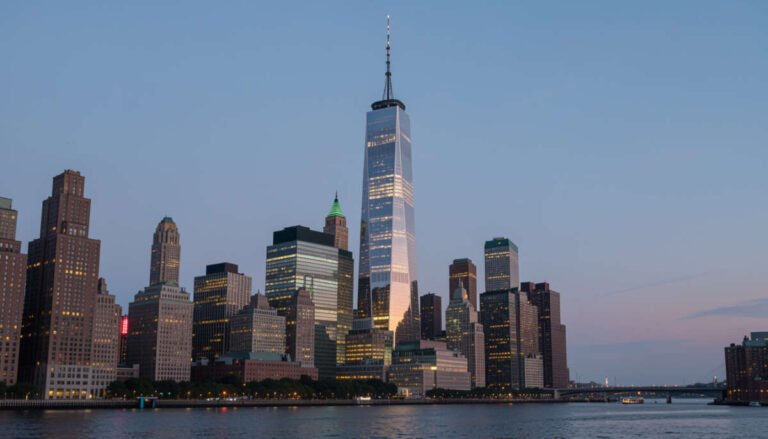
A modern symbol of resilience and innovation.
Completed in 2014, One World Trade Center rises 1,776 feet to symbolize the year of U.S. independence.
- Sleek, reflective glass façade
- Observatory with panoramic NYC views
- Tribute to the original Twin Towers with state-of-the-art safety features
14. St. Louis Gateway Arch (St. Louis, Missouri)

Also known as the “Gateway to the West,” this arch is a masterpiece of mid-century engineering.
Completed in 1965, it’s the tallest arch in the world at 630 feet, designed by Eero Saarinen.
- Sleek, stainless steel exterior
- Tram ride to the top for sweeping views of St. Louis and the Mississippi River
- Symbolizes westward expansion and American ingenuity
15. Hearst Castle (San Simeon, California)
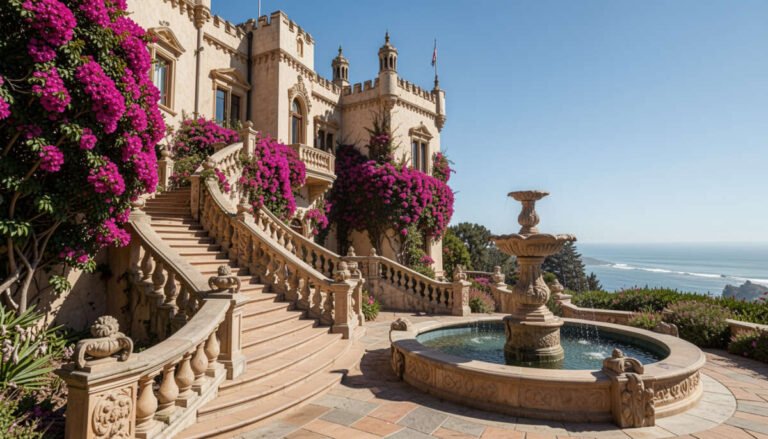
A luxurious architectural wonder that blends European styles with California hillside views.
Built by newspaper magnate William Randolph Hearst in the early 20th century, this castle is famous for its opulent rooms, art collections, and gardens.
- Lavish pools, terraces, and sculptures
- Inspiration from Spanish, Italian, and French architecture
- Guided tours that reveal Hollywood-era history
16. The Broad (Los Angeles, California)
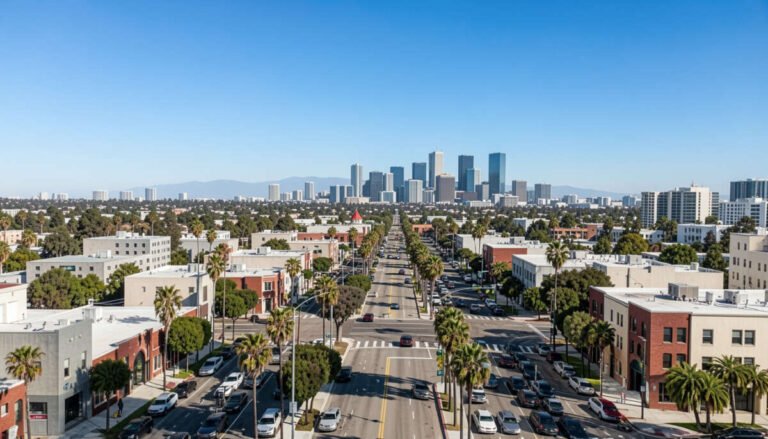
A contemporary art museum that doubles as an architectural statement.
Opened in 2015, The Broad is known for its unique “veil-and-vault” design by Diller Scofidio + Renfro, giving it a honeycomb-like exterior that’s instantly recognizable.
- Striking modern design and open interior spaces
- Home to the famous Infinity Mirror Rooms
- A symbol of L.A.’s growing contemporary architecture scene
17. Boston Public Library (Boston, Massachusetts)
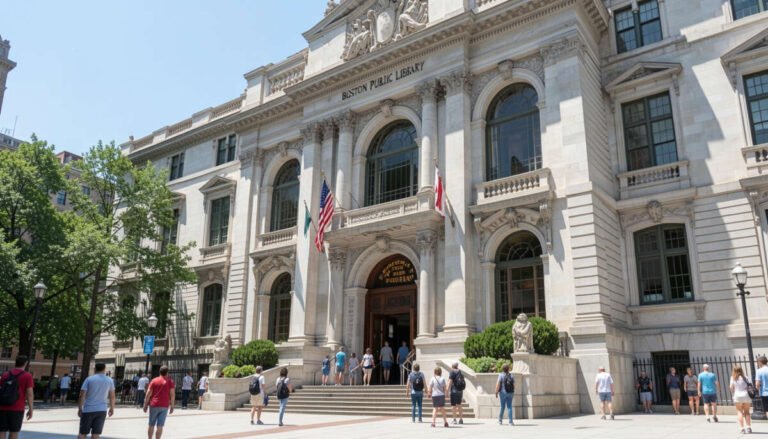
America’s first large public library, blending classical and Renaissance architecture.
Founded in 1848 and housed in its current Copley Square building since 1895, the library is known for its Beaux-Arts style, grand reading rooms, and murals by John Singer Sargent.
- Ornate McKim Building with marble staircases
- Historic murals and art collections
- Open reading rooms that feel like a palace for book lovers
18. Seattle Central Library (Seattle, Washington)
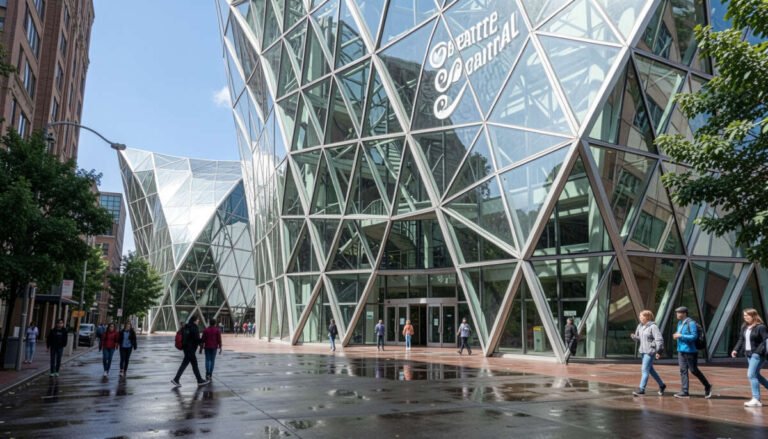
A modern architectural marvel by Rem Koolhaas, opened in 2004.
The building’s glass and steel design emphasizes transparency, flexibility, and urban engagement, making it one of the most photographed libraries in the world.
- Innovative “book spiral” layout for efficient browsing
- Futuristic steel-and-glass exterior
- Celebration of public space and urban design
19. Miami Marine Stadium (Miami, Florida)
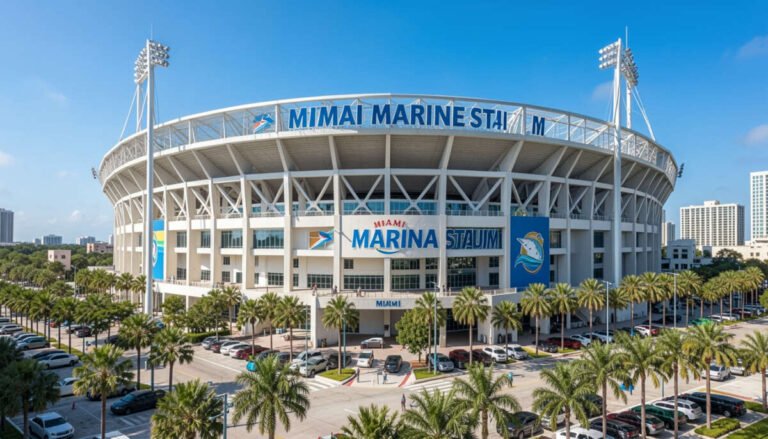
A mid-century modern icon on the water, recently restored after years of neglect.
Built in 1963 by architect Hilario Candela, it features a spectacular concrete cantilever roof, making it a rare example of futuristic stadium design.
- Distinctive, sweeping concrete design over Biscayne Bay
- Cultural landmark for Miami events and boat races
- Represents daring modernist engineering
20. The Museum of Modern Art (MoMA, New York City)
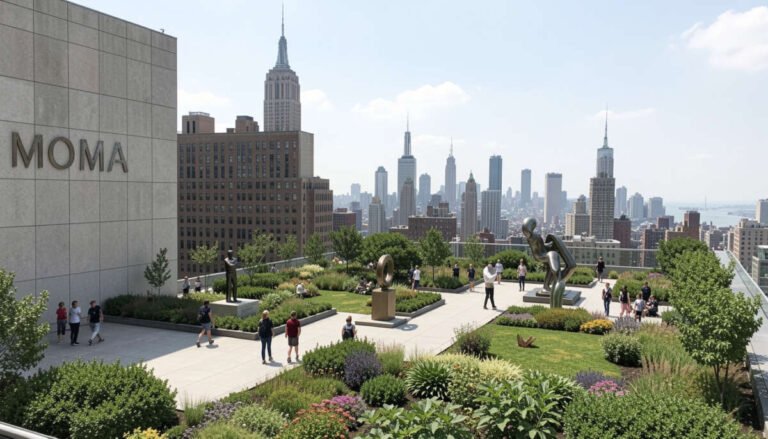
One of the most influential modern art museums, with architecture that complements its cutting-edge collections.
Founded in 1929, MoMA has undergone several renovations, most recently in 2019, blending modern minimalism with functional gallery space.
- Clean, open interior spaces for art exhibitions
- Innovative use of natural light
- Cultural landmark for both architecture and art
21. Basilica of the National Shrine of the Immaculate Conception (Washington, D.C.)

The largest Catholic church in North America, blending Byzantine and Romanesque styles.
Completed in 1959, this basilica features marble interiors, mosaics, and over 80 chapels dedicated to saints from around the world.
- Immense dome adorned with intricate mosaics
- One of the most beautiful sacred spaces in the U.S.
- A pilgrimage site and architectural masterpiece
22. The Pabst Mansion (Milwaukee, Wisconsin)
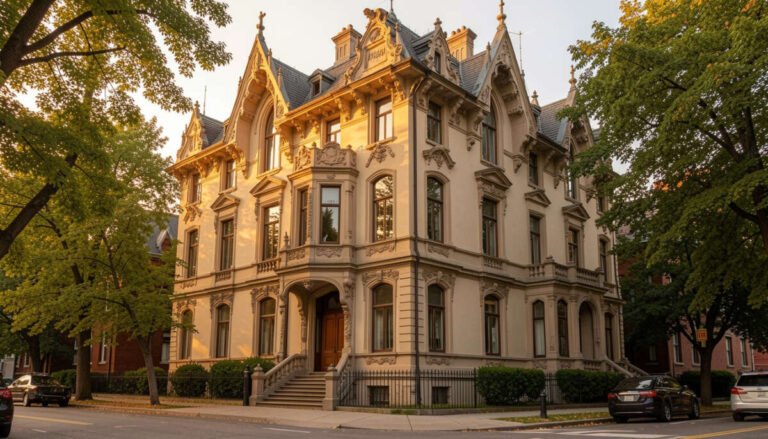
A Gilded Age mansion showcasing opulent residential architecture.
Built in 1892 for beer magnate Frederick Pabst, it features German Renaissance Revival style with exquisite woodwork, stained glass, and ornate interiors.
- Luxurious interiors with period furniture
- Guided tours offering architectural history insights
- Rare example of turn-of-the-century elite residential design
23. Union Station (Washington, D.C.)
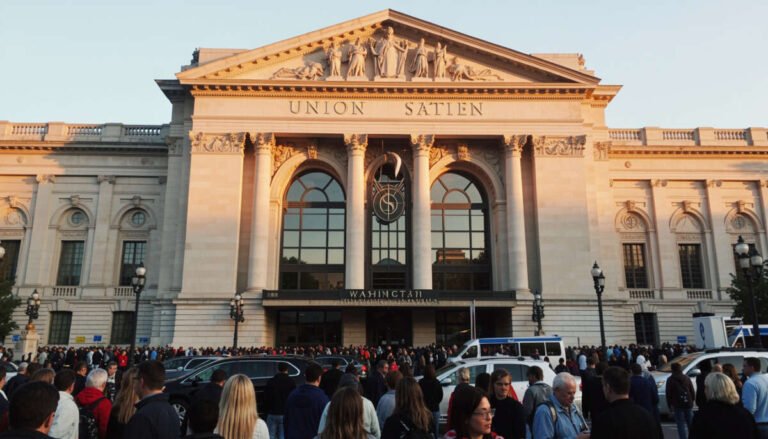
A historic Beaux-Arts train station and urban landmark.
Opened in 1907, Union Station is celebrated for its grand vaulted ceilings, Corinthian columns, and marble floors.
- Architectural elegance combined with practical transport hub
- Popular for photography and special events
- Represents the golden age of American rail travel
24. Hearst Tower (New York City)
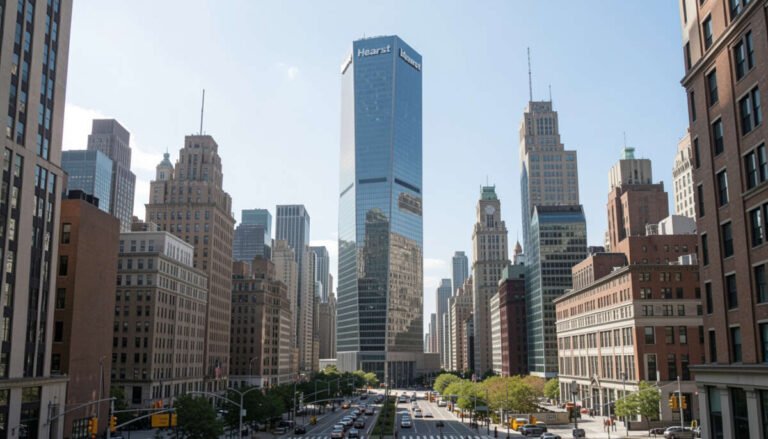
A modern skyscraper built atop a historic base, blending old and new seamlessly.
Completed in 2006 by architect Norman Foster, the tower’s diagrid steel design reduces structural steel usage while creating a visually striking pattern.
- Historic six-story base preserved from 1928
- Sleek, sustainable design with natural lighting
- Example of innovative green architecture in urban centers
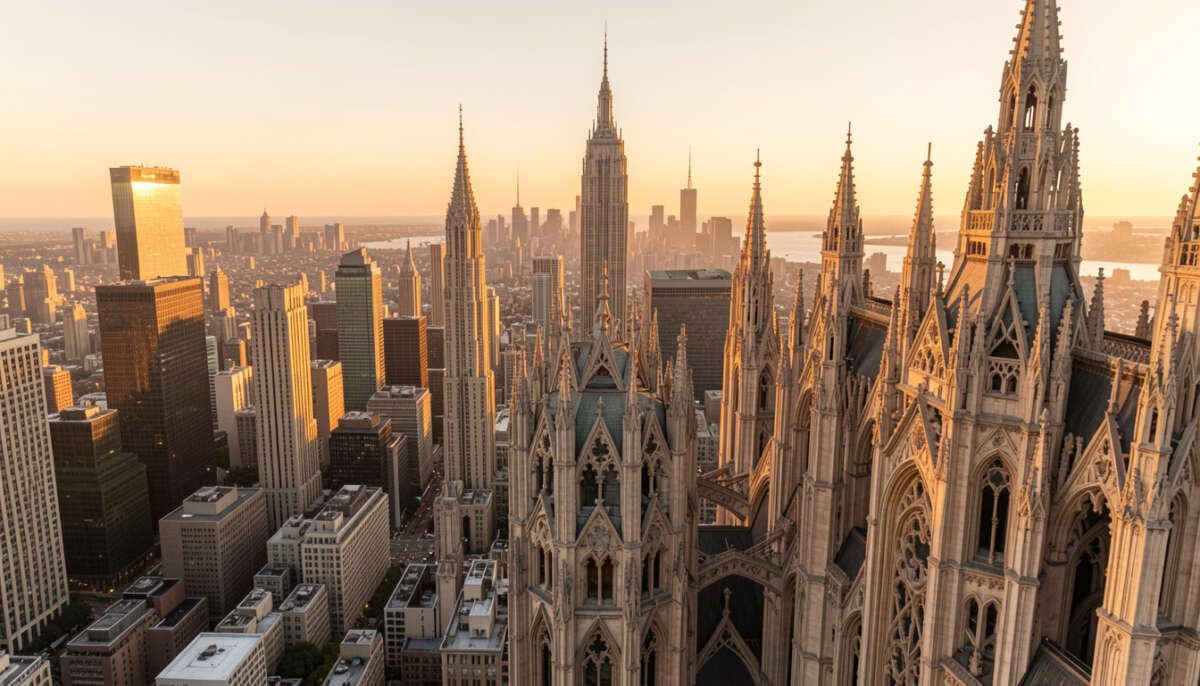
25. Cathedral of St. John the Divine (New York City)
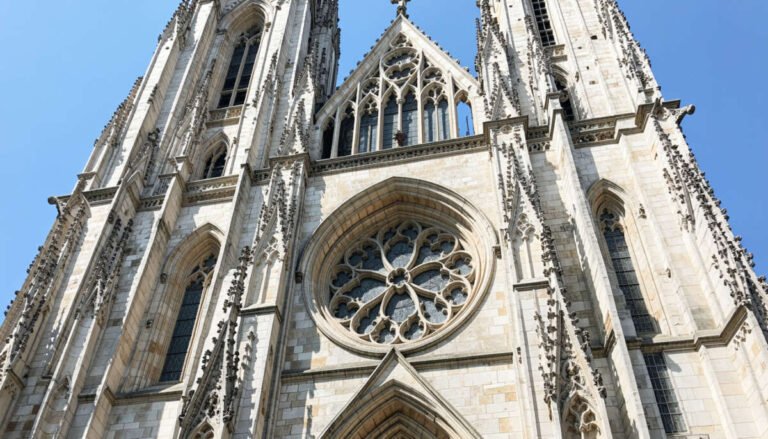
One of the largest cathedrals in the world, combining Gothic Revival architecture with unfinished charm.
Construction began in 1892, and while it remains technically unfinished, its stunning stone façades, stained glass, and towering nave make it a must-see.
- Massive interior space and intricate sculptures
- Hosts cultural and musical events
- Represents ambitious ecclesiastical architecture in America
Final Thoughts
Exploring architectural landmarks across the United States is more than just sightseeing—it’s a journey through history, culture, and innovation. From timeless classics to bold modern designs, each structure reflects a different chapter of American identity.
If you’re planning a trip in 2026, try to include a mix of historic and contemporary landmarks. And even if you’re not traveling right now, understanding the stories behind these buildings adds a whole new level of appreciation.
FAQs
How many architectural landmarks are in the USA?
There are hundreds across the country, but around 20–30 are considered globally iconic and frequently visited.
What is the most famous architectural landmark in the USA?
Landmarks like the Empire State Building and the Golden Gate Bridge are among the most recognized worldwide.
Which US city is best for architecture lovers?
Cities like New York City, Chicago, and Los Angeles offer a diverse mix of historic and modern architecture.
Are these landmarks open to visitors year-round?
Most are open year-round, but hours and access can vary depending on the season and security guidelines.
What’s the best time to visit these landmarks?
Spring and fall are ideal for fewer crowds and comfortable weather, especially in major cities.