
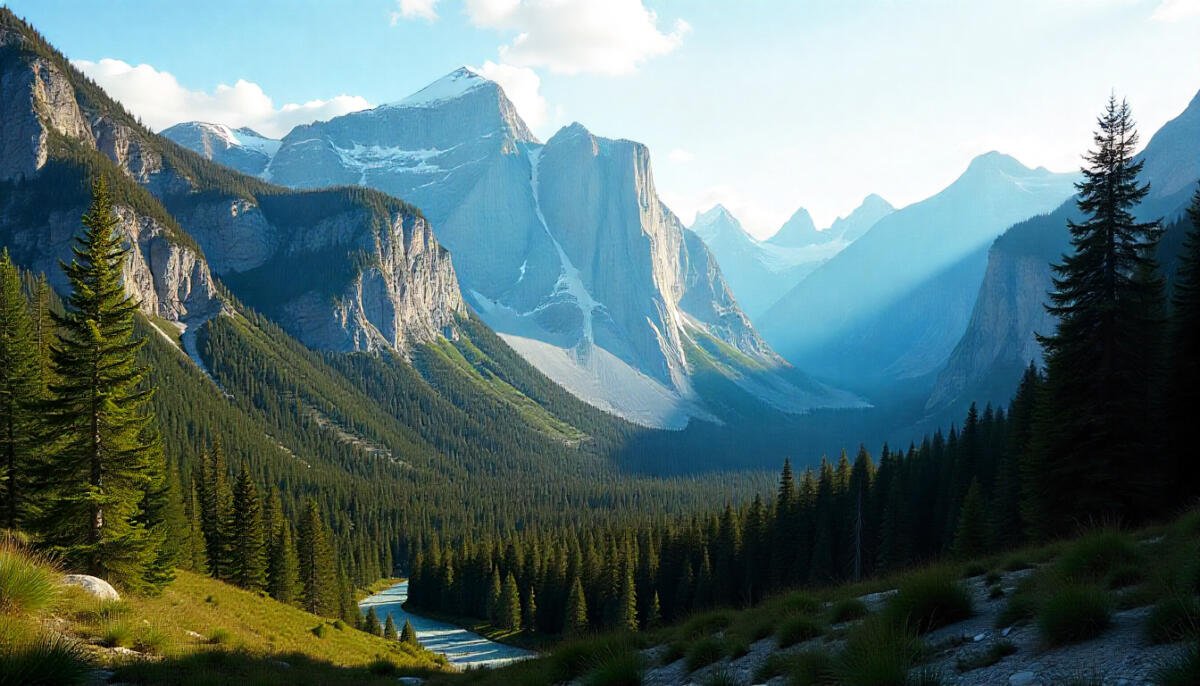
Exploring Canada’s national parks is one of those experiences that stays with you forever. Whether it’s the turquoise lakes in Alberta or the rugged coastlines of Newfoundland, each park has its own personality. In this guide, I’ve highlighted the Top 15 National Parks in Canada for 2026, based on what travelers actually look for—scenery, accessibility, activities, and overall travel experience. If you want reliable information, I’ve also linked the official Parks Canada websites for each destination so you can double-check fees, trail conditions, and seasonal alerts.
1. Banff National Park, Alberta

Banff is the park most travelers imagine when they think of Canada. And honestly, there’s a reason it’s always on top.
The famous turquoise lakes — Lake Louise and Moraine Lake
Easy-to-access mountain viewpoints
Countless hiking trails for every fitness level
One of the best towns in the Rockies for food, hotels, and winter sports
- Banff also works great for both first-time visitors and seasoned adventurers because everything is well-marked and tourist-friendly.
Best things to do
Sunrise at Moraine Lake (trust me, it’s magical)
Fairview Lookout or Lake Agnes Tea House hike
Ride the Banff Gondola for mountain-top views
Drive the Icefields Parkway — often called one of the world’s most scenic roads
Best time to go
- June–September for the famous lakes.
December–March if you love skiing. - Official site: Banff National Park — Parks Canada
2. Jasper National Park, Alberta

Jasper has a quieter, wilder feel than Banff. If you want big landscapes without big crowds, this is where you go.
It’s the largest national park in the Rockies
Home to the Jasper Dark Sky Preserve (perfect for stargazing)
Massive lakes like Maligne Lake, surrounded by dramatic peaks
Top activities
Boat tour to Spirit Island
The Skyline Trail (for multi-day hikers)
Visit the Maligne Canyon and Athabasca Falls
Night sky photography — some of the clearest skies in the world
Best time to visit
- July–September for hiking and boat tours.
- Official site: Jasper National Park — Parks Canada
3. Gros Morne National Park, Newfoundland & Labrador
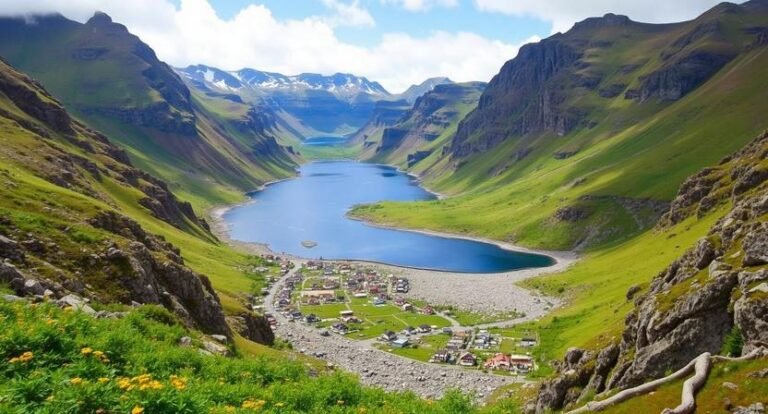
If you want something completely different from the Rockies, Gros Morne will blow your mind. It feels untouched, dramatic, and raw.
Home to Western Brook Pond — a fjord with cliffs rising 600m
UNESCO World Heritage Site
The Tablelands: a rare landscape where Earth’s mantle is exposed
Best things to do
Take the Western Brook Pond boat cruise
Hike the Tablelands Trail
Explore coastal villages and enjoy local seafood
Green Gardens Trail — stunning ocean views and sea stacks
Best time to visit
- July–September for good weather and boat access.
- Official site: Gros Morne — Parks Canada
4. Pacific Rim National Park Reserve, British Columbia

This park is all about rainforest, waves, beaches, and coastal adventure. If you love nature mixed with ocean vibes, it’s perfect.
Long Beach — one of Canada’s most beautiful stretches of sand
Huge waves for surfing
The legendary West Coast Trail (a bucket-list trek)
Lush rainforest trails and boardwalks
Top things to do
Walk Long Beach at sunset
Surf lessons in Tofino
Kayak the Broken Group Islands
Explore ancient rainforests on the Schooner Cove Trail
Best time to visit
- May–September for the best weather.
Winter is great for storm watching. - Official site: Pacific Rim — Parks Canada
5. Cape Breton Highlands National Park, Nova Scotia

This park is perfect for road trip lovers. The famous Cabot Trail runs right through it, giving you ocean cliffs, forested mountains, and scenic lookouts at every turn.
The Cabot Trail — easily one of the most beautiful drives in the world
A mix of highland and coastal scenery
Great chances to spot whales and moose
Top activities
Skyline Trail (sunset here is unbelievable)
Drive the Cabot Trail loop slowly and enjoy the viewpoints
Franey Trail — for a panoramic mountaintop view
Coastal walks along quiet beaches
Best time to visit
- June–October, with autumn colors peaking around late September.
- Official site: Cape Breton Highlands — Parks Canada
6. Yoho National Park, British Columbia
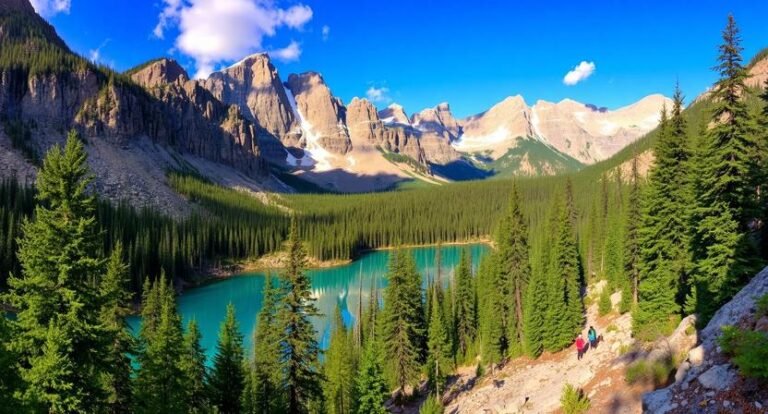
Nestled in the Rockies, Yoho is often overshadowed by Banff and Jasper, but it’s a gem for waterfall lovers and hikers who want fewer crowds.
Home to Takakkaw Falls, one of Canada’s highest waterfalls
Emerald-colored Emerald Lake with canoe rentals
Hidden gem hiking trails and viewpoints
Top activities
Hike Iceline Trail for alpine views
Canoe on Emerald Lake
Visit the Natural Bridge rock formation
Best time to visit
- June–September for hiking and lake activities.
- Official site: Yoho National Park — Parks Canada
7. Waterton Lakes National Park, Alberta

Connected to Glacier National Park in the U.S., Waterton is smaller than Banff but extremely charming, with lakes, mountains, and wildlife.
Peaceful lakeside hikes without huge crowds
Wildflower meadows in summer
Scenic drives and historic lodges
Top activities
Boat tour on Upper Waterton Lake
Red Rock Canyon hike
Spotting bighorn sheep and bears safely
Best time to visit
- June–September, though early fall brings spectacular colors and fewer tourists.
- Official site: Waterton Lakes — Parks Canada
8. Fundy National Park, New Brunswick

Fundy is famous for the highest tides in the world, coastal trails, and lush forests.
Dramatic Bay of Fundy tides
Waterfalls along hiking trails
Coastal cliffs and beaches for photography
Top activities
Hike the Fundy Footpath or Dickson Falls trails
Kayak or paddleboard at low tide
Watch whales along the Bay of Fundy coast
Best time to visit
- May–October, when trails are open and tides are most dramatic.
- Official site: Fundy National Park — Parks Canada
9. Riding Mountain National Park, Manitoba
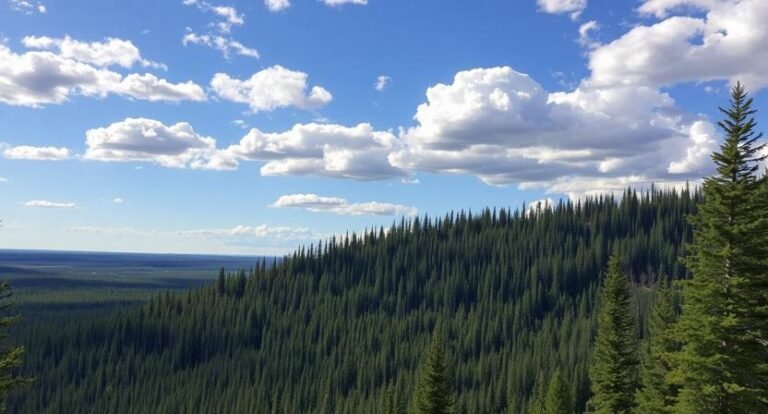
Riding Mountain blends prairie and forest, giving you a mix of ecosystems you won’t see in the Rockies or coasts.
Rolling hills and lakes perfect for canoeing
Wildlife like elk, bison, and black bears
Small towns with local culture near the park
Top activities
Hike Bald Hill Trail for panoramic views
Canoe on Clear Lake
Wildlife watching drives
Best time to visit
- June–September, for hiking, camping, and wildlife spotting.
- Official site: Riding Mountain — Parks Canada
10. Kootenay National Park, British Columbia

Kootenay is less crowded than Banff and Jasper but offers a mix of dramatic mountains, hot springs, and wildlife.
Radium Hot Springs for soaking after hikes
Stunning mountain landscapes and valleys
Hiking trails for all levels
Top activities
Hike Stanley Glacier or Marble Canyon trails
Relax at Radium Hot Springs
Drive the scenic parkway for viewpoints
Best time to visit
- June–September for hikes and hot springs.
- Official site: Kootenay National Park — Parks Canada
11. Glacier National Park, British Columbia

Glacier is a true wilderness paradise, offering dramatic mountain landscapes and pristine alpine lakes. It’s perfect for hikers and photographers who want fewer crowds than Banff or Jasper.
Remote and wild landscapes with glaciers, valleys, and waterfalls
Excellent multi-day hiking trails
Abundant wildlife: bears, mountain goats, and elk
Top activities
Hike Illecillewaet Glacier Trail
Explore Rogers Pass National Historic Site
Wildlife spotting and photography
Best time to visit
- July–September for hiking and glacier access.
- Official site: Glacier National Park — Parks Canada
12. Elk Island National Park, Alberta
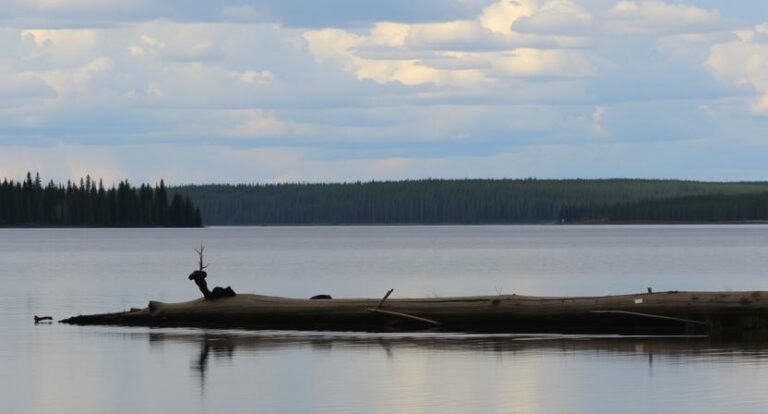
Elk Island is smaller but incredibly rewarding for wildlife lovers. It’s ideal for a day trip from Edmonton.
Famous for bison herds and elk
Excellent birdwatching opportunities
Easy-access trails for casual hikers
Top activities
Guided bison tours
Canoeing and kayaking on Astotin Lake
Wildlife photography and birdwatching
Best time to visit
- May–October, with fall colors in late September being spectacular.
- Official site: Elk Island National Park — Parks Canada
13. Cape Breton Highlands National Park (Nova Scotia) (Expanding for more activities)

Even though we mentioned it before, it’s worth noting more activities and hidden gems in 2025.
Hike Acadian Trail for coastal views
Visit Mabou Coal Mines for a cultural experience
Whale watching tours from Pleasant Bay
Best time to visit
- June–October, with September being ideal for fall foliage.
- Official site: Cape Breton Highlands — Parks Canada
14. Jasper-Banff Combined Itinerary Highlight

While Jasper and Banff are separate parks, travelers often combine them for an epic Rockies adventure.
Offers over 400 km of stunning mountain scenery
Access to Icefields Parkway, Peyto Lake, and Columbia Icefield
Ideal for both photographers and adventure travelers
Top activities
Icefields Parkway drive with glacier stops
Hike the Athabasca Glacier
Canoe on Maligne Lake and Lake Louise
Best time to visit
- June–September for hiking and scenic drives.
15. Terra Nova National Park, Newfoundland & Labrador
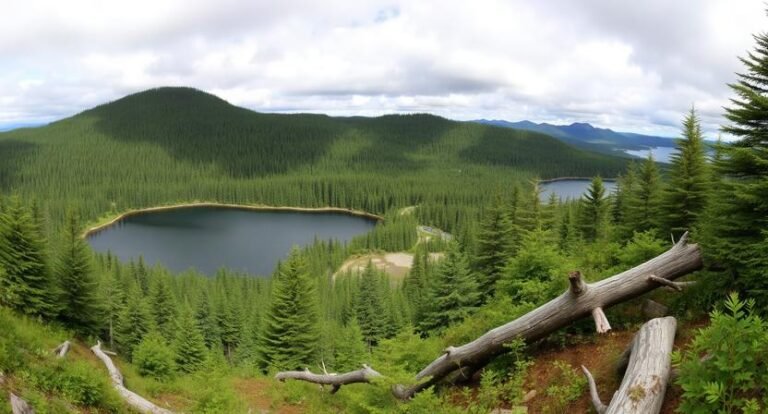
Terra Nova is the first national park on the island of Newfoundland and is perfect for mixed landscapes: boreal forest, lakes, and ocean coastline.
Offers both forested trails and coastal scenery
Canoeing, kayaking, and boating opportunities
Peaceful, less crowded than Gros Morne
Top activities
Canoe or kayak Hickman’s Harbour and surrounding lakes
Hike Ochre Hill Trail for panoramic views
Wildlife spotting: moose, foxes, and seabirds
Best time to visit
- June–September, when lakes are calm and trails are accessible.
- Official site: Terra Nova — Parks Canada
Final Thoughts
Canada’s national parks are more than just beautiful landscapes—they are experiences that stay with you long after your trip ends. From the iconic turquoise lakes of Banff to the rugged fjords of Gros Morne, and the coastal rainforests of Pacific Rim to the wildlife-rich plains of Elk Island, there’s something for every kind of traveler.
Planning ahead is key in 2026, as popular parks like Banff, Jasper, and Cape Breton Highlands see higher visitor numbers. Booking accommodations, arranging park passes, and checking trail conditions will make your visit smoother. Whether you’re chasing epic hikes, wildlife photography, or just serene moments in nature, these parks deliver unforgettable memories.
Frequently Asked Questions (FAQs)
1. What is the best time to visit Canada’s national parks?
The ideal time depends on your destination:
Rocky Mountain parks (Banff, Jasper, Yoho, Kootenay): June to September for hiking and lakes; December to March for skiing.
Coastal parks (Pacific Rim, Cape Breton Highlands, Fundy): May to September for hiking, kayaking, and whale watching.
Eastern parks (Gros Morne, Terra Nova, Fundy): July to September for trails and boat tours.
2. Do I need a pass to enter Canada’s national parks?
Yes. Most parks require a daily entrance fee or a Parks Canada Discovery Pass, which is great if you plan to visit multiple parks. Check the official Parks Canada website for current prices and regulations.
3. Can I see wildlife safely in these parks?
Absolutely, but safety is essential:
Keep a safe distance from all animals, including bears, moose, and bison.
Use designated viewing areas and trails.
Carry bear spray where recommended (Rockies).
Never feed wildlife.
4. Are these parks accessible for families and beginners?
Yes! Many parks have easy trails, boardwalks, and visitor centers for beginners or families with kids:
Banff and Jasper have accessible viewpoints and short hikes.
Pacific Rim offers beach walks and rainforest trails.
Elk Island is perfect for wildlife watching without strenuous hikes.
5. How do I avoid crowds at popular parks?
Arrive early in the morning or late afternoon.
Visit during shoulder seasons (May–June, September–October).
Explore lesser-known trails and parks like Yoho, Kootenay, or Terra Nova for a quieter experience.
Book accommodations in advance, especially near Banff, Jasper, or Pacific Rim.