Washington, D.C. isn’t just the political heart of the United States—it’s a city where history feels alive at every corner. Walking through the National Mall, you’re not just sightseeing; you’re stepping into stories that shaped a nation. If you’re planning a visit in 2026, here are ten historic monuments you absolutely shouldn’t miss, along with insider tips, historical context, and practical details to make your trip memorable.
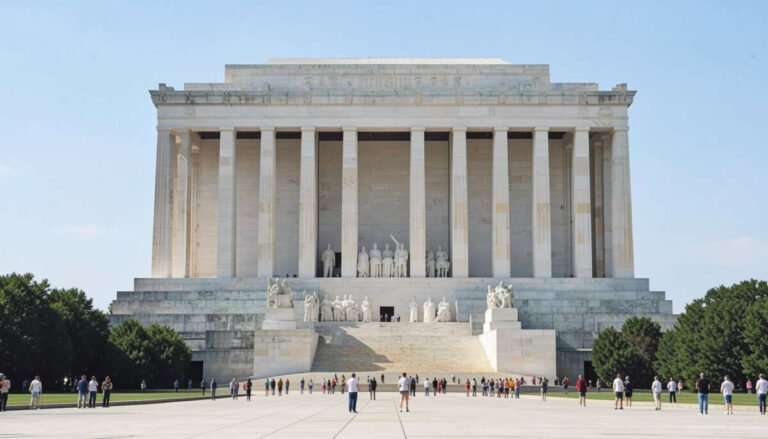
Few places in the U.S. carry as much emotional and historical weight as the Lincoln Memorial. Built to honor President Abraham Lincoln, this iconic structure resembles a Greek temple and stands as a symbol of unity and freedom.
Inside, you’ll find a massive seated statue of Lincoln, surrounded by inscriptions of the Gettysburg Address and his Second Inaugural Address.
This site also played a major role in the civil rights movement—most famously when Martin Luther King Jr. delivered his “I Have a Dream” speech here.
One of the most powerful historical landmarks in the U.S.
Stunning at sunrise or night (less crowded, better photos)
Visit the official site: Lincoln Memorial Visitor Info
2. Washington Monument
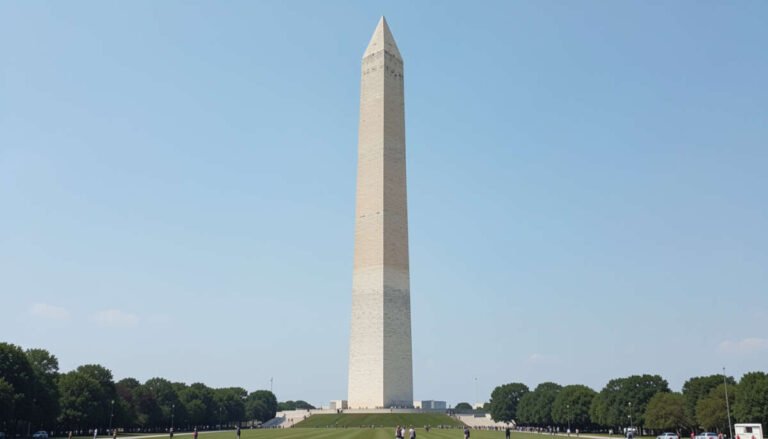
Standing tall at over 555 feet, the Washington Monument is impossible to miss. Built to honor George Washington, it was once the tallest structure in the world before being surpassed by the Eiffel Tower.
What many people don’t notice is the subtle color change in the stone—this happened due to construction delays and changes in materials.
Panoramic views from the top (tickets required)
Central location on the National Mall
Official details & tickets: Washington Monument Tickets & Info
3. World War II Memorial
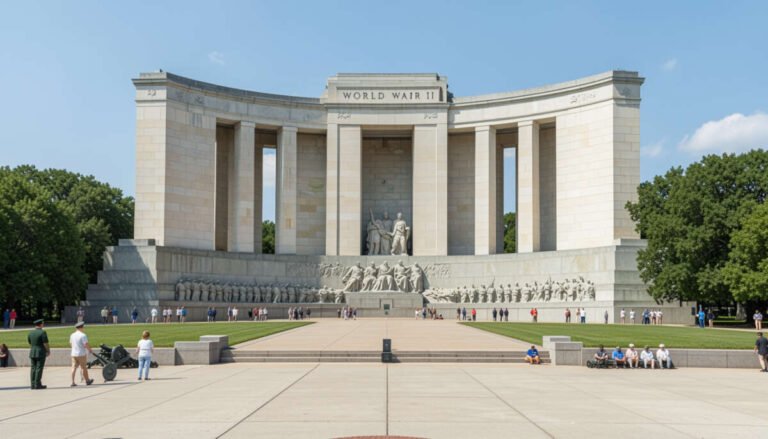
Located between the Lincoln Memorial and Washington Monument, this memorial honors the 16 million Americans who served during World War II.
At its center lies a beautiful reflecting pool (formerly the Rainbow Pool), redesigned as part of the memorial’s construction.
The site feels both grand and personal, with pillars representing each U.S. state and territory.
Deep historical significance
Beautiful symmetry and architecture
4. Emancipation Memorial
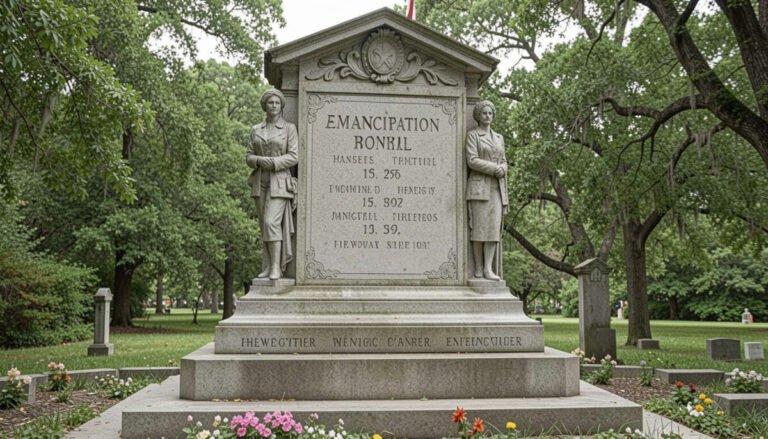
Located in Lincoln Park, this monument tells a powerful story of freedom. It depicts Abraham Lincoln holding the Emancipation Proclamation while a formerly enslaved man rises to freedom.
Built in 1876, it’s one of the earliest monuments dedicated to the end of slavery in the U.S.
Historically important but less crowded
Offers a deeper perspective on Lincoln’s legacy
5. Columbus Fountain
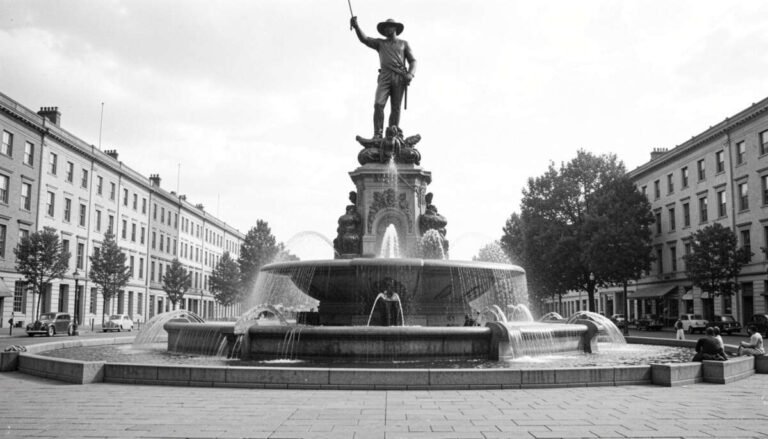
Just outside Union Station, the Columbus Fountain is often overlooked—but it’s worth a stop. Created in 1912, this artistic monument celebrates explorer Christopher Columbus and features impressive marble sculptures.
Unique design and artistic details
Convenient location near transport hub
6. Jefferson Memorial
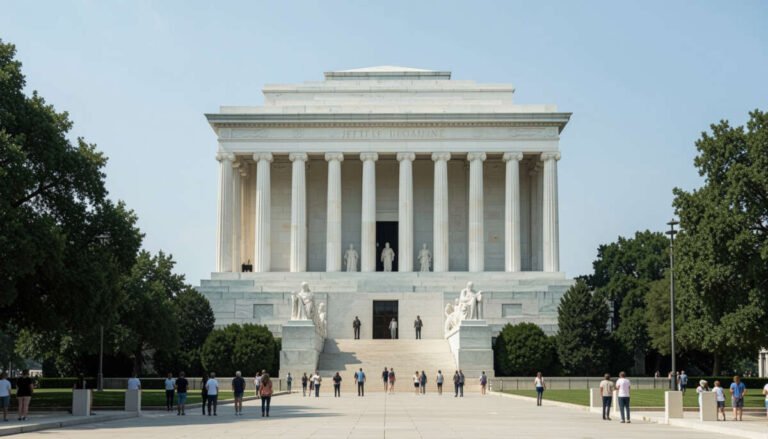
Set along the peaceful Tidal Basin, the Jefferson Memorial is one of those places that feels calm no matter how busy the city gets. Built to honor Thomas Jefferson, the monument reflects his love for classical architecture, inspired by Roman designs.
Inside, you’ll see a bronze statue of Jefferson surrounded by quotes that highlight his role in shaping American democracy.
Beautiful waterfront location (especially during cherry blossom season)
Less crowded compared to Lincoln Memorial
Plan your visit: https://www.nps.gov/thje/index.htm
7. Martin Luther King Jr. Memorial
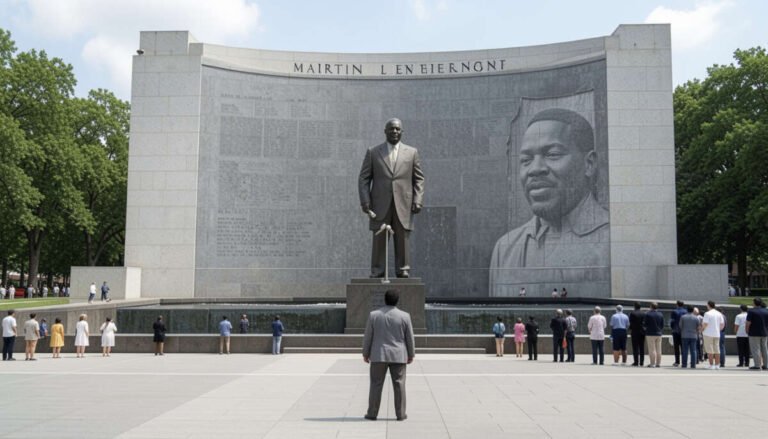
This powerful memorial honors Martin Luther King Jr. and his lasting impact on equality and justice. The statue, known as the “Stone of Hope,” emerges from a mountain, symbolizing strength and resilience.
The surrounding walls are engraved with some of his most inspiring quotes.
Deep emotional and historical significance
Modern design compared to older monuments
Learn more: https://www.nps.gov/mlkm/index.htm
8. Vietnam Veterans Memorial
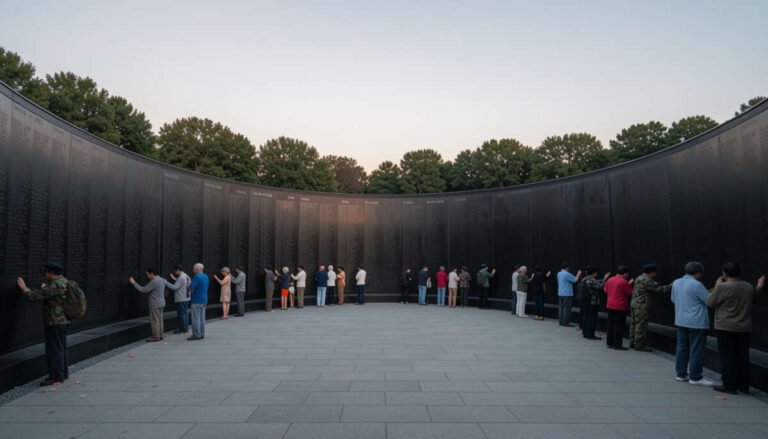
Unlike traditional monuments, this memorial is quiet and deeply personal. The black granite wall lists over 58,000 names of soldiers who died or went missing during the Vietnam War.
Visitors often leave flowers, notes, and tributes—making it one of the most moving places in D.C.
Unique design that creates a personal connection
One of the most visited memorials in the U.S.
Official info: https://www.nps.gov/vive/index.htm
9. Korean War Veterans Memorial
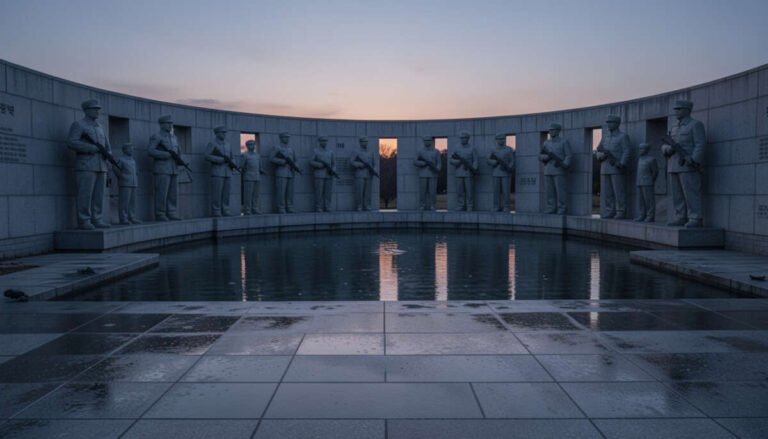
This memorial stands out with its lifelike statues of soldiers moving through rough terrain, representing the harsh conditions of the Korean War.
Nearby, a reflective wall features etched images of real soldiers, adding a powerful visual layer to the experience.
Realistic sculptures that tell a story
Often less crowded than nearby landmarks
Explore details: https://www.nps.gov/kowa/index.htm
10. Franklin Delano Roosevelt Memorial
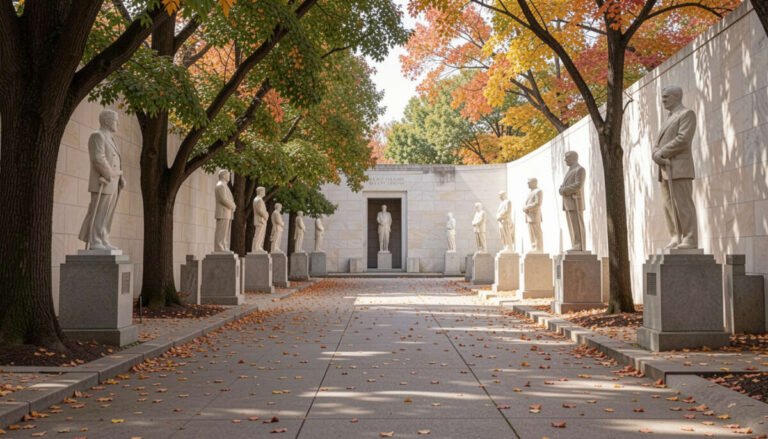
Dedicated to Franklin D. Roosevelt, this is one of the largest memorials in the city. Instead of a single structure, it’s a series of outdoor rooms representing different periods of his presidency.
Water features, sculptures, and inscriptions create a storytelling experience as you walk through.
Unique design that feels like a journey through history
Great for longer, immersive visits
Visitor guide: https://www.nps.gov/fdrm/index.htm
Conclusion
Washington, D.C. is one of those rare cities where history isn’t locked inside museums—it’s right in front of you. From the powerful presence of the Lincoln Memorial to the reflective atmosphere of the Vietnam Veterans Memorial, each monument tells a story that still matters today.
If you’re visiting in 2026, take your time exploring these landmarks. Walk between them, read the inscriptions, and experience the history—not just as a tourist, but as someone connecting with the past.
Frequently Asked Questions (FAQ)
Q1: Are all monuments in Washington, D.C. free to visit?
Yes, most major monuments, including the Washington Monument and World War II Memorial, are free to access.
Q2: What is the best time to visit these monuments?
Early morning or late evening is ideal for fewer crowds and better photos.
Q3: How many monuments can I visit in one day?
You can comfortably visit 4–6 monuments in a day if you plan your route around the National Mall.
Q4: Do I need tickets for any monument?
Most are free, but the Washington Monument requires a timed entry ticket to go to the top.
Q5: Is walking the best way to explore?
Yes, walking or biking around the National Mall is the easiest and most enjoyable way to see multiple monuments.