When you think about Canada, towering mountains and endless forests usually come to mind—but some of the country’s true hidden gems are its massive islands. These islands are more than just dots on the map; they’re home to remote Arctic communities, untouched wildlife, ancient Indigenous cultures, and landscapes so dramatic they feel almost otherworldly. If you’re planning unforgettable travel in 2026, here are the top 15 largest islands in Canada—each one offering a different kind of adventure, from polar expeditions to coastal escapes.
1. Baffin Island – The Arctic Giant of Canada
Location: Nunavut
Area: ~507,000 sq km (Largest island in Canada; 5th largest in the world)
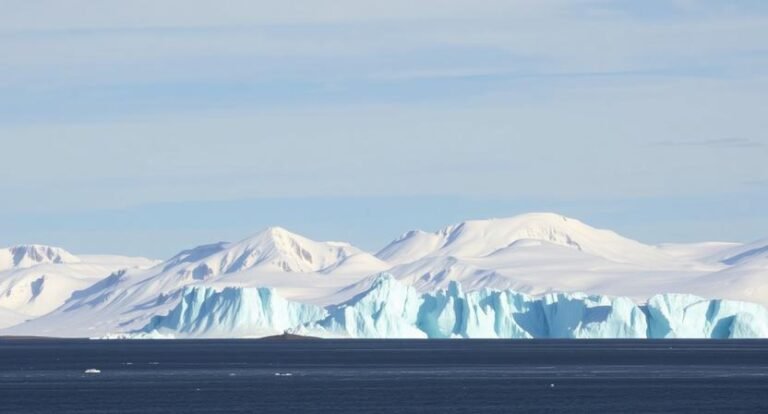
Baffin Island is the kind of place that reminds you how big and wild Canada truly is. Home to Inuit communities, razor-sharp mountain peaks, and some of the most dramatic Arctic scenery in the world, this island is a dream destination for serious explorers.
Auyuittuq National Park – glaciers, fjords, and the legendary Mount Thor (featuring the world’s greatest vertical drop)
Aurora viewing at its finest
Opportunities for Arctic safaris, polar trekking, and wildlife photography
Deep cultural experiences with local Inuit communities
- Travel Tip: You can learn more about the park and planning options from the official Parks Canada website.
2. Victoria Island – A Massive Island Few People Know About

Location: Nunavut & Northwest Territories
Area: ~217,000 sq km
Even though Victoria Island is one of the biggest islands in the world, it’s surprisingly unknown to many travellers. The island feels like stepping onto another planet—complete with bizarre geological formations, rugged tundra, and remote communities.
The rare Tuktu Escarpment—ideal for wildlife viewing
Ultra-remote Arctic char fishing spots
Stunning summer tundra blooms
The Pingos and polar landscapes that photographers love
3. Ellesmere Island – A True Polar Wilderness
Location: Nunavut
Area: ~196,000 sq km
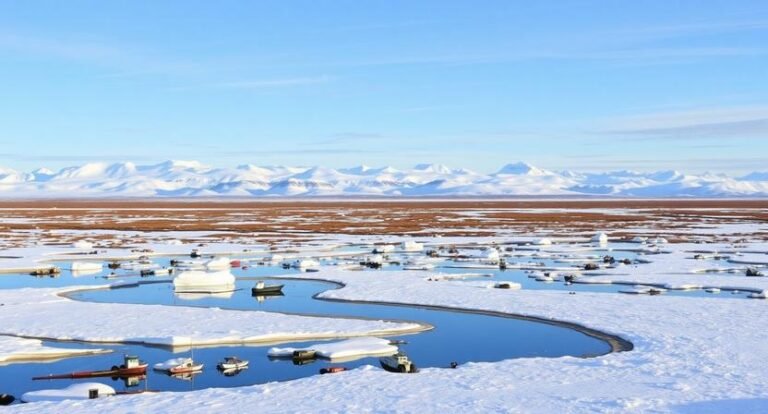
Ellesmere Island is the closest you can get to the North Pole without actually being there. It’s Canada’s northernmost island and home to some of the coldest, most untouched terrain on Earth.
Quttinirpaaq National Park – one of the least-visited national parks in the world
Ancient glaciers and ice caps
Wildlife like muskoxen, Arctic wolves, and polar bears
Midnight sun during peak summer
- If you’re looking for raw nature at its most powerful, Ellesmere Island is a life-changing experience, especially for extreme adventure travellers.
- Plan your visit: Check guidelines and research options on Parks Canada’s official Quttinirpaaq National Park page.
4. Newfoundland – Culture, Coastal Beauty & Endless Adventure

Location: Newfoundland and Labrador
Area: ~108,000 sq km
Unlike Canada’s northern islands, Newfoundland is lively, friendly, and packed with things to do. It’s one of the only “large island” destinations in Canada that gives you both community charm and natural wonders in one place.
Vibrant city life in St. John’s
Iceberg watching along the “Iceberg Alley”
Puffins, whales, historic lighthouses
Rugged hiking paths like the world-famous East Coast Trail
- Extra Tip: For planning, visit the official tourism site: Newfoundland & Labrador Tourism.
5. Banks Island – Untouched Arctic Wildlife Haven
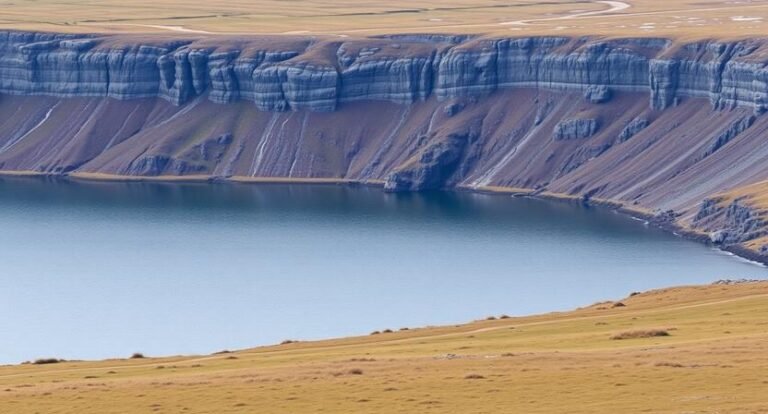
Location: Northwest Territories
Area: ~70,000 sq km
Banks Island is truly remote—but that’s exactly why it’s special. With its sweeping tundra, unique ecosystems, and vast wildlife populations, this island is ideal for travellers who want something raw and less commercial.
Home to the largest muskox population in the world
Rare species like Peary caribou
Unspoiled Arctic dunes, coastal cliffs, and wildflower fields
Visits to Aulavik National Park, one of the least crowded parks in Canada
- More about the park can be found on the Parks Canada website
6. Southampton Island – Arctic Wildlife Paradise
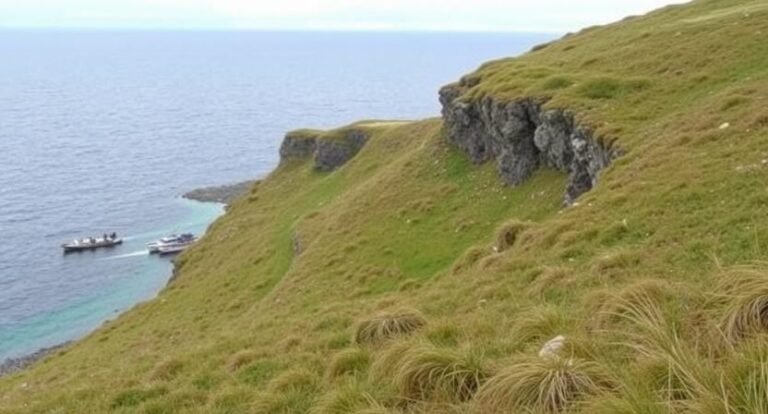
Location: Nunavut
Area: ~41,000 sq km
Southampton Island sits at the entrance of Hudson Bay and is a hotspot for Arctic wildlife. It’s remote, peaceful, and ideal for travellers who want solitude and nature.
Beluga whale watching in summer
Birdwatching heaven: thousands of migratory birds arrive each season
Historical sites of Inuit settlements
Tundra landscapes that are perfect for photography
- Planning Info: Learn more via Parks Canada – Southampton Island.
7. Cape Breton Island – A Cultural & Scenic Gem
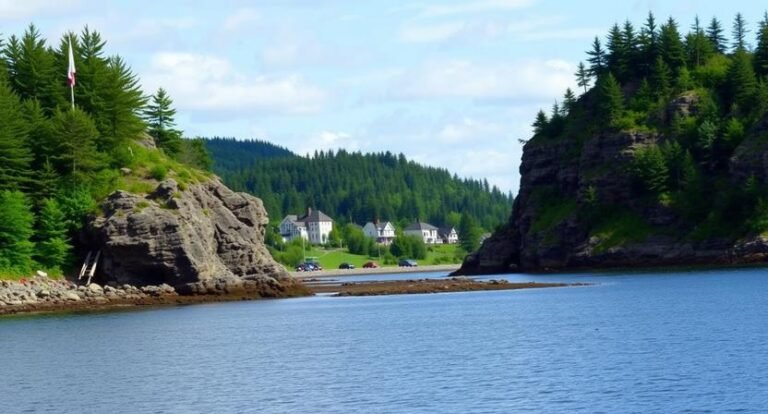
Location: Nova Scotia
Area: ~10,300 sq km
Cape Breton Island combines stunning coastal scenery with rich Scottish and Acadian heritage. Unlike Arctic islands, it’s easily accessible and full of cultural experiences.
Cabot Trail – one of the world’s most scenic drives
Celtic music, local festivals, and friendly communities
Cape Breton Highlands National Park – hiking, wildlife, and coastline views
Whale watching and ocean adventures
8. Prince Edward Island – Canada’s Charming Smallest Province
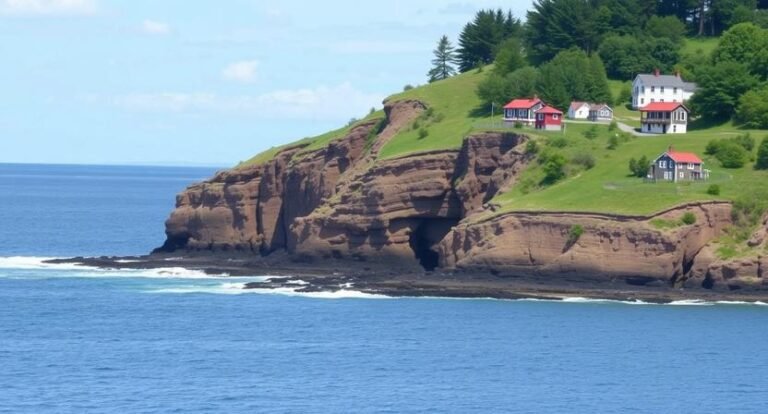
Location: Prince Edward Island
Area: ~5,660 sq km
Prince Edward Island may be smaller, but it’s huge on charm. Famous for red sand beaches, rolling countryside, and literary history (Anne of Green Gables), it’s a family-friendly and relaxing destination.
Iconic Green Gables House and heritage sites
Cycling routes along the coast
Fresh seafood and vibrant local markets
Festivals celebrating music, food, and arts
- Tourism Link: Prince Edward Island Official Tourism.
9. Anticosti Island – Nature Lovers’ Hideaway

Location: Quebec
Area: ~7,900 sq km
Anticosti Island is a rugged, forested island in the Gulf of St. Lawrence. It’s perfect for wildlife enthusiasts, hikers, and anyone seeking off-the-beaten-path adventure.
Abundant deer and bird populations
Hiking trails along cliffs and rivers
Fishing and kayaking in pristine waters
Limited tourist crowd ensures peaceful exploration
- Planning Resource: Anticosti Island Info – Quebec Tourism.
10. Vancouver Island – Coastal Beauty & Adventure

Location: British Columbia
Area: ~32,134 sq km
Vancouver Island is famous for combining wilderness with modern comforts. With lush forests, vibrant cities, and a rugged Pacific coastline, it’s a must-see for travelers seeking diversity.
Victoria city – historic sites, gardens, and cultural experiences
Surfing, kayaking, and whale watching
Pacific Rim National Park Reserve – rainforest hiking and beaches
Local cuisine, wineries, and Indigenous cultural tours
11. Melville Island – Remote Arctic Adventure
Location: Northwest Territories & Nunavut
Area: ~42,149 sq km
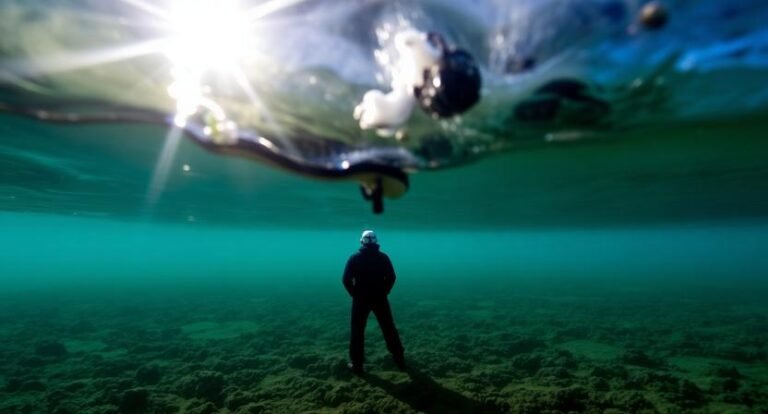
Melville Island is one of the most remote islands in the Canadian Arctic Archipelago. Its rugged terrain, glaciers, and polar deserts make it ideal for extreme adventure travelers.
Glaciers and dramatic Arctic landscapes
Polar bear and Arctic fox sightings
Ice-capped mountains for photography
Rare opportunities for Arctic expeditions
- Resource: Check Parks Canada for protected areas and regulations.
12. Axel Heiberg Island – Fossil & Glacier Explorer’s Dream
Location: Nunavut
Area: ~43,178 sq km
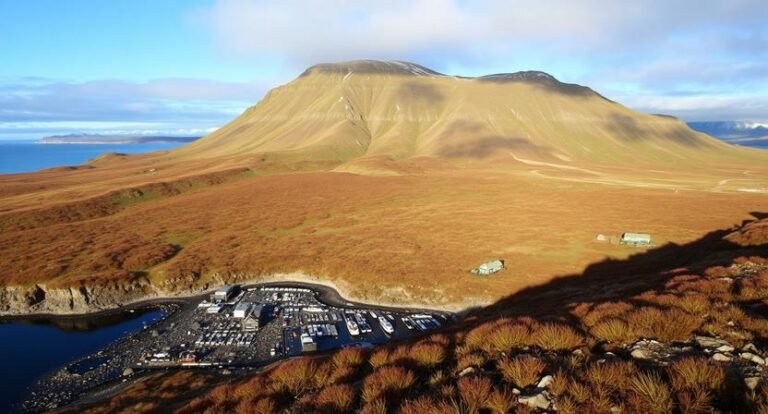
Axel Heiberg Island is famous for its ancient fossil forests and stunning glaciers. It’s a research hotspot, but adventurous travelers can also explore its untouched wilderness.
Ancient fossilized forests dating back 45 million years
Glacial formations and ice-capped mountains
Wildlife like muskoxen and Arctic hares
Remote photography and eco-tourism opportunities
13. Banks Island – Muskox & Polar Wilderness
Location: Northwest Territories
Area: ~70,028 sq km
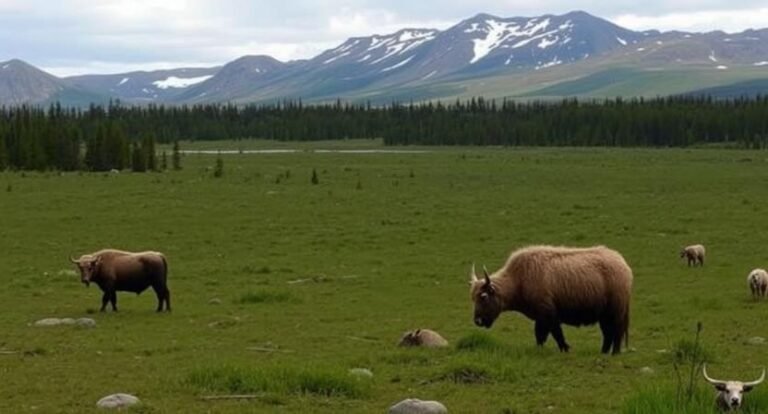
Though already mentioned, Banks Island deserves deeper exploration due to its rich wildlife and untouched tundra. It’s one of the few places to see large populations of muskoxen in their natural habitat.
Aulavik National Park – peaceful hiking and wildlife
Birdwatching and polar bear spotting
Remote Arctic landscapes perfect for solitude
Adventure travel in extreme northern conditions
- Official Info:Parks Canada – Aulavik National Park.
14. King William Island – Historical Arctic Exploration
Location: Nunavut
Area: ~13,111 sq km
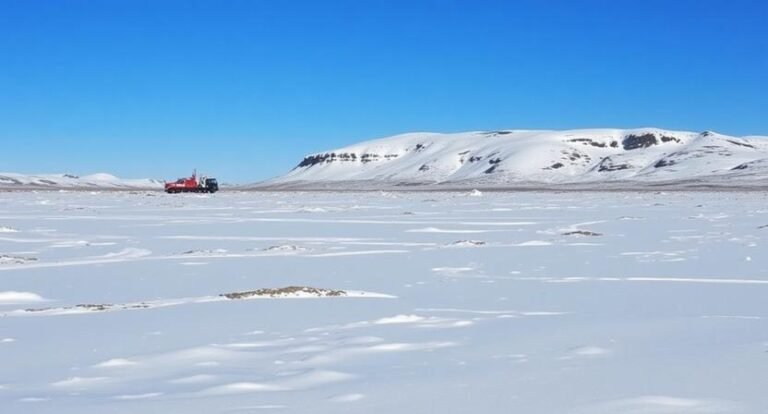
King William Island is historically significant as part of the Franklin Expedition route. Today, it offers a mix of cultural history, Inuit communities, and Arctic landscapes.
Historical exploration sites of Sir John Franklin
Inuit cultural experiences
Coastal Arctic landscapes and wildlife
Opportunities for guided history tours
- Learn More: Visit Nunavut Tourism
15. Prince of Wales Island – Untouched Arctic Frontier
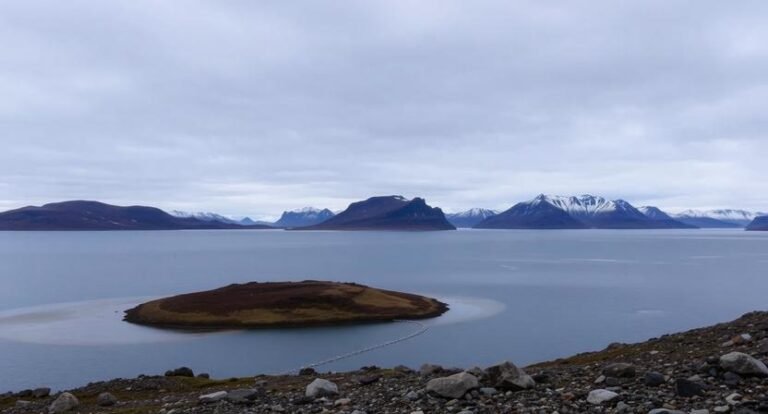
Location: Nunavut & Northwest Territories
Area: ~33,339 sq km
Prince of Wales Island is a rugged and relatively unknown Arctic destination. Its remote tundra, inlets, and wildlife make it perfect for adventurous travelers seeking solitude.
Remote Arctic tundra exploration
Seals, polar bears, and migratory birds
Glacial and fjord landscapes
Extreme adventure opportunities for explorers
- Planning Info: See Parks Canada – Arctic Regions
Final Thoughts
Canada’s islands are more than just landmasses—they are gateways to adventure, culture, and nature in its purest form. From the remote Arctic tundra of Baffin, Victoria, and Ellesmere Islands to the culturally rich and accessible Newfoundland, Vancouver, and Prince Edward Islands, each destination offers a unique experience.
Whether you are seeking solitude in the far north, wildlife encounters, historical exploration, or coastal charm, Canada’s islands have something for every traveler. Planning ahead, respecting Indigenous lands, and being prepared for extreme weather are key to making the most of your journey.
Frequently Asked Questions (FAQs)
1. What is the largest island in Canada?
The largest island in Canada is Baffin Island, located in Nunavut, covering approximately 507,000 sq km. It is the fifth-largest island in the world.
2. Can I visit Arctic islands like Ellesmere or Victoria Island easily?
These islands are remote and challenging to access. Most visits require chartered flights, guided tours, and permits. Summer months are the best time for travel, as the weather is milder.
3. Which Canadian islands are best for wildlife watching?
For wildlife enthusiasts, islands like Banks Island, Southampton Island, and Axel Heiberg Island offer muskoxen, polar bears, beluga whales, Arctic foxes, and migratory birds.
4. Are there islands in Canada suitable for family-friendly travel?
Yes! Prince Edward Island, Vancouver Island, Cape Breton Island, and Newfoundland are ideal for families. They offer accessible accommodations, cultural experiences, scenic drives, and outdoor activities.
5. What should I pack when visiting Canada’s Arctic islands?
Pack for cold and unpredictable weather, even in summer. Essentials include thermal layers, waterproof jackets, sturdy hiking boots, sunglasses, sunscreen, and photography equipment. Always check local guidelines for safety.