
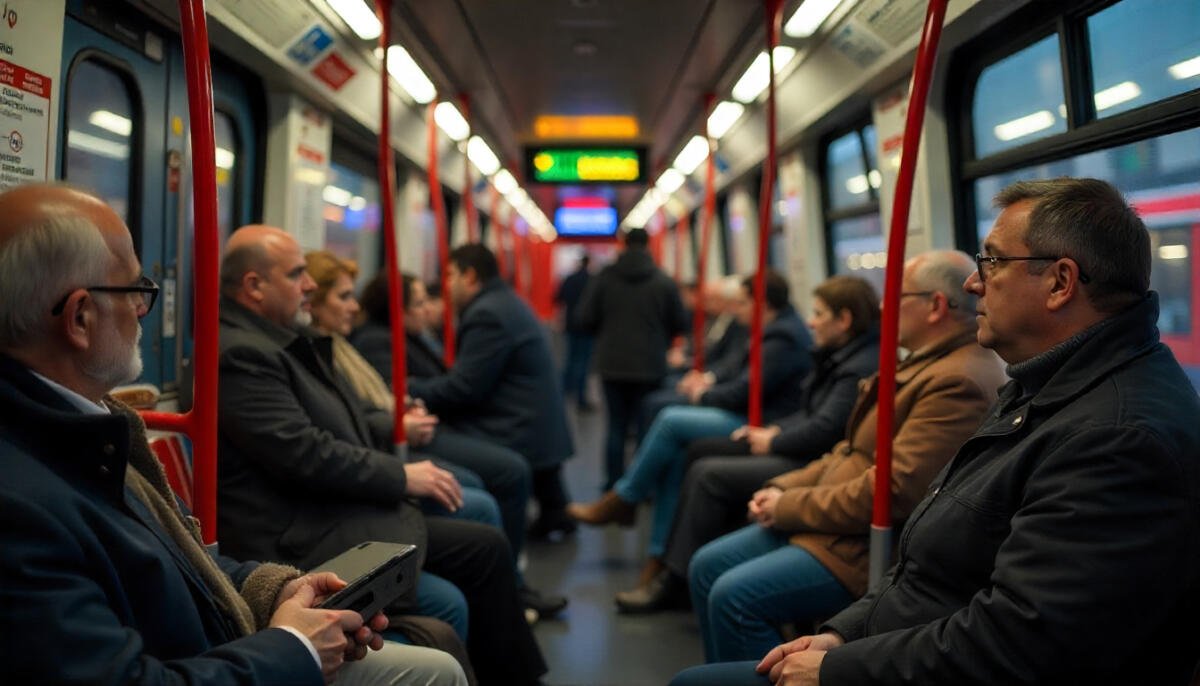
Navigating London can feel overwhelming at first. With buses, trains, the Underground, trams, and even river services, there’s a lot to take in. But once you understand the basics, London’s public transport system is efficient, affordable, and the fastest way to explore the city. Whether you’re a tourist visiting for the first time or a local looking for tips, this guide has everything you need to travel like a pro in 2026.
1. Understanding London’s Transport System

London’s transport network is managed by Transport for London (TfL). It includes:
The London Underground (Tube): 11 lines covering most of the city.
Buses: Red double-decker buses operating 24/7 on some routes.
Overground Trains: Servicing areas beyond the Underground.
Docklands Light Railway (DLR): Automatic trains in East and South-East London.
Trams: Mainly in South London.
River Services: Ferries along the Thames, great for sightseeing.
Cycling and Walking Paths: For short distances and scenic travel.
- For a full map and journey planner, visit Transport for London — the official TfL website.
2. Choosing the Right Ticket

London has a few ways to pay for travel:
a. Oyster Card
A reloadable card for all London public transport (except some river services).
Pay-as-you-go fares are cheaper than buying single tickets.
Caps daily spending, so you never pay more than the maximum fare for your zones.
b. Contactless Payment
Tap your contactless debit or credit card directly on buses, tubes, and trains.
Works exactly like an Oyster card, including daily and weekly fare caps.
c. Travelcard
A paper or digital pass for unlimited travel for a day, week, or month within selected zones.
Good for tourists planning multiple journeys in a day.
- Tip: Tourists can use an Oyster card or contactless payment for the most convenience and cost savings.
3. Navigating the London Underground (Tube)
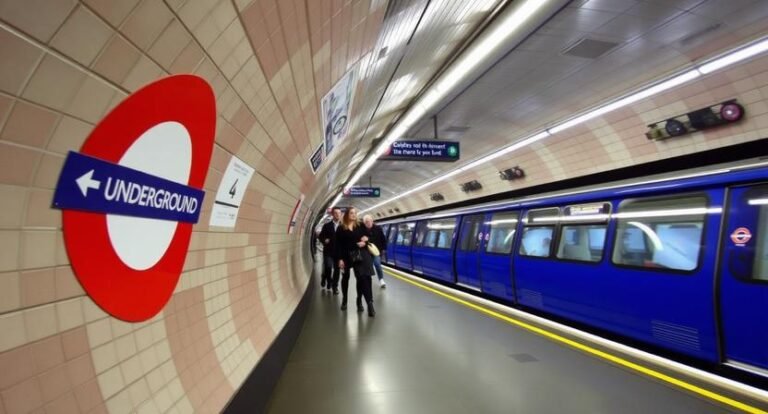
The Tube is often the fastest way to get across London.
Know your line colors: For example, the Central Line is red, the Piccadilly Line is dark blue.
Check the zone system: Fares depend on which zones you travel through (Zone 1 is Central London).
Avoid peak hours: 7:30–9:30 AM and 4:30–6:30 PM are busy.
- Tip: Download the official TfL Go app for real-time Tube updates, route planning, and step-free access info.
4. Using Buses in London

Buses are iconic in London, but they operate differently from the Tube:
Cashless travel only: Use an Oyster or contactless card.
Single fare is fixed: £1.75 per journey (2025 rate), no matter the distance.
Night buses: Numbered with an ‘N’ before the route (e.g., N15) for late-night travel.
- Tip: Buses are cheaper than the Tube and great for sightseeing, as you see the city while traveling.
5. Overground, DLR, and Trams
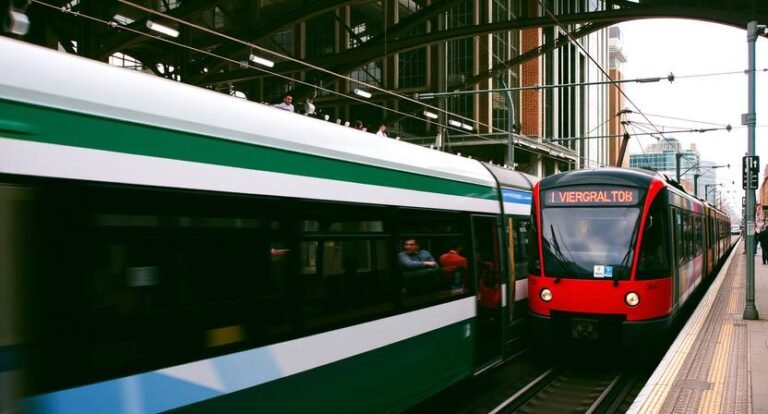
Overground trains cover areas like Camden, Richmond, and Stratford.
DLR is automated and connects Canary Wharf, Greenwich, and London City Airport.
Trams mainly run in South London (Croydon area).
- Check live schedules on the TfL website or app to avoid delays.
6. River Services: A Scenic Alternative

Riverboats run along the Thames, connecting Westminster, Tower Bridge, Greenwich, and more.
A fun option for tourists, offering unique views of London landmarks.
Tickets can be bought online via Thames Clippers.
7. Accessibility Tips
London’s public transport is becoming more accessible:
Step-free access is available at many stations, particularly newer ones.
TfL Go app shows stations and stops with step-free entrances.
Buses have ramps and space for wheelchairs.
8. Safety Tips
Mind the gap between the train and platform.
Keep personal belongings secure.
Avoid empty carriages late at night if you feel unsafe.
9. Tips for Tourists and Locals
Plan your journey in advance using Google Maps or the TfL app.
Consider an Oyster card even for a short visit—it’s cheaper than single tickets.
Travel off-peak to save money and avoid crowds.
Check service updates for strikes or maintenance work on TfL.
Enjoy walking: Central London is very walkable, and you can combine walking with public transport.
Final Thoughts
London’s public transport can seem intimidating, but once you understand the basics, it’s the quickest and most affordable way to explore the city. With Oyster cards, contactless payments, and real-time apps, navigating the Tube, buses, and trains has never been easier. Whether you’re sightseeing as a tourist or commuting like a local, London’s transport network is your gateway to discovering this incredible city.
Frequently Asked Questions (FAQ)
1. Is the Tube safe at night?
Yes, most lines are safe, but stick to well-lit areas and avoid empty carriages late at night.
2. Can tourists use contactless payment?
Yes, contactless debit/credit cards work the same as an Oyster card.
3. How much does a daily travel card cost?
Prices depend on zones. For example, a Zone 1–2 Travelcard costs around £15 (2025 rate).
4. Are buses free for children?
Yes, children under 11 travel free on London buses and trams.
5. Where can I find the latest service updates?
Visit TfL Live Updates or use the TfL Go app.