
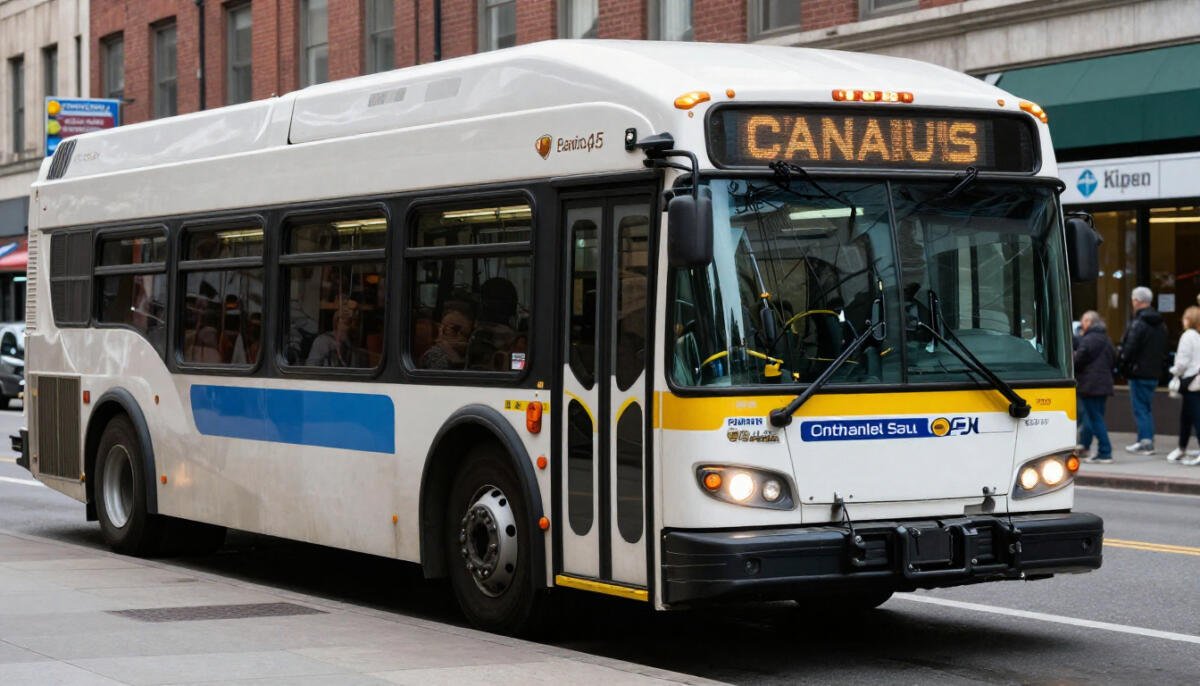
If you’re planning a trip to Canada or moving here for work or study, one of the first things you’ll deal with is public transport. The good news is: it’s pretty straightforward once you understand the basics. Every major city has its own system, its own payment card, and its own little quirks. I’ve put everything you need to know in one place so you can travel confidently—without getting lost or paying extra.
1. Main Types of Public Transport in Canada
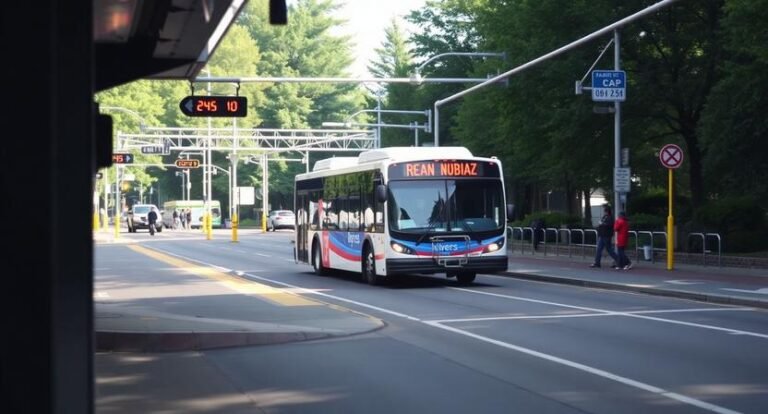
Canada doesn’t have a single country-wide transit system. Each city runs its own network. But almost everywhere, you’ll find:
Buses
Runs throughout the entire city, including suburbs and tourist areas. This is the most widely used and most frequent option.
Subways / Metro
Available in Toronto and Montréal. Fastest way to move around the city, especially during rush hours.
Light Rail / SkyTrain
Cities like Vancouver, Calgary, and Edmonton use these fast, modern trains.
Streetcars / Trams
Toronto still uses streetcars on busy downtown routes—great for short rides.
Regional Trains
For travel between suburbs and nearby cities (like GO Transit in Ontario).
2. How to Pay for Public Transport

Every city uses its own card. This is important because fares often cost less with a card than cash or single tickets.
Toronto – PRESTO Card
- Website: prestocard.ca
- Use it for buses, streetcars, subways, and even regional trains like GO Transit.
Vancouver – Compass Card
- Tap in and tap out. Fares depend on travel zones.
Montréal – OPUS Card
- Most cities also allow tap-to-pay using Visa, Mastercard, Apple Pay, or Google Pay.
3. Route Planning: Best Tools in 2025
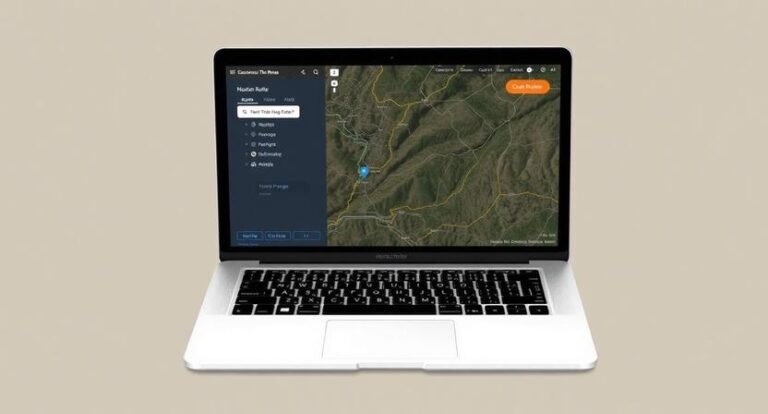
Google Maps
Still the easiest for tourists. Shows subway and bus arrivals in real time.
Transit Apps
Every city has its own app:
Toronto TTC: ttc.ca
Vancouver TransLink: translink.ca
- These apps show delays, closures, and the best routes during busy hours.
4. How Public Transport Works in Popular Canadian Cities
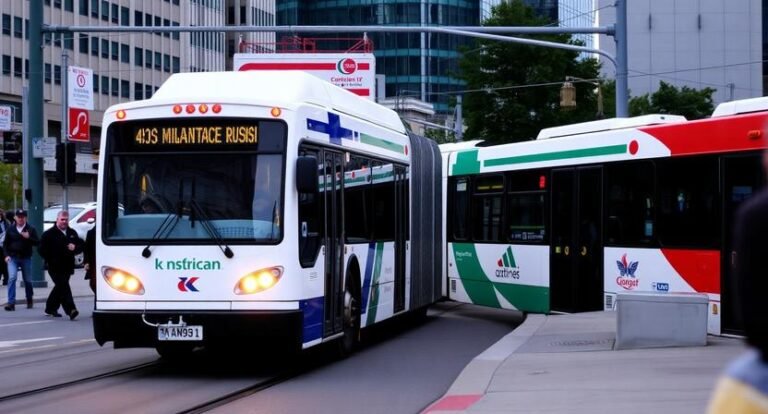
Toronto (TTC)
Subway, buses, and streetcars are all connected.
PRESTO Card is a must.
The subway is the fastest way to get around downtown.
Vancouver (TransLink)
SkyTrain is clean, fast, and runs almost like clockwork.
Compass Card works everywhere, including SeaBus and West Coast Express.
Montréal (STM)
Metro stations are bright and easy to navigate.
OPUS Card works for both bus and metro.
Ottawa (OC Transpo)
Mix of buses and LRT (O-Train).
Connects directly to Parliament, museums, and city center.
Calgary (C-Train)
Runs above ground.
Free rides in the downtown “free fare zone”.
5. Useful Tips for Tourists (2025)
Buy your transit card at the airport for Toronto, Montréal, and Vancouver.
Avoid rush hours if you can: 7–9 AM and 4–6 PM.
Always stand on the right on escalators so others can pass.
Weekend construction is common—especially in Toronto.
Stations usually have free Wi-Fi for checking schedules.
6. Safety & Accessibility
Public transport in Canada is generally safe. Most stations have cameras, emergency phones, and security staff. Keep your bag close at night and avoid empty platforms when possible.
For accessibility:
Most buses are wheelchair-accessible.
Many major stations have elevators and ramps.
Transit websites show accessibility status for each station.
7. Costs of Using Public Transport in 2025
Typical one-way fares:
Toronto: $3.35
Vancouver: $3.15 (zone-based)
Montréal: $3.75
Calgary: $3.70
Ottawa: around $3.80
- Monthly passes usually range from $100 to $160 depending on the city.
8. Public Transport vs Uber or Taxi
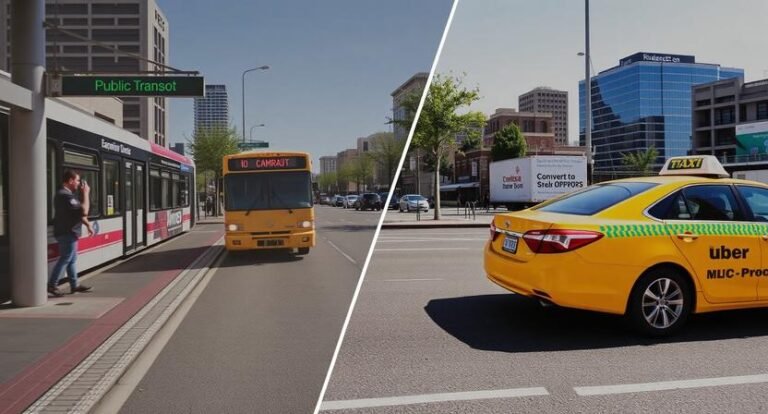
Public transport is almost always cheaper.
For example:
A 20-minute Uber in Toronto might cost $20–$30, while a TTC ride costs one flat fare.
If you’re traveling alone or on a budget, public transport wins every time.
9. How to Travel Between Cities

City buses won’t take you from one city to another, but long-distance buses and trains will.
You can use:
VIA Rail – national train service: viarail.ca
GO Transit (Southern Ontario): gotransit.com
Orléans Express (Québec): orleansexpress.com
Final Thoughts
Once you get used to how each city’s system works, traveling in Canada becomes much easier. Whether you’re visiting or living here, public transport will save you money, time, and stress—especially during busy hours. Just grab your card, use Google Maps or the local app, and you’re good to go.
Frequently Asked Questions (FAQ)
1. What is the best payment option for tourists?
A reloadable transit card or tap-to-pay credit card.
2. Is public transport safe at night?
Yes, but stay alert and stick to busy areas.
3. Can I take luggage on buses or trains?
Small and medium luggage is allowed. Airport lines are luggage-friendly.
4. Which Canadian city has the easiest transit for beginners?
Vancouver and Montréal are usually the most beginner-friendly.
5. Does snow affect public transport?
Sometimes. Heavy snowfall may delay buses, but trains usually run on schedule.