Michigan is an amazing state for travelers on a budget. From pristine lakeshores to charming small towns, you can explore without spending a fortune — if you know where to go and when. This guide breaks it all down.
1. Best Budget Times to Visit Michigan

Timing can save you a lot of money:
Spring (April – June):
Fewer crowds than summer; hotels are cheaper.
Ideal for hiking, visiting waterfalls, and exploring cities.
Weather: 50–70°F.
Fall (September – early November):
Stunning foliage in northern Michigan.
Lower rates for accommodations outside tourist-heavy towns like Traverse City.
Attend free local events like harvest festivals.
Winter (December – February):
Perfect for snow lovers. Skiing and snowmobiling in the Upper Peninsula (U.P.) can be affordable if you avoid peak holiday weeks.
Ice fishing is free during Michigan Free Fishing Weekend.
Tip: Avoid July–August unless you want higher prices and crowds at places like Mackinac Island or Sleeping Bear Dunes.
2. Affordable Transportation in Michigan
Flying in:
Detroit Metropolitan Airport (DTW) is the cheapest for most U.S. travelers.
Check Google Flights or Kayak for deals; booking 2–3 months ahead usually gets the best rates.
Car Rentals:
Essential if exploring rural or northern Michigan.
Compare Enterprise, Hertz, and Budget; booking early saves money.
Use rental coupon codes or apps like Turo for peer-to-peer car rentals.
Public Transport:
Grand Rapids has a bus system (The Rapid) with $1–$2 fares.
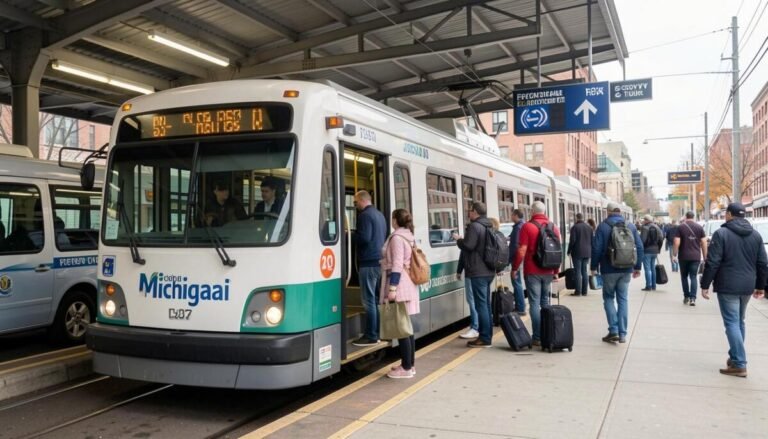
Detroit’s QLINE streetcar is $1.50 per ride.
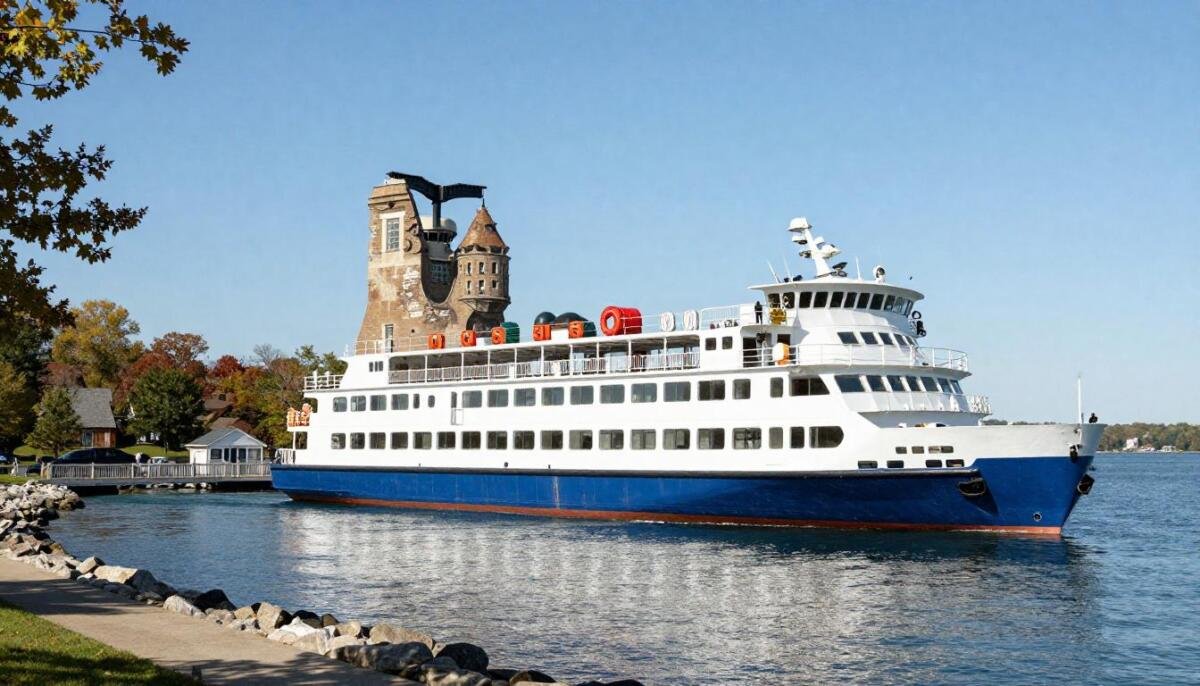
Ferries: Mackinac Island ferry ($13–$25 round trip) can be a scenic, affordable day trip.
Biking & Walking:
Cities like Ann Arbor and Grand Rapids are bike-friendly.
Free walking tours in Detroit and other cities offer culture on a budget.
3. Budget-Friendly Accommodations
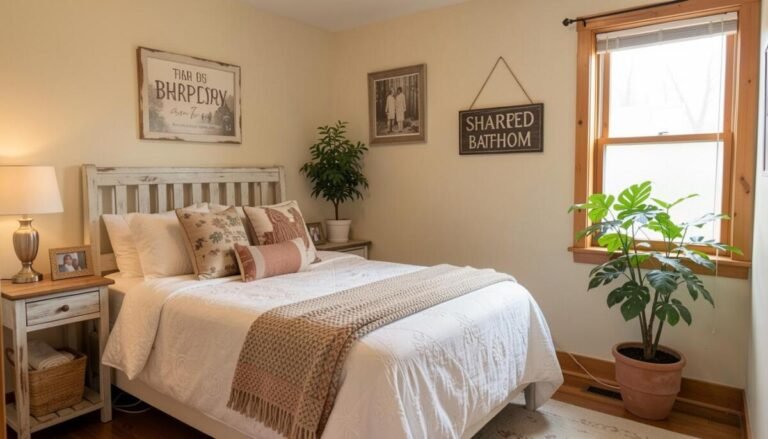
Michigan has options for every budget. Here are some specifics:
Comfort Inn, Travelodge, Econo Lodge – rooms starting $80–$120 per night.
Grand Rapids – stay downtown for $100–$130/night (better for access to museums and dining).
Traverse City – outside town for cheaper lodging (~$90/night).
Airbnb & Vacation Rentals
Renting a small cabin near lakes or forests can cost $70–$120 per night.
Great for families or groups — cooking your own meals saves extra money.
Camping & State Parks
Porcupine Mountains Wilderness State Park (U.P.): $20–$30 per night for a campsite.
Sleeping Bear Dunes National Lakeshore: camping $25–$35/night; scenic hikes are free.
Huron-Manistee National Forests: dispersed camping often free if self-contained.
4. Free and Cheap Attractions

Michigan is packed with budget-friendly experiences:
Sleeping Bear Dunes National Lakeshore – $0–$15 per day (parking pass optional).
Tahquamenon Falls State Park (U.P.) – $11 per vehicle, stunning waterfalls.
Grand Haven State Park Beach – free access; boardwalk and lighthouse.
Kitch‑iti‑kipi Spring – $3–$5 to ride the observation raft.
Historic Sites & Culture
Detroit RiverWalk & Dequindre Cut – free walking path with public art.
Faygo Soda Factory Tour in Detroit – free (small donation appreciated).
Historic Lighthouses: Holland Harbor (Big Red) and Point Betsie – free to see from outside, minimal parking fees.
Seasonal Freebies
Michigan Free Fishing Weekend – fish without a license (usually June & February).
Local Harvest Festivals – small town fairs in September–October, often free or $5 entry.
5. Budget-Friendly Food Tips

Detroit-style Coney Island Hot Dogs: $4–$8 per meal.
Farmers Markets: Fresh produce for $1–$3 per item.
Local diners & food trucks: Lunch specials $6–$12.
Grocery Stores: Aldi, Meijer, or Trader Joe’s for DIY picnic lunches.
Tip: Bring a cooler for road trips to save money on meals.
6. Insider Tips for Saving Money
Buy a Michigan Recreation Passport – $13 for a car; access most state parks for free.
Book weekday stays – cheaper hotel rates than weekends.
Use free Wi-Fi in towns instead of paying for mobile data.
Plan outdoor activities first – nature is usually free, while attractions and tours cost money.
Travel in groups – split car rentals, cabins, and groceries.
7. Suggested Budget Itinerary (5 Days)
Day 1: Detroit – RiverWalk, Eastern Market, Coney Island lunch ($20 total).
Day 2: Grand Rapids – Art Museum (free), walking downtown ($15 lunch).
Day 3: Traverse City – Beach day at Sleeping Bear Dunes, picnic lunch ($25).
Day 4: U.P. – Tahquamenon Falls, Kitch‑iti‑kipi Spring ($15 entrance).
Day 5: Mackinac Island – Ferry trip ($25), bike rental for island tour ($20).
Estimated total budget for 5 days: $350–$450 per person (excluding flights).
8. Resources & Links
Final Thoughts
Traveling Michigan on a budget in 2026 is not only possible — it’s actually easy if you plan smart. Focus on shoulder seasons, choose affordable towns instead of peak tourist spots, and prioritize free outdoor attractions like beaches, hiking trails, and scenic drives. Michigan’s natural beauty is its biggest highlight, and luckily, nature doesn’t charge admission.
With the right balance of budget lodging, simple local food, and low-cost activities, you can explore the Great Lakes State comfortably without overspending.
Frequently Asked Questions (FAQ)
1. What is the cheapest time to visit Michigan?
April–June and September–October are usually the most affordable months with lower hotel rates and fewer crowds.
2. How much does a budget trip to Michigan cost?
You can travel for around $70–$100 per day per person, depending on lodging and activities.
3. Are Michigan state parks expensive?
Most parks require a small vehicle fee, but a Recreation Passport makes access very affordable.
4. Is Mackinac Island budget-friendly?
It can be expensive in summer, but staying in St. Ignace and taking a ferry is a cheaper option.
5. What are the best free things to do in Michigan?
Beach visits, hiking trails, Detroit RiverWalk, lighthouse views, and seasonal local festivals are all great free options.