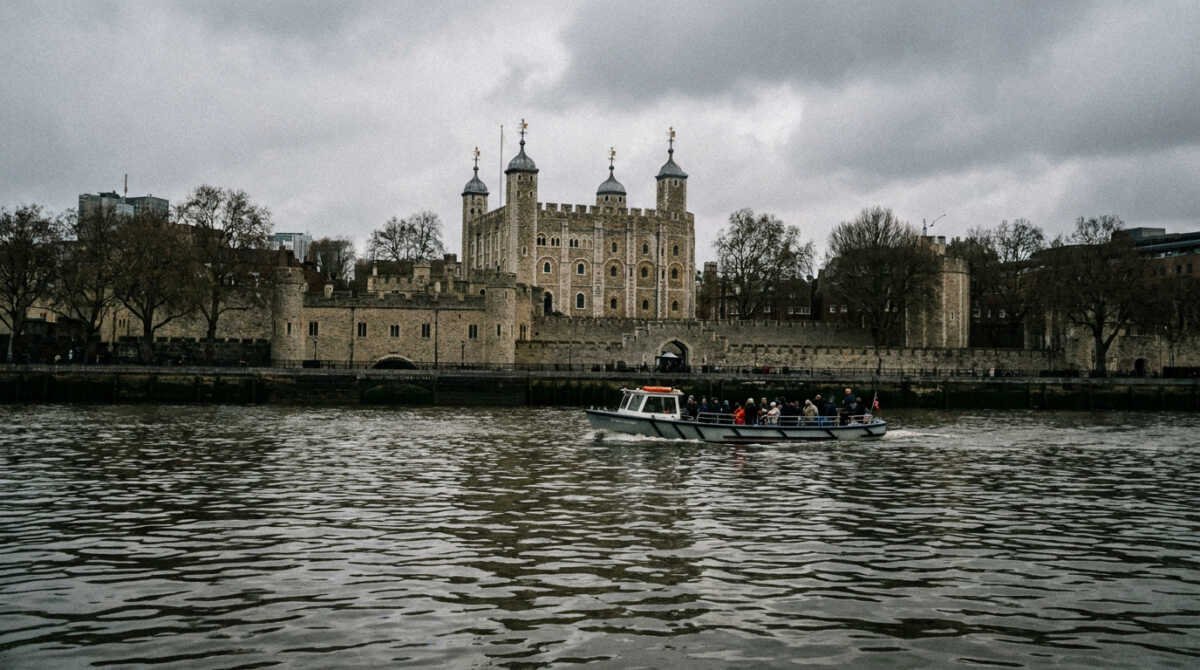
England is packed with historic places, but some monuments stand out because of the stories behind them, their architecture, and the role they have played in the country’s history. From prehistoric stone circles to Roman frontiers and royal landmarks shaped by major events, these places offer much more than a good photo opportunity. If you are planning a history-focused trip around England, these 15 famous monuments are excellent places to start.
1. Stonehenge, Wiltshire
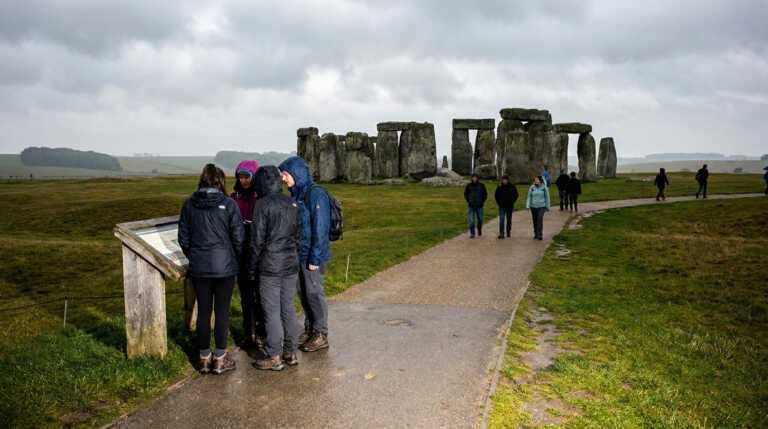
Few historic monuments in England are as instantly recognisable as Stonehenge. Standing on Salisbury Plain in Wiltshire, this prehistoric stone circle has fascinated visitors and researchers for generations.
Stonehenge forms part of the Stonehenge, Avebury and Associated Sites World Heritage Site, which was inscribed by UNESCO in 1986.
The monument dates back thousands of years and reflects the impressive engineering abilities and beliefs of prehistoric communities. Although many questions about its construction and purpose remain, its enormous stones and carefully arranged setting make a visit memorable.
The main attraction is, of course, the stone circle. However, the visitor experience also includes an exhibition and information about the people who built and used the monument. English Heritage also offers different visitor experiences and planning information.
If you are travelling from London, Salisbury is the nearest railway station. English Heritage notes that trains from London Waterloo take around 1 hour 30 minutes, followed by onward transport to Stonehenge.
Best for: History lovers, photographers, families and first-time visitors to England.
Official information: English Heritage – Stonehenge
2. Tower of London, London
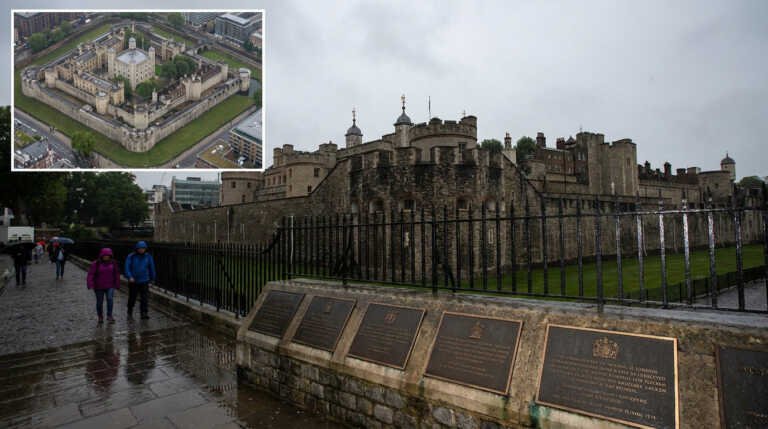
The Tower of London is one of England’s most famous historic landmarks and one of the most fascinating places to visit in the capital.
The White Tower was begun by William the Conqueror in the 11th century as a demonstration of Norman power. Over time, the site developed into a fortress, royal residence, prison and important centre of government. UNESCO describes it as one of the most complete surviving examples of an 11th-century fortress palace in Europe.
The Tower also has a strong connection with some of the most dramatic chapters of English history. Several famous royal prisoners were held here, and the complex has been associated with executions, royal ceremonies and the Crown Jewels.
Today, visitors can explore the historic buildings, defensive walls and exhibitions while learning how the Tower changed over hundreds of years.
Why visit?
What makes the Tower particularly interesting is the mixture of history. You can see medieval military architecture, royal history and stories connected with famous English monarchs in one place.
It is also part of a UNESCO World Heritage Site, recognised for its outstanding historical and architectural importance.
Best for: Royal history, medieval architecture and visitors exploring London.
Official information: Historic Royal Palaces – Tower of London
3. Hadrian's Wall, Northern England
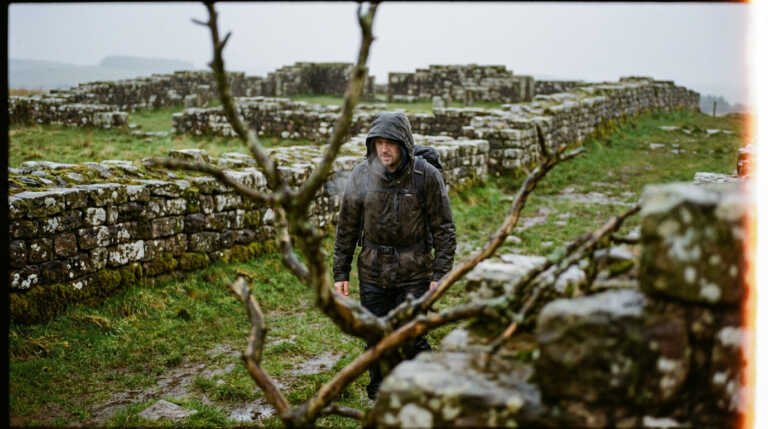
For anyone interested in Roman history, Hadrian’s Wall is a must-see.
Built from AD 122 during the reign of Emperor Hadrian, the wall marked the northern frontier of the Roman Empire in Britain. The surviving remains stretch across northern England, passing through some spectacular countryside.
Historic England records sections of the wall as Scheduled Monuments, recognising their national importance. The wall was part of the wider Roman frontier recognised by UNESCO as a World Heritage Site.
One of the most impressive things about visiting Hadrian’s Wall is that it does not feel like a single attraction. Instead, it is a huge historic landscape containing surviving wall sections, forts, milecastles and other archaeological remains.
The setting is a major part of the experience. You can walk beside sections of the ancient frontier while looking across the hills and countryside of northern England.
Some sections are better preserved than others, so it is worth deciding beforehand which part you want to explore.
Best for: Roman history, walkers, photographers and outdoor adventures.
Official information: Historic England – National Heritage List for England
4. Iron Bridge, Shropshire
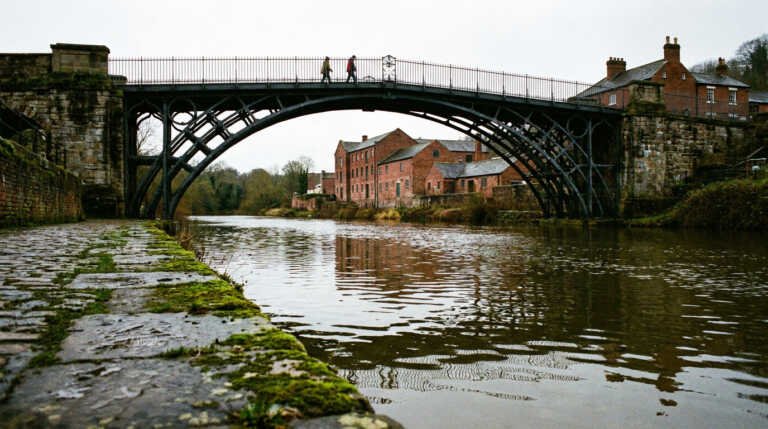
The Iron Bridge is different from the other monuments on this list because its importance comes from Britain’s industrial history.
The bridge was built over the River Severn at Coalbrookdale in 1779 and is recognised by the Ironbridge Gorge Museum Trust as the world’s first iron bridge. The surrounding Ironbridge Gorge is also a UNESCO World Heritage Site and is closely associated with the Industrial Revolution.
The project was closely connected with ironmaster Abraham Darby III, while the original design was developed by architect Thomas Farnolls Pritchard. Construction began in 1777 and the bridge was completed in 1779.
Standing beside the bridge today, it can be easy to forget how innovative the structure was for its time. It represents a period when new materials, engineering ideas and industrial techniques were rapidly changing Britain.
The bridge itself is the obvious highlight, but there is much more to discover around Ironbridge Gorge. The surrounding heritage sites and museums help explain how iron production and other industries transformed the area.
Best for: Engineering enthusiasts, industrial-history fans and families interested in Britain’s past.
Official information: Ironbridge Gorge Museum Trust
5. The Monument to the Great Fire of London
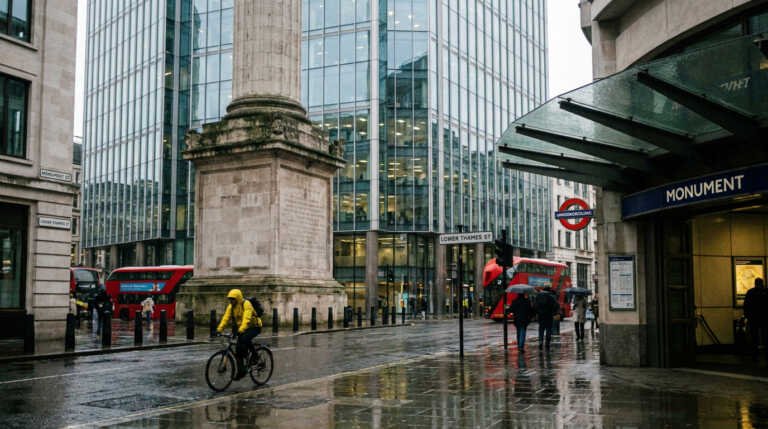
If you are exploring central London, The Monument to the Great Fire of London is an easy historic landmark to add to your itinerary.
The 202-foot column was designed by Sir Christopher Wren and Dr Robert Hooke to commemorate the Great Fire of London of 1666. It stands close to the area where the fire began.
The Monument is not simply a memorial. Its design also had a scientific purpose, with a laboratory beneath it and plans for the column to be used as a giant scientific instrument.
One of the most memorable parts of visiting is the climb. The official site says there are 311 spiral steps leading to the viewing platform, where visitors can enjoy panoramic views over London.
Because the climb involves a narrow historic staircase, visitors should consider the physical requirements before booking.
Best for: London sightseeing, architecture, history and city views.
Official information: The Monument – City of London
6. York Minster, York

York Minster is one of the most impressive historic buildings in northern England. Located in the heart of York, this magnificent cathedral is famous for its Gothic architecture, enormous stained-glass windows and long connection with the city’s religious history.
The present Gothic building was constructed over several centuries, with major work taking place from the 13th century onward. Its Great East Window is particularly impressive and is one of the largest expanses of medieval stained glass in England.
Walking around York Minster also gives visitors an opportunity to explore York’s historic city centre, where Roman, Viking and medieval history can be found close together.
Best for: Medieval history, architecture, photography and cultural sightseeing.
Official information: York Minster
7. Tintagel Castle, Cornwall
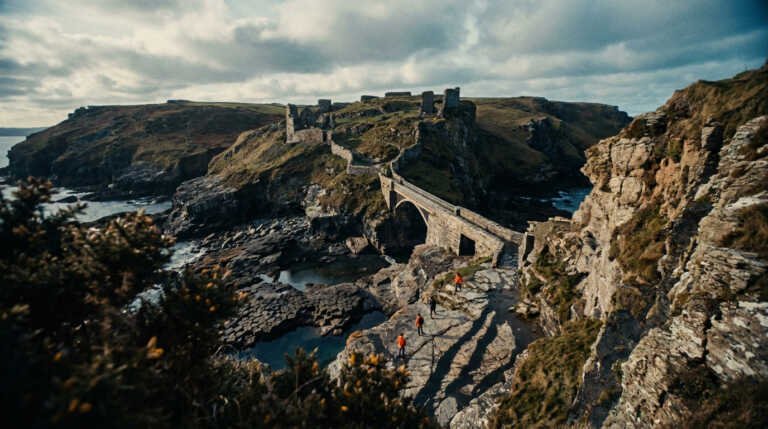
Perched dramatically on the Cornish coast, Tintagel Castle is one of England’s most atmospheric historic sites. The ruins sit on a rugged headland overlooking the Atlantic Ocean.
Tintagel has become closely associated with the legends of King Arthur, although the historical evidence does not prove that Arthur lived there. The site’s medieval importance is real, however, and archaeological discoveries show that the headland had connections to important communities long before the castle ruins seen today.
The combination of coastal scenery, medieval ruins and Arthurian legend makes Tintagel particularly different from many other English monuments.
Visitors should be prepared for steep paths and uneven ground because of the castle’s dramatic cliff-top location.
Best for: Coastal scenery, medieval history, legends and photography.
Official information: English Heritage – Tintagel Castle
8. Whitby Abbey, North Yorkshire
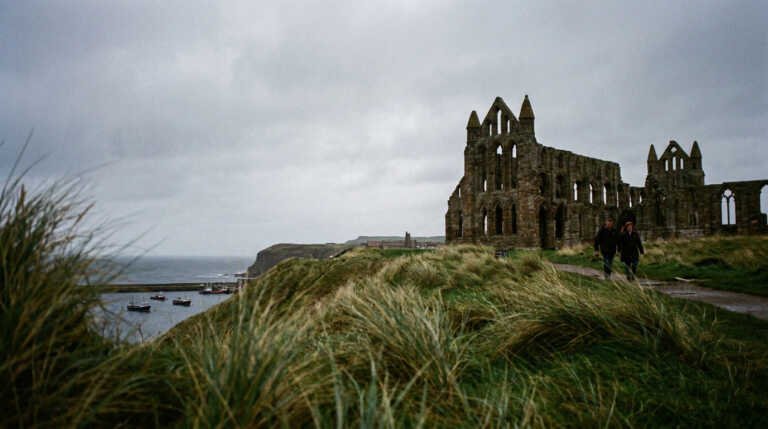
Overlooking the Yorkshire coast, Whitby Abbey is one of England’s most recognisable ruined monuments.
The site has a long religious history dating back to the 7th century. The later medieval abbey became an important religious centre, while the dramatic ruins that stand today reflect centuries of architectural development and change.
Whitby Abbey is also connected with the history of Bram Stoker’s Dracula. Stoker visited Whitby in 1890, and the town and its atmospheric ruins helped inspire parts of his famous novel.
The views from the headland are another major reason to visit. From the abbey area, you can look across Whitby and the North Sea.
Best for: Gothic architecture, literary history, coastal views and photography.
Official information: English Heritage – Whitby Abbey
9. Old Sarum, Wiltshire
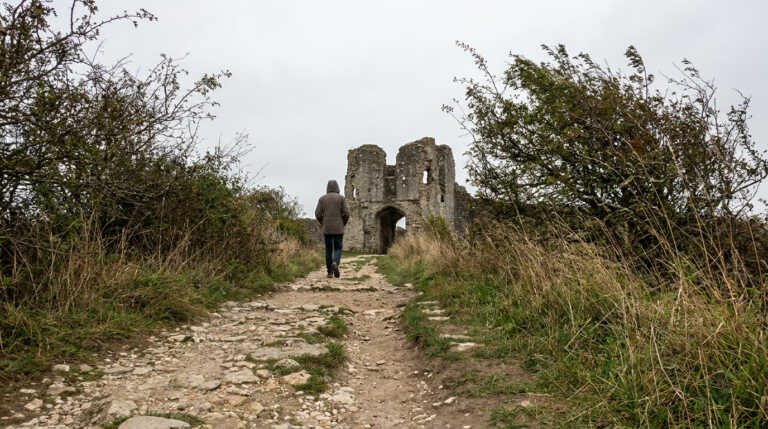
Just outside Salisbury, Old Sarum is a fascinating historic site where several layers of English history come together.
The location was originally an important prehistoric and Iron Age settlement before being developed by later communities. After the Norman Conquest, a castle and cathedral were established on the site.
Today, visitors can walk around the remains of the medieval castle and cathedral while enjoying wide views across the surrounding Wiltshire countryside.
One of the most interesting aspects of Old Sarum is that you can see how the importance of the site changed over thousands of years.
Best for: Archaeology, medieval history, ancient settlements and countryside walks.
Official information: English Heritage – Old Sarum
10. Fountains Abbey, North Yorkshire
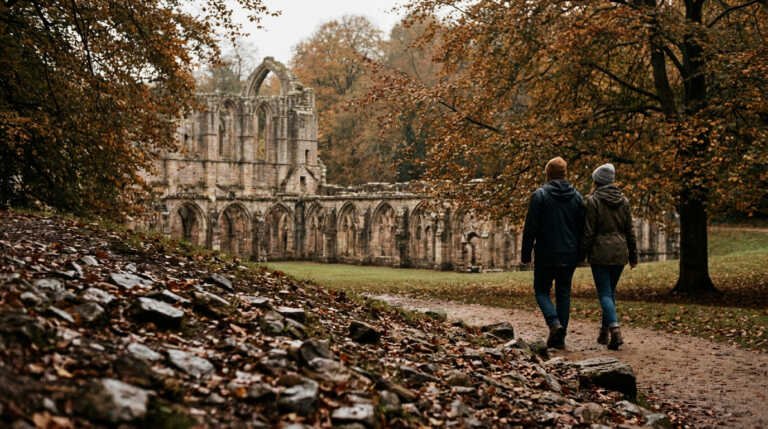
Fountains Abbey is one of England’s most spectacular monastic ruins. Located near Ripon in North Yorkshire, the remains sit within a beautiful historic landscape associated with Studley Royal.
The abbey was founded in the 12th century by Cistercian monks and eventually became one of the wealthiest monasteries in England. Following the Dissolution of the Monasteries in the 16th century, the abbey was abandoned as a religious institution.
Today, the huge stone ruins provide an impressive picture of medieval monastic life. The surrounding gardens, water features and countryside make the whole estate worth exploring rather than simply visiting the ruins.
Fountains Abbey and Studley Royal are recognised as a UNESCO World Heritage Site, making this one of the most significant heritage destinations in northern England.
Best for: Medieval history, architecture, gardens, walking and photography.
Official information: National Trust – Fountains Abbey
11. Warwick Castle, Warwickshire
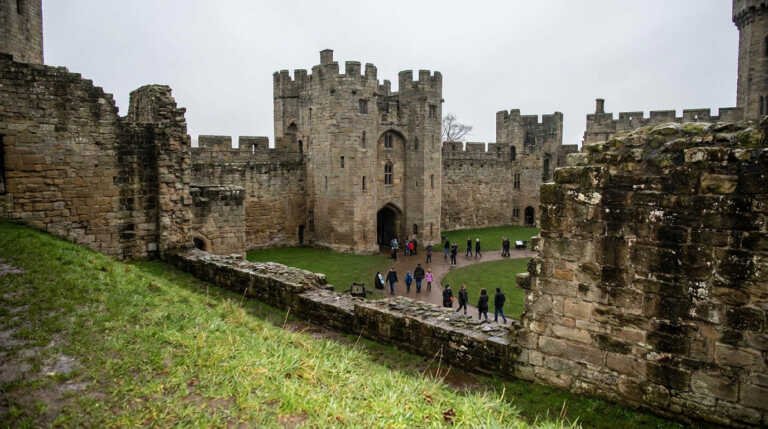
Warwick Castle is one of the most famous medieval castles in England. Its history goes back to the Norman Conquest, when William the Conqueror established a castle at Warwick in 1068.
Over the centuries, the castle was developed into a powerful fortress and later became an impressive country residence. Today, visitors can explore the towers, walls, castle buildings and surrounding grounds while learning about medieval England.
The castle’s location beside the River Avon also adds to its appeal, with attractive views around the historic site.
Visitors can explore the castle’s medieval architecture, towers, defensive walls and landscaped grounds. There are also exhibitions and historical experiences that help bring the castle’s long history to life.
Best for: Medieval history, castles, families and photography.
Official information: Warwick Castle
12. Kenilworth Castle, Warwickshire
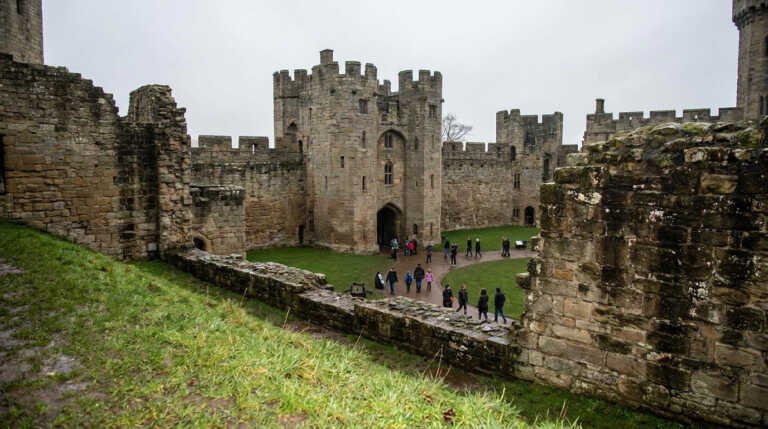
Kenilworth Castle is a spectacular historic fortress with a fascinating connection to England’s royal and political history. Located in Warwickshire, the castle developed over several centuries and became one of the most important medieval strongholds in the region.
The castle is particularly famous for its connection with Queen Elizabeth I and Robert Dudley, Earl of Leicester. Elizabeth visited Kenilworth in 1575 during an elaborate royal visit.
Today, the extensive ruins allow visitors to see how the castle changed from a medieval fortress into a grand Elizabethan residence.
Explore the Great Tower, medieval remains, Elizabethan buildings and reconstructed gardens. The elevated parts of the castle also provide excellent views across the surrounding landscape.
Best for: Tudor history, medieval architecture, royal history and photography.
Official information: English Heritage – Kenilworth Castle
13. Corfe Castle, Dorset
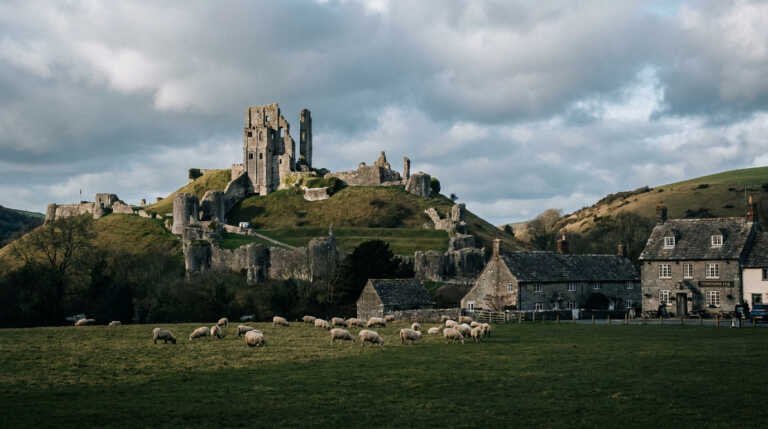
Corfe Castle is one of the most recognisable castle ruins in southern England. The remains stand dramatically on a hill above the village of Corfe Castle in Dorset.
The castle has more than a thousand years of history and became an important royal stronghold after the Norman Conquest. It was later involved in the English Civil War, when it was besieged and eventually damaged.
The combination of ruined stone walls, rolling countryside and the charming village below makes Corfe Castle especially photogenic.
Take time to explore the castle ruins and viewpoints around the hill. After visiting the castle, walking through the historic village is a great way to complete the trip.
Best for: Castle lovers, history enthusiasts, scenic walks and photography.
Official information: National Trust – Corfe Castle
14. The Roman Baths, Bath
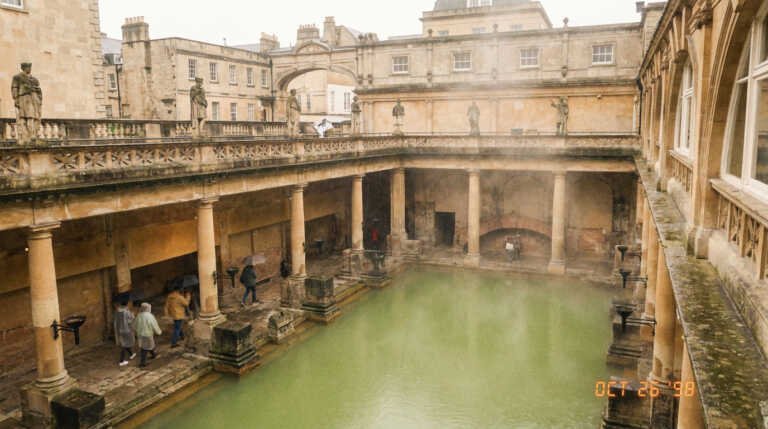
The Roman Baths in Bath are among the most fascinating surviving Roman sites in England. The complex was built around natural hot springs that have been attracting people for centuries.
The Romans transformed the springs into an impressive bathing and religious complex. The site provides an opportunity to learn about Roman life, engineering and religious traditions in Britain.
The Roman Baths are located in the centre of the historic city of Bath, making it easy to combine a visit with the city’s other attractions.
The Great Bath is the main highlight, but the complex also contains ancient remains, archaeological discoveries and museum displays explaining the history of the site.
Best for: Roman history, archaeology, ancient architecture and cultural sightseeing.
Official information: Roman Baths
15. Cleeve Abbey, Somerset
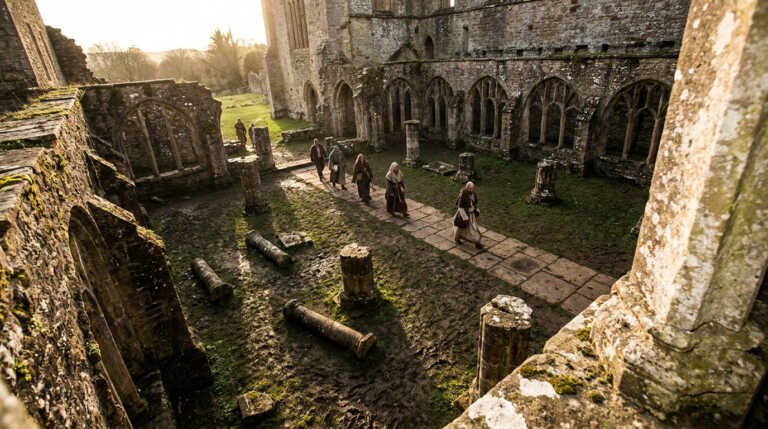
Cleeve Abbey is a peaceful medieval monument in Somerset and one of England’s best-preserved Cistercian monasteries.
The abbey was founded in the 12th century and remained a religious community until the Dissolution of the Monasteries during the reign of Henry VIII. Although much of the original complex has disappeared, several important medieval buildings and architectural features remain.
Its quieter atmosphere makes Cleeve Abbey a good choice for travellers who want to explore English history without visiting one of the country’s busiest attractions.
Look around the surviving medieval buildings, including the cloister and refectory, and take time to appreciate the architectural details that have survived for centuries.
Best for: Medieval history, religious heritage, architecture and peaceful sightseeing.
Official information: English Heritage – Cleeve Abbey
Final Thoughts
England’s national monuments offer a wonderful way to discover the country’s rich history. From ancient ruins and Roman sites to grand castles and medieval abbeys, each place has its own story. Whether you love history, architecture, photography, or scenic travel, these monuments are worth adding to your England itinerary.
Frequently Asked Questions (FAQs)
What is the most famous monument in England?
Stonehenge is one of England’s most famous and internationally recognised monuments.
Which monument is best for Roman history?
Hadrian’s Wall and the Roman Baths are excellent choices for Roman history.
Are England’s historic monuments open all year?
Many are, but opening times and access can vary, so check the official website before visiting.
Which monument is best for castle lovers?
Warwick Castle, Corfe Castle, Kenilworth Castle, and the Tower of London are popular choices.
Are these monuments suitable for families?
Yes. Many offer family-friendly activities, exhibitions, walking areas, and educational experiences.

I am Sabiq Hasan Rasel. Coffee with Travel, Recipes & Reviews is a cozy and engaging content space that blends a love of coffee with exciting travel experiences, delicious recipes, and honest reviews. It offers inspiration for coffee lovers who enjoy exploring new places, trying unique flavors, and discovering lifestyle tips along the way.