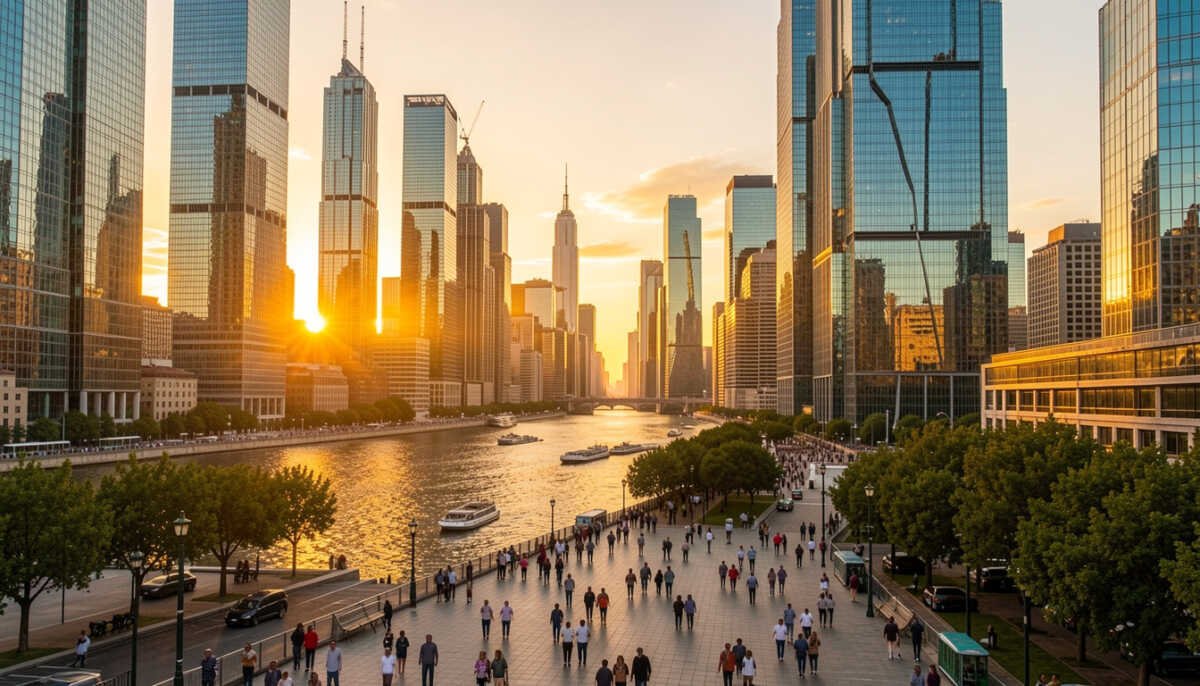

Driving through Virginia is one of those experiences that quietly becomes the highlight of your trip. You might start with a simple plan—visit a few historic sites—but once you’re on the road, passing mountains, vineyards, and small towns, you realize the journey itself is the destination. Still, driving in a new place comes with its own learning curve. Virginia is beginner-friendly compared to many U.S. states, but there are rules and small details that can catch tourists off guard. This guide covers everything—not just the laws, but the real-world driving experience you’ll actually face.

Tourists can legally drive in Virginia using a valid license from their home country.
From what I’ve seen and researched:
- Your license must be valid and not expired
- If it’s not in English, carry an International Driving Permit (IDP)
- You can typically drive for up to 6 months as a non-resident
- For official confirmation, you can check the Virginia DMV here:
Understanding Virginia Road Rules (With Real Context)
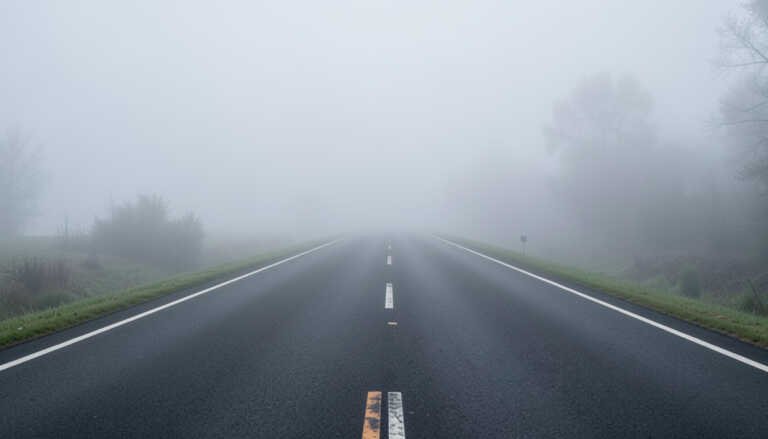
Driving Side & Road Behavior
- Always drive on the right side
- Left lane = passing lane (don’t stay there too long—locals don’t like it)
- On highways, slower drivers staying in the left lane is one of the biggest annoyances for locals.
Speed Limits (And Why You Should Be Careful)
Typical limits:
- Highways: 55–70 mph
- Rural roads: 45–55 mph
- Cities: 25–35 mph
- But here’s the important part most blogs don’t tell you:
- Virginia is strict about speeding.
- Driving 20 mph over the limit can be considered reckless driving, not just a simple ticket.
That means:
- Higher fines
- Possible court appearance
- Serious legal consequences
- So yes—cruise control is your best friend here.
- Traffic Lights & Right Turn Rule
- You can turn right on red
- But only after a complete stop
- And only if there’s no “No Turn on Red” sign
- Many tourists forget the “full stop” part—that’s where tickets happen.
- Pedestrian Priority Is Real
In Virginia:
- Pedestrians ALWAYS have the right of way at crosswalks
- Even if they just stepped in
- In cities like Arlington or Richmond, drivers stop quickly—so you should too.
- School Bus Rule (Very Important)
This surprises many tourists:
- If a school bus stops and shows flashing red lights:
- You MUST stop in both directions (unless there’s a physical divider)
- No exceptions. Fines are heavy.
Documents You Should Keep in Your Car
Always have:
- Driver’s license
- Passport (recommended for tourists)
- Rental agreement
- Insurance proof
- Rental companies usually provide insurance, but check coverage details carefully.
Renting a Car in Virginia (What Actually Matters)
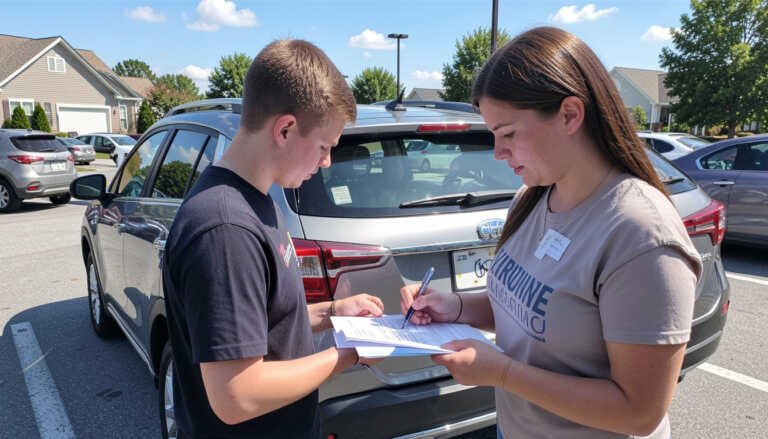
Most tourists rent cars in cities like Washington D.C. (near Virginia) or Richmond.
Here’s what helps:
Choose the Right Car
- Compact cars: best for cities
- SUVs: better for mountain drives or winter
Insurance Tips
Rental companies offer:
- Collision Damage Waiver (CDW)
- Liability insurance
- Even if your credit card offers coverage, double-check—it may not apply internationally.
Inspect Before Driving
Take photos of:
- Scratches
- Tires
- Fuel level
- This avoids disputes later.
Tolls, Highways & Navigation
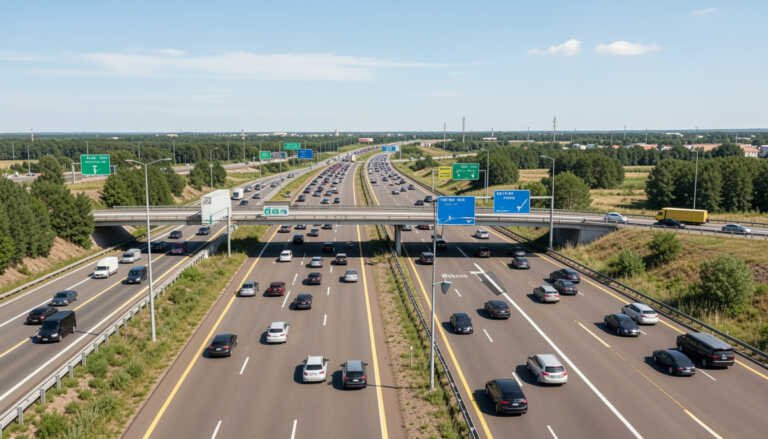
Virginia has several toll roads, especially in Northern Virginia.
What to know:
- Some tolls are cashless (electronic only)
- Rental companies offer toll passes (ask for it)
- Without a pass, you might get billed later with extra fees.
Navigation Tips:
- Google Maps works perfectly
- Download offline maps (signal can drop in mountains)
Gas Stations & Fuel Basics

- Gas = petrol
- Prices are shown per gallon
- Payment is easy (card or cash)
- Many stations are self-service, so you’ll pump your own fuel.
Parking: What Tourists Should Watch Out For

Parking rules vary a lot:
Cities:
- Metered parking (pay via app or machine)
- Time limits are strict
Small towns:
- Easier, often free
- Always read signs carefully—parking tickets are common for tourists.
Weather & Driving Conditions
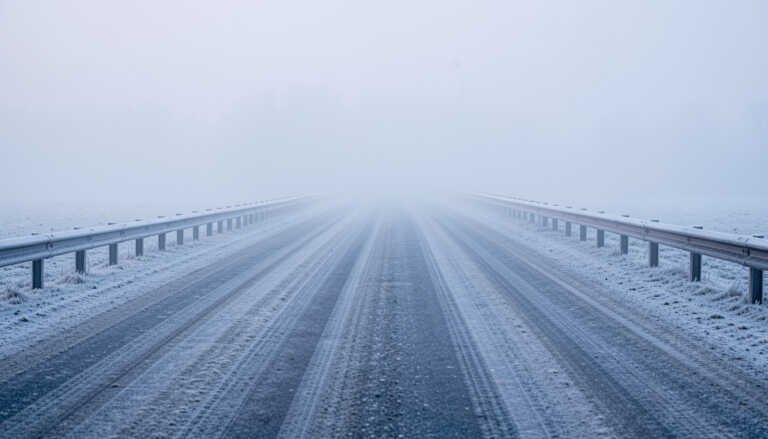
Virginia has four distinct seasons, and each affects driving:
Summer:
- Easy driving, but more traffic
Fall:
- Beautiful foliage, but busy roads
Winter:
- Snow and ice (especially in mountains)
- If driving in winter, consider a vehicle with AWD (All-Wheel Drive).
What to Do If You Get Pulled Over
If police stop you:
- Pull over safely
- Stay inside the car
- Keep hands visible
- Provide documents when asked
- Be calm and respectful—this goes a long way.
Best Scenic Drives Worth Your Time
Driving is part of the experience in Virginia. These routes are unforgettable:
Blue Ridge Parkway
- One of the most scenic drives in the U.S.
- Perfect for slow, relaxing travel
Skyline Drive
- Runs through Shenandoah National Park
- Especially beautiful in autumn
Historic Triangle
- Williamsburg, Jamestown, Yorktown
- Great for history lovers
Practical Driving Tips (From Real Experience)
- Avoid rush hour (7–9 AM, 4–6 PM)
- Use cruise control on highways
- Keep right unless overtaking
- Watch for deer on rural roads at night
- Keep a small emergency kit in the car
Final thoughts
Driving in Virginia as a tourist isn’t complicated—but the details matter. Once you understand the basics, it becomes one of the best ways to explore the state.
The roads are smooth, the views are incredible, and the freedom to stop wherever you want makes a huge difference.
Take it slow, follow the rules, and enjoy the drive.
Frequently Asked Questions (FAQ)
1. Can tourists drive in Virginia?
Yes, with a valid driver’s license. An International Driving Permit (IDP) is recommended if your license isn’t in English.
2. How long can I drive as a tourist?
You can usually drive for up to 6 months as a non-resident.
3. What side of the road do people drive on in Virginia?
On the right-hand side.
4. What is the speed limit?
Up to 70 mph on highways, but always follow posted signs.
5. Can I turn right on a red light?
Yes, after a full stop, unless a sign says otherwise.
6. Is car insurance required?
Yes, but rental cars typically include basic insurance options.
7. Are there toll roads in Virginia?
Yes, especially in Northern Virginia—some are cashless.
8. Do I need to stop for school buses?
Yes, when red lights are flashing, you must stop.
9. Is parking difficult for tourists?
In cities, it can be strict—always check signs and meters.
10. Is driving in Virginia safe for beginners?
Yes, roads are well-maintained and rules are easy to follow

I am Sabiq Hasan Rasel. Coffee with Travel, Recipes & Reviews is a cozy and engaging content space that blends a love of coffee with exciting travel experiences, delicious recipes, and honest reviews. It offers inspiration for coffee lovers who enjoy exploring new places, trying unique flavors, and discovering lifestyle tips along the way.