If you’re planning to explore Michigan by car in 2026, you’re making the right choice. Michigan is one of those states where driving isn’t just transportation — it’s part of the experience. From lakefront highways to forested backroads and charming small towns, a road trip here feels personal and memorable. I’ve put together this guide with the practical things visitors actually need to know — not just generic advice.
Why Renting or Driving a Car Is the Best Option in Michigan
Michigan is large — really large. The state has two peninsulas (Lower and Upper) connected by the iconic Mackinac Bridge, and public transportation between cities is limited.
Watch the sunset along Lake Michigan
Explore Sleeping Bear Dunes
Drive scenic M-22
Visit small harbor towns
Reach the Upper Peninsula waterfalls
You’ll absolutely need a car.
- Major airports like Detroit Metropolitan Airport (DTW) have plenty of rental options. If you’re flying into Detroit, Grand Rapids, or Traverse City, booking your car in advance will save money during peak travel months (May–October).
License Requirements for Tourists in 2026
Good news: Michigan is tourist-friendly when it comes to driving laws.
Another U.S. state → Your valid state license is accepted.
Outside the U.S. → You can drive with your valid foreign license. An International Driving Permit (IDP) is recommended but not always mandatory.
You must carry:
A valid driver’s license
Passport (if international visitor)
Rental agreement (if renting)
Proof of insurance (your rental company provides this)
- For official state information, check the Michigan Secretary of State website:
- https://www.michigan.gov/sos
Understanding Michigan Road Rules
Michigan driving laws are straightforward, but there are a few important details tourists sometimes overlook.
Highways & interstates: 70–75 mph
Rural highways: 55–65 mph
City roads: 25–35 mph
School zones: 15–25 mph
- Speed limits are strictly enforced, especially in small towns.
Right Turn on Red
- Yes, you can turn right at a red light after coming to a complete stop — unless a sign says otherwise.
Seat Belt Law
- Seat belts are mandatory for all passengers, front and back.
Phone Use While Driving
- Michigan has strict distracted driving laws. Holding your phone while driving is illegal. Use hands-free systems or pull over safely.
Seasonal Driving: What Tourists Should Really Know
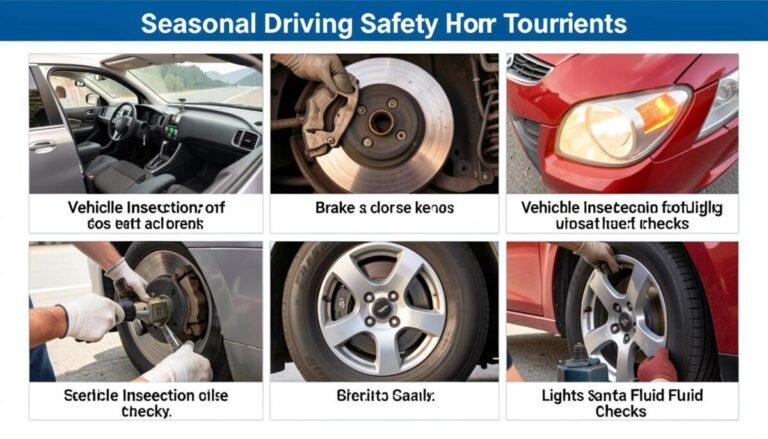
Winter (December – March)
If you’re visiting in winter, conditions can change quickly — especially north of Grand Rapids or near Lake Superior.
Lake-effect snow
Icy bridges
Slower traffic
Snowplows on highways
- Tip: Bridges freeze before roads. That includes the Mackinac Bridge, which can be windy and icy during winter.
- If you’re not comfortable driving in snow, consider visiting between May and October instead.
Fall (September – October)
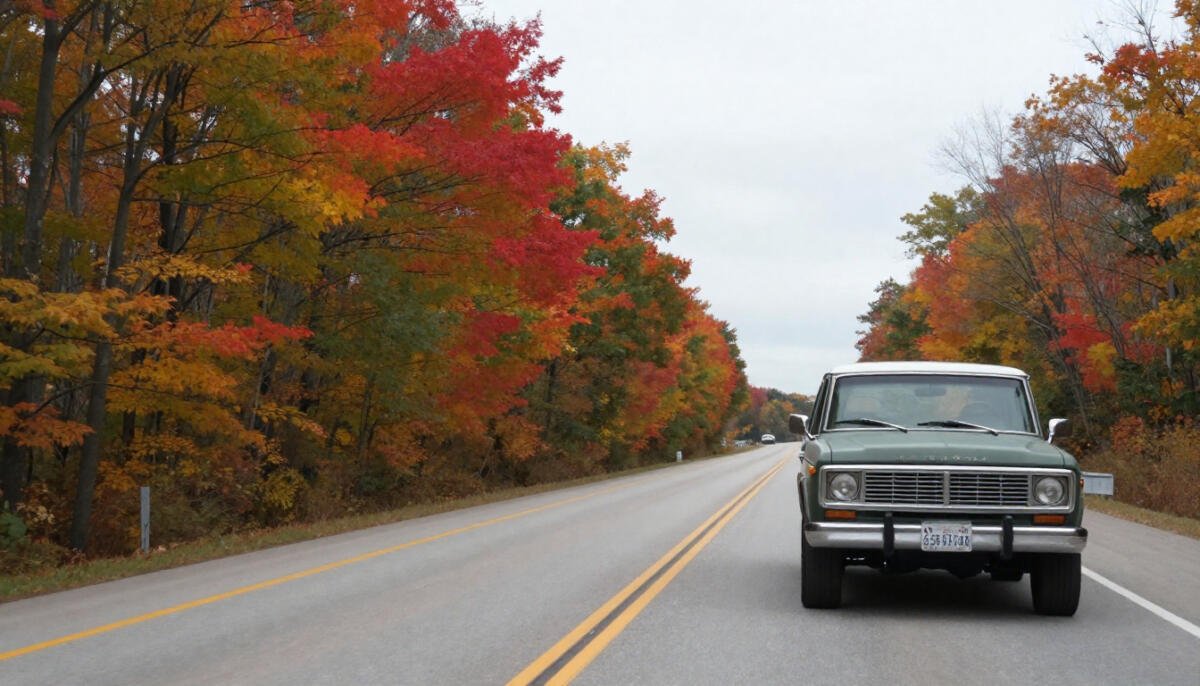
- Fall driving in Michigan is breathtaking. Scenic routes around Traverse City and along M-22 become incredibly popular for leaf viewing.
- Book hotels early during peak fall color weeks.
Tolls & Fuel Costs
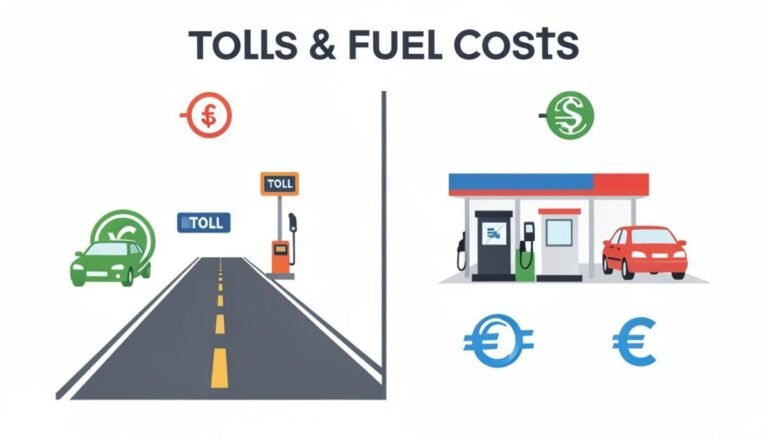
Good news: Michigan has no toll roads for regular highways.
Fuel prices fluctuate, but Michigan’s gas prices are usually around or slightly below the U.S. average. Gas stations are easy to find in cities but can be spaced out in rural Upper Peninsula areas — fill up before long drives.
Wildlife & Rural Road Awareness
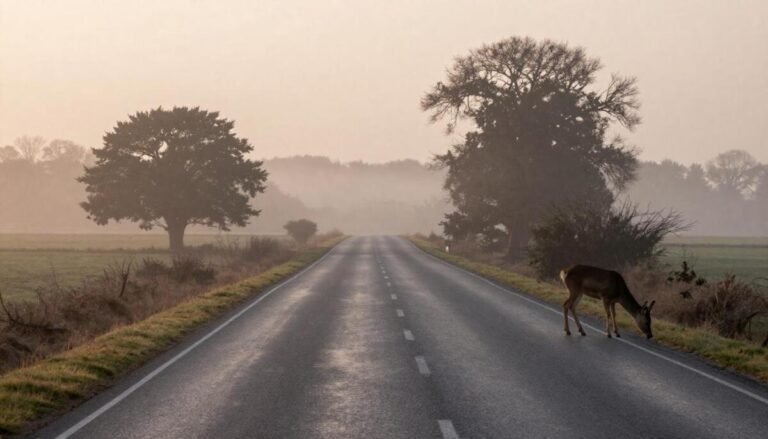
One thing many tourists don’t expect: deer.
Michigan ranks high for deer-vehicle collisions, especially at night and in wooded areas. Be extra cautious:
At dusk and dawn
On two-lane highways
In rural northern regions
- If you see one deer, slow down — more may follow.
Scenic Drives Worth Planning Around
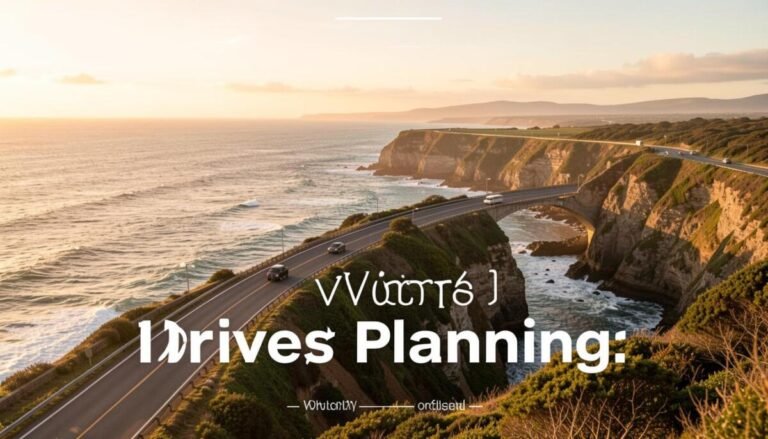
Driving here isn’t just about reaching a destination. Some roads are attractions themselves.
M-22 Scenic Drive
Runs along Lake Michigan near Sleeping Bear Dunes National Lakeshore. Expect stunning lake views and charming coastal towns.
River Road National Scenic Byway
Located in the Upper Peninsula and connected to Hiawatha National Forest. Great for fall colors and peaceful forest drives.
Detroit to Ann Arbor
If you’re visiting Detroit, consider driving west to Ann Arbor for a completely different vibe — college town charm, cafés, bookstores, and walkable streets.
Parking in Michigan Cities
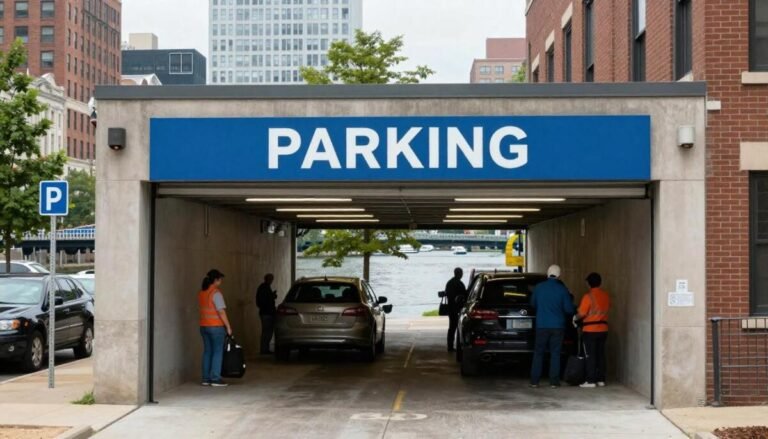
In downtown areas like:
Detroit
Grand Rapids
Ann Arbor
Metered street parking
Parking garages
Mobile payment options
- Always check posted time limits. Small towns are usually much easier and often free.
Emergency Numbers & Road Assistance

Emergency (Police, Fire, Ambulance): 911
State Police non-emergency: Available through local numbers
Road assistance: Most rental companies offer 24/7 support
- Keep winter blankets, water, and a phone charger in your vehicle if traveling long distances.
Safety & Road Quality in 2026

Michigan roads have improved significantly in recent years due to infrastructure funding. However, you may still encounter potholes in late winter or early spring.
Drive carefully after snow season when freeze-thaw cycles can damage pavement.
Is Driving in Michigan Safe for Tourists?
Yes. Michigan is generally safe for drivers, and road signage is clear and easy to understand. Highways are well marked, and GPS works reliably even in most rural areas.
The biggest challenges tourists face are:
Winter weather
Wildlife crossings
Underestimating distances
Final Thoughts
Driving in Michigan gives you freedom — the freedom to chase sunsets on Lake Michigan, cross the legendary Mackinac Bridge, explore hidden forest trails, and discover small towns that aren’t reachable by public transport.
If you plan ahead, respect local driving laws, and stay weather-aware, your Michigan road trip in 2026 will be smooth, safe, and unforgettable.
Frequently Asked Questions (FAQ)
1. Can tourists legally drive in Michigan?
Yes. Visitors can drive with a valid U.S. driver’s license or a valid foreign license. International travelers are encouraged to carry an International Driving Permit (IDP), but short-term visitors can legally drive with their home country license.
2. Are there toll roads in Michigan?
No. Michigan does not have toll roads on its major highways, including routes like I-75 and I-94.
3. Is winter driving difficult in Michigan?
It can be, especially in northern areas and the Upper Peninsula. Snow, ice, and strong winds (particularly near the Mackinac Bridge) can make driving challenging. If visiting in winter, drive slowly and check weather forecasts before long trips.
4. Do I need a car to explore Michigan properly?
Yes. Public transportation between cities is limited. Having a car allows you to visit scenic areas like Sleeping Bear Dunes National Lakeshore and small lakeside towns at your own pace.
5. What is the emergency number in Michigan?
Dial 911 for police, fire, or medical emergencies anywhere in the state.