
Visiting London in 2026 and thinking about exploring the city by car? I’ve done this myself, and I can tell you—driving in London can be both convenient and overwhelming if you’re not prepared. The city is packed with history, strict road rules, modern traffic systems, and a few things that tourists often overlook. To help you avoid surprises, here’s everything you need to know about driving in London in 2026: rules, costs, zones, parking, apps, safety, and practical tips that locals wish tourists knew.
1. Do Tourists Need a Special License to Drive in London?

If you already have a valid driving licence from your home country, then in most cases, you can legally drive in London. Many visitors don’t know this, so they waste time applying for things they don’t need.
Accepted licences
EU/EEA licences – fully accepted.
International visitors – your home-country licence is usually valid for up to 12 months.
International Driving Permit (IDP) – only necessary if your licence is not in English or is not easily readable.
- For UK government confirmation, check:
Official UK Driving in GB Guidance
2. Congestion Charge, ULEZ & Other Zones: What Tourists MUST Know
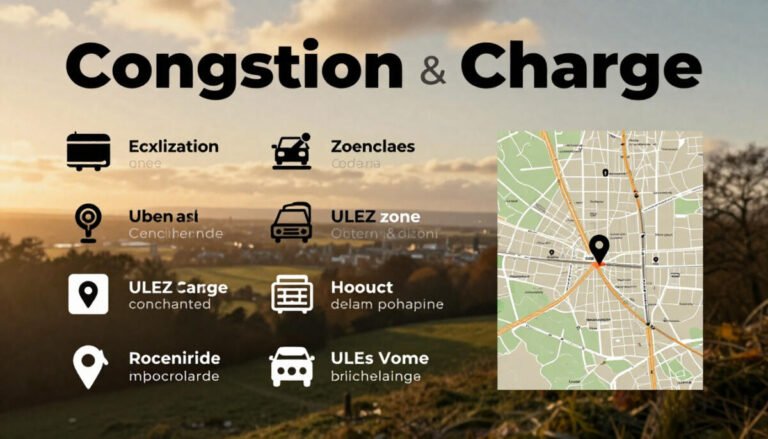
London has several paid zones that catch many tourists off guard. These fees apply even if you’re renting a car.
Here’s a quick breakdown:
Congestion Charge Zone
Applies Monday–Friday, 7am–6pm
Fee: £15 per day
Covers Central London
- Details:
Congestion Charge – Transport for London
ULEZ (Ultra Low Emission Zone)
Operates 24/7
Fee: £12.50 per day
Applies if your car doesn’t meet emission standards
Most petrol cars after 2006 and diesel cars after 2015 qualify
- Check your car here: ULEZ Vehicle Checker
LEZ (Low Emission Zone)
Affects larger vehicles like vans and minibuses
Tourists rarely need this, unless driving a camper or commercial van
- Failing to pay these charges results in heavy fines, so make sure to check before entering any restricted area.
3. Renting a Car in London as a Tourist
Renting a car in London is straightforward, but there are a few tricks that can save you money and stress.
What you need
Valid driving licence
Passport
Credit card (for security deposit)
Tips for cheaper rentals
Avoid airport rentals—they add extra fees
Choose hybrid or electric vehicles to avoid ULEZ fees
Book early if visiting during peak tourist season (summer & Christmas)
Top rental companies:
4. Parking in London: The Part Tourists Hate Most

Parking is the hardest part of driving in London. Some areas can cost more than your hotel room.
Where you can park
Pay & Display bays
Metered street parking
NCP car parks – usually the most reliable
Shopping centre car parks (Westfield, Brent Cross, etc.)
- Check available parking & prices in real time:
NCP Car Parks
Avoid at all costs
Yellow lines – restrictions vary; check signs
Red routes – no stopping at all
Permit-only zones – you will be fined
5. Driving Rules Tourists Often Forget
Here are the most important rules that visitors tend to overlook:
Drive on the left
- Easy to forget, especially on roundabouts and when turning right.
Speed limits
20 mph in most central areas
30 mph in standard roads
40–70 mph on some outer roads and motorways
- Speed cameras are everywhere—fines are automatic.
Roundabouts
- Give priority to vehicles coming from your right.
Bus lanes
- Entering a bus lane at the wrong time results in an instant fine. Always check the time indicators.
No turning on red
- Unlike some countries, London does not allow right turns on red lights.
6. Best Navigation Apps for Driving in London (2025)

Traffic changes frequently in 2025 due to construction and environmental zones. Navigation apps are a lifesaver.
Top apps
Google Maps – best for traffic and real-time diversions
Waze – great for avoiding traffic jams and police zones
Citymapper – useful for alternative routes & parking info
RingGo – easy parking payments
7. Is It Actually Worth Driving in London as a Tourist?
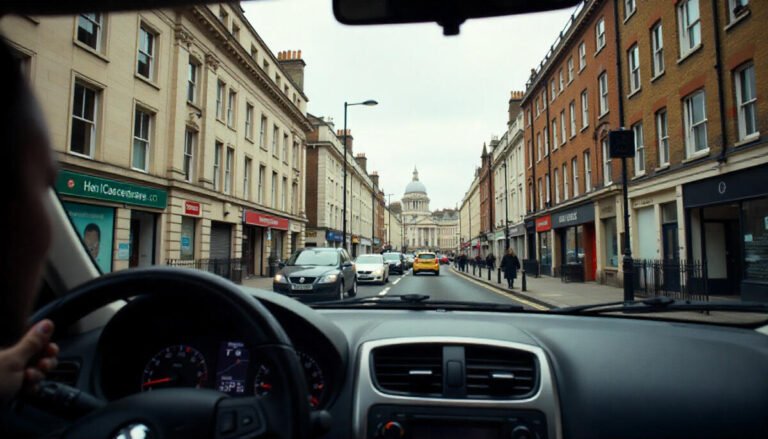
Let me be honest: it depends on your trip.
Driving is worth it if:
You’re exploring outside London (Stonehenge, Oxford, Windsor)
You’re traveling with family or heavy luggage
You prefer flexible schedules
Driving is NOT worth it if:
Your hotel is in Central London
You’re only doing sightseeing within Zones 1–2
You don’t want to deal with congestion charges or the hassle of parking
- London’s public transport is excellent, cheaper, and often faster than driving.
8. Safety Tips for Tourists Driving in London
Double-check pedestrians and cyclists—they can appear from nowhere
Lock your car and avoid leaving valuables in sight
Stay extra alert in busy intersections
Use hotel parking whenever available
Avoid rush hours (7–9am and 4–6pm)
Final Thoughts
Driving in London in 2026 can be a fantastic experience if you plan it properly. With the right car, correct knowledge of charges, and a good navigation app, you’ll navigate the city smoothly and enjoyably. However, if you’re only exploring central areas, public transport may be a stress-free alternative.
Your trip will be much easier once you know the rules, understand the zones, and prepare ahead—and that’s exactly what this guide helps you do.
Frequently Asked Questions (FAQ)
1. Is it safe to drive in London as a tourist?
Yes, it’s safe, but the roads are busy. Staying alert is key.
2. Can tourists rent a car in London easily?
Absolutely. Most rental companies accept foreign licences and passports.
3. Do I have to pay the Congestion Charge even with a rental?
Yes. The type of car doesn’t matter—you pay if you enter the zone.
4. Can I avoid ULEZ fees?
Choose a hybrid or electric vehicle or check your car’s emissions before entering.
5. Should I rely on GPS?
Yes. Real-time apps like Google Maps or Waze are extremely useful.