

Driving in Canada can be one of the most rewarding ways to explore the country. From coastal highways in British Columbia to scenic mountain roads in Alberta and charming small towns in Ontario and Quebec, having your own car gives you freedom that public transport simply can’t match. That said, Canada’s driving rules, weather conditions, and provincial differences can surprise first-time visitors. If you’re planning to drive as a tourist in 2026, this guide covers everything you actually need to know—based on real travel experiences, official rules, and practical advice.
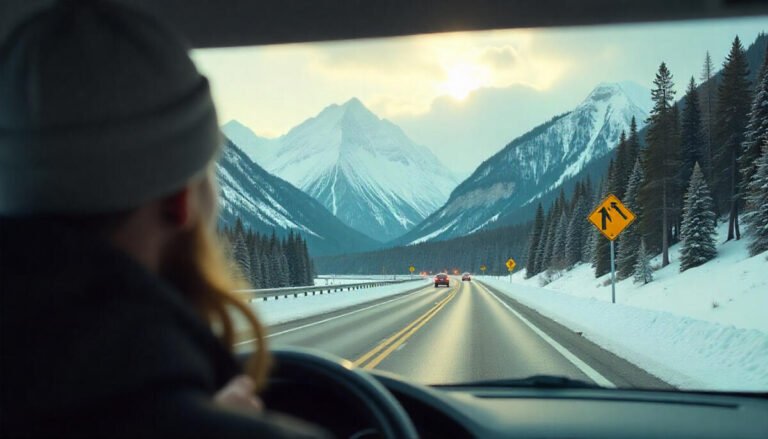
Yes, tourists can legally drive in Canada as long as they meet a few basic requirements:
A valid driver’s license from your home country
A passport
Compliance with provincial driving laws
Most short-term visitors do not need a Canadian driver’s license.
According to official guidance from the Government of Canada, tourists are allowed to drive for a limited period using a foreign license, depending on the province.
Do You Need an International Driving Permit (IDP)?

An International Driving Permit (IDP) is not mandatory for everyone, but it is strongly recommended.
You need an IDP if:
Your license is not in English or French
You’re renting a car (many rental companies ask for it)
You want to avoid roadside misunderstandings with police
- You can apply for an IDP in your home country before traveling.
Learn more from the International Driving Permit Association
Minimum Driving Age for Tourists

Driving age varies slightly by province:
| Province | Minimum Driving Age |
|---|---|
| Ontario | 16 |
| British Columbia | 16 |
| Alberta | 16 |
| Quebec | 16 |
| Nova Scotia | 16 |
However, car rental companies usually require drivers to be at least 21, and drivers under 25 may pay a young driver surcharge.
Understanding Canadian Road Rules (Very Important)

Canadian driving laws are strictly enforced, and fines can be expensive.
1. Drive on the Right Side
- Canada drives on the right-hand side of the road, like the USA.
2. Speed Limits Are in Kilometers (km/h)
This is one of the most common tourist mistakes.
Urban areas: 40–50 km/h
Rural roads: 80–90 km/h
Highways: 100–110 km/h
- Speeding fines are steep and radar enforcement is common.
3. Seat Belts Are Mandatory
- Seat belts are required for all passengers, front and back.
4. Drinking and Driving Laws Are Extremely Strict
Canada has zero tolerance in many provinces.
Legal BAC is 0.08%, but penalties start much lower
Even one drink can cause legal trouble
- Check provincial alcohol laws via Transport Canada.
Renting a Car in Canada as a Tourist
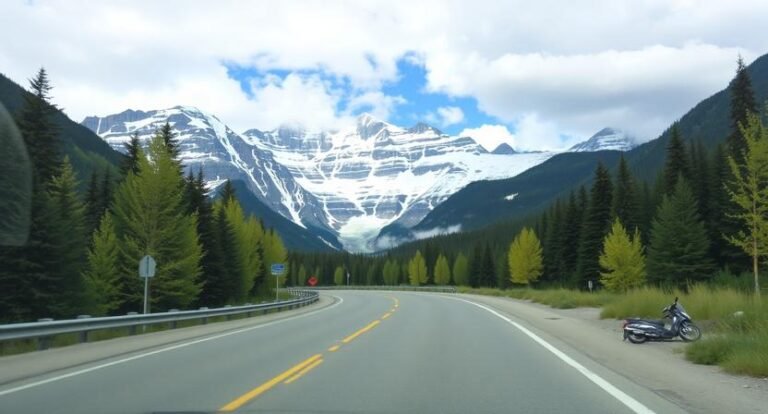
Renting a car is straightforward, but there are things many tourists overlook.
Required Documents
Passport
Valid driver’s license
Credit card (not debit)
Insurance: Don’t Skip This
Basic rental insurance often does not fully cover accidents.
Ask about:
Collision Damage Waiver (CDW)
Third-party liability insurance
Coverage for wildlife collisions (very important in rural areas)
- Compare trusted rental companies through Rentalcars.com or DiscoverCars.
Driving in Winter: What Tourists Must Know
If you’re visiting between November and April, winter driving is a serious consideration.
Winter Tires
Mandatory in Quebec from December to March
Strongly recommended everywhere else
Road Conditions
Snow, ice, and black ice are common—even on highways.
- Check live road conditions using DriveBC or Ontario 511.
- If you’re not confident driving in snow, consider avoiding winter road trips entirely.
Wildlife and Rural Driving Risks
Canada has vast rural areas where wildlife crossings are common.
Deer, moose, and elk often cross highways
Collisions are most common at dawn and dusk
- If you see wildlife warning signs, slow down immediately.
Toll Roads in Canada
Canada has very few toll roads, but they do exist.
Popular toll routes include:
Highway 407 (Ontario)
Confederation Bridge (PEI to New Brunswick)
- Most tolls are cashless and charge rental companies, who then bill you later.
- Official toll details are available on the Highway 407 website.
Navigation and Mobile Data Tips
Google Maps and Waze work well in Canada, but rural areas may have weak signals.
Tips:
Download offline maps
Carry a basic paper map for remote regions
Use a Canadian SIM or eSIM for reliable data
Common Mistakes Tourists Make (Avoid These)
Confusing miles with kilometers
Not stopping fully at stop signs
Speeding slightly over the limit (no tolerance in many areas)
Ignoring winter road warnings
Underestimating driving distances (Canada is huge)
Final Thoughts: Is Renting a Car Worth It in Canada?
If you want flexibility, access to nature, and a deeper travel experience, driving in Canada is absolutely worth it. Cities like Toronto and Vancouver are walkable, but Canada truly shines beyond urban areas—national parks, lakes, mountain roads, and scenic highways.
Just respect the laws, prepare for weather conditions, and drive responsibly.
Final Thoughts
With 10 world-class medical schools, California offers opportunities for every type of aspiring doctor—whether you’re drawn to top-tier research universities like UCSF and Stanford, or schools with a mission-driven and holistic focus like Loma Linda and Touro University.
When choosing, think carefully about your career goals—whether you want to pursue research, primary care, global health, or specialized surgery. Each of these universities has unique strengths that make it one of the best medical universities in California in 2026.
Frequently Asked Questions (FAQ) – Best Medical Universities in California
Can I drive in Canada with a US license?
Yes. US licenses are widely accepted without an IDP.
Can tourists buy a car in Canada?
Legally yes, but registration and insurance are complex. Renting is far easier.
Are dash cams legal in Canada?
Yes, dash cams are legal for personal use.
Is GPS reliable in remote areas?
Mostly, but offline maps are strongly recommended.
Can I cross the US–Canada border with a rental car?
Usually yes, but you must inform the rental company in advance.