

Traveling to Canada in 2026 is generally very safe, but no trip is complete without knowing what to do in an emergency. Whether it’s a medical issue, a road accident, lost documents, or personal safety concerns, having the right information before something happens can save time, money, and stress. This guide is written specifically for tourists, international visitors, and short-term travelers. It explains emergency numbers, hospital access, costs, insurance realities, and government assistance—clearly and honestly.
1. Emergency Phone Numbers in Canada (Must-Know)

911 — Canada’s Main Emergency Number
911 is the only number you need to remember for serious emergencies in Canada.
Call 911 immediately for:
Medical emergencies (heart attack, severe injury, allergic reactions)
Fire or smoke emergencies
Traffic accidents with injuries
Violent crime or immediate danger
Someone unconscious or not breathing
- Works everywhere in Canada
- Free to call from any phone
- Operators speak English and French
- Official reference: Government of Canada – Emergency assistance
What happens when you call 911?
Dispatcher asks: “What is your emergency?”
You provide location (address, hotel name, landmarks)
Help is dispatched (police, ambulance, fire)
Stay on the line unless told otherwise
Important for tourists:
Do NOT hang up early, even if you feel nervous. Dispatchers are trained to guide you.
2. Can Tourists Call Emergency Numbers from Foreign SIM Cards?

Yes. Even if:
You don’t have a Canadian SIM
Your phone has no credit
Your phone is locked
- You can still call 911 as long as there is mobile signal.
- For connectivity tips, see:
How to Get a SIM Card and Cheap Internet in Canada
3. Non-Emergency & Helpful Numbers (Often Overlooked)

Not everything requires 911. Using the right number helps you get faster assistance.
Common Non-Emergency Numbers
| Number | Purpose |
|---|---|
| 311 | City services (noise complaints, public safety issues) |
| 211 | Health & community support info |
| Local police non-emergency | Minor incidents, theft reports |
Availability depends on city and province.
4. Hospitals & Emergency Rooms in Canada (Tourist Guide)
Canada has one of the world’s most respected healthcare systems—but it is not free for visitors.
Emergency Rooms (ER)
Open 24/7
Treat life-threatening and serious conditions
Long wait times possible (patients treated by severity, not arrival time)
Walk-In Clinics
Suitable for non-urgent problems (fever, minor injury, infection)
Shorter wait times than ERs
Often cheaper than hospital emergency rooms
- Official healthcare overview:
Medical Care in Canada – Info-Kanada
5. Well-Known Hospitals in Major Tourist Cities

While Canada doesn’t rank hospitals nationally for tourists, these are reputable, large facilities commonly used by visitors:
Toronto
Toronto General Hospital
Mount Sinai Hospital
Vancouver
Vancouver General Hospital
Montreal
Montreal General Hospital
Calgary
Foothills Medical Centre
- Use Google Maps → “hospital near me”
- Hotel front desks can call ambulances for you
6. Medical Costs in Canada for Tourists (Very Important)
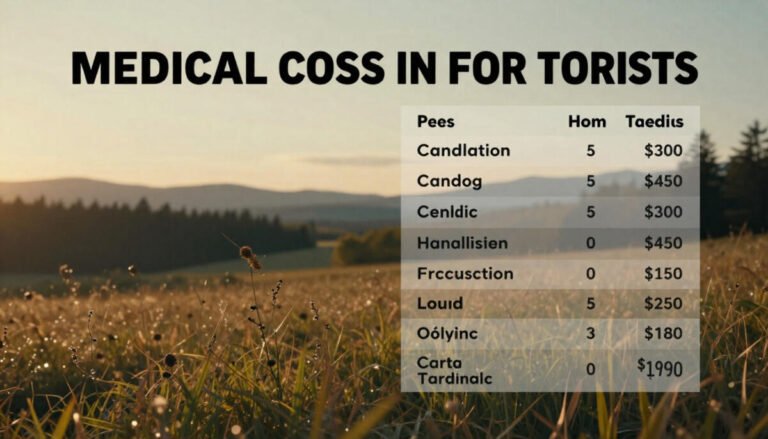
Canada’s public healthcare does not cover tourists.
Typical Costs (Approximate)
| Service | Cost (CAD) |
|---|---|
| Emergency room visit | $1,000 – $3,000+ |
| Ambulance ride | $250 – $1,000 |
| Hospital stay (per day) | $3,000 – $8,000 |
| Doctor consultation | $100 – $600 |
7. Why Travel Insurance Is Essential

Never travel to Canada without travel medical insurance.
Your policy should cover:
Emergency treatment
Hospital stays
Ambulance services
Medical evacuation
Repatriation to home country
- Without insurance, you pay everything upfront.
- Government warning (official):
Government of Canada – Emergency Assistance
8. Embassy & Consular Emergency Help
If you face:
Lost or stolen passport
Arrest or legal trouble
Death or serious illness of a traveler
Natural disaster or evacuation
- Contact your country’s embassy or consulate in Canada.
- The Canadian government can help you connect but will not pay your bills.
9. Safety Tips Every Tourist Should Follow
- Save emergency numbers offline
- Keep hotel address written down
- Carry insurance documents
- Inform family of your itinerary
- Register with your embassy if staying long-term
Quick Emergency Reference
| Situation | What to Do |
|---|---|
| Life-threatening emergency | Call 911 |
| Medical but not urgent | Walk-in clinic |
| Lost passport | Contact embassy |
| City safety issue | Call 311 |
| Need official help | Government of Canada emergency page |
Final Thoughts
Canada is a welcoming, safe, and well-organized country—but emergencies don’t wait. Knowing who to call, where to go, and what it may cost puts you in control.
Save this guide, share it with fellow travelers, and travel Canada with confidence in 2026.
Frequently Asked Questions (FAQ)
Is healthcare free for tourists in Canada?
No. Only Canadian citizens and permanent residents are covered.
Can I refuse ambulance service if I’m worried about cost?
Yes, but it’s not recommended in serious situations.
Do hospitals accept international credit cards?
Most do, but some require deposits first.
Are English services available everywhere?
Yes. English is widely spoken; French is common in Quebec.
Is Canada safe for solo travelers?
Yes, Canada is considered one of the safest countries globally.