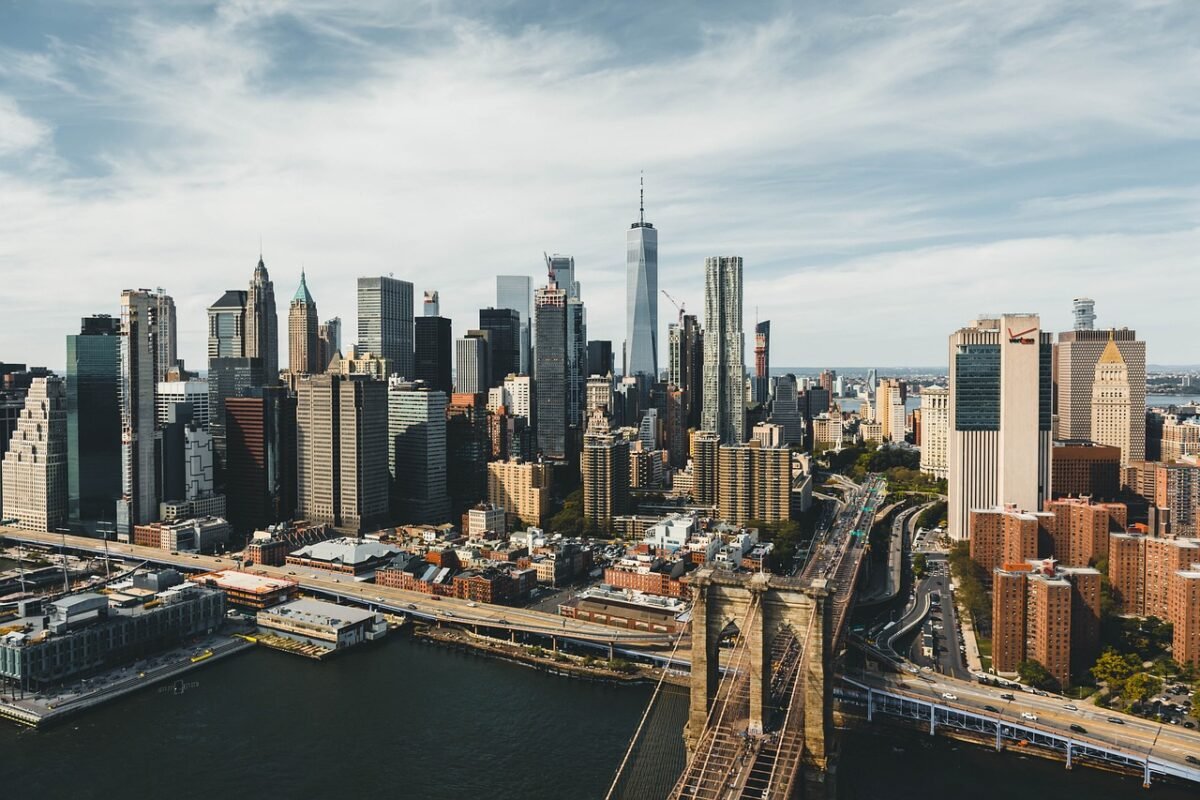
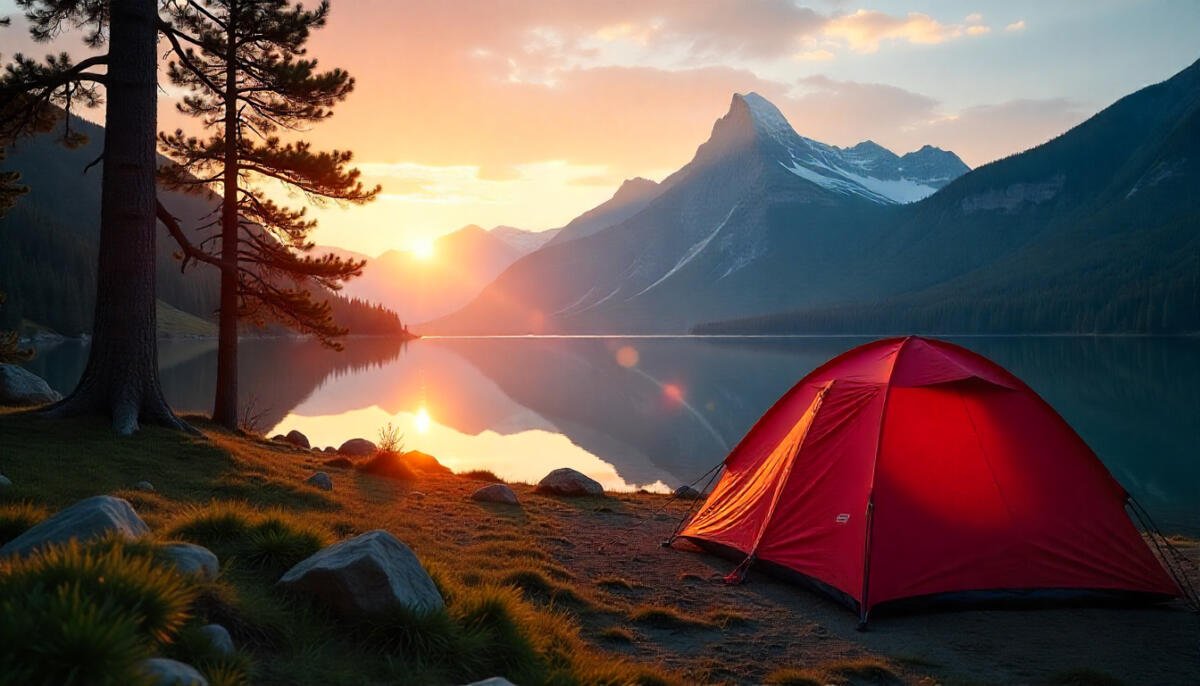
Canada is a paradise for campers who love peaceful escapes into nature. From mountains to coasts, forests to fjords, there’s something for everyone. Here’s a detailed guide to the top 15 camping sites in Canada for 2026 that nature lovers will truly enjoy.
1. Jasper National Park, Alberta
Location: Canadian Rockies, Alberta
Best Season: June to September
Accessibility: Easily accessible via Highway 16; closest town: Jasper
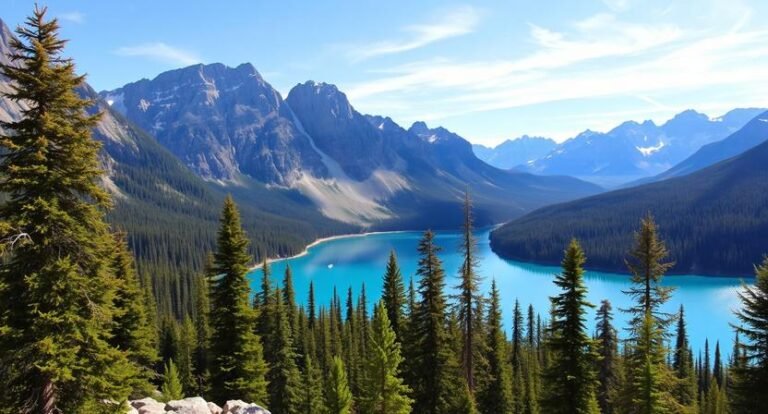
Jasper is Canada’s largest national park (over 11,000 km²) and offers a blend of majestic mountains, glaciers, dense forests, and wildlife. It’s ideal for those seeking solitude and star-filled nights.
Whistlers Campground: Full-service sites with potable water, electrical hookups, and washrooms. Great for RVs and tents.
Wapiti Campground: More rustic with large sites and proximity to trails.
Backcountry camping: For experienced hikers who want total immersion in wilderness.
Activities:
Hike the Skyline Trail (44 km, breathtaking mountain views)
Canoe or kayak on Maligne Lake
Wildlife spotting: elk, bears, moose
Stargazing: Jasper is a Dark Sky Preserve
- Website/Link: Jasper National Park
- Tip: Book early, especially for Whistlers Campground; summer fills fast.
2. Banff National Park, Alberta
Location: Canadian Rockies, Alberta
Best Season: May to October
Accessibility: Easily accessible via Trans-Canada Highway; nearest town: Banff
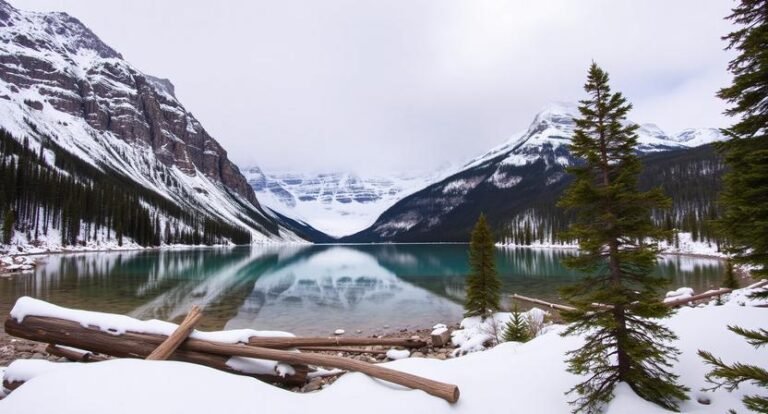
Canada’s oldest national park is famous for its turquoise glacial lakes, alpine peaks, and scenic drives. It combines accessibility with breathtaking nature.
Two Jack Lake Campground: Lakeside views, ideal for tents and RVs
Tunnel Mountain Campgrounds A & B: Central, good for first-time campers, amenities available
Backcountry options: Hike to remote spots like Paradise Valley
Activities:
Canoeing on Lake Minnewanka
Hike to Sulphur Mountain for panoramic views
Drive the Icefields Parkway for stunning glacier views
- Website/Link: Banff National Park
- Tip: For fewer crowds, camp early in the morning and explore less-known trails.
3. Gros Morne National Park, Newfoundland & Labrador
Location: Western Newfoundland
Best Season: June to September
Accessibility: Accessible via Route 430; closest town: Rocky Harbour
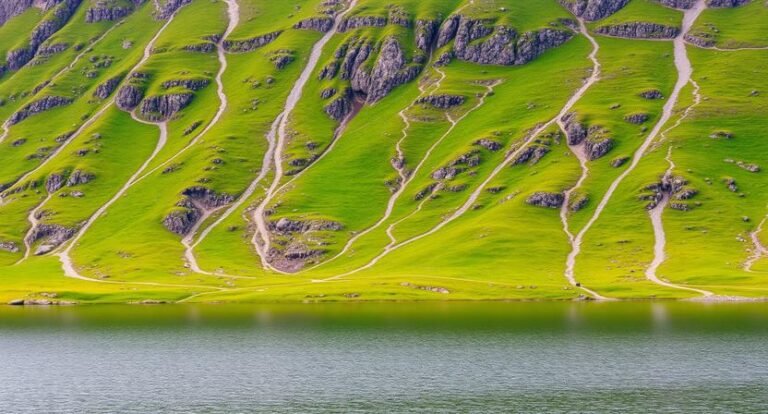
A UNESCO World Heritage Site, Gros Morne offers fjords, coastal cliffs, and dramatic mountains. Its landscapes feel raw and untouched.
Shallow Bay Campground: Rustic, waterfront sites
Berry Hill Campground: Near the Tablelands, offers access to iconic hikes
Backcountry trails: Ideal for experienced campers seeking solitude
Activities:
Hike Gros Morne Mountain for panoramic views
Explore Western Brook Pond Fjord by boat
Photography and wildlife watching
- Website/Link: Gros Morne National Park
- Tip: Bring warm clothing; weather can be unpredictable even in summer.
4. Algonquin Provincial Park, Ontario
Location: Ontario
Best Season: May to October
Accessibility: About 3 hours from Toronto; closest town: Huntsville
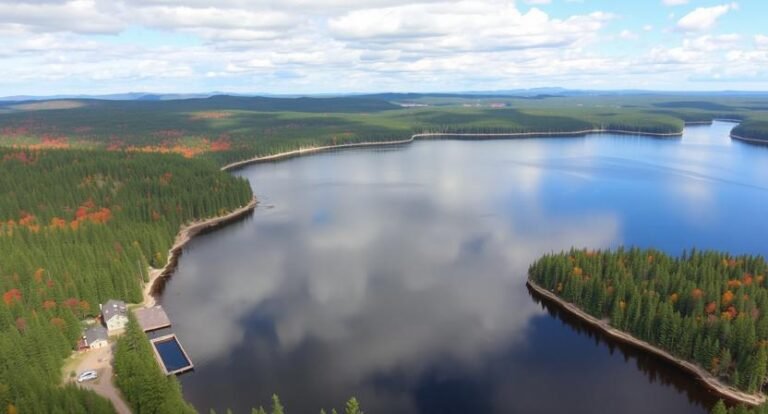
Algonquin offers serene lakes, lush forests, and abundant wildlife. It’s perfect for canoe-camping or relaxed forest retreats.
Lake of Two Rivers Campground: Family-friendly, lakeside sites, full amenities
Backcountry camping: Canoe to remote sites on interconnected lakes
Wildlife spotting: Moose, deer, and numerous bird species
Activities:
Canoeing or kayaking on Algonquin’s lakes
Hiking trails like Lookout Trail
Fishing, birdwatching, and forest photography
- Website/Link: Algonquin Provincial Park
- Tip: Carry insect repellent in early summer; mosquitoes can be heavy near water.
5. Pacific Rim National Park Reserve (Green Point Campground), British Columbia
Location: Vancouver Island, BC
Best Season: May to September
Accessibility: Accessible via Highway 4; nearest town: Tofino
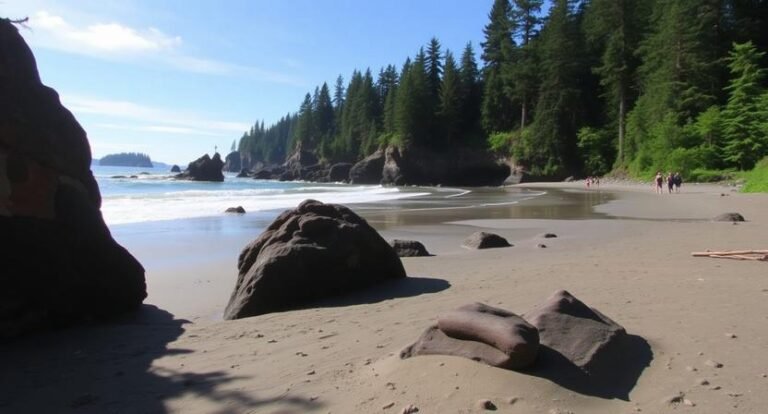
This coastal park combines temperate rainforest, wild beaches, and oceanfront camping. It’s a peaceful escape with the soothing sound of waves.
Green Point Campground: 110 sites, beachfront access, forested surroundings
Backcountry beaches: Accessible by hiking trails for adventurous campers
Activities:
Beach walks and tide pool exploration
Rainforest hikes like Rainforest Trail
Surfing or kayaking near Tofino
- Website/Link: Pacific Rim National Park Reserve
- Tip: Book well in advance; Green Point is highly popular in summer.
6. Kootenay National Park, British Columbia
Location: Canadian Rockies, BC
Best Season: June to September
Accessibility: Via Highway 93; closest town: Radium Hot Springs
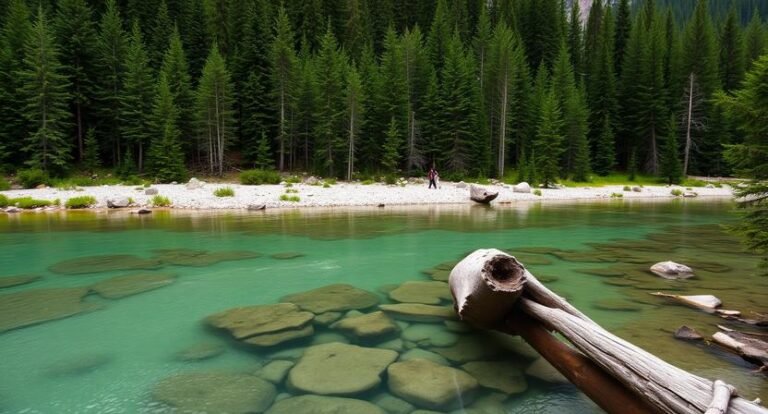
Kootenay is less crowded than Banff or Jasper but equally spectacular. It has rugged mountains, hot springs, alpine meadows, and turquoise rivers.
Redstreak Campground: Central, with facilities and mountain views
Backcountry camping: Along trails like Stanley Glacier Trail or Rockwall Trail
Activities:
Hike the Paint Pots Trail for colorful mineral springs
Relax at Radium Hot Springs
Wildlife spotting: deer, elk, bears
- Website/Link: Kootenay National Park
7. Fundy National Park, New Brunswick
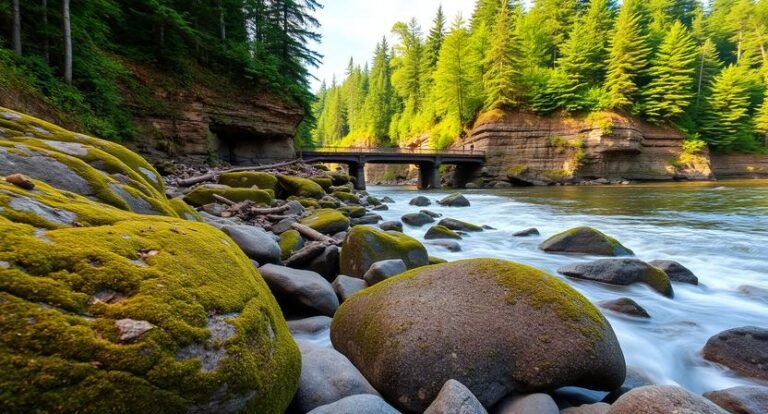
Location: Bay of Fundy, New Brunswick
Best Season: May to October
Accessibility: Route 114; nearest town: Alma
Home to the highest tides in the world, Fundy combines coastal cliffs, waterfalls, and forested trails. A peaceful park with ocean views.
Hemmingway Campground: Full amenities, near the park entrance
Backcountry shelters: For quiet, rustic experiences along hiking trails
Activities:
Hike Dickson Falls and Fundy Footpath
Kayak or paddleboard in the bay
Tidal exploration and photography
- Website/Link: Fundy National Park
8. Waterton Lakes National Park, Alberta
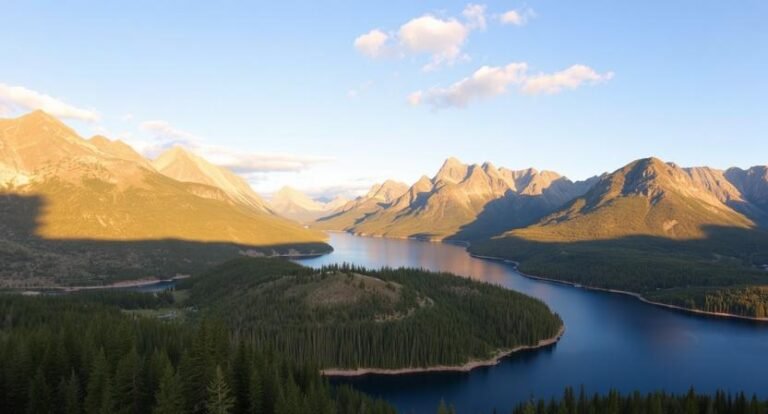
Location: Southwestern Alberta, bordering Montana, USA
Best Season: June to September
Accessibility: Via Highway 5; nearest town: Waterton
Waterton combines prairie, forest, and mountain landscapes in one small but stunning park. Known for its tranquility and fewer crowds than Banff.
Cameron Lake Campground: Lakeside, peaceful, full facilities
Townsite Campground: Close to amenities and hiking trails
Activities:
Canoe on Cameron Lake
Hike the Crypt Lake Trail
Birdwatching and wildlife spotting
- Website/Link: Waterton Lakes National Park
9. Cape Breton Highlands National Park, Nova Scotia
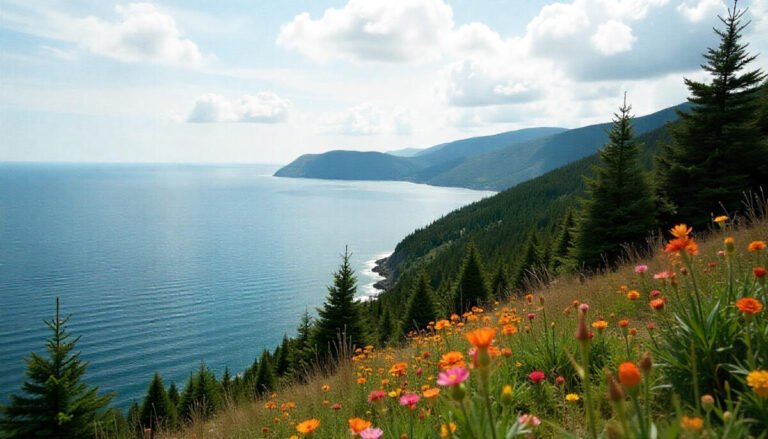
Location: Cape Breton Island, Nova Scotia
Best Season: May to October
Accessibility: Via Cabot Trail; nearest town: Ingonish
Dramatic coastal cliffs, highland forests, and the world-famous Cabot Trail. A mix of ocean views and mountain landscapes.
Ingonsish Campground: Waterfront, near the beach, modern facilities
Backcountry options: Hike to secluded spots along Skyline Trail
Activities:
Drive or cycle the Cabot Trail
Hike Skyline Trail for breathtaking coastal views
Whale watching and beach exploration
- Website/Link: Cape Breton Highlands National Park
10. Elk Island National Park, Alberta
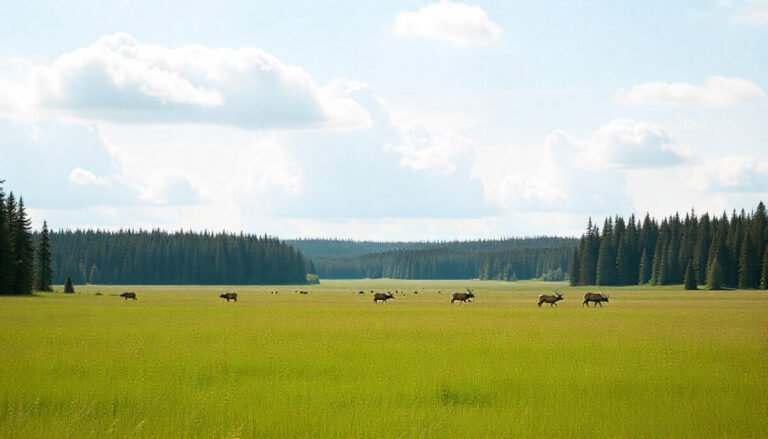
Location: Near Edmonton, Alberta
Best Season: May to October
Accessibility: 35 km east of Edmonton
A small but biodiversity-rich park known for bison, elk, and birdwatching. Perfect for a peaceful escape close to the city.
Astotin Lake Campground: Lakeside sites, showers, and fire pits
Backcountry camping: Available for those seeking quiet wilderness
Activities:
Wildlife watching: bison, elk, deer
Canoeing or kayaking on Astotin Lake
Hiking forest and prairie trails
- Website/Link: Elk Island National Park
11. Pacific Spirit Regional Park, British Columbia
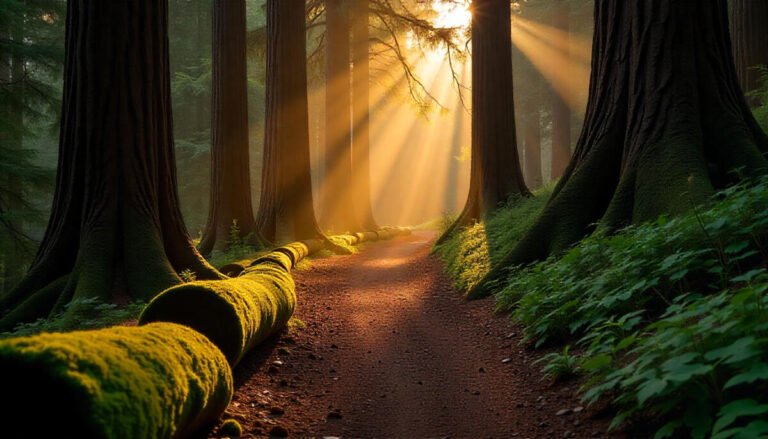
Location: Vancouver, BC
Best Season: March to October
Accessibility: Near the University of British Columbia, Vancouver
A serene forested park close to the city, offering trails, streams, and quiet nature escapes without traveling far. Perfect for short trips.
Backcountry campsites: Small, rustic sites along the forest trails (permit required)
No RV or car camping; designed for hikers and nature lovers
Activities:
Hiking and trail running
Birdwatching and photography
Meditation and forest bathing
12. Riding Mountain National Park, Manitoba
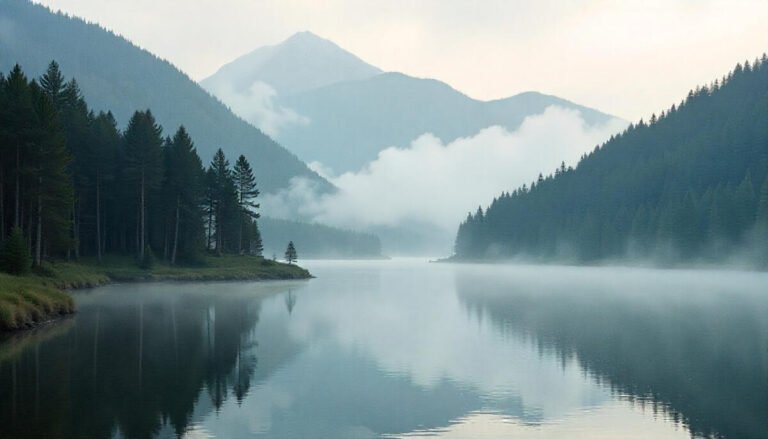
Location: Manitoba, central Canada
Best Season: May to September
Accessibility: Near the town of Wasagaming
This park mixes prairie, forests, lakes, and rolling hills — a hidden gem for peaceful camping and wildlife observation.
Wasagaming Campground: Lakeside, family-friendly, full amenities
Backcountry cabins and campsites: Ideal for solitude and nature immersion
Activities:
Hiking trails like Bison Trail
Canoeing and swimming in Clear Lake
Wildlife spotting: bison, elk, deer, and foxes
- Website/Link: Riding Mountain National Park
13. Bruce Peninsula National Park, Ontario
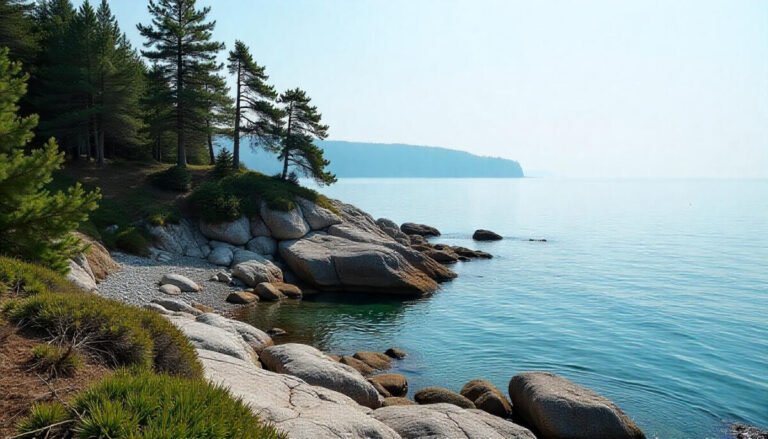
Location: Ontario, near Georgian Bay
Best Season: May to September
Accessibility: Via Highway 6; nearest town: Tobermory
Famous for turquoise waters, rugged cliffs, and quiet forested trails. Perfect for lake lovers and those seeking tranquility.
Cyprus Lake Campground: Lakeside sites, modern facilities
Backcountry sites: Accessible via hiking trails for a more remote experience
Activities:
Hike the Grotto Trail to stunning caves and clear waters
Kayaking or swimming in Georgian Bay
Wildlife spotting and birdwatching
- Website/Link: Bruce Peninsula National Park
14. La Mauricie National Park, Quebec
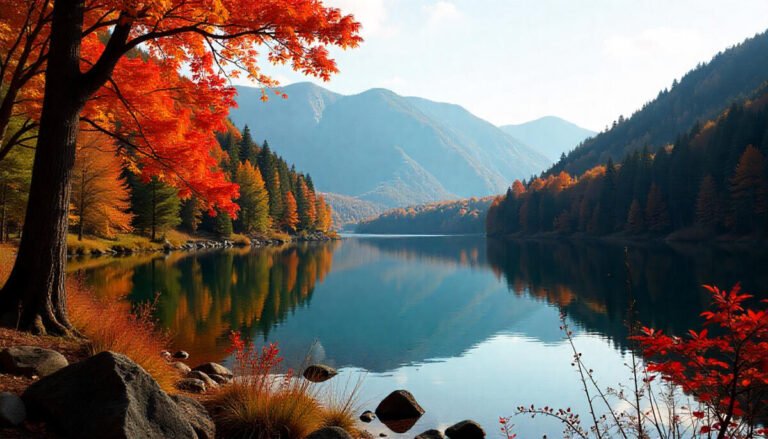
Location: Quebec, between Montreal and Quebec City
Best Season: May to October
Accessibility: Via Route 155; closest town: Shawinigan
Forests, lakes, and rolling hills make La Mauricie ideal for canoe camping and forest adventures. It’s peaceful and less crowded than other parks.
Backcountry campsites: Accessible by canoe or hiking
Frontcountry campgrounds: With fire pits, picnic tables, and basic facilities
Activities:
Canoeing on Lac Wapizagonke
Hiking trails like Les Falaises
Wildlife spotting: moose, beavers, and birds
- Website/Link: La Mauricie National Park
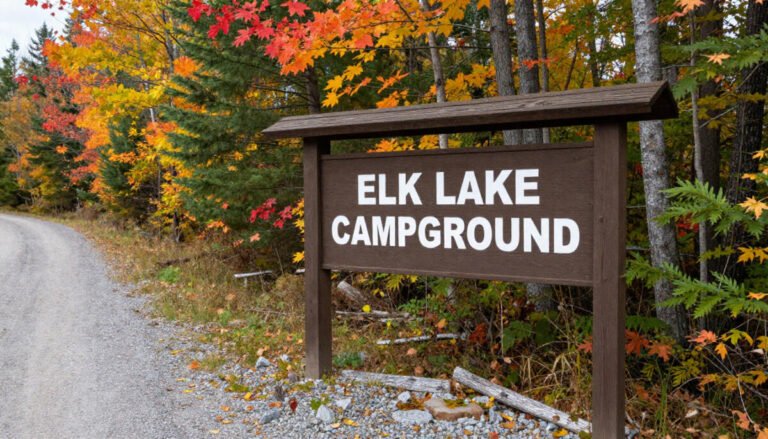
15. Elk Lake Campground, Ontario (Temagami Region)
Location: Northern Ontario, Temagami
Best Season: May to September
Accessibility: Via Highway 11; remote access requires canoeing or portaging
An off-the-beaten-path wilderness experience with pristine lakes, old-growth forests, and complete solitude. Ideal for adventurers who want deep immersion in nature.
Backcountry canoe-in sites: Rustic lakeside campsites for tents only
Minimal facilities: bring your own gear and supplies
Activities:
Canoeing and fishing
Hiking trails through forests and along ridges
Stargazing in total darkness
Final Thoughts
Canada is truly a paradise for nature lovers who enjoy camping. From the towering peaks of the Rockies to the serene lakes of Ontario, the dramatic fjords of Newfoundland, and the wild coasts of British Columbia, there’s something for every type of camper.
These 15 peaceful camping sites offer a mix of landscapes, activities, and levels of comfort — whether you prefer frontcountry campgrounds with amenities or backcountry adventures far from the crowds. By planning ahead, respecting nature, and immersing yourself in the local surroundings, you’ll create memories that last a lifetime.
Frequently Asked Questions (FAQs)
1. What is the best time of year to go camping in Canada?
The best season is generally late spring to early fall (May to September). Summer months offer warmer weather and fully open campgrounds, but early summer or early fall can provide fewer crowds and beautiful scenery, like fall foliage in Ontario and Quebec.
2. Do I need a permit to camp in Canadian national parks?
Yes. Most national parks require reservations or permits for camping. Frontcountry campgrounds often allow online booking, while backcountry sites usually require a backcountry permit. Check each park’s official website before planning.
3. Are these camping sites suitable for beginners?
Many sites, like Banff, Jasper, Algonquin, and Bruce Peninsula, offer well-equipped campgrounds suitable for first-time campers. For more adventurous campers, backcountry sites like Gros Morne or Temagami are recommended.
4. What wildlife should I be aware of while camping?
Canada has diverse wildlife. You may encounter moose, bears, deer, bison, and birds. Always follow park guidelines: store food securely, maintain a safe distance from animals, and never feed wildlife.
5. Can I camp year-round in these parks?
Most parks have seasonal access, typically from May to October. Some provincial parks and northern areas offer winter camping, but it requires specialized equipment and experience in cold-weather camping. Always check the park website for seasonal details.