
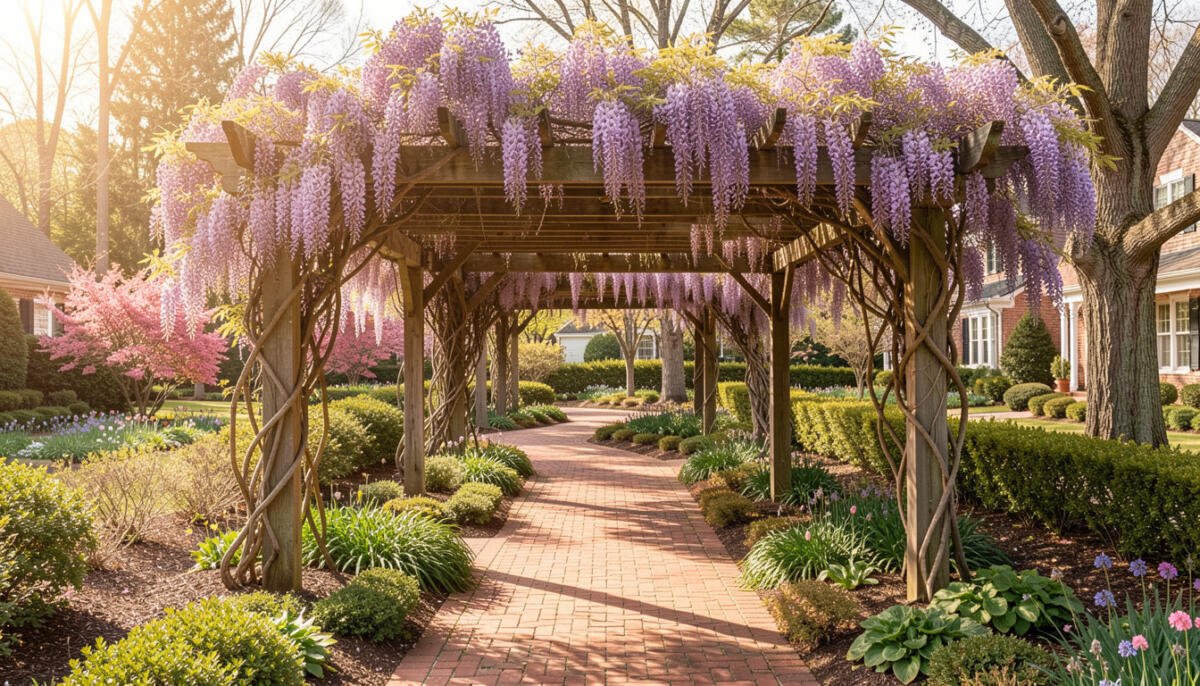
Spring is one of the most magical times to explore North Carolina. The state bursts into life with flowering bulbs, azaleas, tulips, dogwoods, and cherry blossoms. Whether you’re an avid gardener, a photography enthusiast, or just someone who enjoys peaceful walks surrounded by color and fragrance, these five gardens are must-visits this spring.
1. Duke Gardens — Durham, NC
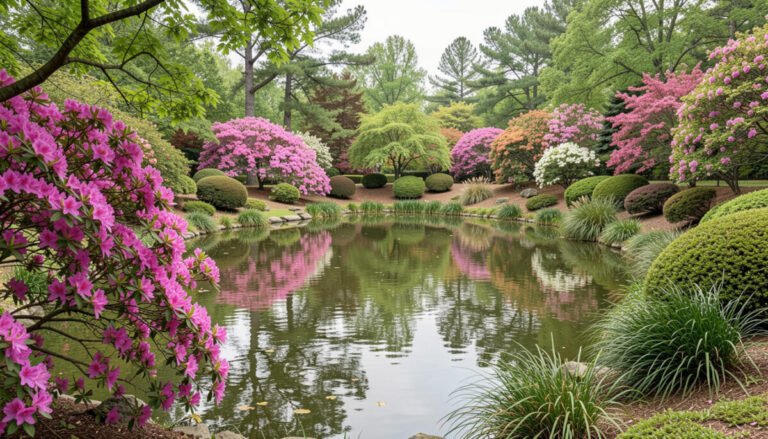
Duke Gardens at Duke University has been inspiring visitors since 1934. Its 55 acres are divided into themed sections including the Historic Gardens, Culberson Asiatic Arboretum, and the Terraces, providing a combination of formal symmetry and natural landscapes.
Cherry blossoms and magnolias bloom in early spring, painting the gardens in shades of pink and white.
The Terraces feature geometric flower beds with vibrant tulips, daffodils, and pansies.
Streams and water features provide serene reflection spots.
Events & Programs:
Seasonal garden tours and photography workshops.
Educational programs for kids and adults about native plants and conservation.
Visiting Tips:
Weekday mornings are the best time to enjoy quieter walks.
Bring a picnic; some areas have designated spots for it.
- Website: Visit Duke Gardens for Hours & Details
2. Airlie Gardens — Wilmington, NC
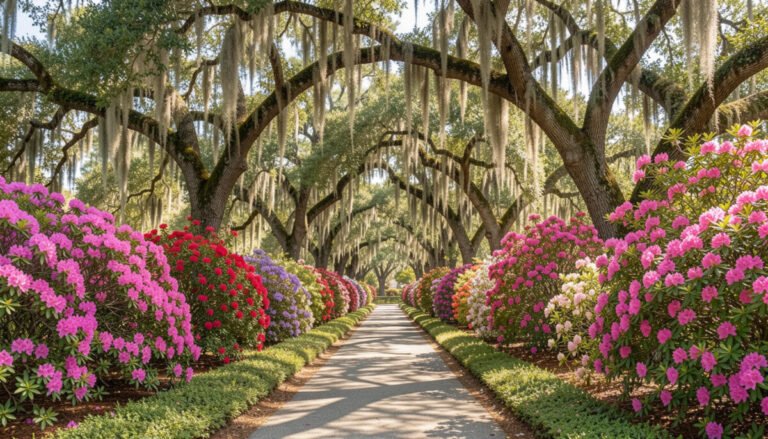
Founded in 1901, Airlie Gardens is famous for its old-world charm and spectacular azalea collection. The garden spreads over 67 acres with meandering paths, historic live oaks, ponds, and charming bridges.
Over 75,000 azaleas bloom, creating breathtaking color displays.
Tulips, camellias, and dogwoods add layers of spring beauty.
Sculptures and garden art enhance the scenery, perfect for Instagram-worthy shots.
Events & Programs:
Airlie Gardens hosts the Azalea Festival every spring, attracting visitors statewide.
Guided tours teach visitors about native plants and wildlife.
Visiting Tips:
Weekends can get busy during peak azalea bloom, so try visiting on weekdays.
Wear comfortable shoes; paths can be uneven in some areas.
- Website: Airlie Gardens Official Website
3. The North Carolina Arboretum — Asheville, NC
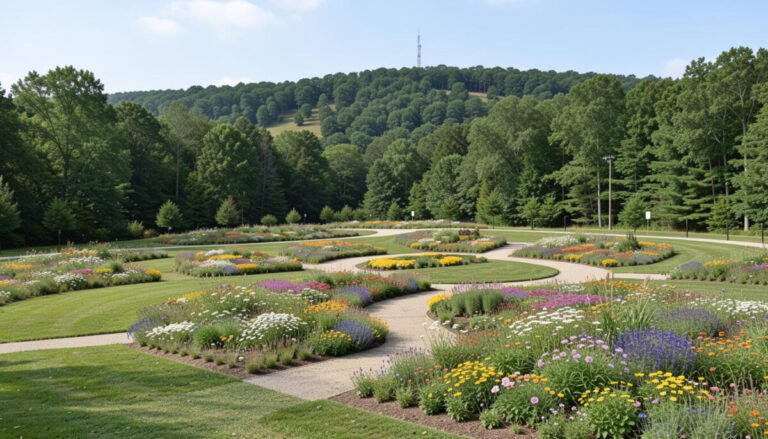
Located along the scenic Blue Ridge Parkway, the North Carolina Arboretum is a blend of cultivated gardens and native Appalachian ecosystems. It spans over 434 acres, with 65 acres dedicated to cultivated gardens. It’s particularly known for its National Native Azalea Collection.
Wildflower trails filled with native perennials, trilliums, and bloodroots.
Bonsai exhibitions showcasing artistic horticulture.
Specialty collections like the Herb Garden and Edible Garden.
Events & Programs:
Educational workshops on native plants, pollinators, and sustainable gardening.
Guided nature walks and seasonal festivals.
Visiting Tips:
Pair your visit with a drive along the Blue Ridge Parkway for breathtaking views.
Bring a camera; the combination of mountain backdrop and blooming flowers is perfect for photos.
- Website: North Carolina Arboretum Garden Exhibits
4. Cape Fear Botanical Garden — Fayetteville, NC
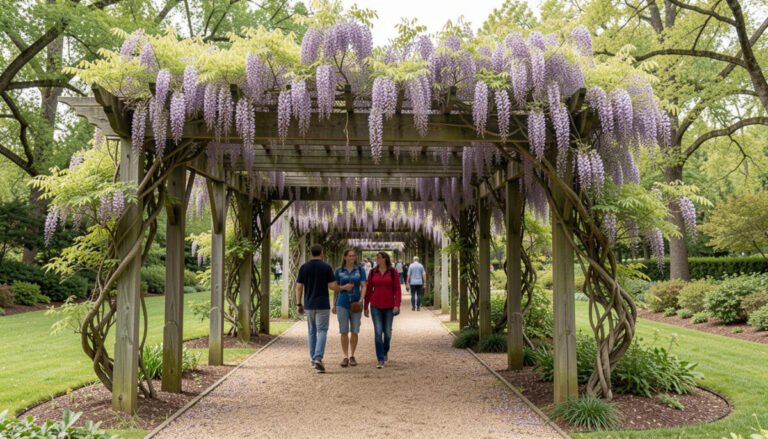
Cape Fear Botanical Garden spreads across 80 acres along the Cape Fear River, blending cultivated flower beds with natural woodland trails. It’s ideal for families, casual visitors, and nature enthusiasts.
Colorful flower beds featuring tulips, daffodils, and azaleas.
The Heritage Garden celebrates North Carolina’s horticultural history.
Peaceful riverside trails perfect for leisurely strolls.
Events & Programs:
Seasonal festivals showcasing spring blooms.
Children’s gardening programs and interactive exhibits.
Visiting Tips:
Extended evening hours in spring allow for sunset walks.
Wear comfortable shoes; some trails are slightly uneven.
- Website: Cape Fear Botanical Garden Visitor Info
5. Arborcrest Gardens — Boone, NC
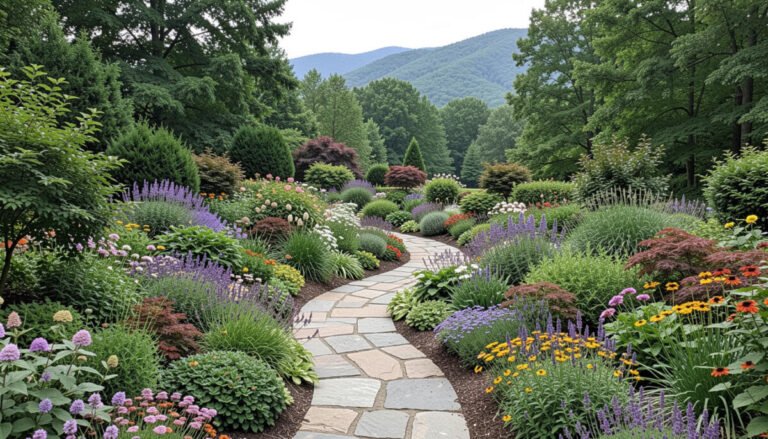
Arborcrest Gardens, located in the Appalachian foothills, is a hidden gem known for its spring bulb displays and cool mountain air. Its rolling landscapes provide a peaceful escape from the city.
Fields of tulips, daffodils, magnolias, and rhododendrons in peak bloom.
Tranquil forested paths perfect for reflection and photography.
Fruit and vegetable garden sections add a touch of practical gardening inspiration.
Events & Programs:
Seasonal flower walks and guided tours.
Photography sessions to capture spring beauty.
Visiting Tips:
Morning visits often reveal mist over the fields — ideal for photos.
Bring water and snacks; the garden is more remote than other destinations.
- Website: Arborcrest Gardens Info
6. Reynolda Gardens — Winston-Salem, NC
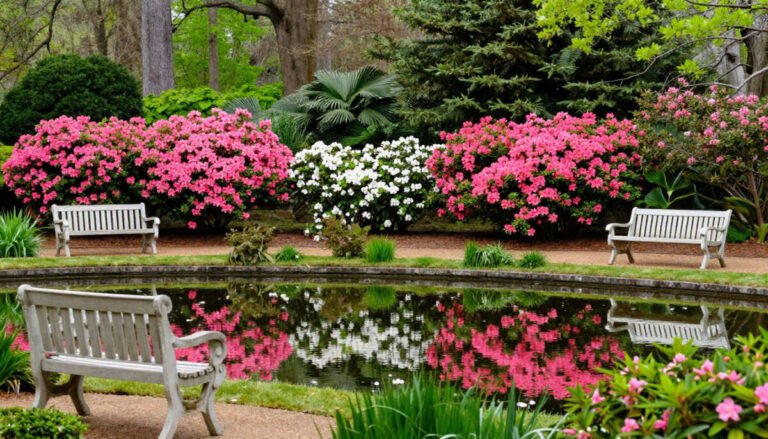
Reynolda Gardens is part of the historic Reynolda Estate, built in 1917 by the Reynolds family. The 125-acre property includes formal gardens, a greenhouse, and walking trails that blend history with horticulture.
The Formal Garden blooms with tulips, hyacinths, and daffodils.
Native plant and woodland trails feature dogwoods and trilliums.
Greenhouse tours showcase rare orchids and tropical plants.
Events & Programs:
Seasonal plant sales and gardening workshops.
Photography tours during peak spring blooms.
Visiting Tips:
Plan a combined visit to Reynolda House Museum of American Art nearby.
Weekdays are quieter; weekends can be busy with family visitors.
7. JC Raulston Arboretum — Raleigh, NC
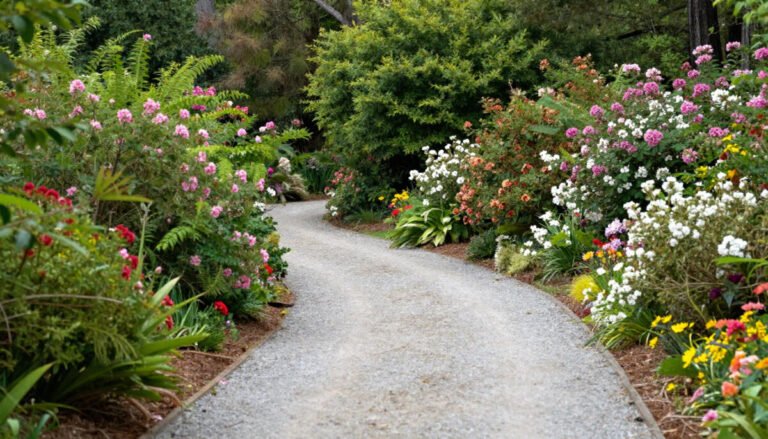
Located on the campus of North Carolina State University, the JC Raulston Arboretum spans 10 acres and is world-renowned for its diversity of plants suitable for the Southeast climate. It’s perfect for gardening enthusiasts looking to learn from a living library of plants.
Tulips, azaleas, and spring perennials in vibrant colors.
Ornamental gardens, water features, and shade gardens for education and inspiration.
Displays of rare and unusual plants you won’t find elsewhere in the region.
Events & Programs:
Spring plant sales, expert-led workshops, and guided tours.
Annual “Spring Fling” event with horticulture demonstrations.
Visiting Tips:
Admission is free; donations are appreciated.
Bring a notebook if you want to take notes on garden design ideas.
8. Daniel Stowe Botanical Garden — Belmont, NC
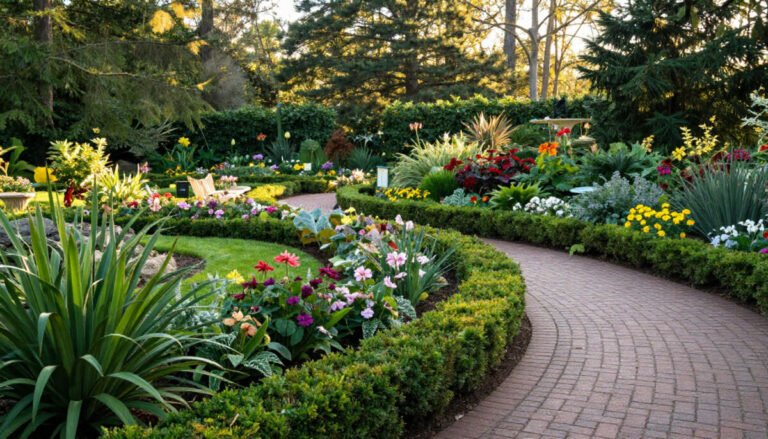
Daniel Stowe Botanical Garden is a 110-acre public garden located just outside Charlotte. Established in 1999, it features themed gardens, fountains, and seasonal displays, making it a perfect spring destination for families and photographers alike.
Tulip and daffodil displays in the Main Fountain Garden.
Orchid and tropical exhibits in the Conservatory.
Meandering woodland trails with wildflowers and birdwatching opportunities.
Events & Programs:
Spring photography workshops and guided tours.
Family-friendly events like scavenger hunts during peak bloom periods.
Visiting Tips:
Check for seasonal festivals; spring weekends are popular.
Combine your visit with nearby Belmont or Charlotte attractions for a full day trip.
9. Coker Arboretum — Chapel Hill, NC
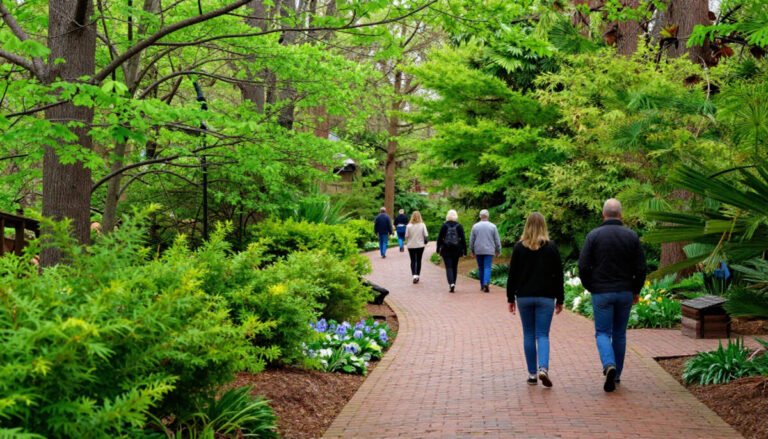
The Coker Arboretum, located on the University of North Carolina campus, is a small but charming 5-acre garden known for its educational and historical significance. Established in 1903, it’s perfect for a short, scenic walk surrounded by spring blooms.
Cherry trees, magnolias, and azaleas in peak bloom.
Woodland paths filled with native spring wildflowers.
Historical plant collections and small garden structures perfect for photography.
Events & Programs:
Guided walking tours for students and visitors.
Occasional plant identification workshops.
Visiting Tips:
Admission is free, but parking is limited; nearby street parking is available.
Ideal for a peaceful morning stroll or a quick stop between Chapel Hill sights.
10. Latta Plantation Nature Preserve & Garden — Huntersville, NC
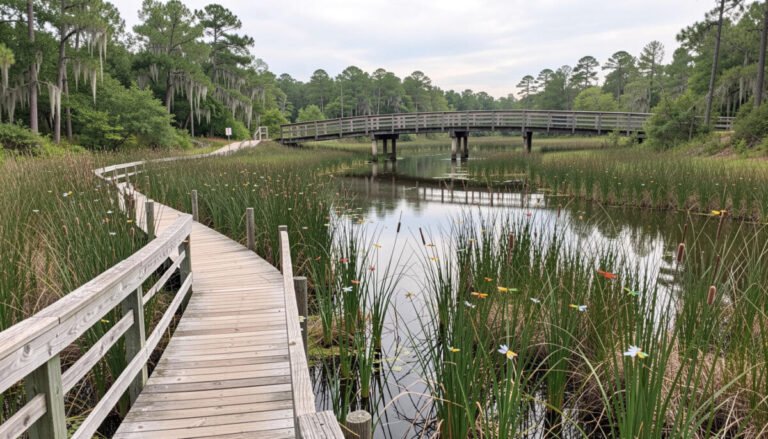
Latta Plantation offers a unique combination of historic preservation and garden exploration. The site includes a restored 19th-century plantation, walking trails, and demonstration gardens.
Heritage gardens with heirloom flowers and vegetables.
Spring-blooming bulbs and native wildflowers along the trails.
Scenic views along Mountain Island Lake provide a natural backdrop.
Events & Programs:
Educational programs on historical horticulture and sustainable gardening.
Seasonal festivals celebrating spring blooms and heritage farming.
Visiting Tips:
Wear sturdy shoes; some trails are rustic.
Great spot for combining garden photography with history exploration.
11. Buncombe County Arboretum — Asheville, NC
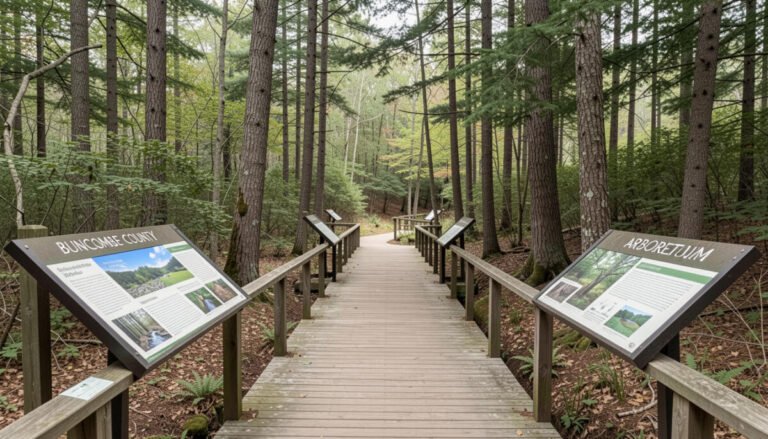
The Buncombe County Arboretum is a 47-acre public garden located near the Blue Ridge Mountains. Established to showcase native and ornamental plants, it offers a peaceful retreat for nature lovers and gardeners alike.
Trails lined with blooming dogwoods, azaleas, and rhododendrons.
Seasonal wildflower meadows with colorful native species.
Arboretum collections include magnolias, maples, and ornamental shrubs.
Events & Programs:
Guided walks and educational workshops for all ages.
Spring photography sessions and native plant seminars.
Visiting Tips:
Ideal for morning hikes and quiet meditation.
Some trails are unpaved; wear sturdy shoes.
12. Greenhill Gardens — Greensboro, NC
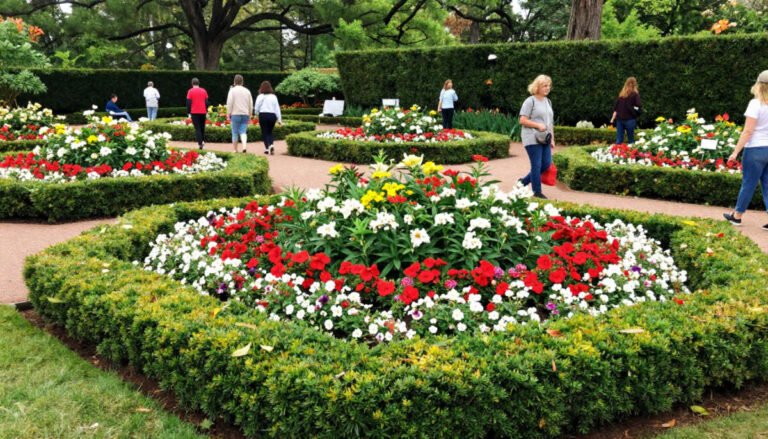
Greenhill Gardens is a serene 30-acre estate known for its vibrant seasonal flowers and formal garden designs. It is particularly celebrated for spring tulips, daffodils, and ornamental cherry trees.
Colorful tulip and daffodil beds in formal arrangements.
Japanese-style bridges, water features, and shaded walking paths.
Flowering trees including dogwoods and magnolias.
Events & Programs:
Spring garden tours and educational workshops.
Art and photography events in the gardens.
Visiting Tips:
Weekday visits are quieter, perfect for photography.
Bring a picnic and enjoy the open lawn areas.
13. Daniel Stowe Botanical Garden — Belmont, NC (Expanded Spring Details)
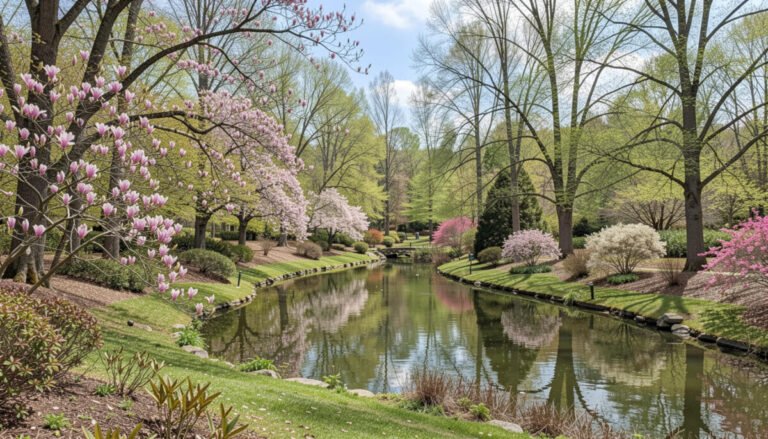
Although already mentioned, Daniel Stowe Botanical Garden deserves extra attention for its Spring Orchid and Tulip Festival, making it a must-visit destination for photography enthusiasts.
Main Fountain Garden features thousands of tulips and daffodils in vibrant displays.
Conservatory holds exotic orchids, perfect for indoor photography on rainy days.
Woodland trails with wildflowers and streams provide peaceful walking paths.
Events & Programs:
Orchid Show & Sale in March.
Family spring gardening programs and botanical workshops.
Visiting Tips:
Arrive early to catch the morning light for photography.
Check seasonal event schedule for workshops or guided tours.
14. Marshall Park Gardens — Charlotte, NC
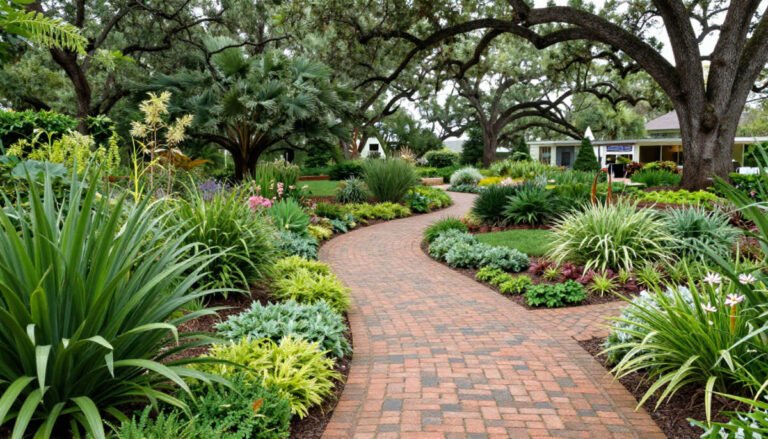
Marshall Park Gardens in Charlotte combines art, history, and nature in a unique urban garden space. It features sculptures, fountains, and seasonal flower beds, making it a hidden gem in the city.
Tulips, daffodils, and flowering shrubs bloom in early spring.
Sculptures and water features provide photogenic spots.
Nearby walking trails and benches for relaxing.
Events & Programs:
Seasonal art installations integrated with the garden.
Guided spring tours highlighting plant species and garden design.
Visiting Tips:
Perfect for short visits during city trips.
Great for photography with art and flowers combined.
15. A.B. Duke Park & Gardens — Durham, NC
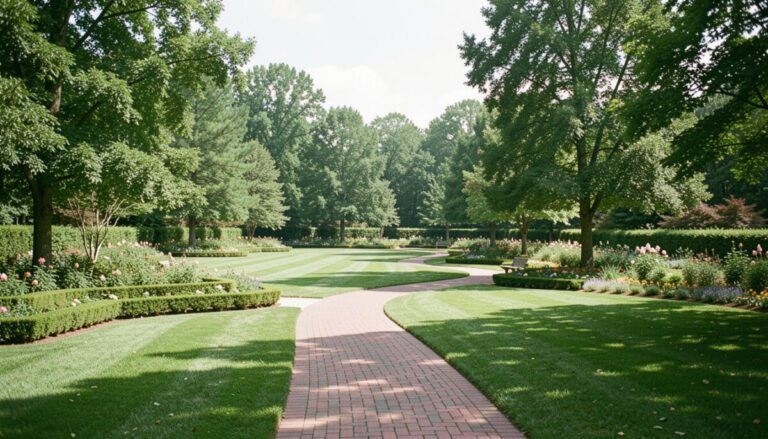
A lesser-known but charming public garden in Durham, A.B. Duke Park & Gardens is known for its spring blooms and quiet walking trails. The gardens offer a mix of formal flower beds and shaded woodland paths.
Tulips, daffodils, and azaleas in bloom from March to April.
Quiet trails perfect for walking, reading, or photography.
Mature trees provide shade and add scenic layers to the garden.
Events & Programs:
Community gardening events and volunteer days in spring.
Seasonal flower walks and local photography meetups.
Visiting Tips:
Less crowded than larger botanical gardens; ideal for peaceful visits.
Bring a camera or sketchbook to capture spring blooms.
Final Thoughts
Spring in North Carolina is the perfect time to explore gardens, with vibrant blooms, scenic trails, and peaceful escapes. From iconic spots like Duke Gardens to hidden gems like A.B. Duke Park, these 15 gardens offer something for everyone — photographers, families, and nature lovers alike. Plan ahead, enjoy the blooms, and make memories surrounded by North Carolina’s natural beauty.
Frequently Asked Questions (FAQs)
1. When is the best time to visit North Carolina gardens in spring?
Mid-March to late April for tulips, azaleas, and dogwoods; May for later-blooming perennials.
2. Are these gardens family-friendly?
Yes, most gardens have walking paths, picnic areas, and interactive exhibits suitable for all ages.
3. Do I need to pay admission for these gardens?
Some are free (like Coker Arboretum), while others have modest ticket fees — check individual websites for details.
4. Can I take photos in the gardens?
Absolutely! Early morning or late afternoon is best for soft natural lighting.
5. Are these gardens wheelchair accessible?
Most have paved paths and accessibility options, but some woodland trails may be uneven — check the garden’s site before visiting.