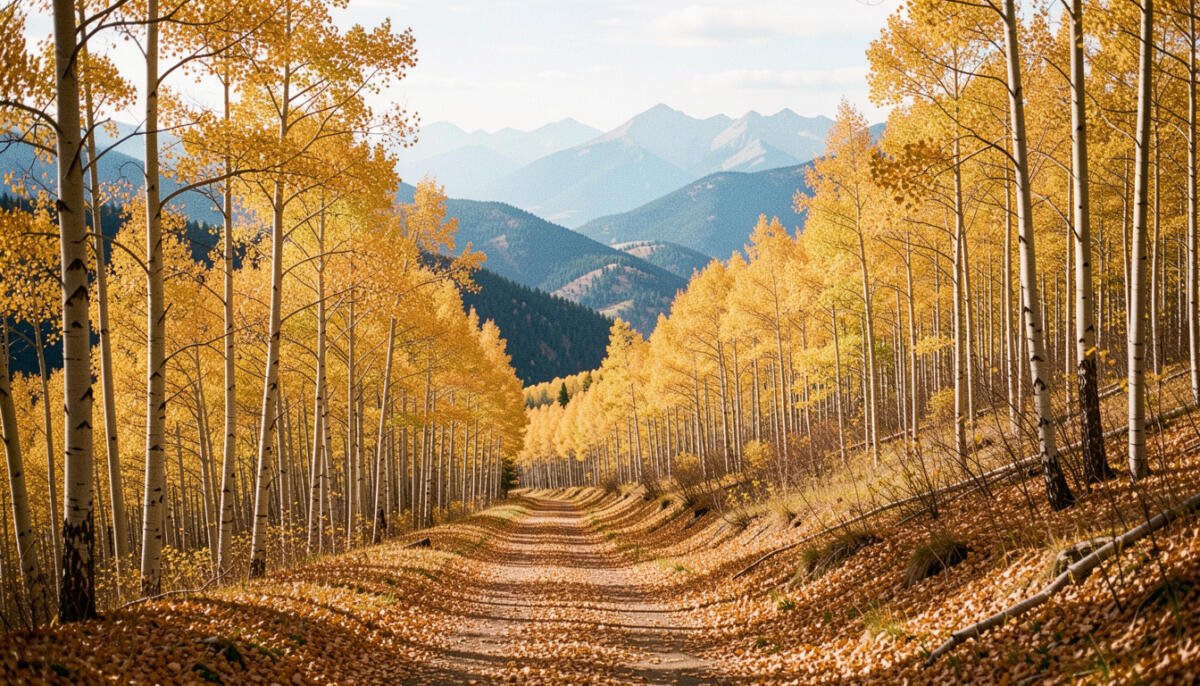
Fall in North Carolina doesn’t arrive all at once—it moves slowly from the highest mountain ridges down into valleys and cities, painting the state in layers of red, orange, and gold. That’s what makes North Carolina one of the best fall foliage destinations in the U.S. This guide breaks down exact locations, best timing, what you’ll actually see, and how to plan your visit so you don’t miss peak color in 2026.
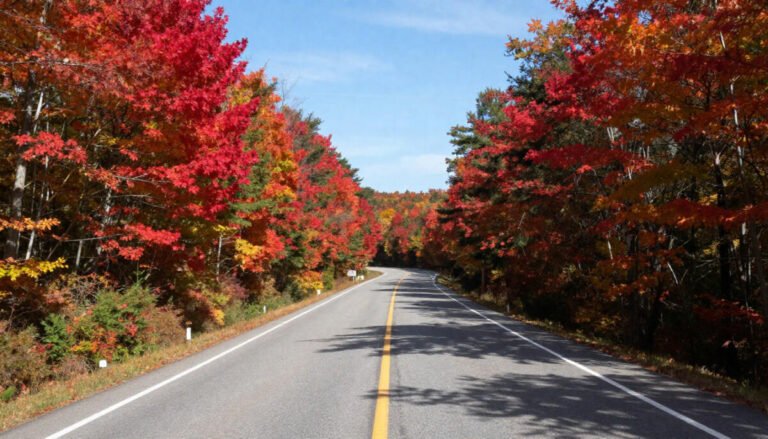
The Blue Ridge Parkway is hands-down the most famous place to see fall colors in North Carolina—and for good reason. Stretching for nearly 250 miles within the state, the parkway passes through changing elevations, hardwood forests, tunnels, overlooks, and hiking areas that explode with color each autumn.
Official site: Blue Ridge Parkway – National Park Service
Massive variety of trees: maple, oak, hickory, birch
Elevation changes mean longer foliage season
Easy access—no hiking required to enjoy views
Best Overlooks & Stops for Fall Color
Craggy Gardens – Known for vivid reds and oranges at higher elevations
Linn Cove Viaduct – One of the most photographed fall scenes in NC
Graveyard Fields – Mix of waterfalls, open meadows, and colorful trees
Rough Ridge Trail – Short hike with dramatic mountain views
Best Time to Visit
Late September: Highest elevations (Craggy Gardens, Mount Mitchell area)
Early–Mid October: Central sections near Asheville
Late October: Lower elevations closer to Virginia
Planning Tips
Drive sections midweek to avoid heavy traffic
Bring layers—temperatures change quickly with elevation
Check closures on the official parkway site before going
2. Great Smoky Mountains National Park – Early, Intense Color
The Great Smoky Mountains National Park offers one of the longest and most dramatic fall foliage seasons in the Southeast thanks to its elevation range and diverse forest ecosystem.
Official site: Great Smoky Mountains National Park
Over 100 species of native trees
Early color change at high elevations
Wide mix of scenic drives and overlooks
Best Places Inside the Park
Kuwohi (Clingmans Dome) – Highest point in the park with sweeping fall views
Newfound Gap Road – Drive through changing elevation zones
Waterrock Knob – Easy overlook with panoramic foliage views
Cataloochee Valley – Quieter area with historic buildings and fall scenery
Peak Color Timing
Late September: Highest ridges
Early October: Mid-elevations
Mid–Late October: Valleys and lower roads
Practical Advice
Expect heavy crowds during peak weekends
Arrive early morning for parking at popular overlooks
Fog is common—sometimes it adds atmosphere, sometimes it hides views
3. Asheville & Pisgah National Forest – Fall Colors + Culture
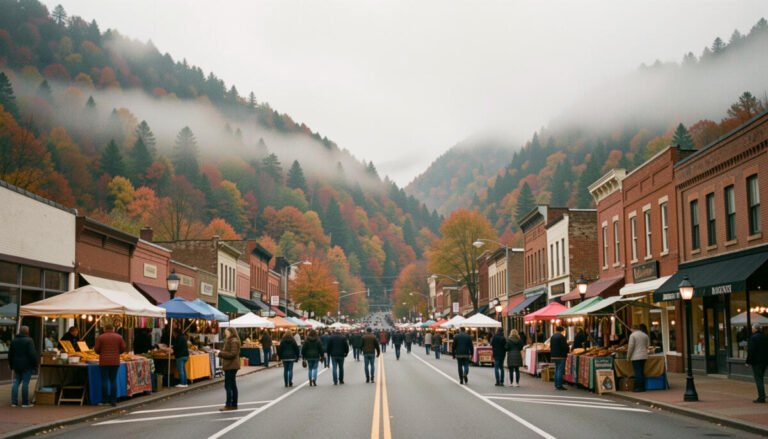
Asheville is often called the fall capital of North Carolina, and it’s easy to see why. The city sits right next to Pisgah National Forest, giving you access to waterfalls, mountain drives, and colorful forest trails—plus great food and lodging.
Helpful resources: Explore Asheville – Fall Colors
Pisgah National Forest – Dense hardwood forests and scenic roads
North Carolina Arboretum – Landscaped gardens + forest trails
Blue Ridge Parkway (Asheville sections) – Easy access from town
Best Time to Visit
Early October: Parkway overlooks & higher forest areas
Mid October: Asheville city areas, arboretum, lower trails
Why This Area Is Great for Travelers
Wide range of hotels and cabins
Restaurants, breweries, and fall festivals
Easy to combine sightseeing with relaxation
4. Cashiers & Highlands – Quiet Mountain Fall Views
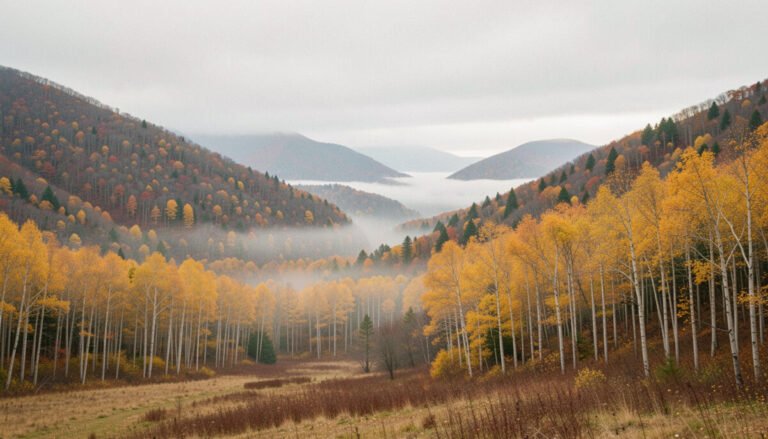
If you prefer a less crowded, slower-paced fall experience, the Cashiers and Highlands area in southwestern North Carolina is ideal. The region is known for waterfalls, scenic byways, and cool mountain air.
Whiteside Mountain – Dramatic cliff views and fall colors
Mountain Waters Scenic Byway (US-64) – One of NC’s most scenic drives
Panthertown Valley – Often called the “Yosemite of the East”
Peak Color Timing
Usually mid to late October
Higher elevations turn earlier, valleys later
Why Visit Here
Fewer tour buses and traffic
Excellent for photography
Great for couples or quiet getaways
5. Piedmont & Central North Carolina – Fall Color Without the Mountains
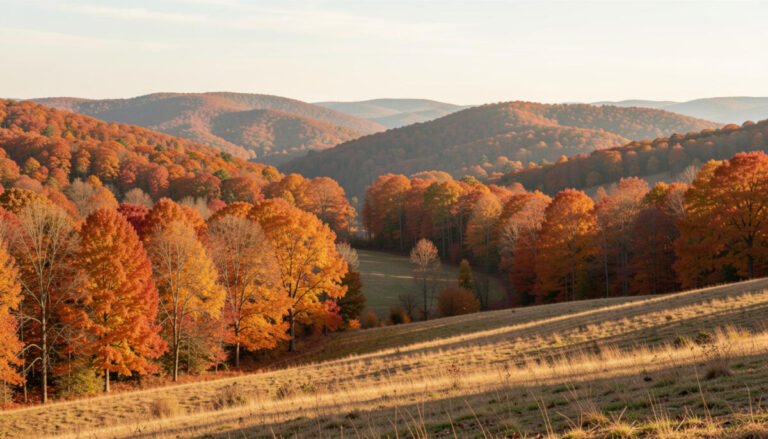
You don’t need to drive west to enjoy fall foliage. Central North Carolina offers beautiful late-season colors, especially in parks, arboretums, and tree-lined lakes.
Hanging Rock State Park – Cliffs, trails, and fall views
Crowders Mountain State Park – Panoramic overlooks
William B. Umstead State Park (Raleigh) – Forest trails close to the city
JC Raulston Arboretum – Curated fall color displays https://jcra.ncsu.edu/
Best Time to Visit
Late October to early November
Ideal after mountain foliage peaks
Why This Area Matters
Easy day trips
Less crowded
Great for families and casual travelers
6. Mount Mitchell State Park – Highest Fall Colors in the East
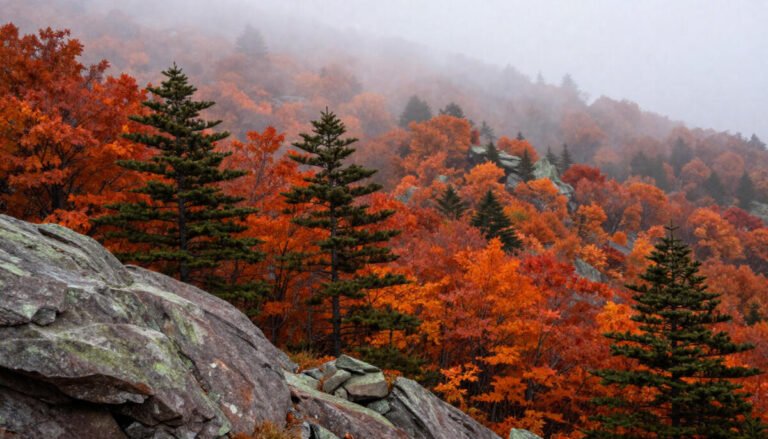
At 6,684 feet, Mount Mitchell is the highest peak east of the Mississippi River, and that elevation creates some of the earliest and boldest fall colors in North Carolina.
Official site: https://www.ncparks.gov/state-parks/mount-mitchell-state-park
Fiery red maples mixed with evergreen spruce and fir
Rolling layers of color stretching across the Black Mountains
Cool, crisp air that feels like true autumn even in early October
Best Spots Inside the Park
Mount Mitchell Observation Deck – 360-degree panoramic fall views
Balsam Nature Trail – Short, scenic walk through high-elevation forest
Deep Gap Trail – For experienced hikers wanting immersive foliage
Best Time to Visit
Late September to early October (earlier than most other NC locations)
Important Tips
Temperatures can be 15–20°F cooler than nearby towns
Fog is common—visit mid-morning for better visibility
Roads may close temporarily due to weather
7. Linville Gorge & Linville Falls – Rugged Autumn Beauty
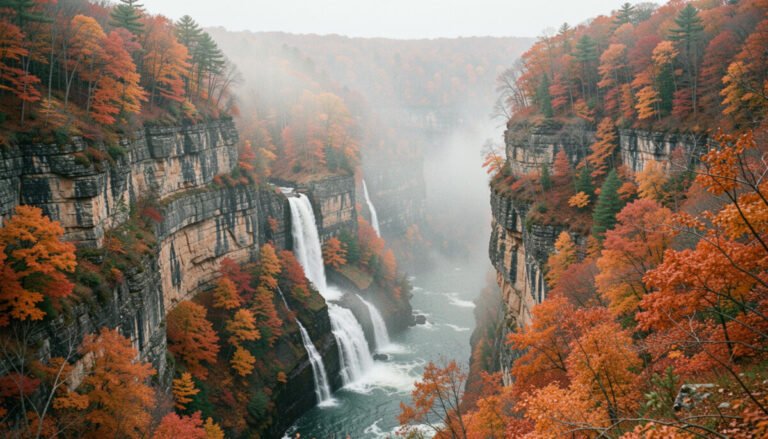
Often called the “Grand Canyon of the East,” Linville Gorge delivers dramatic fall foliage paired with steep cliffs, waterfalls, and untouched wilderness.
Sharp contrast between colorful hardwood forests and dark rock cliffs
Waterfalls framed by autumn leaves
More remote and wild than most popular foliage spots
Best Areas for Fall Views
Linville Falls Visitor Area – Easy access, big visual payoff
Table Rock & Hawksbill Mountain – Challenging hikes with incredible fall panoramas
Wiseman’s View – One of the best overlooks in Western NC
Peak Color Timing
Early to mid-October
Who It’s Best For
Photographers
Experienced hikers
Travelers wanting fewer crowds and raw scenery
8. Dupont State Recreational Forest – Waterfalls + Fall Color
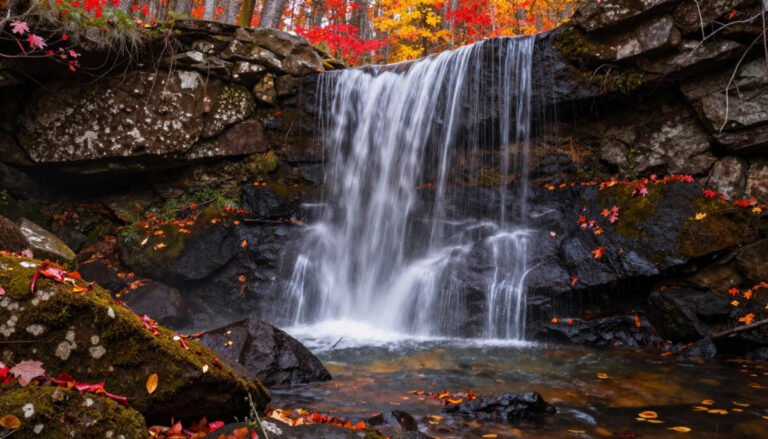
Dupont State Forest is famous for waterfalls, but fall transforms it into one of the most photogenic autumn destinations in North Carolina.
Multiple waterfalls surrounded by bright fall leaves
Wide, well-maintained trails
Excellent balance of accessibility and natural beauty
Must-See Fall Spots
Triple Falls – Layered cascades with colorful trees
High Falls – Dramatic water flow framed by autumn foliage
Hooker Falls – Easy walk, perfect for families
Best Time to Visit
Mid to late October
Tips for Visiting
Arrive early—parking fills up fast during peak weekends
Wear shoes with good traction (wet leaves + rock steps)
Bring a camera; this area shines in fall light
9. Lake Lure & Chimney Rock – Fall Colors with Reflections
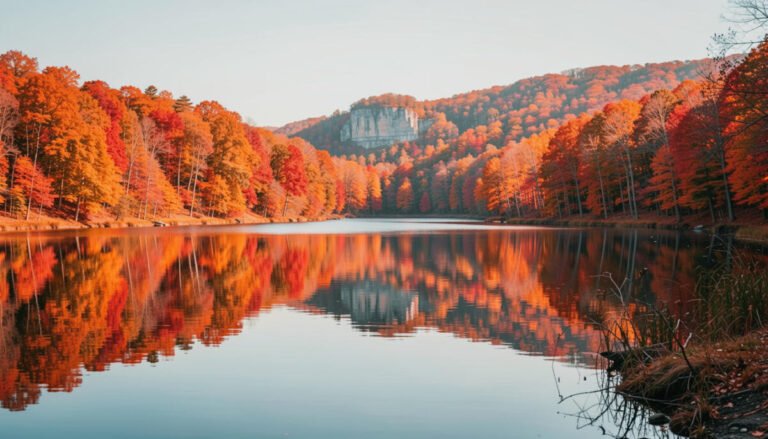
Lake Lure offers a different fall experience: colorful mountains reflected in calm water, creating postcard-worthy scenery.
Fall foliage mirrored on the lake’s surface
Dramatic rock formations rising above autumn forests
Mix of scenic drives, short hikes, and relaxation
Best Places for Fall Views
Chimney Rock State Park – Elevated views over the gorge and lake
Lake Lure Flowering Bridge – Gentle walk with fall colors
Scenic boat tours – Relaxed way to enjoy peak foliage
Best Time to Visit
Mid to late October
Ideal For
Couples
Families
Travelers who want fall beauty without long hikes
10. Uwharrie National Forest – Underrated Fall Color Gem
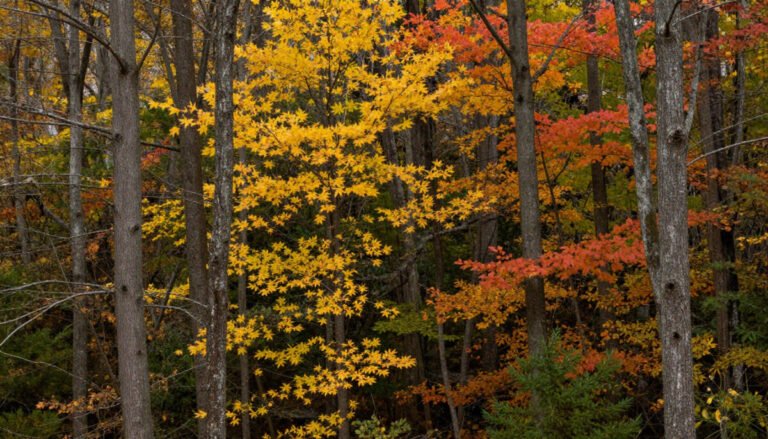
Located in central North Carolina, Uwharrie National Forest is one of the most underrated fall foliage destinations in the state.
Rolling hills covered in oak, hickory, and maple
Fewer tourists than mountain destinations
Excellent late-season color
Best Fall Areas
Morrow Mountain Overlook – Wide views of fall forest
Badin Lake shoreline – Calm water + autumn trees
Uwharrie Trail – Long-distance hiking with steady fall scenery
Peak Color Timing
Late October to early November
Best For
Day trips
Campers
Leaf peepers who want quiet, natural settings
Final Thoughts
Fall foliage in North Carolina isn’t just about finding one perfect spot—it’s about timing, elevation, and choosing the experience you want. The state’s unique geography allows fall colors to roll in gradually, starting in the high mountains and moving east over several weeks. That means if you miss peak color in one area, there’s often another region just beginning to turn.
Whether you’re driving the Blue Ridge Parkway, hiking in the Smokies, exploring waterfall forests, or enjoying late-season color closer to the cities, North Carolina offers one of the longest and most diverse fall foliage seasons in the country. Planning ahead, staying flexible with dates, and watching local updates can make the difference between “nice colors” and a truly memorable fall trip.
Frequently Asked Questions (FAQ)
1. When is the best time to see fall foliage in North Carolina?
Fall color timing depends on elevation. In general:
Late September–early October: High elevations (Mount Mitchell, Smokies)
Mid-October: Blue Ridge Parkway, Asheville area
Late October–early November: Piedmont and central North Carolina
Because the season stretches over several weeks, there’s almost always somewhere in peak color.
2. Where are the best places for fall foliage without hiking?
If you prefer scenic views without strenuous hikes, excellent options include:
The Blue Ridge Parkway overlooks
Kuwohi (Clingmans Dome) observation area
Lake Lure scenic drives
Mountain Waters Scenic Byway (US-64)
Many of North Carolina’s best fall views are accessible directly from the road.
3. Are weekends too crowded during peak fall season?
Popular areas like Asheville, the Blue Ridge Parkway, and the Smokies can be very busy on weekends in October. If possible:
Visit midweek
Arrive early in the morning
Explore lesser-known parks or forest roads
Quieter destinations often provide a more relaxed and enjoyable experience.
4. How does weather affect fall foliage colors?
Cool nights and sunny days help produce brighter reds and oranges. Extended heat, heavy rain, or early frost can shorten peak foliage. Checking local weather forecasts and fall color reports before your trip can help you adjust plans for the best viewing.
5. Is fall foliage still worth seeing outside the mountains?
Absolutely. Central and eastern parts of North Carolina often peak later than the mountains, offering beautiful fall color in state parks, arboretums, and lake areas. These regions are ideal for late-October and early-November trips, especially if mountain colors have already passed.