
Canada’s museum scene is diverse, educational, and full of wonder. Whether you’re an art lover, history buff, or traveling with family, these museums are must-visits in 2026. Here’s an in-depth guide to help you plan.

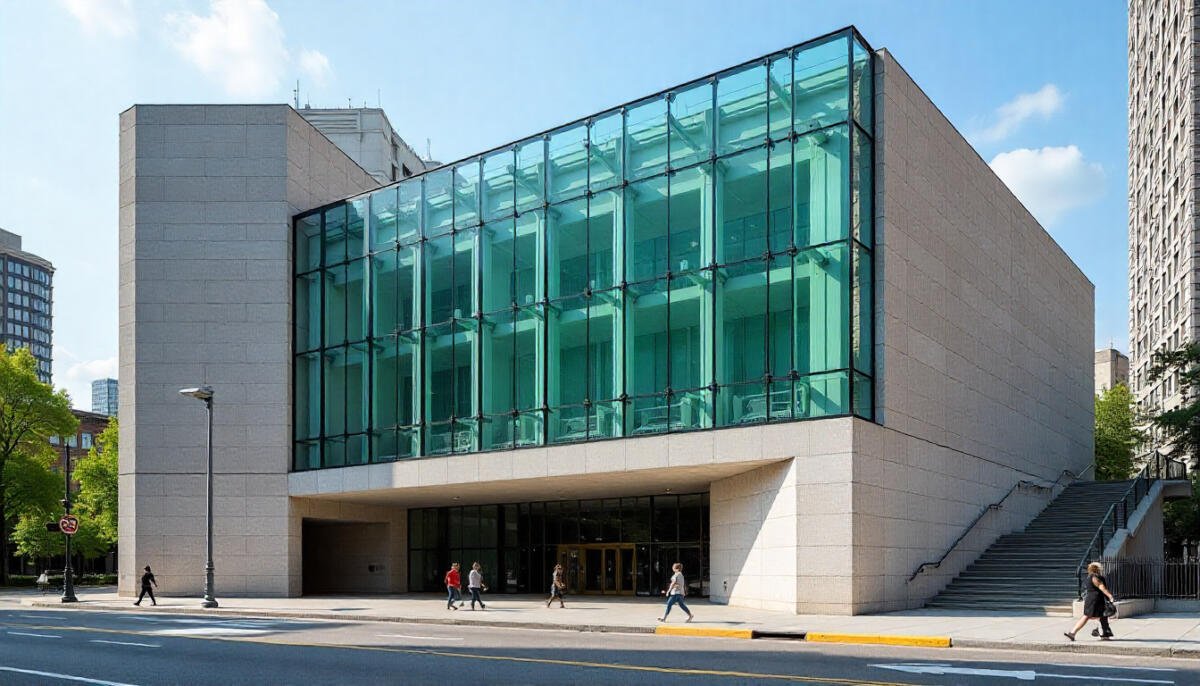
The ROM is Canada’s largest museum, located in Toronto’s vibrant University Avenue district. It’s famous for its modern “Crystal” addition, which contrasts sharply with its historic original building.
Collections: Over 13 million objects in natural history, world cultures, and art. Highlights include:
Dinosaur skeletons and fossils from around the world.
Ancient Egyptian mummies and artifacts.
Chinese Temple art and rare ceramics.
Minerals and gem collections (including meteorites).
Visitor tips:
Buy tickets online to skip the line.
Allow at least 3–4 hours to explore major galleries.
Check for temporary exhibitions, which often include rare international collections.
Family-friendly: Interactive galleries and kids’ workshops make ROM ideal for families.
Website: Royal Ontario Museum
2. Canadian Museum of History (CMH), Gatineau, Quebec
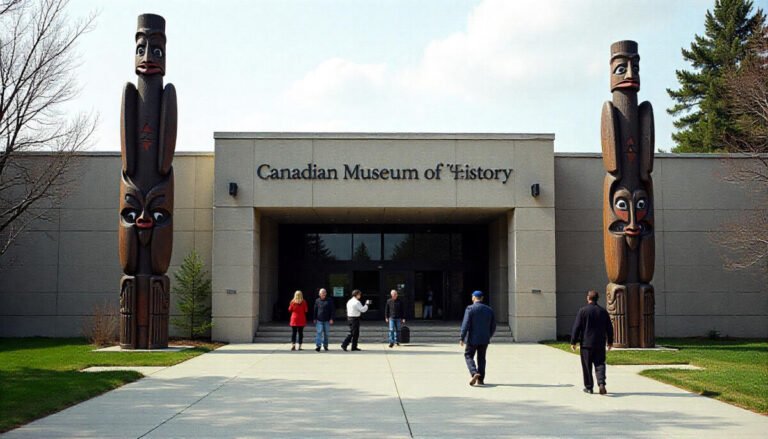
CMH is located right across the river from Ottawa, making it easy to combine with a visit to the nation’s capital. It’s Canada’s national museum dedicated to history and culture.
Collections & Exhibits:
First Peoples Hall: Over 200 artifacts telling Indigenous stories.
Canadian History Hall: Chronicles Canada’s story from pre-contact to modern day.
Grand Hall: Features totem poles, large-scale historical displays, and cultural treasures.
Special Features:
Children’s Museum: Hands-on exhibits for kids.
IMAX films and temporary exhibitions.
Tips:
Allocate 2–3 hours for a complete visit.
Photography allowed in most areas, but check signage for special exhibits.
Website: Canadian Museum of History
3. Museum of Anthropology at UBC (MOA), Vancouver, British Columbia

MOA focuses on Indigenous art and world cultures. The building itself is architecturally stunning, designed by Arthur Erickson with views of mountains and forests.
Collections & Highlights:
Totem poles, masks, and carvings from First Nations of the Pacific Northwest.
Ethnographic objects from around the globe.
Ceremonial and historical artifacts offering insight into traditions and spiritual practices.
Visitor Tips:
Take a guided tour to understand the deeper cultural significance of the collections.
Don’t miss the outdoor sculpture court and the Raven Spirit House.
Ideal visit duration: 2–3 hours.
Website: Museum of Anthropology, UBC
4. Royal Tyrrell Museum of Palaeontology, Drumheller, Alberta
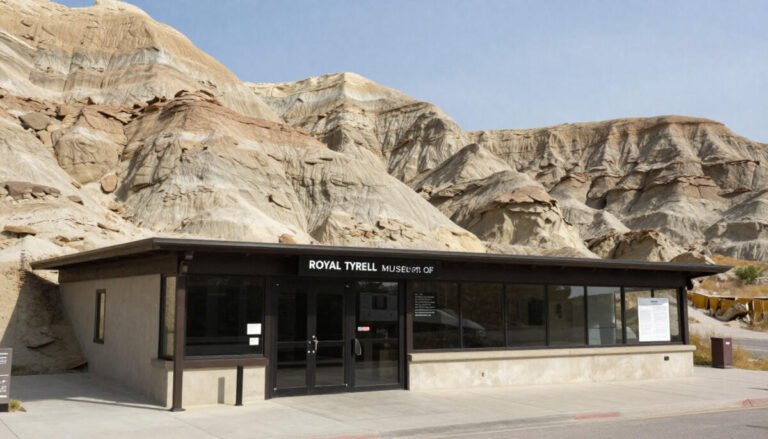
Located in the Alberta Badlands, this museum is world-famous for its dinosaur collections and paleontological research.
Collections & Highlights:
Over 160,000 fossils including complete dinosaur skeletons.
Interactive exhibits: simulated fossil digs, hands-on labs, and fossil casting.
Galleries covering the evolution of life over 3.9 billion years.
Visitor Tips:
Combine your visit with a tour of the Badlands for a unique landscape experience.
Wear comfortable shoes — the museum and surrounding trails involve some walking.
Allocate 2–4 hours to explore fully.
Website: Royal Tyrrell Museum
5. Royal British Columbia Museum (Royal BC Museum), Victoria, British Columbia
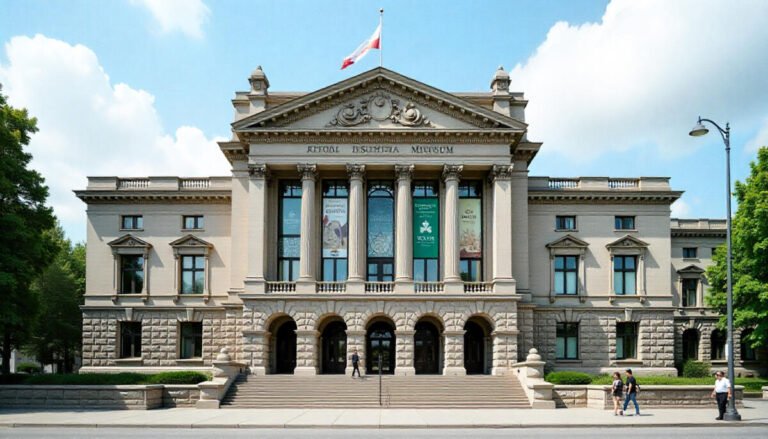
Located in Victoria, this museum combines natural history, cultural history, and Indigenous heritage in one location.
Collections & Highlights:
First Peoples Gallery: Totem poles, ceremonial artifacts, and Indigenous stories.
Natural History: Fossils, wildlife dioramas, and environmental exhibits.
Contemporary and historical artifacts showcasing British Columbia’s development.
Visitor Tips:
Don’t miss the rotating special exhibits, often featuring immersive multimedia.
Guided tours are highly recommended for deeper context.
Ideal visit duration: 2–3 hours.
Website: Royal BC Museum
6. Art Gallery of Ontario (AGO), Toronto, Ontario

One of the largest art museums in North America, designed by Frank Gehry, the AGO houses over 90,000 works spanning classical to contemporary art.
Collections & Highlights:
Canadian art, including Group of Seven masterpieces.
European paintings from the Renaissance to modern era.
Contemporary installations and photography exhibits.
Visitor Tips:
Free admission on Wednesday evenings (check schedule).
Guided tours provide insight into Canadian and Indigenous art.
Allow 2–3 hours for a complete visit.
Website: Art Gallery of Ontario
7. Montreal Museum of Fine Arts (MMFA), Montreal, Quebec
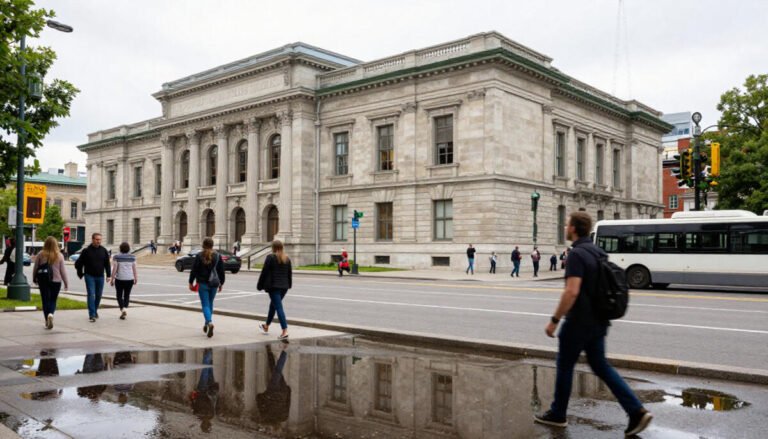
One of Canada’s most prestigious art museums, the MMFA features international and Canadian art collections.
Collections & Highlights:
European art including works by Monet, Rembrandt, and Picasso.
Canadian art from historical to contemporary periods.
Decorative arts, design, and global art exhibitions.
Visitor Tips:
Free admission to the permanent collection for students on certain days.
Temporary exhibitions are often world-class, so check online before visiting.
Allocate 2–3 hours.
Website: Montreal Museum of Fine Arts
8. Canadian War Museum, Ottawa, Ontario
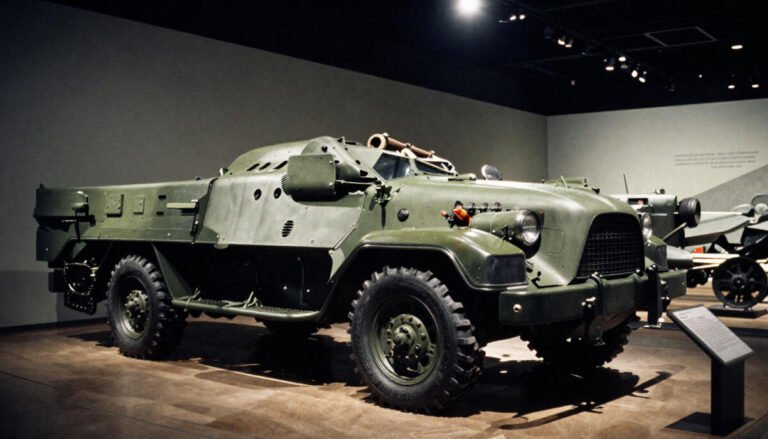
This museum explores Canada’s military history from conflicts in the 16th century to modern peacekeeping missions.
Collections & Highlights:
Weapons, uniforms, vehicles, and personal artifacts of soldiers.
Immersive galleries depicting major conflicts, including both World Wars and contemporary missions.
Multimedia displays and interactive exhibitions.
Visitor Tips:
Great for history buffs and educational family visits.
Free guided tours available daily.
Allocate 2–3 hours.
Website: Canadian War Museum
9. Science and Technology Museum, Calgary, Alberta

Perfect for families and curious minds, this museum showcases innovation, science, and technology from the past to the present.
Collections & Highlights:
Historic and modern trains, planes, and vehicles.
Interactive exhibits on robotics, space, and energy.
Educational programs for children and teens.
Visitor Tips:
Great for hands-on learning experiences.
Check schedule for special workshops or science demonstrations.
Allocate 2–3 hours.
Website: TELUS Spark – Science Centre
10. Aga Khan Museum, Toronto, Ontario

A museum dedicated to Islamic art, culture, and heritage, featuring rare manuscripts, ceramics, textiles, and jewelry.
Collections & Highlights:
Islamic and Muslim civilizations’ art from the 8th to 19th centuries.
Temporary exhibitions featuring global contemporary Islamic art.
Beautiful gardens and architecture designed to blend modernity with tradition.
Visitor Tips:
Guided tours help to contextualize the rich cultural artifacts.
Allocate 1–2 hours.
The museum often hosts cultural performances, lectures, and workshops.
Website: Aga Khan Museum
Discover the Best Museums in Other Countries
Step into the world’s most fascinating museums beyond your own country. From ancient artifacts and iconic art collections to modern exhibits and cultural treasures, explore must-visit museums around the globe.
- 25 Best Museums in the USA to Visit in 2026 – Cultural & Historical
- 20 Best Museums in the UK to Visit in 2026 (Top & Must-See Picks)
- Top 15 Museums in Australia (2026) Cultural & Historical Attractions
Final Thoughts
Canada’s museums are more than just buildings with exhibits—they are windows into the country’s rich history, diverse cultures, and scientific wonders. From the prehistoric dinosaur halls of the Royal Tyrrell Museum to the stunning art collections at the Art Gallery of Ontario and the Aga Khan Museum, each museum offers a unique experience that appeals to families, students, and cultural enthusiasts alike.
Visiting these top 10 museums in 2026 ensures a balanced journey through art, history, science, and Indigenous heritage. Planning ahead, combining museums by region, and allowing sufficient time for immersive experiences will make your trip memorable. Whether you are a local exploring your own country or an international visitor, Canada’s museums promise inspiration, education, and cultural enrichment.
Frequently Asked Questions (FAQ)
1. Which Canadian museum is best for families with children?
The Royal Tyrrell Museum of Palaeontology in Alberta and the Canadian Museum of History in Gatineau are highly family-friendly. Both have interactive exhibits, hands-on activities, and educational programs suitable for children of all ages.
2. Are Canada’s top museums wheelchair accessible?
Yes, most major museums, including ROM, MOA, AGO, and the Royal BC Museum, are fully wheelchair accessible, with elevators, ramps, and accessible washrooms. Always check the museum’s website for the latest accessibility information.
3. Can I buy tickets online for these museums?
Yes. Most museums offer online ticketing to avoid long lines. For example, you can book tickets for ROM or CMH directly on their websites.
4. How much time should I allocate for visiting these museums?
Plan at least 2–4 hours per museum, depending on size. Larger museums like ROM and MOA may require half a day to explore fully, especially if you want to see multiple galleries or attend special exhibitions.
5. Are there any seasonal exhibits or events to watch for in 2026?
Yes, many museums host temporary exhibitions, workshops, or festivals. For example, the Aga Khan Museum often features cultural performances and contemporary Islamic art exhibits, while ROM and MMFA host special international exhibitions. Check museum websites in advance for event schedules.