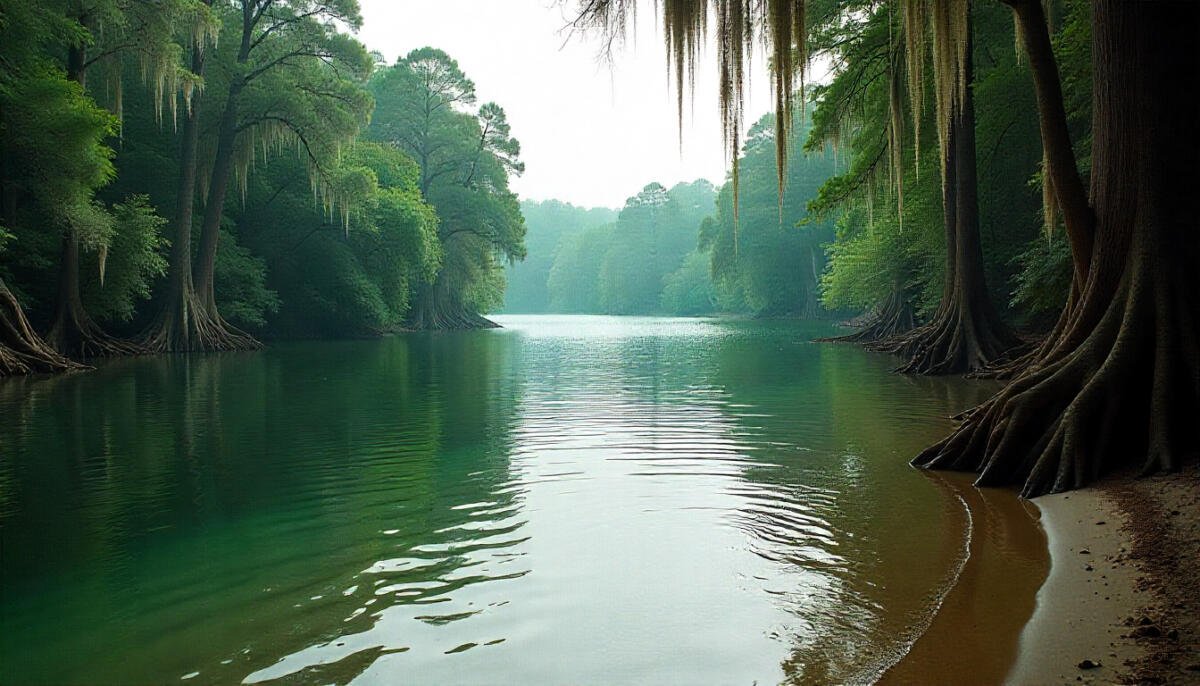
Georgia’s rivers are the backbone of the state’s freshwater fishing culture. Unlike lakes, river fishing demands patience, observation, and an understanding of current, structure, and seasonal fish movement. In return, rivers reward anglers with stronger fish, fewer crowds, and a more authentic fishing experience. After years of local reports, angler feedback, conservation data, and on-water results, these are the ten best river fishing spots in Georgia for 2026 — places where success isn’t luck, it’s consistent.
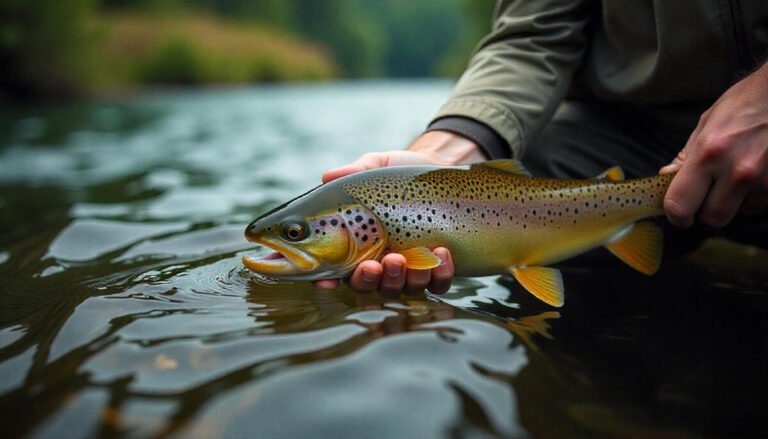
The Flint River is widely regarded as the most important freshwater river fishery in Georgia, especially for anglers who appreciate native species and moving water challenges.
Learn more about the river ecosystem at Flint River Water Trail
One of the longest free-flowing rivers in the U.S.
No major dams in its lower section, allowing natural fish migration
Diverse structure: shoals, deep pools, limestone ledges, and sandy runs
Fish Species You’ll Find
Shoal Bass (Native species) – aggressive, powerful, and unique to the region
Largemouth & spotted bass
Redbreast sunfish (excellent for light tackle)
Channel & flathead catfish
Best Areas to Fish
Albany to Bainbridge for shoal bass and sunfish
Sprewell Bluff & Fall Line areas for mixed species
Rocky shoals during low-to-moderate flow
Best Time to Fish
March–June: Peak shoal bass activity
Early morning & late evening: Best topwater action
Late summer: Catfish dominate deeper holes
- Insight: Shoal bass prefer fast water near rock ledges. If you’re not losing a lure occasionally, you’re probably not fishing the right structure.
2. Chattahoochee River — Trout & Striped Bass Haven
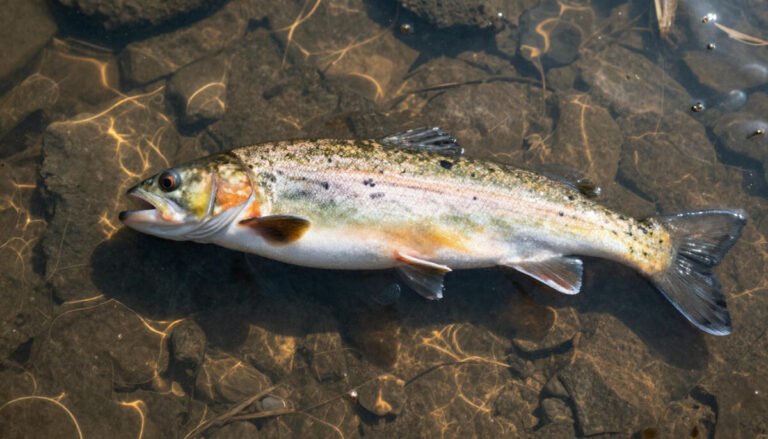
Flowing from the North Georgia mountains down toward the Gulf, the Chattahoochee River offers one of the most diverse river fisheries in the Southeast.
Official fishing info: Chattahoochee River National Recreation Area
Cold tailwater below Buford Dam supports year-round trout
Managed stocking program by Georgia DNR
Easily accessible riverbanks and wade-fishing areas
Fish Species
Rainbow trout
Brown trout (often large and wary)
Striped bass (downstream sections)
Spotted bass
Top Fishing Sections
Below Buford Dam: Fly fishing hotspot
Bowmans Island: Popular but productive
Delayed Harvest Zones: Catch-and-release trout fishing
Best Seasons
Fall through spring: Trout thrive in cooler water
Winter: Excellent clarity and aggressive feeding
Summer: Early mornings before water release
- Tip: Always check dam release schedules. Rising water levels can change fishing conditions quickly.
3. Oconee River — Quiet, Productive & Underrated
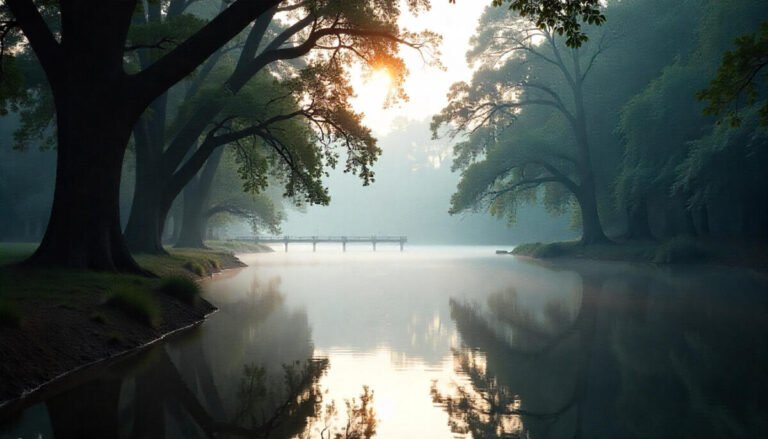
The Oconee River flows through central Georgia and remains one of the most peaceful and under-fished river systems in the state.
Less pressure compared to larger rivers
Slow-moving sections ideal for beginners
Excellent bank fishing opportunities
Common Fish Species
Largemouth bass
Bluegill & redear sunfish
Crappie
Channel catfish
Best Fishing Areas
Near Dublin and Milledgeville
Public boat ramps and ferry crossings
Sandbar edges and submerged timber
When to Go
Spring: Bass move shallow
Summer nights: Catfish action increases
Fall: Consistent panfish bites
- Tip: This river is perfect for family trips, kayak fishing, or anglers who enjoy slow, methodical fishing.
4. Altamaha River — Big Fish, Big Water
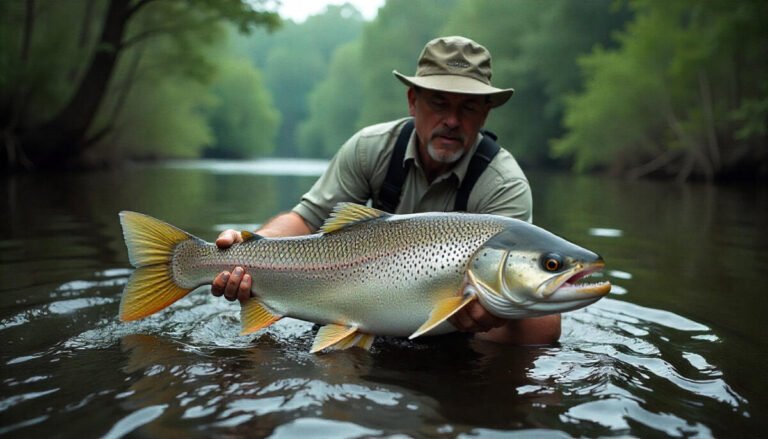
The Altamaha River is Georgia’s largest river system and a dream destination for anglers seeking trophy-sized fish.
Flathead & blue catfish (some over 50 lbs)
Largemouth bass
Striped bass
Redbreast sunfish
Why It’s Special
Massive floodplain supports healthy fish populations
Mix of freshwater and tidal influence
Productive year-round fishing
Best Time
Late spring & summer: Catfish peak
Fall: Bass feeding aggressively before winter
- Note: Due to its size, boat control and safety awareness are essential on this river.
5. Coosa River — Fast Action & Strong Current
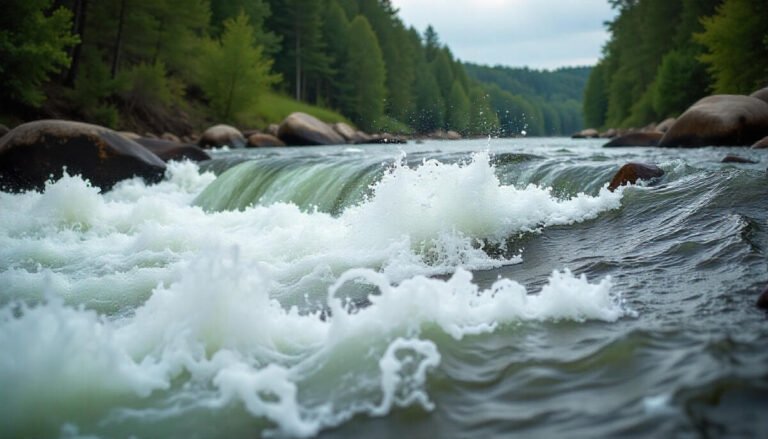
The Coosa River in northwest Georgia is ideal for anglers who enjoy current-oriented fishing and aggressive bass strikes.
Spotted bass
Largemouth bass
Crappie
Catfish
Why Fish Here
Strong current concentrates fish
Consistent bass action
Productive bank and boat fishing
Best Spots
Near Rome, GA
Below dams and rocky shoals
Current breaks and eddies
- Best Lures: Spinnerbaits, crankbaits, and soft plastics that can hold in moving water.
6. Savannah River — Border Waters with Big Potential
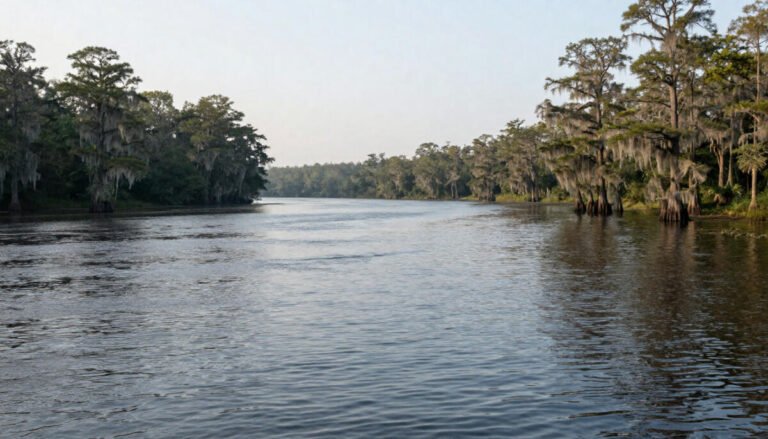
The Savannah River, forming Georgia’s eastern border, is one of the most versatile river fisheries in the state. Its long stretch offers everything from freshwater bass fishing to brackish-water action closer to the coast.
Largemouth bass
Striped bass & hybrid bass
Blue, channel & flathead catfish
Bream and crappie
Why Anglers Love It
Long fishing season with year-round opportunities
Multiple public access points and boat ramps
Productive backwaters, oxbows, and current breaks
Best Fishing Areas
Above Clarks Hill (Lake Thurmond)
Slow-moving bends near floodplain forests
Creek mouths feeding into the river
- Tip: After heavy rain, fish the calmer backwater pockets — bass and catfish push in to feed.
7. Withlacoochee River — South Georgia’s Hidden Gem
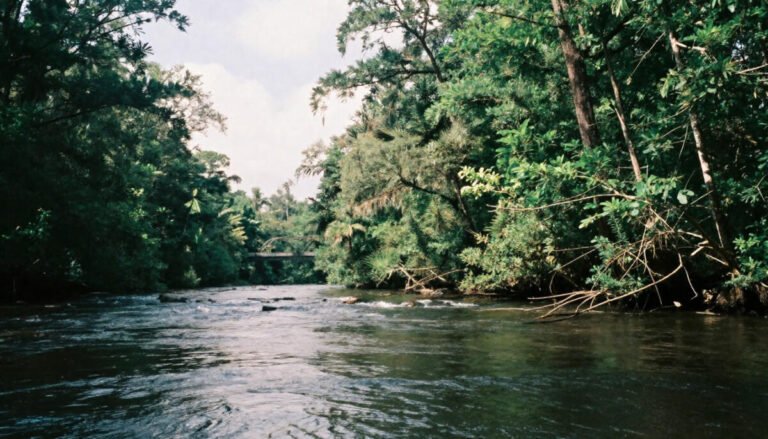
The Withlacoochee River (not to be confused with Florida’s river of the same name) flows through South Georgia and is often overlooked — which is exactly why it fishes so well.
Largemouth bass
Chain pickerel
Suwannee bass
Channel catfish
Why It’s Worth Your Time
Minimal fishing pressure
Excellent kayak and bank fishing
Natural structure: fallen timber, bends, and undercut banks
Best Time to Fish
Spring: Bass shallow and aggressive
Summer: Early mornings and shaded banks
Fall: Consistent action as water cools
- Best Baits: Soft plastics, shallow crankbaits, live worms near structure.
8. Etowah River — Small River, Big Rewards
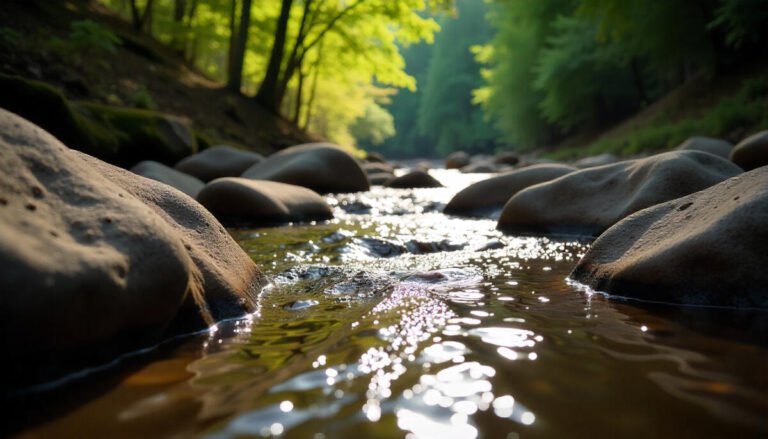
Flowing from the North Georgia mountains, the Etowah River is perfect for anglers who enjoy smaller rivers with clear water and active fish.
Spotted bass
Redbreast sunfish
Largemouth bass
Catfish
Why It’s a Favorite
Wade-friendly sections
Great for light tackle fishing
Scenic, peaceful environment
Top Areas
Near Dawsonville and Canton
Shoals and riffles with moving water
Downstream of bridge crossings
- Insight: Ultralight spinning gear turns this river into a non-stop action fishery during warmer months.
9. Ogeechee River — Wild, Remote, and Productive
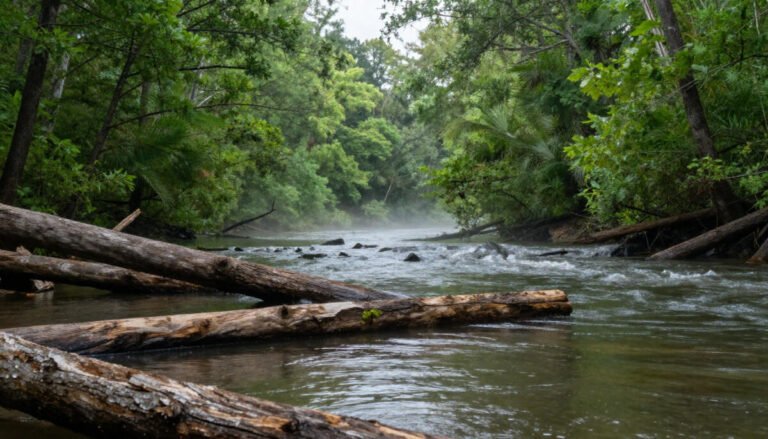
The Ogeechee River is one of Georgia’s most natural river systems, flowing freely without major dams — a major reason its fish populations remain strong.
Largemouth bass
Redbreast sunfish
Catfish
Crappie
Why Serious Anglers Fish Here
Healthy ecosystem and natural flow
Less development along the banks
Excellent bank and small-boat fishing
Best Fishing Conditions
Slightly stained water
Stable water levels after rainfall
Early morning feeding periods
- Note: Some areas are remote — bring supplies and check access points ahead of time.
10. Tallapoosa River (Georgia Section) — Fast Water Action
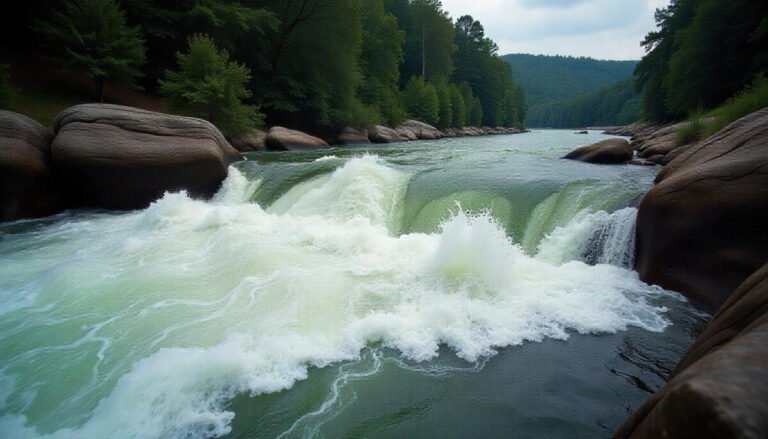
The Tallapoosa River crosses into west Georgia and offers excellent current-driven fishing, especially for bass anglers who enjoy moving water challenges.
Spotted bass
Largemouth bass
Crappie
Catfish
Why It Belongs on This List
Rocky shoals concentrate fish
Strong current creates predictable holding spots
Consistent action during warm months
Best Areas
Near Heflin & Tallapoosa crossings
Below shoals and current seams
Eddies behind rock formations
- Best Lures: Jigs, spinnerbaits, and soft plastics that stay near the bottom.
Final Thoughts
Fishing Georgia’s rivers in 2026 is about more than just catching fish — it’s about understanding the rhythm of moving water, respecting native species, and choosing locations that consistently produce. From the shoal bass-rich Flint River to the remote bends of the Ogeechee and the cold tailwaters of the Chattahoochee, Georgia offers one of the most diverse river fishing experiences in the Southeast.
What makes these rivers special is their balance of accessibility and wildness. Whether you’re fishing from the bank, drifting in a kayak, or launching a boat at dawn, each river on this list rewards anglers who take time to read the water and fish responsibly. With proper preparation, the right seasonal timing, and respect for regulations, Georgia’s river fisheries will continue to thrive — and so will your fishing success.
Frequently Asked Questions (FAQ)
1. What is the best river to fish in Georgia?
The Flint River is widely considered the best overall river for fishing in Georgia due to its healthy ecosystem, minimal dam interference, and strong populations of shoal bass, sunfish, and catfish. It’s especially popular among anglers who prefer natural, free-flowing water.
2. Do I need a fishing license to fish Georgia rivers?
Yes. Anyone age 16 or older must have a valid Georgia fishing license to fish in rivers, whether from the bank or a boat. Licenses are available online through the Georgia Department of Natural Resources and help support conservation efforts.
3. What is the best time of year for river fishing in Georgia?
Spring and fall are generally the best seasons for river fishing in Georgia. During these months, water temperatures are stable, fish are more active, and river levels are often ideal. Summer can also be productive early in the morning or late in the evening, especially for catfish.
4. Is river fishing better than lake fishing in Georgia?
River fishing offers a different experience than lakes. Rivers often have fewer crowds, stronger fish due to current, and more natural structure. While lakes may produce larger numbers of fish, rivers tend to reward anglers who understand current, depth changes, and seasonal movement.
5. What gear works best for Georgia river fishing?
A medium spinning or baitcasting setup with 8–15 lb line works well for most Georgia rivers. For trout fishing, lighter gear or fly rods are recommended. Focus on lures or baits that perform well in current, such as soft plastics, jigs, live worms, and spinnerbaits.