
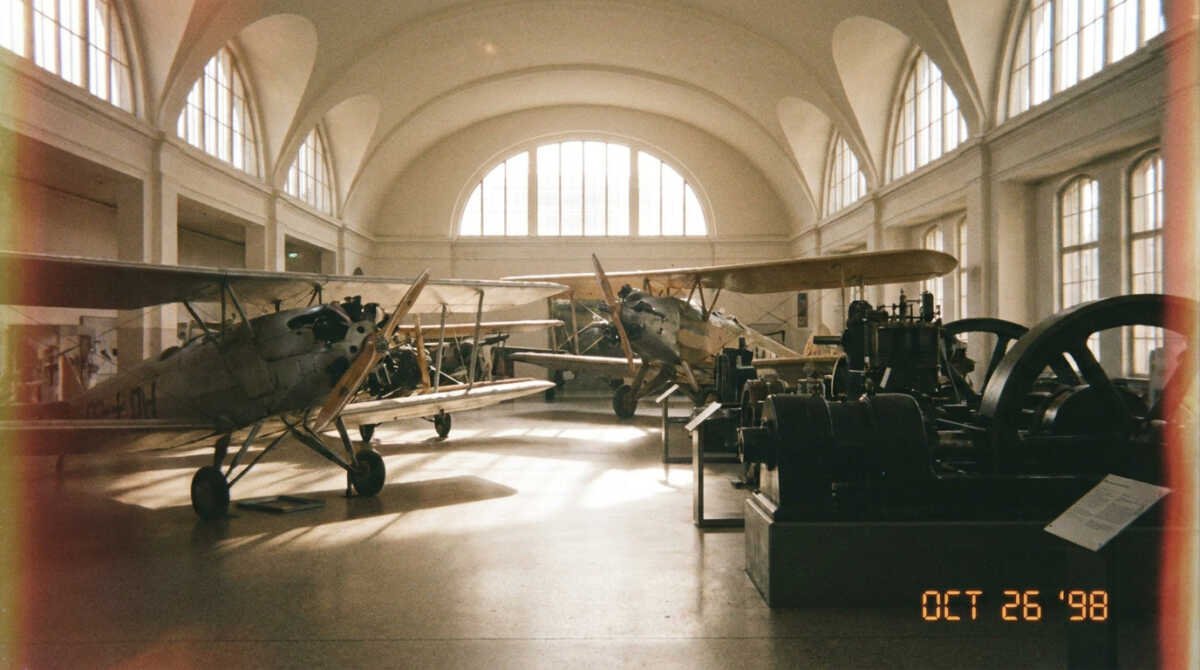
Germany is a country where history, art, science, and culture come together in fascinating ways. From ancient historical collections to modern interactive exhibitions, its museums offer visitors an opportunity to explore the stories that have shaped the country and the wider world. Whether you are interested in historical discoveries, impressive inventions, classic automobiles, or natural history, Germany has a museum worth adding to your travel itinerary. Some museums take visitors thousands of years into the past, while others introduce the latest developments in science and technology. In this guide, I will explore 15 fascinating museums in Germany that deserve a place on your travel list in 2026. Each museum offers a different experience, making them interesting destinations for tourists, families, students, and anyone who enjoys discovering something new.
1. Deutsches Museum, Munich
The Deutsches Museum in Munich is one of the most fascinating destinations in Germany for anyone interested in science, technology, and innovation. Located on an island in the Isar River, this impressive museum brings scientific discoveries and technological developments to life through exhibitions, original objects, and interactive displays.
Founded in 1903, the museum has developed into one of the world’s major museums dedicated to science and technology. Its collection covers a wide range of subjects, including aviation, astronomy, physics, chemistry, energy, transportation, and communication.
One of the best things about visiting the Deutsches Museum is that you do not have to be a science expert to enjoy it. Many exhibitions explain complicated ideas in ways that are easy to understand. Visitors can explore historical inventions, discover how machines work, and learn how scientific research has changed everyday life.
The museum is particularly interesting for families and students because its interactive stations make learning more enjoyable. You can easily spend several hours exploring its different exhibition areas.
Extensive exhibitions covering science and technology.
Interesting displays about aviation, space, and transportation.
Interactive experiments and educational activities.
Historical inventions and important scientific developments.
A great destination for families, students, and curious travellers.
- Location: Museumsinsel 1, Munich, Germany.
- Travel Tip: Plan at least three to four hours for your visit. The museum has a large exhibition space, so choosing your favourite sections beforehand can help you make the most of your time.
2. Deutschlandmuseum, Berlin

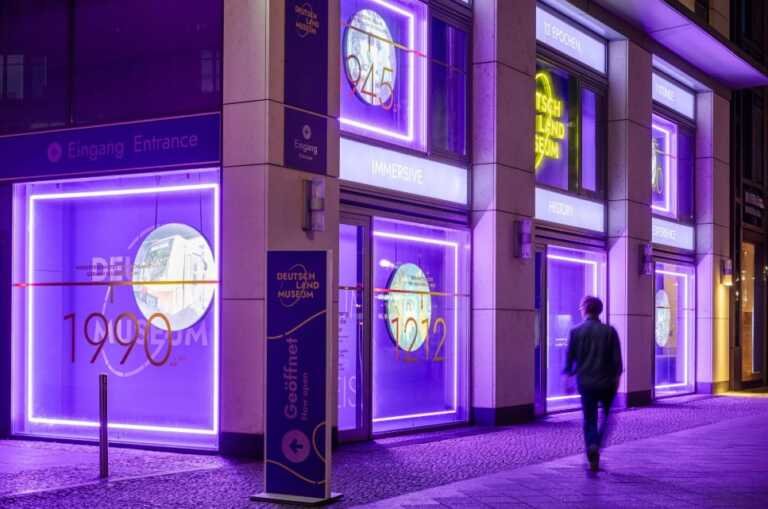
If you want to experience German history in a more interactive and entertaining way, the Deutschlandmuseum in Berlin is an excellent place to visit. Unlike traditional museums where visitors mainly look at objects behind glass, this museum uses immersive environments to bring historical periods to life.
The museum takes visitors on a journey through approximately 2,000 years of German history. Its exhibitions feature recreated historical settings, atmospheric lighting, sounds, and visual effects that make the experience feel different from an ordinary museum visit.
You can explore important periods of German history, from the ancient world and medieval times to more recent historical developments. The displays help visitors understand how people lived, how societies changed, and how important historical events influenced modern Germany.
What makes this museum particularly interesting is its approach to storytelling. Instead of simply reading dates and historical information, visitors can experience different historical environments as they move through the exhibition.
It is a good choice for international tourists who want to understand German history without spending an entire day reading traditional exhibition descriptions.
An immersive journey through approximately 2,000 years of German history.
Recreated historical environments and interactive storytelling.
Interesting visual and sound effects.
An engaging experience for families and younger visitors.
A convenient location near Potsdamer Platz in Berlin.
- Location: Leipziger Platz 7, Berlin, Germany.
- Official Website: Explore the Deutschlandmuseum
- Travel Tip: Allow around 60–90 minutes for your visit. Booking a time-slot ticket in advance is recommended, particularly during busy tourist periods.
3. Germanisches Nationalmuseum, Nuremberg
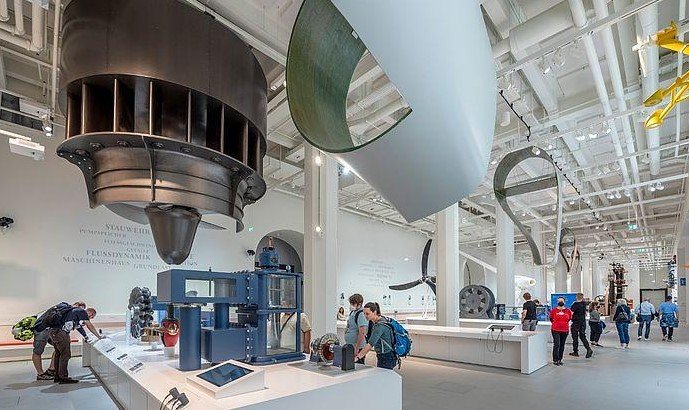
For travellers who love history, traditional art, and cultural heritage, the Germanisches Nationalmuseum in Nuremberg is a destination worth exploring. Established in 1852, it is one of the most important museums dedicated to German-speaking cultural history.
The museum takes visitors on a remarkable journey through different periods of European and German history. Its extensive collection includes paintings, sculptures, historical objects, archaeological discoveries, musical instruments, and everyday items from earlier centuries.
One of the most interesting aspects of this museum is the variety of objects on display. You can discover how people lived in prehistoric times, explore medieval artistic traditions, and learn about the development of German culture through different historical periods.
Art enthusiasts will particularly appreciate works connected with famous artists such as Albrecht Dürer and Rembrandt. The museum also features an impressive collection of historical musical instruments, making it an interesting destination for music lovers.
Another fascinating feature is its architecture. The museum combines historic buildings, including parts of a former Carthusian monastery, with modern exhibition spaces. This mixture gives the destination a distinctive atmosphere.
If you want to understand Germany beyond its famous castles and beautiful cities, this museum provides an excellent introduction to its cultural development.
One of the largest cultural history museums in the German-speaking world.
Collections covering prehistoric times to the modern period.
Paintings and artworks by internationally recognised artists.
An impressive collection of historical musical instruments.
A fascinating combination of historic and modern architecture.
- Location: Kartäusergasse 1, Nuremberg, Germany.
- Travel Tip: Give yourself at least two to three hours to explore the collections. If you enjoy art and cultural history, you may want to spend even longer discovering the different exhibition sections.
4. Mercedes-Benz Museum, Stuttgart
Germany is famous for its automobile industry, and Stuttgart is one of the most important cities associated with the development of modern cars. The Mercedes-Benz Museum is an excellent destination for anyone interested in automobiles, engineering, design, and innovation.
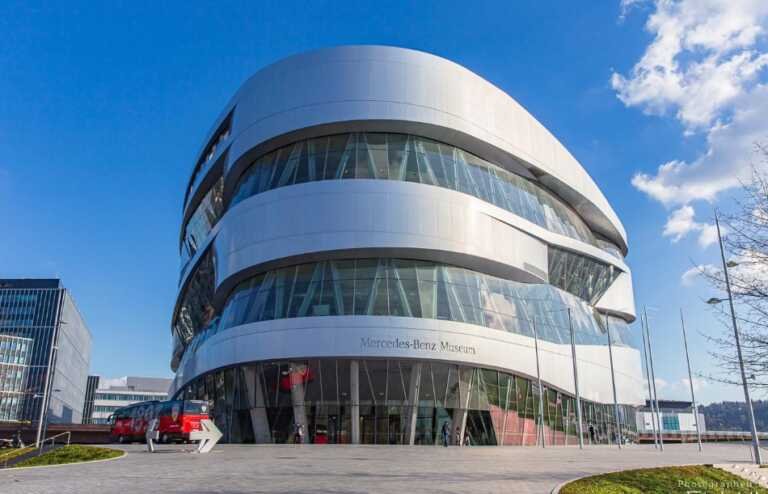
Opened in 2006, the museum presents the history of the Mercedes-Benz brand and the wider development of the automobile. Its futuristic building is inspired by a double-helix DNA structure, making the architecture an attraction in its own right.
Inside, visitors can explore nine exhibition levels featuring approximately 160 vehicles and more than 1,500 exhibits. The journey begins in 1886, the year associated with Carl Benz’s first automobile, and continues through different periods of automotive development.
One of the highlights is the Benz Patent Motor Car Number 1, which represents an important milestone in automobile history. Visitors can also discover classic Mercedes-Benz models, historic racing cars, commercial vehicles, and examples of automotive engineering.
The museum’s two exhibition routes make the visit particularly interesting. One focuses on the history and development of the brand, while the other presents different vehicle collections.
Even if you are not a serious car enthusiast, the museum offers an enjoyable experience because it combines technology, design, history, and impressive displays.
Approximately 160 vehicles displayed across nine levels.
A fascinating journey through automobile history beginning in 1886.
Historic racing cars and legendary Silver Arrows.
An impressive collection of classic and modern vehicles.
Unique futuristic architecture inspired by DNA.
- Location: Mercedesstraße 100, Stuttgart, Germany.
- Official Website: Discover the Mercedes-Benz Museum
- Travel Tip: Plan approximately two to three hours for your visit. Consider taking the audio guide to learn more about the vehicles and the stories behind important automotive developments.
5. Museum für Naturkunde (Natural History Museum), Berlin
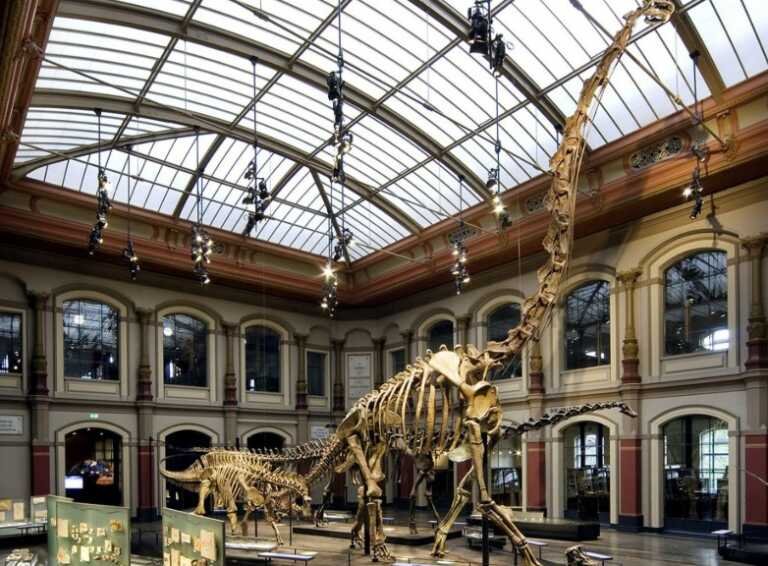
The Museum für Naturkunde in Berlin is one of Germany’s most fascinating destinations for visitors interested in dinosaurs, fossils, wildlife, and the natural world. It offers an opportunity to discover how life on Earth has developed over millions of years.
The museum is particularly famous for its impressive dinosaur exhibition. When visitors enter the main dinosaur hall, they are greeted by the enormous skeleton of Giraffatitan brancai, which is recognised as the world’s largest mounted dinosaur skeleton.
Another important attraction is the famous Archaeopteryx fossil, which provides valuable evidence for understanding the evolutionary relationship between dinosaurs and birds.
Beyond dinosaurs, the museum contains fascinating collections covering zoology, minerals, evolution, and biodiversity. Visitors can learn about different animal species, the development of the planet, and the scientific discoveries that have helped researchers understand the natural world.
The museum also combines public exhibitions with scientific research. Its collection contains more than 30 million objects, making it an important research institution as well as a popular tourist attraction.
For families travelling with children, this museum can be particularly enjoyable. Large dinosaur displays and fascinating natural history collections make learning about science more exciting.
The world’s largest mounted dinosaur skeleton.
Famous fossils, including Archaeopteryx.
Extensive collections covering wildlife and biodiversity.
Interesting exhibitions about evolution and Earth’s history.
An educational destination for families, students, and science lovers.
- Location: Invalidenstraße 43, Berlin, Germany.
- Official Website: Visit the Museum für Naturkunde Berlin
- Travel Tip: Set aside two to three hours to explore the museum. Check the official website before travelling because exhibitions and displays may change as the museum continues its development and renovation programme.
6. Pergamon Museum, Berlin
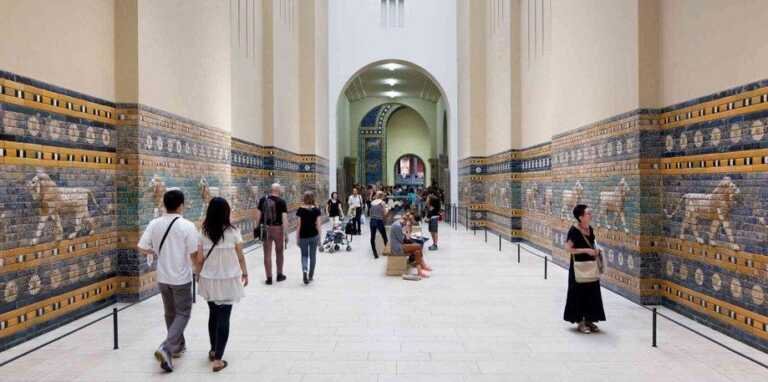
The Pergamon Museum in Berlin is one of Germany’s most internationally recognised archaeological museums. It is particularly famous for its monumental ancient architectural collections, which have attracted visitors interested in history and archaeology from around the world.
The museum is part of Berlin’s Museum Island and has traditionally displayed extraordinary ancient structures and archaeological discoveries from different civilisations.
Among its most famous historical treasures are the Ishtar Gate from ancient Babylon, the Market Gate of Miletus, and important collections of Islamic art. These remarkable objects help visitors understand the architecture, artistic traditions, and cultural achievements of ancient societies.
The museum has been undergoing extensive renovation, so visitors should be aware that access to its galleries is restricted. The Pergamonmuseum’s central building is closed during the renovation period, with the Pergamon Museum exhibition available in a temporary exhibition building.
For anyone fascinated by ancient civilisations, this museum remains an important name in Germany’s cultural landscape.
Famous archaeological collections from ancient civilisations.
The remarkable Ishtar Gate of Babylon.
Important examples of ancient architecture.
Impressive Islamic art collections.
A significant part of Berlin’s Museum Island heritage.
- Location: Bodestraße 1–3, Berlin, Germany.
- Travel Tip: Check the official website before visiting because renovation work affects access to the museum’s historic building and collections.
7. BMW Museum, Munich
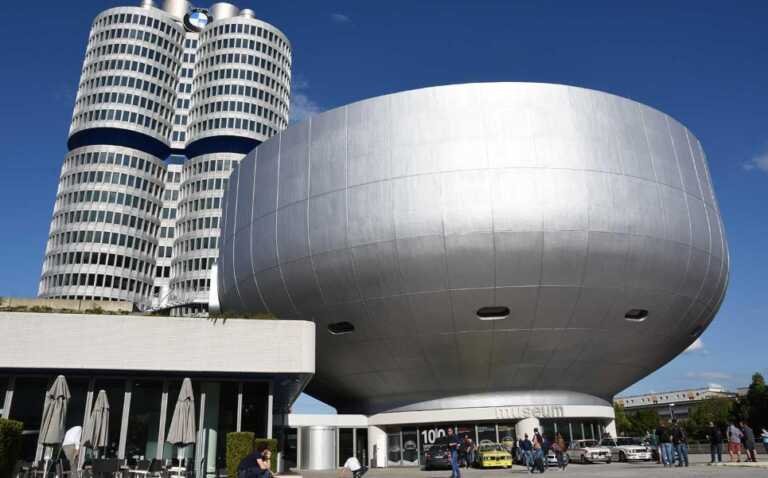
Munich is home to another fantastic destination for automobile enthusiasts: the BMW Museum. This museum offers an exciting journey through the history of one of Germany’s most famous automotive brands.
Located beside BMW’s headquarters and the iconic BMW Welt, the museum showcases the company’s development from its early beginnings to its modern achievements in vehicle engineering and design.
Visitors can explore classic BMW automobiles, motorcycles, racing vehicles, and innovative concept cars. The exhibitions explain how the brand developed its identity and contributed to changes in the automotive industry.
One of the highlights is the collection of historic vehicles, which demonstrates how automobile design has evolved over several decades. Visitors can also discover the technology and creative thinking behind BMW’s engineering achievements.
The museum’s architecture is another attraction. Its distinctive circular building is often associated with a futuristic bowl, making it an interesting landmark in Munich.
Whether you are a car enthusiast or simply curious about German engineering, the BMW Museum offers an enjoyable experience.
Historic BMW cars and motorcycles.
Impressive racing and concept vehicles.
Exhibitions about automotive innovation.
Unique modern architecture.
Close proximity to BMW Welt.
- Location: Am Olympiapark 2, Munich, Germany.
- Official Website: Visit the BMW Museum
- Travel Tip: Combine your museum visit with BMW Welt, which offers additional displays and experiences related to the BMW brand.
8. Jewish Museum Berlin, Berlin
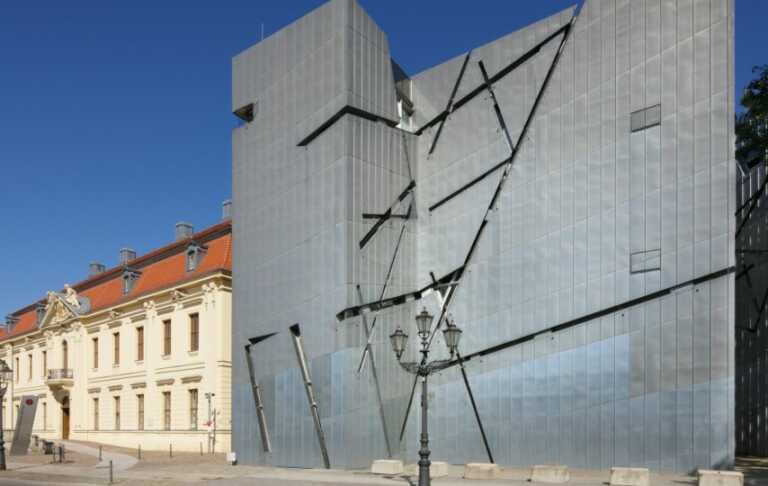
The Jewish Museum Berlin is one of the most meaningful cultural destinations in Germany. It tells the story of Jewish life in Germany and explores the history, traditions, achievements, and experiences of Jewish communities over many centuries.
Opened in 2001, the museum is particularly famous for its striking architecture, designed by architect Daniel Libeskind. Its unusual building features sharp angles, dramatic spaces, and carefully designed architectural elements that encourage visitors to reflect on history and memory.
Inside, visitors can explore exhibitions about Jewish culture, religious traditions, everyday life, and the relationship between Jewish communities and German society. Historical objects, photographs, personal stories, and multimedia displays help bring these subjects to life.
One of the most memorable areas is the Garden of Exile, where visitors can experience an unusual outdoor installation that represents displacement and the challenges of exile.
The museum offers more than historical information. It provides an opportunity to understand the importance of cultural diversity, remembrance, and preserving historical stories for future generations.
Fascinating exhibitions about Jewish history and culture.
Distinctive architecture by Daniel Libeskind.
Personal stories and historical photographs.
The memorable Garden of Exile.
Educational exhibitions exploring identity and cultural heritage.
- Location: Lindenstraße 9–14, Berlin, Germany.
- Official Website: Visit the Jewish Museum Berlin
- Travel Tip: Allow around two to three hours to explore the exhibitions. Take time to read the personal stories because they provide a deeper understanding of the museum’s collections.
9. German Museum of Technology, Berlin

The German Museum of Technology (Deutsches Technikmuseum) is a fantastic destination for visitors who want to discover how technology has transformed everyday life. Located in Berlin, this museum explores the development of transportation, communication, manufacturing, and scientific innovation.
The museum has an extensive collection of historical objects, including aircraft, railway locomotives, ships, computers, and industrial machinery. These exhibits demonstrate how technological discoveries have influenced the way people travel, communicate, and work.
One of its most impressive attractions is the aviation exhibition, where visitors can see historic aircraft and learn about the development of aviation. The railway collection is another highlight, featuring historic locomotives and fascinating examples of railway technology.
The museum also offers exhibitions about photography, printing, and communication, giving visitors a broader understanding of how inventions have shaped modern society.
Its large exhibition spaces make it an interesting destination for families, students, and anyone curious about engineering.
What Makes It Special
Historic aircraft and aviation exhibitions.
Impressive railway and locomotive collections.
Exhibitions about communication and photography.
Interesting displays about industrial development.
Educational experiences for visitors of different ages.
- Location: Trebbiner Straße 9, Berlin, Germany.
- Travel Tip: Plan at least two to three hours for your visit. The aviation and railway collections are particularly worth exploring.
10. German Spy Museum, Berlin

If you are interested in secret codes, historical investigations, and the fascinating world of intelligence, the German Spy Museum in Berlin offers a very different museum experience.
Located near Potsdamer Platz, the museum explores the history of espionage from ancient times to the modern digital age. Berlin has a particularly interesting connection with intelligence history because of its role during the Cold War, when the city was divided into East and West.
Visitors can discover historical spy equipment, communication devices, encryption technology, and stories about intelligence operations. The exhibitions explain how secret communication and information gathering developed throughout history.
One of the most enjoyable aspects of this museum is its interactive approach. Visitors can try code-breaking activities, test their observation skills, and explore hands-on challenges designed to explain different aspects of intelligence work.
The museum also examines the development of digital espionage and the importance of information security in the modern world.
It is an interesting destination for families, technology enthusiasts, and visitors looking for something different from traditional art and history museums.
What Makes It Special
Fascinating history of espionage and intelligence.
Historical communication and encryption exhibits.
Interactive code-breaking activities.
Exhibitions about the Cold War and Berlin’s history.
Educational displays about digital security.
- Location: Leipziger Platz 9, Berlin, Germany.
- Official Website: Visit the German Spy Museum
- Travel Tip: Allow approximately two hours for your visit. Check the official website for current ticket information and opening hours before travelling.
11. Haus der Geschichte, Bonn
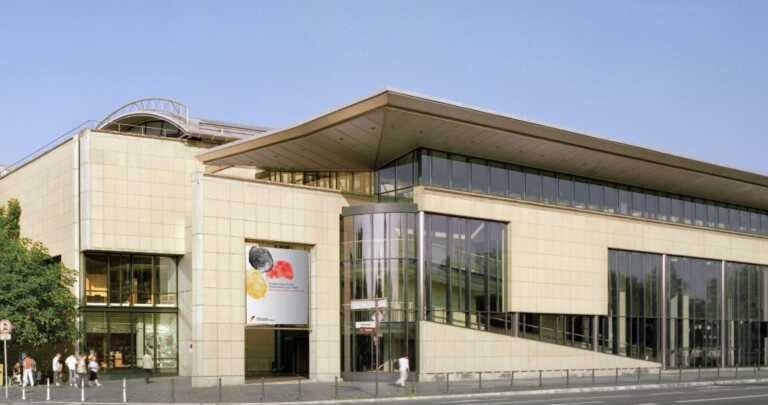
If you want to understand modern German history, Haus der Geschichte in Bonn is an excellent museum to explore. It focuses on Germany’s development since 1945, helping visitors understand the political, social, and cultural changes that shaped the country after the Second World War.
The museum presents historical events through photographs, original documents, everyday objects, films, and interactive displays. Visitors can discover how Germany was divided into East and West, how the Berlin Wall influenced people’s lives, and how the country eventually reunified.
One particularly interesting aspect is its focus on ordinary people. Rather than presenting history only through politicians and major events, the exhibitions also explain how historical changes affected families, workers, students, and communities.
The museum’s permanent exhibition, titled “You Are Part of History,” offers an engaging introduction to Germany’s development into a modern democracy.
Extensive exhibitions about Germany since 1945.
Historical photographs, documents, and everyday objects.
Interesting information about the Berlin Wall and reunification.
Interactive educational displays.
An excellent destination for history enthusiasts and students.
- Location: Willy-Brandt-Allee 14, Bonn, Germany.
- Official Website: Visit Haus der Geschichte
- Travel Tip: Admission is free according to the museum’s official visitor information. Check its website for current exhibitions and opening hours before visiting.
12. Beethoven-Haus, Bonn
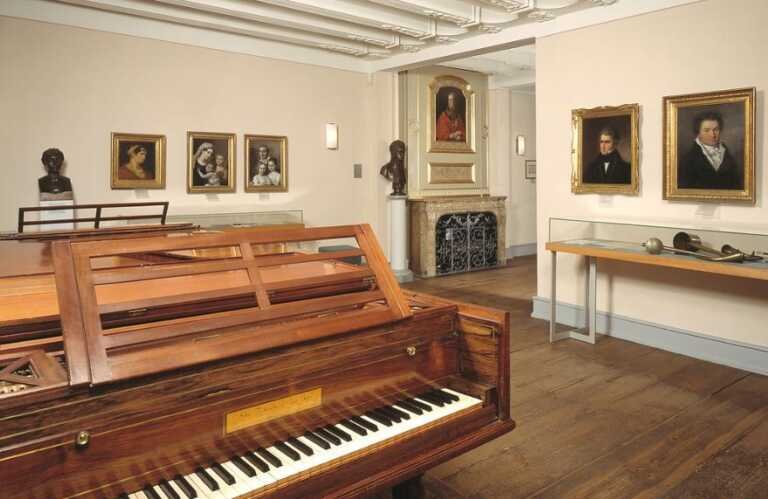
Music lovers visiting Germany should consider adding Beethoven-Haus to their travel itinerary. Located in Bonn, this museum is dedicated to the life and achievements of Ludwig van Beethoven, one of the most influential composers in classical music history.
The museum is situated in the historic house where Beethoven was born in 1770. It offers visitors an opportunity to learn about his childhood, musical education, personal experiences, and remarkable contribution to classical music.
Inside, visitors can discover original manuscripts, historical musical instruments, personal belongings, portraits, and other objects connected with the composer.
One of the most interesting parts of the experience is seeing how Beethoven developed his musical ideas. His original documents and instruments provide a closer connection to the creative process behind some of his most famous compositions.
The museum is particularly appealing to classical music enthusiasts, but even visitors with limited musical knowledge can appreciate the historical significance of the collection.
The birthplace of Ludwig van Beethoven.
Original musical manuscripts and historical documents.
Exhibitions about Beethoven’s personal and professional life.
Historical musical instruments.
A valuable destination for classical music enthusiasts.
- Location: Bonngasse 20, Bonn, Germany.
- Official Website: Explore Beethoven-Haus
- Travel Tip: Allow around one to two hours for your visit. The museum’s official website provides current information about exhibitions, tickets, and opening times.
13. German Mining Museum, Bochum
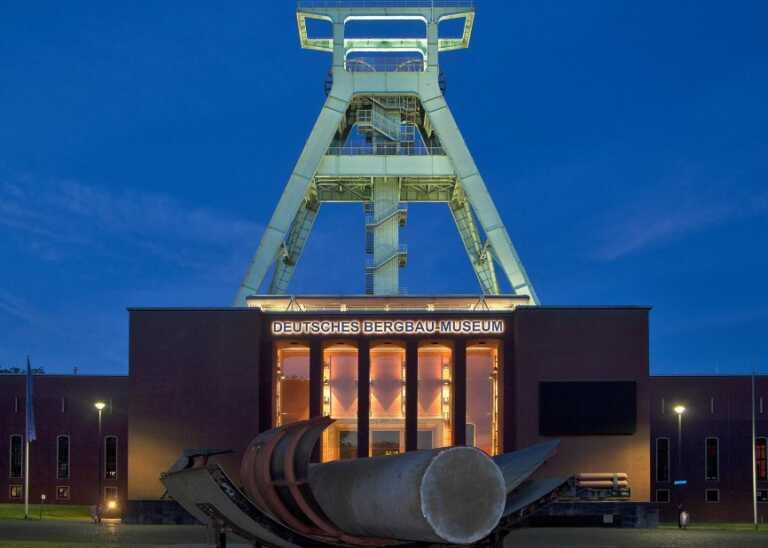
The German Mining Museum in Bochum is a fascinating destination for visitors interested in industrial history, engineering, and the development of Germany’s mining industry.
Mining played an important role in the industrial development of Germany, particularly in the Ruhr region. This museum explains how coal and other natural resources influenced the country’s economy, communities, and technological progress.
Visitors can explore exhibitions featuring historical mining equipment, geological collections, industrial machinery, and objects connected with miners’ everyday lives.
One of the most memorable experiences is the demonstration mine, where visitors can discover what underground mining environments were like. It provides an educational introduction to the working conditions and technology associated with mining.
The museum also features a large headframe that has become one of Bochum’s most recognisable landmarks. From its viewing platform, visitors can enjoy views across the surrounding city.
One of the world’s major museums dedicated to mining.
An underground demonstration mine.
Historical mining equipment and machinery.
Exhibitions about Germany’s industrial development.
A distinctive mining headframe with a viewing platform.
- Location: Am Bergbaumuseum 28, Bochum, Germany.
- Official Website: Visit the German Mining Museum
- Travel Tip: Set aside two to three hours to explore the exhibitions and demonstration mine. Check visitor information because access to certain areas may depend on scheduled tours.
14. Senckenberg Natural History Museum, Frankfurt
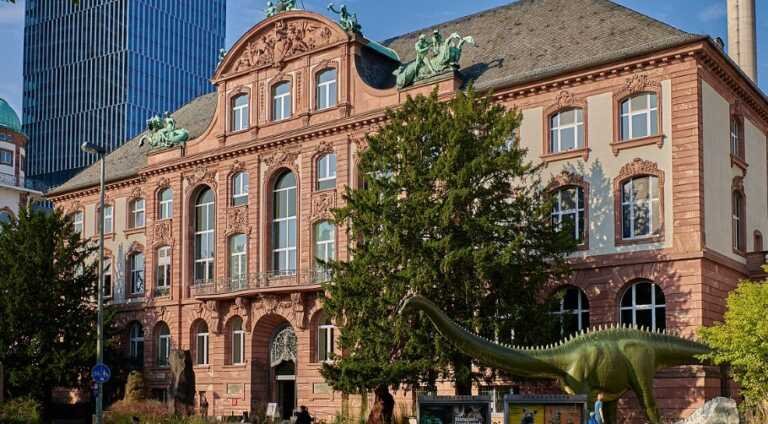
For anyone fascinated by dinosaurs, fossils, and the natural world, the Senckenberg Natural History Museum in Frankfurt is an excellent destination.
It is one of Germany’s most important natural history museums and is particularly famous for its impressive dinosaur collections. Visitors can explore prehistoric skeletons, fossils, and scientific displays that explain how life on Earth has changed over millions of years.
The museum features a remarkable variety of exhibits, including dinosaur skeletons, ancient marine animals, mammals, birds, and other fascinating specimens.
Beyond its dinosaur displays, the museum explores biodiversity, evolution, and the natural environment. Visitors can learn about different animal species and understand how scientific research helps explain the planet’s history.
Its exhibitions make complicated scientific subjects easier to understand, making it a worthwhile destination for families, students, and curious travellers.
Impressive dinosaur skeletons and prehistoric fossils.
Collections covering animal diversity and evolution.
Educational exhibitions about Earth’s history.
Interesting scientific displays for different age groups.
A popular destination for families and nature enthusiasts.
- Location: Senckenberganlage 25, Frankfurt am Main, Germany.
- Official Website: Explore the Senckenberg Museum
- Travel Tip: Plan approximately two hours for your visit. Families should allow extra time to explore the dinosaur exhibitions and other natural history collections.
15. Städel Museum, Frankfurt

The Städel Museum in Frankfurt is one of Germany’s most important art museums and a wonderful destination for anyone who appreciates paintings, sculptures, and European artistic traditions.
Founded in 1815, the museum has developed an impressive collection covering approximately 700 years of European art. Its galleries feature works from the Middle Ages, Renaissance, Baroque period, modern art, and contemporary movements.
Visitors can admire paintings by internationally recognised artists and discover how artistic styles changed throughout different historical periods.
One of the museum’s greatest strengths is the variety of its collection. Whether you enjoy traditional European paintings or more modern artistic expressions, there is something interesting to discover.
The building itself is also worth appreciating. Its combination of historic architecture and modern exhibition spaces creates an enjoyable environment for exploring art.
For travellers visiting Frankfurt, the Städel Museum offers a relaxing cultural experience and an opportunity to discover some remarkable works of European art.
A collection spanning around 700 years of European art.
Paintings from the Middle Ages to contemporary periods.
Works by internationally recognised artists.
Beautiful gallery spaces and modern exhibitions.
An excellent destination for art lovers and cultural travellers.
- Location: Schaumainkai 63, Frankfurt am Main, Germany.
- Official Website: Visit the Städel Museum
- Travel Tip: Allow two to three hours to explore the galleries. Check the official website for temporary exhibitions and special events before your visit.
Frequently Asked Questions (FAQs)
What is the most famous museum in Germany?
The Deutsches Museum in Munich is one of Germany’s most famous museums, known for its science and technology collections.
Which German city has the best museums?
Berlin is one of the best cities for museum lovers, offering historical, scientific, artistic, and cultural museums.
What are the best museums in Germany to visit in 2026?
The Deutsches Museum, Mercedes-Benz Museum, BMW Museum, Städel Museum, and German Spy Museum are excellent choices.
Are museums in Germany family-friendly?
Yes, many museums offer interactive exhibitions, educational activities, and child-friendly displays.
Are museums in Germany free to enter?
Some museums offer free admission, while others charge entrance fees. Always check their official websites before visiting.
How many museums should I visit in Germany?
For a short trip, visiting two or three museums is a good option. Longer trips allow you to explore more destinations.
Do German museums offer guided tours?
Yes, many museums provide guided tours, audio guides, and educational programmes for visitors.

I am Sabiq Hasan Rasel. Coffee with Travel, Recipes & Reviews is a cozy and engaging content space that blends a love of coffee with exciting travel experiences, delicious recipes, and honest reviews. It offers inspiration for coffee lovers who enjoy exploring new places, trying unique flavors, and discovering lifestyle tips along the way.