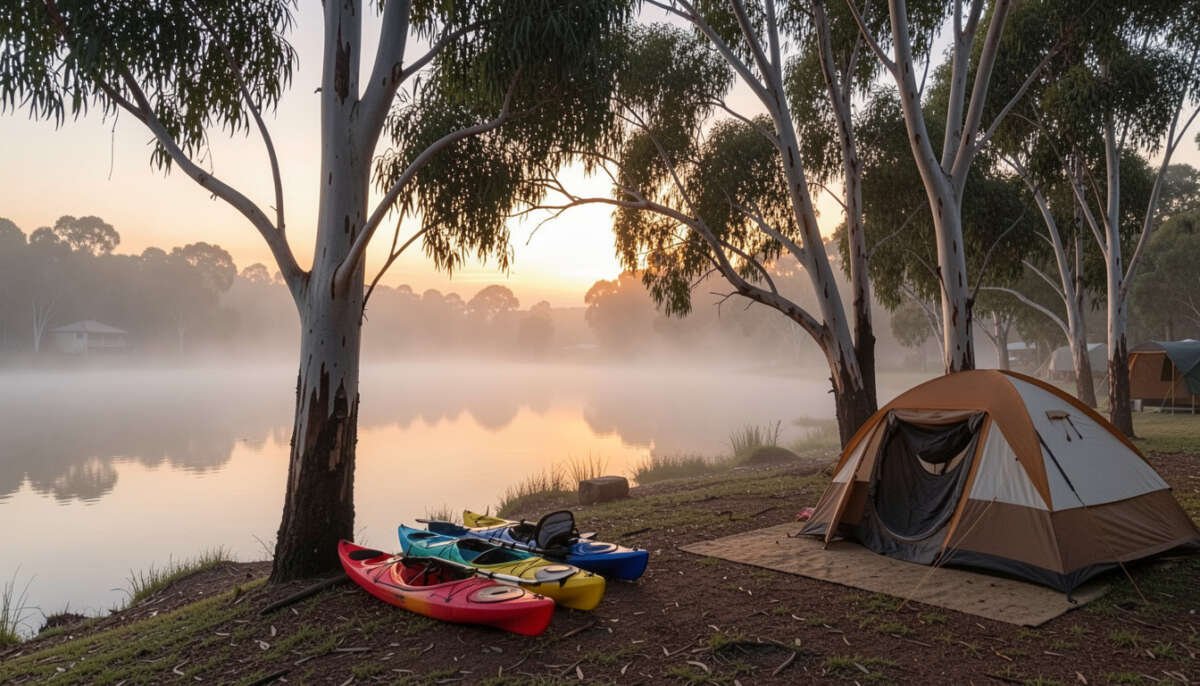
Australia is one of those rare places where camping still feels wild and untouched. You don’t just pitch a tent—you wake up to kangaroos hopping past, ocean waves crashing nearby, or ancient forests whispering in the wind. After exploring different regions and researching what real travelers actually love, I’ve picked 20 of the best camping sites in Australia that truly deliver unforgettable nature experiences.
1. Booderee National Park (Jervis Bay, NSW)
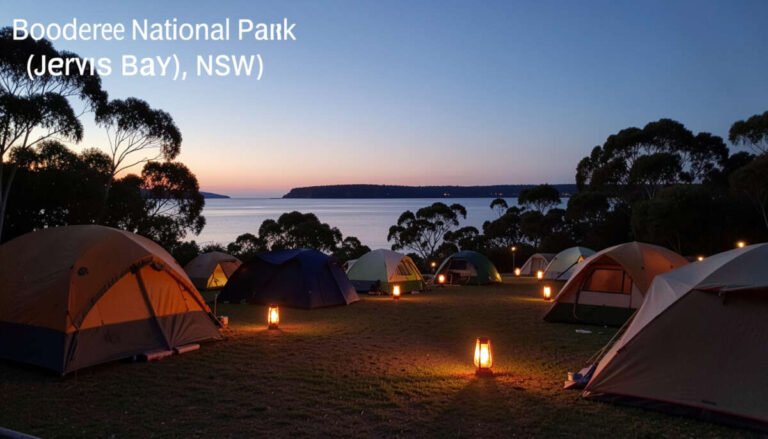
If you’re dreaming of white sand and crystal-clear water, this is it.
Located just a few hours from Sydney, Booderee National Park offers some of the most beautiful coastal camping in Australia. Sites like Green Patch and Bristol Point sit right beside Jervis Bay, where you might even spot dolphins swimming close to shore.
- Powdery white beaches and turquoise water
- Incredible wildlife (kangaroos, dolphins, birdlife)
- Easy access for beginners
Facilities:
- Toilets, picnic tables, BBQ areas
- Family-friendly camping zones
2. Daintree National Park (Queensland)
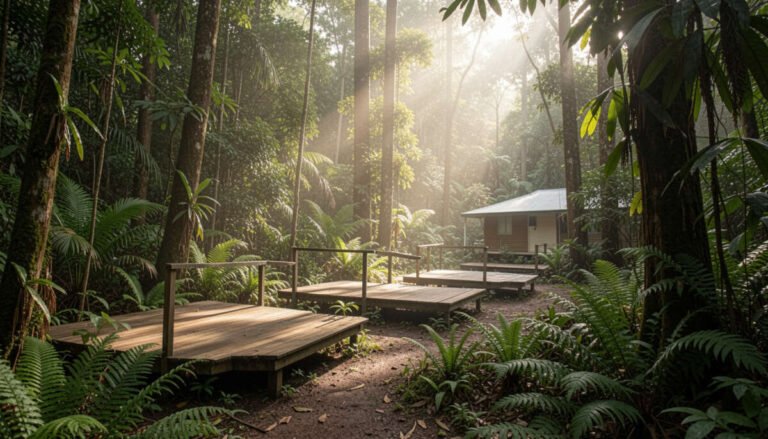
Camping in the world’s oldest rainforest feels completely different from anywhere else.
The Daintree is raw, humid, and alive—home to rare wildlife like cassowaries and ancient plant species. Many campers choose sites near Cape Tribulation, where the rainforest literally meets the reef.
- One of the oldest ecosystems on Earth
- Jungle-meets-beach scenery
- Unique wildlife encounters
What to know:
- Bring insect protection
- Respect eco-guidelines—this is a fragile environment
3. Grampians National Park (Victoria)
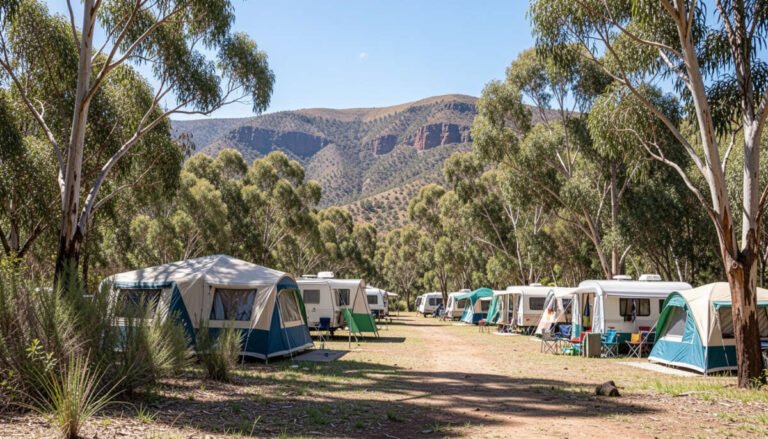
If you love hiking, mountain views, and peaceful nights under the stars, the Grampians won’t disappoint.
This region is famous for dramatic sandstone cliffs, waterfalls, and Aboriginal cultural sites. Multi-day hikers often camp along the Grampians Peaks Trail, which stretches over 160 km with dedicated campgrounds.
- Epic hiking trails and panoramic lookouts
- Rich Indigenous heritage
- Abundant wildlife (emus, kangaroos, birds)
Facilities:
- Mix of basic and upgraded campsites
- Some areas include eco-friendly shelters
4. Cape Conran Coastal Park (Victoria)
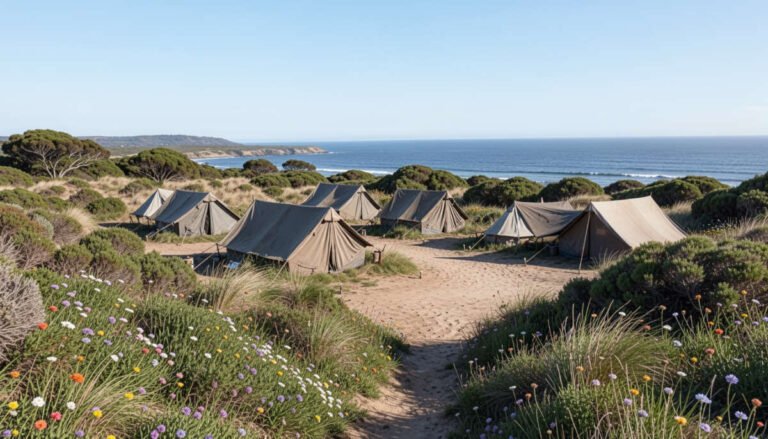
For a quieter coastal escape, this place feels like a hidden gem.
Located in East Gippsland, Cape Conran Coastal Park offers a mix of beaches, rivers, and forests. The Banksia Bluff camping area is especially popular for its relaxed atmosphere and great facilities.
- Fewer crowds than major tourist spots
- Great for fishing, swimming, and kayaking
- Chance to spot dolphins and whales
Facilities:
- Toilets, cold showers, fireplaces
- Easy access for campers and caravans
5. Ulupna Island (Barmah National Park, Victoria)
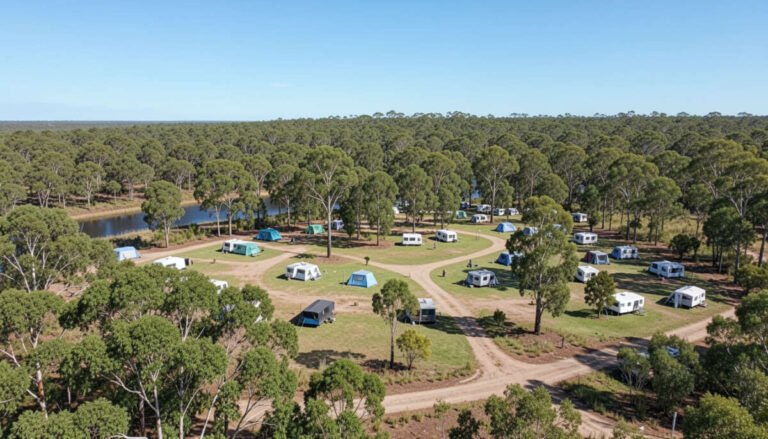
If you want something truly off-the-grid, this is your spot.
Ulupna Island sits within one of the largest river red gum forests in Australia. Camping here is simple and natural—you won’t find luxury, but you’ll get peace, wildlife, and wide-open space.
- Remote bush camping experience
- Kangaroos, koalas, and birdlife everywhere
- Perfect for digital detox
Important tips:
- Bring your own supplies (water, food, gear)
- Leave no trace—help preserve the environment
6. Freycinet National Park (Tasmania)
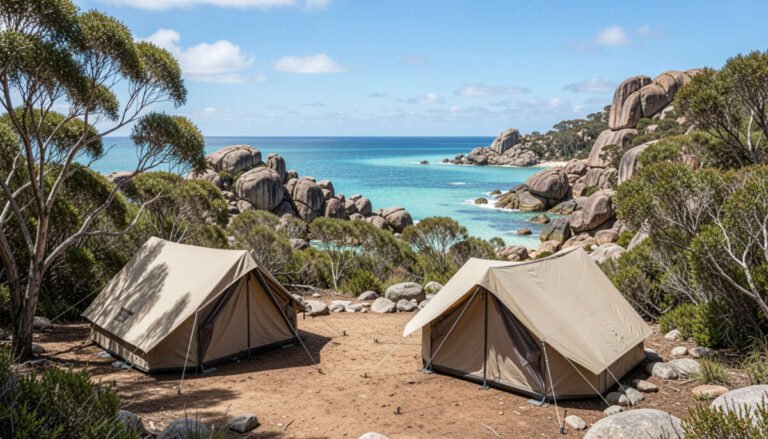
If you’ve ever seen photos of Wineglass Bay, this is where they were taken—and camping here is just as incredible as it looks.
Freycinet National Park offers coastal campsites surrounded by pink granite mountains and turquoise water. Waking up early here for sunrise is something you won’t forget.
- Iconic views of Wineglass Bay
- Peaceful, less crowded than mainland parks
- Amazing hiking trails
Facilities:
- Basic campsites with toilets
- Booking required during peak seasons
7. Karijini National Park (Western Australia)
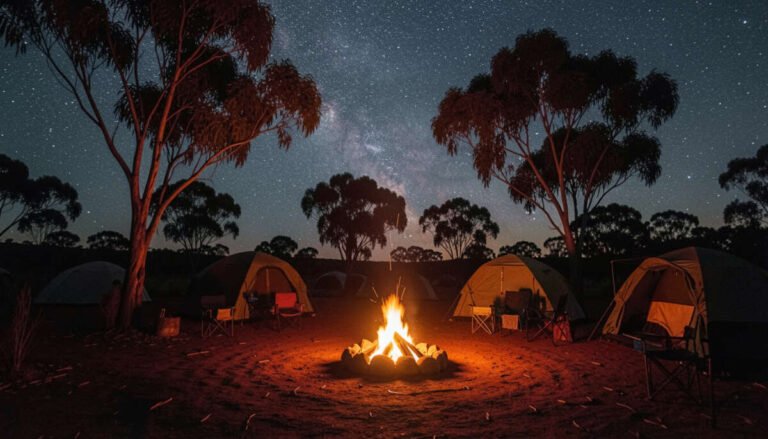
This is where Australia feels ancient and dramatic.
Karijini National Park is known for its deep red gorges, waterfalls, and natural swimming pools. Camping here puts you right in the heart of one of the country’s most stunning outback landscapes.
- Spectacular gorges like Hancock and Weano
- Natural rock pools perfect for swimming
- True outback adventure
What to expect:
- Remote location—plan supplies carefully
- Mix of eco-retreat and basic camping
8. Wilsons Promontory National Park (Victoria)
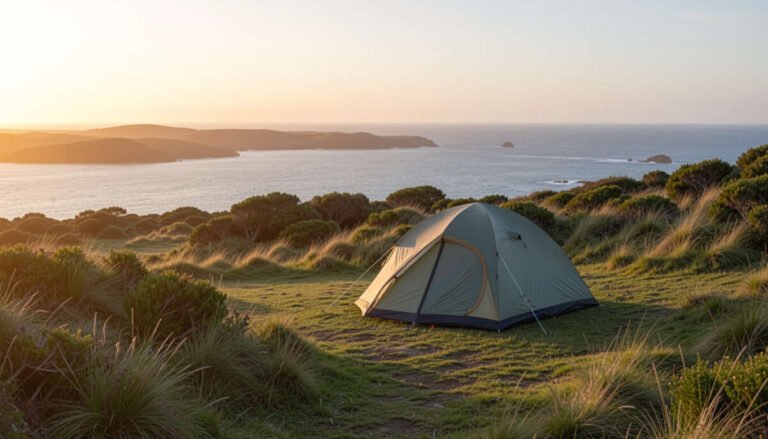
Locally known as “The Prom,” this is one of the most loved camping destinations in Australia.
Wilsons Promontory National Park combines mountains, beaches, and wildlife in one place. Tidal River Campground is the main hub, and it’s incredibly well set up.
- Stunning coastal walks and hidden beaches
- Frequent sightings of wombats and kangaroos
- Great balance of comfort and nature
Facilities:
- Toilets, showers, camping kitchens
- Suitable for tents and caravans
9. Flinders Ranges National Park (South Australia)
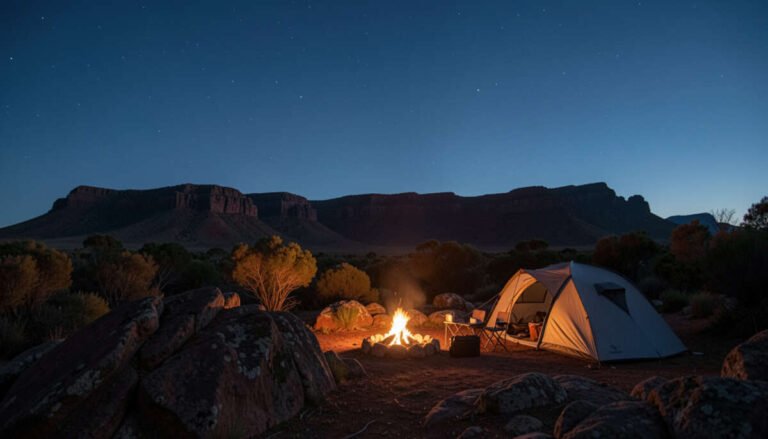
For a classic Australian outback experience, this place is hard to beat.
Flinders Ranges National Park is all about rugged mountains, dusty red roads, and vast open skies. It’s especially magical at night when the stars completely take over.
- Incredible stargazing (minimal light pollution)
- Unique geological formations like Wilpena Pound
- Rich Aboriginal history
- Best explored with a 4WD
- Carry extra water and fuel
10. Nitmiluk National Park (Northern Territory)
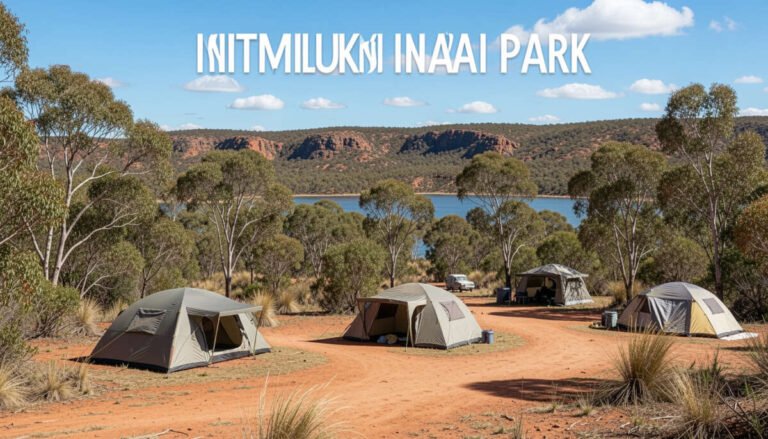
This is where waterfalls, gorges, and cultural heritage come together.
Nitmiluk National Park (Katherine Gorge) is one of the most scenic places to camp in northern Australia. You can kayak through gorges or hike to hidden swimming spots.
- Stunning gorge system with boat and kayak tours
- Strong connection to Indigenous culture
- Perfect mix of adventure and relaxation
Facilities:
- Campgrounds with good amenities
- Guided tours available
11. Kosciuszko National Park (New South Wales)
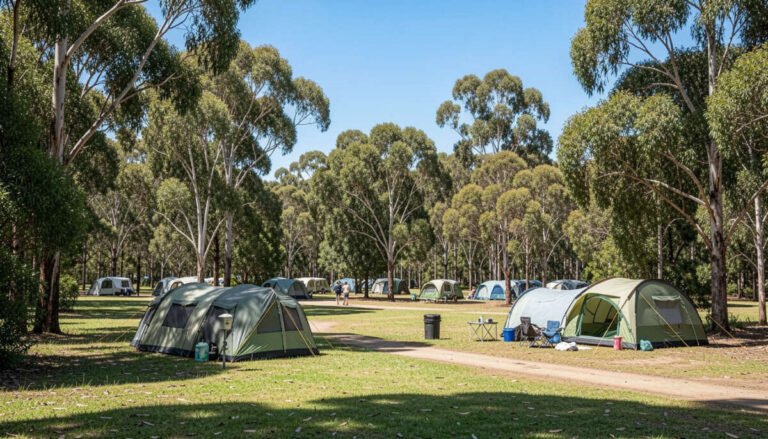
If you want alpine scenery without leaving Australia, this is the place.
Kosciuszko National Park is home to Australia’s highest peak and offers a completely different camping experience—think cool mountain air, wildflowers, and even snow in winter.
- Alpine landscapes rarely seen in Australia
- Great for hiking and cycling
- Seasonal snow camping experience
Facilities:
- Well-maintained campgrounds
- Some areas accessible by car
12. Litchfield National Park (Northern Territory)
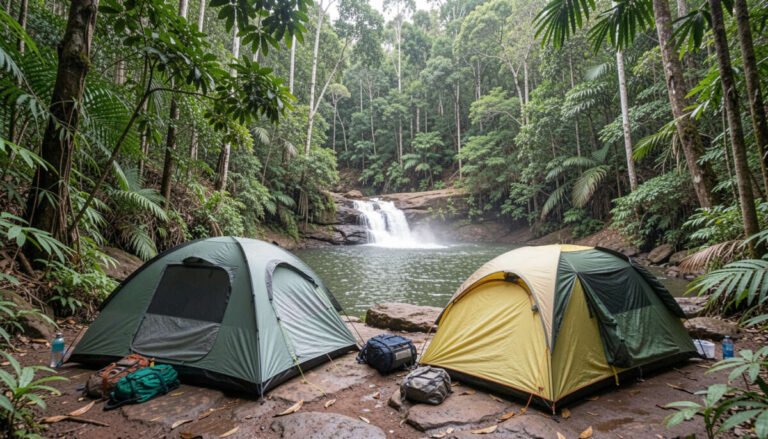
Often overshadowed by Kakadu, but many travelers actually prefer it.
Litchfield National Park is famous for its waterfalls and natural swimming holes. Unlike many northern parks, you can actually swim safely in several spots.
- Easy access from Darwin
- Stunning waterfalls like Wangi and Florence Falls
- Ideal for swimming and relaxing
Facilities:
- Campgrounds with toilets and basic amenities
- Good road access for most vehicles
13. Cradle Mountain-Lake St Clair National Park (Tasmania)
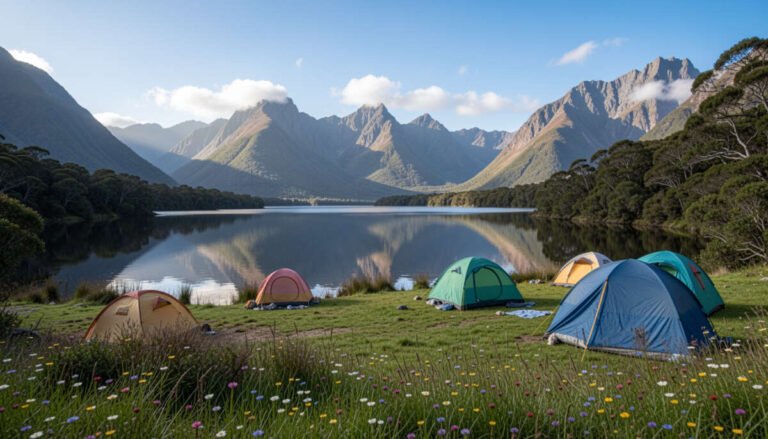
This is Tasmania at its most wild and cinematic.
Cradle Mountain-Lake St Clair National Park offers dramatic peaks, mirror-like lakes, and some of the best hiking in the country.
- Iconic Cradle Mountain views
- Wildlife like wombats and Tasmanian devils
- Access to the famous Overland Track
Facilities:
- Cooler temperatures year-round
- Popular—book early
14. Shark Bay (Western Australia)
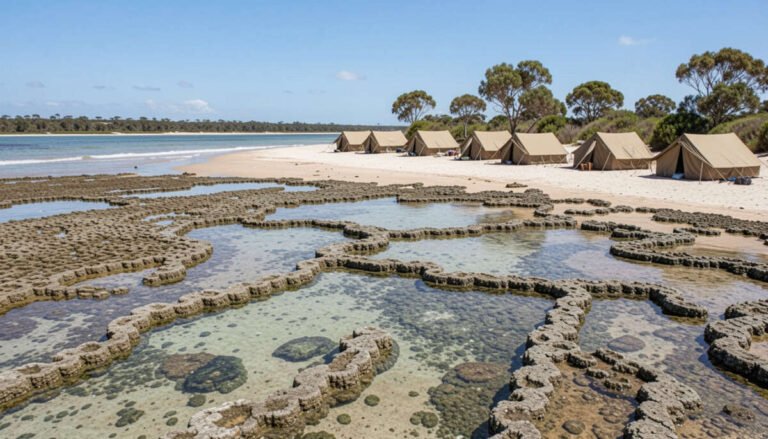
For something truly unique, camp where the desert meets the sea.
Shark Bay is a UNESCO World Heritage site known for its rare ecosystems, stromatolites, and friendly dolphins at Monkey Mia.
- One of the world’s most unique marine environments
- Incredible sunsets over the Indian Ocean
- Great for beach camping
Facilities:
- Mix of caravan parks and remote sites
- Some areas require permits
15. Blue Mountains National Park (New South Wales)
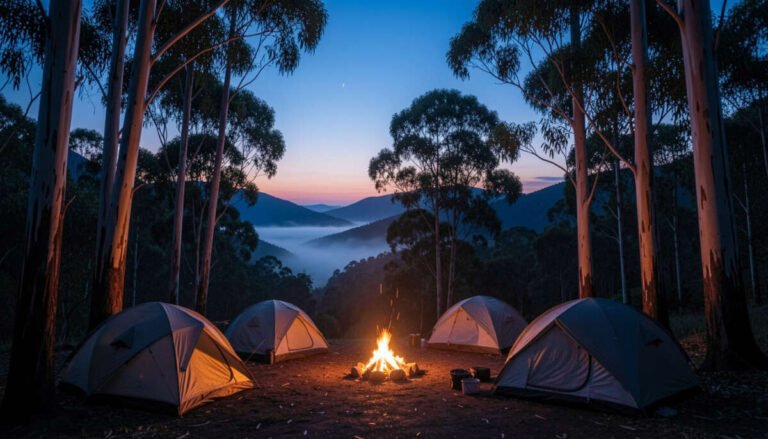
Just outside Sydney, but it feels worlds away.
Blue Mountains National Park is known for its dramatic cliffs, eucalyptus forests, and iconic viewpoints like the Three Sisters.
- Perfect for beginners and weekend campers
- Incredible hiking trails and lookouts
- Easy access from a major city
- Multiple campgrounds with basic amenities
- Some remote bush camping options
16. Kakadu National Park (Northern Territory)
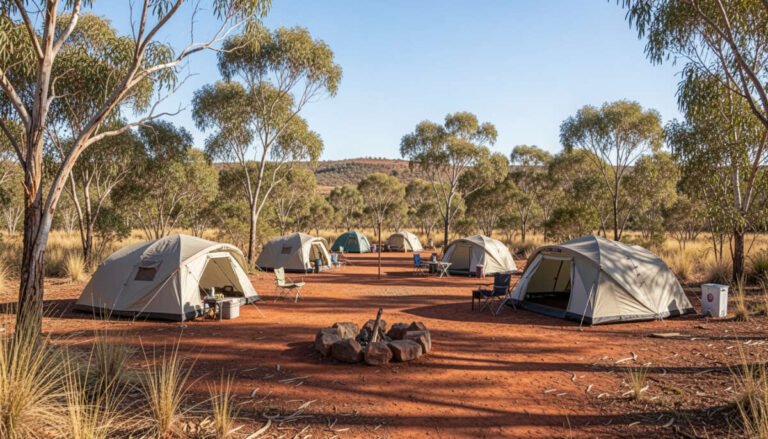
This is Australia at its most raw and untouched.
Kakadu National Park is a UNESCO World Heritage site known for wetlands, waterfalls, and ancient Aboriginal rock art dating back thousands of years.
- Massive biodiversity—birds, crocodiles, and more
- Iconic waterfalls like Jim Jim and Twin Falls
- Deep cultural significance
- Best visited in the dry season (May–October)
- Some areas require 4WD access
17. Great Otway National Park (Victoria)
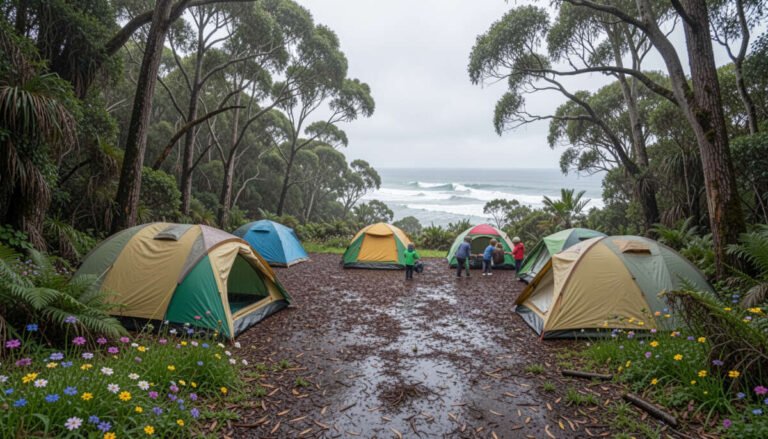
A perfect mix of rainforest, waterfalls, and rugged coastline.
Great Otway National Park stretches along the famous Great Ocean Road and offers peaceful forest camping surrounded by towering trees.
- Beautiful waterfalls like Triplet Falls
- Close to the Twelve Apostles
- Great for scenic road trips + camping
- Multiple campgrounds (some free)
- Basic to moderate amenities
18. Coffin Bay National Park (South Australia)
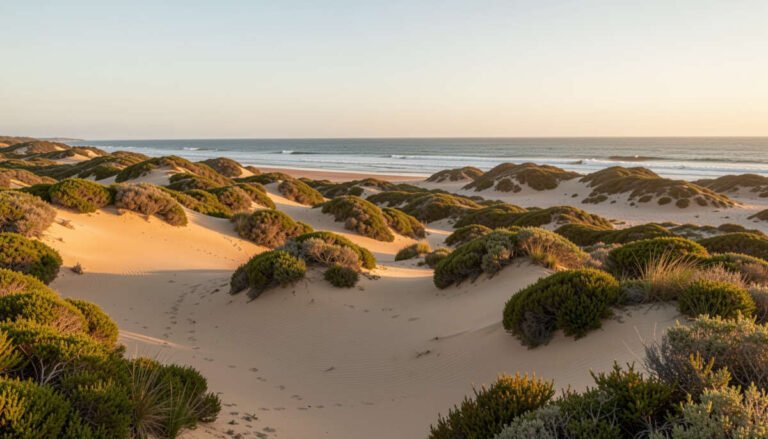
A hidden coastal paradise that many travelers overlook.
Coffin Bay National Park offers dramatic cliffs, white beaches, and some of the best seafood in Australia—especially oysters.
- Secluded beaches and quiet campsites
- Excellent fishing and kayaking
- Stunning ocean views
- Some sites need a 4WD
- Limited facilities—plan ahead
19. Girraween National Park (Queensland)
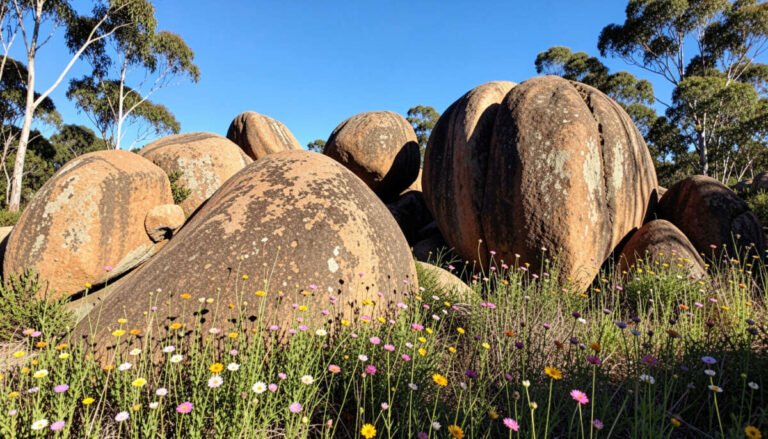
If you love granite landscapes and fewer crowds, this is a great pick.
Girraween National Park is famous for its massive balancing rocks, wildflowers, and peaceful bush setting.
- Unique granite formations
- Great hiking with rewarding views
- Quiet and less touristy
- Basic campgrounds with toilets
- Ideal for tents and small setups
20. Maria Island National Park (Tasmania)
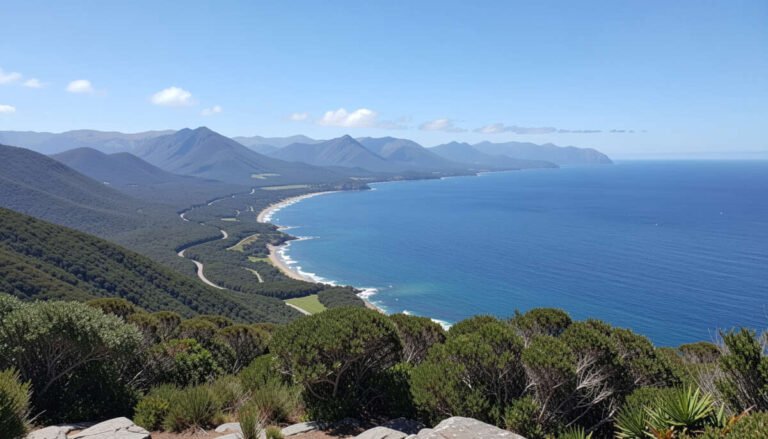
This is one of the most unique camping experiences in Australia.
Maria Island National Park is a car-free island where wildlife roams freely—wombats, kangaroos, and even Tasmanian devils.
- No cars—completely peaceful environment
- Rich history with old convict ruins
- Incredible wildlife encounters
- You’ll need to take a ferry
- Pack everything in—no shops on the island
Final Conclusion
Camping in Australia isn’t just about where you stay—it’s about the experience you take home with you. From the tropical wetlands of Kakadu National Park to the coastal beauty of Freycinet National Park and the rugged outback landscapes of Karijini National Park, each destination offers something completely unique.
Whether you’re a first-time camper or a seasoned explorer, Australia gives you the freedom to disconnect, slow down, and reconnect with nature. Plan well, respect the environment, and you’ll create memories that last a lifetime.
Frequently Asked Questions (FAQ)
What is the best time to go camping in Australia?
- It depends on the region. Southern areas are best in spring and summer, while northern regions like Litchfield National Park are ideal during the dry season (May–October).
Do I need to book campsites in advance?
- Yes—especially in popular spots like Wilsons Promontory National Park. Booking ahead ensures you get the best locations.
Is camping in Australia beginner-friendly?
- Absolutely. Places like Booderee National Park offer well-equipped campgrounds perfect for beginners.
Are there free camping options available?
- Yes, many parks offer free or low-cost sites, but permits may be required. Always check official park websites before you go.
What should I pack for camping in Australia?
- Essentials include water, food, weather-appropriate clothing, insect repellent, and navigation tools—especially for remote areas like Flinders Ranges National Park.