Germany is famous for its historic castles, charming countryside, beautiful landscapes, and traditional architecture. But beyond its major cities, the country has many small towns and villages where visitors can discover a quieter side of German life. From colourful half-timbered houses and narrow cobblestone streets to riverside scenery and Alpine views, these destinations offer plenty of reasons to explore beyond the usual tourist attractions. If you are planning a trip to Germany and want to experience its historic charm, these 15 beautiful villages and small historic towns are worth adding to your travel itinerary. Each destination has its own character, local traditions, and attractions, making it suitable for travellers who enjoy photography, history, nature, and relaxed sightseeing.
1. Rothenburg ob der Tauber, Bavaria
Best for: Medieval architecture, photography, and romantic streets
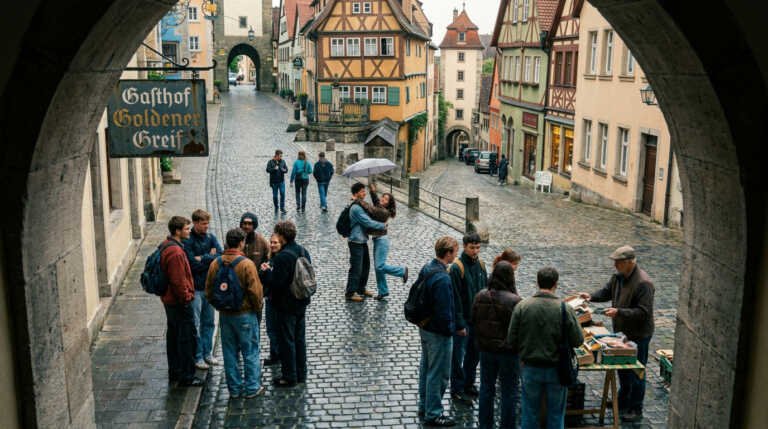
Rothenburg ob der Tauber is one of Germany’s best-known historic destinations. Located in Bavaria, this picturesque town is famous for its preserved medieval streets, traditional buildings, old gates, and defensive walls. Although it is technically a small town rather than a village, its storybook appearance makes it an excellent choice for anyone searching for beautiful villages in Germany.
The first place to explore is Plönlein, a famous corner featuring a distinctive yellow half-timbered building framed by historic towers. It is one of the most recognisable views in the town and a popular spot for travel photography.
You can also walk through the historic Market Square, admire the town hall, and explore the surrounding lanes filled with traditional shops, cafés, and restaurants. St. James’s Church is another worthwhile stop for visitors interested in religious architecture and history.
One of the best ways to appreciate Rothenburg is to explore its historic town walls. Parts of the walls can be walked, offering different views of the rooftops and surrounding countryside. Allow enough time to wander away from the busiest streets, where you may discover quieter corners and attractive old buildings.
Spring and autumn are excellent seasons for comfortable sightseeing and photography. December is particularly popular because of the traditional Christmas market, although the town can be busy during this period.
Recommended stay: One full day, or an overnight stay for a slower visit.
Getting there: Rothenburg is accessible by train, although connections may require changes. Check the route before travelling.
What to try: Look for Schneeballen, a traditional local pastry.
Good to know: Visit early in the morning or later in the afternoon to enjoy the historic streets with fewer day-trip visitors.
- For visitor information, attractions, and travel planning, see the official Rothenburg Tourism website.
2. Monschau, North Rhine-Westphalia
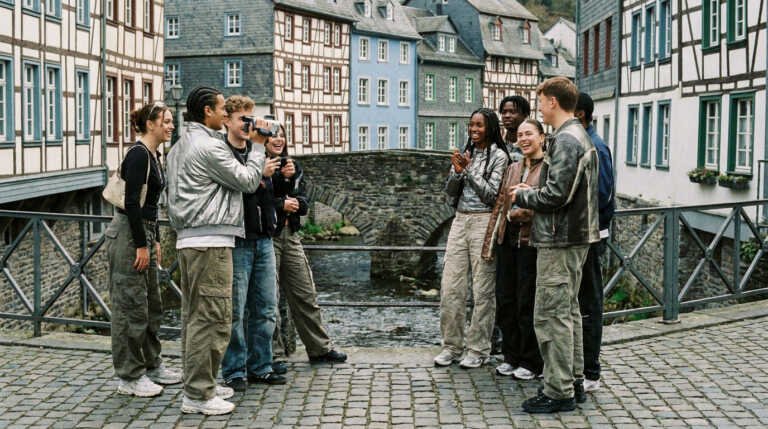
Best for: Half-timbered houses, riverside scenery, and peaceful walks
Tucked into the Eifel region near Germany’s border with Belgium, Monschau is a charming historic town surrounded by wooded hills. Its narrow lanes, traditional houses, small bridges, and riverside setting give it a distinctive character.
The River Rur flows through the historic centre, creating lovely views between the old buildings. Many of the traditional houses feature dark timber framing, pale walls, and slate roofs. The combination of architecture and natural scenery makes Monschau especially attractive to visitors who prefer smaller destinations to large cities.
Start by walking through the Old Town, where you can admire historic façades and browse small independent shops. The riverside streets are particularly pleasant for a relaxed stroll, and the bridges provide excellent opportunities for photographs.
The Rotes Haus, or Red House, is one of the town’s best-known historic buildings. Dating from the 18th century, it reflects Monschau’s former importance in the cloth-making industry. Check current visiting arrangements if you want to explore the interior.
For a wider view, consider taking a walk along one of the hillside paths above the town. These routes can offer attractive views of the rooftops and surrounding green landscape. Choose a route that matches your fitness and check trail conditions before setting out.
Late spring and summer are lovely for walking and enjoying the surrounding countryside. Autumn brings colourful foliage to the wooded hills, while winter can create a cosy atmosphere in the historic centre.
Recommended stay: A day trip or one night.
Getting there: Monschau is generally reached by bus from nearby transport hubs, including Aachen. Check current connections before travelling.
What to enjoy: Traditional cafés, local bakeries, and regional food.
Good to know: Some streets are cobbled or uneven, so comfortable walking shoes are useful.
3. Quedlinburg, Saxony-Anhalt
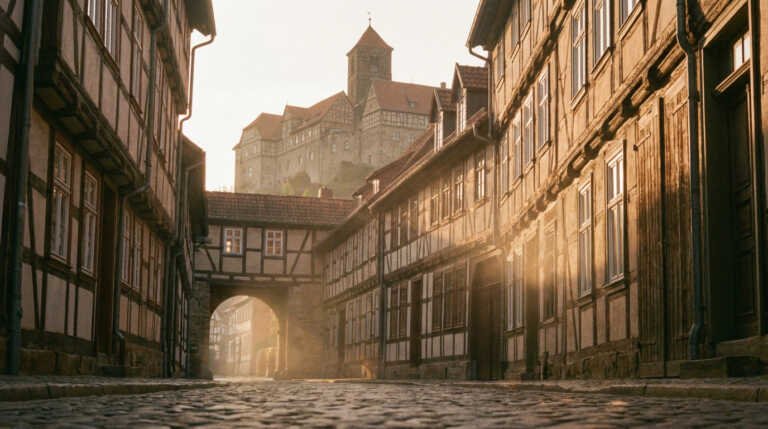
Best for: Medieval history, traditional architecture, and cultural sightseeing
Quedlinburg is a historic town at the northern edge of the Harz Mountains. Its remarkable collection of half-timbered buildings, winding streets, and historic squares makes it one of Germany’s most rewarding destinations for architecture lovers.
The historic centre is recognised as a UNESCO World Heritage Site. With buildings representing several centuries of construction, Quedlinburg offers visitors a fascinating look at how German towns developed over time.
Begin with a walk through the Old Town. The streets are lined with timber-framed houses in different colours and architectural styles, creating a distinctive atmosphere. Rather than rushing between attractions, take time to notice the decorative façades, traditional doors, and small courtyards.
Next, head towards Castle Hill, where the Collegiate Church of St. Servatius stands above the historic centre. The elevated location offers a different perspective on the surrounding rooftops and streets.
Quedlinburg also has museums, small shops, cafés, and local restaurants. Visitors interested in history can spend several hours exploring its heritage, while photographers may prefer a relaxed walk through the older residential lanes.
The town is also a useful base for exploring parts of the Harz region, which is known for its forests, hiking routes, and historic attractions.
Late spring and early autumn are good choices for exploring the town on foot. December can be especially atmospheric when seasonal markets and festive decorations are present, but check event dates before planning your visit.
Recommended stay: One to two days.
Getting there: Quedlinburg is connected to the regional rail network. Check connections from your starting city.
What to enjoy: Local cafés, regional German dishes, and the historic town centre.
Good to know: Some streets are uneven, and Castle Hill involves an uphill walk.
4. Cochem, Rhineland-Palatinate
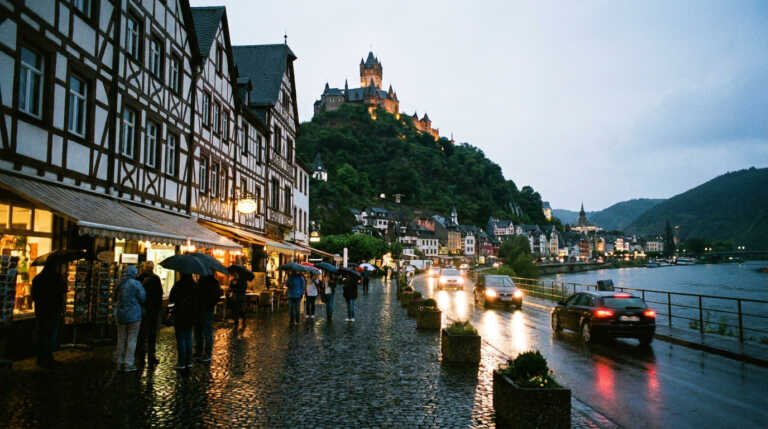
Best for: Riverside views, vineyards, and castle scenery
Cochem is a small town in Germany’s Moselle Valley, an area known for its winding river, vineyard-covered hills, and wine-growing traditions. Its colourful historic centre sits beside the Moselle River, while Reichsburg Cochem rises above the town on a hill.
Although Cochem is technically a town, its compact centre and picturesque surroundings make it a strong choice for travellers seeking the atmosphere of a traditional German village.
Start with a walk along the Moselle waterfront. From here, you can enjoy views of the river, the surrounding hills, and the historic buildings along the shore.
The main highlight is Reichsburg Cochem, the castle overlooking the town. Its elevated position makes it a memorable feature of the landscape. Guided visits may be available, but opening arrangements and access can vary by season, so check before arriving.
After visiting the castle, explore the old market area and its surrounding lanes. You will find traditional façades, small shops, bakeries, and restaurants serving regional dishes.
The Moselle Valley is also a destination for scenic boat trips, cycling, and vineyard walks. If you have additional time, consider exploring neighbouring villages along the river rather than spending your entire visit in the town centre.
Late spring through early autumn is a popular period for enjoying the river, outdoor dining, and countryside. Autumn is particularly appealing for vineyard scenery, although individual tours and seasonal events may operate on limited schedules.
Recommended stay: One or two days.
Getting there: Cochem has a railway station with regional connections along the Moselle corridor.
What to enjoy: Regional cuisine and locally produced grape juice or other non-alcoholic refreshments.
Good to know: The walk up to the castle can be steep. Look into available transport or guided access if you would prefer to avoid the climb.
5. Mittenwald, Bavaria
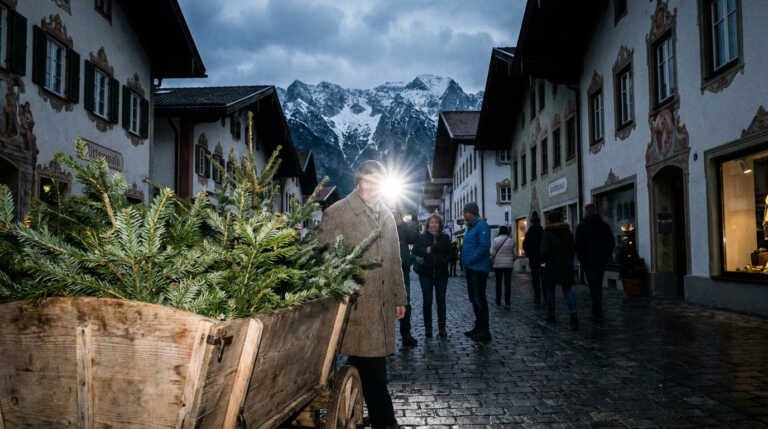
Best for: Alpine scenery, colourful houses, and outdoor adventures
Mittenwald offers a different experience from Germany’s medieval towns. Located in the Bavarian Alps near the Austrian border, it is known for its mountain scenery, traditional painted houses, and strong cultural heritage.
The town’s location makes it particularly appealing to visitors who want to combine architecture with nature. Mountains rise around the settlement, and walking routes lead into the surrounding Alpine landscape.
One of the best places to begin is the historic centre, where you can admire traditional Bavarian buildings decorated with Lüftlmalerei—ornamental paintings on exterior walls. These designs often depict religious scenes, local stories, or decorative architectural details.
Stroll along the main streets, stop at a local bakery, and enjoy views of the surrounding mountains. The atmosphere is different from that of a major city, with traditional buildings and outdoor scenery forming an important part of the experience.
Nature lovers can explore walking routes around Mittenwald or investigate the nearby Karwendel mountain area. The Karwendelbahn cable car provides access to higher elevations when operating, but weather conditions and seasonal schedules can affect availability.
If you prefer a less strenuous visit, you can enjoy the town centre and its mountain views without undertaking a long hike.
Summer is a popular season for hiking and enjoying the Alpine landscape. Autumn offers attractive colours, while winter brings opportunities to experience the snowy mountain scenery. Choose activities according to the weather and current local conditions.
Recommended stay: One to two days.
Getting there: Mittenwald has a railway station with regional connections, including routes towards Garmisch-Partenkirchen.
What to enjoy: Bavarian pastries, traditional cafés, and regional food.
Good to know: Mountain weather can change quickly. Check forecasts, transport schedules, and trail conditions before heading into the Alps.
6. Bernkastel-Kues, Rhineland-Palatinate
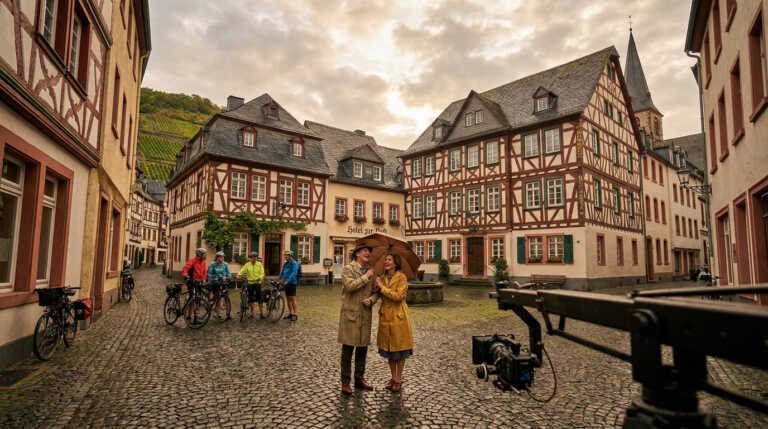
Best for: Historic streets, riverside scenery, and vineyard landscapes
Bernkastel-Kues is a charming destination in Germany’s Moselle Valley, known for its traditional half-timbered houses, historic market square, and surrounding vineyards. Although it is a small town rather than a village, its old-world atmosphere makes it an excellent addition to a Germany countryside itinerary.
Start your visit in the historic market square of Bernkastel, where beautifully preserved buildings create a welcoming atmosphere. One of the most distinctive sights is the Spitzhäuschen, a narrow, pointed historic house that stands out among the surrounding buildings.
Take your time exploring the narrow streets, browsing independent shops, and stopping at a local café. You can also visit St. Michael’s Church and admire the historic architecture around the old town.
For a scenic experience, walk towards the ruins of Landshut Castle, which stand on a hill above the town. The elevated position provides impressive views of the Moselle River, the rooftops, and the vineyard-covered hills. Check access arrangements before your visit.
The surrounding region is also ideal for leisurely walks, cycling, and river cruises when seasonal services are operating.
Late spring and summer are pleasant for exploring the riverfront and countryside. Autumn is particularly attractive when the surrounding vineyards change colour.
Recommended stay: One to two days.
Getting there: Regional trains and buses connect the area with other destinations; check current connections for your route.
What to enjoy: Traditional cafés, regional dishes, and local bakery treats.
Good to know: Some streets and walking routes are steep, particularly around the castle.
- For attractions and trip-planning information, visit the official Bernkastel-Kues tourism website.
7. Rüdesheim am Rhein, Hesse
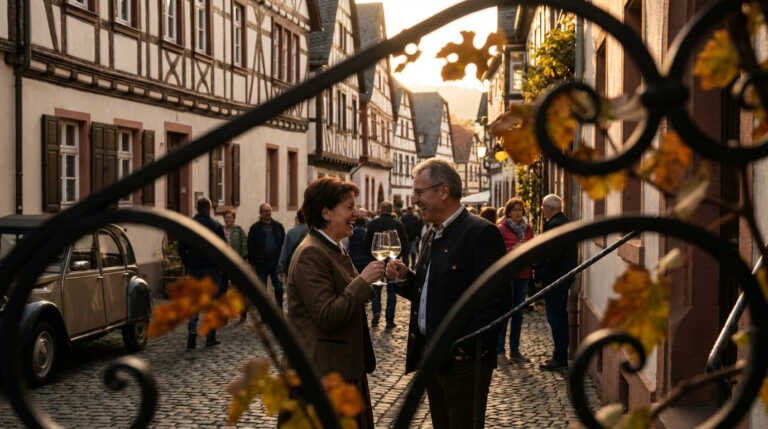
Best for: Rhine River views, historic lanes, and scenic excursions
Rüdesheim am Rhein is a picturesque town in the Rhine Valley, surrounded by vineyards and historic landmarks. Its traditional streets and position beside one of Germany’s best-known rivers make it a rewarding destination for visitors who enjoy combining cultural sightseeing with beautiful scenery.
The town has a lively atmosphere, but it is also easy to find quieter corners where you can enjoy the historic architecture and views of the surrounding landscape.
One of the best-known streets is Drosselgasse, a narrow lane lined with traditional buildings, restaurants, and small establishments. Walking through the old town is a good way to appreciate its character, discover local shops, and stop for refreshments.
You can also explore the town’s historic towers and buildings or visit the nearby Abbey of St. Hildegard, which offers a quieter experience away from the busiest streets.
For a memorable view of the Rhine Valley, consider taking a boat trip if services are available during your visit. The river provides a different perspective on the surrounding hills, vineyards, and historic structures.
Rüdesheim is also a useful starting point for exploring other destinations along the Rhine, making it a practical stop on a wider German travel itinerary.
Late spring through early autumn is popular for river trips, outdoor dining, and vineyard scenery. Autumn is especially appealing for colourful landscapes.
Recommended stay: One day, or two days if exploring the wider Rhine region.
Getting there: Rüdesheim has a railway station with regional connections.
What to enjoy: Local cafés, traditional German food, and scenic river walks.
Good to know: Boat services and some attractions may operate seasonally, so check schedules before travelling.
8. Bad Wimpfen, Baden-Württemberg
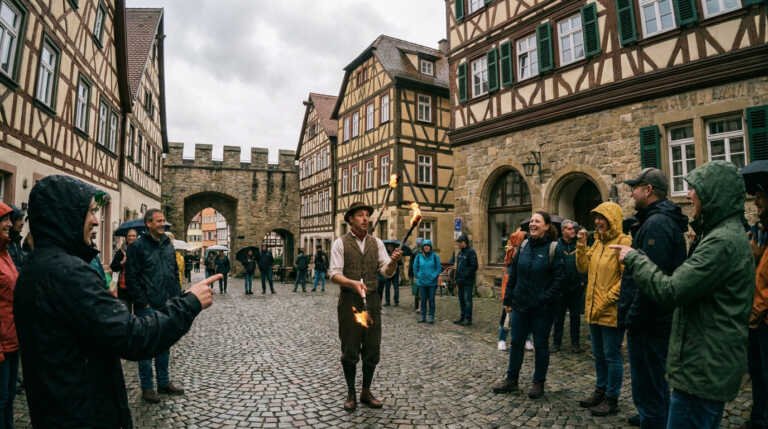
Best for: Medieval architecture, historic towers, and peaceful streets
Bad Wimpfen is a historic town overlooking the Neckar River. Its elevated old town, traditional houses, and distinctive medieval towers give it a character that feels quite different from Germany’s larger cities.
For travellers who enjoy discovering places with a strong sense of history, Bad Wimpfen is an appealing destination. It is particularly well suited to a relaxed walking visit, with architectural landmarks and small streets to explore along the way.
Begin in the historic old town and make your way towards the Blue Tower, one of Bad Wimpfen’s most recognisable landmarks. The tower forms an important part of the town’s historic skyline.
Continue through the narrow lanes to discover traditional half-timbered houses, small squares, and other historic structures associated with the town’s medieval past.
The remains of the former imperial palace complex are another highlight for visitors interested in architecture and history. Allow enough time to explore the area rather than simply photographing the main landmarks.
If you enjoy photography, look for viewpoints around the elevated old town, where the historic rooftops and surrounding landscape create attractive scenes
Spring and early autumn are good choices for walking around the old town. Winter can also be an interesting time to visit, especially if seasonal events are taking place.
Recommended stay: Half a day to one full day.
Getting there: The town is accessible by regional rail connections; check your route before travelling.
What to enjoy: Local bakeries, cafés, and regional German dishes.
Good to know: Expect some uphill walking and uneven historic streets.
9. Basedow, Mecklenburg-Vorpommern
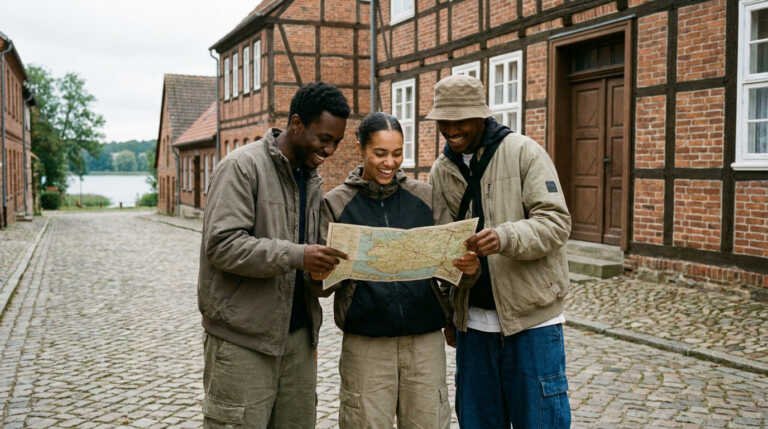
Best for: Countryside walks, historic estates, and peaceful village scenery
Basedow is a small village in the Mecklenburg Lake District, a region known for its lakes, green countryside, and rural landscapes. Unlike the more famous historic towns in Germany, Basedow offers a quieter experience for travellers who want to discover traditional village life.
The village is especially notable for its historic estate and castle park, where landscaped grounds, old trees, and historic buildings create a distinctive setting.
A walk around the village is a good way to appreciate its rural character. Take time to explore the area around Basedow Castle and its park, where the historic estate forms an important part of the landscape.
The surrounding countryside is another reason to visit. Depending on the season, you can enjoy green fields, peaceful walking routes, and views across the region’s natural scenery.
Basedow is a good option for travellers who prefer slower sightseeing over busy tourist attractions. It can also complement a longer trip through Mecklenburg-Vorpommern, especially if you are exploring the lake district by car.
Late spring and summer are pleasant for countryside walks and exploring the grounds. Early autumn can also be attractive, with seasonal changes in the surrounding landscape.
Recommended stay: Half a day or one day.
Getting there: Plan your route in advance, as reaching smaller villages may require a combination of train, bus, or car travel.
What to enjoy: A picnic in an appropriate public area and a relaxed countryside walk.
Good to know: Check access arrangements before visiting castle grounds or historic buildings.
- For additional inspiration about Germany’s rural destinations, explore Germany Travel’s guide to picturesque villages.
10. Wiesenburg, Brandenburg
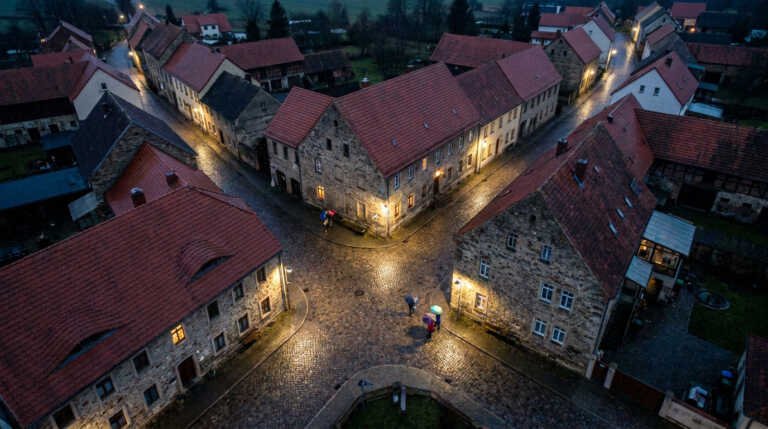
Best for: Palace gardens, nature walks, and a relaxing countryside escape
Wiesenburg is a small community in Brandenburg, surrounded by the natural landscapes of the Hoher Fläming region. It offers a different kind of beauty from Germany’s famous medieval destinations, combining historic architecture with gardens, woodland, and peaceful countryside.
The main attraction is Wiesenburg Palace and its landscaped park, which provide a lovely setting for a leisurely visit.
Start with the palace grounds and gardens. The landscape features mature trees, open spaces, and carefully designed garden areas that change in appearance throughout the year.
Spring is especially appealing for visitors interested in flowering plants and colourful gardens. During the warmer months, walking through the grounds is a relaxing way to enjoy the countryside.
Nature lovers can also explore walking routes in the surrounding Hoher Fläming region. The area is known for its rural scenery and outdoor opportunities, making it suitable for travellers who want to spend time away from crowded city centres.
If you enjoy combining nature with culture, Wiesenburg can be a rewarding stop on a wider trip through Brandenburg.
Late spring is a good choice for enjoying the gardens, while summer offers pleasant conditions for outdoor walks. Autumn brings a different atmosphere as the surrounding trees change colour.
Recommended stay: Half a day to one day.
Getting there: Check regional train and bus services before travelling, particularly on weekends.
What to enjoy: A relaxed walk through the park and nearby countryside.
Good to know: Confirm access to palace interiors and garden areas before your visit, as opening arrangements may vary.
- For further inspiration on Germany’s countryside destinations, visit Germany Travel’s picturesque villages guide.
11. Schiltach, Baden-Württemberg
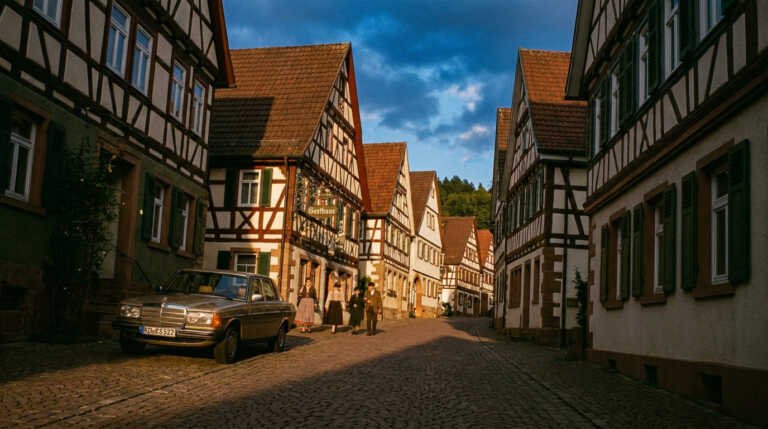
Best for: Half-timbered houses, Black Forest scenery, and historic streets
Schiltach is a picturesque town in Germany’s Black Forest region, known for its traditional half-timbered buildings and attractive setting beside the Schiltach and Kinzig rivers. Its historic centre has a distinctive character, with sloping streets, colourful façades, and buildings that reflect the area’s traditional craftsmanship.
Unlike some of Germany’s busier tourist destinations, Schiltach is a lovely place to explore at a relaxed pace. It is an excellent choice for travellers who want to experience the atmosphere of a traditional Black Forest community.
Start your visit at the historic Market Square, where beautifully preserved timber-framed buildings surround the central area. Take time to notice the decorative details and different architectural styles as you walk through the old streets.
You can also explore the Schiltach Local History Museum, which offers insight into the town’s past and traditional ways of life. The Schüttesäge Museum is another interesting stop, focusing on historic timber processing and the importance of wood in the region.
After visiting the historic centre, enjoy a walk beside the river or explore suitable walking paths in the surrounding countryside. Schiltach also makes a good base for discovering other parts of the Black Forest.
Late spring through early autumn is ideal for walking and enjoying the surrounding greenery. Autumn brings beautiful seasonal colours to the nearby forests.
Recommended stay: Half a day to one full day.
Getting there: Schiltach has a railway station with regional connections. Check the latest timetable before travelling.
What to enjoy: Traditional German bakery treats and regional Black Forest dishes.
Good to know: Some streets are sloping or cobbled, so comfortable walking shoes are recommended.
12. Dinkelsbühl, Bavaria
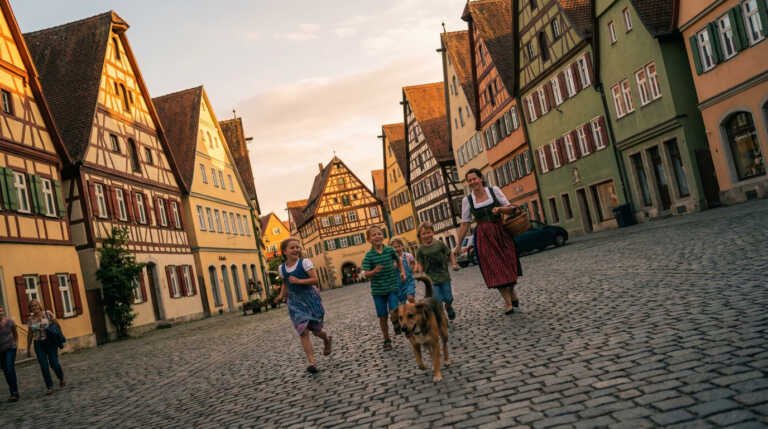
Best for: Medieval streets, historic town walls, and traditional Bavarian architecture
Dinkelsbühl is a charming historic town along Germany’s Romantic Road. Its colourful houses, preserved fortifications, and atmospheric old town make it an excellent destination for visitors who enjoy medieval history and traditional architecture.
Although Dinkelsbühl is technically a town, its compact centre and historic character make it a wonderful addition to a list of Germany’s most beautiful villages and small towns.
Begin your visit in the Old Town, where narrow streets lead past colourful historic buildings and traditional shops. The Market Square is a natural starting point for exploring the town’s architectural highlights.
St. George’s Minster is one of the most impressive landmarks. This Gothic church stands out among the surrounding buildings and is worth visiting if you appreciate historic architecture.
Another highlight is the town’s medieval wall and towers. Walking through the historic centre, you can see how the old fortifications continue to shape Dinkelsbühl’s appearance.
If you have extra time, visit the Museum of the Third Dimension, which explores visual perception and three-dimensional art. You can also simply enjoy a leisurely stroll through the quieter residential streets.
Spring and summer are pleasant for sightseeing, while December can bring a festive atmosphere during the Christmas market season. Check event dates before planning a seasonal visit.
Recommended stay: One day.
Getting there: Dinkelsbühl is generally reached by bus from nearby rail-connected towns. Plan your connections in advance.
What to enjoy: Traditional Bavarian food, cafés, and local bakeries.
Good to know: The historic centre is best explored on foot, so allow time for unhurried wandering.
- For official travel information, see the Dinkelsbühl tourism website.
13. Meersburg, Baden-Württemberg
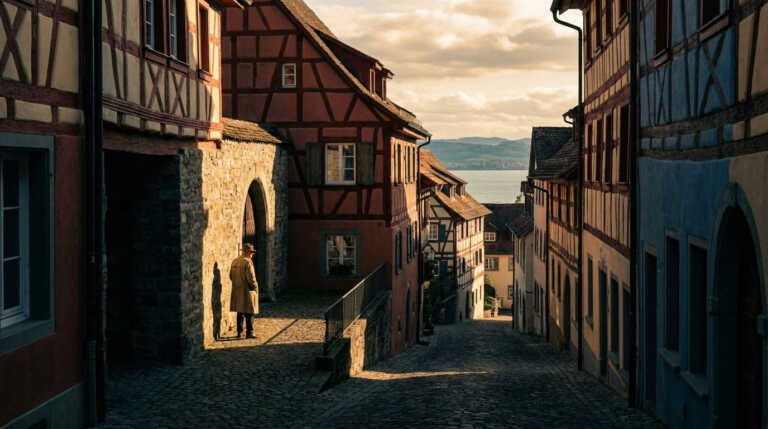
Best for: Lake views, historic castles, and waterfront walks
Meersburg is a beautiful small town on the northern shore of Lake Constance, close to Germany’s borders with Switzerland and Austria. Its hillside setting, historic buildings, and lakefront views make it a rewarding destination for travellers seeking a combination of history and natural beauty.
The town has an appealing atmosphere, with traditional houses, small squares, and streets leading down towards the water. On clear days, the lake provides an impressive backdrop for photography and relaxed sightseeing.
One of the main attractions is the Old Castle, often called the Alte Burg. Its historic structure stands above the lake and offers an opportunity to explore the town’s medieval heritage. Check current opening times and visitor arrangements before arriving.
Nearby, the New Castle, or Neues Schloss, provides another architectural highlight. Its position above the waterfront makes it an excellent place to appreciate views across Lake Constance.
After visiting the castles, wander through the Old Town and follow the streets towards the harbour. The waterfront is a lovely place to take photographs, enjoy refreshments, and watch boats travelling across the lake.
If you have additional time, consider a boat trip on Lake Constance or explore other nearby lakeside towns.
Late spring and summer are popular for lakeside activities and boat trips. Early autumn can also be a pleasant time to enjoy the views with a more relaxed atmosphere.
Recommended stay: One day, or two days if exploring Lake Constance.
Getting there: Meersburg can be reached by bus from nearby railway hubs. Ferry connections also link the area with other lakeside destinations.
What to enjoy: Lakeside cafés, regional food, and scenic waterfront walks.
Good to know: The town has sloping streets, especially between the upper historic centre and the waterfront.
14. Oberammergau, Bavaria
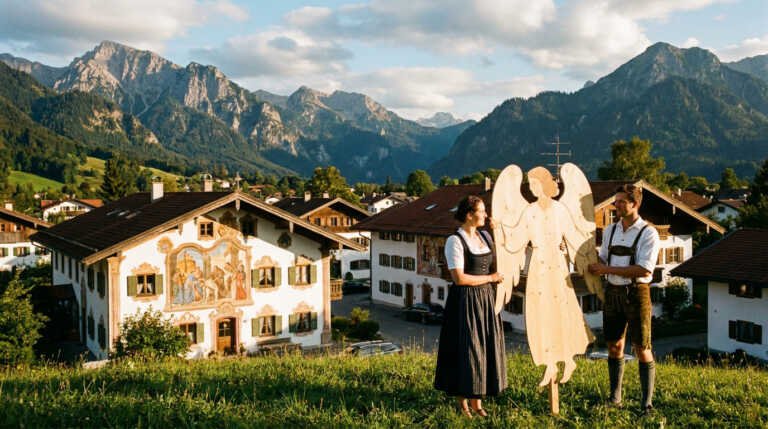
Best for: Painted houses, Bavarian traditions, and Alpine scenery
Oberammergau is a picturesque Bavarian village surrounded by the foothills of the Alps. It is famous for its painted house façades, traditional woodcarving, and the internationally known Passion Play.
The village offers a different experience from Germany’s medieval towns. Its charm comes from a combination of traditional Bavarian architecture, local craftsmanship, and a beautiful natural setting.
Start by walking through the village centre to admire the Lüftlmalerei, a traditional style of exterior painting found on many buildings. The artwork often depicts religious scenes, fairy tales, or decorative architectural details.
Oberammergau also has a long history of woodcarving. Visit local workshops or shops to discover traditional wooden crafts and learn more about the village’s artistic heritage.
The Passion Play Theatre is another important landmark. The famous performance traditionally takes place every ten years, so check the official schedule if attending a performance is part of your plans.
For outdoor activities, explore suitable walking routes around the village or enjoy views of the surrounding mountains. The nearby Alpine landscape provides excellent opportunities for photography and nature walks.
Late spring through early autumn is ideal for walking and enjoying the surrounding countryside. Winter offers a different atmosphere, with snowy scenery when conditions permit.
Recommended stay: One day, or two days if combining sightseeing with outdoor activities.
Getting there: Oberammergau has rail connections via the regional network, including routes through Murnau. Check current services.
What to enjoy: Traditional Bavarian food, local bakeries, and handmade wooden crafts.
Good to know: Mountain weather can change quickly, so check local forecasts before hiking.
- For official visitor information and local attractions, visit Oberammergau Tourism.
15. Bad Münstereifel, North Rhine-Westphalia
Best for: Historic town walls, medieval architecture, and peaceful countryside
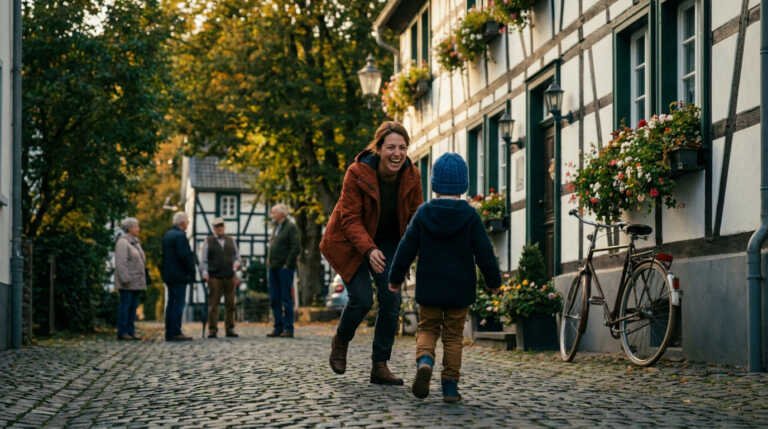
Bad Münstereifel is a small historic town in the Eifel region, known for its medieval walls, traditional buildings, and attractive old town. Surrounded by green hills and countryside, it offers a pleasant alternative to Germany’s larger and busier destinations.
Its compact historic centre makes it easy to explore on foot, while the surrounding region offers opportunities for walking and discovering rural landscapes.
Begin with a walk through the Old Town, where historic buildings line the streets and traditional architecture creates a distinctive atmosphere. The town’s medieval gates and sections of its old defensive walls are among its most recognisable features.
Stroll through the central streets, browse the shops, and stop at a café for a break. The historic setting is particularly appealing to visitors who enjoy photography and discovering smaller destinations.
You can also explore the Collegiate Church of St. Chrysanthus and Daria, which is an important historic landmark in the town.
If you have more time, venture into the surrounding Eifel countryside for a walk along a suitable marked trail. The area offers a combination of woodland, hills, and quiet rural scenery.
Spring and summer are good for exploring the town and countryside. Autumn is another attractive option for visitors who enjoy changing foliage and cooler walking conditions.
Recommended stay: Half a day to one full day.
Getting there: Check current regional rail and bus connections before travelling, as service arrangements can change.
What to enjoy: Local bakeries, cafés, and traditional regional food.
Good to know: Check local visitor information before your trip, particularly if you plan to visit specific attractions or walking routes.
- For local sightseeing information, visit the official Bad Münstereifel website.
Frequently Asked Questions (FAQs)
What are the most beautiful villages in Germany?
- Some beautiful destinations include Rothenburg ob der Tauber, Monschau, Schiltach, Oberammergau, and Mittenwald, known for their historic architecture and scenic surroundings.
What is the best time to visit German villages?
- Spring and early autumn are excellent for sightseeing, pleasant weather, and beautiful countryside views. December is ideal for experiencing traditional Christmas markets in selected towns.
Which German village is best for photography?
- Rothenburg ob der Tauber is famous for its medieval streets, while Cochem offers beautiful castle and river views. Mittenwald is especially attractive for Alpine scenery and colourful painted houses.
Can I visit German villages by train?
- Yes, many destinations are accessible by train, although some require a connecting bus. Check current schedules before planning your journey.
How many days are needed to explore Germany’s villages?
- You can explore one small town in a day, but a five-to-seven-day trip gives you more time to visit several destinations without rushing.
Which German villages are best for nature lovers?
- Mittenwald is excellent for Alpine scenery, Schiltach is a great choice for Black Forest landscapes, and Basedow offers peaceful countryside surroundings.
Are Germany’s villages suitable for family trips?
- Yes. Many destinations offer historic attractions, scenic walks, museums, castles, and family-friendly cafés. Check walking routes and attraction access before visiting.
Are these villages expensive to visit?
- Costs vary by destination and season. You can often save money by visiting outside peak periods, booking accommodation early, and using regional public transport.

I am Sabiq Hasan Rasel. Coffee with Travel, Recipes & Reviews is a cozy and engaging content space that blends a love of coffee with exciting travel experiences, delicious recipes, and honest reviews. It offers inspiration for coffee lovers who enjoy exploring new places, trying unique flavors, and discovering lifestyle tips along the way.