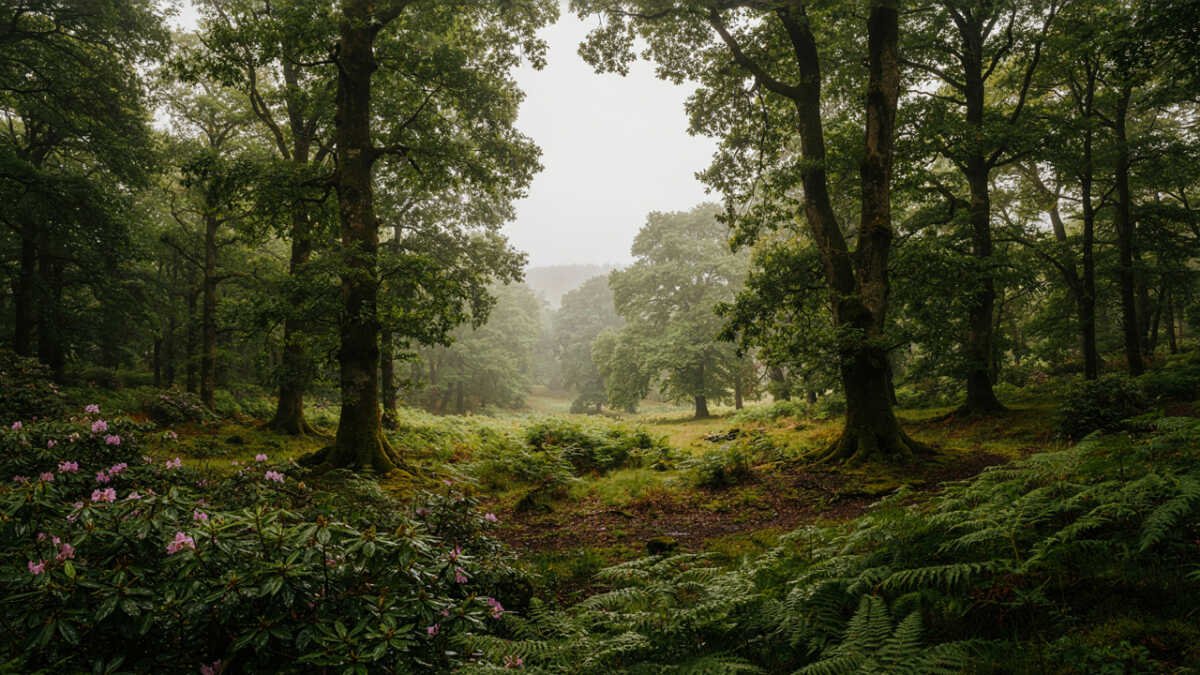
When people hear the word rainforest, they often picture tropical places such as the Amazon. But England has its own type of rainforest—and it is very different from what you might expect.England’s temperate rainforests are cool, wet and incredibly green. They are found mainly in western parts of the country where high rainfall, humidity and relatively mild temperatures create ideal conditions for mosses, lichens, ferns and other moisture-loving species. Government research estimates that around 18,000 hectares of temperate rainforest remain in England, mainly in Devon, Cornwall and Cumbria.Many of these royal landscapes are also ancient woodlands. In England, a woodland is generally classed as ancient when it has existed continuously since at least 1600, although some surviving woods are much older. So, if you enjoy quiet woodland walks, dramatic valleys and unusual wildlife, these 15 places deserve a spot on your England travel list.
1. Borrowdale Rainforest, Cumbria
Location: Borrowdale Valley, near Keswick, Cumbria
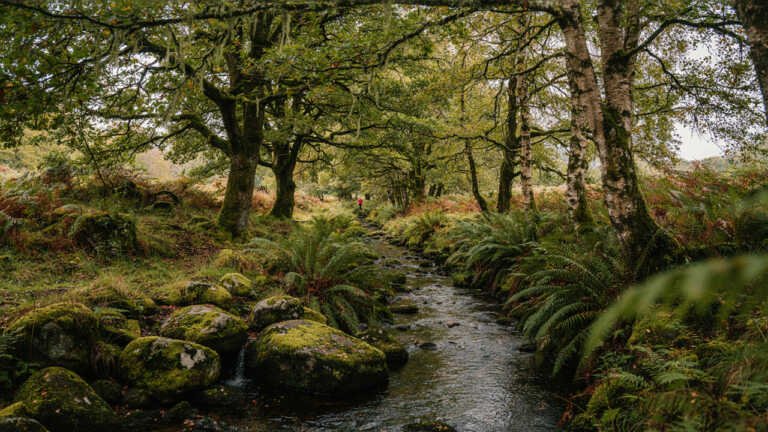
Borrowdale is one of the most impressive places to experience England’s temperate rainforest. In 2024, it became a National Nature Reserve, bringing together a 721-hectare landscape of native woodland in the Borrowdale Valley.
The reason this valley is so special is its climate. The upper Borrowdale Valley receives exceptionally high rainfall, helping create the damp conditions that rainforest plants need. Trees, rocks and woodland floors can be covered in mosses, ferns and lichens, giving the landscape a wonderfully atmospheric appearance.
The rainforest includes native trees such as:
- Oak
- Birch
- Ash
- Holly
- Hazel
- Rowan
It is also an important location for mosses, liverworts and oceanic lichens. Natural England describes it as particularly important for moisture-loving species associated with Britain’s oceanic climate.
The biggest attraction is the combination of rainforest and Lake District scenery. You are not simply walking through trees—you are exploring a valley surrounded by dramatic mountains, rivers, rocks and woodland.
2. Ausewell Wood, Devon
Location: Near Ashburton, Devon
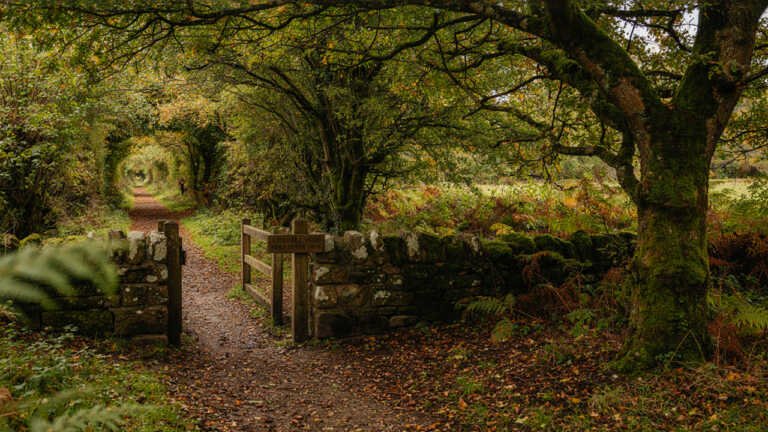
Ausewell Wood is one of the most atmospheric rainforest landscapes in Devon. The woodland lies beside the River Dart and combines ancient woodland, heathland, rocky ground and damp temperate rainforest.
Walking here can feel surprisingly wild. Moss-covered rocks, mature trees, ferns and shaded sections of woodland create the kind of scenery many visitors would not immediately associate with England.
Wildlife is another reason to explore the area. The Woodland Trust lists species including pied flycatchers, redstarts, hazel dormice, bats and several woodland birds among the wildlife found at Ausewell. The woodland also supports plants such as royal fern and a variety of mosses and lichens.
The River Dart is an important part of the experience. Its presence helps create a damp woodland environment while adding another layer of scenery to the walk.
Ausewell is also part of wider conservation work to protect and restore Devon’s remaining temperate rainforest.
For more information before visiting, check the Woodland Trust’s Ausewell Wood page.
3. Fingle Woods, Devon
Location: Near Dunsford, Devon
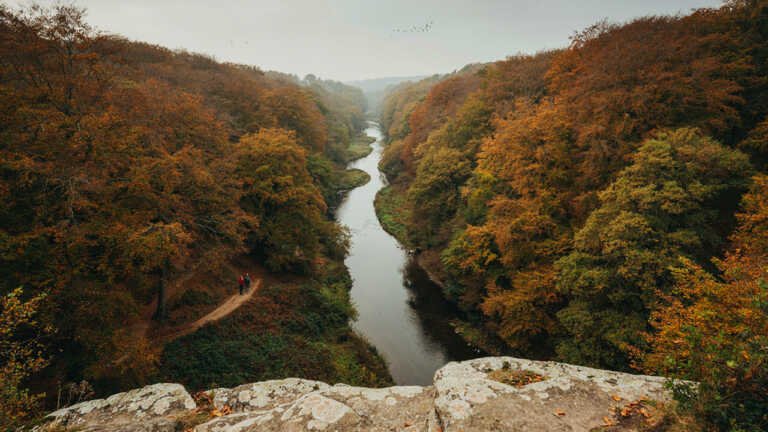
Fingle Woods is another excellent choice if you want to see the relationship between ancient woodland and temperate rainforest.
The history of Fingle Woods goes back thousands of years, with the Woodland Trust describing the site as dating back to the Iron Age. Today, the landscape includes ancient woodland, wet woodland, grassland and temperate rainforest.
One of the most interesting things about Fingle is that conservation work is actively changing parts of the landscape. Non-native conifers are gradually being removed in selected areas to encourage native woodland to recover.
The area is also valuable for wildlife. Visitors may encounter signs of otters along the river, while the woods support bats, birds, butterflies and hazel dormice.
Fingle is ideal for travellers who enjoy a mixture of scenery rather than a single type of landscape. The woodland is crossed by paths and sits within the wider Dartmoor landscape, making it possible to combine a forest experience with views of the surrounding countryside.
The Woodland Trust is also working with the National Trust on long-term restoration at Fingle, making it an interesting place to see how ancient woodland conservation works in practice.
Check the Woodland Trust’s Fingle Woods information before planning your visit.
4. Bovey Valley Woods, Devon
Location: Dartmoor, Devon
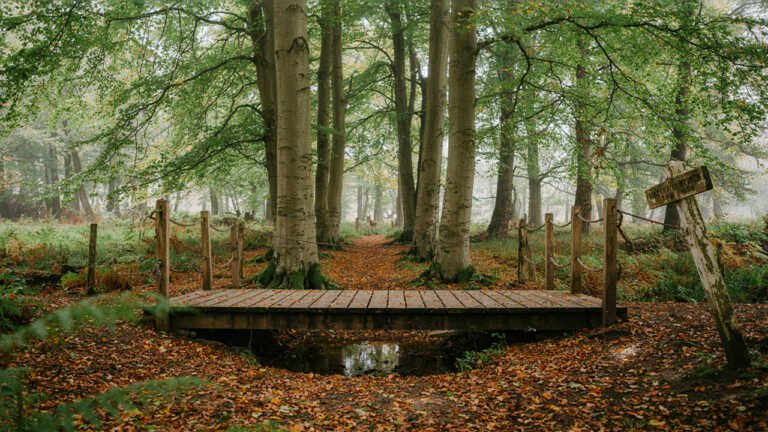
Bovey Valley Woods is tucked into the steep-sided valley of the River Bovey and is one of the places where Devon’s rainforest landscape becomes particularly noticeable.
The Woodland Trust describes the area as a Dartmoor rainforest containing ancient woodland and wildflower-rich wet meadows. The combination of woodland, river valley and damp conditions makes it a fascinating place for nature lovers.
Spring can be a particularly rewarding time to visit because the woodland and surrounding habitats become full of plant life. Wildlife is another attraction, with birds such as pied flycatchers among the species associated with the area. Hazel dormice are also present in the wider woodland habitat.
Don’t expect a perfectly manicured park. Some routes can be steep and muddy, particularly after wet weather. That is part of the character of the landscape, but it means sensible footwear and careful route planning are important.
The best thing about Bovey Valley Woods is its atmosphere. The combination of old trees, wet ground, rocky sections and the river gives the valley a genuinely wild feeling.
5. Wistman's Wood, Dartmoor
Location: Dartmoor, Devon
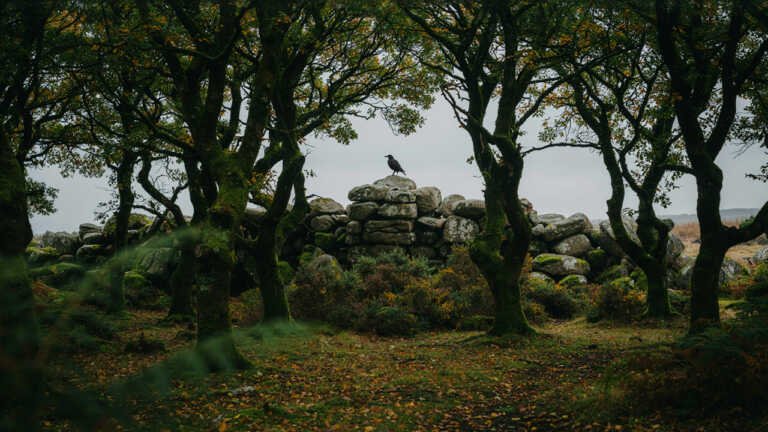
Wistman’s Wood is one of the best-known ancient woodlands on Dartmoor. It looks very different from the lush river-valley rainforests of Ausewell or Borrowdale, but it offers another perspective on England’s ancient woodland heritage.
The gnarled trees, moss-covered branches and rugged landscape give Wistman’s Wood an almost otherworldly appearance. It is also one of Devon’s National Nature Reserves.
It is worth making an important distinction here: Wistman’s Wood should not simply be labelled an intact temperate rainforest without qualification. England’s rainforest habitat is defined by particular climatic and ecological conditions, and not every ancient woodland qualifies as rainforest. The government identifies England’s main temperate rainforest areas as Devon, Cornwall and Cumbria.
Still, for anyone interested in ancient woodland, Wistman’s is an exceptional place to explore.
The landscape feels completely different from an ordinary woodland. Twisted trees, exposed granite and thick moss create a memorable walking experience, while the surrounding Dartmoor scenery makes the journey worthwhile.
It is best approached as a protected natural environment rather than a place to explore off-path. Staying on appropriate routes helps protect the fragile habitat.
6. Avon Valley Woods, Devon
Location: Near South Brent/Woodleigh, Devon
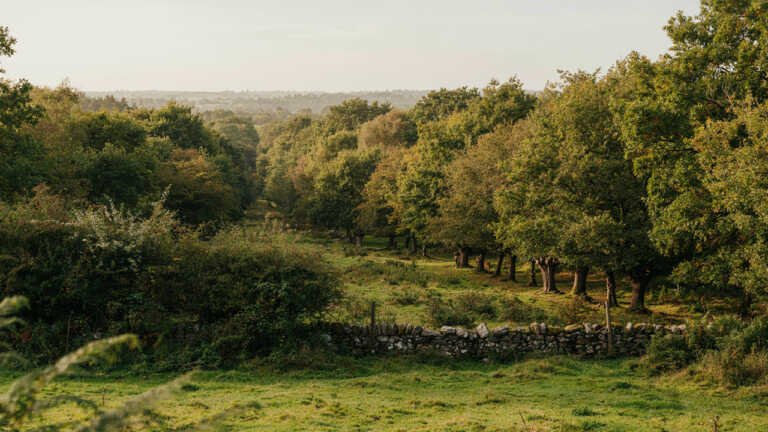
Avon Valley Woods is another interesting place to explore within Devon’s temperate rainforest zone. The Woodland Trust includes it among the woods it manages as part of its wider rainforest recovery work in the South West.
The woodland landscape follows the River Avon and provides the kind of damp, sheltered conditions associated with Atlantic rainforest habitats. Mosses, ferns, lichens and native trees make this a rewarding destination for people who enjoy quieter woodland landscapes.
Avon Valley is a good choice if you want to experience Devon away from some of its busier tourist attractions. The combination of river scenery and woodland gives the area a peaceful character.
It is also interesting from a conservation perspective because the Woodland Trust is working across Devon to restore and connect fragmented rainforest habitats.
Useful link: Woodland Trust – Rainforest Recovery in Devon, Cornwall and Exmoor
7. Shaptor Woods, Devon
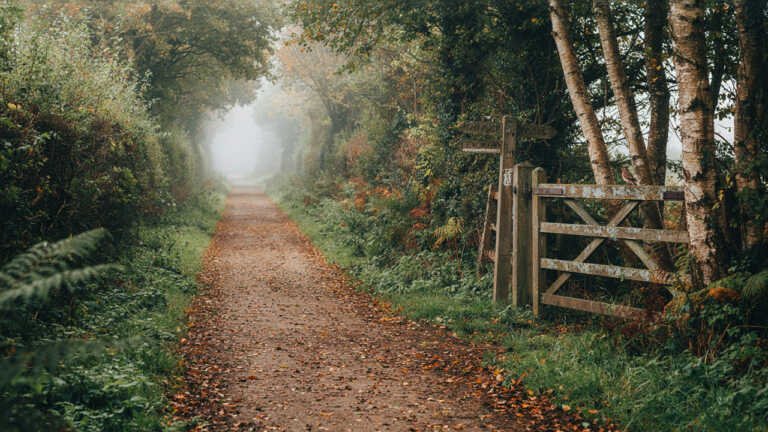
Location: Near Bovey Tracey, Devon
Shaptor Woods is part of the group of important woodland sites within Devon’s rainforest landscape. The Woodland Trust lists it alongside Fingle Woods, Bovey Valley Woods and Ausewell Wood as one of its South West rainforest sites.
Its location near Dartmoor makes it particularly appealing for visitors who want to combine woodland exploration with the wider landscapes of the national park.
The wet, mild climate of western England helps support the mosses, lichens and other moisture-loving organisms that give temperate rainforest its distinctive appearance.
Shaptor Woods is a good option for travellers interested in the lesser-known side of Devon’s rainforest country. Instead of visiting only famous viewpoints, you can spend time noticing the smaller details—lichen-covered branches, mossy surfaces and the changing woodland floor.
Before travelling, check current access information and local conditions.
Useful link: Woodland Trust – Rainforest Recovery
8. Hall Farm Estate, Devon
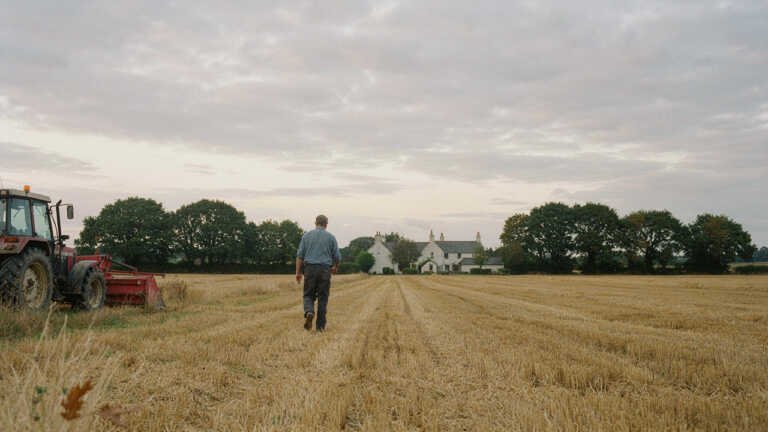
Location: Harford, Devon
Hall Farm Estate offers something a little different. Rather than being a single large block of rainforest, the estate contains a mixture of ancient woodland, newer woodland, veteran trees, wet woodland and areas with temperate rainforest characteristics.
King’s Wood is particularly interesting. The Woodland Trust describes wet woodland along the River Erme, with alder and willow, while twisted oak trees, ferns, mosses and lichens contribute to its rainforest character.
The estate supports a surprisingly varied collection of habitats. Depending on the area, you may find:
- Ancient and veteran trees
- Oak, ash, birch and rowan
- Ferns and mosses
- Lichens
- Wet woodland
- Grassland and heathland
- Wildlife associated with woodland and open habitats
- This mixture makes Hall Farm Estate particularly interesting for nature enthusiasts who want to see how different habitats can exist alongside one another.
9. Buckland Wood, Devon
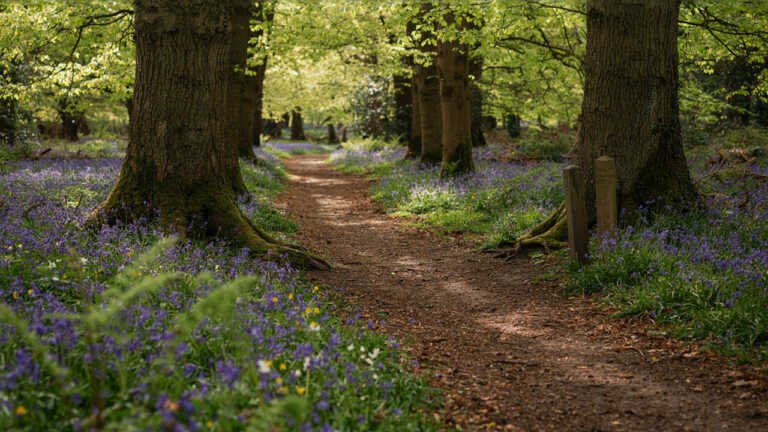
Location: Devon
Buckland Wood is located in the heart of Devon’s temperate rainforest zone and is particularly interesting because of its connection with ongoing conservation and restoration work.
The Woodland Trust describes Buckland as a valuable example of Devon’s globally rare temperate rainforest habitat. It is also located near Ausewell Wood, another important rainforest site.
Restoration work in this part of Devon aims to improve habitat quality and encourage native woodland species. Previous work at nearby Ausewell has included removing non-native species and improving conditions for wildlife.
For me, one of the most interesting things about sites such as Buckland is that they show that conservation is not simply about protecting an old forest exactly as it is. Restoration can also help fragmented habitats become healthier and more connected.
The surrounding landscape can support species including dormice, otters, bats and woodland birds, although seeing wildlife during a visit is never guaranteed.
Useful link: Woodland Trust – Buckland Wood
10. Golitha Falls, Cornwall
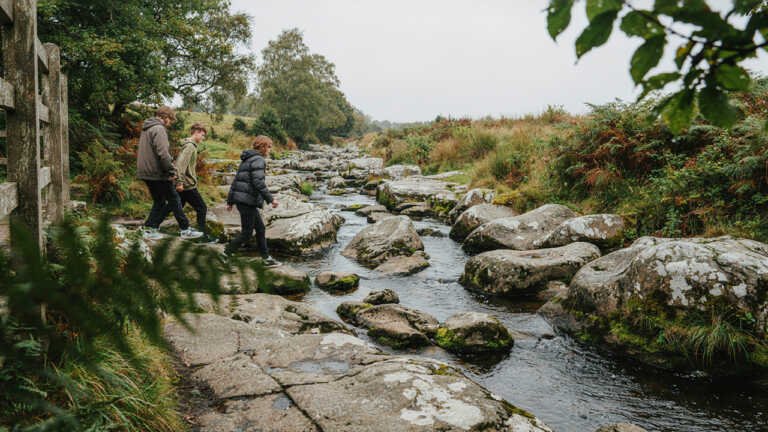
Location: Bodmin Moor, Cornwall
Golitha Falls is one of Cornwall’s most atmospheric woodland destinations. The River Fowey runs through the woodland, creating a series of rocky cascades surrounded by trees and lush vegetation.
Importantly, Golitha Falls is officially a National Nature Reserve, and the UK Government describes it as an upland oak and mixed ash woodland that is particularly important for rare bryophytes. It is also designated as a Site of Special Scientific Interest.
That makes it especially interesting for anyone fascinated by mosses, liverworts and other small plants that thrive in damp woodland conditions.
The river is the star of the landscape. Walking beside the rushing water, with woodland rising around the valley, gives the area a wonderfully natural atmosphere.
It is also a good reminder that England’s rainforest story is not limited to Devon and Cumbria. Cornwall contains important rainforest-associated habitats too, particularly where its wet Atlantic climate meets ancient woodland.
11. Dunsford Woods, Devon
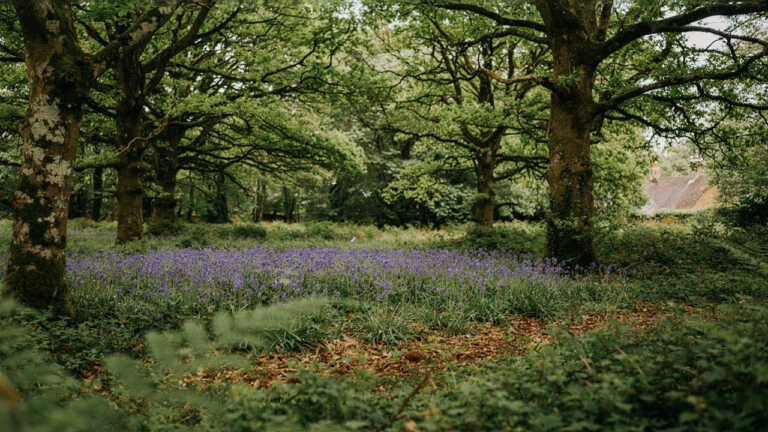
Location: Near Dunsford, Devon
Dunsford Woods sits in the beautiful Teign Valley and is part of the wider woodland landscape around Dartmoor. The area is known for its ancient woodland character, steep valley sides and damp conditions that support a rich variety of woodland plants.
The nearby River Teign adds to the area’s cool and humid environment. On a walk, you can expect plenty of mature trees, moss-covered surfaces and a mixture of native woodland vegetation.
Its location makes it a useful stop for travellers exploring the Teign Valley. It also gives visitors a chance to experience the type of wooded landscape that has helped make Devon one of England’s most important areas for temperate rainforest conservation.
For nearby woodland conservation information, visit the Woodland Trust
12. Lustleigh Cleave, Devon
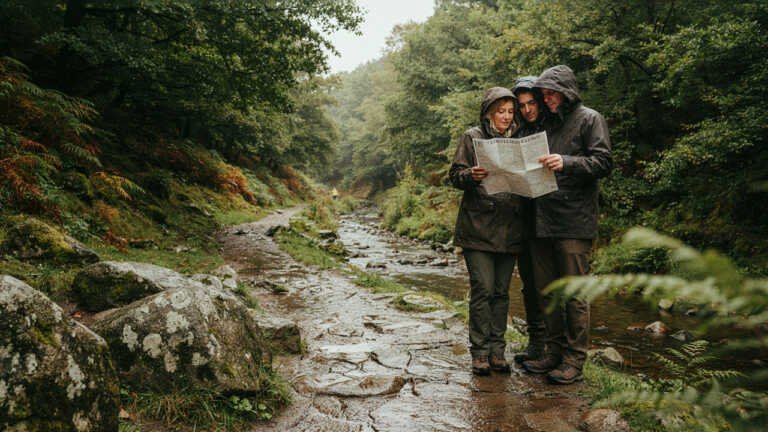
Location: Near Lustleigh, Devon
Lustleigh Cleave is one of Dartmoor’s most attractive wooded valleys. The landscape includes steep slopes, rocky sections and ancient woodland, creating a very different experience from an ordinary country park.
The woodland contains mature oak and other native trees, while the damp climate helps support mosses, ferns and lichens. The surrounding valley scenery is just as impressive as the woodland itself.
The combination of ancient woodland, granite rocks and Dartmoor scenery makes this a particularly rewarding place for walkers and photographers.
It is worth visiting after wet weather if you enjoy the lushest woodland atmosphere, although paths can become slippery and muddy.
13. Wray Woods, Cumbria
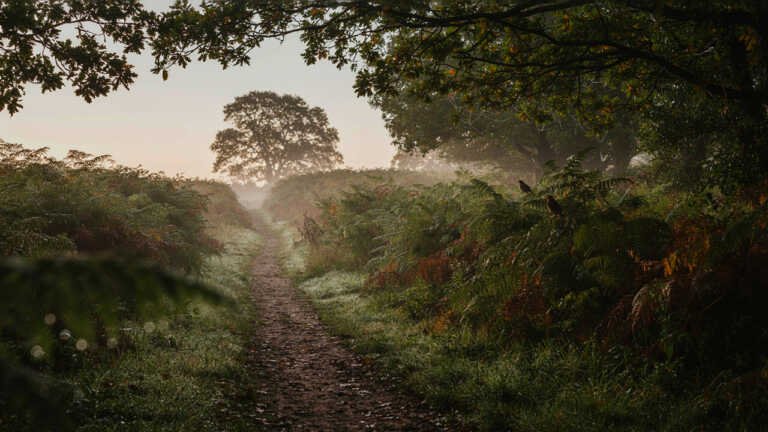
Location: Near Windermere, Cumbria
Wray Woods provides another opportunity to explore the wetter woodland landscapes of the Lake District. The area around Wray is known for its woodland, lake scenery and high rainfall.
Cumbria is one of the principal regions identified by the UK Government for England’s temperate rainforest habitats. The combination of abundant rainfall, humidity and native woodland creates excellent conditions for mosses, ferns and lichens.
If you’re already visiting the Lake District, Wray is an easy way to combine woodland scenery with the area’s famous lakes and mountains.
Rather than rushing through the area, take time to look closely at the woodland floor and tree trunks. In these damp environments, some of the most interesting details are surprisingly small.
For information about protected natural areas in Cumbria, see the UK Government’s National Nature Reserves information.
14. Whilton Wood, Devon
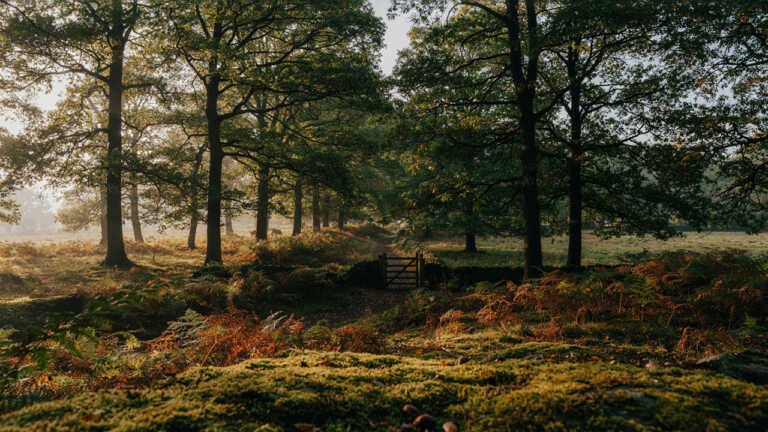
Location: Devon
Whilton Wood is another example of the wooded landscapes that make Devon so important for England’s rainforest recovery efforts.
The western parts of England receive much more rainfall than many other parts of the country, and Devon’s mild Atlantic climate creates favourable conditions for moisture-loving plants.
Visitors interested in woodland ecology can look for:
- Mature native trees
- Ferns
- Mosses
- Lichens
- Woodland fungi
- Damp streamside habitats
- The appeal here is less about finding one famous landmark and more about experiencing a living woodland environment.
- For broader information about rainforest restoration across Devon, see the Woodland Trust’s Devon rainforest programme.
15. Wistman's Wood and Dartmoor's Ancient Woodland Landscape, Devon
Location: Dartmoor, Devon
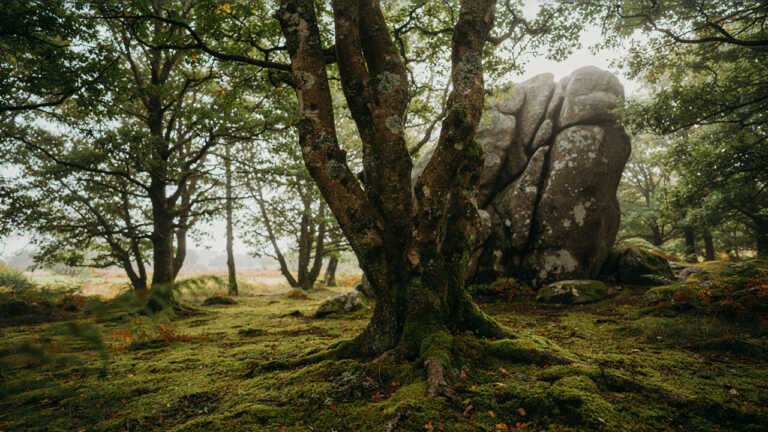
Wistman’s Wood is worth including again as part of a broader ancient woodland and rainforest landscape section because it is one of the most distinctive old woodlands in England.
The woodland’s twisted oak trees and moss-covered branches create a remarkable appearance. Its exposed location on Dartmoor also means it looks very different from the sheltered wooded valleys farther south.
Wistman’s Wood is a National Nature Reserve, and its unusual woodland habitat supports important lichens, mosses and other specialist plants. The site is protected because of its ecological importance.
The scenery alone makes it memorable. But the real attraction is its ecological character. The slow-growing trees and delicate plants have developed in a harsh environment, creating a woodland that looks almost completely different from conventional English forests.
Important: Because this is a protected and fragile environment, visitors should follow local access guidance and avoid damaging vegetation.
Final Thoughts
England’s ancient woodland and temperate rainforest landscapes offer something very different from the country’s better-known tourist attractions. From the dramatic Borrowdale Valley in Cumbria to the moss-covered woodlands of Devon and Cornwall, these places combine natural beauty, wildlife and centuries of history.
What makes them particularly special is their rarity. Temperate rainforest habitat is now highly limited, so visiting responsibly is important. Stay on suitable paths, avoid disturbing plants and wildlife, and follow local conservation guidance.
If you love nature, peaceful walks and unusual landscapes, adding England’s ancient woodlands and temperate rainforests to your travel plans can make your trip much more memorable.
Frequently Asked Questions (FAQs)
Does England really have rainforests?
- Yes. England has temperate rainforests, also known as Atlantic woodlands. They occur mainly in Devon, Cornwall and Cumbria and are very different from tropical rainforests.
Where are England’s temperate rainforests?
- The main areas are Devon, Cornwall and Cumbria. These regions have the wet, mild and humid conditions that support rainforest habitats.
What is the most famous rainforest in England?
- Borrowdale in Cumbria is one of the best-known examples. In 2024, a 721-hectare area of Borrowdale was declared a National Nature Reserve and recognised as England’s largest temperate rainforest.
Are England’s rainforests ancient?
- Many are. The UK Government says most temperate rainforests are also ancient woodland, with some woodland habitats being more than 400 years old.
What wildlife can be found in these forests?
- Depending on the location, rainforest habitats can support rare lichens, mosses, liverworts, ferns, birds and mammals. Borrowdale, for example, is an important habitat for red squirrels and several woodland bird species.
When is the best time to visit?
- Spring, summer and autumn are generally good seasons for woodland walks. Wet weather can make these landscapes especially lush, but it can also make paths muddy or slippery, so check local conditions before setting out.
Why are temperate rainforests important?
- They support specialist wildlife, store carbon, help regulate water and provide important natural and cultural landscapes. Because the habitat is globally rare, protecting what remains is particularly important.
How can visitors protect ancient woodland?
- Stay on appropriate paths, don’t remove plants or natural materials, keep wildlife undisturbed, take rubbish home and follow site-specific conservation guidance. Ancient woodland is considered an irreplaceable habitat in England’s planning policy.

I am Sabiq Hasan Rasel. Coffee with Travel, Recipes & Reviews is a cozy and engaging content space that blends a love of coffee with exciting travel experiences, delicious recipes, and honest reviews. It offers inspiration for coffee lovers who enjoy exploring new places, trying unique flavors, and discovering lifestyle tips along the way.